REVIEW · BERLIN
From Berlin: Licensed Sachsenhausen Tour with max. 15 people
Book on GetYourGuide →Operated by Original Berlin Walks GmbH · Bookable on GetYourGuide
One day at Sachsenhausen changes your view. I like how this small group (max 15) keeps the pace human, and how the guide is officially licensed and trained specifically for the memorial’s story. You also get to important parts of the site, not just a quick walk-by.
The trade-off is simple: it’s emotionally heavy and there’s a lot of walking on mostly outdoor paths, which can get muddy after rain. Plan on bringing the basics, like comfortable shoes and a drink, because there’s no place to buy snacks or drinks at the memorial.
In This Review
- Key Things That Make This Sachsenhausen Tour Worth Your Time
- Sachsenhausen in a Half-Day: What You’ll Actually See
- Meeting Point at Hackescher Markt and the Ride North
- How the Guide Builds Context Before You Reach the Memorial
- Tower A and the Gate Slogan: The Camp’s Logic in One View
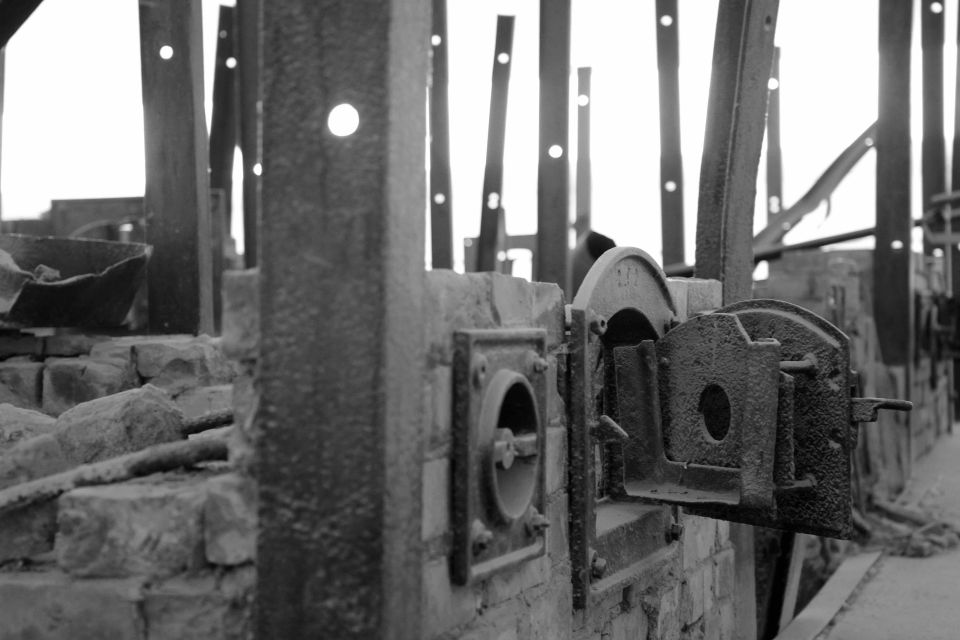
- Station Z Execution-Center Memorial: Where the Story Turns Somber
- Barracks, Prison Kitchen, Infirmary, and the Shoe Testing Track
- Oranienburg on the Return: A Little Break in a Long Day
- Resistance Stories: Revolt, Counterfeiting, and Jimmy James’s Tunnel
- Price and Logistics: Is $38 Good Value?
- Who This Tour Fits Best (and Who Might Rethink It)
- Should You Book This Sachsenhausen Tour?
- FAQ
- Where is the meeting point for the Sachsenhausen tour?
- How long is the tour?
- How big is the group?
- Is the tour offered in English?
- Do I need a public transport ticket?
- Can I buy food or drinks at the Sachsenhausen memorial?
Key Things That Make This Sachsenhausen Tour Worth Your Time
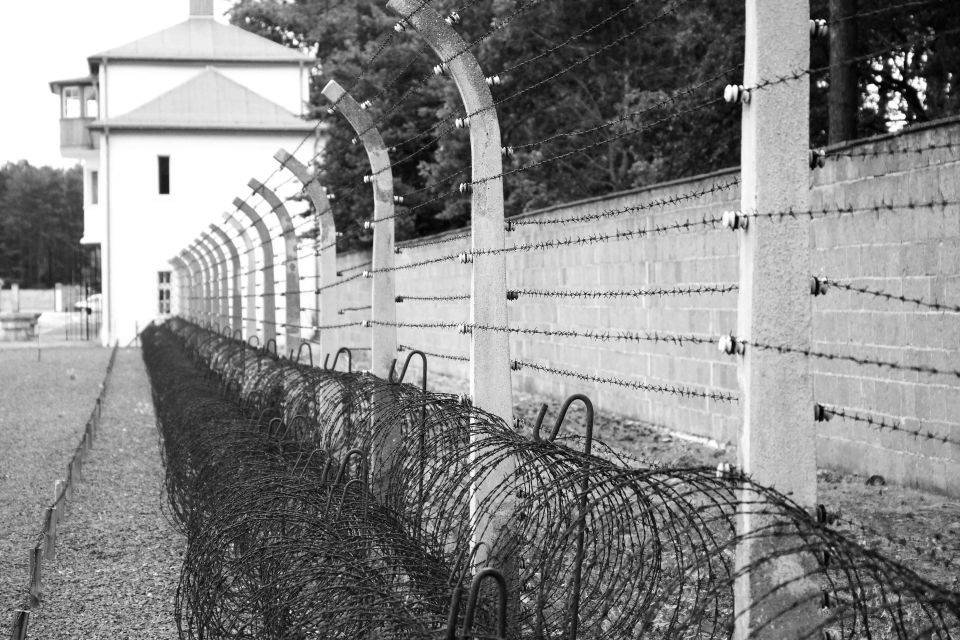
- Tower A and the gate slogan: You’ll see Tower A, including the notorious phrase work sets you free.
- Station Z execution-center memorial: You walk through one of the site’s most chilling areas with context.
- Barracks and evidence-of-horror stops: Jewish barracks, the shoe testing track, prison kitchen, and infirmary barracks.
- Resistance stories that cut through the darkness: The 1942 revolt, the forgery workshop that counterfeited millions in pounds sterling, and the tunnel dug by Jimmy James.
- Guides who handle hard questions well: Many guides are praised for balancing empathy, seriousness, and clear answers.
Sachsenhausen in a Half-Day: What You’ll Actually See
This is a long day that still feels focused. The full experience runs about 5.5 to 6 hours including travel time (330 minutes), with guided time inside the memorial and time spent moving between key areas.
You’re not looking at Sachsenhausen the way you might with a general audio guide. Instead, you get a guided structure that links the camp’s purpose, the Nazi concentration-camp system, and what daily life looked like for prisoners. The tour also pays attention to who was targeted and why, which is crucial if you want the history to make sense rather than just shock you.
And because the group is capped at 15 people, you’ll get room for questions. That matters here. When the subject is Holocaust history, you want a guide who can answer without rushing you.
You can also read our reviews of more tours and experiences in Berlin.


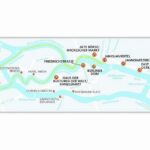
Meeting Point at Hackescher Markt and the Ride North
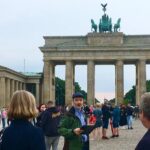
You meet in Berlin at the Starbucks outside Hackescher Markt S-Bahn station. From there, you head to the memorial area by public transport, which is part of the day’s value: you’re traveling like locals, not hopping in and out of a private van.
The ride takes about 50 minutes each way, and the schedule includes a short stop/walk around Oranienburg on the return side. You should expect the day to feel like a small expedition: train, walk, train again, and then a steady pace through the memorial grounds.
Practical tip: if you’re using transit tickets, plan for an ABC day pass. The tour specifically calls for a public transport ticket, so don’t count on hopping on without one.
Also, the guides have handled real-world transit hiccups before by rerouting with other trains. If there’s a day with service changes, your guide should help you keep moving.
How the Guide Builds Context Before You Reach the Memorial
What I like most about this format is that it doesn’t start with horror photos. It starts with why the Nazis built Sachsenhausen and how this camp fit into the bigger concentration-camp machine.
You’ll learn that Sachsenhausen was built in 1936 by the SS, and it was the second major camp constructed after Dachau. The tour frames it as a place designed to detain opposition to the Nazi regime, then explains how the concentration-camp system expanded and hardened over time.
Expect the guide to use witness accounts and the latest historical research to explain what imprisonment was like day to day. That’s not just a lecture. It’s meant to help you read what you’re seeing later: the layout, the work areas, the punishment spaces, and the barracks blocks.
This “setup” period pays off during the main walk. When the guide tells you how prisoners were forced into labor under appalling brutality, you’ll recognize the purpose behind each stop.
Tower A and the Gate Slogan: The Camp’s Logic in One View
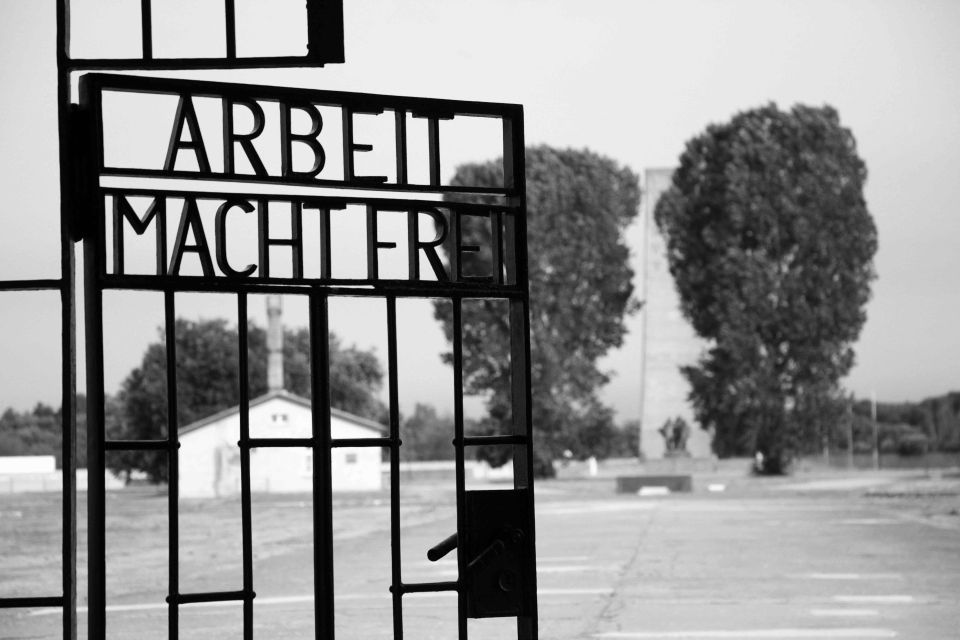
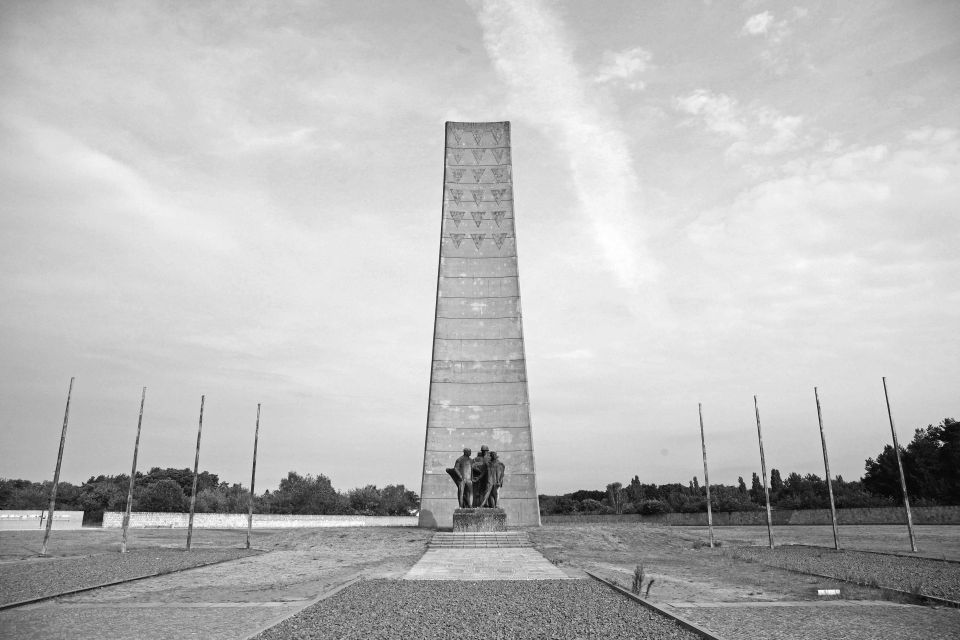
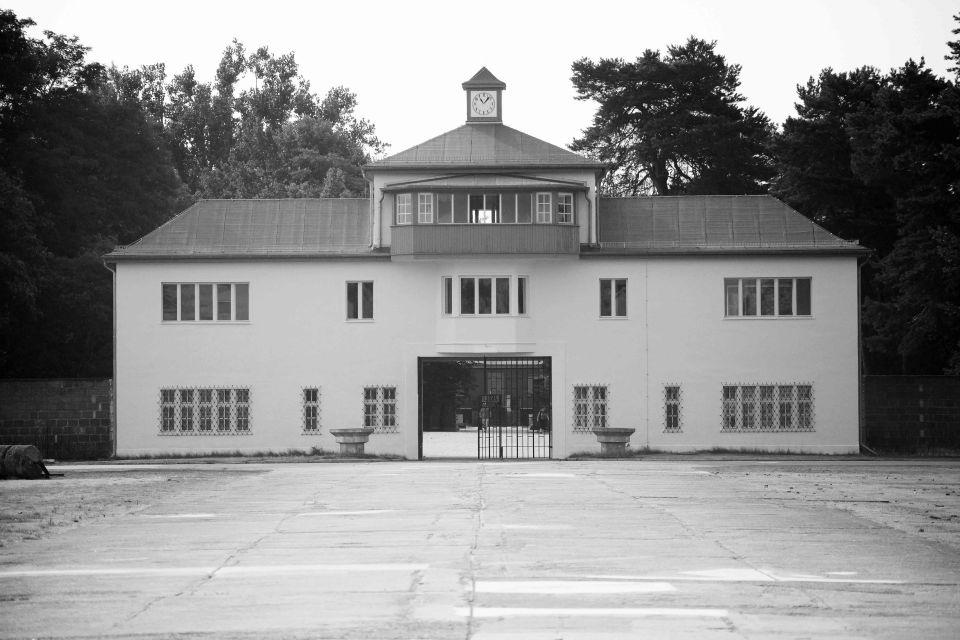
One of the headline moments is Tower A, including the phrase on the gate: work sets you free. Seeing a propaganda slogan attached to a prison-camp gate is unsettling in a way that numbers alone never capture.
This is where the tour helps you understand the Nazis’ method: control through labor, control through intimidation, and control through lies. The guide ties the physical structure to the system’s goals, so you’re not just standing in front of a landmark—you’re decoding the message the camp was built to send.
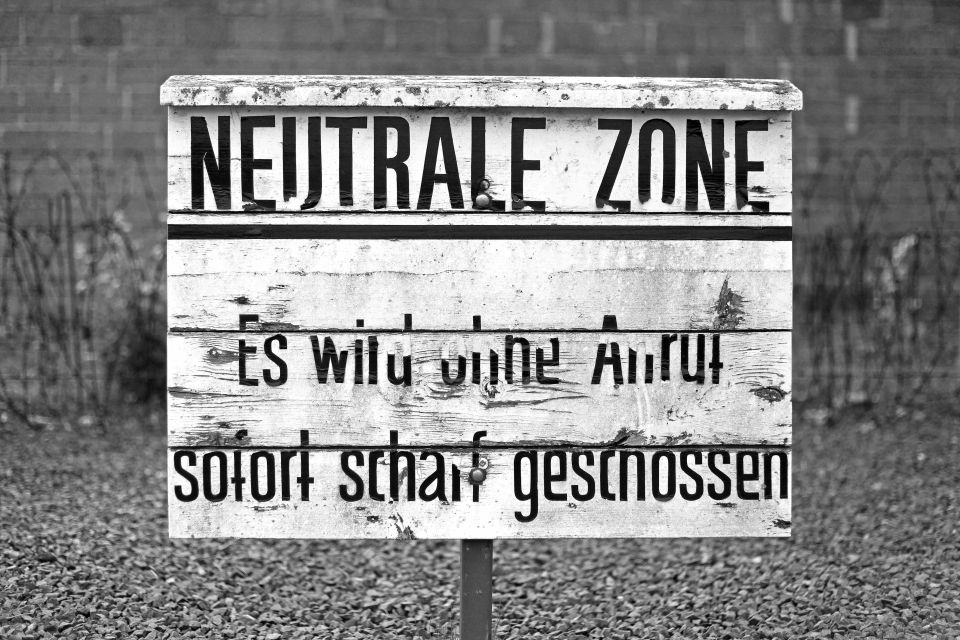
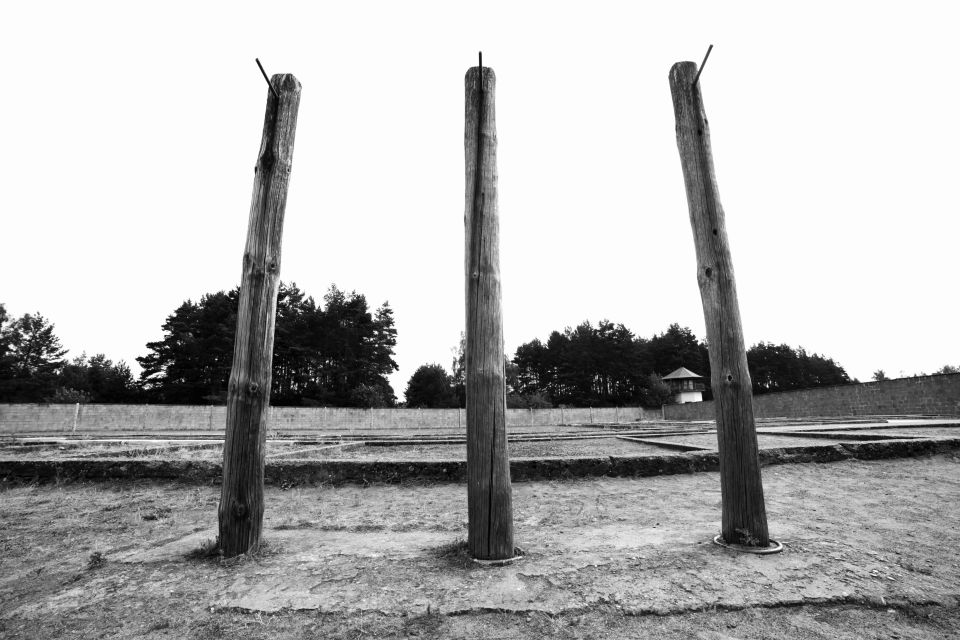
You’ll also notice how the memorial preserves parts of the camp’s remains, including watchtower areas and other site features. Your guide should help you interpret what you’re looking at without turning the day into a scavenger hunt.
Time-wise, you’ll likely spend a steady chunk of your guided time on the core memorial grounds, and Tower A is one of the points that gives you a framework for everything that follows.
Station Z Execution-Center Memorial: Where the Story Turns Somber
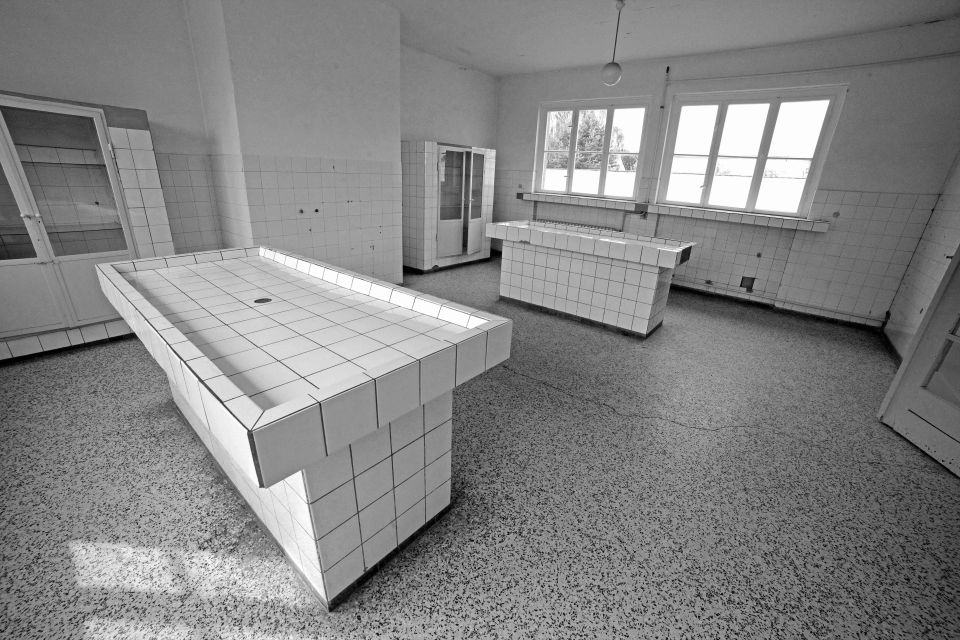
Next up is Station Z, an execution-center memorial area. This is not an “optional stop” kind of place. It’s one of the central pieces of Sachsenhausen’s story.
A guide-led walk is especially important here. The tour is designed so your guide can place Station Z into the broader system of persecution and murder, rather than treating it like a standalone shock site. You’ll understand how violence was organized and how the camp functioned as an instrument of terror.
You should also be prepared for this portion to feel heavier than you expect. The experience can be emotionally challenging, and the tour is explicit about that. If you tend to get overwhelmed, build in patience for yourself: take water breaks when needed and slow down if you’re absorbing too much at once.
The upside of having a guide: you’ll still leave with understanding, not just numbness.


Barracks, Prison Kitchen, Infirmary, and the Shoe Testing Track
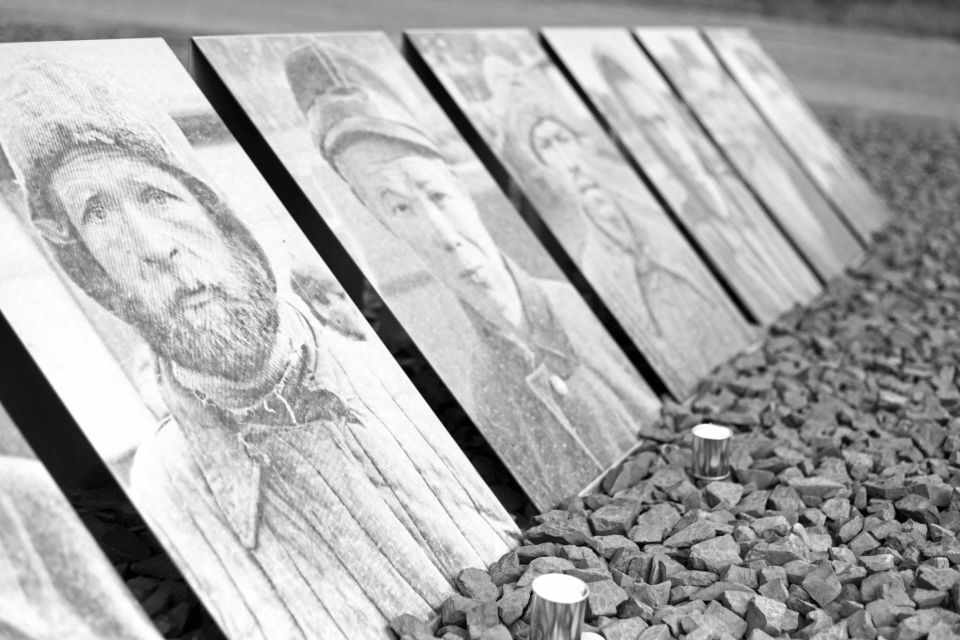
If there’s one part you’ll remember because it’s so specific, it’s the tour’s insistence on detail.
Inside the memorial, you’ll see areas linked to daily prisoner experience and camp operations, including:
- the Jewish barracks
- the shoe testing track
- the prison kitchen
- the infirmary barracks
These stops matter because they connect policy to bodies. This isn’t history as an abstract timeline. It’s history as forced routine: where people slept, where they were processed, where they were kept alive only to be used, and where exploitation turned into systematic cruelty.
The guide should link these spaces back to prisoner groups and camp functions. That connection is part of why the tour is repeatedly praised: it’s hard to understand the camp’s purpose without this kind of guided interpretation.
If you’re traveling with friends, don’t try to race ahead. This is one of those days where everyone needs the same pace so you can compare notes and ask questions without losing the thread.
Oranienburg on the Return: A Little Break in a Long Day
The itinerary includes a short walk in Oranienburg before heading back to Berlin. It’s not presented as a sightseeing detour. It’s more of a breather between the heaviest parts of the visit and the train ride home.
This is also a good reminder of how long the day is. The tour runs about 9am to 3pm for some schedules people report, and even when your timing varies, you’re still on your feet for a major chunk of the day.
Don’t rely on finding food near the memorial. The tour specifically warns there’s no possibility to buy drinks or snacks on site. Bring a snack and a bottle of water. If you skip this, you’ll feel it, and the memorial experience deserves more attention than a low-energy breakdown.
Resistance Stories: Revolt, Counterfeiting, and Jimmy James’s Tunnel
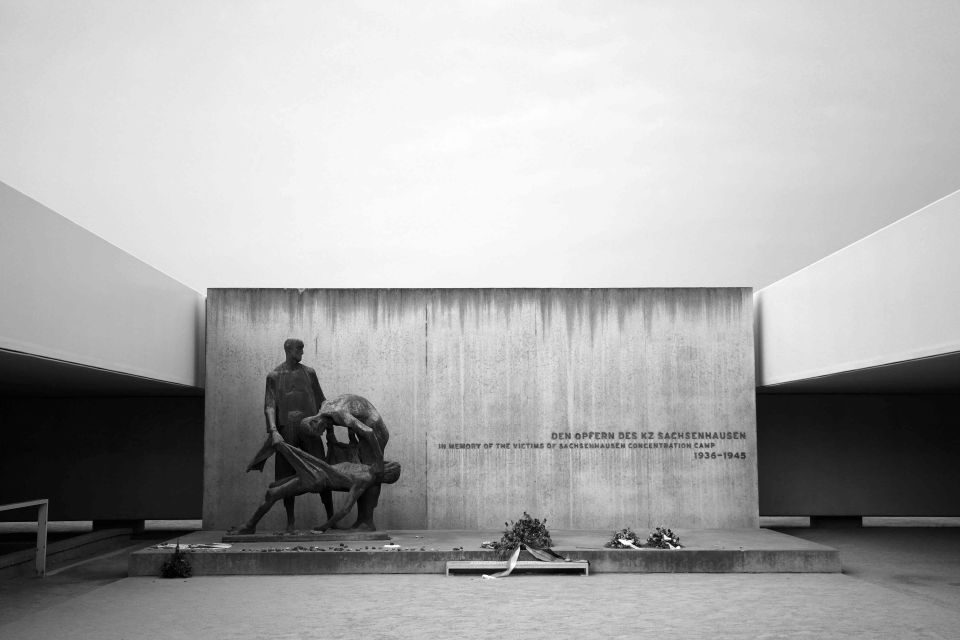
Sachsenhausen isn’t only about victimhood. Your guide should also cover resistance and survival, and this tour includes multiple threads that give the day more than one kind of meaning.
You’ll learn about:
- the revolt of Jewish prisoners in 1942
- survival efforts connected to the forgery workshop, where prisoners counterfeited millions of pounds sterling
- escape stories, including the tunnel dug by Jimmy James
- the history of the Death March ahead of liberation in 1945
I like that the tour doesn’t treat these stories as separate “nice endings.” They’re woven into the larger camp history—so you see resilience as a response to a system designed to crush people.
This is also where the guides’ tone matters. Many guides are praised for balancing seriousness with humane warmth. For example, guides such as Sarah and Georgia are described as personable while still honoring the topic’s weight, and Lewis is praised for handling a difficult, complex subject with empathy and clear answers.
You don’t need to leave feeling cheerful. But you should leave feeling that human choices and resistance mattered.
Price and Logistics: Is $38 Good Value?
At $38 per person, this tour is aiming at value through three things: the guide, the memorial fee/donation, and the small group limit.
Here’s what your ticket covers:
- a licensed and trained guide
- the memorial fee
- a €3 donation to the camp memorial
- memorial entry support that includes skipping the ticket line
- a small group capped at 15 people
Public transport tickets are not included, but an ABC day pass is recommended, which usually makes transit planning easier.
The best way to think about the price: you’re paying for informed, officially supported interpretation. At Sachsenhausen, that can be the difference between seeing a site and understanding a system—especially since the tour includes specific places like Tower A, Station Z, barracks areas, the shoe testing track, and the resistance stories that connect to real historical events.
Who This Tour Fits Best (and Who Might Rethink It)
This tour is a strong fit if you want Holocaust history with structure and a guide who can answer questions. The combination of official licensing, careful stops, and coverage of both the camp’s machinery and resistance stories is ideal if you’re trying to learn more than a generic overview.
It’s also a great match for groups who like small-group dynamics. Guides like Emma, Ronja, Anya, and Lewis are repeatedly described as organized, approachable, and able to keep a difficult day moving without losing sensitivity. You can also expect your guide to manage the logistics on train days, including rerouting if something goes wrong.
You might pause before booking if you know you’re extremely sensitive to emotionally heavy material. The tour doesn’t sugarcoat anything, and the day involves sustained walking on uneven ground that can be muddy after rain.
Should You Book This Sachsenhausen Tour?
I think you should book this tour if you want a licensed, small-group, guide-led experience that connects Sachsenhausen’s physical layout to the Nazi camp system and to specific stories of persecution and resistance. The most useful part is that you get both the hard facts and the human context, with clear answers along the way.
Book it with these preparations:
- wear comfortable shoes (seriously)
- bring water and a snack
- dress for wind or rain because parts of the memorial are outdoors
- set expectations that this is somber history, not casual sightseeing
If you’re only doing one guided visit from Berlin to a major camp site, this is the kind of option that helps you leave with understanding instead of just impressions.
FAQ
Where is the meeting point for the Sachsenhausen tour?
Meet outside Starbucks opposite Hackescher Markt S-Bahn station in Berlin.
How long is the tour?
The total duration is about 330 minutes, including travel time.
How big is the group?
The tour is limited to a small group of max 15 participants.
Is the tour offered in English?
Yes, the live guide leads the tour in English.
Do I need a public transport ticket?
Yes. A public transport ticket is required, and an ABC day pass is recommended.
Can I buy food or drinks at the Sachsenhausen memorial?
No. The tour notes that there is no possibility to buy drinks or snacks on site, so you’ll want to bring your own.
If you want, tell me your travel dates and whether you prefer a morning or afternoon start, and I’ll help you plan what to do in Berlin before and after this day.