REVIEW · BERLIN
Berlin: Disgusting Food Museum Entry Ticket and Tasting
Book on GetYourGuide →Operated by Disgusting Food Museum Berlin · Bookable on GetYourGuide
Berlin has a way of turning normal sightseeing on its head. This is one of those places: the Disgusting Food Museum, where you spend a day facing the weird end of food culture and asking why it all matters. What I like most is the mix of 90 global exhibits plus real-world questions about food and nutrition, not just shock value. The second big win is the Tasting Bar, where small samples help you test your own limits in a controlled way. One consideration: some of the exhibition content may feel uncomfortable if you are sensitive to strong smells or unsettling food visuals.
You’ll see examples like mouse wine, mite cheese, stinky fish, and worms, then you can put your reaction into words in the museum’s ongoing conversations about production, preferences, and what we might eat next. A review highlight I kept thinking about is the Hall of Fame challenge, described as hard work, but a must-do if you want the full experience. If you hate surprises, it’s worth knowing this museum is intentionally intense and very sensory.
If you’re in Berlin for food that goes beyond the usual comfort zone, this can be a memorable detour. You’ll leave with a better sense that nutrition is bigger than your personal likes, and that cultural history can be weirdly personal. Just plan for an experience that uses disgust as a door to curiosity, not a gentle stroll.
In This Review
- Key Highlights You Should Know Before You Go
- Disgusting Food Museum Berlin: What the Experience Is Really About
- The 90 Exhibits: Global Weird Foods, Not One-Note Shock
- The Tasting Bar: How to Test Your Limits Without Losing the Day
- The Conversation Side: Food Issues, Nutrition, and the Future
- Price and Time: Is $20 Good Value in Berlin?
- Who This Museum Fits Best (And Who Should Think Twice)
- Practical Tips Before You Go (So You Don’t Waste Time)
- Should You Book the Disgusting Food Museum Berlin?
- FAQ
- How much does the Disgusting Food Museum Berlin cost?
- How long is the experience?
- What’s included with the ticket?
- Are tastings included or do I need to buy them separately?
- Is the museum wheelchair accessible?
- What should I bring with me?
- Is free cancellation available?
Key Highlights You Should Know Before You Go
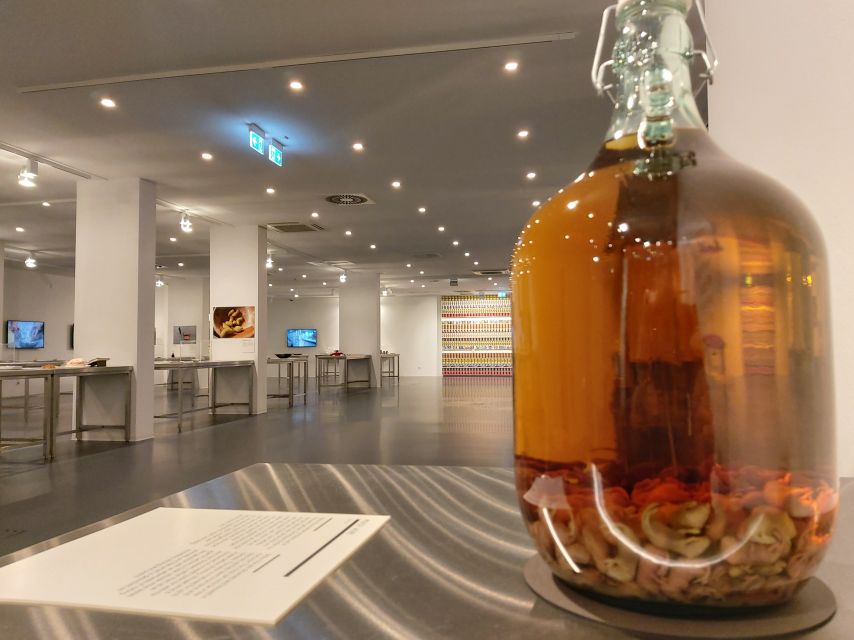
- Ninety exhibits from around the world covering foods that most people would rather skip
- Tasting Bar samples included so you can try a few oddities without doing the full buffet of discomfort
- Hall of Fame challenge that feels like the museum’s playful final test
- Discussions about food and nutrition tied to real questions, not just jokes
- Built for all ages, with a format that works for families who can handle the theme
- Wheelchair accessible so you can experience it comfortably
Disgusting Food Museum Berlin: What the Experience Is Really About
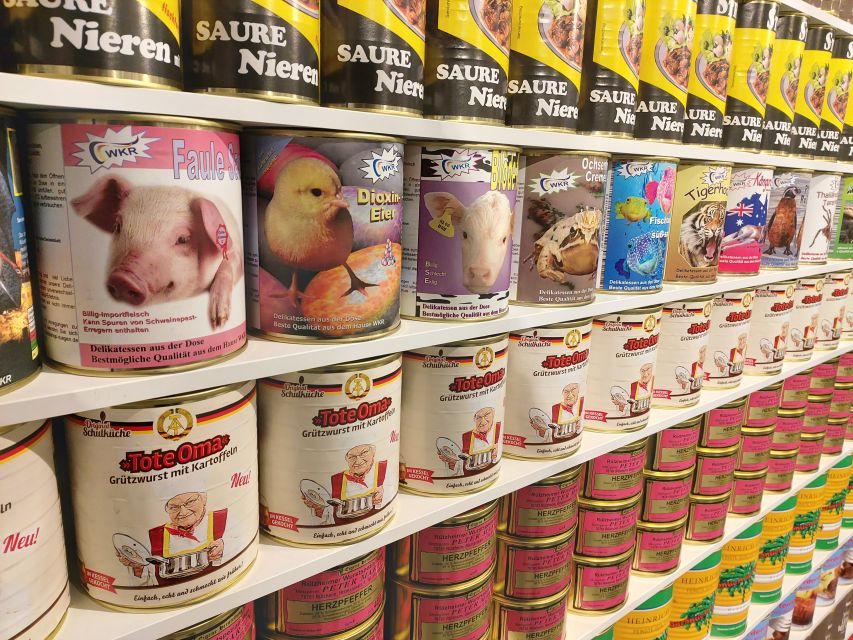
The Disgusting Food Museum in Berlin isn’t trying to make you gag for the sake of it. It uses disgust as a shortcut to a bigger theme: how culture, hunger, science, and geography shape what ends up on a plate. The museum’s promise is that you’ll see the most disgusting foods from around the world, but the payoff is your new understanding of nutrition and food choices.
I like this approach because it turns a silly premise into something you can think about afterward. You’re not just reading labels; you’re reacting, comparing, and (if you choose the tasting area) noticing how smell and taste influence your opinion. In a city full of excellent museums, this one is different. It’s memorable because it forces your senses to participate.
That also means you shouldn’t treat it like a quick photo stop. Plan on giving yourself a real day’s worth of attention to the exhibits and the tasting area. The museum may not be huge, but the variety and the way items are presented can keep you busy.
You can also read our reviews of more tours and experiences in Berlin



The 90 Exhibits: Global Weird Foods, Not One-Note Shock
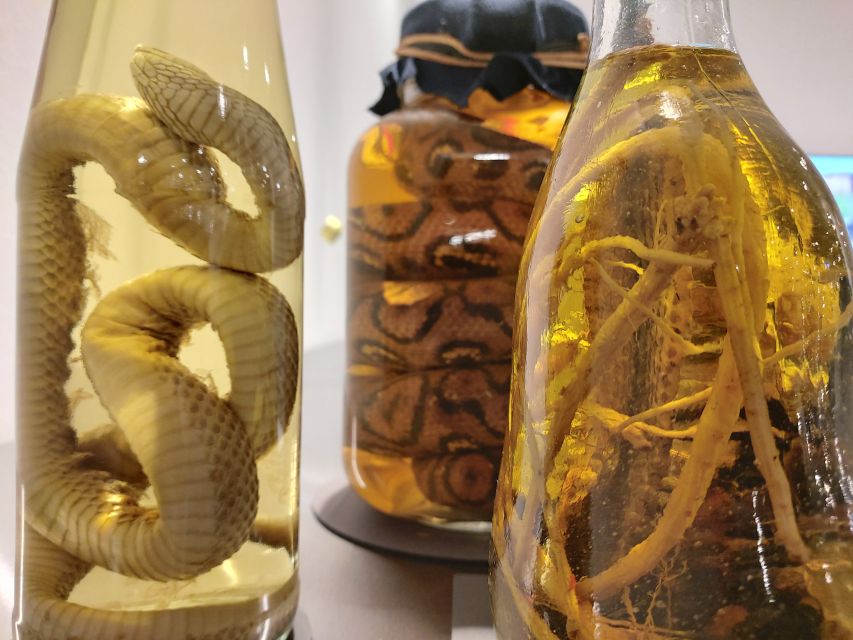
The core experience is the walk-through of over 90 food exhibits, spread across foods from different corners of the world. You’ll encounter items that are hard to categorize as anything other than unusual: fermented or aged foods, insect-based ingredients, and seafood or meat products that can trigger a strong reaction. Based on the examples listed—mouse wine, mite cheese, stinky fish, and worms—you can expect a range of textures and aromas, not just a single style of weird.
Here’s the practical mindset that helps: don’t judge every exhibit by how it sounds. Judge it by what the museum helps you notice—why a community eats it, how it’s produced, and what role it plays in nutrition. That perspective is the difference between a gimmick and an actual learning experience.
One review detail worth taking seriously is that the museum isn’t described as huge, but people still mention that the scope and presentation feel engaging. That usually means you get variety without needing hours of wandering. You move through exhibits efficiently, then you hit the tasting area and the museum’s interactive parts to deepen the experience.
Also, watch for the museum’s Hall of Fame concept. Even if you don’t fully know what you’re going to be asked to do, it’s clearly the kind of “finish strong” moment the museum uses to make you commit to the theme. One visitor called it hard but also a must—so if you want the full arc of the day, don’t skip it.
The Tasting Bar: How to Test Your Limits Without Losing the Day
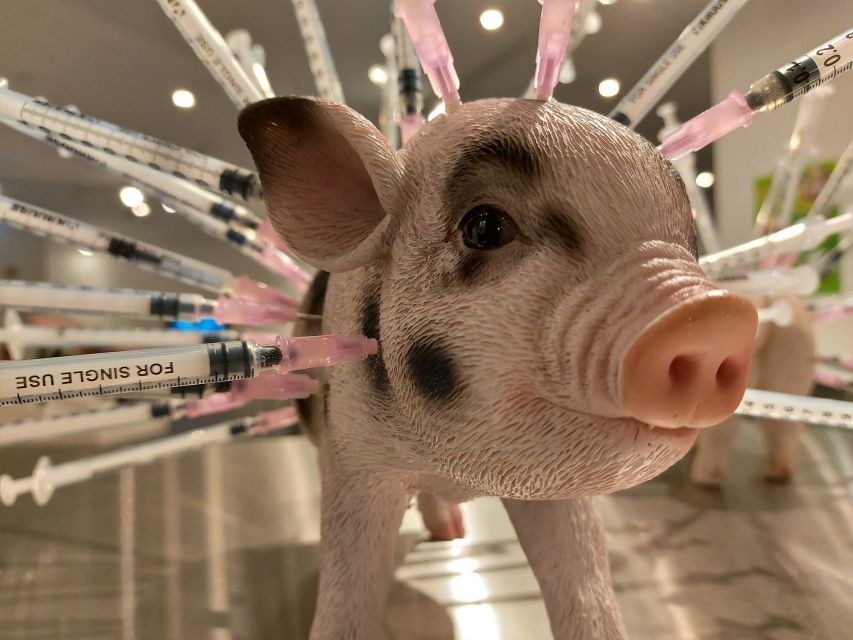
The Tasting Bar is where this museum stops being theoretical. Your ticket includes small disgusting samples here, and that inclusion matters. You’re not forced into an all-or-nothing decision about trying everything. Instead, you can sample in controlled amounts and see how your palate and nose handle the real thing.
The tasting area is also where the museum leans into a key concept: disgust isn’t only about taste. It’s often about smell first. One review even used the phrase smell-intense, which lines up with what these foods are likely to do. If you’re the type who is fine with strange ideas but struggles with scent, plan to take your time at each sample point. Slow down, and give your brain time to catch up to your senses.
You may also encounter a stand where you can try things, plus “richproben” (more tasting-style samples), which supports the idea that the tasting portion has multiple moments rather than just one quick stop. That’s good for value: it gives you chances to choose what feels approachable.
Practical approach for the tasting bar:
- Decide in advance what you’ll do if something feels too much. You’re allowed to skip.
- Treat it like a test of your curiosity, not a contest with your stomach.
- If you try something, focus on what you detect first: aroma, then texture, then flavor. That sequence makes the experience easier to process.
If you’re going with kids or teens, the fact that the museum is described as offering disgusting tastings for all ages is a strong sign that it can be family-friendly in the sense of structure and pacing. Just keep expectations realistic: the content can be uncomfortable for some people, and the tasting component makes that especially true.
The Conversation Side: Food Issues, Nutrition, and the Future
The museum doesn’t stop at listing weird foods. It also asks you to think about the “abysses” of food and nutrition—basically, the darker questions around how food gets made, what we do with it, and what happens when our preferences collide with reality.
You’ll see the museum framing current issues through food and nutrition, including:
- how food is produced
- the consequences of a certain food preference
- what we’ll be eating in the future
That matters because it gives your experience context. When you’re tasting something that feels gross to you personally, it’s easy to turn that reaction into a judgment. The museum nudges you toward a different question: what makes this normal to someone else, and what does that say about where we are heading?
I also like that the museum invites you to join discussions. Even if you don’t participate heavily, having that tone around you changes how you read the exhibits. It’s not just “look at this.” It’s “think about why this exists and where it might fit.”
In a city like Berlin, where debates about culture and identity are constant, the museum’s angle fits well. It uses food as a practical lens for bigger questions, which makes your day feel more useful than a purely theatrical attraction.
Price and Time: Is $20 Good Value in Berlin?
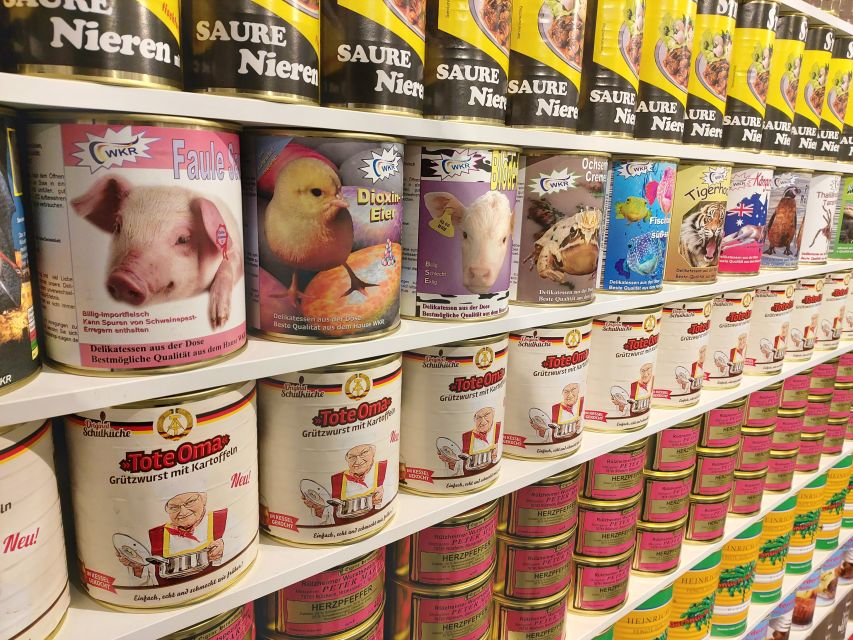
At about $20 per person for a 1-day entry with tastings included, the price is best understood as a “ticket to a full-sensory experience,” not just a museum pass. The ticket includes museum entry plus small disgusting samples at the Tasting Bar. So you’re paying for the exhibits and the chance to sample.
To judge value in a city like Berlin, ask yourself two questions:
1) Do I want active participation, or do I prefer quiet browsing?
2) Would I pay for a structured tasting moment, even if it’s small?
If you enjoy interactive museums, $20 is reasonable for what you get: a large number of exhibits plus an included tasting portion. If you hate sensory surprises and you know you won’t try anything, you might still enjoy the exhibit walk-through, but the value is more about your curiosity than about the tastings.
Duration-wise, it’s designed to fit into a normal travel schedule: a single day. That’s a plus for planning. You don’t need to rearrange everything around a long multi-part program.
You can also read our reviews of more food & drink experiences in Berlin






Who This Museum Fits Best (And Who Should Think Twice)
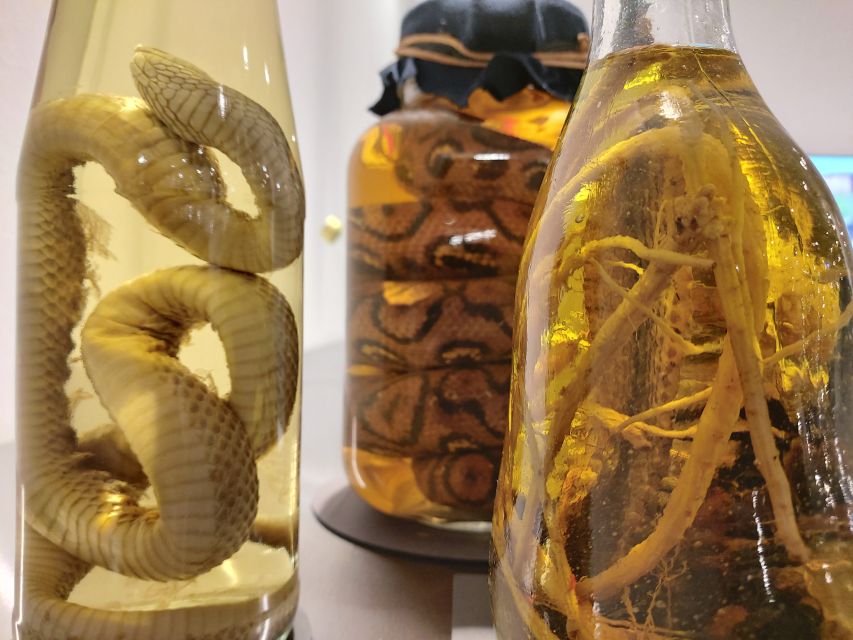
This is an experience for people who like food, curiosity, and honest reactions. You’ll probably enjoy it if you:
- like quirky museums with an interactive center
- can handle strong smells and unusual food visuals
- want something different from standard Berlin museum stops
- are open to learning about nutrition and food production in an unusual format
It also works for families in at least one key way: the museum specifically notes disgusting tastings for all ages, which implies the flow and content presentation are designed to be accessible within the theme.
The key caution is also straightforward. Some exhibition content may be uncomfortable for some people. If you’re sensitive to disturbing food imagery or intense odors, plan accordingly. The best move is to go with a clear expectation: the museum uses discomfort on purpose so you can ask better questions afterward.
Practical Tips Before You Go (So You Don’t Waste Time)
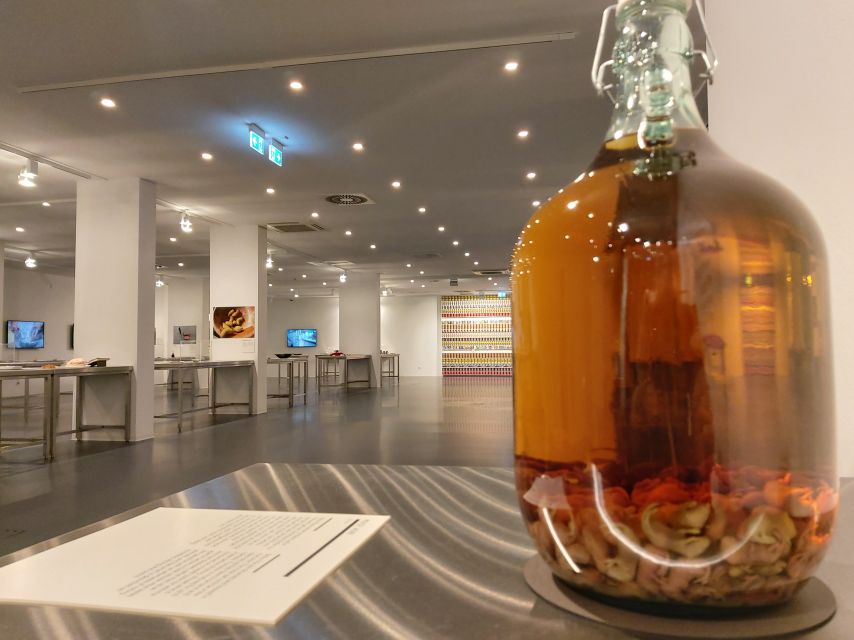
A few details make the day easier.
- Start at the Disgusting Food Museum Berlin on your booked date and time. Your entry and tastings are valid for that scheduled slot.
- Bring a credit card.
- Expect it to be sensory. Even if you don’t taste everything, the exhibits can still feel intense.
- If you want the most complete arc, plan to give time for the Tasting Bar and the Hall of Fame moment, since that’s clearly framed as a highlight.
Also, keep the theme in mind when you plan your Berlin day. If you’ll be visiting places with quiet reading or low-stimulation exhibits afterward, you may want to separate them. This museum is more like an active experience than a calm one.
Should You Book the Disgusting Food Museum Berlin?
Book it if you want a Berlin museum stop that is genuinely unusual and interactive. It’s strong value for $20, especially because tastings at the Tasting Bar are included. You’ll likely have the best time if you like food culture, aren’t easily spooked by smell, and enjoy learning through something strange instead of something polished.
Skip it if you know the topic will upset you. The museum is frank about the possibility that parts of the exhibition can be uncomfortable, and the tastings are part of the point. If your travel style is gentle and predictable, this one might feel like too much.
If you’re somewhere in the middle, here’s the decision rule I’d use: go if you’re curious enough to try a small sample and thoughtful enough to ask why people eat these foods. If that sounds like your kind of travel day, the Disgusting Food Museum is a great match.
FAQ
How much does the Disgusting Food Museum Berlin cost?
The entry ticket price is $20 per person.
How long is the experience?
It’s listed as a 1-day activity.
What’s included with the ticket?
Your ticket includes museum entry and small disgusting samples at the Tasting Bar.
Are tastings included or do I need to buy them separately?
Tastings are included in the ticket as small samples at the Tasting Bar.
Is the museum wheelchair accessible?
Yes, the experience is wheelchair accessible.
What should I bring with me?
You should bring a credit card.
Is free cancellation available?
Yes. You can cancel up to 24 hours in advance for a full refund.