REVIEW · BERLIN
From Berlin: Sachsenhausen Concentration Camp Guided Tour
Book on GetYourGuide →Operated by Rosotravel Germany · Bookable on GetYourGuide
Sachsenhausen hits hard, fast. This private 4-hour tour from Berlin takes you to the Memorial and Museum Sachsenhausen with a licensed guide and a private car, so you skip the stress of buses and save your energy for the hard parts.
I especially like the private format: pickup from your Berlin accommodation, a clean, air-conditioned vehicle just for your group, and a plan that moves at a human pace.
One thing to consider: the subject matter is extremely serious. You’ll see sites tied to abuse, executions, and mass death, so plan for an emotional visit and don’t expect a quick, surface-level walkthrough.
In This Review
- Key highlights worth your time
- From Berlin to Sachsenhausen: the comfort you’ll appreciate
- The Memorial and Museum Sachsenhausen: where the facts get grounded
- Command Headquarters and the machinery of control
- Barracks, the former prison, and what a system looks like
- Gas chamber and crematorium site: the places you shouldn’t rush
- Mass graves, burial grounds, and memorials: learning from what remains
- The prisoners’ names you’ll carry with you
- Nazis and Soviets: why the museum matters beyond WWII headlines
- Guide quality is the difference between seeing and understanding
- Price and value: is $512 per person worth it?
- Timing and pacing: how 4 hours actually feels
- What to bring: warm clothing and a ready mind
- Who this tour is best for
- Should you book this private Sachsenhausen tour?
- FAQ
- How long is the guided tour?
- Where does the tour start?
- Do I need a ticket to enter the memorial and museum?
- Is transportation included?
- Is the tour private?
- What languages are available for the guide?
- Is the tour accessible for wheelchair users?
- What should I bring?
Key highlights worth your time
- Private guide + free admission to the Sachsenhausen Memorial and Museum keeps the focus on meaning, not paperwork.
- Command Headquarters and prison areas show how the camp system was run.
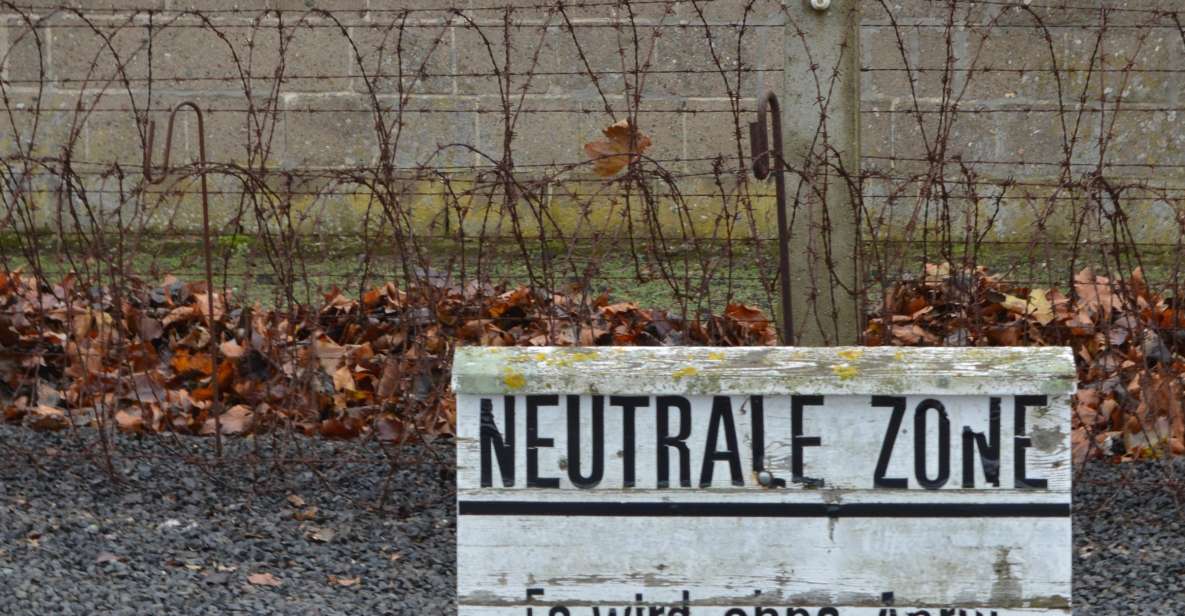
- Gas chamber, crematorium site, and mass graves connect the history to what actually happened on the ground.
- Nazi and Soviet chapters are covered in the museum exhibitions, not just one side of the story.
- Comfortable Berlin transfers (air-conditioned, private car) are a real quality-of-life upgrade.
From Berlin to Sachsenhausen: the comfort you’ll appreciate
Sachsenhausen isn’t a quick walk from central Berlin. The smart move here is taking it as a private outing, not a rushed day trip. With pickup from your accommodation and a private car transfer, you get dropped and collected on a timetable that actually fits a 4-hour guided experience.
That matters because Sachsenhausen is a long-feeling place. Even with a short duration, you’ll spend your mental energy absorbing what you see. Comfort and fewer moving parts help. One point from feedback that rings true: people praised the smooth, punctual pickup and a comfortable van for the ride out and back, which keeps the day from starting with a hassle.
If you’re traveling with someone who gets overwhelmed by crowd noise or tight schedules, private transport helps you keep control. You can focus on the guide and the memorial grounds without constantly renegotiating where you are in a group.
You can also read our reviews of more guided tours in Berlin



The Memorial and Museum Sachsenhausen: where the facts get grounded
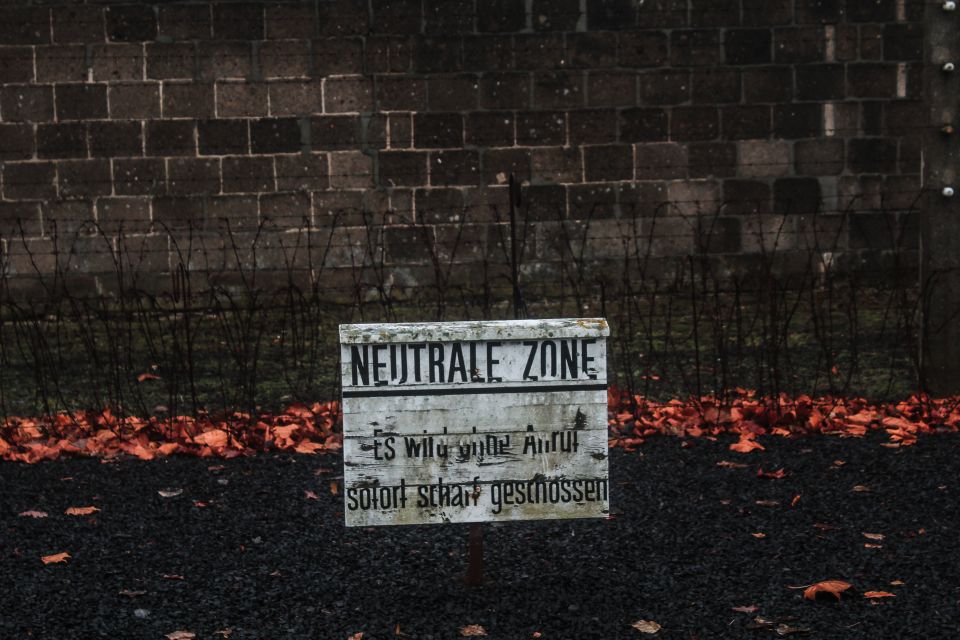
Your visit begins at the Sachsenhausen Memorial and Museum. This is where you get the baseline that turns scattered details into a clear story. A licensed guide leads you through the former camp area and also points you to educational exhibitions in the museum.
I like that the tour frames the camp as more than a grim ruin. Sachsenhausen is often discussed as a “model” and training camp—an early system the Nazis used to refine methods they later applied more broadly. Your guide’s job is to translate that into something you can understand while you’re standing in the exact spaces where decisions were carried out.
The museum displays cover how the camp operated under the Nazis and later under the Soviets. That dual timeline is important. It prevents the visit from becoming a single-epoch story and helps you see how the same location and infrastructure were used for different forms of persecution.
Command Headquarters and the machinery of control
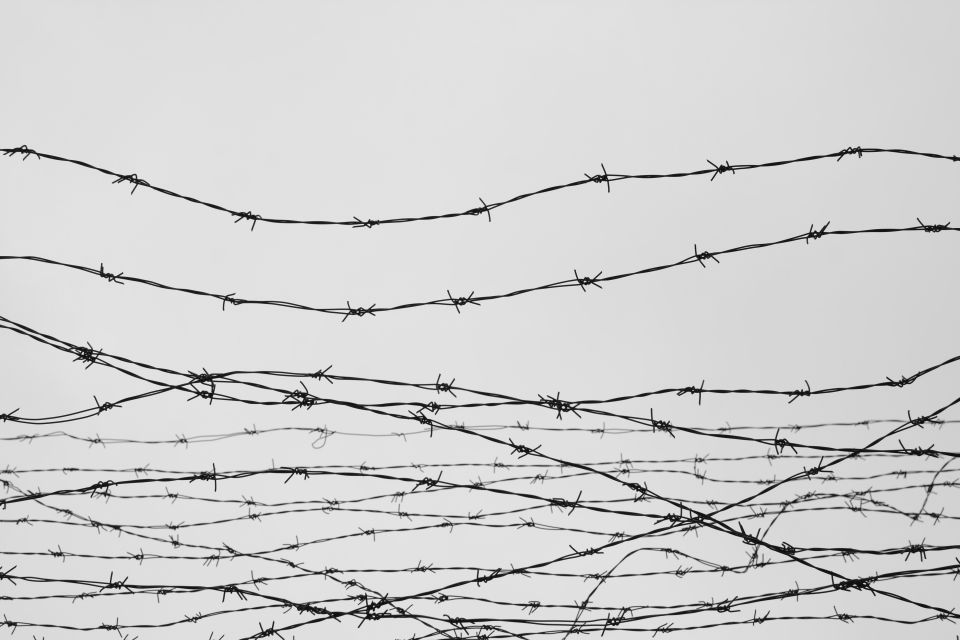
One of the most striking parts of a guided camp visit is how it teaches you to look. You’re not only “seeing buildings.” You’re learning how a system worked.
On this tour, you’ll visit the Command Headquarters area. This is where the camp’s leadership structure is connected to everyday reality for prisoners. When you hear explanations tied to what you’re looking at, you start to understand that control wasn’t abstract. It was built into the layout, the schedules, and the enforcement.
Then you’ll move into prisoner-focused spaces, including barracks and the former prison. This is where the history becomes less theoretical. The guide can explain the logic behind slave labor and abuse, and how imprisonment and punishment were structured to break people down.
A key benefit here is interpretation. Camp sites can feel confusing if you’re alone. With a licensed guide, you get the “why” for what you’re seeing: why one building matters, why an area exists, and how prisoners’ lives were organized by Nazi rules and supervision.
Barracks, the former prison, and what a system looks like
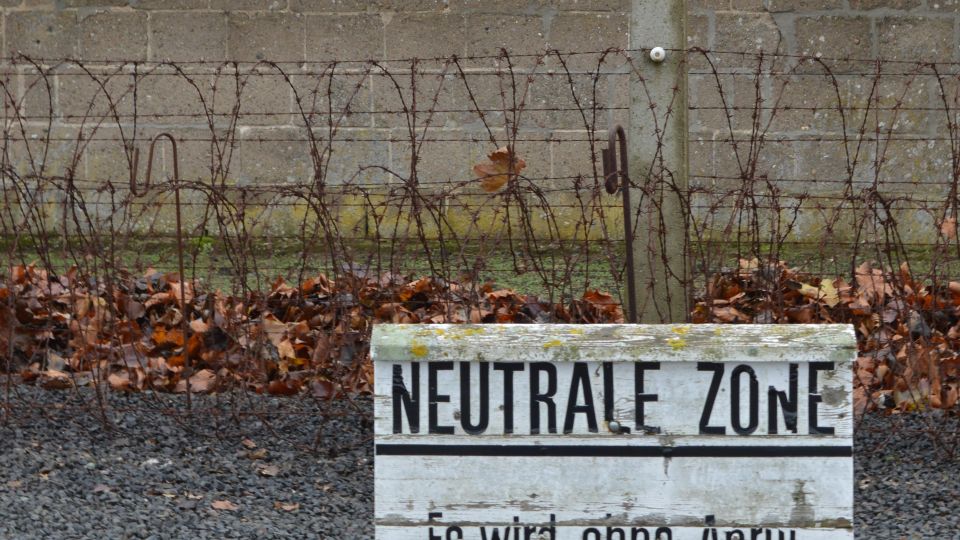
Sachsenhausen included prisoner barracks and a former prison. On your tour, those stops are not just photos and spacing. They’re anchors for the human impact of the camp system: confinement, punishment, and the daily grind of control.
I like that the tour keeps returning to what prisoners experienced—slave labor, abuse, and executions—rather than treating the site only as architecture. You’ll be guided through areas that help you visualize incarceration as a lived experience, not a distant concept.
It also helps that the tour covers both Nazis and Soviets. That way you don’t leave with a clean, one-sided narrative. Instead, you learn how this place was used and reused by oppressive power structures across WWII and afterward.
Gas chamber and crematorium site: the places you shouldn’t rush

This part of the visit is heavy. You’ll see the former gas chamber site and the location of the first crematorium. These are not “history stops” in the usual sightseeing sense. They are part of the machinery of mass killing, and your guide will explain what these sites were connected to.
Your time here has to be slow, even if the overall tour is only 4 hours. The value of a private tour is that you’re not battling a crowd for a moment to take in what you’re seeing. You can pause when you need to and let the guide’s explanation land.
If you’re sensitive to traumatic topics, give yourself mental breaks during the visit. Keep a little space between “I’m fine” and “I’m not fine.” This is one of those experiences where your emotional state is part of how you process the information.



Mass graves, burial grounds, and memorials: learning from what remains
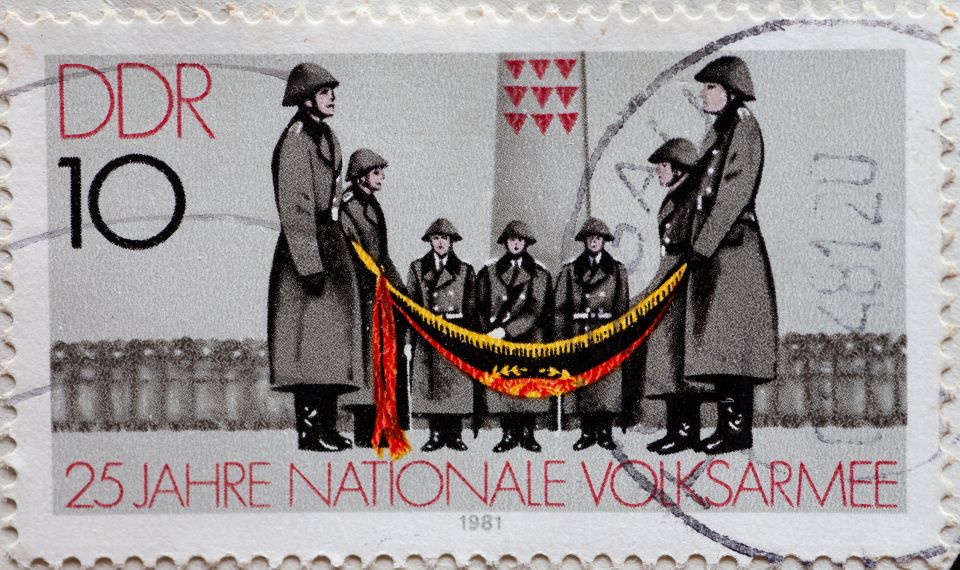
You’ll also visit the Mass Graved for Concentration Camp Victims and other burial grounds, along with several memorials. These stops can feel different from the execution-related areas because they center remembrance and the human cost.
I found it important that your tour doesn’t treat memorials as scenery. The guide’s historical framing connects these spaces to the consequences of Nazi extremism, and it ties the stories of individuals to the larger system.
The memorial sections help you understand scale. When you learn about names and categories of victims, then see the burial and memorial areas, the information stops being abstract.
The prisoners’ names you’ll carry with you
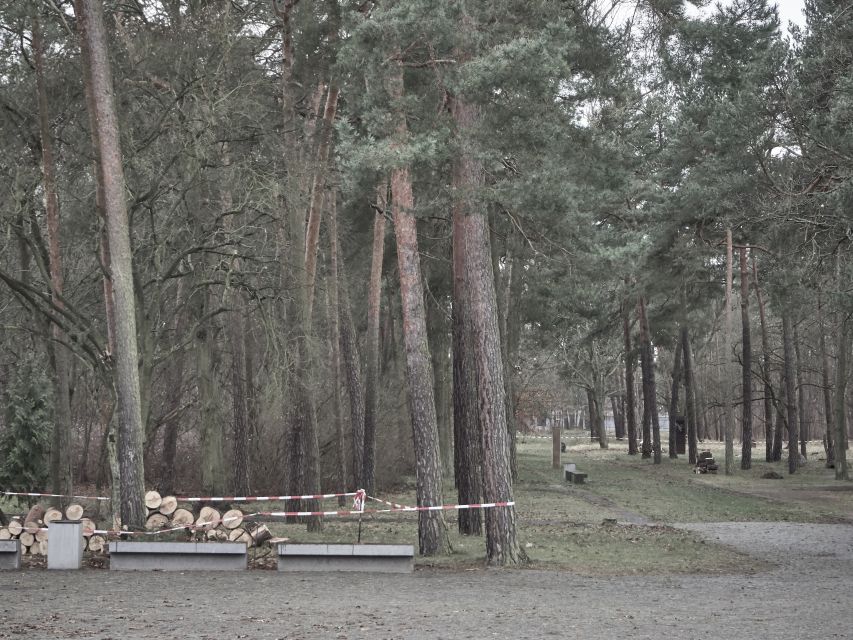
One reason this tour scores high is its focus on prisoners’ stories, not just policies. Your guide explains that Sachsenhausen held people from many groups: political prisoners, Jews, Soviet POWs, Poles, Jehovah’s Witnesses, Jehovah’s Witnesses, homosexuals, Freemasons, and more.
You’ll also hear about prominent prisoners, including Joseph Stalin’s oldest son, the penultimate PM of France, and the family of the Crown Prince of Bavaria. Those specific references matter because they show how widespread Nazi persecution was. It wasn’t only aimed at one category of people. It was a broad, ideological net.
It’s also a reminder that the camp was not just for “unknown prisoners.” The tour helps you understand that famous or politically connected people were also caught in the same violent machinery.
If you’ve read about WWII in books, this visit gives you the missing piece: how ideology turned into action, and how victims were sorted, confined, and destroyed.
Nazis and Soviets: why the museum matters beyond WWII headlines
A lot of people arrive thinking the story is strictly Nazi Germany. Sachsenhausen doesn’t allow that simplification. The museum exhibitions cover camp operations under Nazis and under Soviets, which adds context to what you see on the grounds.
This is valuable for two reasons. First, it helps you avoid a tidy timeline where violence ends at a single political boundary. Second, it helps you recognize how camps and forced labor systems can outlive regimes—used again by new authorities.
Your guide helps you connect those museum themes to the physical spaces you’re visiting. That connection is what makes the tour worth doing with a licensed person, rather than trying to “figure it out” yourself.
Guide quality is the difference between seeing and understanding
Even the best site needs a good interpreter. In the feedback, the guide experience is one of the standout strengths.
Gunnar, for example, was praised for compassion when explaining a difficult subject, while still staying expert on Sachsenhausen’s significance and legacy. Another guide, Silvia, was noted for deep knowledge about both the place and the trip, with clear answers to questions.
You’ll want that kind of guidance here because some areas are emotionally obvious, but their historical details aren’t always intuitive. The guide’s role is to turn the visible into the meaningful: why certain structures exist, how control worked, and what specific categories of prisoners faced.
If you’re choosing this tour because you want more than a photo session, guide quality is your best “return on investment.”
Price and value: is $512 per person worth it?
At $512 per person for a 4-hour private experience, this isn’t a budget outing. The fair question is: what are you buying for that price?
You’re paying for three things:
- A licensed guide for a focused, private session
- Private round-trip transportation from Berlin, including pickup and drop-off at your accommodation
- Free admission to the Sachsenhausen Memorial and Museum
For many travelers, that combination is exactly what turns a hard day into a manageable one. A large-group bus tour can be cheaper, but it often comes with crowding, less time to process, and fewer chances to ask follow-up questions.
Also, you’ll likely spend time and energy coordinating Berlin transit on your own. With a private transfer, that mental load disappears. In a place like Sachsenhausen, you don’t want to spend your limited energy navigating schedules and stations.
So the value is strongest if you:
- want a private guide and room to reflect
- prefer comfortable transport without crowds
- care about getting context that connects museum exhibits to what you see outside
If you’re trying to do this on a strict shoestring, a group option might fit better. But if you can afford it, this format tends to deliver a more controlled, respectful experience.
Timing and pacing: how 4 hours actually feels
Four hours sounds short. For Sachsenhausen, it’s more like “enough time to understand the main outlines” than “enough time for total comprehension.”
That’s not a flaw in the tour. It’s a reality of the site. You’ll be guided through multiple key areas: command headquarters, barracks, former prison, gas chamber, the first crematorium site, mass graves, burial grounds, and memorials—plus museum exhibitions.
If you’re someone who likes to take notes and read every placard, you may wish you had more time. But with a licensed guide, you can still learn a lot because the explanations pull the essential threads together.
My practical advice: don’t pack this tour with another major stop right after. Build in buffer time for quiet processing. This is the kind of experience that sticks to you.
What to bring: warm clothing and a ready mind
The tour guidance is simple: bring warm clothing. Even when the weather looks mild, memorial grounds can feel colder because you’ll spend time outdoors.
Beyond clothing, bring your attention. Come prepared for serious material: slave labor, prisoner abuses, and executions by both Nazis and Soviets. If you need to mentally decompress, plan to do it after the tour, not during.
Also, if you travel with a language need, this tour offers multiple options. You can choose among German, English, French, Italian, Spanish, and Polish.
Who this tour is best for
I’d point you toward this tour if:
- you want a private group experience with a licensed guide
- you value comfortable, punctual transport from Berlin
- you want help understanding Sachsenhausen’s role as a system, not just a collection of buildings
- you’re open to hearing the full range of victim groups and the camp’s Nazi and Soviet phases
It’s also a good match for people who like asking questions. A good guide will shape what you notice, and in feedback, guides have been praised for answering queries.
Wheelchair accessible access is listed as available too, so if you’re planning around mobility needs, this format is designed with access in mind.
Should you book this private Sachsenhausen tour?
If your goal is understanding—with context, not just scenery—this is a strong choice. The private transport from Berlin is a quality-of-life upgrade, and the tour structure hits the most important parts of the site: command areas, prison spaces, killing-related sites, and memorial areas.
Book it if you can handle intense history and want a guided experience that gives you names, categories of victims, and the Nazi and Soviet story in one coherent visit.
Skip it if you’re looking for a light, casual day. This place asks something of you. But if you’re ready for that, the private guide and focused route make the time worth it.
FAQ
How long is the guided tour?
It lasts 4 hours.
Where does the tour start?
Pickup is included from your accommodation in Berlin.
Do I need a ticket to enter the memorial and museum?
Admission to the Sachsenhausen Memorial and Museum is included (free admission).
Is transportation included?
Yes. You get a private car transfer with pickup and drop-off at your Berlin accommodation.
Is the tour private?
Yes, it’s a private group.
What languages are available for the guide?
German, English, French, Italian, Spanish, and Polish.
Is the tour accessible for wheelchair users?
Wheelchair accessibility is listed as available.
What should I bring?
Warm clothing is recommended.