REVIEW · BERLIN
Berlin: Alternative Street Art Tour
Book on GetYourGuide →Operated by Virtual Travel · Bookable on GetYourGuide
Street art in Berlin is everywhere. This 4-hour Alternative Street Art Tour helps you read it fast, across Friedrichshain, Kreuzberg, and Neukölln, with a real focus on what the art is saying.
I like the flexible route that adapts to the group and the weather, so the tour doesn’t feel like a rigid checklist. I also like how the guide connects the walls to the people and places behind them, including squats and community projects.
One possible drawback: it’s mostly an outdoor walking experience. So you’ll want to dress for the weather, and you’ll also handle your own food, drinks, and getting around.
In This Review
- Key points to know before you go
- Street art literacy: why this walk feels different
- Price and what $22 really buys you
- Where the tour starts (and how to avoid the first stress test)
- Friedrichshain: murals, graffiti styles, and the alleyway storytelling
- Kreuzberg: where street art meets daily life and night energy
- Neukölln: community projects you can feel in the streets
- Squats and community projects: why the art has a place
- Parks, Spätis, and trendy bars: making the walk feel like Berlin
- Flexible route planning: why weather and group mood actually matter
- The guide factor: Ronja’s impact on how you see the city
- Who this tour is best for
- Quick practical notes that affect your experience
- Should you book this Berlin Alternative Street Art Tour?
- FAQ
- How long is the Berlin Alternative Street Art Tour?
- How much does the tour cost?
- Where is the meeting point and where does the tour end?
- What neighborhoods does the tour cover?
- Does the price include food, drinks, and transportation?
- Is the tour in English, and is it wheelchair accessible?
- Can I reserve and pay later, and what about cancellation?
Key points to know before you go
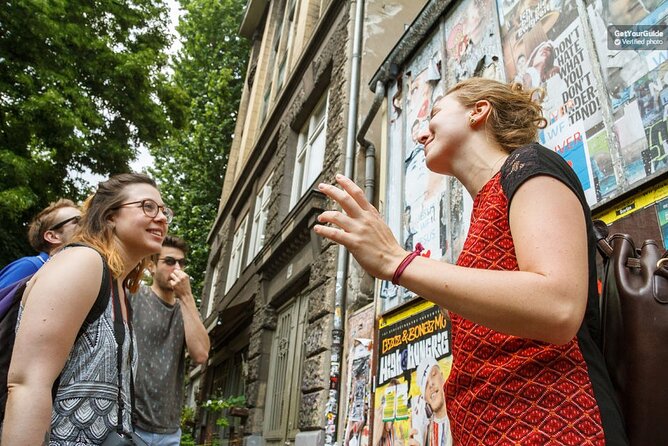
- Meet at the white umbrella near Alexanderplatz so you can start on time (the tour notes you’ll need to catch the train).
- Friedrichshain, Kreuzberg, and Neukölln on foot means you see street art styles tied to different vibes and neighborhoods.
- Street art stories, not just photos: you’ll learn the messages and the people behind the work.
- Squats and community projects give context for why alternative art lives where it lives.
- Parks, Spätis, and trendy bars help you balance art sighting with real Berlin day-to-night atmosphere.
- A social group feel makes it easy to chat and compare finds with other people on the tour.
Street art literacy: why this walk feels different
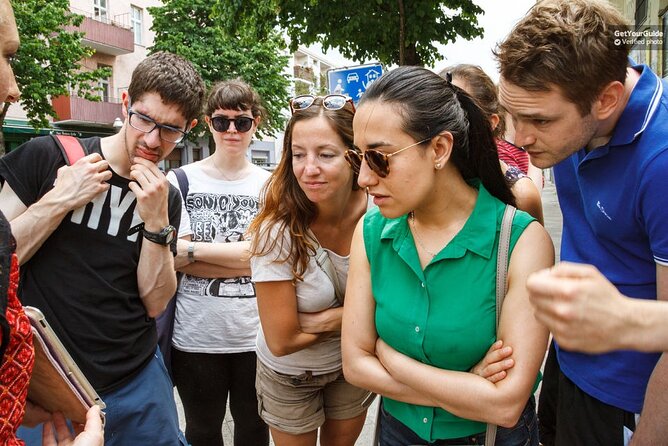
Berlin’s street art scene can look random at first—until someone teaches you the “grammar.” On this tour, you’re guided through murals, graffiti, and alleyway work with the stories and messages explained along the way. That turns the whole city from background noise into an actual outdoor conversation.
I like that the tour doesn’t treat street art as only decoration. You also hear how it connects to alternative living and community projects, including squats. That context matters because it changes what you notice: you stop looking for art only as spectacle, and you start looking for it as communication.
And here’s the practical win: the tour keeps things human-paced. You can pause, chat, and take in the sights without feeling rushed through “photo stops.”
You can also read our reviews of more tours and experiences in Berlin


Price and what $22 really buys you
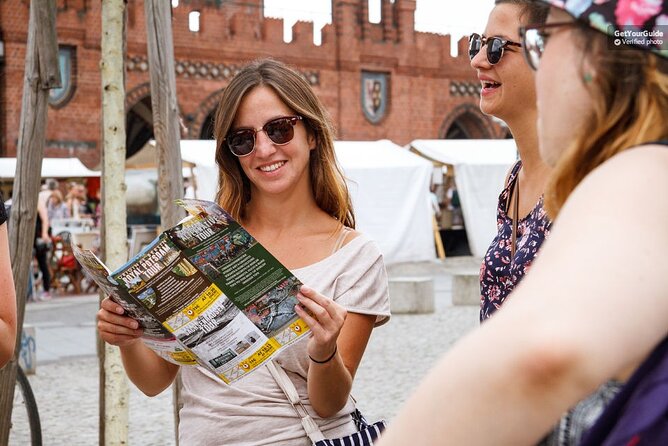
This tour runs for about 4 hours and costs $22 per person. For Berlin, that’s a solid value if you care about meaning, not just sightseeing. You’re paying for guided interpretation plus access to specific parts of the neighborhoods (including places tied to alternative community culture), not just walking around on your own.
What you don’t get is also clear. Food and drinks aren’t included, and public transportation tickets aren’t included. That means you should budget a bit for snacks or a beer if you want one, and plan how you’ll cover transit outside the walking portion.
Where the tour starts (and how to avoid the first stress test)
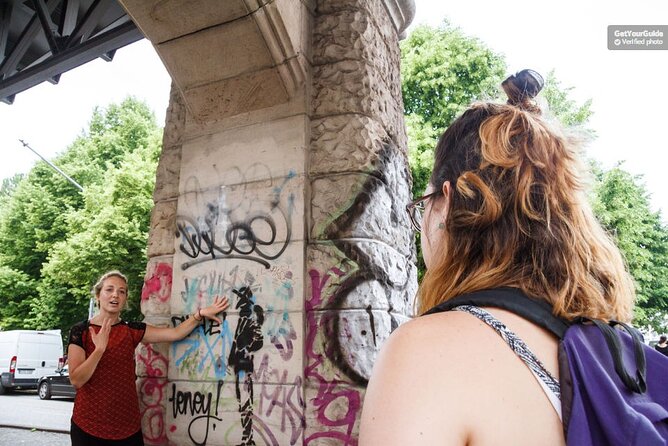
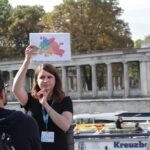
You meet by looking for a white umbrella in front of the Premier Inn Berlin Alexanderplatz Hotel. The tour notes that you need to be on time because you’ll catch the train.
Starting near Alexanderplatz is handy because it’s a central reference point. It also sets the tone: you begin your “alternative Berlin” route from a very mainstream hub, then gradually shift into districts where street art and community culture feel more visible in everyday life.
This tour also returns to the meeting point at the end, so you’re not left figuring out a far-away drop-off.
Friedrichshain: murals, graffiti styles, and the alleyway storytelling
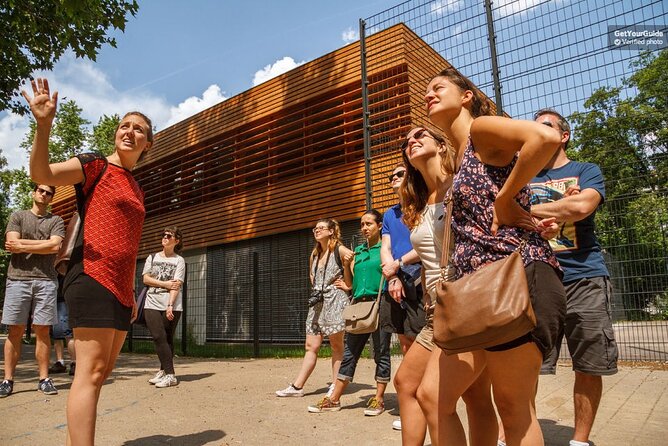
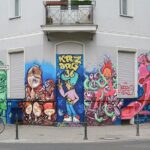
Friedrichshain is one of the districts where street art feels like part of the neighborhood’s daily face. On this tour, you spend time here encountering large-scale murals as well as smaller, more tucked-away works in side spaces.
What makes this section valuable is the commentary. You don’t just see paint on walls—you learn the messages behind it and hear about the artists who made the work. That’s the difference between looking at street art and actually understanding why it’s there.
A good tip for this part: slow down when you spot art you like. Try to notice the details the guide points out—style choices, placement, and what the piece seems to be reacting to. It makes the rest of the route easier, because your brain starts recognizing patterns.
Kreuzberg: where street art meets daily life and night energy
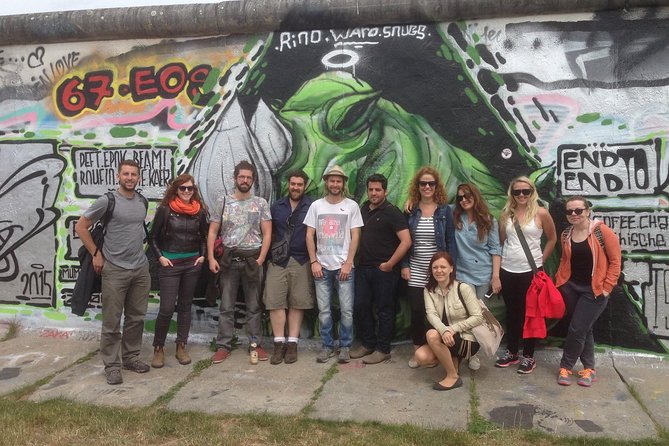
Kreuzberg is the district where street art often feels tied to motion—shops, streets, and nightlife all feeding the same visual scene. During this tour segment, you’ll keep picking up on how the artwork shifts with the neighborhood mood.
You’ll also get stops that help you connect the art to lived experience. The tour includes park time and local hangout spots, plus recommendations for music and bars. That matters because street art in Berlin isn’t separated from the city’s social scene—it sits right beside it.
If you’re thinking about timing, this is a nice stretch to ask your guide practical questions. The tour is designed to share insider tips for live music venues, clubs, and dining spots, so you can turn your street art knowledge into a better night plan.

Neukölln: community projects you can feel in the streets
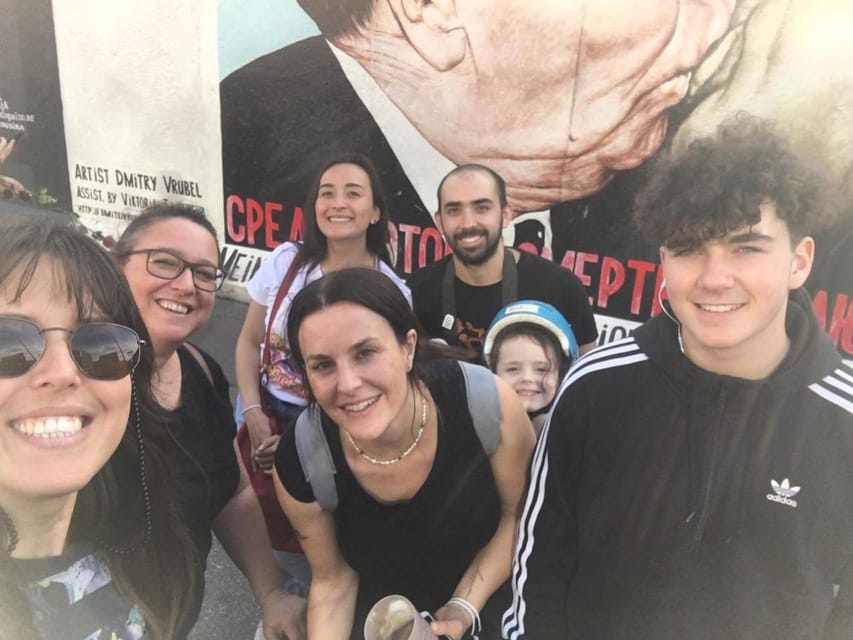
Neukölln is where the alternative scene often feels grounded—less like a “scene for visitors,” more like a neighborhood culture. This tour includes exploration of parks and Spätis (late-night shops) as part of the experience, which gives you a more normal, local rhythm alongside the art.
One of the best parts here is the way the tour connects artwork to community projects. You’ll hear about squats and other community-driven efforts, and how creative expression fits into alternative living. That context helps you understand why certain types of art show up where they do.
A practical way to use this: after you hear about a project conceptually, look again at the surrounding visuals with that context in mind. Even if you don’t know the language on every piece, you’ll often grasp the purpose—identity, protest, humor, or a message aimed at the public.
Squats and community projects: why the art has a place
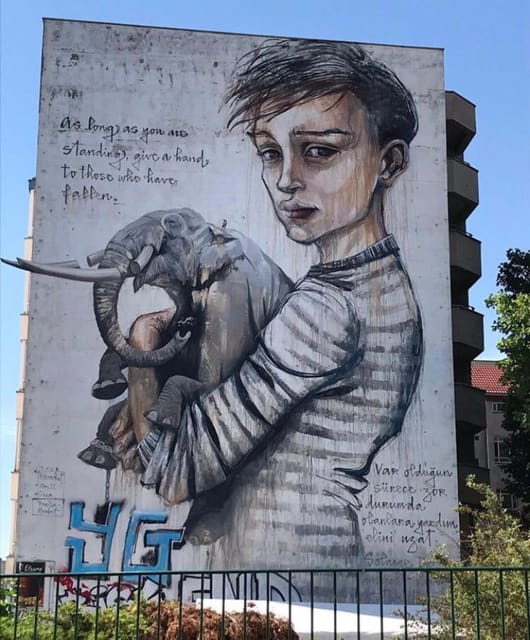
Some street art tours stop at aesthetics. This one goes farther by visiting notable squats and community projects. Whether you agree with the politics or not, the art starts to make more sense when you see how community spaces shape creative output.
This section gives you a key takeaway: street art in Berlin often isn’t only about individual fame. It can be about shared spaces, organizing, and creating an alternative public voice. That’s why the guide’s commentary is so central here—you’re learning the “why,” not just the “what.”
I also like the balance in the approach. The tour frames these places as part of the city’s alternative culture, rather than pushing a single viewpoint. The result is more understanding, less lecturing.
Parks, Spätis, and trendy bars: making the walk feel like Berlin
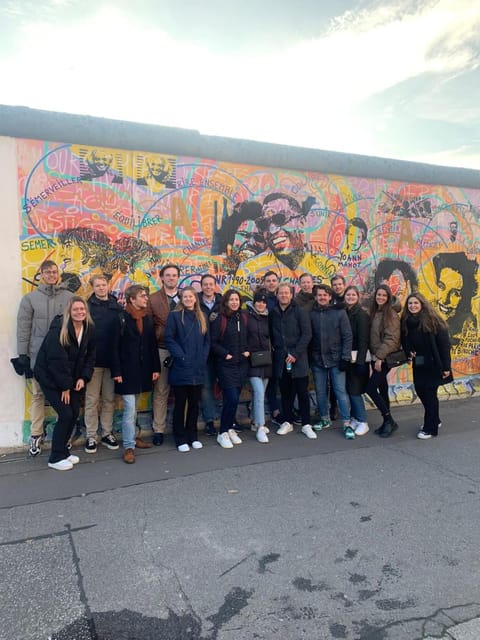
Between art stops, the tour threads in local atmosphere: parks, Spätis, and trendy bars. That’s more than a break. It helps you experience the pace of Berlin life rather than treating the city like a photo set.
Spätis are a big deal in Berlin culture, and having them on the route is smart. You get a real sense of how locals handle late-day and late-night needs—snacks, drinks, and conversation—without making it feel like a tourist stop.
You’ll also receive insider tips for live music, clubs, and dining spots. Use them like a menu, not a command. If one suggestion sounds like your style, act on it. If not, ask for an alternative that matches your mood—quieter, louder, more budget, or more “where locals actually go.”
Flexible route planning: why weather and group mood actually matter
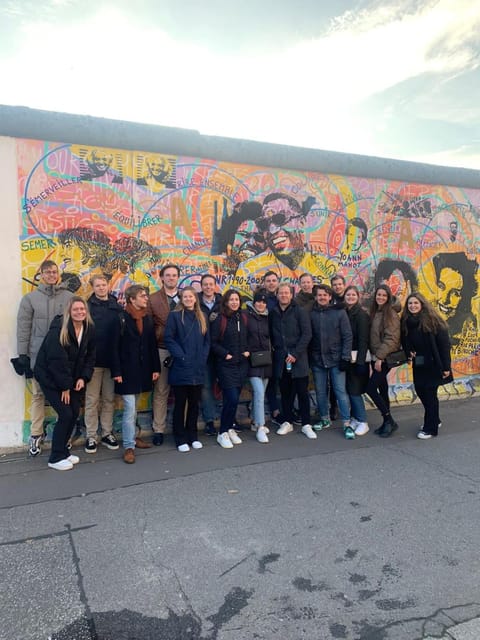
The tour route is flexible based on group interests and weather conditions. That’s an underrated feature because street art is outdoors and visibility depends on light, rain, and crowd flow.
For you, this flexibility can mean a smoother experience. If the day is wet or miserable, the guide can adjust so you still get meaningful street art context without spending half the tour fighting the elements. If the group is more interested in graffiti style versus political messaging, the tour can shift emphasis.
It also keeps the tour from feeling like it’s dragging you through places that don’t click. In a city like Berlin, where street art changes block to block, responsiveness is a real quality.
The guide factor: Ronja’s impact on how you see the city
One 5 out of 5 review in the set specifically credits Ronja, calling the tour fun and very informative. Another 5-star comment also names Ronja and highlights a common Berlin experience: even after multiple visits, the reviewer didn’t notice how clearly the art was present until this tour.
That’s the best promise the tour makes: you leave with better street art awareness. You start noticing how pieces relate to their surroundings—how they use space, how they respond to the public environment, and why the same city can show totally different creative energy just a few neighborhoods apart.
If you care about interpretation, this kind of guide attention is a major reason to book.
Who this tour is best for
This tour is a great fit if you want more than a generic city walk. It works well for people who:
- like street art but also want the stories behind it
- are curious about alternative culture and community projects
- want practical nightlife and music suggestions while you’re in the city
- enjoy meeting other people on a shared walking tour
It’s also useful if you’ve been to Berlin before and feel like you missed something. The tour’s whole goal is to sharpen what you see—so repeat visits become more rewarding, not redundant.
Quick practical notes that affect your experience
You should plan for a 4-hour walking format. It’s not a quick drive-by. Comfortable shoes matter, and you’ll want a lightweight layer for changing Berlin weather.
Also note what’s not included. Food and drinks are on you, and public transportation tickets aren’t included. If you know you’ll want a snack break or a beer stop, budget for it ahead of time so you’re not watching prices mid-tour.
Should you book this Berlin Alternative Street Art Tour?
I’d book it if you want street art with context: the messages, the artists, and the alternative community culture behind it. At $22 for a 4-hour guided experience across Friedrichshain, Kreuzberg, and Neukölln—plus squats, Spätis, parks, and nightlife tips—you get a lot of practical value for your time.
Skip it only if you prefer art as pure scenery and don’t want commentary or neighborhood context. Also consider it carefully if outdoor walking for hours is hard for you on certain weather days.
If you’re the kind of person who likes to understand where a city’s creativity comes from, this tour is built for you.
FAQ
How long is the Berlin Alternative Street Art Tour?
It lasts 4 hours.
How much does the tour cost?
The price is $22 per person.
Where is the meeting point and where does the tour end?
You meet by looking for the white umbrella in front of the Premier Inn Berlin Alexanderplatz Hotel. The tour ends back at the meeting point.
What neighborhoods does the tour cover?
The tour focuses on Friedrichshain, Kreuzberg, and Neukölln.
Does the price include food, drinks, and transportation?
Food and drinks aren’t included, and public transportation tickets aren’t included.
Is the tour in English, and is it wheelchair accessible?
Yes, the live tour guide speaks English, and the tour is wheelchair accessible.
Can I reserve and pay later, and what about cancellation?
You can reserve now & pay later (paying nothing today). There is free cancellation up to 24 hours in advance for a full refund.