REVIEW · BERLIN
Hitler’s Germany: Berlin During the Third Reich & WWII
Book on GetYourGuide →Operated by Original Berlin Walks GmbH · Bookable on GetYourGuide
Berlin forces you to look harder. This 4-hour walk threads Nazi power sites and Holocaust memory into one clear route, guided by native-level English speakers. I love the Topography of Terror stop and the way the finale at the Reichstag turns rubble into an actual story. One drawback: it is heavy, mostly outdoors, and you should dress for real Berlin weather.
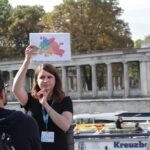
Original Berlin Walks has long been running this with a top rating, and the guides bring it to life with stories you can ask questions about. In recent departures, people praised guides such as Rebecca, Glen, Jonathan N, and Amelie for being engaging, organized, and quick to answer follow-ups, sometimes with maps and photos.
Expect no building tours inside, just a short metro ride plus outdoor stops, with a break at Topography of Terror along the way. You do need a single AB public-transport ticket if you are using transit for the connection.
In This Review
- Key takeaways before you go
- How this Berlin route turns streets into WWII clarity
- Getting there: meeting point, the metro hop, and what to wear
- Anhalter Bahnhof and the destruction that reshaped everyday life
- Göring’s air-force headquarters: architecture that served power
- Gestapo and SS headquarters: Topography of Terror stop and museum time
- Propaganda, T4 euthanasia, and how the Nazi machine worked
- Memorials on the way to Tiergarten: remembering Sinti and Roma victims
- The Reichstag finale: Hitler’s bunker area and the Battle of Berlin story
- Price and value: what $23 covers in a 4-hour guided lesson
- Who this tour is best for (and who should think twice)
- A note on guides: why the people behind the tour matter
- Should you book this Hitler’s Germany Berlin tour?
- FAQ
- What is the duration of the tour?
- How much does it cost?
- Where does the tour take place?
- Is there a private group option?
- What language is the guided tour in?
- Does the tour enter buildings?
- Do I need a public transport ticket?
- Is the Reichstag included?
- What kind of weather should I plan for?
- Is there free cancellation?
Key takeaways before you go
- A Nazi-era route that moves like a timeline so the city layout makes more sense.
- Expert, native-level English guiding with real back-and-forth Q&A.
- Topography of Terror + major memorials without needing to study first.
- Reichstag finale with Battle of Berlin context, plus the nearby Hitler-bunker story.
- Practical route planning: meet centrally, take one short metro hop, then walk.
How this Berlin route turns streets into WWII clarity
This tour is built around one simple idea: Berlin’s buildings and street corners are still telling the story. You don’t just get dates. You get a guided sequence that links Nazi planning, propaganda, persecution, and then the collapse—ending where the fighting and aftermath were unavoidable.
I especially like how the tour uses scale. You start with the destruction of a nearby Jewish district, then move into the parts of the city where power was concentrated—air force command, secret police and SS offices, and the propaganda machine. By the time you reach the larger public spaces and memorials, the meaning clicks fast.
It’s also not a generic “look at this big building” experience. Even when you are walking past sites, the guide explains what happened there and why it mattered. You can feel the difference between a normal city stroll and a guided lesson.
You can also read our reviews of more tours and experiences in Berlin.


Getting there: meeting point, the metro hop, and what to wear
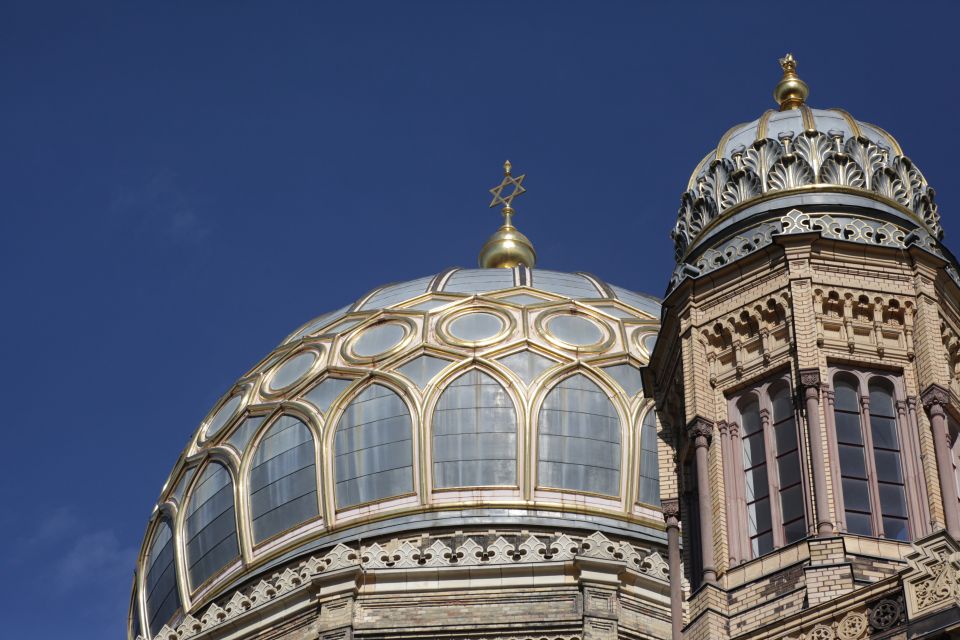
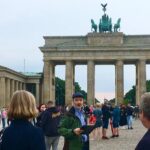
You meet your guide in central Berlin. The exact meeting point can vary by the option you booked, so check your confirmation message closely. From there, you’ll begin with context about what the Nazis did to the nearby Jewish district, before moving on to the first major WWII site.
A short metro ride is part of the plan, taking you to Anhalter Bahnhof, a huge train station destroyed in WWII. That transit segment matters because it keeps the tour efficient. You get distance covered without turning the day into a transit maze.
What to wear: this runs in all weather, including public holidays. The tour is meant to be outdoors for long stretches. If rain hits (and Berlin loves to throw in surprises), wear shoes you trust on wet sidewalks. Comfort matters here because you’ll be walking while thinking about very dark events—your brain will thank you for not fighting your footwear.
Anhalter Bahnhof and the destruction that reshaped everyday life
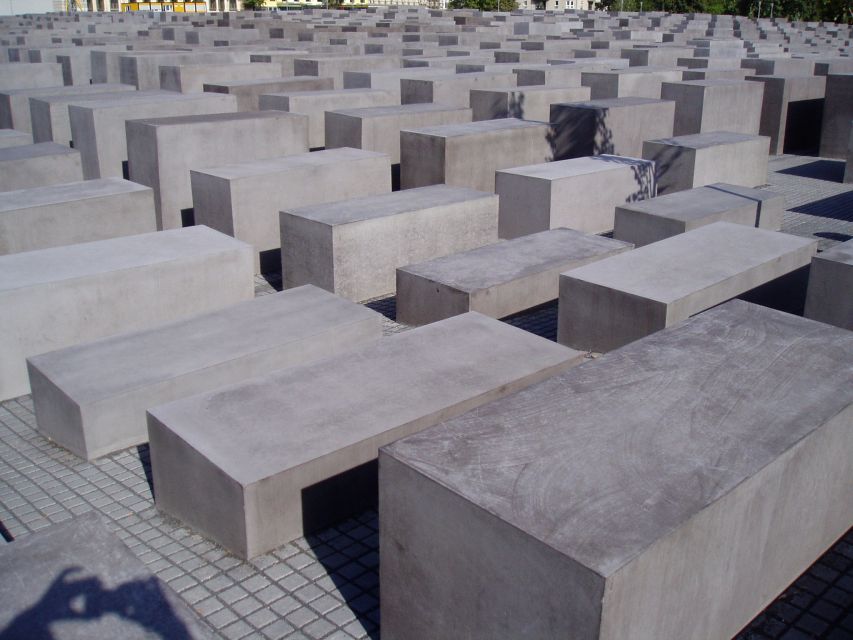
One of the tour’s strongest openings is how it frames the Jewish quarter’s decimation before you ever reach the rubble-era landmarks. You start with the human reality, then you move into places where Nazi occupation and wartime destruction became physical.
Then comes Anhalter Bahnhof. This station is a symbol of wartime disruption at city scale—big movement, big damage, and a Berlin that no longer functioned the way it used to. Even if you’ve seen WWII photos before, the guide’s pacing helps you connect the station to the broader Nazi plan: control, removal, and war.
A practical note: the tour doesn’t enter buildings. So you’re getting this through the street-level view and the guide’s explanation, not through a museum lecture. That works well for most people, especially if you want a guided path that stays moving.
Göring’s air-force headquarters: architecture that served power
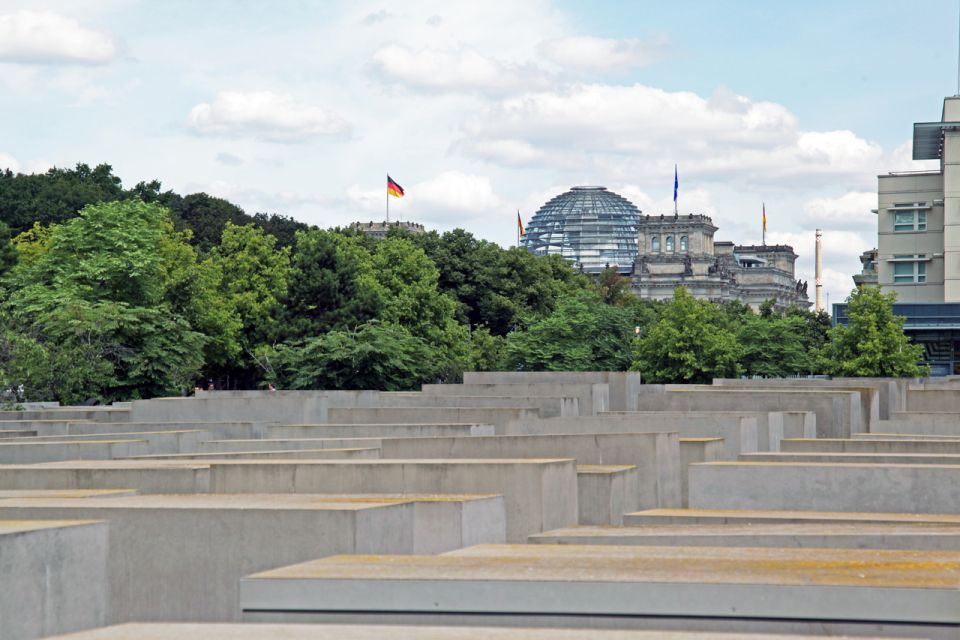
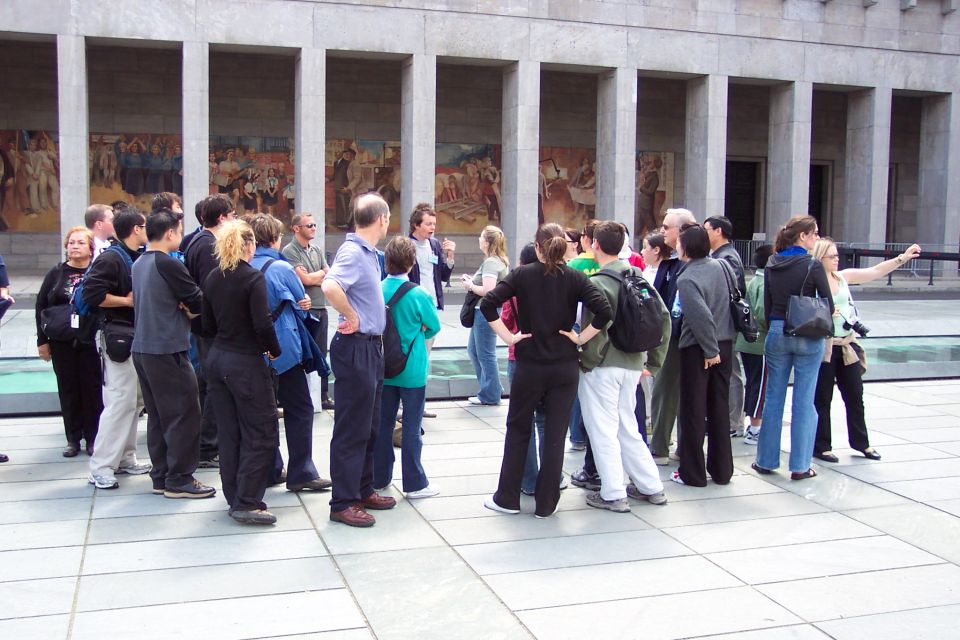
After Anhalter Bahnhof, you walk through the former Nazi government district. The big idea here is power made visible. The tour takes you to the colossal former Luftwaffe headquarters—headed by Hermann Göring, a central figure in Nazi leadership.
This is one of those spots where the building style does part of the teaching. You’ll learn why this site was more than office space: it was tied to command, logistics, and the machinery of war.
I like that the tour doesn’t treat architecture like an art quiz. It treats it as a tool. You get the sense of how Nazi authority was organized, not just how it looked from the outside.
You will also walk past other former government-related buildings tied to Nazi rule, including the former Nazi Air Ministry, Gestapo HQ, and the Propaganda Ministry. You’re basically tracing the staff map of the regime as you go—who did what, and how the pieces fit together.
Gestapo and SS headquarters: Topography of Terror stop and museum time
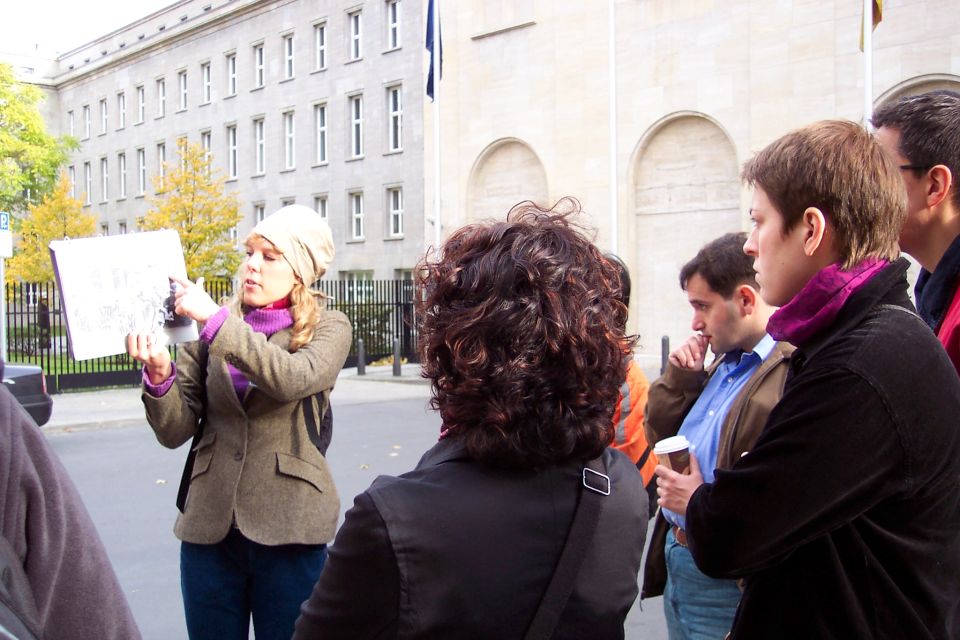
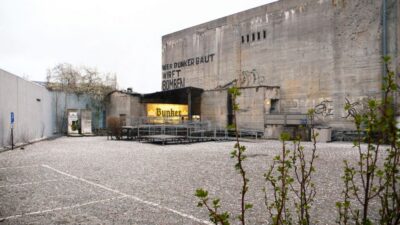
Next you reach the Gestapo and SS headquarters areas, now home to the Topography of Terror Museum. This is the emotional center of the tour for many people, and the guide’s approach makes a difference.
The tour includes a museum break. It’s listed as a break after the Topography of Terror area, and the day notes that it does not enter buildings during the tour. So think of it as a structured pause in the middle of the walk, where you can take in the site and refocus before continuing.
One included perk: you skip the ticket line. That matters because time adds up on a walking tour. You stay in rhythm, instead of waiting around with your group.
If you want a clear mental picture of the regime’s methods—secret police repression, SS operations, and how terror was made into policy—this is where the tour helps most.


Propaganda, T4 euthanasia, and how the Nazi machine worked
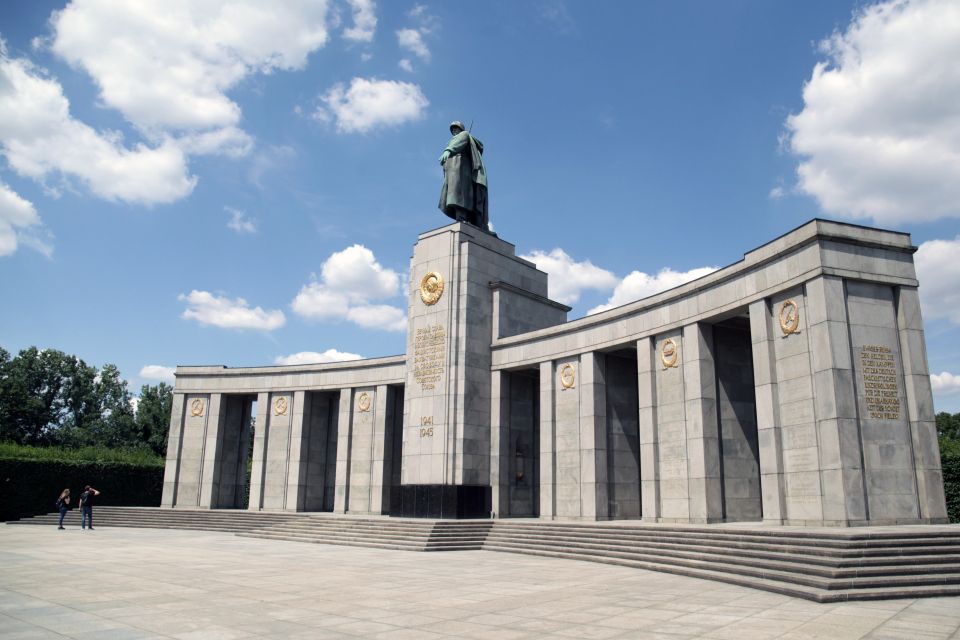
From there, the tour shifts from locations to operations. Your guide continues with the regime’s sinister actions, including Joseph Goebbels’ use of propaganda and the ‘T4’ euthanasia program.
This portion is important because it explains the Nazi mindset as a system. Propaganda wasn’t just posters and speeches; it was a way to shape public acceptance. The ‘T4’ program wasn’t just an atrocity; it was also a method for dehumanization and institutional action.
The tour also covers the Holocaust as you move through the route. Expect the guide to connect persecution, policy, and geography so the memorials later don’t feel random. They feel placed.
Memorials on the way to Tiergarten: remembering Sinti and Roma victims
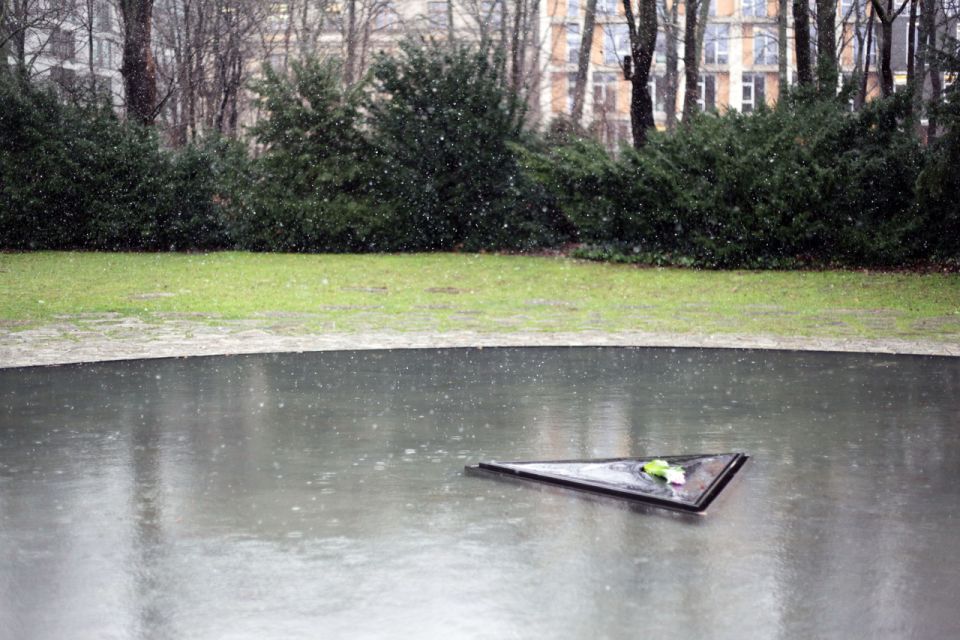
As you head toward Berlin’s largest park, the Tiergarten, the tour includes two memorial stops designed to anchor the story in remembrance.
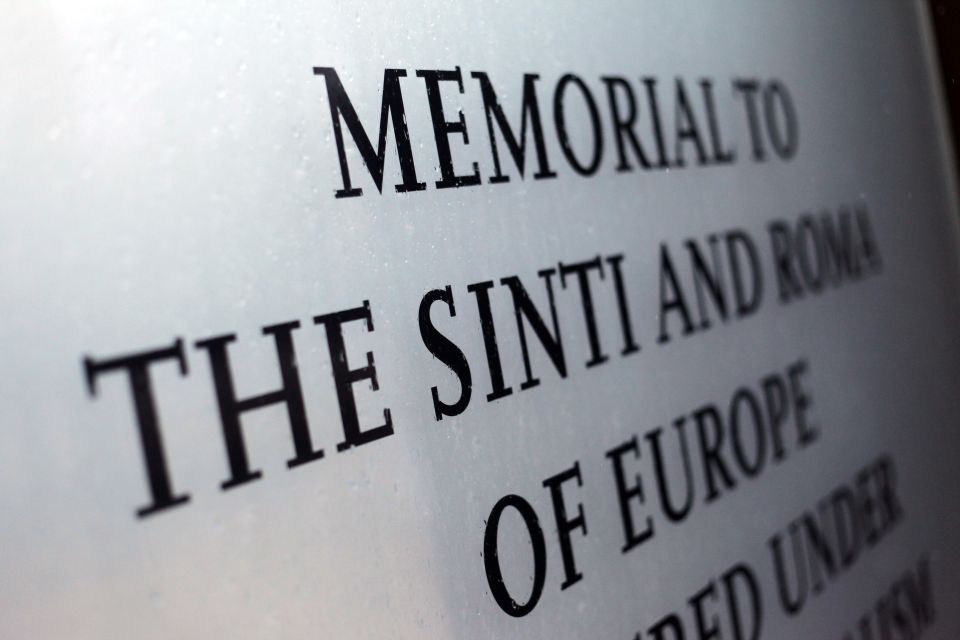
First: the Memorial to the Sinti and Roma Victims of National Socialism. This is a crucial stop because the Nazi persecution reached beyond the most commonly told narratives. You learn about the targeted communities, and how memory has been physically marked in the city.
Second: a memorial honoring 96 politicians arrested by the Nazis as they seized power in 1933. That one adds an extra layer. It reminds you that the regime didn’t only destroy enemies after war began—it also moved early against political opposition.
This is where a great guide earns their fee. The best ones keep the tone respectful, explain clearly, and pace the walk so you have time to absorb what you’re seeing. In past departures, people specifically praised guides for presentation style and for keeping the group engaged even on heavy material.
The Reichstag finale: Hitler’s bunker area and the Battle of Berlin story
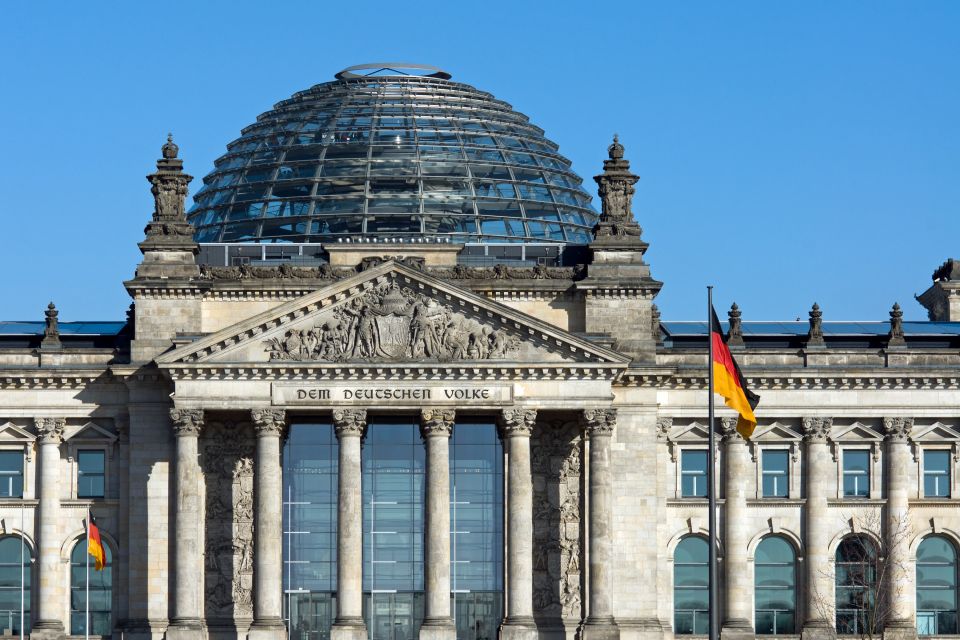
The tour ends in front of the Reichstag, Berlin’s German parliament building. This finale isn’t just about the exterior. It’s about what the building represented during the Nazi era and what it witnessed during the endgame of WWII.
Your guide explains Hitler and Albert Speer’s plan to redesign Berlin as Germania—the empire-of-the-world fantasy. That part matters because it shows how totalitarian ambition tried to become city planning.
Then comes the Battle of Berlin: how Soviet soldiers assaulted the Reichstag, under anti-aircraft fire, while Hitler was committing suicide not even a mile away. Even if you’ve heard snippets of this elsewhere, the guided proximity to the sites gives the narrative weight.
This ending is powerful because the Reichstag is still a functioning civic space today. Standing there with the guide’s context, you see the contrast between propaganda grandeur and the collapse that followed.
Price and value: what $23 covers in a 4-hour guided lesson
At $23 per person for a 4-hour guided tour, this is one of the more approachable ways to cover many major WWII-and-Nazi-era sites in one day. You’re paying for structure: the guide’s sequencing, explanations, and the ability to ask questions as you go.
Also, you get practical time savings:
- you take one short metro hop with the guide’s direction,
- you skip the ticket line for the Topography of Terror stop,
- and you don’t have to build your own route through dozens of locations.
The one cost you should plan for: you do need that single AB public-transport ticket if transit is required for the connection. That’s not included, so budget a few euros for the rail piece if you don’t already have a ticket that covers it.
In short: if you want WWII Berlin that makes sense without turning into a research project, the price is good value.
Who this tour is best for (and who should think twice)
This is ideal if you:
- want a guided Berlin Third Reich and WWII walk that links sites into a coherent story,
- prefer clear explanations over reading alone,
- like asking questions and getting direct answers from a live guide,
- want memorial stops included, not tacked on at the end.
It might be less ideal if you:
- want a light, quick sightseeing day,
- dislike walking for long stretches outdoors,
- need to avoid extremely heavy topics.
Bring your emotional guardrails. This tour deals with persecution, terror, and genocide. A good guide will handle the subject with respect and clarity, but you still need to be ready for what you’ll learn.
A note on guides: why the people behind the tour matter
The quality of this kind of tour lives or dies with the guide. And this one has lots of praise for exactly that: guides who stay engaging for the full four hours, keep the group moving well, and answer questions without making people feel rushed.
If you get someone like Rebecca, Glen, or Jonathan N, you’ll likely feel that blend of storytelling and precision that helps Berlin’s Nazi-era sites stop being abstract. Other praised guides include Emma, Amelie, and Artie—people highlighted for presentation style, humor, and even use of maps/photos/documents to support explanations.
There are also practical touches mentioned in reviews, like umbrellas being available for bad weather. That doesn’t change the subject, but it makes the experience easier on you.
Should you book this Hitler’s Germany Berlin tour?
Book it if you want the Berlin Third Reich and WWII story in a real-world walk route, with expert guidance and a respectful stop at major memorials. The $23 price works especially well when you count the guided structure, the time saved, and the skip-the-line element.
Skip or reconsider if you’re looking for casual sightseeing or you’re not ready for heavy, emotionally charged history. In that case, you might prefer something lighter first, then come back when you can focus.
If you do book: dress for weather, wear comfortable shoes, and come ready to learn. This is one of those Berlin experiences where the city feels different afterward—because you finally understand what you’re seeing.
FAQ
What is the duration of the tour?
The tour lasts 4 hours.
How much does it cost?
The price is $23 per person.
Where does the tour take place?
The tour is in Berlin, Germany.
Is there a private group option?
Yes. Private group availability is offered.
What language is the guided tour in?
The live tour guide is available in English and German.
Does the tour enter buildings?
No. The tour notes that it does not enter any buildings during the tour.
Do I need a public transport ticket?
Yes. A public transport ticket is needed on this tour (a single AB ticket if required).
Is the Reichstag included?
The tour finishes in front of the Reichstag, and the guide explains it as part of the tour’s WWII ending.
What kind of weather should I plan for?
The tour runs in all weather, including on public holidays.
Is there free cancellation?
Yes. You can cancel up to 24 hours in advance for a full refund.