REVIEW · BERLIN
Kreuzberg Walking Tour: Immigrants, Artists & Hipsters
Book on Viator →Operated by Insight Cities · Bookable on Viator
Kreuzberg is Berlin’s attitude in walking form. This 3-hour, English-language tour threads immigrants, artists, and hipsters through one of Berlin’s most storied neighborhoods, starting on the Oberbaumbrücke and ending with a look at what’s next along the riverside. You’ll move on foot and sometimes by public transport, with enough structure to help you notice the details you’d miss alone.
I love two things most: the small-group format (max 6 on the tour) and the professional art historian guide who can explain why the street art, building reuse, and graffiti matter. I also like that the route is practical, with real stops like Görlitzer Park and Markthalle 9 instead of vague photos-only sightseeing. One drawback to plan around: this experience is mostly outdoors and street-level, so if you’re not a fan of walking in parks and markets, you might want to choose the bike option—or bring layers.
In This Review
- Key Highlights Worth Showing Up For
- Kreuzberg’s Story Gets Told at Street Level
- Meeting at Schlesische Str. 18: A Convenient Start You Can Find
- Oberbaumbrücke: The Photo Stop That Also Sets the Tone
- SO36 and the Changing Neighborhood: History Meets Today
- Berlin Wall Remnants: What’s Left and Why It Matters
- Graffiti, Street Art, and Reused Spaces
- Görlitzer Park and Markthalle 9: A Break That Feels Like Kreuzberg
- Turkish Culture Stops: Markets, Flowers, Spices, and Real Food
- The Riverside Wrap-Up: Development Plans and the Controversy
- Foot Tour vs. Bike Tour: Which Fits Your Pace?
- Price and Value: Paying for a Specialist and a Small Group
- Who Should Book This Kreuzberg Tour
- Quick Tips for Getting the Most Out of Your 3 Hours
- Should You Book It?
- FAQ
- How long is the Kreuzberg walking tour?
- What language is the tour offered in?
- How big is the group?
- Is the tour only on foot?
- Are food and drinks included?
- Is there a bike rental option?
- Is free cancellation available?
Key Highlights Worth Showing Up For
- Oberbaumbrücke start: a gorgeous Berlin bridge to get oriented fast.
- SO36 area insights: history meets what’s changing right now.
- Berlin Wall remnants: you’ll see leftover pieces and hear what they meant locally.
- Street art and graffiti context: not just looking, but understanding why it’s there.
- Markthalle 9 + Görlitzer Park: culture stops that break up the walk nicely.
- Turkish markets and gözleme sampling: an easy, flavorful way to taste Kreuzberg.
Kreuzberg’s Story Gets Told at Street Level
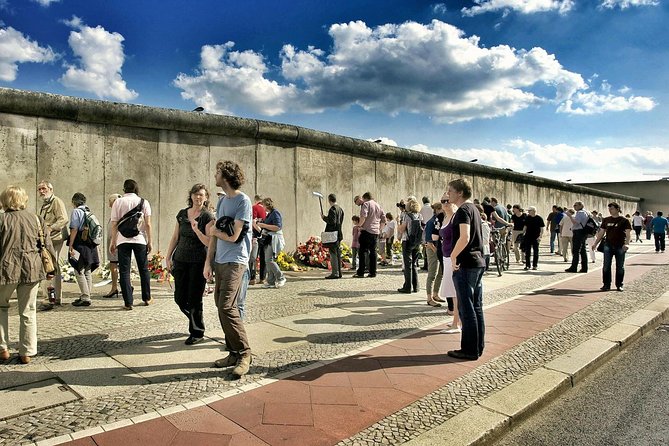
Kreuzberg is the kind of neighborhood where Berlin’s big themes show up in everyday life: borders, migration, counterculture, and reinvention. This tour is built to make that feel real. You’re not just getting landmarks—you’re getting the logic behind them, and that’s what helps the district click.
The strongest thing here is how the guide connects past and present. You’ll start with the Cold War-era vibe of the area and then move forward into the post-1989 era people associate with artists, nightlife, and that whole hipster-on-the-run energy. If you’ve already visited a few classic Berlin sights, this feels like a sharp change of pace.
Also, the “small-group” promise isn’t just marketing. With up to 6 people on the tour, you’re more likely to get real back-and-forth questions rather than being shuffled like a group photo. In past runs, guides such as Peter and Ronan have been singled out for their insider knowledge and conversation skills.
You can also read our reviews of more walking tours in Berlin


Meeting at Schlesische Str. 18: A Convenient Start You Can Find
You’ll meet at Schlesische Str. 18, 10997 Berlin. This is handy because it puts you in the Kreuzberg orbit right away, instead of starting far out and spending your first hour in transit.
The tour is also listed as near public transportation, which matters because this is not a strictly “walk-only” route. The plan includes a few public transport moments when distances between key sites would be too far on foot. That mix is a practical choice. You get more neighborhood coverage without spending the whole 3 hours dragging your feet.
Bring your patience for a short logistics shuffle. With a route this story-heavy, the guide may adjust pacing based on the group and weather. The tour is about flow, not racing.
Oberbaumbrücke: The Photo Stop That Also Sets the Tone
You kick off with a stroll over Oberbaumbrücke, one of Berlin’s most beautiful bridges. It’s not just a scenic warm-up. Bridges in Berlin are loaded with meaning, and starting here gives you a visual cue for what Berlin has always done—connect, divide, and then connect again.
From a traveler’s perspective, this start is smart because it helps you “read” what comes next. You’ll get a sense of direction and scale before the route dips into more complex history around the Wall and Kreuzberg’s reputation during the Cold War.
If you choose the bike option, you still begin with orientation and then cover more ground. The bike covers extra sites while staying inside the district, so you get depth without leaving Kreuzberg behind.
SO36 and the Changing Neighborhood: History Meets Today
After the bridge, you move past the main landmarks of SO36, with the guide explaining the area’s rough history and the fast-moving events shaping its future. SO36 is a shortcut to the neighborhood’s identity: music, scenes, and cultural momentum.
This is where the tour starts feeling less like a “sightseeing walk” and more like a guided interpretation of place. The guide doesn’t treat Kreuzberg like a single vibe. Instead, you get a neighborhood that has layers: Cold War-era isolation, post-1989 transformation, and today’s debates over what gets preserved and what gets changed.
A good way to think about this segment: it prepares your eyes for the next stops. Once you understand the pressure points of the neighborhood—who was pushed out, who moved in, what communities built—street scenes start telling stories on their own.
Berlin Wall Remnants: What’s Left and Why It Matters

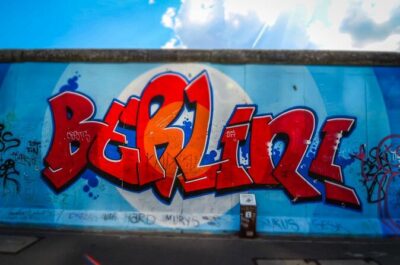
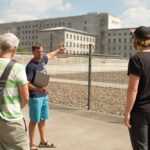
You’ll observe remains of the Berlin Wall, with the guide explaining what they meant and why they’re part of Kreuzberg’s story. Wall remnants can be easy to overlook if you’re just scanning for big monuments. Here, the point is to notice the leftovers and understand how they shaped everyday life.
One practical note: don’t rush this part. Even if you’ve seen Wall history in museums, street-level traces hit differently. The neighborhood scale makes it more concrete—this wasn’t abstract policy; it was geography you lived with.
This stop also sets up the tour’s bigger theme: Kreuzberg isn’t only a destination. It’s a history lesson that still runs through the streets.



Graffiti, Street Art, and Reused Spaces
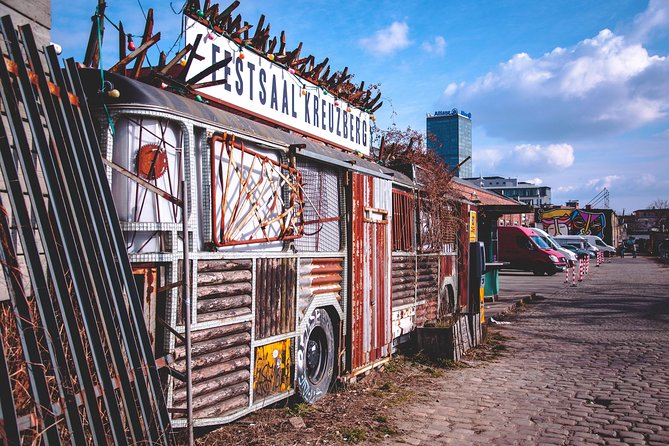
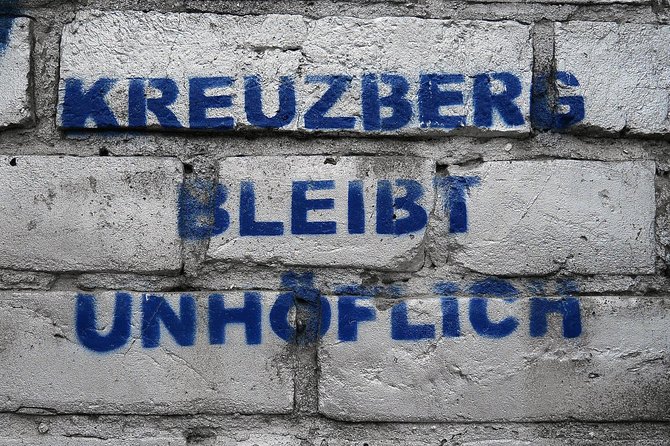
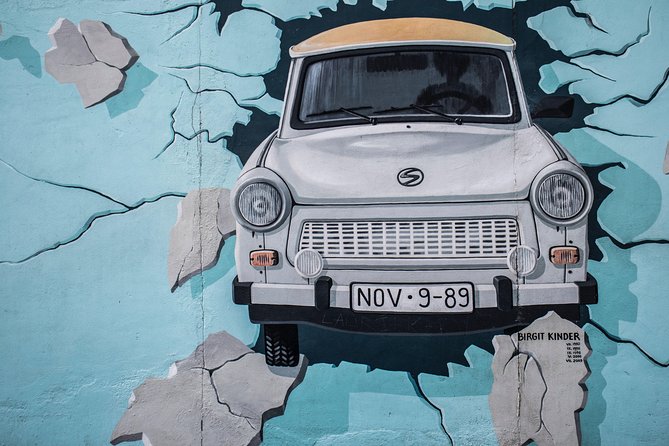
One of the most valuable parts of this tour is that you don’t just look at graffiti and street art. You also hear about its importance to Kreuzberg’s look and feel. That matters because graffiti gets talked about like it’s only decoration or only rebellion. On this tour, it becomes part of how the neighborhood communicates.
You’ll explore creative uses of abandoned buildings and plots of land too. That theme—reuse instead of wipe-and-replace—shows up again and again in Berlin. Kreuzberg is a neighborhood where people took the unfinished, the neglected, and turned it into something usable.
For you, this means the neighborhood stops feel connected. When you see a tagged wall and then later a repurposed space, you understand the same mindset at work: create, adapt, and claim public space.
And if you’re the type who loves street details, this is where you’ll feel the “art historian guide” advantage. The guide can slow you down just enough so you’re not just snapping pictures—you’re learning how to interpret what you’re seeing.
Görlitzer Park and Markthalle 9: A Break That Feels Like Kreuzberg
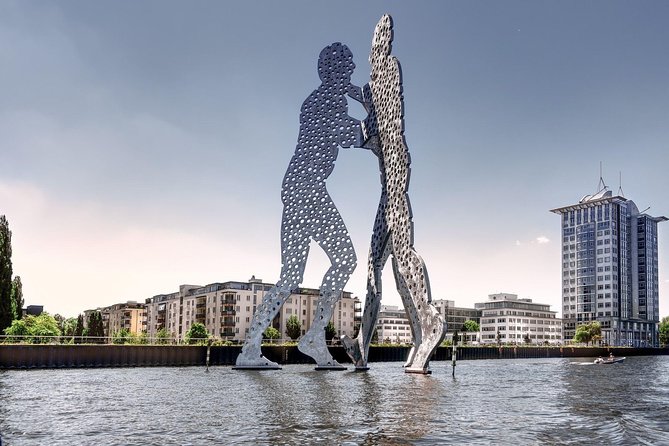
The tour moves to Görlitzer Park, a graceful spot where the pace naturally cools down. Parks in neighborhoods like this are more than pretty scenery—they show how communities use shared space. It’s a good mental break after the heavier Wall and street-art history.
Then you head to Markthalle 9, a market hall with about 120 years of history. Market halls are some of the best places to see how a city eats, shops, and gathers. Here, it also becomes a cultural bridge between the artsy street vibe and the everyday routines of local residents.
I like stops like this because they keep the tour grounded. You can feel the neighborhood’s real rhythm rather than staying stuck in the “Berlin as aesthetic” frame.
Turkish Culture Stops: Markets, Flowers, Spices, and Real Food
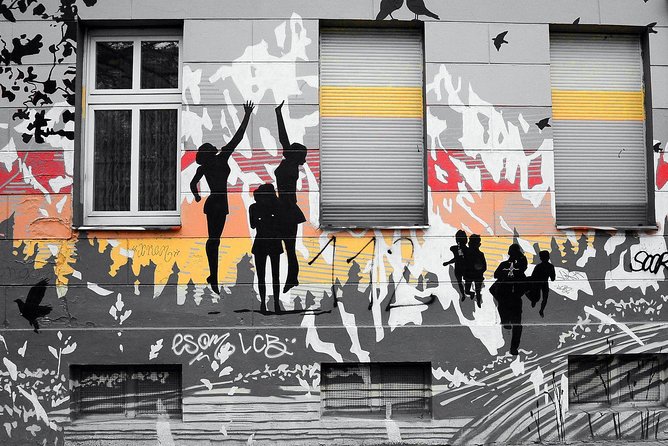
A big part of Kreuzberg is Turkish culture, and the tour doesn’t keep that in a museum tone. You’ll pass shops and colorful markets full of flowers and spices, plus tasty take-away foods you can sample.
One specific example mentioned is Gözleme—deep-fried spinach and cheese. This is the kind of food stop that’s easy and low-pressure. You don’t need a sit-down reservation, and you get to taste something local while learning what’s around you.
Because the tour listing says food and drinks are not included unless specified, treat this as pay-as-you-go. Bring some cash or a card ready for snacks. It’s also a smart idea to travel with a lighter stomach earlier on, because markets can tempt you fast.
The Riverside Wrap-Up: Development Plans and the Controversy
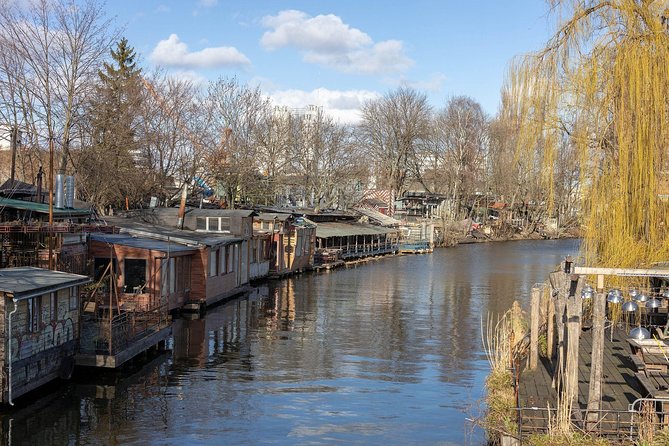
After you’ve built a solid picture of Kreuzberg’s mix—Wall history, street art, parks, and Turkish market life—you end by discussing controversial riverside development plans.
This kind of ending is useful. It takes the neighborhood you’ve been studying and asks what might happen next. Berlin is full of redevelopment stories, but Kreuzberg’s story is especially charged because it’s been a magnet for artists and immigrants. When change comes to a place like that, it’s never just about buildings. It’s also about who gets to stay.
You’ll leave with a clearer sense of what’s at stake if Kreuzberg shifts again. Even if you don’t agree with every side, you’ll understand why people care.
Some tour runs may end near the Friedrichshain-Kreuzberg Museum area, which can be a nice follow-up if you want more context after the street talk.
Foot Tour vs. Bike Tour: Which Fits Your Pace?
This experience can be done on foot or offered as a bike tour. The foot option stays within the district and is paced for your group, with public transport used a few times when walking would be too far.
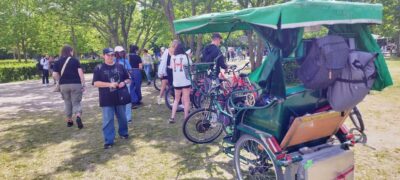
The bike option is basically the “more ground, same neighborhood” choice. You still stay within Kreuzberg, but you cover longer distances without draining your legs. There’s also an optional bike rental for 10 EUR per person.
Here’s how I’d choose:
- If you like stopping often for photos and questions, go on foot.
- If you’re short on time or want to see more without a long slog, choose the bike.
Either way, plan for a real walking day. This is not a casual stroll where you drift at your own pace for the whole time.
Price and Value: Paying for a Specialist and a Small Group
At $153.85 per person, this is not a budget walking tour. So the “why” matters.
The value is that you’re paying for a professional art historian guide and a small-group experience (the tour is listed as max 6). A guide who understands street art, creative reuse, and Berlin’s layered history is exactly what turns Kreuzberg from a cool neighborhood into a meaningful one.
Also, the itinerary hits both sides of the street: visual culture (graffiti, abandoned spaces), and lived culture (markets, parks, hall life). Many neighborhood tours focus on one lane. This one tries to connect them, which is what makes it worth more than a basic sightseeing circuit.
If you’re the type who loves insider context—why something exists, not just that it exists—this price starts to feel more fair.
Who Should Book This Kreuzberg Tour
This is a great fit if you:
- Want Kreuzberg’s story beyond the postcard version
- Like street art but also want the context behind it
- Appreciate small-group guiding and conversation
- Enjoy neighborhoods where history and migration show up in real daily life
It also fits well if you’re staying in Berlin for a few days and want a break from the tourist-heavy center. Kreuzberg feels like Berlin’s off-to-the-side chapter, and the tour helps you read that chapter instead of skimming it.
If you’re traveling with children, note that children must be accompanied by an adult. The tour also says most travelers can participate, which suggests it’s not limited to a narrow skill set, but you should still expect walking plus occasional public transport.
Quick Tips for Getting the Most Out of Your 3 Hours
Before you go, set yourself up for success:
- Wear shoes you don’t mind getting scuffed. You’ll be on streets and in parks.
- Bring a small budget for snacks, since market food like gözleme is a pay-yourself moment unless stated otherwise.
- If you hate cold or wet weather, consider the bike option (or at least dress for it). The tour runs even when conditions aren’t perfect, and you’ll stay outside for much of it.
And mentally, go in with one goal: look at Kreuzberg like a system. Wall remnants, graffiti, markets, repurposed spaces, and development debates are all linked by how people claim and remake their city.
Should You Book It?
If you want a Kreuzberg tour that actually helps you understand what you’re seeing—street art with meaning, neighborhood history with context, and food and markets that feel local—then yes, book it.
Skip it only if you’re mostly chasing major monuments or you’re hoping for a strictly indoor, museum-style day. This tour is about the neighborhood at human speed. It rewards curiosity, not just a checklist.
If you’re choosing between foot and bike, pick the one that matches your energy. Either way, you’ll come away with a much clearer sense of why Kreuzberg became the place it is—and why people argue about what it becomes next.
FAQ
How long is the Kreuzberg walking tour?
It runs for about 3 hours.
What language is the tour offered in?
It’s offered in English.
How big is the group?
It’s a small-group tour with a maximum of 6 people, and the booking caps are listed up to 8 people per booking, with up to 10 travelers for the activity.
Is the tour only on foot?
No. It can be done on foot, and there is also an option as a bicycle tour.
Are food and drinks included?
Food and drinks are not included unless specified.
Is there a bike rental option?
Yes. Optional bike rental is listed at 10 EUR per person.
Is free cancellation available?
Yes. You can cancel up to 24 hours in advance for a full refund.