REVIEW · BERLIN
Individual City Tour – Rickshaw Sightseeing in Berlin
Book on Viator →Operated by myVeloTour Berlin (L. Daloiso) · Bookable on Viator
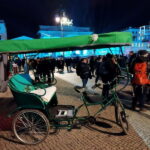
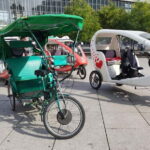
Berlin in a rickshaw beats long walks. This private tour is built for quick, close-up sightseeing across both classic Berlin landmarks and Cold War reminders, with pickup and blankets for comfort.
What I like most is the comfort plan for winter: a warm blanket is included, and the guide setup can also include hot water bottles so you can actually enjoy the ride instead of huddling. I also like how the tour works as a guide-led history walk without the nonstop footsteps, and how Leo can tailor the route when you want more time on certain stops.
The main drawback is simple: many sights are brief photo-and-orientation moments, not long museum visits. If you want to go inside, you’ll still need to buy tickets for places like Museum Island, and a few other stops may not include admission.
In This Review
- Key takeaways before you book
- A private Berlin rickshaw that gets you close to the action
- Price and value: what $53.21 buys you
- Meeting point and pickup: where you start matters in Berlin
- The route: what each stop feels like (and what to watch for)
- Weltzeituhr (World Time Clock) at Alexanderplatz
- Nikolaiviertel (Berlin’s oldest neighborhood core)
- Museum Island: a UNESCO-heavy moment
- Die Hackeschen Höfe: courtyards with personality
- Palace of Tears at Bahnhof Friedrichstraße
- Bebelplatz and the memory of book burning
- Gendarmenmarkt: Berlin’s postcard square
- Checkpoint Charlie: division made visible
- Topography of Terror: where the wall still lingers
- Potsdamer Platz: old junction turned modern stage
- Tiergarten: a longer breath in the green heart
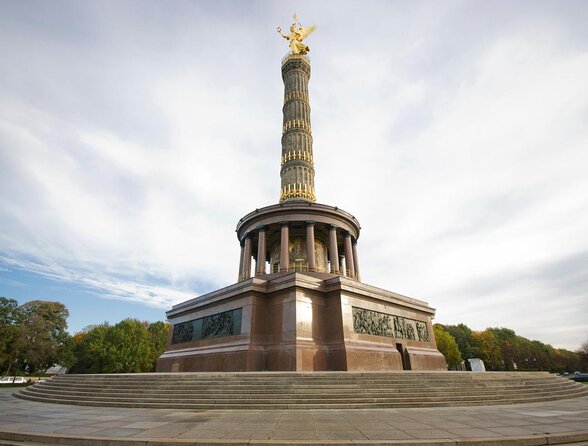
- Victory Column: Prussian victories and detail spotting
- Bellevue Palace: the Federal President’s official residence
- Government District and the Reichstag area
- Brandenburg Gate: the symbol that kept changing roles
- Cold-day comfort: how to enjoy Berlin without freezing through the story
- Customizing the experience: music and route flexibility
- Who should choose this rickshaw tour, and who might prefer something else
- Booking advice: the best way to make this tour worth your time
- Should you book this Berlin rickshaw tour?
- FAQ
- How long is the rickshaw tour?
- Is this tour private?
- What language is the tour offered in?
- Where does the tour start?
- Is pickup available?
- Is admission included for the main sights?
- What’s included for cold weather?
- What is the cancellation policy?
Key takeaways before you book
- Private rickshaw, just your party: no mixing, and it’s easier to ask questions without feeling rushed.
- Cold-weather comfort is real: a warm blanket is included, and hot water bottles have been provided on cold days.
- Flexible routing: your guide can adjust the plan based on what you want to see most.
- A fast hit of major Berlin highlights: you cover East and West landmarks in one loop.
- Convenient meeting and pickup options: start at Alexanderplatz or use free pickup close to Museum Island.
- Some major sights need tickets: Museum Island, Victory Column, and Bellevue Palace are not included.
A private Berlin rickshaw that gets you close to the action
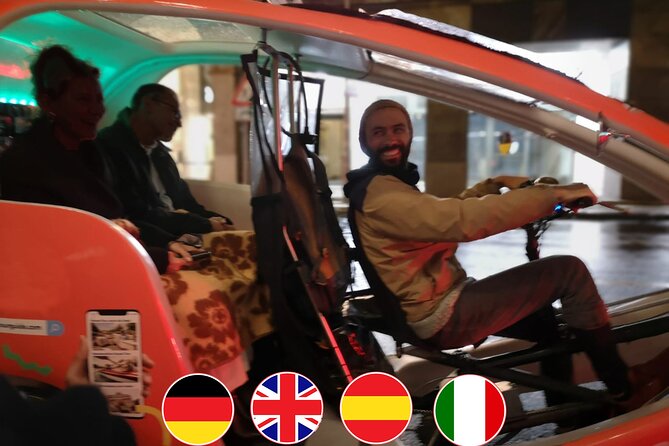
If you picture Berlin as a city you have to “walk your way through,” this tour is a smart alternative. The rickshaw keeps you moving while still letting you stop right by big landmarks, squares, and memorial areas.
You’ll be in a private setting for your group, which is a big deal when you’re traveling with kids, multiple generations, or anyone who doesn’t want to do long distances. You can also ask for music by request, which adds a nice, relaxed feel while you’re rolling between stops.
You can also read our reviews of more city tours in Berlin
Price and value: what $53.21 buys you
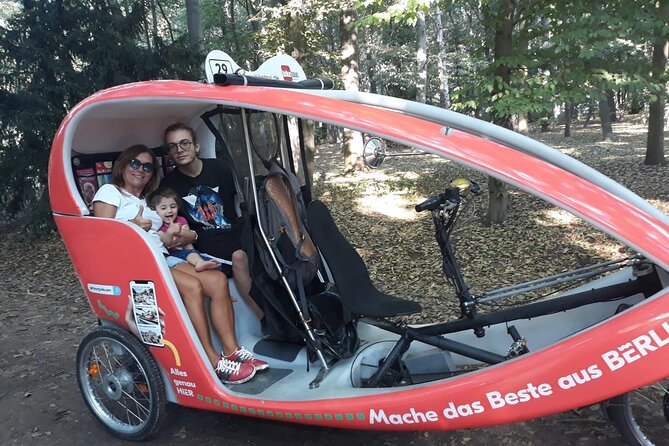
At $53.21 per person, you’re paying for more than transportation. You’re paying for (1) a live guide, (2) a rickshaw that can pull you up near the sights, and (3) winter comfort like a warm blanket.
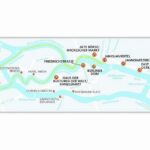
A big part of the value is time. The route hits major Berlin highlights along a practical spine: Alexanderplatz, Museum Island, the Cold War corridor, then into the central government and Brandenburg Gate area. In 1 to 3 hours, you get orientation you can build on later with deeper visits.
Do note the tradeoff: this isn’t a “go inside everything” style tour. Museum Island and a couple of other standout sites have admission not included, so your total day cost could rise if you plan to enter buildings.
Meeting point and pickup: where you start matters in Berlin
Your tour starts at the World Time Clock (Weltzeituhr) on Alexanderplatz, address Alexanderpl. 1, 10178 Berlin. It ends back at the same meeting point, which makes planning the rest of your day easier.
Pickup is offered from hotels and nearby locations within a 2 km radius of Museum Island for free. If you’re farther out, additional distance is charged at 5 €/km. That’s worth keeping in mind if you’re staying in neighborhoods outside central Berlin, because the rickshaw route is most convenient when you’re close to the core sights.
If you’re using public transit, the meeting area is convenient, and the tour also uses a mobile ticket, which keeps the start simple.
The route: what each stop feels like (and what to watch for)
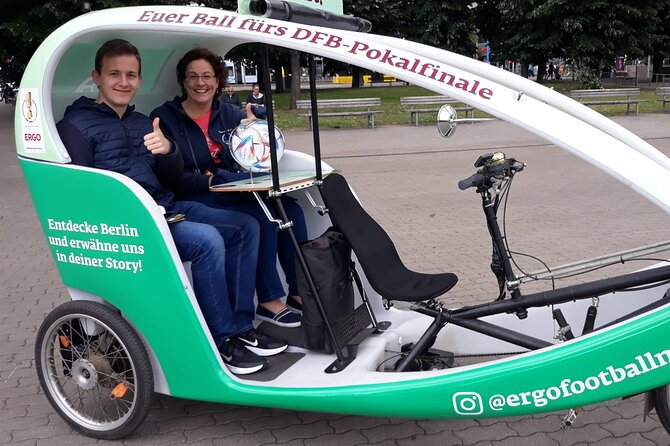
This tour moves in short segments, with most stops designed for quick visuals, photos, and context. Expect a “see it, understand it, move on” pace rather than long walks between sites.
Weltzeituhr (World Time Clock) at Alexanderplatz
You begin at Weltzeituhr, a well-known meeting point on Alexanderplatz. It connects Berlin’s medieval past to the former center of the GDR capital, which sets the tone for the whole tour: old borders, shifting power, and how Berlin kept reinventing itself.
Practical tip: because Alexanderplatz is busy, arriving a few minutes early helps. You’ll want a clear photo at the start before the square fills up.

Nikolaiviertel (Berlin’s oldest neighborhood core)
Next is Nikolaiviertel, tied to the twin city roots of Berlin-Cölln. The area was almost completely destroyed during WWII and later rebuilt for Berlin’s 750th anniversary, so you’ll feel a “historical recreation” vibe even while it still represents early settlement life.
This stop is great for resetting your eyes after the urban intensity of Alexanderplatz. It’s also a nice reminder that Berlin isn’t only about modern skylines—it has layers.
Museum Island: a UNESCO-heavy moment
You’ll pass Museum Island, commissioned by Prussian kings and listed as UNESCO World Heritage since 1999. The nearby Berlin Cathedral and the new Berlin Palace sit in the same orbit, so this stop is an easy way to understand why this area matters.
Admission isn’t included here, so think of it as a fast orientation moment rather than a ticketed museum experience. If you want to actually go in, plan it separately so you’re not trying to do too much in one day.
Die Hackeschen Höfe: courtyards with personality
Die Hackeschen Höfe is a standout in the form of enclosed courtyards that feel unexpectedly intimate. It’s described as the largest enclosed courtyard area in Germany, with a mix of bold youth-style facades and pretty little backyards.
This is one of the stops that can surprise you. The rickshaw gets you close without requiring a long walk through side streets, so you get the “hidden-feeling” part with minimal effort.
Palace of Tears at Bahnhof Friedrichstraße
Palace of Tears was once the exit hall of the border crossing at Bahnhof Friedrichstraße. You can still walk through the control counters, which makes it more than a viewpoint—it’s a place that lets you physically imagine the boundary experience.
It’s also a strong moment emotionally because it connects paperwork, control points, and everyday lives. Even for short time on-site, it leaves a mark.
Bebelplatz and the memory of book burning
Bebelplatz is one of those squares that carries weight. It’s a place for culture, and the empty library commemorates the burning of books on 10 May 1933.
If you’re sensitive to memorial sites, keep that in mind. This isn’t just a pretty square stop—it’s a reminder of what happens when censorship and fear win.
Gendarmenmarkt: Berlin’s postcard square
Gendarmenmarkt is often described as one of Berlin’s most beautiful squares, with an ensemble of concert hall and churches topped by towers. It’s the kind of stop where you might pause simply because the architecture looks designed to be seen from multiple angles.
This is a good time to grab photos of the symmetry from different sides. Also, it’s an easy contrast to the Cold War stops that come soon after.
Checkpoint Charlie: division made visible
Checkpoint Charlie is the former border crossing and a lasting reminder of divided Berlin and the Cold War. It also connects to tragic escape attempts, so the mood here is serious.
Practical note: it’s a very popular area for pictures. You may want to take your time getting the shot you want without getting swept into the crowd flow.
Topography of Terror: where the wall still lingers
Topography of Terror features the longest remaining section of the Berlin Wall still standing in its original state. Seeing wall fragments in place gives the story a physical reality that photos in books sometimes can’t.
This is one of the best “understand the city” stops. You don’t have to go deep into a building to get the core point: Berlin division wasn’t abstract.
Potsdamer Platz: old junction turned modern stage
Potsdamer Platz was a major traffic junction for the last two centuries, and division reshaped it. You’ll see modern buildings today, plus hints that elements of the old Potsdamer Platz are hidden.
This stop is ideal if you’re trying to grasp Berlin’s big transformation. It’s where the city shows you reinvention in motion.
Tiergarten: a longer breath in the green heart
Tiergarten is the longest stretch on the tour, with about 30 minutes here. It’s known as the green heart of Berlin, and your route passes important points like the Victory Column, the Office of the Federal President, the House of World Cultures, the Carillon, and the Soviet Memorial.
This is a practical break. After several history-heavy stops, the park time helps you reset, and you’re still seeing landmarks from the move rather than losing time to long transfers.
Victory Column: Prussian victories and detail spotting
Victory Column commemorates three important Prussian victories, with the Victoria Angel at the top. The stop notes that gilded cannons nearby add interesting detail if you’re close enough.
Admission isn’t included, so again, you’re likely to get the view and a contextual explanation rather than an entry experience. Still, it’s a strong point in the loop, especially with the park scenery around it.
Bellevue Palace: the Federal President’s official residence
Bellevue Palace serves as the first official residence of the German Federal President since 1994. It’s a visible landmark of modern Germany’s political life, which is a nice pivot after the more emotionally intense sites earlier.
Admission isn’t included, so treat it as a guided exterior stop and photo moment rather than a museum stop.
Government District and the Reichstag area
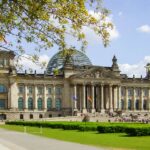
You’ll pass through the government district area along the Spreebogen, near the historic Reichstag building. The government quarter was built around the year 2000, which helps explain why it looks modern next to older monuments.
This section is useful if you’re the type who likes to understand Berlin as a city with both political meaning and physical design choices.
Brandenburg Gate: the symbol that kept changing roles
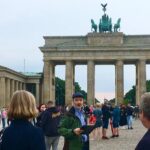
The tour ends at Brandenburg Gate, the only surviving city gate in Berlin. It became a memorial to division, then a symbol of unity, and now it works as a national landmark.
This final stop works well because you’ve just toured checkpoints, memorials, and the wall’s remnants. When you reach the gate, it clicks into place as more than a famous photo background.
Cold-day comfort: how to enjoy Berlin without freezing through the story
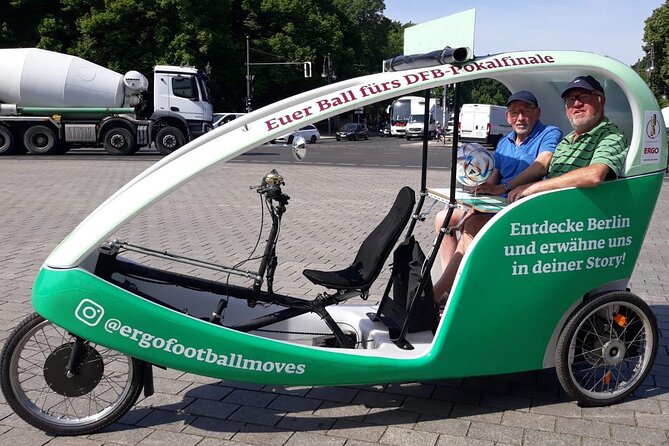
Berlin can be brutally cold, and this tour is set up to keep the experience enjoyable. A warm blanket is included, and multiple cold-day accounts mention hot water bottles being provided by the guide setup.
What that means for you: you’re not just tolerating the sights. You can actually sit through explanations, look at the details the guide points out, and still enjoy the “pause for a photo” moments without racing inside immediately.
If it’s especially chilly, wear layers and keep a warm layer on your hands and ears. The blanket helps, but it won’t replace decent cold-weather clothing.
Customizing the experience: music and route flexibility
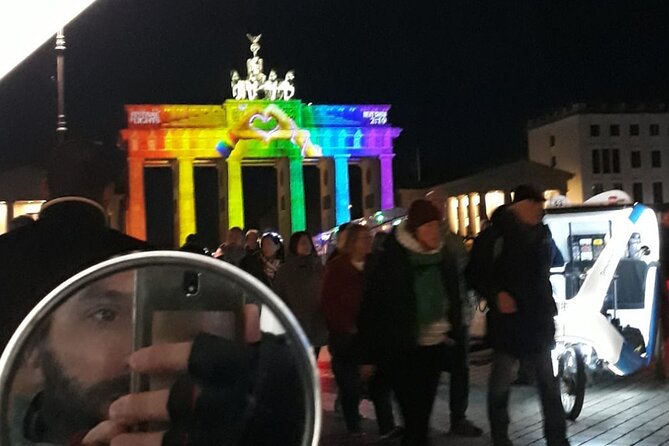
One of the practical perks is route flexibility. The itinerary is structured, but the guide can personalize the route based on what your group cares about, including a teenager’s interest or priorities for family members.
The music-by-request option also makes a difference. When the route goes through emotionally heavy areas and then back into open squares and parks, your mood matters. A small personal touch helps keep the ride feeling like your day, not a scripted bus tour.
Who should choose this rickshaw tour, and who might prefer something else

This tour is a strong match if:
- you want a first-pass overview of major Berlin landmarks in a short time
- you’re traveling with kids, grandparents, or anyone who doesn’t enjoy long walking days
- you’re going in winter and want a plan that addresses cold-weather comfort
- you like history but don’t want to spend your whole vacation waiting in lines
It might not be ideal if:
- you want a museum-heavy day with long indoor visits
- you expect every stop to include admission
- you need long quiet time at each site without moving along frequently
Booking advice: the best way to make this tour worth your time
If you’re aiming for a smooth day, pick your priority list before you go. Decide what you most want to understand: Cold War sites, major squares, or the political government district look. Then use the tour’s flexibility to spend a little extra time where it matters most.
Also, consider timing. If it’s cold, earlier in the day can reduce time shivering. If you’re chasing photos, evening light can look great at iconic exteriors, but build in extra comfort time with the blanket and hot bottles.
Should you book this Berlin rickshaw tour?
I’d book it if you want a relaxed way to get oriented fast, especially your first time in Berlin or if you’re visiting with mixed ages. The combination of private attention, close-to-the-sight stops, and real cold-weather comfort makes it feel like value rather than a splurge.
I’d think twice if you want a deep, ticketed day of museum interiors. This tour is best as a guided overview that sets you up for return visits, not as a complete substitute for longer museum time.
If your goal is to see the major story beats of Berlin—medieval roots, GDR-era border realities, and today’s reunified landmarks—this rickshaw route is an efficient, human way to do it.
FAQ
How long is the rickshaw tour?
The tour runs about 1 to 3 hours, depending on how you spend time at stops.
Is this tour private?
Yes. It’s a private tour/activity, and only your group participates.
What language is the tour offered in?
The tour is offered in English.
Where does the tour start?
The meeting point is the World Time Clock (Weltzeituhr) at Alexanderpl. 1, 10178 Berlin, Germany. The tour ends back at the meeting point.
Is pickup available?
Yes. Pickup is offered from hotels or other locations within a radius of 2 km from the Museum Island area for free. Any distance beyond that is charged at 5 €/km.
Is admission included for the main sights?
Admission is not included for Museum Island, Victory Column, and Bellevue Palace. Other listed stops are marked as free admission.
What’s included for cold weather?
A warm blanket is included. On cold days, hot water bottles have also been provided by the guide setup.
What is the cancellation policy?
You can cancel for a full refund up to 24 hours before the experience starts. If you cancel within 24 hours of the start time, there is no refund.