REVIEW · BERLIN
Sündenbabel Berlin – The Roaring Twenties in Berlin
Book on Viator →Operated by Freizeit-und Reiseclub Berlin · Bookable on Viator
Berlin’s 1920s queer scene is written in streets.
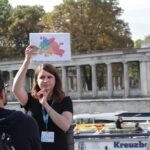
This is a fast, focused 2-hour walking tour that ties together the West Berlin nightlife circuit with real landmarks, from Nollendorfplatz to Kurfürstendamm. You get mobile tickets and an English guide, with stops kept short so you cover a lot without feeling like you are stuck in one museum room.
I especially like the way the route connects story to place: Eldorado’s slogan on Motzstraße, the Scala legend on Fuggerstraße, then onward to the shopping-and-nightlife pull of KaDeWe and Ku-damm. It also helps that the tour keeps pointing at specific entertainment venues—dance halls, cinemas, and theaters—so you get a clearer picture of how people actually spent evenings.
One thing to plan for: some entrances are not included, including Zoo Palast and other entertainment stops. That means your total out-of-pocket can be a bit more if you decide to go in at every location.
In This Review
- Key things you’ll notice on this tour
- From Auden and Isherwood to today’s sidewalks: the tour’s core idea
- Starting at Nollendorfpl. 3–4: a simple, transit-friendly launch
- Motzstraße and the Eldorado slogan: how a street becomes a stage
- Fuggerstraße and the former Scala: clowns, strong personalities, and the night plan
- KaDeWe at Kaufhaus des Westens: the shopping world that pulled millions
- Femina Palace on Tauentzienstrasse: a dance hall built for open-air fun
- Kaiser Wilhelm Memorial Church: the landmark pause in the middle of nightlife streets
- Zoo Palast at Breitscheidplatz: cinema that made the masses feel like insiders
- Bahnhof Zoologischer Garten: where the meeting points shift from myth to geography
- Theater des Westens and Delphi Palace: dancing, shows, and the stage-door energy
- Kurfürstendamm: luxury shopping, entertainment, and what you should do with your credit card
- Kranzler Eck and Cafe megalomania: the ending stop with a story hangover
- How to plan the day: a smart 2-hour approach with optional entrances
- Who this tour is best for
- Should you book Sündenbabel Berlin: The Roaring Twenties in Berlin?
- FAQ
- How long is the tour?
- When does the tour start?
- Where does the tour start?
- Where does the tour end?
- What language is the tour offered in?
- Do I get a mobile ticket?
- How big is the group?
- Which stops have admission tickets included or not included?
- Is public transportation nearby?
- What is the cancellation policy?
Key things you’ll notice on this tour

- Queer nightlife map from Nollendorfplatz to Ku-damm with stories tied to street corners and landmark buildings
- Short, efficient stops (usually 5–10 minutes) that let you see a lot in about 2 hours
- Iconic entertainment venues like the Scala, Femina Palace, Zoo Palast, and Theater des Westens
- One included admission stop at Bahnhof Zoologischer Garten, while other entrances cost extra
- Berlin landmark breathing space with the Kaiser Wilhelm Memorial Church in the middle of nightlife streets
From Auden and Isherwood to today’s sidewalks: the tour’s core idea
Berlin in the 1920s wasn’t only politics and cabaret stages. It was also a city where certain neighborhoods became coded meeting points—places where people could be themselves, find community, and build nightlife routines. This tour leans into that idea hard, starting where the queer scene drew attention: Nollendorfplatz.
You’ll hear the name Auden and the friend Isherwood, and how they were fascinated by the queer scene in Berlin. That matters because the tour isn’t treating the area like an abstract museum topic. It’s treating it like geography—like a living map of streets where identities, leisure, and social life overlapped.
And then it moves west, toward Kurfürstendamm, where fashion, money, and late-night entertainment pulled crowds in. The contrast is part of the point: the same city that made room for artistic subcultures also put on a high-gloss shopping and show-business face.
You can also read our reviews of more tours and experiences in Berlin.
Starting at Nollendorfpl. 3–4: a simple, transit-friendly launch
The tour begins at Nollendorfpl. 3-4 around 2:00 pm. The organizers also note it’s near public transportation, which helps a lot in Berlin. You’ll be walking in a straight line of stops—no complicated transfers.
Group size tops out at 25 people, so you should be able to hear the guide and still keep the pace comfortable. You’ll also use a mobile ticket, which is one less thing to manage in a city full of paper passes and ticket checks.
Because the tour is about 2 hours and each stop is timed (often 5 minutes, sometimes 10), I recommend bringing good walking shoes and keeping your phone charged. You’ll want to look up a few venue names after the fact, and Berlin’s sidewalks are excellent for that kind of quick research.
Motzstraße and the Eldorado slogan: how a street becomes a stage
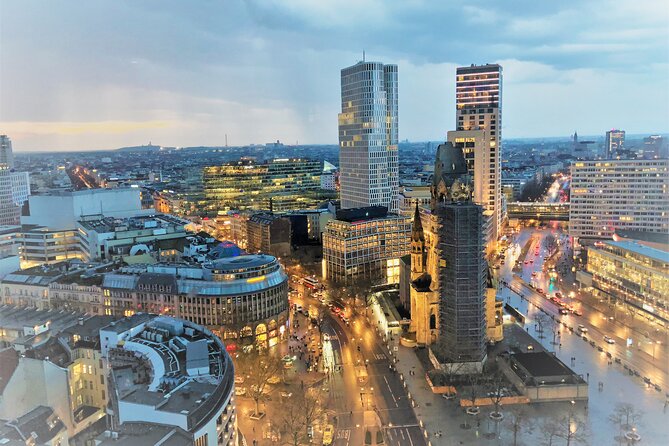
The first stop is Motzstraße, where a sign and story connect to the legendary Eldorado. Instead of just saying a famous club existed, the tour points you to the kind of messaging that turned streets into invitations.
You’ll be asked to think like a visitor in the 1920s: you walk into a district and the neighborhood already seems to know who you are looking for. Eldorado becomes a shortcut for that feeling—legendary, recognizable, and tied to real foot traffic.
This is a brief stop—about 5 minutes—so don’t expect a full lecture. Instead, expect the guide to give you a foundation term you can carry to the next location. That’s how the route builds momentum.
Fuggerstraße and the former Scala: clowns, strong personalities, and the night plan
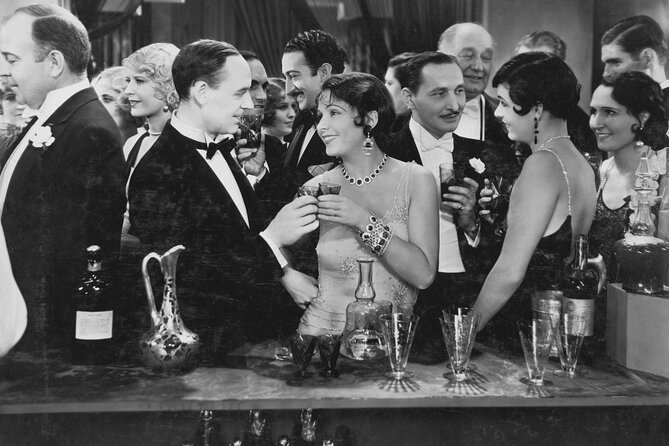
Next is Fuggerstraße, a short walk to the former Scala. Going to the Scala in the evening was so much of a cultural habit that it became a slogan.
The Scala name brings in international performers. You’ll hear about Enrico Rastelli, Clown Grock, and the Scala Girls. Even if you only catch the headlines, it’s still helpful: it shows this wasn’t a sleepy local theater. It was entertainment that traveled and drew crowds with spectacle.
Practical note: this stop is also around 5 minutes and listed as free admission. So you get context without paying to stand in the hallway. That’s a good trade early in the tour, when you’re still getting your bearings.
KaDeWe at Kaufhaus des Westens: the shopping world that pulled millions
Then comes a big Berlin swing: Kaufhaus des Westens (KaDeWe). This is one of those stops that changes the mood without changing the theme. The tour reminds you that KaDeWe opened at the beginning of the 20th century and attracted an audience of millions.
The highlight here is the fashion connection. You’ll hear that the store carried the latest Parisian fashion, described as a world sensation. That matters because it explains why Kurfürstendamm and West Berlin nightlife could overlap with consumer culture. For many people, going out meant more than dancing—it meant being seen, dressing right, and participating in a modern city.
This stop lasts about 10 minutes and is free. It’s long enough to get photos and a quick sense of scale, but not long enough to replace a proper KaDeWe shopping visit. Think of it as the narrative doorway.

Femina Palace on Tauentzienstrasse: a dance hall built for open-air fun
On Tauentzienstrasse, the tour takes you to the legendary Femina Palace, a famous dance hall. One detail I like here is that the building has been preserved in its original condition. That gives the stop a different weight—you’re not only hearing about a place that existed; you’re looking at a structure that survived.
Even better: the roof could be opened, so dancing could happen in the open air. That single design feature says a lot about the 1920s approach to leisure. It’s not just indoors, not just formality—it’s a social event with atmosphere.
This stop is about 5 minutes and free. Still, it’s one of the most visual stories in the route. If you enjoy architecture-with-a-purpose, you’ll probably remember this stop longest.
Kaiser Wilhelm Memorial Church: the landmark pause in the middle of nightlife streets
The tour then goes to the Kaiser Wilhelm Memorial Church, described as both a Berlin landmark and something worth seeing. It catches your eye for a reason, even if your first instinct is to focus on the nightlife theme.
I like this stop because it slows the pace just enough to reset your attention. You’ve been in entertainment and shopping contexts; now you’re in a place that feels more civic, more anchored. That makes the earlier and later nightlife stories feel less like myths and more like part of a real city life.
This is a 5-minute stop and free. Use it for a quick exterior look and a moment to scan the street pattern around you. Berlin rewards that kind of orientation.
Zoo Palast at Breitscheidplatz: cinema that made the masses feel like insiders
Next is Zoo Palast, tied to Breitscheidplatz. The tour notes that Zoo Palast is the last remaining cinema around that area, which gives it a special local meaning.
Here you’re learning how cinema pulled people in during the 1920s. You’ll also hear about cinema advertising and what it meant to take a wife out—basically how public leisure became part of private life.
This stop is about 5 minutes, and importantly, the admission ticket is not included. That’s a key consideration. If you’re the type who likes to see the interior or sit through a small exhibit area, you’ll want to budget extra time and money. If not, you can still enjoy the story without feeling like you missed the main event.
Bahnhof Zoologischer Garten: where the meeting points shift from myth to geography
The tour’s most explicit included admission moment is at Bahnhof Zoologischer Garten. In the 1920s, this area became a meeting place for the gay and lesbian movement in Berlin. The guide explains which establishments were preferred—so the stop is about more than atmosphere.
I recommend treating this as your “anchor” stop. The tour has been building a theme up to this point, but here it connects directly to the social reality of where people went. Since the admission ticket is included here, you’re not stuck deciding whether to pay extra right at the moment the story turns most specific.
This segment lasts about 5 minutes in the itinerary, but what you take away can last much longer. It’s the kind of stop where names and locations start to click into a mental map you can revisit later.
Theater des Westens and Delphi Palace: dancing, shows, and the stage-door energy
After Bahnhof Zoo, you move to Theater des Westens and the adjoining Delphi Palace, both described as important entertainment and dancing places in the 1920s.
This is where the tour keeps you focused on how the night worked. In this part of Berlin, entertainment wasn’t a separate category. It was the social glue. The guide’s focus helps you notice how theaters and dance venues share the same urban ecosystem: people come for a show, stay for the social element, then move on.
This stop is about 5 minutes and listed as not included for admission. So if you want inside access, you’ll need to decide on the spot. If you’re happy with the street-level context, the short time still makes sense.
Kurfürstendamm: luxury shopping, entertainment, and what you should do with your credit card
Then you reach Kurfürstendamm, one of the best-known Berlin shopping and nightlife corridors. The tour specifically addresses the idea of luxury shopping—telling you to leave your credit card at home and focusing on what the guide says you could buy back then.
It’s also about entertainment venues. The guide ties the street to dance and leisure options, reinforcing that Ku-damm wasn’t only for shopping bags and window displays. It was also for evenings, meetups, and public visibility.
This stop is about 5 minutes and free. Practical move: stand with the group, listen, and then take a short look at what shops remain today. Even without going inside, you’ll spot how some streets keep their personality across decades.
Kranzler Eck and Cafe megalomania: the ending stop with a story hangover
The final neighborhood beat is Kranzler Eck, where the tour mentions the Café megalomania. The guide teases why it was called that and what stories are hidden there.
This stop is about 5 minutes and listed as not included for admission. Still, it makes sense to end here. Since the tour ends at Cafe Kranzler on Kurfürstendamm, you can turn the last lesson into a real break: sit down, cool off, and let the stories settle.
I like ending at a café because you can compare notes with your own mental map. You’ve covered theaters, dance halls, cinemas, and shopping icons—now you get to do the most Berlin thing possible: talk over a drink.
How to plan the day: a smart 2-hour approach with optional entrances
This is a tight walking tour with about 10 stops. Most are marked free, but several have admission tickets not included (notably Zoo Palast and the stops tied to Theater des Westens/Delphi Palace and the Kranzler area).
So the best way to make this tour feel like a win is to decide your style:
- If you want maximum storytelling value, you can treat non-included places as context stops and still get the full narrative payoff.
- If you want the museum-or-interior feel, bring extra budget and expect you might stretch your day just a bit.
Also, don’t underestimate how much you’ll remember later. Places like KaDeWe and the Kaiser Wilhelm Memorial Church act like visual anchors. You’ll walk away with more than names; you’ll have a street-by-street sense of where leisure happened and how it was organized.
And yes—this is a theme tour focused on a specific slice of history. If you’re comfortable with that focus and want a more human, social kind of Berlin history, it works well. If you want long museum time with artifacts, you may wish you had chosen a different format.
Who this tour is best for
This tour is ideal if you want:
- A guided walk instead of a self-guided puzzle
- A Berlin itinerary that links nightlife, entertainment, and social meeting points
- Clear street-level stops around Nollendorfplatz and Kurfürstendamm
- A way to learn with a guide in English while moving at an easy city pace
It may not be ideal if:
- You strongly prefer tours with everything included (multiple optional admissions can add cost)
- You want deeper time inside venues rather than a quick, story-first overview
Should you book Sündenbabel Berlin: The Roaring Twenties in Berlin?
I think you should book this if you like Berlin best when it feels human and specific. The tour connects queer history and nightlife to real streets and recognizable landmarks, without pretending it’s only about one famous building. You get big names—Scala, Femina Palace, Zoo Palast, KaDeWe—without needing a full-day commitment.
If you are on the fence, ask yourself this: do you enjoy short stops with strong storytelling, and are you okay with some entrances requiring extra tickets? If yes, this is a smart way to see a side of Berlin that many first-time plans skip.
FAQ
How long is the tour?
It runs for about 2 hours.
When does the tour start?
The listed start time is 2:00 pm.
Where does the tour start?
The meeting point is Nollendorfpl. 3-4, 10777 Berlin, Germany.
Where does the tour end?
The tour ends at Cafe Kranzler on Kurfürstendamm 10719 Berlin, Germany.
What language is the tour offered in?
It is offered in English.
Do I get a mobile ticket?
Yes, it includes a mobile ticket.
How big is the group?
The maximum group size is 25 travelers.
Which stops have admission tickets included or not included?
Admission is free at Motzstraße, Fuggerstraße, Kaufhaus des Westens, Tauentzienstrasse, Kaiser Wilhelm Memorial Church, and Kurfürstendamm. Admission is not included at Zoo Palast, Theater des Westens, and the Kranzler Eck area. Admission is included at Bahnhof Zoologischer Garten.
Is public transportation nearby?
Yes, the tour notes that it is near public transportation.
What is the cancellation policy?
You can cancel for a full refund if you cancel at least 24 hours before the experience’s start time. Free cancellation is available up to 24 hours in advance.