REVIEW · BERLIN
Skip-the-Line: Berlin Wall Museum at Checkpoint Charlie
Book on GetYourGuide →Operated by Mauermuseum-Haus am Checkpoint Charlie · Bookable on GetYourGuide
Escape stories at Checkpoint Charlie hit hard. The Berlin Wall Museum (Mauermuseum-Haus am Checkpoint Charlie) turns Cold War history into original escape artifacts and gives you Checkpoint Charlie context right outside the museum doors. It’s a powerful mix of engineering tricks, human risk, and the GDR system designed to stop people from leaving.
I really like how the exhibit centers on real attempts to flee—hot-air balloon, mini-submarine, and even vehicles used to escape—so the story feels specific, not abstract. The main drawback: the experience can feel reading-heavy, and this skip-the-line ticket doesn’t include an audioguide, so you’ll want to plan time to absorb what’s on the walls.
In This Review
- Key things that make this visit worth your time
- Berlin Wall Museum at Checkpoint Charlie: what you’re really buying
- Skip-the-line entry and how long to plan for inside
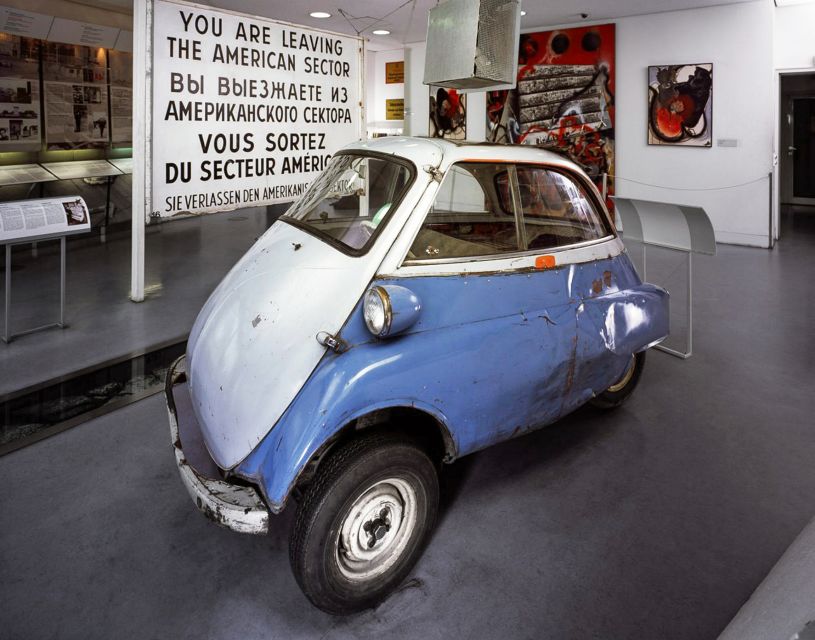
- The escape artifacts: hot-air balloon, mini-submarine, and more
- How the museum connects daily life to dramatic escape plans
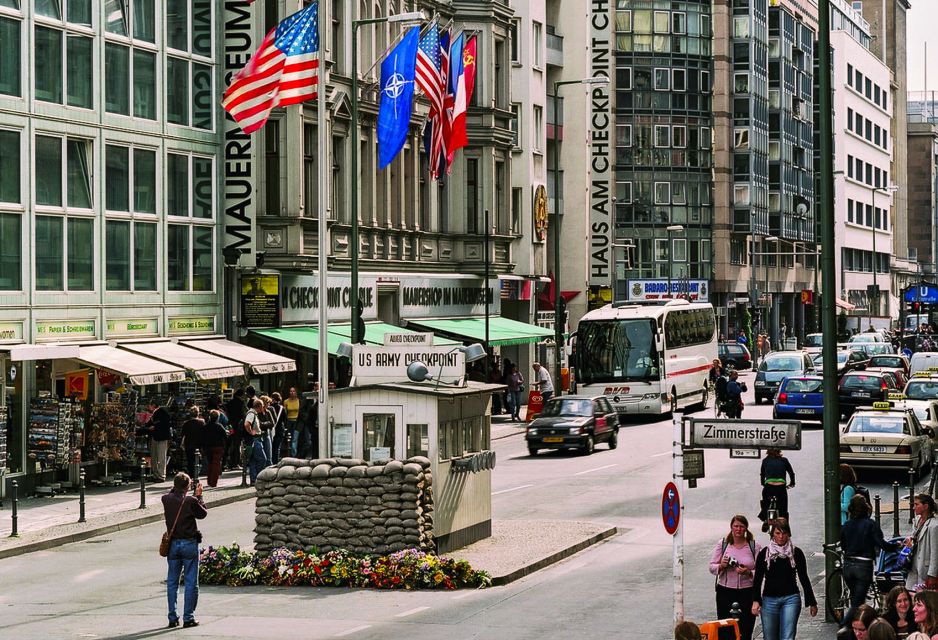
- Upper-floor views and the Checkpoint Charlie connection
- What it feels like to read your way through the Wall
- Original artifacts versus models: what to expect realistically
- Pricing and value: is $21 worth it?
- Practical tips so your visit feels smooth
- Who should book this museum ticket
- Should you book the Berlin Wall Museum at Checkpoint Charlie?
- FAQ
- Is skip-the-line entry included for the Berlin Wall Museum at Checkpoint Charlie?
- Where is the meeting point for this experience?
- How long is the ticket valid?
- Is an audioguide included with the ticket?
- Is wheelchair access available?
- Can I cancel for a full refund?
Key things that make this visit worth your time
- Original escape hardware: Hot-air balloon, mini-submarine, and escape vehicles show what people were willing to risk.
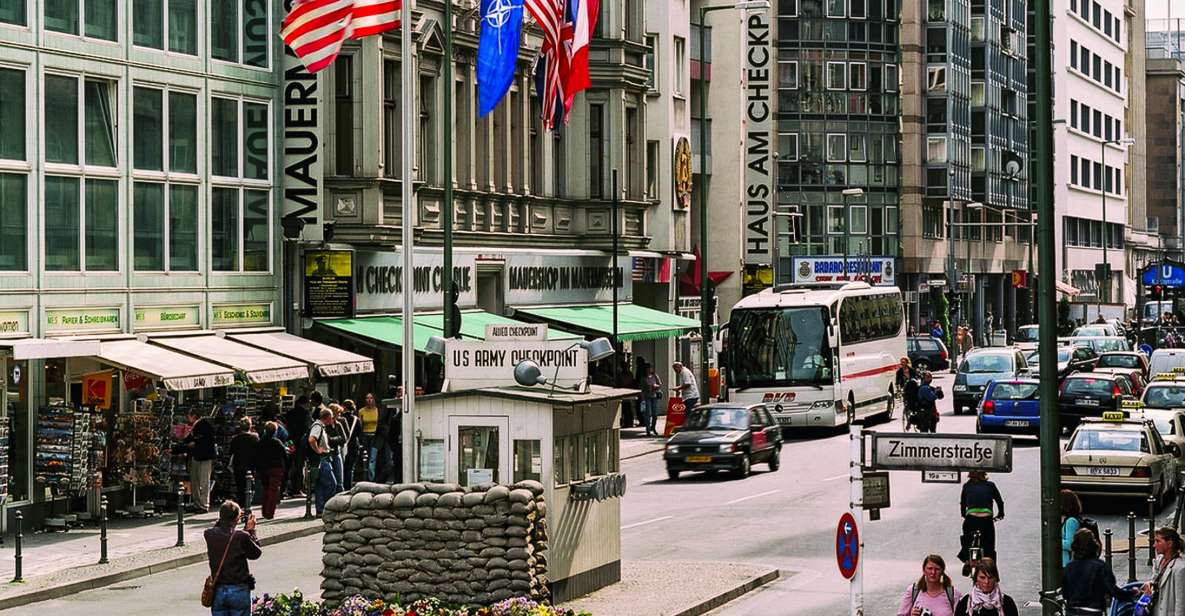
- Checkpoint Charlie context built in: The museum connects its exhibits to the legendary crossing nearby.
- More than the Wall’s timeline: It covers fallout and later conflicts, so the story reaches beyond 1989.
- A museum that started as a protest: Founded in 1962 as opposition to the Wall and as help for people seeking escape.
- Plan for text: Many rooms rely on reading and translations, so pace yourself.
- It’s bigger than it looks from outside: People often end up staying longer than they expect.
Berlin Wall Museum at Checkpoint Charlie: what you’re really buying
This is one of Berlin’s most legendary Cold War museums, and the best part is that it doesn’t stay in textbook territory. The Berlin Wall Museum at Mauermuseum-Haus am Checkpoint Charlie is built around the question: how did East Germans actually try to get out? The answer isn’t just names and dates. You’ll see escape equipment and the practical thinking behind it.
I also like the museum’s origin story. It was founded on October 19, 1962, shortly after the Wall went up, as a protest against it—and as help for people seeking assistance. That background matters because it explains the museum’s tone. This isn’t only about what happened. It’s also about resistance and survival.
One more thing: the museum isn’t stuck in 1961–1989. Several exhibits stretch forward to show how these ideas—control, borders, persecution—keep echoing. That’s a sobering way to end a visit, and it’s exactly why it’s such a strong stop on a Berlin history day.
You can also read our reviews of more museum experiences in Berlin


Skip-the-line entry and how long to plan for inside
Your ticket is built for skip the ticket line, and that’s a real benefit here. The museum is popular, and even when things move, you don’t want to waste your prime morning hours waiting.
As for time: the experience is labeled as valid for 1 day, and most people end up spending around 1.5 to 2.5 hours inside depending on how carefully you read. If you’re the type who likes to stop often, zoom in on details, and revisit photos and artifacts, give yourself closer to 2.5 to 3 hours. If you skim and keep moving, you can do it in about 1 to 2 hours, but you’ll feel rushed.
A practical tip from how the exhibit lands: start with orientation, then commit to a slower middle section. The first rooms set the emotional and political context. The more time you take there, the easier it is to understand why the escape attempts were so dangerous—and so inventive.
The escape artifacts: hot-air balloon, mini-submarine, and more
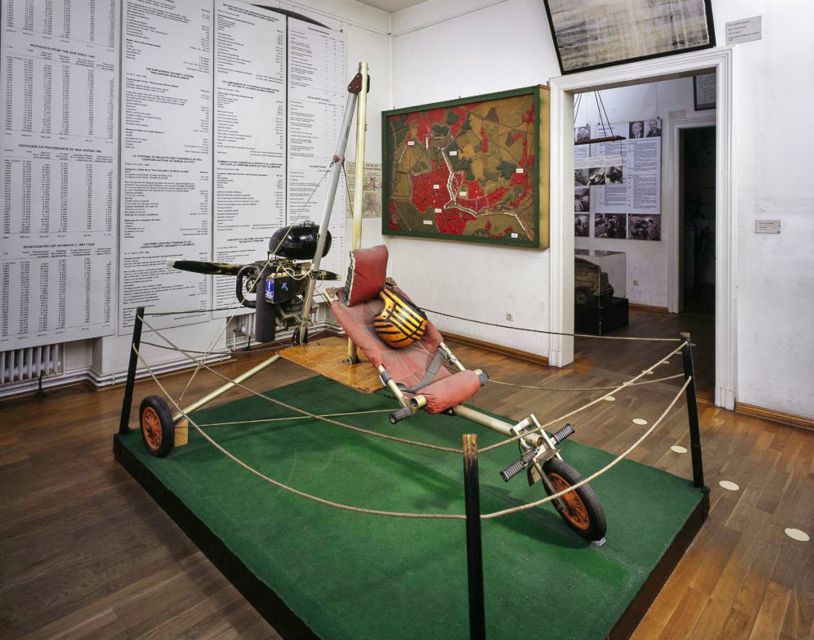
The museum’s headline appeal is simple: it shows real escape methods and the objects used in successful attempts. That’s a rare thing in history museums. Instead of only hearing about effort, you can see the hardware and imagine the logistics, the maintenance, the nerves.
Expect highlights such as:
- A hot-air balloon used for escape attempts
- A mini-submarine concept tied to getting across water routes
- Cars and airplanes connected to escape stories
Even when exhibits include models or interpretive displays, the central message stays tangible: people tried everything that might work. You’ll also notice how the museum frames these attempts as both engineering and human determination.
This is also where the museum earns its emotional weight. When you see an escape device, you’re not just admiring ingenuity. You’re forced to remember that failing could mean prison or worse. That’s why the artifacts feel less like cool props and more like evidence from a system built to prevent freedom.
How the museum connects daily life to dramatic escape plans

A lot of people think a Berlin Wall museum means only border maps and guard posts. Yes, those exist—but the experience works best when it shows the bridge between daily life and desperate action.
One room style you’ll likely notice is the way the museum shifts from everyday restrictions to the logic of escape. The story often goes like this:
1) how life under the GDR shaped choices,
2) how the Wall limited movement,
3) and then how individuals tried to out-think the system.
That structure helps you understand why some escape plans were so complex. You’re not just watching clever stunts. You’re seeing the result of pressure applied for years, and you’re seeing what happens when people decide the risk is worth taking.
Some visitors find the presentation a bit heavy on text and less interactive than they hoped. That matters because the museum is built for reading and careful looking. If you want a fast, screen-heavy experience, you might feel slowed down here. If you enjoy absorbing details, it becomes a strong lesson.
Upper-floor views and the Checkpoint Charlie connection
Checkpoint Charlie is right there in Berlin’s imagination, and the museum makes you feel that proximity rather than treating it as a distant legend.
You may notice museum levels that give a broader look back toward the checkpoint area. Visitors have mentioned an overhead view of Checkpoint Charlie and the way higher floors help you grasp the geography of the crossing. Even if you know the area already, this kind of visual framing makes the history feel more real.
There’s also an interpretive thread about protest and non-violent movements, including a portrayal of protests and human rights themes on upper levels. That’s important because it broadens the story. Escape attempts are one part of resistance. The push for change was also public, coordinated, and often non-violent.
You can also read our reviews of more tours and experiences in Berlin



What it feels like to read your way through the Wall
I’m going to be honest about the museum style: it’s not built for quick glances. It’s a place where you’ll read a lot, stop a lot, and sometimes need a break.
Many visitors are surprised by how much there is to take in. One person described near 2.5 hours reading and learning, and that matches the reality of wall text, artifact captions, and structured narrative areas.
A few practical considerations:
- No audioguide is included with this ticket. If you rely on audio, you’ll want to decide whether to plan for it separately before you go.
- Some displays can be more text than interactive. One visitor noted interactive elements that weren’t working as expected, which made the reading even more central.
- The museum is busy at some times, and one review mentioned a school group atmosphere that added noise. If you want a quieter pace, try to aim for earlier slots.
Also, allow for a bit of narrative learning curve. One visitor felt the flow from entrance to exit could be clearer. My advice is to treat it like a self-paced route: don’t try to consume everything in strict order. Instead, pick up the context first, then return to the escape objects and see how the story changes as you go deeper.
Original artifacts versus models: what to expect realistically
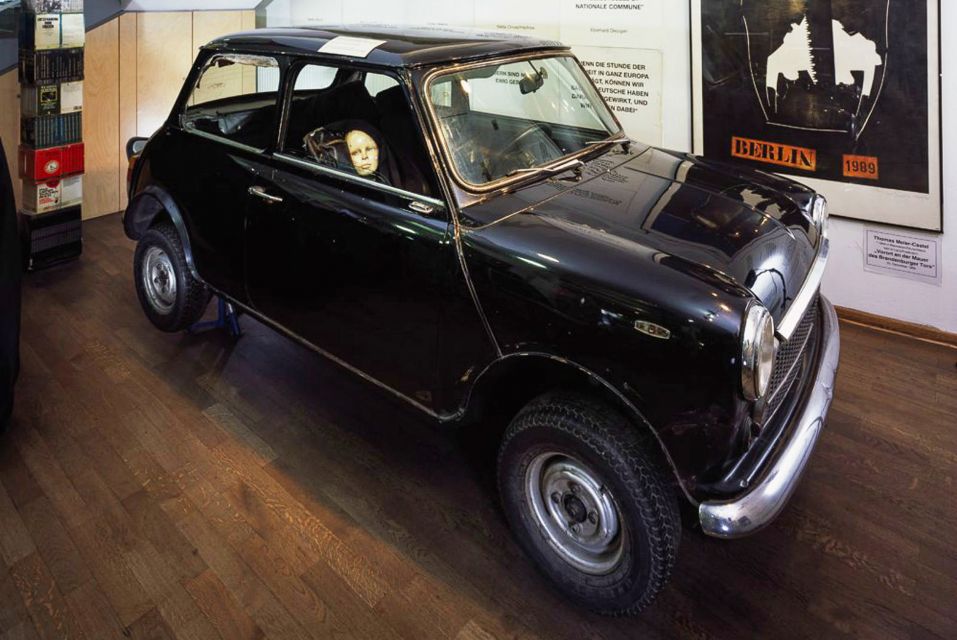
The highlights emphasize original artifacts, and that’s a major draw. Still, history museums sometimes use a mix of originals, reconstructions, models, and interpretive material.
One visitor specifically said the museum had more copies and information than expected. Another emphasized extraordinary real stories tied to escape objects. So, go in with the mindset that you’ll see a mix—but the core value comes from the evidence and explanation around those attempts.
If you’re the type who hates uncertainty, here’s a good approach: treat each object as part of a system. Even if a section feels like interpretation, it can still teach you the engineering constraints and the risks behind the escape plan. That’s what turns the museum from a set of objects into a coherent lesson.
Pricing and value: is $21 worth it?
At $21 per person, this ticket isn’t cheap, but I’d call it fair value for what you get: skip-the-line access plus an exhibit that takes real time. You’re not paying just for the name Checkpoint Charlie. You’re paying for a museum built around rare escape artifacts, political context, and follow-on history.
The value calculation is simple:
- If you show up with limited time, skip-the-line helps you actually see the museum instead of losing time waiting.
- If you enjoy reading and details, you’ll likely spend 1–2.5 hours, which makes the price feel more reasonable.
- If you want emotional impact and human stories grounded in concrete examples, you’ll get it here.
One more value check: the museum is wheelchair accessible, which is a big practical win for many visitors. Accessibility reduces friction, and that often matters as much as price.
Practical tips so your visit feels smooth
Here are a few small things that can change how the visit goes.
First, bags and storage. One visitor mentioned leaving a bag deposit that required a 2 euro coin for a locker. If you’re traveling with a backpack, plan for that possibility so you’re not scrambling at the entrance.
Second, photography rules. One visitor felt disappointed they weren’t allowed to take pictures. Rules can change by exhibit area, so keep your camera use flexible. It’s smart to check signage when you arrive.
Third, language support. Multiple visitors pointed out that translations are available for many items. That helps a lot if your German reading is rusty. It also means you can stay focused on the story instead of fighting with captions.
Finally, if you do end up in a guided group inside, people have credited guides such as Steve, Louisa, and Peter for clear pacing and vivid storytelling. Even if this specific ticket doesn’t include a guided tour, it’s a reminder that narration can make a big difference—especially in text-heavy rooms. If you prefer guided structure, you might want to ask about options on-site when you arrive.
Who should book this museum ticket
This is a strong fit if you want:
- a Cold War museum that focuses on real escape methods, not just abstract politics
- a “Berlin essentials” stop that takes history seriously
- an experience with emotional weight and concrete artifacts
It’s also a good choice for families who can handle heavy reading, though teens might need breaks. One review mentioned teens getting bored quickly, while adults stayed engaged longer. If you’re traveling with kids who hate text, you can still go, but plan for shorter dwell times and more pauses.
If you hate reading-heavy museums and want more hands-on learning, you might find the experience slower than you expect. In that case, consider going with a clear plan: pick the escape artifacts as your anchor points and don’t force yourself to read every line.
Should you book the Berlin Wall Museum at Checkpoint Charlie?
Yes, I’d book it if you want a high-impact, evidence-based look at the Wall and the human ingenuity around trying to escape. The skip-the-line part matters here because the museum is popular and worth your time on-site.
Skip booking if you’re looking for quick, casual sightseeing with minimal reading. This museum rewards patience. If you’re ready for a slower pace and you care about how everyday life turned into escape attempts, this is one of those Berlin tickets that delivers.
If you can, aim for an earlier time slot for a calmer experience, bring a little patience for text, and plan to spend at least a solid chunk of the morning or afternoon.
FAQ
Is skip-the-line entry included for the Berlin Wall Museum at Checkpoint Charlie?
Yes. Your ticket includes skip the ticket line, so you can enter without waiting in the standard queue.
Where is the meeting point for this experience?
The meeting point is Friedrichstraße 43-45, 10969 Berlin.
How long is the ticket valid?
It is valid for 1 day.
Is an audioguide included with the ticket?
No. An audioguide is not included with this ticket.
Is wheelchair access available?
Yes. The museum is listed as wheelchair accessible.
Can I cancel for a full refund?
Yes. Free cancellation is available if you cancel up to 24 hours in advance.