REVIEW · BERLIN
The Memorial Tour: Visit to Sachsenhausen Concentration Camp (licensed guide)
Book on Viator →Operated by Birchys Berlin Tours · Bookable on Viator
Sachsenhausen hits hard, but context helps. This small-group licensed guide tour walks you through Sachsenhausen’s original structures and explains how the Third Reich used concentration camps to terrorize and control people. The drawback: it’s emotionally heavy, and you’ll be on your feet for several hours.
You’ll leave Berlin in the morning, ride north to Oranienburg (about 30 km away), and spend around 3 hours at the memorial. The whole experience runs about 5 hours total, with an English-speaking guide, a mobile ticket, and a cap of 15 travelers—so questions don’t get lost in the crowd.
Key things I’d plan around
- Maximum 15 travelers for more time with your guide and fewer rushed moments
- 3 hours on-site covering the most important parts of Sachsenhausen
- Tower A, roll-call area, Station Z, SS/Gestapo prison plus the kitchen exhibition and barrack block
- Admission included for the memorial site, so you’re not juggling add-on tickets
- Expect extra transport planning: an ABC ticket may be needed and bus fare isn’t included
In This Review
- A small-group Sachsenhausen tour that prioritizes meaning over noise
- Berlin to Oranienburg: getting there without stressing the clock
- Tower A: the entrance that sets the tone fast
- The roll-call area: how routine becomes punishment
- Pathology building, infirmary, and mortuary cellar: learning without looking away
- Station Z: the purpose-built execution facility
- The former kitchen exhibition: how control shows up in everyday spaces
- SS and Gestapo prison: detention inside the detention
- Former prisoner barrack block: the last stop that lingers
- How long you’ll be on your feet (and how to prepare well)
- Price and value: what $41.12 actually covers
- Should you book a licensed Sachsenhausen tour like this?
- FAQ
- How long is the Sachsenhausen memorial tour?
- Is the tour offered in English?
- What’s the price per person and is it worth it?
- Where is the meeting point and when does it start?
- What parts of the camp are included during the tour?
- Is admission included?
- Do I need an ABC ticket?
- How large is the group?
- Is the tour accessible for limited mobility?
- Can I cancel for a full refund?
A small-group Sachsenhausen tour that prioritizes meaning over noise
Sachsenhausen isn’t the kind of place you can treat like a normal sightseeing stop. What makes this tour worth your time is the way the guide connects what you see with what the Nazi system was doing—especially during the Third Reich. With a maximum group size of 15, the pace stays human. You can ask questions, and the guide can adjust explanations to what you’re trying to understand.
In the feedback I saw from past tours, guides like Paul, Aaron, and Stephen were praised for staying attentive and answering questions as you move from one area to the next. That matters here. You’re not just looking at buildings; you’re trying to understand a structure designed for coercion, punishment, and control. The commentary turns the physical space into something you can reason through, not just something you stare at in silence.
One more practical benefit: the group size also helps you manage breaks. You still have to be steady on your feet, but you’re less likely to feel like you’re being herded.
Berlin to Oranienburg: getting there without stressing the clock
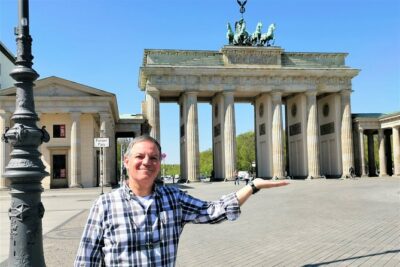
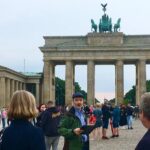
The tour starts at 10:00 am and meets at Birchys Berlin Tours, Ebertstraße 24, 10117. The meeting spot is outside Hopfingerbrau on Ebertstraße 24, close to the Brandenburg Gate area. From there, you head roughly 30 km north to the Sachsenhausen Memorial in the Oranienburg area.
This is where planning saves you energy. Public transit is part of the day. People have described using the RE5 train and then walking the final stretch to the camp and back. One review noted that if you don’t make the bus from the station, you should be ready for about a 20-minute walk to the memorial. That’s not a problem if you’re wearing good shoes, but it’s a big deal if your plan is to move as little as possible.
Budget for local transit too:
- An ABC ticket is required if you don’t already have a travel pass (guides can help with this on the day). The listed cost is €4.70 per person.
- Bus fare is not included.
- Food and drinks are not included, so bring a plan for snacking or keep it simple and eat before/after.
You can also read our reviews of more guided tours in Berlin



Tower A: the entrance that sets the tone fast
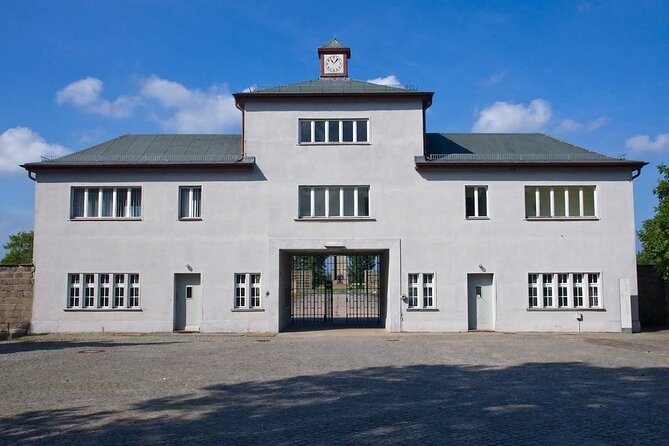
One of the first camp structures you visit is Tower A, the entrance into the main camp compound. This is the kind of stop where it’s easy to feel like your brain is trying to catch up. The whole point of this area is that it signals control immediately, before you’ve even made it far into the site.
When your guide talks through this zone, you usually get a framework for what the camp’s layout was meant to do. Instead of drifting from one building to the next, you start seeing the camp as a system. You learn to notice how space can enforce order and how power can be built into routes, checkpoints, and sightlines.
It’s also a strong early checkpoint for your group’s questions. If you’re unsure how to interpret what you’re looking at, this is a good moment to ask. Early clarity helps the rest of the tour land with less confusion.
The roll-call area: how routine becomes punishment
Next comes the roll-call area, a key part of understanding how the camp operated day-to-day. Even if you already know the general facts about concentration camps, this stop often hits differently because it forces you to imagine the routine in a physical place.
The guide’s job here is to connect the visual details to the function: why people were gathered, why movement was controlled, and how the Nazi camp system turned ordinary scheduling into a tool of humiliation and fear. The important value of the commentary is that it keeps the focus on the purpose of the space—not just the space itself.
If you’re prone to speeding through outdoor memorials, slow down here. The roll-call area is one of those places where standing still for a minute helps you read the environment better. Take your time.
Pathology building, infirmary, and mortuary cellar: learning without looking away
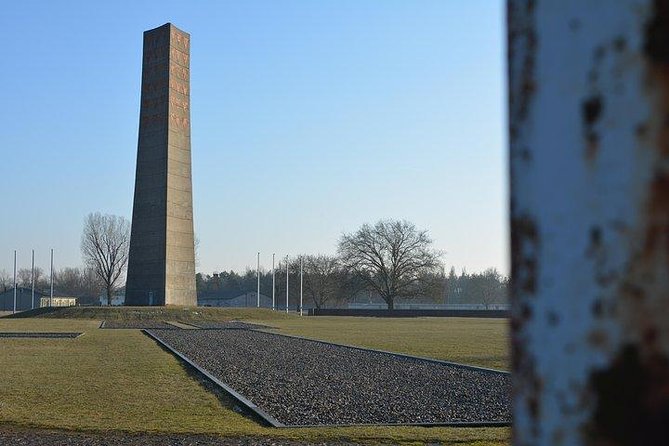
You then move into areas tied to medical control and death processing: the Pathology Building, infirmary buildings, and the mortuary cellar. This part of the tour is intense, and it’s also where the guide’s careful explanation matters most.
The value here isn’t turning suffering into trivia. It’s understanding that the camp system didn’t only punish with violence—it also incorporated institutions designed to manage bodies and outcomes. Seeing these buildings as part of the overall system helps you connect the dots between incarceration, illness, and the consequences prisoners faced.
Practical tip: pace yourself. If you feel overwhelmed, it’s okay to step aside briefly, take a few breaths, and then rejoin. A well-run small group makes that easier than in a large mass tour.
Station Z: the purpose-built execution facility
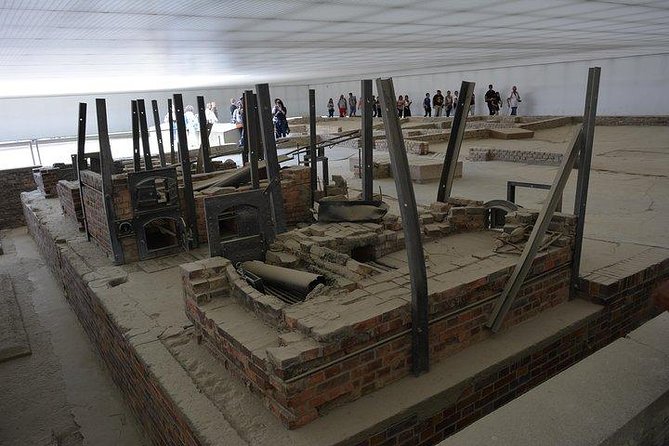
One of the most pivotal stops is Station Z, described as the purpose-built execution facility. This is not a place for casual attention. Your guide’s commentary here is meant to keep the history factual and the meaning clear.
What I like about including Station Z in the route is that it doesn’t let you only focus on buildings that look similar to each other. It gives a clear anchor point for what the camp was capable of, and why specific structures mattered. The stop also helps you understand that the Nazi system wasn’t improvising; it built mechanisms for killing and control.
Be mentally ready for this. If you’re the type who needs a moment before moving on, you’ll want to use the guide’s pauses well. Let the group flow, but don’t force yourself to rush through.


The former kitchen exhibition: how control shows up in everyday spaces
The itinerary includes an exhibition in the former camp kitchen. This stop can feel different from the execution and prison areas because it connects history to a daily function. Kitchens, food distribution, and supply spaces are ordinary in concept, and that contrast makes the site even harder to understand.
The exhibition helps you see that the camp system didn’t operate only through punishment. It also shaped basic routines—what people got, where they moved, and what living under the regime meant in practice. A guide’s interpretation helps you connect those dots without turning it into generic descriptions.
If you like learning through exhibits, this is one of your best opportunities on the tour. If you’re more of a “let me see the space first” person, keep an eye out for the guide’s explanations so the exhibition doesn’t feel like extra reading on top of everything else.
SS and Gestapo prison: detention inside the detention
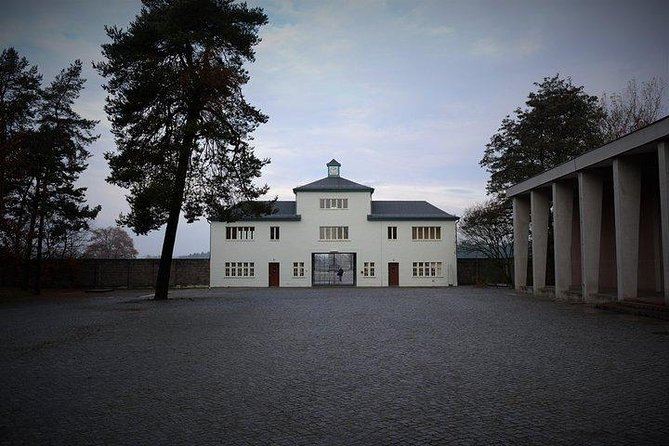
Next is the SS and Gestapo Prison. This stop matters because it highlights how different parts of the regime intersected inside the camp system. Instead of seeing Sachsenhausen as one single machine, you start understanding it as a network of functions and authorities acting through built spaces.
In tours with strong guides, this kind of section is where you can ask targeted questions. If you want to understand how prisoner treatment differed by who held power or what kind of detention happened where, this is a good moment to steer the conversation.
Emotionally, this can also be one of the heavier parts. When you’re standing in a place tied to secret police functions, it helps to stay grounded. Listen to the guide’s framing, and let it bring order to the chaos you’re trying to process.
Former prisoner barrack block: the last stop that lingers
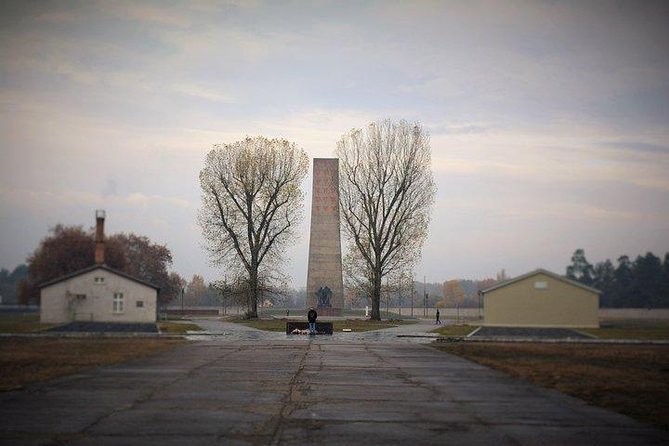
Finally, you visit a former prisoner barrack block. Barracks are difficult for a different reason: they’re not designed to be mysterious. They’re designed for use, and that makes them feel painfully real.
This is where a small-group format helps. You’re more likely to get an explanation that fits your questions, rather than a generic script that ends as soon as you reach the next spot. The guide’s commentary helps you connect what the structure represents with what prisoners endured in daily life.
After this stop, you’ll usually have your own mental checklist forming: What did the layout enable? What did each building contribute? What did the regime gain by building so many functions into one controlled area?
That’s the point of ending here. It sticks.
How long you’ll be on your feet (and how to prepare well)
The whole tour is about 5 hours total, and the on-site portion is around 3 hours with the admission ticket included. You should treat it like a walking tour, not a quick stop.
Even the travel rhythm back and forth affects comfort. Expect:
- A morning departure from central Berlin
- Time moving between outdoor structures
- Break opportunities, but don’t count on long gaps
- Cold-weather impact if conditions are windy or change fast, since you spend time outside
Bring layers. Wear walking shoes with grip. Also, plan simple food timing because food and drinks aren’t included. If you’re sensitive to crowds and heavy themes, consider eating beforehand and arriving rested.
Price and value: what $41.12 actually covers
At $41.12 per person, this isn’t priced like a budget museum entry. You’re paying for:
- A licensed guide and their commentary
- A small group capped at 15
- Transport time between Berlin and the memorial area
- Admission included for the memorial site
The extras you should budget for are clear:
- ABC ticket may cost €4.70 per person if you don’t already have a travel pass
- Bus fare is not included
- Food and drinks not included
So the value comes from the structured guiding. At Sachsenhausen, the difference between reading on your phone and having a guide talk you through the camp’s purpose is huge. If you like historical context, this price feels reasonable for what you get. If you’d rather self-tour without a guide, you might compare other options—but then you’d be giving up the connecting tissue that helps the site make sense.
Should you book a licensed Sachsenhausen tour like this?
Book it if you:
- Want English commentary and not just signs
- Prefer small-group pacing so you can ask questions
- Are okay with a somber, thought-provoking experience
- Like historical explanation that ties buildings to the Third Reich’s concentration-camp system
Consider passing if you:
- Want a light, fast day out
- Struggle with walking for a few hours (even with breaks)
- Get overwhelmed easily by intense places tied to executions, prisons, and death-related buildings
If you do book, go in with one goal: understand how a system works, not just what happened in broad terms. This tour is built for that—especially with the stop-by-stop structure from Tower A to roll-call, Station Z, the prison, and the barrack block.
FAQ
How long is the Sachsenhausen memorial tour?
It runs for about 5 hours total, with around 3 hours spent at the memorial site.
Is the tour offered in English?
Yes, the tour is offered in English.
What’s the price per person and is it worth it?
The price is $41.12 per person. Admission to the memorial is included, and the tour includes a licensed guide and a small-group visit.
Where is the meeting point and when does it start?
The meeting point is Birchys Berlin Tours, Ebertstraße 24, 10117 Berlin, outside Hopfingerbrau. The tour starts at 10:00 am.
What parts of the camp are included during the tour?
You’ll visit key areas such as Tower A, the roll-call area, the Pathology Building and infirmary/mortuary cellar, Station Z execution facility, the former camp kitchen exhibition, the SS and Gestapo prison, and a former prisoner barrack block.
Is admission included?
Yes. Entry or admission fee is included.
Do I need an ABC ticket?
An ABC ticket is required if you do not already have a travel pass. If you need it, guides are happy to help, and the listed cost is €4.70 per person.
How large is the group?
The tour has a maximum of 15 travelers.
Is the tour accessible for limited mobility?
Yes, it’s listed as accessible for those with limited mobility.
Can I cancel for a full refund?
Yes. Free cancellation is available, and you can cancel up to 24 hours in advance for a full refund.