REVIEW · BERLIN
Berlin Sightseeing Musical-Historical Walking Tour
Book on GetYourGuide →Operated by CityVoice UG · Bookable on GetYourGuide
Berlin sounds different when you walk it. This 3-hour musical-historical stroll links big landmarks with a headphone audio guide mixed with music, so the city’s story lands through your ears, not just your eyes. I like how the route covers Berlin’s most recognizable architecture while keeping the focus on how music reflects the times.
My other favorite part: you move from grand institutions and civic squares to places tied to 20th-century memory. The one thing to keep in mind is that this is very much a headphone-first experience. The human guide mainly keeps you pointed in the right direction, and if the audio system has trouble, the group’s vibe can get a little tense.
In This Review
- Key highlights at a glance
- A 3-hour Berlin loop built around soundtracks, not trivia
- Starting at Alte Nationalgalerie: get oriented before the audio kicks in
- Museum Island: turning masterpieces into historical “notes”
- Humboldt University of Berlin: where ideas meet the street
- Gendarmenmarkt: opera-square beauty with a Berlin attitude
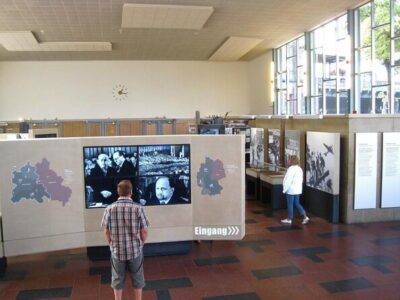
- Trabi Museum: a detour into everyday Berlin
- Potsdamer Platz to Holocaust Memorial: the emotional shift
- Brandenburg Gate and Reichstag: where the soundtrack turns political
- Finishing at White Crosses: wrap-up and what to do next
- Price and value: is $40 worth it?
- Who should book this tour (and who might skip it)
- Should you book the Berlin Sightseeing Musical-Historical Walking Tour?
- FAQ
- Where does the tour start?
- How long is the walking tour?
- What languages are available?
- What’s included in the price?
- What should I bring?
- Is the tour wheelchair accessible?
- What does the tour include regarding food?
Key highlights at a glance
- Headphones + music-mixed audio: you hear Berlin’s eras in sequence, not random facts
- Museum Island to the Brandenburg Gate: major sights in one coherent loop
- A stop list built for architecture lovers: Humboldt University, Gendarmenmarkt, Reichstag
- Memory and politics included: Holocaust Memorial, Reichstag area
- Trabi Museum stops the history vibe with a more playful, everyday Berlin angle
A 3-hour Berlin loop built around soundtracks, not trivia
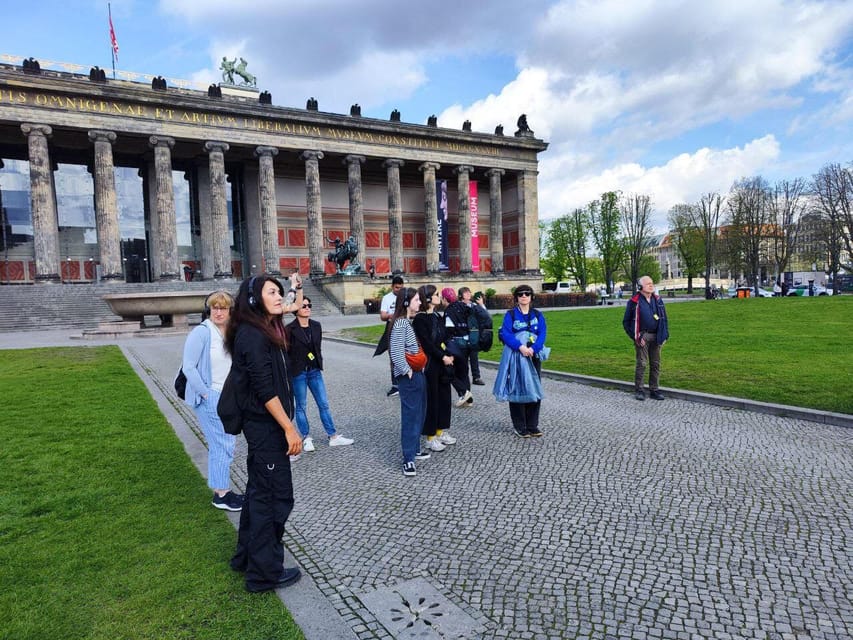
This tour is built like a playlist, but you’re walking through the places that shaped the songs. The big idea is simple: historical events and music are connected, and Berlin’s voice changes as the decades shift. You’ll hear references that stretch from classical-oratorio style to hip-hop-era ideas, while the guide keeps you moving between iconic stops.
That structure is what makes it good value. At $40 per person for 3 hours, you’re not paying for a single museum ticket or a single viewpoint. You’re paying for transportation-free touring across multiple major sites, plus a provided audio system so the story stays active the whole way.
One more practical point: the tour runs rain or shine, and some location moments are weather-dependent. If the sky dumps on you, you’ll still follow the route, but a couple of the “hang and absorb” moments might be shorter than you’d hope. Wear shoes you trust. Berlin sidewalks can be honest about your footwear choices.
You can also read our reviews of more walking tours in Berlin



Starting at Alte Nationalgalerie: get oriented before the audio kicks in
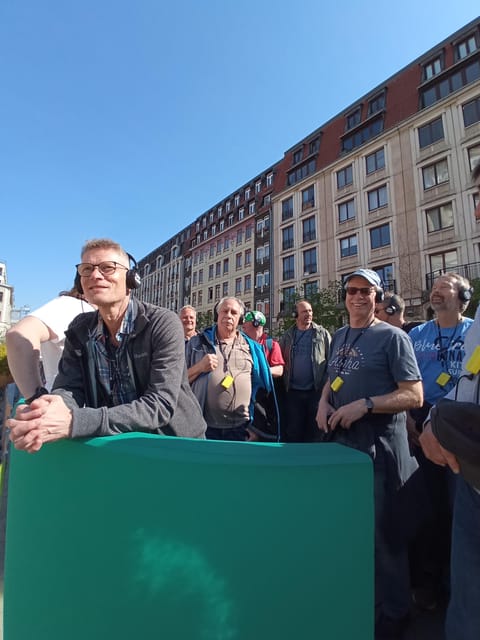
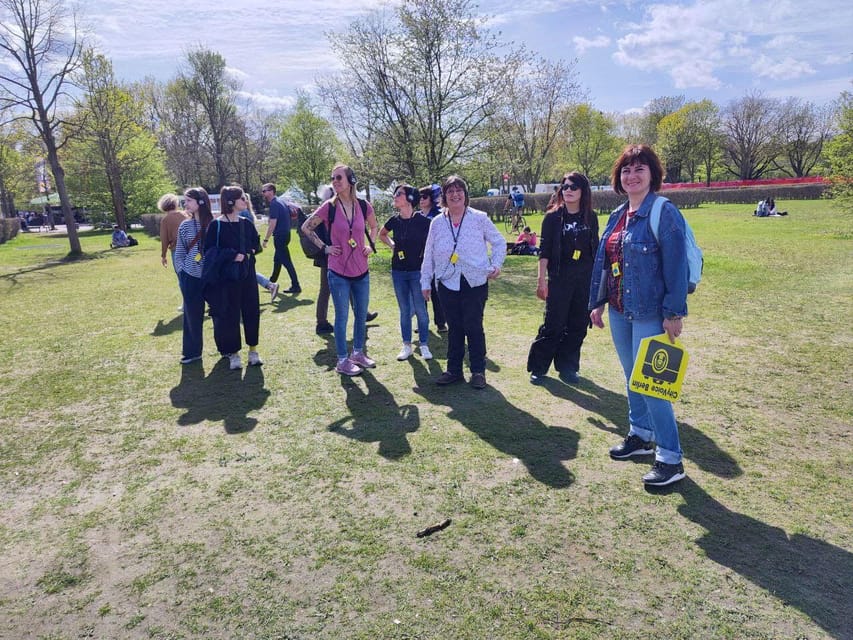
You meet in front of the Alte Nationalgalerie entrance. The guide will be holding a headphone sign, and you’ll want to arrive about 10–15 minutes early so you’re not rushing while everyone else clips on their headphones.
This first beat matters more than it seems. Once you’re fitted and listening, the audio guide takes over the pacing. Even though it’s a walking tour, you’re also in listening mode, so the early orientation helps you know you’re in the right lane—literally and emotionally.
You’ll hear the plan for what comes next and start linking the music themes to what you see: the architecture, the civic atmosphere, and the idea that Berlin’s identity has always been negotiated in public spaces. If you like tours that do more than list buildings, this setup is the right kind of guided.
Museum Island: turning masterpieces into historical “notes”
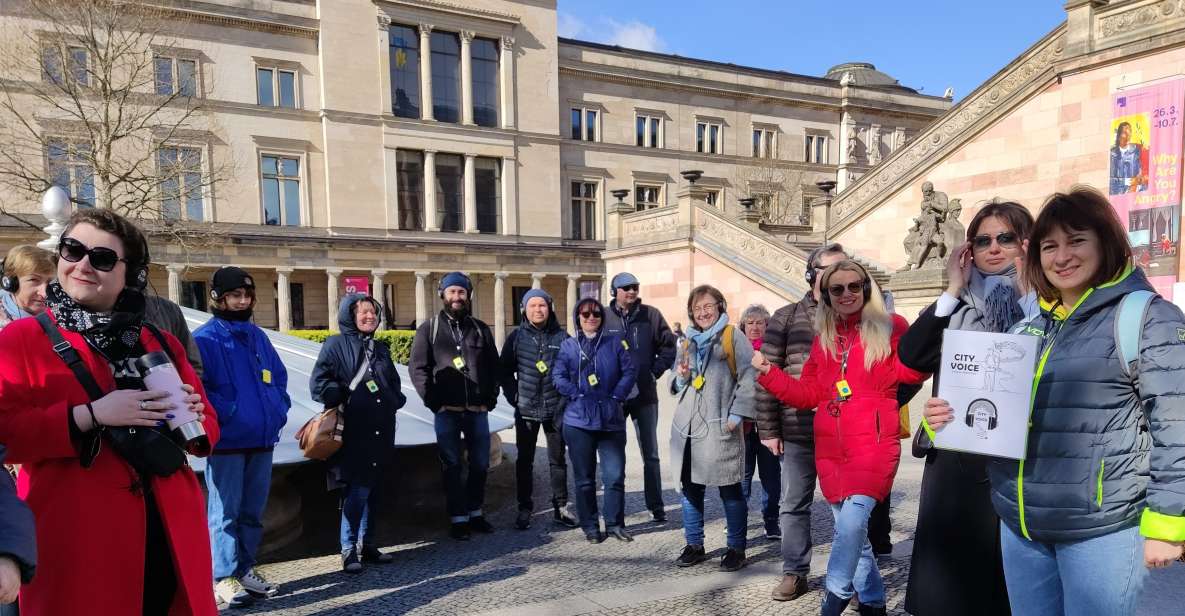
Your first stop is Museum Island, with guided time for sightseeing and walking (about 20 minutes). Museum Island is one of Berlin’s easiest places to “read” because the grandeur looks the same whether you’re in a sunny mood or a cloudy one.
Here, the musical approach makes sense. Museums aren’t just collections; they’re cultural messaging. So when you pair music themes with the island’s role in shaping national culture, the story becomes more than postcards.
What I like about this stop is how it balances mood and meaning. You’re not stuck in a museum room for hours. You’re outdoors, moving, and letting the audio paint connections while you take in the monumental setting.
Possible drawback: because the audio guide is a core part of the experience, you’ll get the best results if you keep your volume steady and don’t constantly fiddle with the device. If you spend the stop adjusting gear, you’ll miss the exact musical cues meant to tie to what you’re seeing.
Humboldt University of Berlin: where ideas meet the street
Next comes Humboldt University of Berlin, again with guided sightseeing and walking (about 20 minutes). This is a smart inclusion because universities are engines of language, politics, and culture. When music reflects the era, education is one of the places where the “future soundtrack” starts forming.
In a city like Berlin, that connection is powerful. The buildings feel formal and permanent, but the ideas inside have always been argumentative and forward-leaning. The audio-music framing helps you notice how institutions can shape what people sing, publish, and chant—long before anyone labels it as a historical movement.
For you, this stop works especially well if you like context. It’s not only about architecture. It’s about why certain types of music flourish when certain types of thought dominate the public conversation.
A small consideration: this is another outdoor walking-and-listening segment. If you’re hoping for lots of deep, back-and-forth conversation with the guide, this might feel more like “listen and look” than “ask and debate.” The guide helps, but the audio drives the show.
Gendarmenmarkt: opera-square beauty with a Berlin attitude

Gendarmenmarkt is next, with about 30 minutes for guided sightseeing and walking. This is one of those Berlin squares that feels designed for performances, not just passing through. So it fits perfectly with the tour’s music theme.
The payoff here is seeing how Berlin’s cultural self-image gets staged in public space. You’ll get architecture, symmetry, and that classic “this city takes itself seriously” vibe. But the audio track keeps it grounded in how the city’s sound evolved—so the square becomes a listening room with views.
I also like that the stop has enough time to actually breathe. Thirty minutes gives you room to step back, take photos, and let the audio’s era-shifts land before you’re moving again.
Drawback to plan for: if the weather is rough or the ground gets busy, your ability to pause exactly where you want may be limited. The tour keeps moving, and you’ll benefit from flexibility rather than strict photo-location perfection.
You can also read our reviews of more historical tours in Berlin





Trabi Museum: a detour into everyday Berlin
Then you head to the Trabi Museum, with around 20 minutes for guided sightseeing and walking. This is a standout in the route because it interrupts the “monument mode.”
The Trabant, often tied to East German daily life, gives the tour a human-scale lens. Instead of only hearing about major political turns, you get a reminder that history also lives in ordinary objects and everyday culture. When the audio theme touches music across decades, this kind of stop helps it feel less theoretical.
This segment is where many people get a little smile in their pocket. Even if you’re not a car person, the museum theme can make the broader story feel more tangible.
Practical consideration: it still follows the walking-tour rhythm. If you’re expecting a long, deep museum-style visit, this is not that kind of stop. It’s more like a guided “angle check” within the larger route.
Potsdamer Platz to Holocaust Memorial: the emotional shift
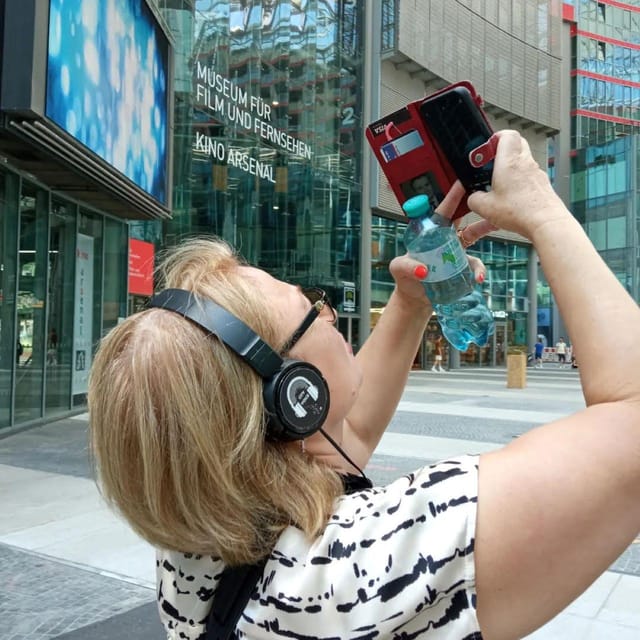
At Potsdamer Platz, you get another guided sightseeing and walking segment (about 20 minutes). Potsdamer Platz is the kind of place that always feels like two stories at once: modern city life with layers of 20th-century breaks beneath it. That makes it a natural bridge between the tour’s lighter cultural notes and heavier memory.
Then you reach the Holocaust Memorial, also with about 20 minutes guided sightseeing and walking. This is not a casual stop, even though the tour format is moving and musical. You’ll want to slow down mentally and give the audio and the space their due.
I appreciate that the memorial sits right in the middle of the route, not saved for the end as an afterthought. It forces the connection between cultural expression and historical reality. Music may travel through time, but it never floats above events like this.
A careful note: if you’re the type who likes a “check-list tour,” this portion requires a different kind of attention. You’ll get more out of it if you’re ready for silence to exist alongside the audio.
Brandenburg Gate and Reichstag: where the soundtrack turns political

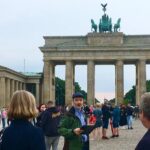
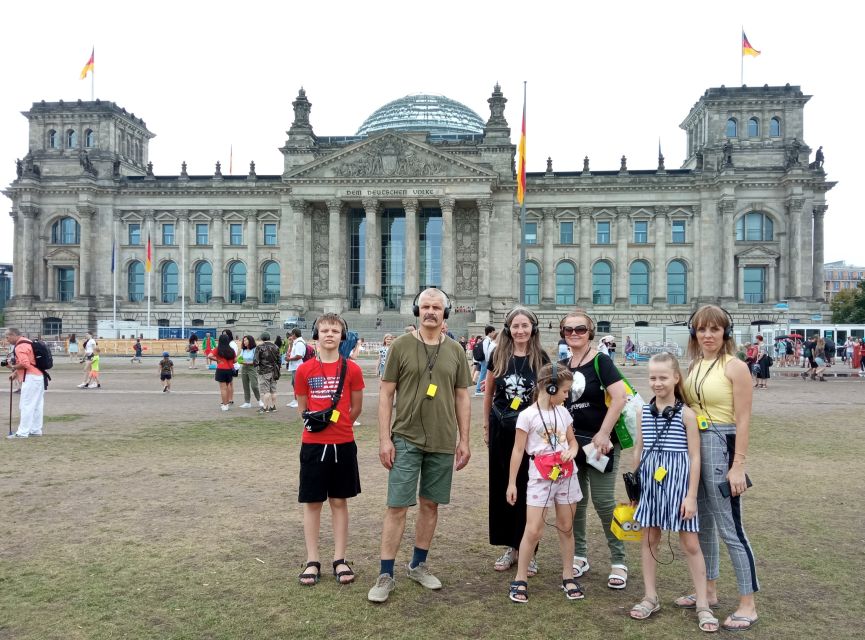
Next is Brandenburg Gate with about 20 minutes for guided sightseeing and walking. Few places in Berlin carry as much symbolic weight. The tour’s sound-focused framing works here because music often shows up in public life during moments of identity—celebration, tension, propaganda, and protest.
After that, you visit the Reichstag, with about 20 minutes for guided sightseeing and walking. The Reichstag is about decisions made in public, and that’s exactly where music’s role in political culture becomes easy to understand. The audio mix helps you connect the eras you’re hearing about to the space where power is performed.
This part of the route is ideal if you like big-picture thinking. You’ll finish the loop feeling like you saw not only buildings, but the city’s arguments across time.
Possible drawback: the last sections can feel like the pace stays firm. If you need extra time for photos or quiet absorbing, build in patience and plan to accept “best angles later” rather than expecting a long stop.
Finishing at White Crosses: wrap-up and what to do next
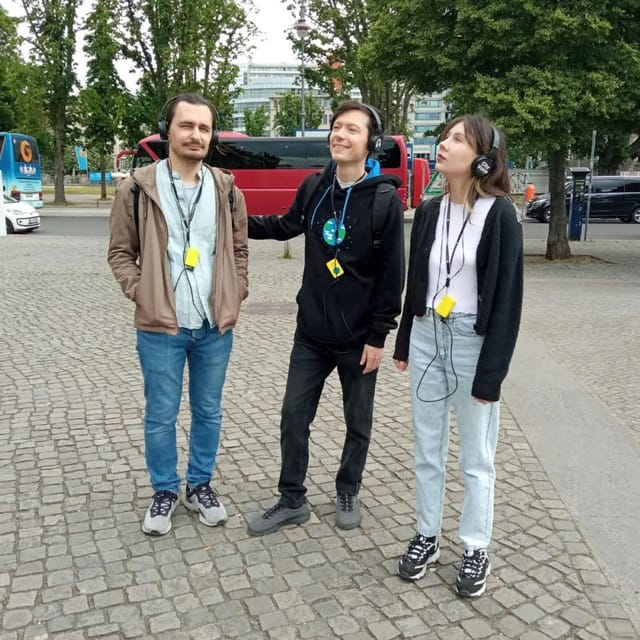
The tour finishes at White Crosses. The activity listing also notes that it ends back at the meeting point area, so you’ll be brought back toward the starting zone for a clean exit. Either way, you’ll be ending near central sights, which makes it easy to keep exploring on your own right after.
When a tour is structured around audio, I like to treat the finish as a cue. You’ve now got a personal Berlin soundtrack in your head. Take 20–30 minutes after the tour to revisit whatever stop hit hardest. If Museum Island felt most meaningful, go linger outside. If the memorial shifted your perspective most, give yourself some time to decompress before moving on.
And if you’re hungry, remember food and drinks are not included. This is a walking tour, so plan a meal after rather than trying to make it part of the 3-hour rhythm.
Price and value: is $40 worth it?
For $40, you’re buying three things: a 3-hour walking route through major Berlin landmarks, a live guide presence, and provided headphones with an audio guide mixed with music. In other words, you’re not paying for transportation or a single-ticket attraction. You’re paying for a ready-made narrative that keeps you engaged the whole time.
Where the value really shows: if you enjoy learning through experience rather than reading. The headphones make the story consistent even when you’re moving quickly between sites. If you like music and you like history, the combination can feel more memorable than a traditional guided walk.
Where you should be cautious: if you want a fully spoken lecture from start to finish. The experience is shaped around the audio, and the guide mostly acts as a signpost. For some people that’s perfect. For others, it can feel like you’re doing a self-guided tour with someone holding a sign.
Also, keep in mind the tour can have technical hiccups. One reported issue involved audio trouble that annoyed the group. That’s not guaranteed, but it’s enough of a possibility to mention. Bring a calm attitude. If there’s a problem, give the guide a minute to fix it and then get back to listening.
Who should book this tour (and who might skip it)
This is a great pick for you if:
- you like music-based storytelling and want Berlin’s eras connected through sound
- you want a compact route hitting Museum Island, Humboldt University, Gendarmenmarkt, Potsdamer Platz, Brandenburg Gate, and the Reichstag in one go
- you prefer structure with audio guidance rather than constant spoken narration
You might want to skip or choose something else if:
- you dislike headphone tours and want more face-to-face guiding
- you need wheelchair access (this tour is not suitable for wheelchair users)
- you’re over 70 (this tour is listed as not suitable for people over 70)
- you prefer long museum time rather than short guided stops within a larger walk
Should you book the Berlin Sightseeing Musical-Historical Walking Tour?
I’d book it if you want a smart, efficient Berlin overview with a fresh angle: history told through music. The route hits the big name sights while still aiming for a “how did we get here musically?” answer. The headphones do a lot of the heavy lifting, and that’s either a strength or a deal-breaker depending on your travel style.
If you’re on the fence, here’s my quick decision test: would you rather listen to a guided story while walking, or would you rather have a guide talk to you nonstop? If the walking-and-listening format sounds good, this is a solid $40 way to experience Berlin with meaning.
FAQ
Where does the tour start?
The guide waits in front of the entrance to the Alte Nationalgalerie. You should arrive 10–15 minutes early.
How long is the walking tour?
It lasts 3 hours.
What languages are available?
The live guide and audio guide are available in English, German, and Russian.
What’s included in the price?
Headphones and a walking guide are included. The audio guide is mixed with music.
What should I bring?
Wear comfortable shoes and comfortable clothes. Bring yourself ready to walk, since the tour happens rain or shine.
Is the tour wheelchair accessible?
No. It is listed as not suitable for wheelchair users.
What does the tour include regarding food?
Food and drinks are not included.