REVIEW · BERLIN
Berlin: Olympia Stadium Entrance Ticket
Book on GetYourGuide →Operated by Olympiastadion Berlin · Bookable on GetYourGuide
A stadium that feels bigger than the city. The Olympiastadion entrance ticket is a smart, low-pressure way to explore a UEFA category four venue and Germany’s largest stadium without being herded around. I like that you can roam the stadium area freely and sit in seats for photos, and I also like that the grounds explain what you’re seeing with history boards and displays. One heads-up: this ticket is access-only, so you may not get the extra rooms and deeper narration unless you pay for a guided upgrade.
For me, the biggest decision is this: do you want a do-it-yourself lap of the stadium, or a guided layer that points out what matters (including the harder parts of history). If you’re expecting something like an on-site Olympic museum, you might feel a bit shortchanged, since there isn’t one attached here in the way some sites offer.
In This Review
- Key Things That Make This Ticket Worth It
- Olympiastadion Ticket Basics: What You’re Buying (and What You’re Not)
- Getting There Fast: U-Bahn and S-Bahn Friendly
- Entering at the Visitor Centre: Your Starting Point
- Roaming the Stadium Grounds: Seats, Blocks, and the View Game
- Olympiastadion by the Numbers: Why Scale Changes the Feeling
- History Boards and the Stadium’s Harder Truths
- Optional Guided Tour Upgrade: Paying for a Better Narrative
- Timing Tips: When the Stadium Feels Like Yours
- What I’d Do in 1 Day (and How Long to Plan)
- Price and Value: Is $12 a Good Deal?
- Who This Fits Best (and Who Might Be Left Wanting)
- Should You Book the Olympiastadion Entrance Ticket?
- FAQ
- How long is the Olympiastadion entrance ticket valid?
- What does the ticket include?
- Where do I meet on arrival?
- How do I get to the stadium?
- Do I need to bring anything?
- Is there an option to add a guided tour?
- Can I cancel for a refund?
Key Things That Make This Ticket Worth It
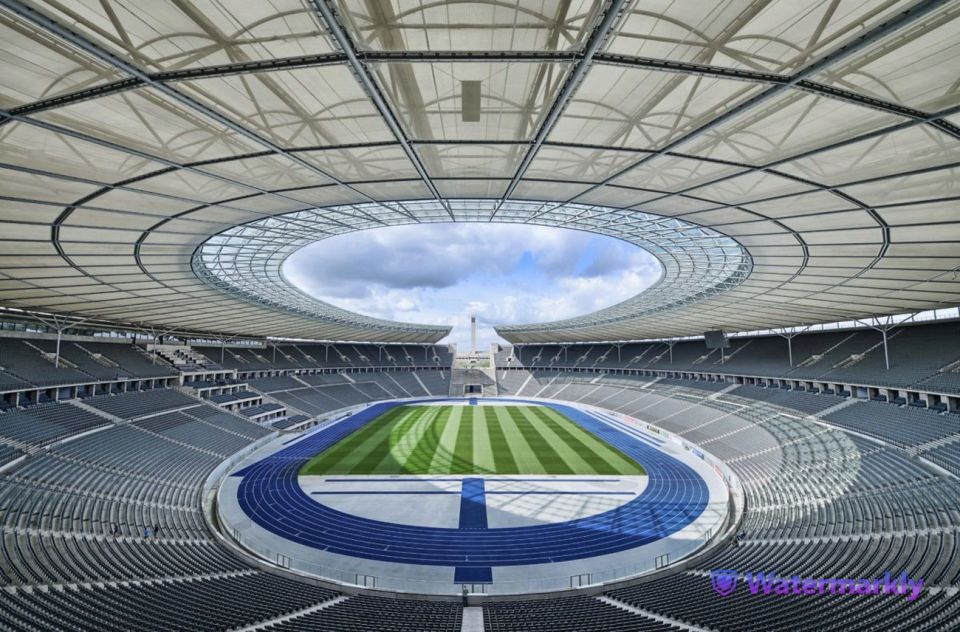
- Free-roam access means you can spend time in the seats, not just stand by a fence.
- Big-picture views from different blocks help you understand the stadium’s scale fast.
- Category four UEFA stadium status is part of what makes Olympiastadion feel like a real match venue.
- History boards and displays keep the story present while you walk the grounds.
- Pitch-area access is limited in what you’ll see, so expect the experience to focus on the stands and exterior areas.
- A guided upgrade (sometimes in English) can add depth if you want more than wandering.
Olympiastadion Ticket Basics: What You’re Buying (and What You’re Not)
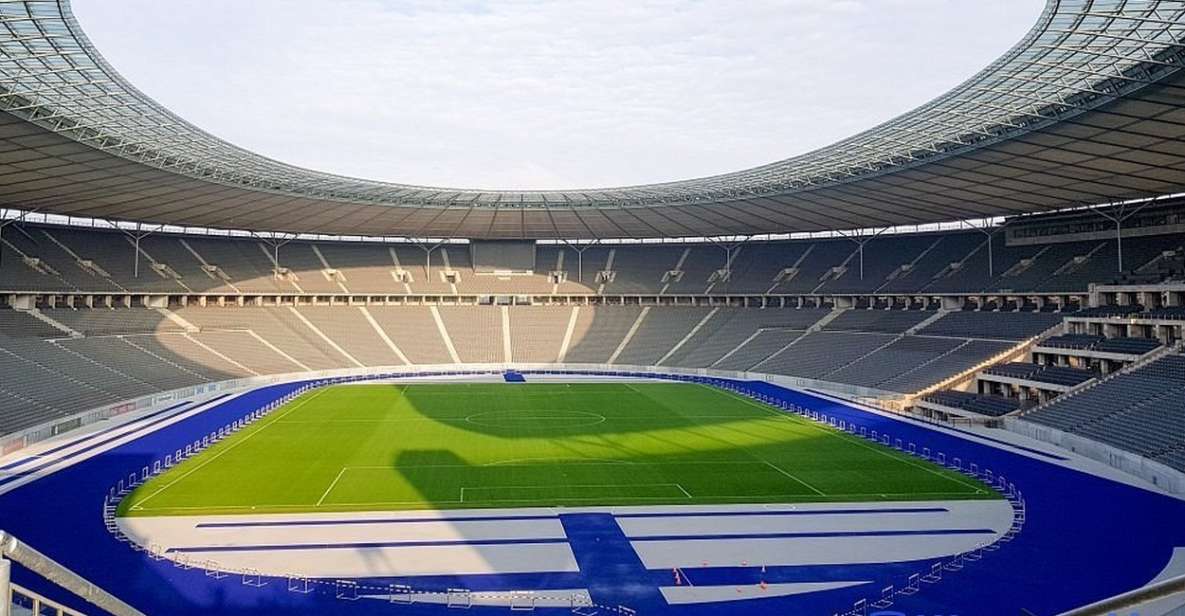
This is an entrance ticket, not a full guided tour by default. That sounds simple, but it’s the key to managing expectations. With your ticket, you can get into the visitor areas and move around the stadium grounds at your own pace, including getting up into seating sections for views and photos.
What you’re not paying for is a structured tour with a guide leading you room-to-room. Some people love this setup because it’s flexible. Others get disappointed if they expected the full stadium-tour format with behind-the-scenes access.
So here’s the practical way to think about it: if you want a stadium “walk-through” that you control—photos, seats, viewpoints—this ticket is good value. If you want dressing rooms, tunnels, and a tight scripted narrative, you’ll likely want to consider an optional guided upgrade.
You can also read our reviews of more tours and experiences in Berlin



Getting There Fast: U-Bahn and S-Bahn Friendly
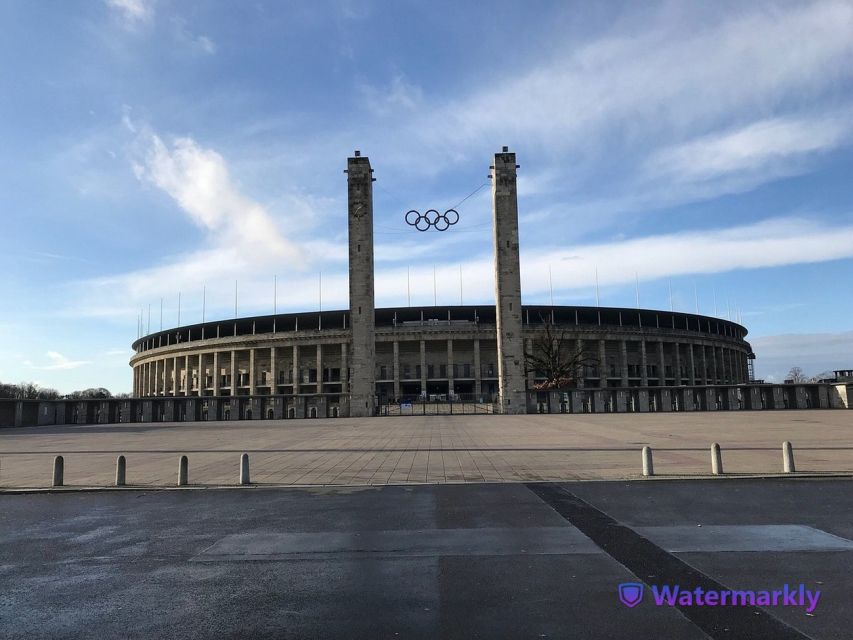
You’ll reach Olympiastadion easily because of its practical location and public transport connections. The stadium is positioned so you can arrive by U-Bahn or S-Bahn, which matters in a city like Berlin where transfers can add up.
My advice is boring but useful: check which station is closest to your planned entry time, then plan to arrive a little early so you can find the visitor centre meeting point without rushing.
And because the stadium sits in a larger sports complex area, giving yourself a buffer helps you avoid the “why is the entrance different today?” moment. Comfortable shoes are a must—this is still a lot of walking across open grounds.
Entering at the Visitor Centre: Your Starting Point
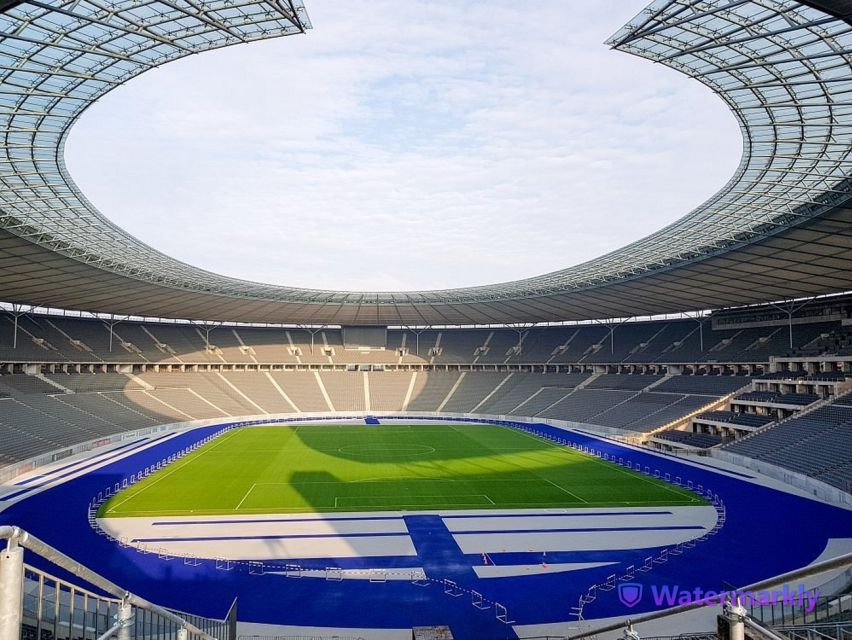
The ticket meeting point is the visitor centre. That’s where you’ll orient yourself and get started. From there, you’re basically free to explore the stadium at your own pace.
This matters for two reasons:
- You can decide what pace feels right—slow and photo-heavy, or quick and efficient.
- You won’t have to time your route to a group schedule, which makes spontaneous stops feel easy.
A small pattern shows up in the experience: some people find signage for where to go a bit unclear, while others handle it fine once they’re in the right zone. If you’re the type who hates hunting for paths, arrive early enough that you can take a moment to orient.
Roaming the Stadium Grounds: Seats, Blocks, and the View Game
The best part of this experience is that you’re not limited to one angle. You can wander and sit in stadium seats, then move between areas to see how the venue looks from different blocks. That’s the difference between a stadium you glance at and a stadium you actually understand.
Here’s how I’d plan your time once you’re inside:
- Start by finding a solid viewpoint over the pitch area.
- Then move to at least one upper-tier area so you get the sense of the bowl shape.
- Finally, spend time with photos from a couple of different sides rather than just one “money shot.”
You’ll also notice that the stadium’s design makes you feel the scale right away. Reviews often mention how “iconic photo opportunities” are easy to hit, and that the venue is beautiful in both close-up detail and wide-angle views.
One consideration: a few visitors felt that access focuses more on the pitch-side and seating views, rather than showing many interior back-of-house areas. If you want a behind-the-scenes feel, plan on spending most of your energy on stands and exterior stadium grounds, not expecting a full “walk everywhere” experience.
Olympiastadion by the Numbers: Why Scale Changes the Feeling
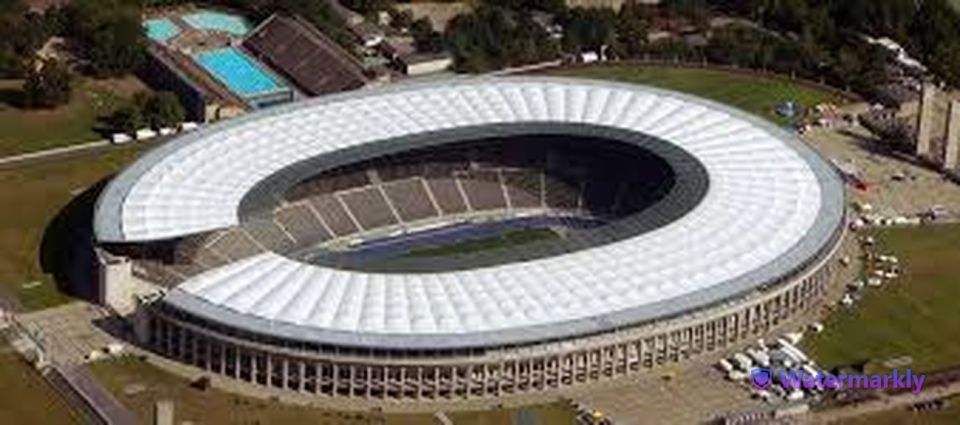
Olympiastadion isn’t just famous—it’s huge. The stadium holds 74,475 seats, and it’s recognized as a UEFA category four venue. Those labels aren’t trivia; they explain the mood when you’re inside.
When a stadium is that large, a couple things happen fast:
- Your perspective shifts. From the stands, you can visually map the space like you’re looking at a real sporting city block.
- The sound and rhythm you’d get during a match would likely be intense, even if today you’re there for history and views.
- The architecture starts to feel like it has its own weather. Sun, wind, and open space matter more at this scale.
If you like sports architecture, you’ll enjoy the way you can walk enough to understand the stadium bowl rather than just stand outside and guess. This ticket is built for that kind of exploration.






History Boards and the Stadium’s Harder Truths
This is where Olympiastadion becomes more than a photo stop. The stadium grounds include information boards and displays that explain the history and special features as you walk around.
A theme from the experience is that the history isn’t hidden or sugarcoated. In at least one case, a guide didn’t shy away from discussing the stadium’s dark past. That’s important for you to know if you’re visiting with teens, or if you want a stadium tour that treats the story as more than just facts and dates.
One person also noted disappointment that there isn’t an Olympic museum attached covering the 1936 Games. So if your goal is specifically a museum-style deep dive into the Games, keep it realistic: this ticket experience leans toward the stadium setting and on-site explanations, not a full museum.
Still, the on-ground context works well for independent explorers. You get to read and connect the story to what you’re actually standing in.
Optional Guided Tour Upgrade: Paying for a Better Narrative
Even though the base ticket is access-only, you may be able to add a guided tour for an extra fee. The value here depends on your travel style.
People who upgraded often said it was worth it, especially because a guide can point out details you’d likely miss alone and help tie the stadium’s history to what you’re seeing in real time.
One guide name that came up is Nino. In one experience, a German tour was accidentally booked when English was expected, and the guide (with another couple) managed to provide English for the group. That kind of flexibility can make a difference if you’re traveling in a language that isn’t always supported the way you’d prefer.
Also, not every upgrade is guaranteed to be in English. If language support matters to you, treat the guided option as a potentially great add-on—but not a certainty.
My rule: if you love history and want commentary, upgrading can turn a good stadium walk into a memorable learning experience. If you just want views, seats, and photos with zero pressure, the entry ticket alone may already feel complete.
Timing Tips: When the Stadium Feels Like Yours
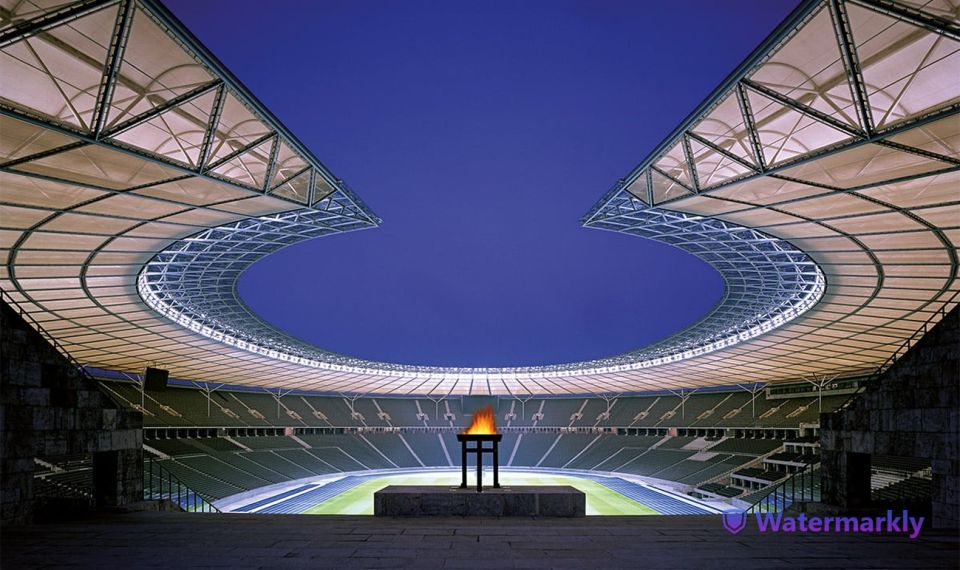
If you can pick your time, go early. One visitor went really early on a Sunday and had the entire place to themselves, which is exactly the kind of moment you can’t manufacture.
Why early works:
- Fewer crowds means you can linger in the seats without rushing.
- Your photos come out cleaner because you’re not fighting people for angles.
- Reading the history boards is easier when you’re not scanning between groups.
If you’re visiting during a busier part of the day, expect more photo traffic and slower movement between popular viewpoints. Nothing here feels impossible, but the difference between a calm walk and a crowded walk is huge at a large stadium.
What I’d Do in 1 Day (and How Long to Plan)
The ticket is valid for 1 day, and the visit can stretch depending on your interests. With stadium spaces, your time usually divides into three chunks:
- Orientation and first viewpoint: Get a wide sense of the bowl and the pitch area.
- Seat and block hopping: Choose at least two or three different viewing spots for photos.
- History reading time: Pause long enough to connect the signs to the architecture.
A smart move is not to treat it like a checklist. Move, stop, look up at the upper sections, then return for another pitch-side angle. The stadium changes feel depending on where you stand.
If you add a guided upgrade, you’ll likely spend less time wandering randomly and more time following a route that covers key points. Either approach works; just choose based on whether you want control or structure.
Price and Value: Is $12 a Good Deal?
At about $12 per person, the value is strong if you want an uncrowded stadium walk and real seating access. The reason is simple: many paid stadium experiences cost much more for far less freedom.
You’re getting:
- entrance to the grounds,
- time in the seating areas,
- and history context through on-site displays.
The optional guided component (when offered) can raise the cost, but it can also make the visit feel more complete if you love stories and interpretation.
The only time the value might disappoint is if you wanted a full formal tour with a heavy interior focus and behind-the-scenes access. Since the base ticket is access-first, you should match the ticket type to your expectations.
Who This Fits Best (and Who Might Be Left Wanting)
This experience is ideal if you:
- love football culture and stadium architecture,
- want a self-paced visit where you can stop for photos without asking permission,
- appreciate history, even when it includes uncomfortable parts.
It’s less ideal if you:
- expect a museum experience attached to the stadium,
- want a full guided tour included in the ticket price,
- are specifically chasing behind-the-scenes interiors as the main goal.
If you’re traveling with people who want different things—one person for views, one person for history—this setup can work well because you can split your priorities with only minimal coordination.
Should You Book the Olympiastadion Entrance Ticket?
Yes, I’d book it if you want an affordable, flexible way to experience one of Berlin’s major stadiums from the inside and learn along the walk. The mix of seat access, free-roam movement, and on-ground history displays makes it feel like more than just “show up, take one photo, leave.”
Skip or reconsider if your main goal is a fully guided tour with lots of interior back-of-house spaces, or if you expect an Olympic museum attached to the stadium complex. In that case, look for a more structured option or plan to add a guided upgrade if available—and if English guidance matters to you, confirm it before you commit.
FAQ
How long is the Olympiastadion entrance ticket valid?
The ticket is valid for 1 day. You can check availability to see starting times.
What does the ticket include?
It includes entry to the stadium. A guided tour is not included with the ticket.
Where do I meet on arrival?
You should come to the visitor centre.
How do I get to the stadium?
You can reach the attraction easily by U-Bahn or S-Bahn, since the stadium’s location makes public transport access convenient.
Do I need to bring anything?
Bring comfortable shoes and comfortable clothes, since you’ll be walking around the stadium area.
Is there an option to add a guided tour?
The base ticket is entrance only, but guided tours may be available as an upgrade depending on the option you choose.
Can I cancel for a refund?
Yes. Free cancellation is available up to 24 hours in advance for a full refund.