REVIEW · BERLIN
Berlin: Natural History Museum Entrance Ticket
Book on GetYourGuide →Operated by Museum für Naturkunde Berlin · Bookable on GetYourGuide
One million preserved animals sets the tone. At Museum für Naturkunde Berlin, this ticket brings you face-to-face with Jurassic giants in the Dinosaur Hall, including the tallest mounted dinosaur skeleton, Giraffatitan brancai, plus the T. rex star, Tristan Otto.
What I love is how the museum makes deep time feel concrete, not dusty—big specimens, clear stories, and names you’ll remember after you leave.
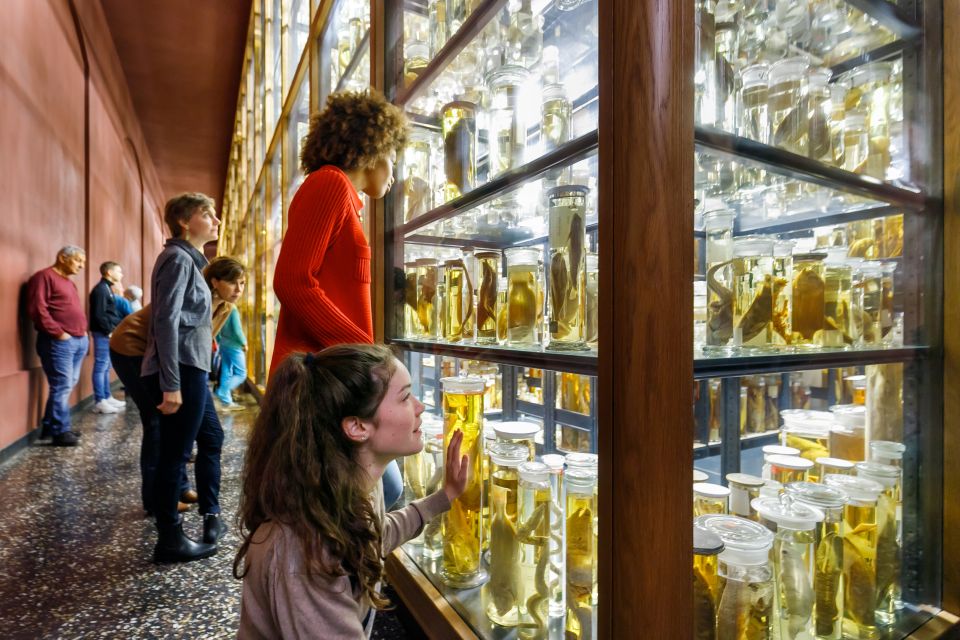
My second favorite part is the East Wing wet collection: about a million animals stored in roughly 80 tonnes of alcohol, presented as a real scientific research collection rather than just a spectacle. You’re looking at biology the way scientists actually keep it for study.
One thing to plan around: language can be uneven on the labels. The audio guide is included, but it’s downloadable via a website, so you’ll want your phone ready and be ready to bounce between text and audio—especially if you’re visiting with kids.
In This Review
- Key highlights I’d prioritize
- Museum für Naturkunde Berlin: what your $12 ticket really buys
- Dinosaur Hall and the Jurassic feeling: Giraffatitan and Tristan Otto
- Archaeopteryx lithographica: why this “Mona Lisa” matters
- The East Wing wet collection: a million animals in alcohol
- Biodiversity Wall: 3,000 species and the conversation it starts
- Audio guide reality check: downloadable content, multiple languages
- Timing your route: using a 30-minute to 1-hour window
- Families and attention spans: great for kids, but not a play center
- Price and value: is $12 a bargain or just fair?
- Planning details that matter on the day
- Should you book this Museum für Naturkunde Berlin ticket?
- FAQ
- How long is the entry window for this ticket?
- Where is the meeting point?
- Is an audio guide included?
- What languages are available for the audio guide?
- Do I need headphones or a phone to use the audio guide?
- Is skip-the-line entry included?
- What’s included besides museum entry?
- What ID do I need to bring?
- Is the museum wheelchair accessible?
Key highlights I’d prioritize
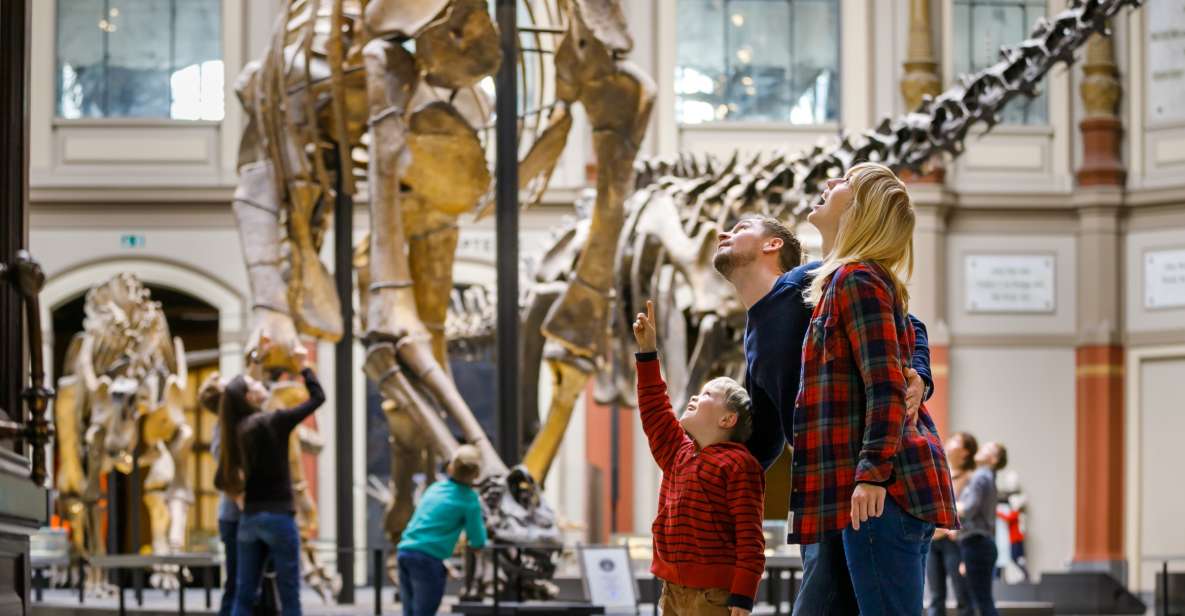
- Giraffatitan brancai welcomes you in the Dinosaur Hall as the tallest mounted dinosaur skeleton in the world
- Tristan Otto (T. rex) is one of the standout original skeletons you’ll want to see up close
- A wet research collection in the East Wing holds about a million preserved animals in alcohol
- The Biodiversity Wall shows 3,000+ species in one glance, with a strong biodiversity-loss message
- Archaeopteryx lithographica is displayed in a safety showcase as the Mona Lisa of natural history
- Audio guide in multiple languages is included, but you access it by logging into a website
Museum für Naturkunde Berlin: what your $12 ticket really buys
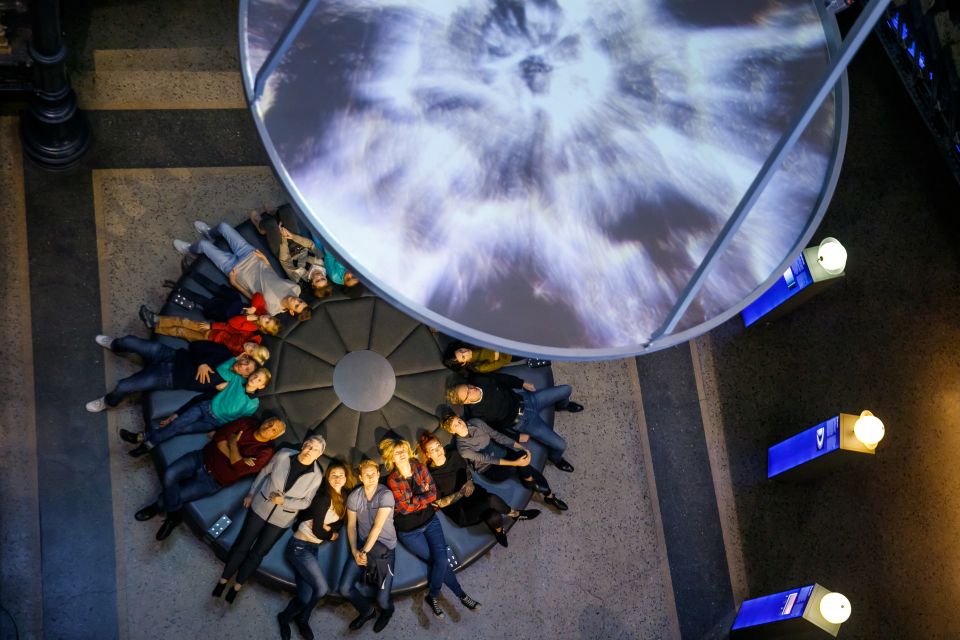
This is a straightforward entrance ticket to one of Europe’s most important natural science museums—Museum für Naturkunde Berlin, right on Invalidenstraße (main entrance at Invalidenstraße 43, 10115 Berlin). The price is about $12 per person, and the entry window is 30 minutes to 1 hour, depending on the time slot you choose.
Value-wise, you’re paying for access to permanent highlights that are genuinely world-class. The museum isn’t trying to be a theme park. It’s built around science and collections—over 30 million items, with around 200 scientists using them to answer questions about life, the planet, and the future. That matters because it explains why the displays feel so “real” and not just decorative.
You also get a cloakroom and skip-the-ticket-line entry. That combination is nice if you’re on a tight Berlin schedule or traveling with kids who melt down when you wait too long.
You can also read our reviews of more tours and experiences in Berlin


Dinosaur Hall and the Jurassic feeling: Giraffatitan and Tristan Otto
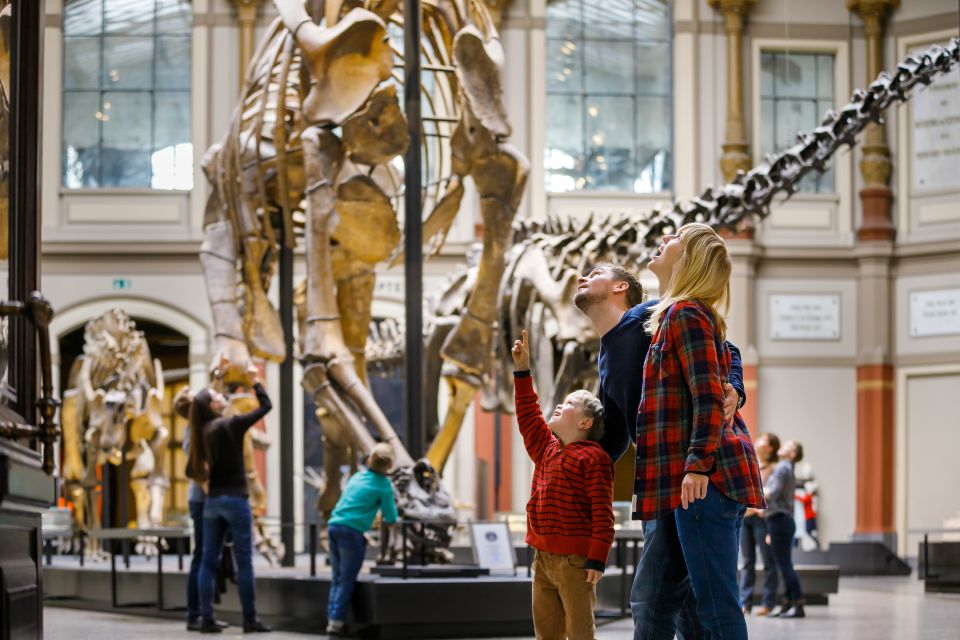
If you care about dinosaurs at all, plan your visit around the Dinosaur Hall first. The museum sets this section in the Upper Jurassic period, about 150 million years ago. The scale is the point here: these are big reconstructions and big skeletons, shown in a way that lets you feel how massive prehistoric life was.
Two names to anchor your visit:
- Giraffatitan brancai: the tallest mounted dinosaur skeleton in the world, positioned to greet you in the center of the hall.
- Tristan Otto: a T. rex skeleton that’s one of the few original examples like it in existence in this context.
Even if you don’t know every scientific name, the museum does a good job helping you connect the visuals to learning. The fossils and skeletons still matter to researchers, and the museum emphasizes that these objects can reveal new secrets as science improves.
Practical tip: If you’re short on time (because your ticket window is 30 minutes to 1 hour), don’t try to read every label. Instead, focus on the big anchor specimens—Giraffatitan and Tristan Otto—then add one or two surrounding sections that pull you in.
Archaeopteryx lithographica: why this “Mona Lisa” matters
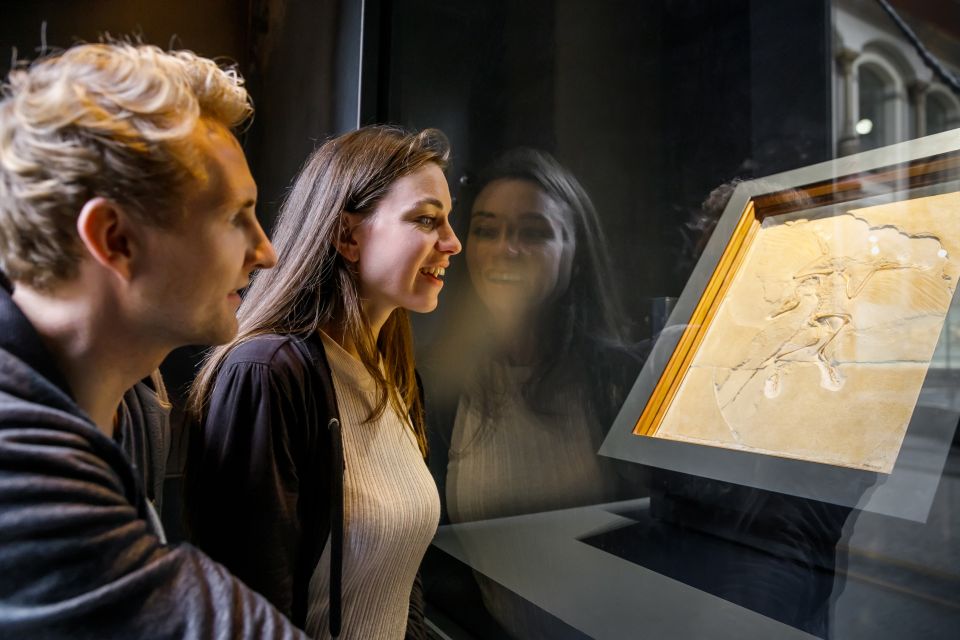
At the back of the Dinosaur Hall, you’ll find Archaeopteryx lithographica in a safety showcase. It’s presented as the Mona Lisa of natural history, and the reason is simple: it sits at the crossroads of how people understand evolution, early birds, and the messy transition between major animal groups.
I like that the museum doesn’t treat Archaeopteryx as a random “cool fossil.” It frames it as a key specimen—one that’s famous for good reason. Even if you skim, you’ll leave knowing that this fossil has been important to natural history thinking for a long time.
If you’re visiting with kids, this is also a smart pivot point. You move from dinosaurs-as-monsters to dinosaurs-as-information. That shift helps a lot when attention spans run out.
The East Wing wet collection: a million animals in alcohol
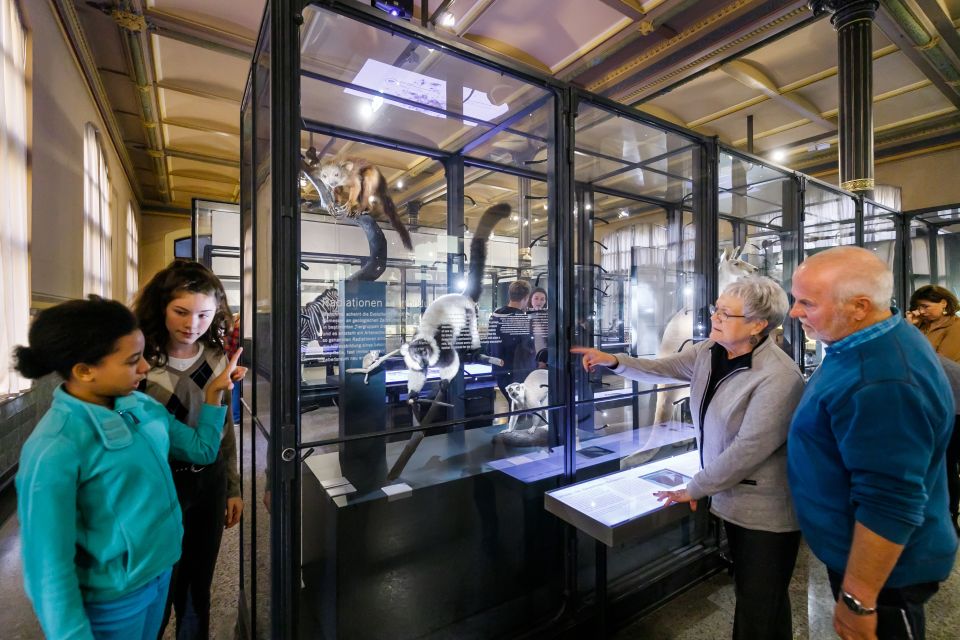
The East Wing is the part that surprises many people—because it’s not about extinct skeletons. It’s about how science preserves and studies living complexity.
Here’s what’s special: the museum has a genuine scientific research collection with around 1 million animals stored in about 80 tonnes of alcohol. That phrase—wet collection—sounds strange until you understand the logic: these specimens are preserved so researchers can keep studying anatomy, variation, and classification over time.
This is a great stop if you like science that feels hands-on, even when you’re just looking. It also adds contrast after the big drama of the dinosaur hall. You’re going from “time travel” fossils to “lab-ready” biology.
If you’re the kind of person who likes museums that teach you how science works, this section will be worth extra time. It’s also a strong choice for teens and adults who want more than shock-and-awe.
Biodiversity Wall: 3,000 species and the conversation it starts
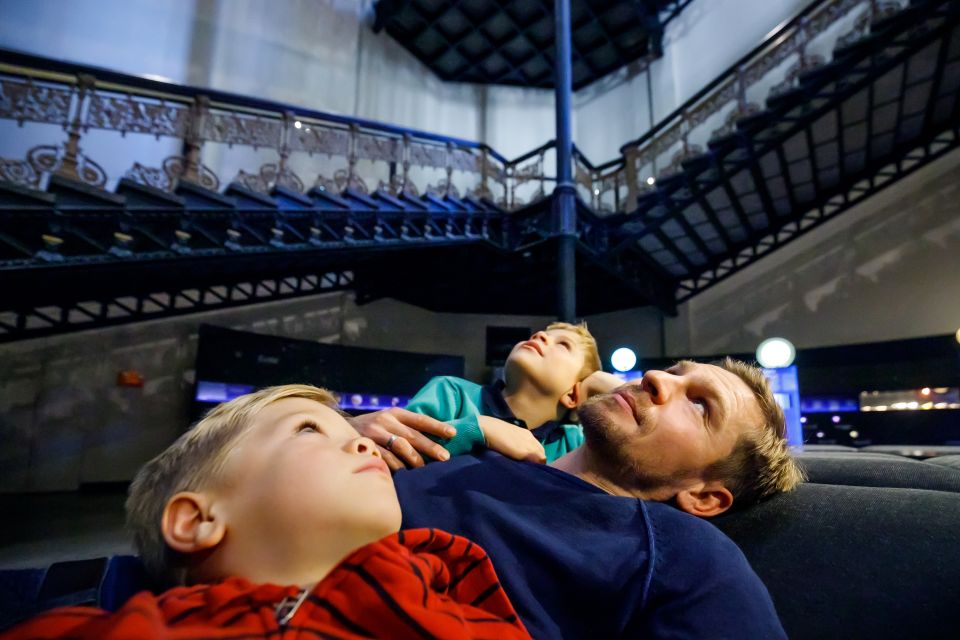
Next up is the Biodiversity Wall, a visual display with more than 3,000 different species shown in one glance. It’s not just a chart. It’s a statement about biodiversity and what happens when it disappears.
What I like about this is the museum’s focus on the meaning behind the specimens. The theme of biodiversity loss stays tied to the museum’s research efforts, not just to a temporary-exhibit vibe.
This wall works well for mixed groups: kids get the “wow, so many” reaction, while adults tend to latch onto the larger message. If your visit feels like it’s dragging, spend a minute here anyway. It’s the kind of display that resets your attention.
You can also read our reviews of more historical tours in Berlin





Audio guide reality check: downloadable content, multiple languages
Your ticket includes access to downloadable audio content, with multiple languages listed: English, French, German, Italian, Japanese, Polish, Portuguese, Russian, Spanish, Turkish.
Two key notes from the practical side:
- You’ll need to log into a website to access the audio.
- There is no physical audio guide included, and you’ll want your phone ready.
I’d treat this as a must-do prep step before you enter. Have your device charged, and use headphones if you can. One review point that matches my advice: if your audio plan depends on a phone, don’t show up with a dead battery.
Also, language on labels isn’t always consistent. Some areas can feel harder to read in English, especially if you’re traveling with kids who want to move quickly. When labels are limited, audio helps you keep momentum without squinting at every display case.
Timing your route: using a 30-minute to 1-hour window
Your entry window is 30 minutes to 1 hour, so your visit will feel best if you treat it like a smart sprint instead of an all-day museum marathon.
A good order if you want the biggest highlights without rushing into chaos:
- Dinosaur Hall for Giraffatitan brancai and Tristan Otto
- Archaeopteryx lithographica at the back of the hall
- A stop in the East Wing wet collection (even a partial visit here feels meaningful)
- End at the Biodiversity Wall for the emotional wrap-up
If you love natural history broadly—dinosaurs plus minerals plus biology—then you may end up wanting more time than your slot. The museum also runs changing temporary exhibitions and an education program (guided tours, lectures, workshops), but those aren’t included in the ticket you’re booking here.
So think of this as: you’re buying access to the permanent “must sees.” You can always come back for the special programming on a later trip.
Families and attention spans: great for kids, but not a play center
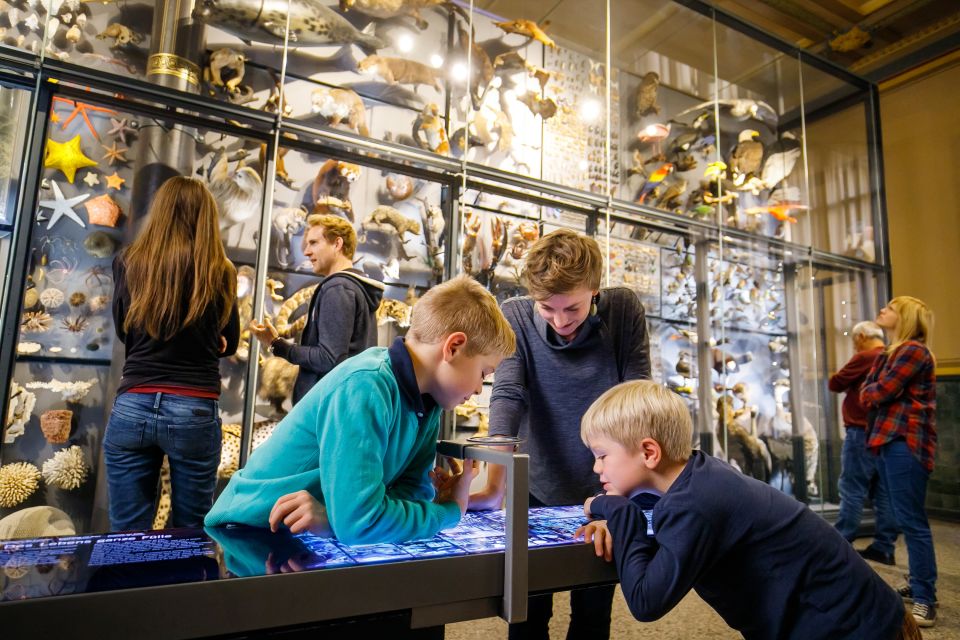
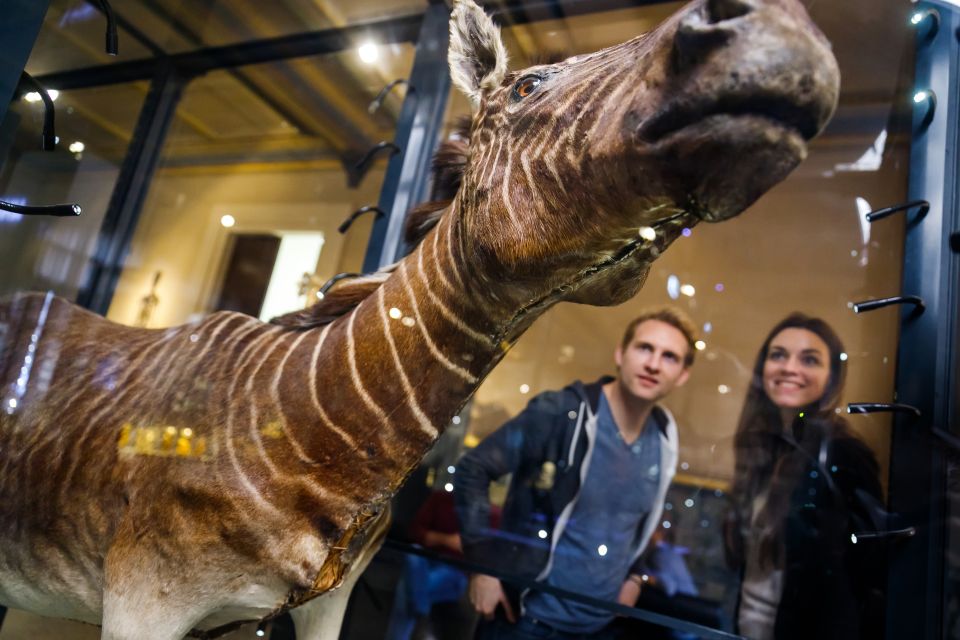
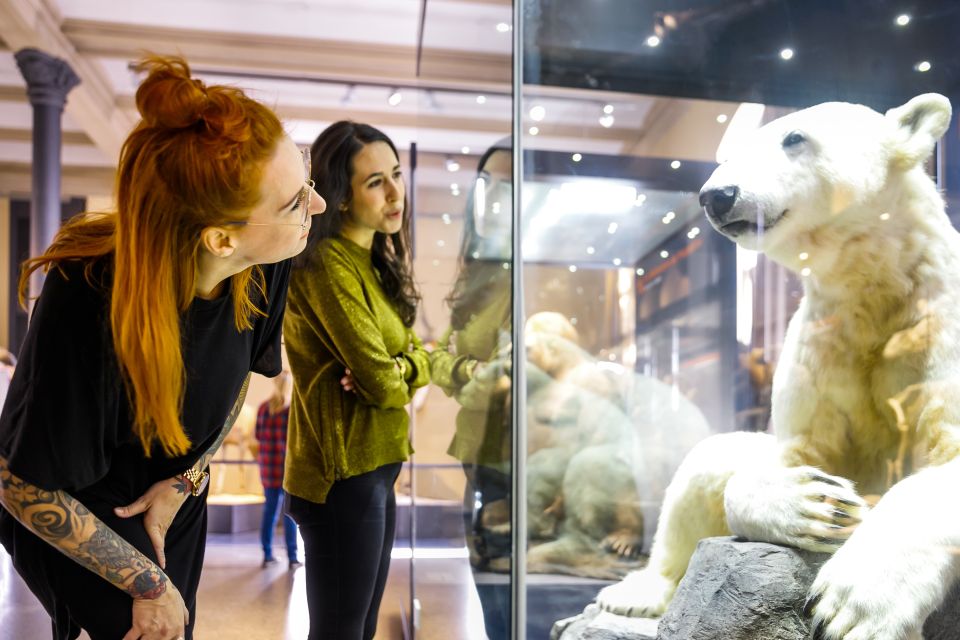
This museum is clearly popular with families. Kids often light up at the dinosaur scale and taxidermy displays, and the overall layout makes it easy to point and react.
At the same time, don’t expect a lot of hands-on interactive learning stations. Some parts feel more like observation and reading than “push-button fun.” One practical takeaway: if your child needs constant engagement, go in with a plan—pick two or three targets (like T. rex, Archaeopteryx, and the Biodiversity Wall) and treat them like a scavenger hunt.
For adults, it can also work well as a compact natural history fix. Even when the museum feels smaller than the biggest blockbuster museums, the specimens are strong enough to make the time worth it.
If you’re going with very small kids: expect noise on busier days, and keep the audio guide ready so you can switch between storytelling and movement without losing your place.
Price and value: is $12 a bargain or just fair?
For $12, you’re getting entry to a museum with internationally important collections and recognizable star exhibits—Giraffatitan brancai, the Archaeopteryx display, and the wet collection with a million preserved specimens. That’s not “one cool room.” It’s several serious stops in one ticket.
The biggest factor for value is how you use the audio guide and how disciplined you are with time. If you spend your slot jumping between zones, you might feel like the museum is smaller than you hoped. If you focus on the main highlights, you’ll walk out thinking the ticket paid off.
My bottom line: it’s strong value if you’re aiming for the headline specimens and the science message, not if you want a leisurely wander with zero decision-making.
Planning details that matter on the day
A few basics will keep your visit smooth:
- Your meeting point is the museum’s main entrance at Invalidenstraße 43.
- Bring passport or ID card.
- If you’re buying a reduced ticket, you may need proof of age/status at entry.
- There’s a cloakroom, which helps if you arrive with coats, backpacks, or day-trip bags.
On busy days, capacity can affect how quickly you enter even with skip-the-line access. If you’re visiting during peak periods, choose your time slot carefully.
Should you book this Museum für Naturkunde Berlin ticket?
Book it if you want a compact, high-impact natural history visit with real science behind it. This ticket is especially worth it if:
- dinosaurs are your priority (Giraffatitan brancai and Tristan Otto are the headline draw)
- you want something unusual beyond typical bone displays (the wet collection is a standout)
- you like learning that connects species to modern biodiversity concerns (Biodiversity Wall)
Skip it if:
- you hate using your phone for info and audio, and you don’t want to deal with downloadable content
- you need lots of hands-on activities to keep kids engaged (some areas are observation-focused)
If you’re the kind of traveler who likes museums that feel grounded in collections and research, this one hits the mark fast.
FAQ
How long is the entry window for this ticket?
Your ticket is valid for 30 minutes to 1 hour, depending on the starting time you select.
Where is the meeting point?
The meeting point is at the main entrance of Museum für Naturkunde Berlin, Invalidenstraße 43, 10115 Berlin.
Is an audio guide included?
Yes. The ticket includes access to downloadable audio content, which requires logging into a website.
What languages are available for the audio guide?
The audio guide is listed in English, French, German, Italian, Japanese, Polish, Portuguese, Russian, Spanish, and Turkish.
Do I need headphones or a phone to use the audio guide?
Since the audio is downloaded via a website, you’ll want a device (phone) ready to access it. Using headphones is a practical idea so you can hear clearly.
Is skip-the-line entry included?
Yes, skip the ticket line is included with this ticket.
What’s included besides museum entry?
Included are the museum entrance fee, access to the downloadable audio content, and a cloakroom.
What ID do I need to bring?
You should bring a passport or ID card. For reduced tickets, proof of age/status may be required at entry.
Is the museum wheelchair accessible?
Yes, the museum is wheelchair accessible.