REVIEW · BERLIN
Berlin: World War Two Third Reich and Cold War Walking Tour
Book on GetYourGuide →Operated by Original Tours Holding Limited · Bookable on GetYourGuide
Berlin’s streets have two dark chapters. This WWII-to-Cold-War walking tour strings the story of the Third Reich to the rise of East Communism and the Berlin Wall. I like that it’s taught by a local historian and focused on how events connect, not just what buildings look like.
The second thing I like: you actually get to see Berlin Wall landmarks in context, including the East Side Gallery and the Berlin Wall Memorial. One potential drawback: the start area can get busy and the grouping can feel chaotic, so arriving right on time (and finding the right umbrella) really matters.
In This Review
- Key highlights at a glance
- A 5-hour walk that connects the Third Reich to the Berlin Wall
- Meeting at Generator Berlin Alexanderplatz (and avoiding the start-line chaos)
- WWII stops that explain why the city looks the way it does
- Cold War Berlin: what East Communism changed in daily life
- The Berlin Wall you can actually see: East Side Gallery and Berlin Wall Memorial
- Why the architecture and “surviving structures” part is worth your time
- “Exclusive entry” and what it means for your experience
- What you should bring for a comfortable 5-hour history walk
- Price and value: is $21 for 5 hours a good deal?
- Accessibility and pace: plan for a walking-focused experience
- Who this tour is best for (and who might want a different format)
- Should you book the Berlin WWII and Cold War walking tour?
- FAQ
- How long is the Berlin WWII and Cold War walking tour?
- Where do I meet the guide?
- Is the tour in English?
- Is the tour wheelchair accessible?
- Are meals included?
- What’s included in the ticket price?
- What should I bring with me?
Key highlights at a glance
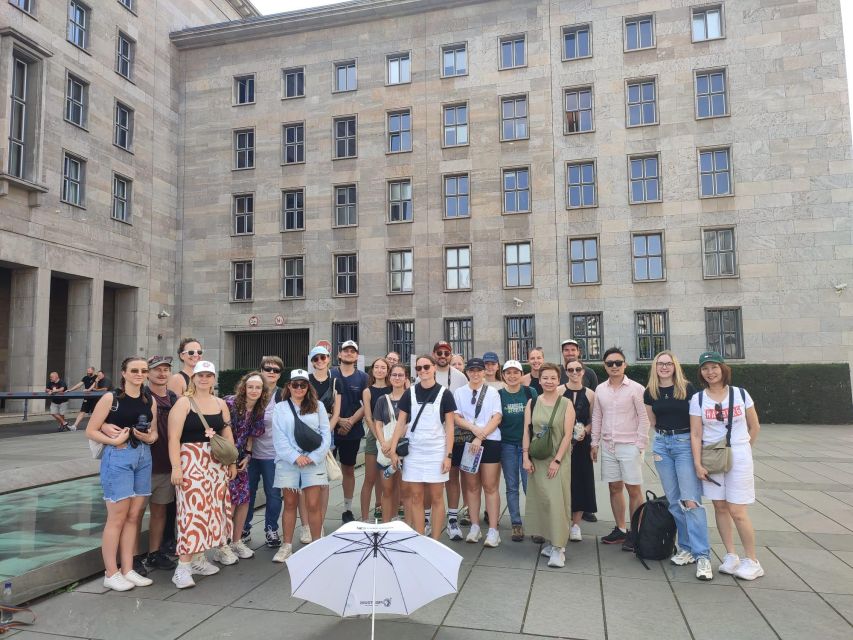
- White umbrella start near Generator Berlin Alexanderplatz so you know where to meet
- Third Reich to Cold War timeline with a guide tying the eras together
- Berlin Wall remnants plus escape-route stories that explain what those structures meant day to day
- Exclusive entry at selected landmarks where allowed during the walk
- Central finish back at the meeting point so you can keep exploring on your own
A 5-hour walk that connects the Third Reich to the Berlin Wall
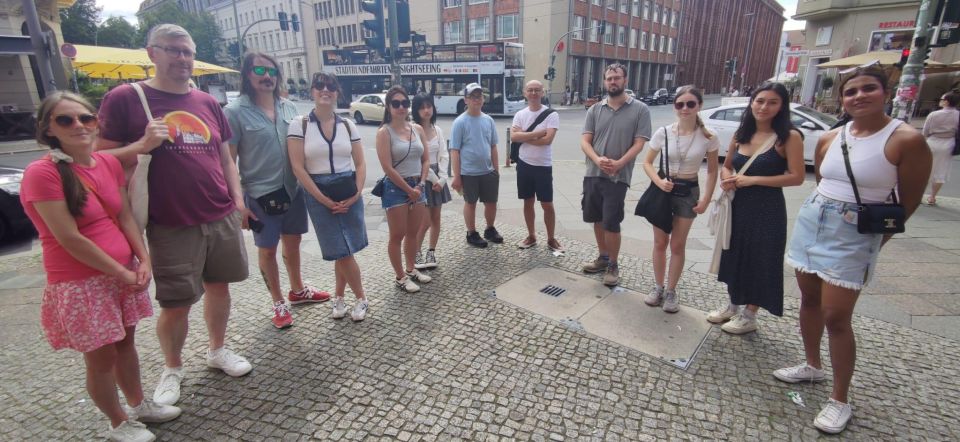
This is the kind of Berlin tour that helps your brain build a timeline. Instead of treating WWII and the Cold War as two separate museum topics, you follow one thread: how power, fear, and ideology shaped the city’s streets—and how the Berlin Wall turned politics into something you could literally walk past.
The 5-hour format matters. You get enough time to cover major sites without turning it into an all-day sprint. And because it’s on foot, Berlin’s geography helps you understand why certain places mattered to the Nazis, then later to the East German regime.
You can also read our reviews of more walking tours in Berlin



Meeting at Generator Berlin Alexanderplatz (and avoiding the start-line chaos)
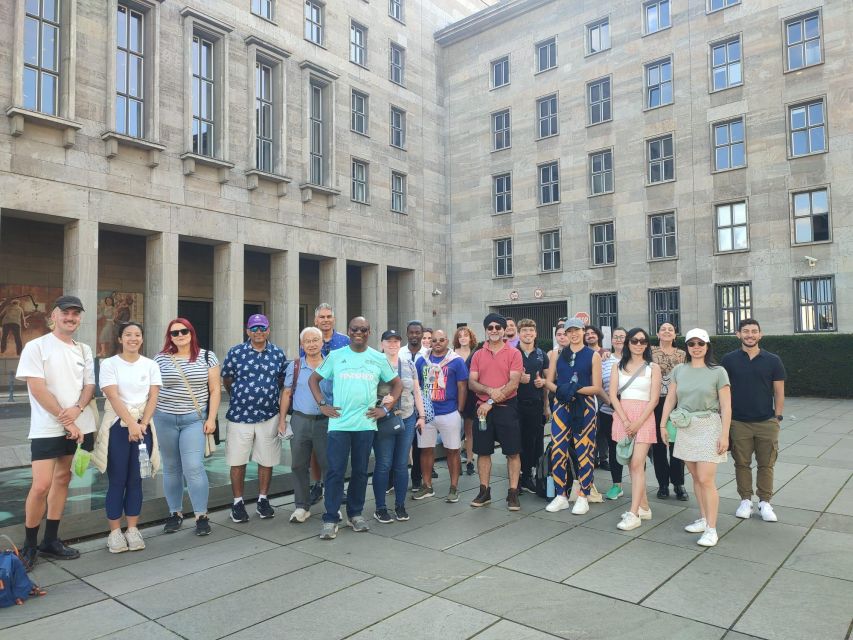
Your meeting point is clearly set: look for the white umbrella on the corner in front of Generator Berlin Alexanderplatz. That detail is important, because this tour starts in a high-traffic area and multiple tours likely funnel people into the same general space.
Here’s the practical advice I’d give you: arrive a bit early, locate the umbrella first, then confirm you’re with the right group. One rough experience mentioned that people arrived and found their specific tour didn’t get properly organized, with partial parts happening but not as promised. You can reduce your risk of that by being early and watching for your group from the moment you arrive.
WWII stops that explain why the city looks the way it does
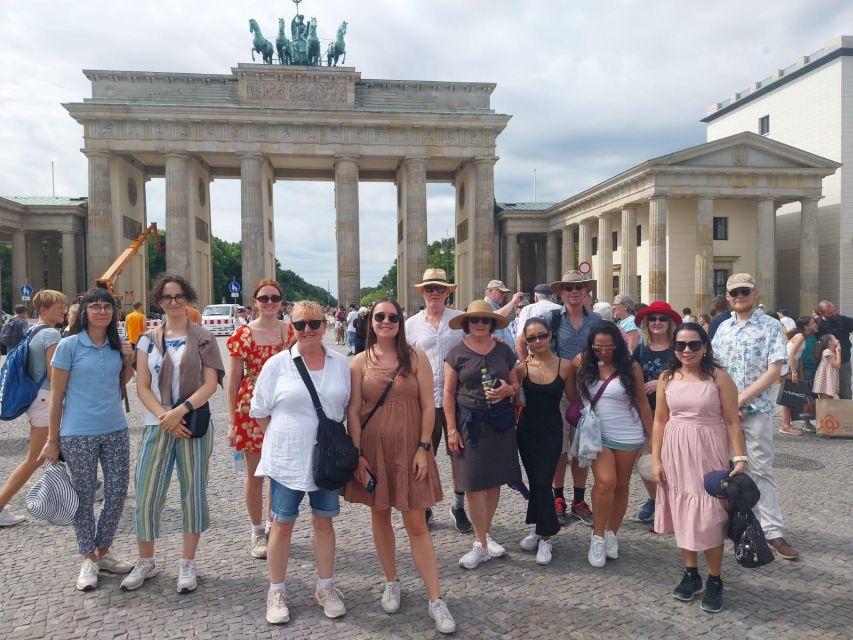
On this walk, the WWII story isn’t vague or abstract. You move through Berlin with landmarks tied to the Third Reich era—things like the Reichstag area and sites associated with Hitler’s final days, including the story around Hitler’s bunker.
You’ll also encounter structures linked to wartime defense, including the Flak Tower (as part of the tour’s WWII thread). The value here is simple: Berlin’s architecture survived the war in a patchwork way. When a guide connects what you’re seeing to what was happening at the time, those stones start carrying meaning beyond “this is a big building.”
A heads-up for your expectations: you should be prepared for heavy content. This is a history-focused tour that deals with state violence, repression, and the human cost of dictatorship. If you like your history direct and place-based, you’ll probably find it well matched to Berlin.
Cold War Berlin: what East Communism changed in daily life
After the WWII thread, the tour shifts to the Cold War era and explains East Communism and what life looked like behind the Wall. This part matters because the Cold War wasn’t only tanks and speeches. It was rules, controls, and a border that shaped routines—where people could go, who they could trust, and what “freedom” meant in practice.
As you walk, the guide focuses on how the Berlin Wall reshaped lives. The tour description highlights escape routes and guard towers, which is exactly the kind of detail that turns a political story into a human story. You’ll come away with a clearer sense of how the Wall functioned as both a physical barrier and a psychological weapon.
The Berlin Wall you can actually see: East Side Gallery and Berlin Wall Memorial
This is where the tour gets visual. You’ll visit major Wall-related stops, including the Eastside Gallery and the Berlin Wall Memorial. Seeing street-level Wall remains (and related memorial spaces) is a big step beyond photos, because you notice scale, positioning, and how people moved around the barrier in real life.
The East Side Gallery is especially useful in a tour like this because it shows how the Wall’s story didn’t end at collapse. Art became a way to interpret the boundary and speak after censorship. At the Berlin Wall Memorial, the emphasis shifts toward explanation and memory—what happened, who was affected, and how the world changed afterward.
If you’re the type who likes to understand the “why,” you’ll appreciate that the guide doesn’t treat these places as just stops for photos. You’ll get context for what the structures represent and why they’re still discussed.





Why the architecture and “surviving structures” part is worth your time
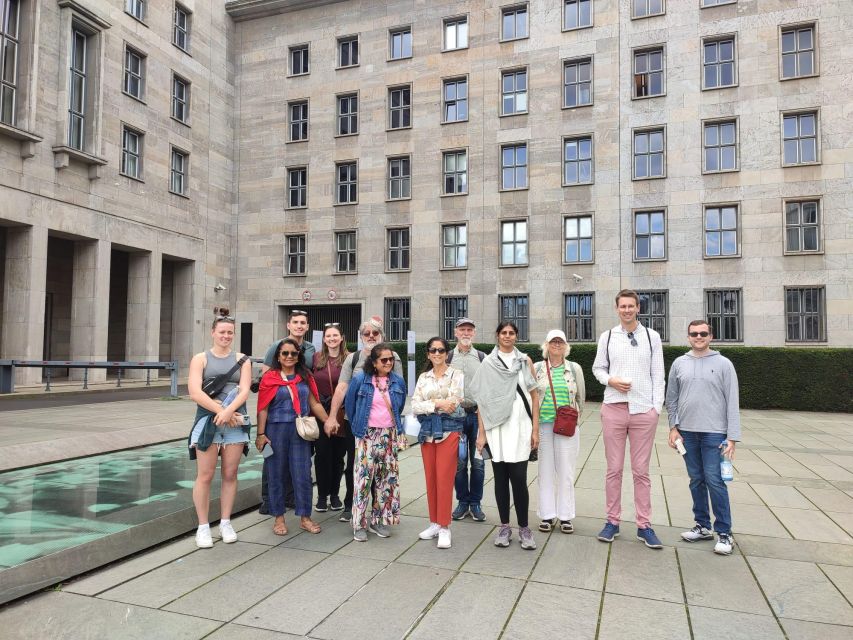
Berlin has a talent for making history feel physical. A lot of cities have monuments; Berlin also has scars built into the urban fabric. That’s why the tour’s focus on architectural marvels that stood through Berlin’s challenges feels more than decorative.
When you’re guided through places like the Reichstag area and the Flak Tower reference, you start to notice something important: surviving buildings and remnants can function like anchors. They help you remember where one era ends and the next starts, even when the city looks ordinary from a distance.
This is also where walking helps. You don’t just look at a site for 30 seconds and move on. You see nearby streets and landmarks, and the guide helps stitch them together into a coherent story.
“Exclusive entry” and what it means for your experience
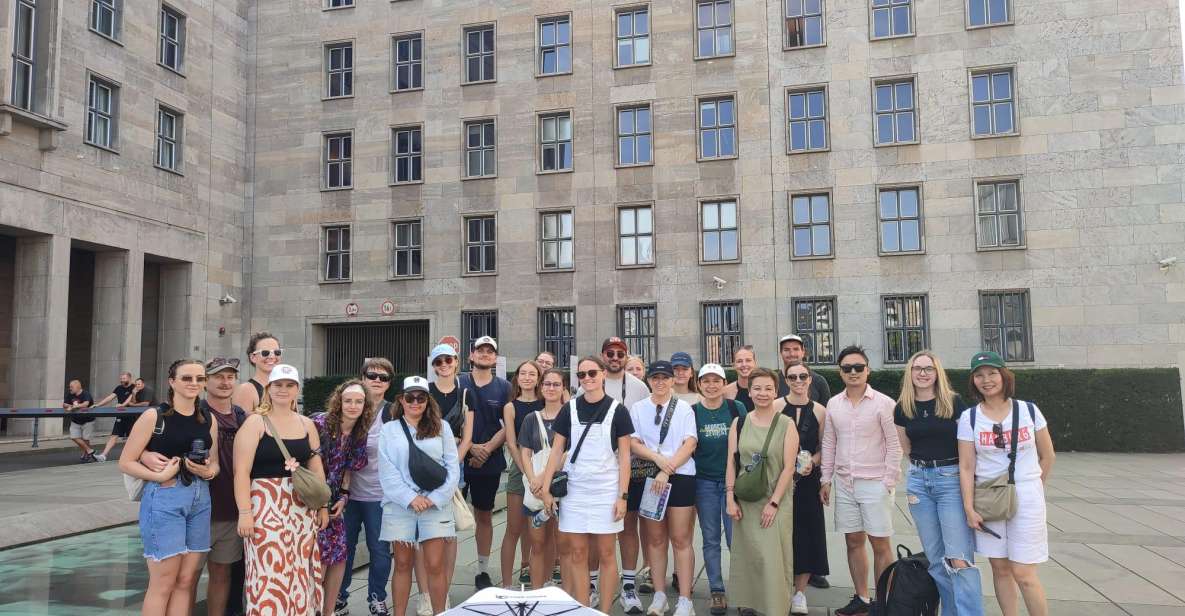
Your ticket includes exclusive entry to key landmarks (as allowed during the walk). The big practical benefit is that you’re not limited to viewing everything from the sidewalk. For tours centered on political and historical sites, that extra access can make a huge difference in how much you actually understand.
That said, don’t assume every stop becomes a hands-on experience. Some places may offer entry in a limited way. Still, the fact that the tour calls out exclusive entry suggests you’ll get more than the standard “stand outside and listen” format.
What you should bring for a comfortable 5-hour history walk
This tour asks for a simple prep kit, and you’ll feel better if you follow it:
- Snacks and drinks (meals aren’t included)
- Cash (handy for small purchases if you decide to top up)
- Weather-appropriate clothing
- Comfortable shoes
The shoes piece is not optional. This is a walking tour covering multiple eras and landmarks, so you want something you can stay on comfortably for most of the day. If Berlin is windy or wet during your visit, plan for it—being cold or soaked ruins the whole point of having a guide explain difficult history in detail.
Price and value: is $21 for 5 hours a good deal?
At $21 per person for about 5 hours, this tour is priced like a practical, budget-friendly way to get strong context. You’re paying for a guided walk with a local historian, plus exclusive entry at selected stops.
In plain terms, the value comes from two places:
- You’re not stuck reading walls on your own. A guide can connect WWII sites to Cold War realities and explain what the Wall changed.
- The time is efficient. Five hours in Berlin is long enough to feel you’ve really gone somewhere, but short enough to still enjoy the rest of your day.
If you’re a first-time visitor who doesn’t want to spend half a day bouncing between separate tickets and stops, this price point can be a smart way to orient yourself.
Accessibility and pace: plan for a walking-focused experience
The tour is wheelchair accessible, which is a real plus if you need mobility support. What you should still plan for is a long, walking-focused route with multiple historical stops. If you use a wheelchair or walker, it’s worth confirming how the route handles uneven sidewalks and memorial areas when you book.
Also, the tour ends back at the meeting point. That’s helpful because it reduces transfer stress. You can head straight to nearby cafés, sights, or transit without having to figure out a late-day pickup.
Who this tour is best for (and who might want a different format)
This is a strong fit if you:
- Want Berlin’s WWII and Cold War story connected in one route
- Like history told through real places, not just museum panels
- Prefer a guided walk so you’re not guessing what you’re looking at
You might want a different type of tour if you:
- Need very light content (this includes difficult political and wartime themes)
- Don’t handle group logistics well, especially at busy meeting points
- Prefer an indoor-only format
If you’re comfortable with heavy subject matter and you want context that makes Berlin feel legible, you’ll likely enjoy this.
Should you book the Berlin WWII and Cold War walking tour?
Book it if you want an efficient, guided way to understand how Berlin moved from the Third Reich era into the Cold War—and how the Berlin Wall became the city’s most visible political fact. The mix of Wall landmarks like the East Side Gallery and the Berlin Wall Memorial, plus WWII-connected places such as the Reichstag area and references including the Flak Tower and Hitler’s bunker, gives you a story that stays connected.
I’d just be careful about start-line timing. Go early, find the white umbrella, and make sure you’re in the correct group. That one detail can save you from an unpleasant surprise.
If you do that, this looks like a very reasonable deal for your time: local historian guidance, landmark entry, and a route that helps you read the city instead of just passing through it.
FAQ
How long is the Berlin WWII and Cold War walking tour?
It runs for 5 hours.
Where do I meet the guide?
Meet at Generator Berlin Alexanderplatz, looking for the white umbrella on the corner in front of the building.
Is the tour in English?
Yes, the live tour guide provides the tour in English.
Is the tour wheelchair accessible?
The activity is listed as wheelchair accessible.
Are meals included?
No. Meals and refreshments are not included, so bring snacks and drinks.
What’s included in the ticket price?
You get a guided journey with a local historian and exclusive entry to key landmarks.
What should I bring with me?
Bring snacks, drinks, cash, weather-appropriate clothing, and comfortable shoes.