REVIEW · BERLIN
Third Reich Berlin: Hitler and WWII Walking Tour
Book on Viator →Operated by Insider Tour Berlin · Bookable on Viator
Berlin history hits hardest when you walk it. This 3-hour Third Reich Berlin tour strings together the city’s most important Nazi-era sites, from government offices to the final Soviet push in 1945. I love the way the route connects cause and effect (not just names on plaques), and I love how the guide keeps it clear, structured, and human, even when the subject turns grim. One drawback: this is an outdoor walking tour on a tight timeline, so you’ll want comfortable shoes and a winter layer plan.
If you pick the right guide, the tour feels like a live timeline in motion. I’ve seen guides like Maria, Tom, and Paul get praised for turning complicated events into something you can follow, while still handling the topic with care; names like RU and Eran also show up for strong storytelling and smart pacing. Still, it’s a lot to process in one go, since you’ll pass memorials and sites tied to persecution and mass murder, not just dramatic architecture.
In This Review
- 4–6 key takeaways you’ll feel on the walk
- Walking Berlin’s Nazi Power Map in 3 Hours
- Friedrichstrasse Start: Get Your Bearings Fast
- Trains to Life, Trains to Death: A Memorial That Doesn’t Let You Look Away
- The Reichstag Story: Democracy’s Collapse to Nazi Defeat
- Soviet Memorial in Tiergarten: The Cost Behind the Victory
- Brandenburg Gate: From Nazi Rallies to Reunification Symbol
- Holocaust Memorial + Akademie der Künste: Where Memory and Complicity Intersect
- Fuhrerbunker Area: Standing Near Hitler’s Last Days
- Wilhelmstrasse and the Air Ministry Zone: How the Regime Ran
- Topography of Terror: Where the SS and Gestapo Machine Gets Named
- Pace, Weather, and What to Wear (Because You Walk a Lot)
- Value Check: What $24.07 Buys You in Real Terms
- Who Should Book This Third Reich Berlin Tour
- Should You Book It?
- FAQ
- What’s the duration of the Third Reich Berlin walking tour?
- How much does the tour cost?
- Is the tour offered in English?
- Where do I meet the guide, and where does the tour end?
- What’s included in the price?
- Are there any admission tickets included?
- How many people are in a group?
- What’s the cancellation policy?
- Do I need hotel pickup?
4–6 key takeaways you’ll feel on the walk
- Hitler’s last-days locations, including the bunker area, handled with context (not shock value)
- Propaganda and power in Wilhelmstrasse and the Air Ministry area, where decisions were made
- Memorial stops that force you to slow down, like Trains to Life, Trains to Death and the Holocaust Memorial
- The Reichstag storyline, from the 1933 fire pretext to the Soviet flag in 1945
- A short, efficient route that gets you more than you’d manage wandering on your own
Walking Berlin’s Nazi Power Map in 3 Hours
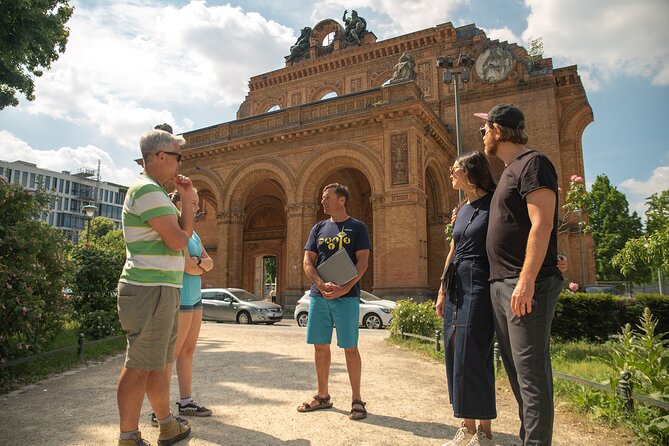
Berlin can feel like a “pick a landmark, take a photo” city—unless you have a guide who can give you the wiring diagram. This tour works because it doesn’t treat the Third Reich as one big blur. You move through the places where Hitler’s government operated, where propaganda was produced, and where the final battle pushed everything into collapse.
I especially like that the pacing is built for understanding. You spend a focused 3 hours moving station to station, with stops that create a story arc rather than a checklist. And with a maximum group size of 25, it generally stays conversational enough to ask questions when you want clarity.
The topic is heavy, though, and that’s the consideration. You’re not going to leave with a mood-light “great views and cool buildings” win. Instead, you’ll leave with a sharper sense of how ordinary streets became part of an extraordinary machine of repression and war.
You can also read our reviews of more walking tours in Berlin


Friedrichstrasse Start: Get Your Bearings Fast
Your tour begins near Friedrichstrasse (the meeting point is Reichstagufer 17). It’s a smart start because you’re already in the center of Berlin’s history, where many power structures sat within walking range. From here, you get a quick orientation to the key sites you’ll hit, so later stops don’t feel random.
This first stretch typically sets up themes that pay off later. Expect talk about how Nazi rule worked day-to-day, not just the famous names and dates. Guides often use this early window to connect the machinery of control—bureaucracy, propaganda, fear—to what you’ll see further along the route.
Practical note: you’ll be outdoors for the whole experience. One review tip that kept showing up was plain and useful: layer up, because Berlin weather can turn a “short walk” into a stiff one fast.
Trains to Life, Trains to Death: A Memorial That Doesn’t Let You Look Away
One of the most emotionally powerful moments on the route is Trains to Life, Trains to Death. This memorial marks the story of deportations from Berlin to concentration camps during WWII. It’s built to remind you that this wasn’t an abstract tragedy—it was carried out step by step, including the cruel logistics of removing people from homes.
I like this stop because it changes how you interpret the rest of the walk. After this, Nazi propaganda and government offices don’t read like distant history; they read like the machinery behind human suffering. The memorial is free to visit and short enough to keep the emotional impact intact without dragging the day.
If you’re sensitive to Holocaust-related material, plan your mindset in advance. You’ll still get context, but this is one of the places where you’ll likely want a minute of quiet instead of constant notes and questions.
The Reichstag Story: Democracy’s Collapse to Nazi Defeat
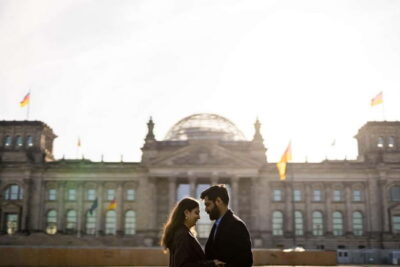
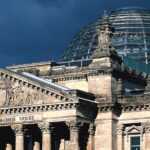
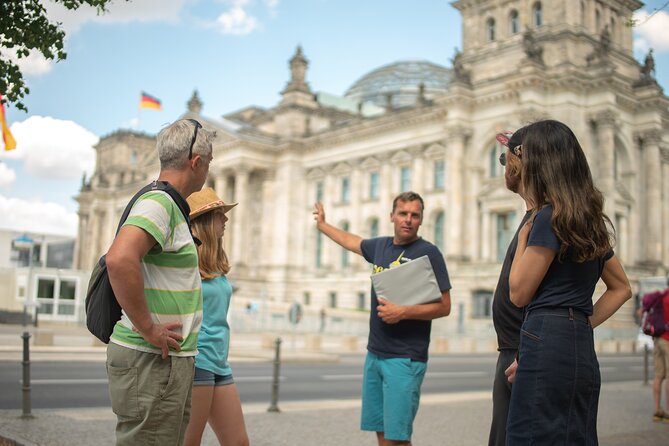
The tour then centers you on the Reichstag building, one of Berlin’s most symbolic structures. The famous 1933 Reichstag fire mattered because the Nazis used it as a pretext to crush democratic freedoms. Later, the Reichstag becomes a symbol of the regime’s defeat when Soviet forces raised a flag over it in 1945.
This stop is valuable even if you’ve read about WWII before, because a guide can explain the sequence. You’re not just seeing a landmark; you’re seeing how a political crisis becomes a dictatorship, and how a military collapse ends it.
One small logistics reality: an admission ticket is not included for the Reichstag stop. The tour still covers the building and its meaning, but if you want to go inside, you’ll need to handle that separately.
Soviet Memorial in Tiergarten: The Cost Behind the Victory
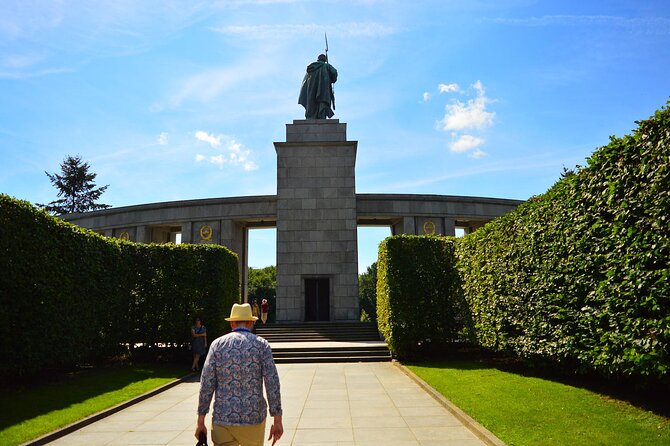
In Tiergarten, you visit the Soviet War Memorial. It’s dedicated to soldiers who died in the Battle of Berlin in 1945, and it’s positioned in a solemn cemetery setting. One reason this stop works is that it shifts the focus from ideology to bodies and loss—war ends with graves as well as flags.
The visual message is blunt: a Soviet soldier holding a flag over fallen enemies, marking the defeat of Nazism. I like how this adds balance to the tour’s story of Nazi power and propaganda. Even though the tour’s focus is the Third Reich, it refuses to let you treat the end of the regime like a clean victory without cost.
Also, because it’s free, you can afford to spend a few extra seconds looking instead of rushing for the next photo.




Brandenburg Gate: From Nazi Rallies to Reunification Symbol
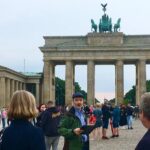
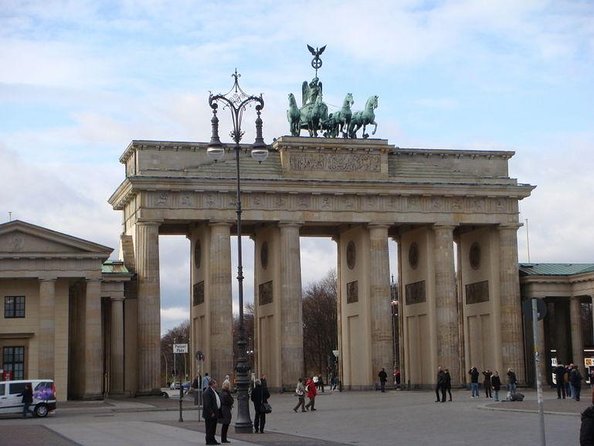
No Berlin itinerary goes far without passing by Brandenburg Gate, and this tour gives it a second meaning. During the Nazi era, the gate served as a recognizable backdrop for rallies and public shows of power. That includes periods when it was adorned with swastikas.
Today the gate is widely understood as a reunification symbol. The value here is learning to read the site’s layers: what stood there before, what was done there, and how memory changes what we see.
If you’ve only ever seen Brandenburg Gate as a postcard, this stop is worth it. You’ll leave more aware that iconic buildings can be used as stages for ideology.
Holocaust Memorial + Akademie der Künste: Where Memory and Complicity Intersect
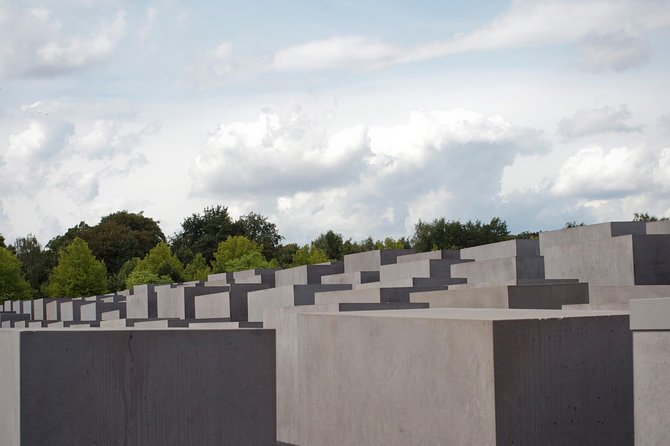
The walk includes the Memorial to the Murdered Jews of Europe—the field of concrete slabs designed to create disorientation. That physical effect matters. It forces you to feel something like confusion and loss rather than simply scanning for facts. This stop is free, and it’s the kind you can’t fully “speed through” and still absorb.
Next, you’ll stop by Akademie der Kunste (Academy of Arts). The connection here is through the Nazi era’s architectural influence, tied to Albert Speer, Hitler’s chief architect and Minister of Armaments. Even if you don’t have a deep background in Speer, this site helps you notice how arts, design, and power collided.
I find this pairing interesting because it hits two angles of the same system: victims remembered in one memorial, and cultural influence tangled with authoritarian ambition in another site. It’s not the same lesson twice; it’s the lesson expanding.
Fuhrerbunker Area: Standing Near Hitler’s Last Days
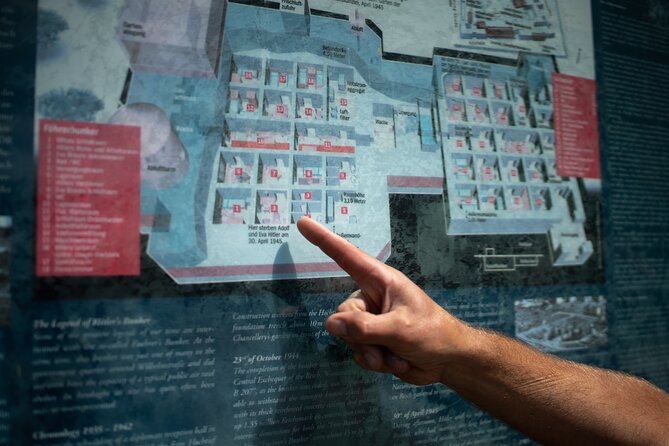
The tour then addresses the Fuhrerbunker area—where Hitler spent his last days in April 1945. This is one of the most talked-about stops because guides often build it with timing and suspense. One guide style detail that came up in feedback: Eran was praised for walking you over the bunker site and only revealing what you were standing over after the group reached the correct spot, which made the moment stick.
Even without entering anything, standing in the area gives you a sense of how close “history” sits to ordinary city life. Berlin is filled with layers, and here the layer is brutal and personal.
You’ll also hear about the nearby context of Nazi government operations connected to the bunker and Reich Chancellery area (built by Speer). It’s one of those stops where the guide’s ability to keep facts straight matters, because the details matter and rumors spread easily in places like this.
Wilhelmstrasse and the Air Ministry Zone: How the Regime Ran
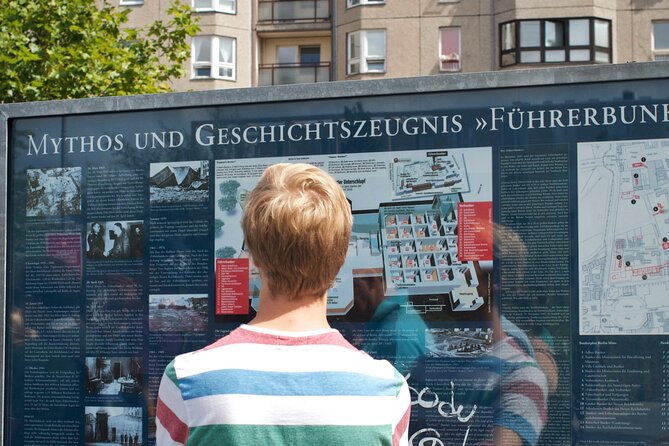
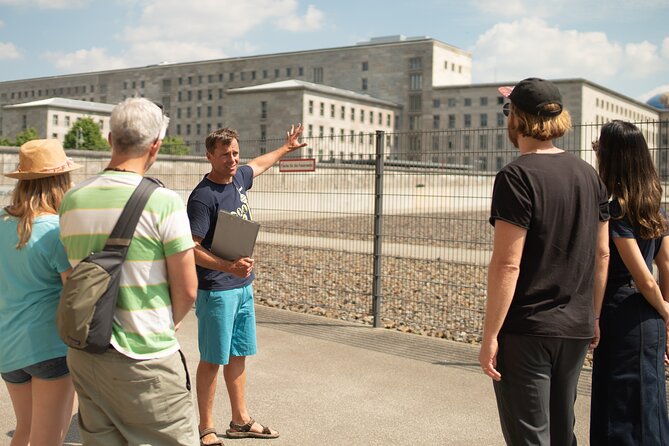
After the bunker area, the tour focuses on Wilhelmstrasse, a key hub for Nazi government buildings. This is where the story shifts from leaders and speeches to administration and decision-making. Expect discussion of how persecution and war planning were part of the regime’s normal workflow, not just the result of one man’s obsession.
You’ll also connect in the story of Goebbels and propaganda, plus the Air Ministry area tied to Hermann Göring and the Luftwaffe. The point isn’t to “geek out” on uniforms. It’s to understand how state power organized communication and military operations.
One review theme that keeps showing up: guides like RU, Tom, and Paul get praised for tying it all together so you understand why one stop leads to the next. That skill matters most on Wilhelmstrasse, because the buildings and street logic can otherwise feel like “Berlin urban scenery” instead of the nerve center of dictatorship.
Topography of Terror: Where the SS and Gestapo Machine Gets Named
The tour ends at Topography of Terror (near Niederkirchnerstraße). This museum and memorial sits on the former SS and Gestapo headquarters site and focuses on how those organizations enforced Nazi repression and the Holocaust. It’s free on this tour route, and it’s a good final stop because it names mechanisms instead of only pointing to outcomes.
This ending works well because it gives you closure that isn’t too neat. You see how terror was implemented by systems and people, supported by documents and evidence, not just mythmaking.
The tour ends close to Checkpoint Charlie, which makes it convenient to keep exploring afterward without a long transit shuffle.
Pace, Weather, and What to Wear (Because You Walk a Lot)
This tour is about 3 hours on foot with multiple city-center stops. In practice, that means you’ll likely cover a few thousand steps at a steady clip. One piece of practical advice that landed from feedback: be ready for a brisk walk and bring comfortable shoes, especially if it’s cold or icy.
Berlin winter can be real. Even when the tour stays engaging, your body will notice the wind. I strongly recommend a warm base layer, a hat, and gloves, and bringing something small to drink. The tour is short, but the outdoors factor is constant.
If you’re bringing a teenager or a first-time history student, this kind of pace can be a plus. Reviews praised how guides kept young minds engaged, with one guide described as great for a 15-year-old who hadn’t been into history at school. A well-timed explanation on the street beats a lecture in a classroom.
Value Check: What $24.07 Buys You in Real Terms
At about $24.07 per person for roughly 3 hours with a local guide, the value is solid—especially in a city where self-guided walking can turn into hours of guessing. The price is low enough that you’re not taking a big financial risk to get structure, context, and a story thread.
Also, many key stops on this route are free to enter (including memorials like Trains to Life, Trains to Death, the Soviet Memorial in Tiergarten, the Holocaust Memorial, and Topography of Terror). The only notable exception called out for admission on the route is the Reichstag stop, where admission is not included.
If you’re the type who likes to understand what you’re seeing while you’re seeing it, you’ll get your money back fast. If you only want casual sightseeing, you may feel the pace is more “lesson” than “tourist stroll.”
Who Should Book This Third Reich Berlin Tour
This is best for you if you want more than facts. You want a guided sense of how power, propaganda, war, and persecution connected across specific places. It’s also a good choice if you like asking questions, because guides in feedback are described as patient and eager to answer.
It’s also a fit for history buffs, WWII fans, and people who’ve visited Berlin before but want the city’s darker layers explained with order. Guides like Maria, Tom, Paul, and Canadian Chris were praised for clear context, friendly delivery, and making the material understandable.
If you’re looking for a light afternoon or you’re emotionally overloaded by Holocaust-related content, consider another type of Berlin day. This route is honest and somber, and that’s part of why it’s effective.
Should You Book It?
Yes, if you want a structured walk through Berlin’s WWII and Third Reich sites with a guide who can connect the story and keep it understandable. For the price, you’re buying time you’d otherwise spend researching or accidentally skipping key locations.
Before you go, do two things: wear warm clothes, and mentally accept that you’ll be walking through memorials and sites tied to real atrocities. If you can handle that, this tour gives you a sharper, more complete Berlin—one where the city’s streets explain the past instead of hiding it.
FAQ
What’s the duration of the Third Reich Berlin walking tour?
It runs for about 3 hours.
How much does the tour cost?
The price is listed as $24.07 per person.
Is the tour offered in English?
Yes, it’s offered in English.
Where do I meet the guide, and where does the tour end?
Meet at Reichstagufer 17, 10117 Berlin. The tour ends very close to Topography of Terror at Niederkirchnerstraße 8, 10963 Berlin, near Checkpoint Charlie.
What’s included in the price?
You get a local expert guide and the 3-hour walking tour.
Are there any admission tickets included?
Most stop admissions are listed as free. The Reichstag building admission ticket is not included on this tour route.
How many people are in a group?
The tour lists a maximum of 25 travelers.
What’s the cancellation policy?
There’s free cancellation. You can cancel up to 24 hours in advance for a full refund; if you cancel less than 24 hours before the start time, the amount you paid is not refunded.
Do I need hotel pickup?
No. Hotel pickup and drop-off are not included. You’ll meet at the specified location instead.