REVIEW · BERLIN
Berlin: Discover Berlin Walking Tour
Book on GetYourGuide →Operated by Original Berlin Walks GmbH · Bookable on GetYourGuide
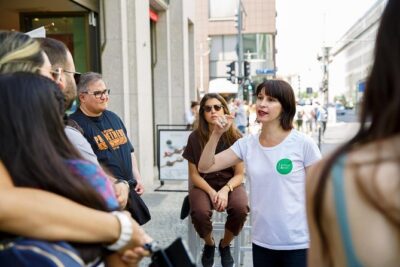
Berlin history hits different on foot. This tour strings together major landmarks with clear, thought-provoking storytelling, and you’ll stand at places like Checkpoint Charlie and the Brandenburg Gate. I also really like how the guide keeps the story moving through Prussian, Imperial, Nazi, Cold War, and 21st-century Berlin instead of treating each stop like a separate postcard. A fair heads-up: it runs rain or shine, so you’ll want solid shoes and warm layers.
At a low $23 per person for a 2–4 hour walk with a live guide, it’s one of those deals that helps you get your bearings fast in central Berlin. You can even choose a shorter or longer option with a private guide if your schedule needs flexibility.
Most of all, you’re not just seeing buildings—you’re looking at how people lived, resisted, ruled, and survived. Expect stops tied to the Nazi book burnings at Bebelplatz, the site of Hitler’s suicide, and the Berlin Wall’s escape stories, with plenty of room for questions along the way.
In This Review
- Key things I’d focus on before you go
- A simple walk that explains how Berlin changed
- Brandenburg Gate and the palace-squares feeling: where power gets staged
- Checkpoint Charlie: Cold War history at walking speed
- Museum Island and Berlin Cathedral: art, religion, and public meaning
- Bebelplatz: the Nazi book burning site and the meaning of silence
- Hitler’s suicide site: the most intense stop, framed by Berlin’s last days
- The guide is the difference: storytelling with real-world connections
- Pacing, language, and rain-shine reality
- Value check: why $23 can feel like a bargain
- Who this tour fits best (and who might want a different option)
- Should you book?
- FAQ
- How long is the Berlin walking tour?
- What are the main sights included?
- Do I need to worry about weather?
- What languages is the live guide available in?
- Is there a private group option?
- What is included in the price?
- Where do we meet for the tour?
- Can I reserve now and pay later?
- Is free cancellation available?
- How much does it cost?
Key things I’d focus on before you go
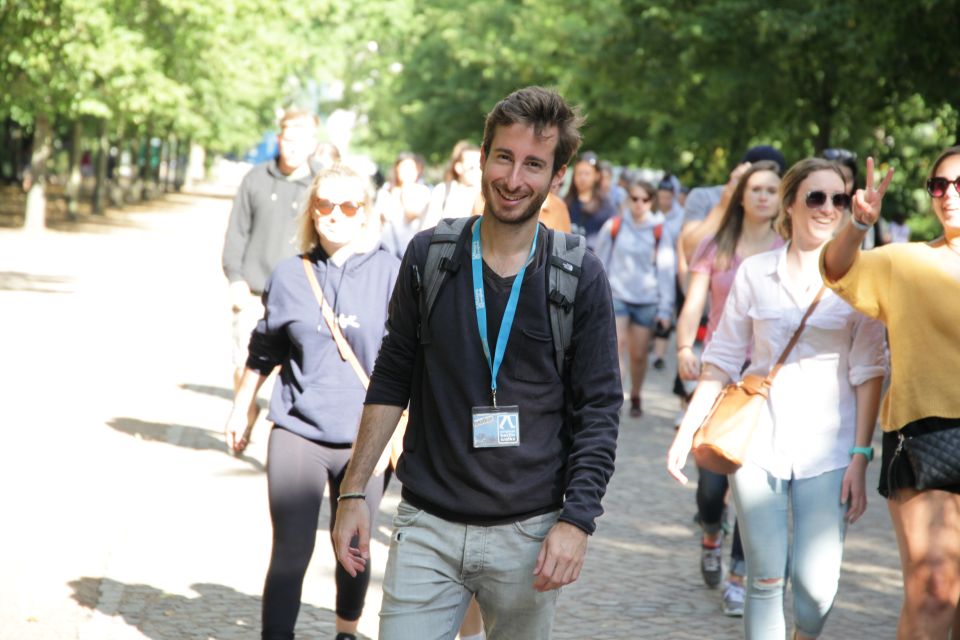
- A guide who connects eras: Prussian, Imperial, Nazi, Cold War, and today all link together while you walk.
- Big-ticket landmarks in one circuit: Brandenburg Gate, Checkpoint Charlie, Museum Island, and central squares.
- Heavy history, handled as context: Bebelplatz and Hitler’s last stand are included, with story-driven framing.
- Stories about real people: Albert Einstein, Marlene Dietrich, and JFK are woven into the walk’s narrative.
- Private options if you need control: shorter or longer touring is available with a private guide.
- Value at $23: you’re paying mostly for a trained guide, not just entrance fees.
A simple walk that explains how Berlin changed
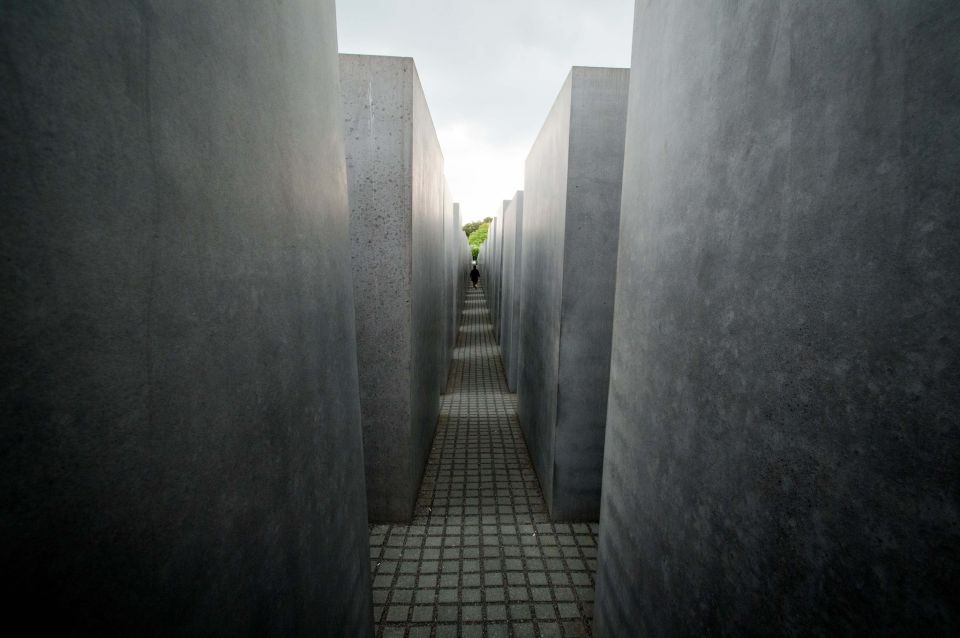
Berlin can feel like a patchwork city. New glass sits next to stone that still remembers war. This tour makes that patchwork readable by building a timeline as you move, so the places you see don’t feel random.
The format is straightforward: you get a live guide (German or English), you walk between key points, and the guide gives you the “why” behind each location. That matters because Berlin’s center isn’t just pretty. It’s political. It’s ideological. It’s personal for many Germans and many visitors.
I like that the story isn’t only about one era. You’ll hear how Berlin grew from medieval origins, then moved through Prussian and Imperial power, Nazi rule, and the Cold War’s divided city reality—before arriving at the Berlin people recognize now. That gives you a map for understanding what you’re seeing after the tour too, like why certain buildings look the way they do, and why certain memorials trigger debate.
You can also read our reviews of more walking tours in Berlin



Brandenburg Gate and the palace-squares feeling: where power gets staged
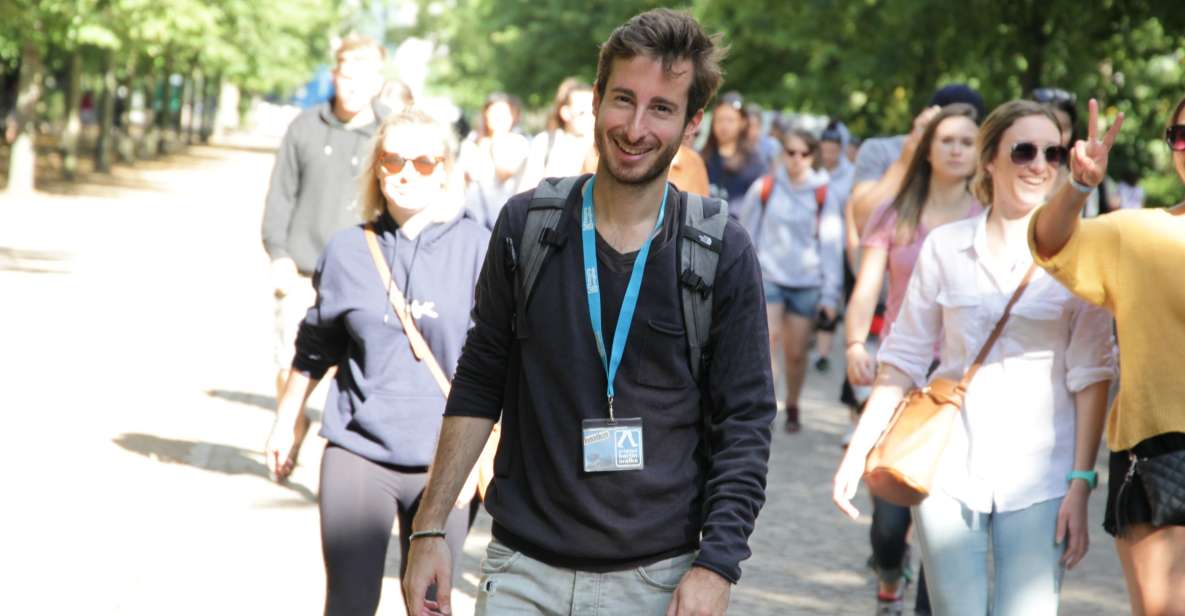
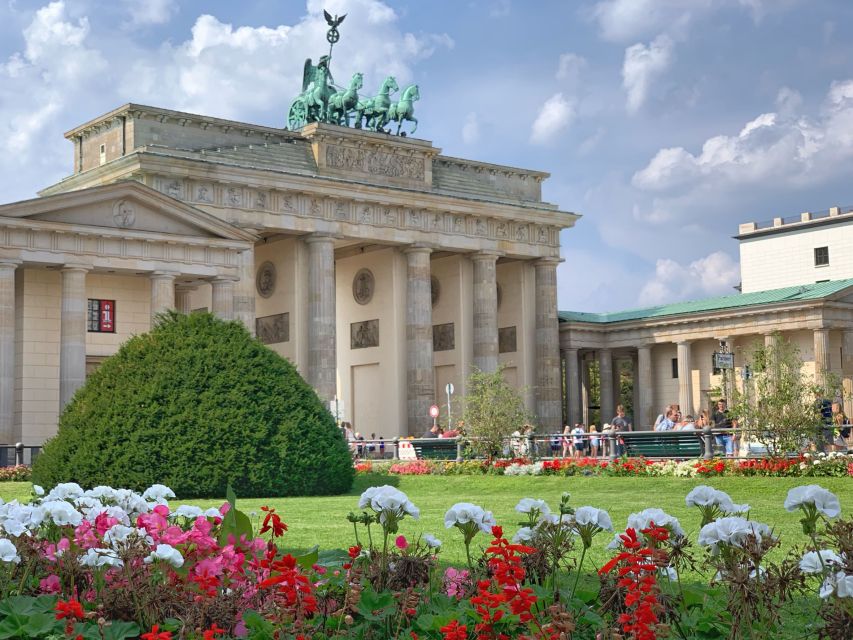
You’ll start in the parts of central Berlin that signal “state power.” This is where the city shows you its official face: wide squares, monumental architecture, and the kind of street geometry that makes a crowd feel small.
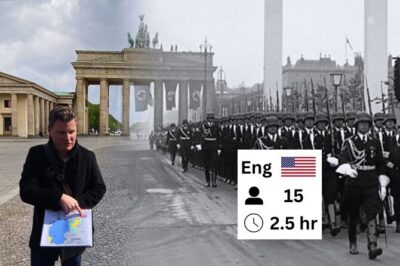
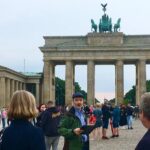
As you approach the Brandenburg Gate and nearby imperial-style landmarks, the guide’s job is to help you read what the stone is trying to say. The Gate isn’t just a famous photo stop; it’s tied to how Berlin positioned itself across different regimes. You’ll also connect it to broader themes—how authority wants to look stable, how cities use architecture to project strength, and how Berlin’s later political fractures changed what people felt when they stood in these same places.
From a practical point of view, this section is also a good “starter loop.” You’ll quickly learn what kind of tour pacing you’re getting—short narratives at each stop, then longer explanations when the setting helps. That’s helpful if you only have a day or two in Berlin and want to avoid getting lost in guidebook details.
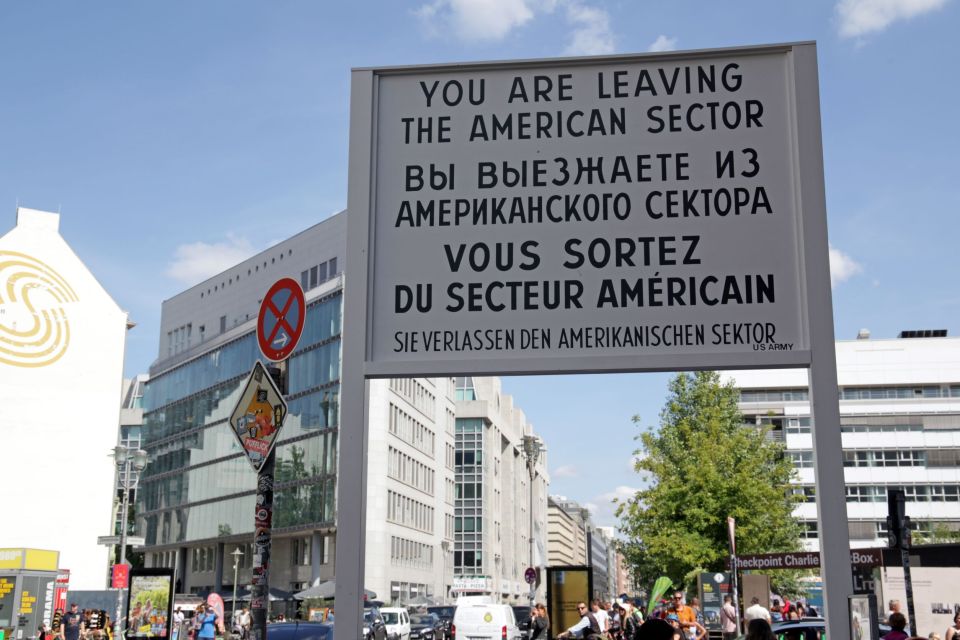
Checkpoint Charlie: Cold War history at walking speed
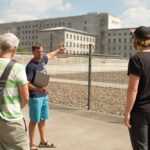
Then you hit the Cold War’s most famous crossing: Checkpoint Charlie. This is the part where Berlin’s division becomes real in your head. You’re not just hearing about an idea like the Iron Curtain—you’re standing near the kind of street corner where rules, borders, and fear turned into daily life.
What I like about including Checkpoint Charlie is that it forces the Cold War story to be concrete. Your guide can point out how the city’s division shaped movement and identity—who could go where, who couldn’t, and what it did to families trying to plan a future.
You’ll also hear about escapes across the Berlin Wall. That’s one of the most gripping themes on the walk because it balances the official, controlled story of a border with the human urge to get out. The guide’s narrative style—often described as warm and engaging—helps keep the emotional weight moving without turning the tour into a lecture that you can’t absorb.
Museum Island and Berlin Cathedral: art, religion, and public meaning
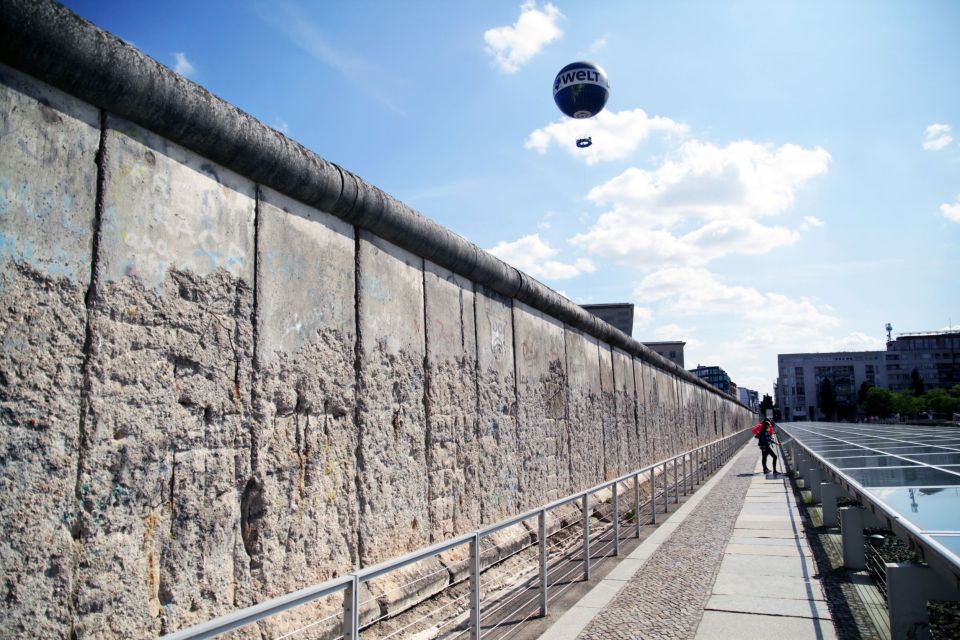
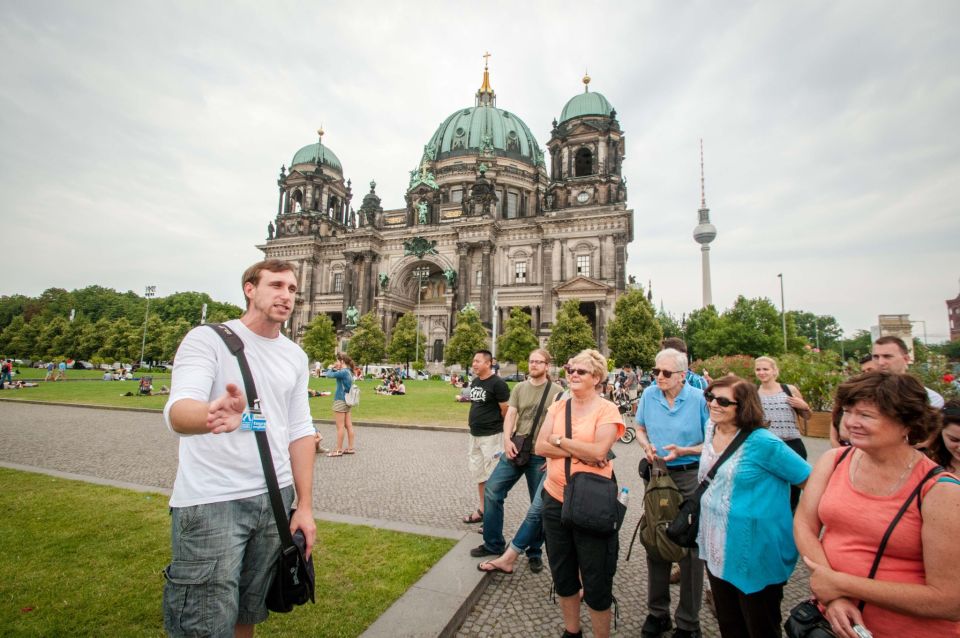
You’ll also spend time around Museum Island and pass by major religious and ceremonial sites like Berlin Cathedral and Palace Square. These stops shift the tone a notch. It’s no longer only border tension and political control. It’s Berlin as a cultural capital, with institutions that shaped what people thought mattered.
Museum Island is useful on this tour because it shows how Berlin wanted to represent itself as a place of learning and culture—even when politics nearby were getting darker. The guide connects these kinds of landmarks to who had power and how they tried to shape public life.
At Berlin Cathedral and Palace Square, I’d think of the buildings as “stage sets” for Berlin’s public story. Even if you don’t go inside museums or churches, the exterior views help you understand how the city organized importance. It’s also a good moment for photos, because the architecture here gives you clean lines and a sense of scale.
The main drawback here is that you’re still walking. If you’re the kind of person who wants long stops for every building, you might feel a little rushed. The trade-off is you get a lot of major sites in just a few hours.
Bebelplatz: the Nazi book burning site and the meaning of silence
One of the most thought-provoking stops is Bebelplatz, tied to the Nazi book burnings. This is not a casual “look and move on” point. It’s a location where the guide can explain how censorship worked as a form of control—how destroying books was about more than punishing authors. It was about removing ideas from public life.
The tour also mentions controversies around the design of the memorial. That’s important because it reminds you that even memorials have meaning debates. People argue about how to remember, how to teach, and what kind of language a memorial should use.
If you like history that makes you think, this stop is a highlight. It’s also emotionally heavy in a way that’s easy to handle only if you’re ready for serious content. The good news: the overall pace of the tour is designed to keep context digestible, and guides on this route are often described as able to explain complicated parts without making them harder to carry.






Hitler’s suicide site: the most intense stop, framed by Berlin’s last days
Next comes the site of Hitler’s suicide—one of the darkest points in 20th-century Europe. You’re standing where the end of a regime became immediate reality in April 1945.
This stop matters because it anchors the Nazi story to a specific place. It’s also where Berlin’s later narratives—rebirth, accountability, and remembrance—start to feel less abstract. Your guide ties this moment into the broader arc of the city’s transformation after the war and into the Cold War years that followed.
You’ll also hear about the Berlin Wall era from the perspective of people trying to escape. That connection is clever, because it highlights how Berlin moved from one kind of extreme control to another, and how the human response—risk, hope, and resistance—kept showing up.
For practical readiness, dress for the weather. This area can feel exposed, and the topic may slow the group down. If you’re traveling with someone who prefers lighter sightseeing, warn them that the tour includes this intensity and doesn’t skip it.
The guide is the difference: storytelling with real-world connections
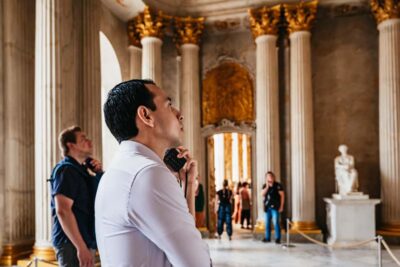
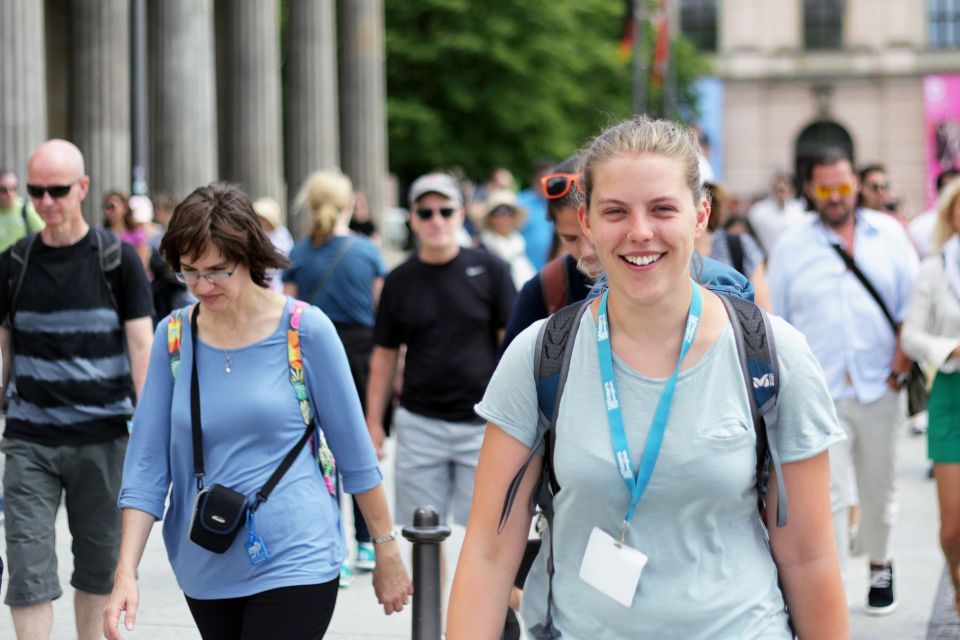
A huge part of why this tour rates so well is the guide approach. Multiple guides are described as mixing history with personality and pacing, so the facts don’t feel like they’re dumped on you.
Names that show up in guide feedback include Anja (described as a historian-archeologist), Philipp, Ben, Joel, Georgia, Stefan, Tobi, Gregor, and Walid. While you can’t guarantee a specific guide, what’s consistent is the style: clear context, warmth, and a willingness to answer questions.
This matters because Berlin’s history isn’t simple. Even the same building can mean different things depending on era and political framing. A good guide helps you understand why people argued, why monuments look the way they do, and why Berliners treat history like something lived—not something locked behind glass.
I also like that the tour ties big historical figures into the story. You’ll hear about people such as Albert Einstein, Marlene Dietrich, and JFK. That keeps Berlin from feeling like a closed-off German timeline. It becomes a European and international story.
Pacing, language, and rain-shine reality
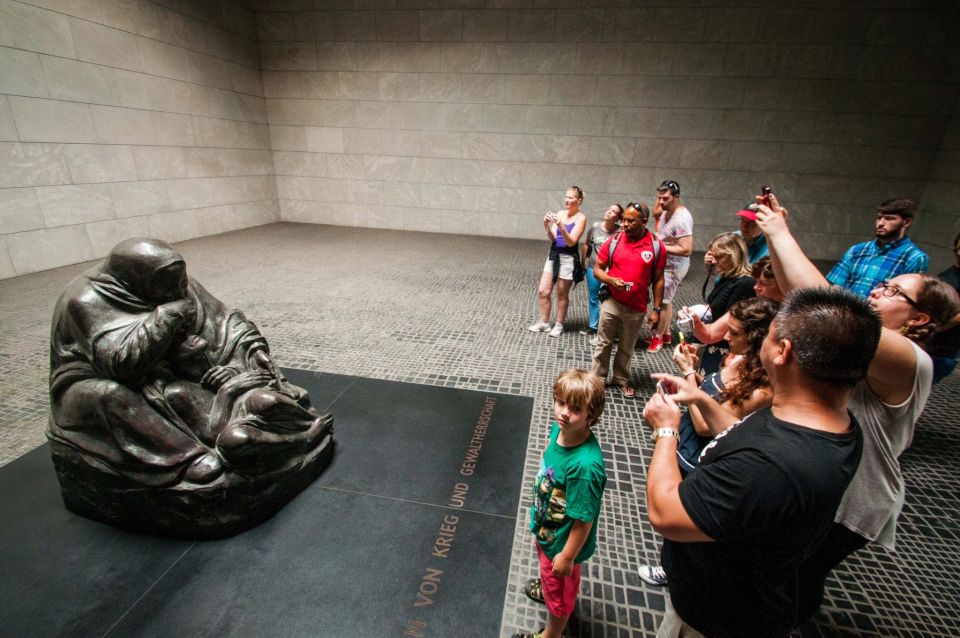
This tour runs 2–4 hours, and it’s designed as a walking circuit through central Berlin. The exact route and meeting point can vary depending on the option you book, so you’ll want to confirm the meeting instructions you receive after booking.
The guide languages are German and English, and you should plan to listen actively. This isn’t a “wander and snack” experience. The walk is doing the teaching.
Weather is a big factor: it takes place rain or shine. That means you should bring weather-appropriate clothing. In winter, that also means think about warmth and layers, not just waterproof outerwear. On a topic-heavy tour, you’ll want to stay comfortable enough to focus.
One more practical note: because there are many major sites, wear shoes you trust. You’ll be walking between squares and landmarks, and Berlin sidewalks can be uneven in places. If your feet get tired, your attention drops—then the tour becomes more about surviving the walk than absorbing the story.
Value check: why $23 can feel like a bargain
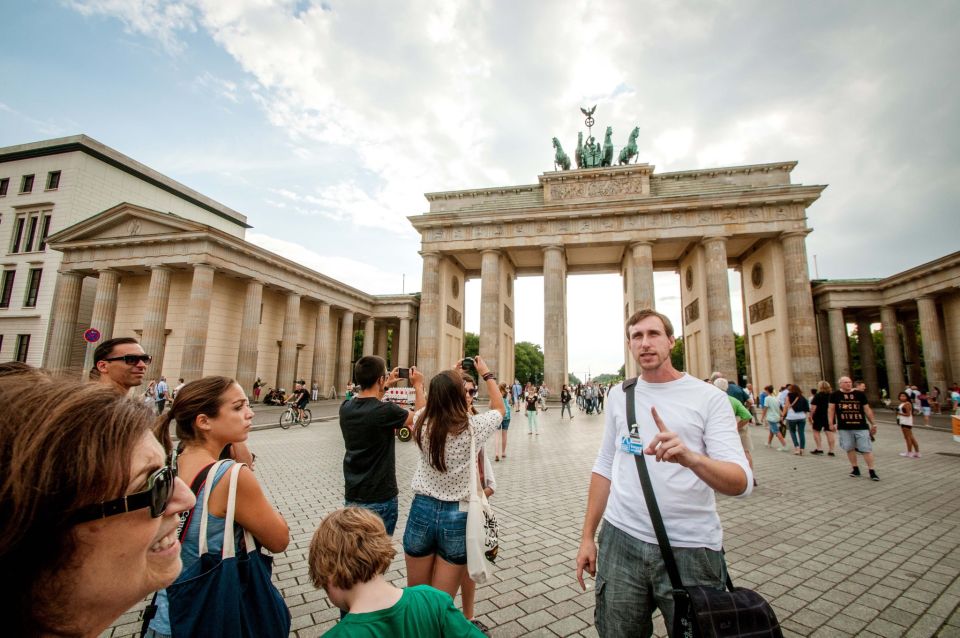
$23 per person is low for a multi-stop, guide-led history walk—especially one that includes emotionally and politically significant sites like Bebelplatz and the Hitler suicide location.
Here’s the value equation I’d use: you’re not paying for museum tickets or special access listed in the provided details. You’re paying for the guide’s ability to make sense of a dense city center. Berlin’s self-guided history can easily turn into reading plaques and still feeling unsure what connects everything. A strong guide compresses that effort into a few hours.
Also, the structure matters. The tour doesn’t just throw destinations at you. It threads themes across eras—so each stop builds on the last. That reduces the “what did I just see?” feeling that can happen when you only do landmarks without context.
If you’re wondering whether this will be worth it when you could just walk on your own: for most first-time or short-stay visitors, paying for a guide tends to be the difference between seeing Berlin and understanding why Berlin feels the way it does.
Who this tour fits best (and who might want a different option)
This tour is a strong match if you:
- want major sights in one walk without stitching together multiple tickets
- care about history that connects politics to street-level life
- like guides who answer questions and explain the “why,” not only the “what”
It might be less ideal if you:
- hate heavy topics and would rather keep your sightseeing lighter
- struggle with standing/walking for up to 4 hours (even with breaks)
- need a completely flexible pace every few minutes
If you’re traveling with kids or teens, it’s doable only if everyone is comfortable with serious history. Your guide’s storytelling style can help, but this tour includes Nazi-era and WWII-linked subject matter.
Should you book?
Yes—if you want an efficient way to understand central Berlin beyond postcard photos. This is one of those walks where the guide’s narrative turns famous landmarks into a timeline you can actually use. With $23 for a 2–4 hour guided circuit, it’s good value, and the stop selection hits the places you’ll keep hearing about afterward.
Book it if you’d rather spend your limited time making sense of the city than trying to piece together the story on your own. Just go prepared for serious history and for weather that won’t wait for perfect conditions.
FAQ
How long is the Berlin walking tour?
The tour lasts 2–4 hours, depending on the option and starting time you choose.
What are the main sights included?
You’ll see major Berlin landmarks including Checkpoint Charlie, the Brandenburg Gate, Museum Island, Bebelplatz (Nazi book burning site), and the site of Hitler’s suicide. The tour also references stops around the Berlin Wall, Berlin Cathedral, and Palace Square.
Do I need to worry about weather?
Yes. The tour runs rain or shine, so bring weather-appropriate clothing.
What languages is the live guide available in?
The live guide is available in German and English.
Is there a private group option?
Yes. Private group options are available, and there’s also the option to take a shorter or longer tour with a private guide.
What is included in the price?
The tour includes a guide.
Where do we meet for the tour?
The meeting point may vary depending on the option booked.
Can I reserve now and pay later?
Yes. The experience offers reserve now & pay later, so you can book without paying immediately.
Is free cancellation available?
Free cancellation is available up to 24 hours in advance for a full refund.
How much does it cost?
The price is $23 per person.