REVIEW · BERLIN
Queer Berlin Tour: Birthplace of LGBTQ+ Movements
Book on GetYourGuide →Operated by insightcities.com · Bookable on GetYourGuide
Berlin tells its queer story on foot. This Queer Berlin Tour turns famous landmarks into real-life moments, from the early “gay ghetto” of Schöneberg to the ideas and people who pushed rights forward. I love how the Magnus Hirschfeld stops connect major breakthroughs in gender and sexuality to the street you’re standing on, and I also love the way the guide makes the timeline feel human, not textbook. One consideration: it’s a walking tour, so plan for steady walking and let the operator know if mobility is a challenge.
With guides like Dan and Justin, the tone stays lively without losing the weight of what happened. I especially liked small-group dynamics, because you can actually ask questions, and the route feels more like a guided conversation than a race between photo stops. Expect a mix of Schöneberg bar culture, Weimar-era stories tied to Christopher Isherwood, and darker chapters of persecution you can’t ignore.
In This Review
- Key things I’d highlight before you go
- Entering Schöneberg: where the story gets specific
- The Holocaust-era memorial stops: what you walk past
- Hirschfeld and the Institute for Sexual Science: ideas, erased, rebuilt
- Real de Catorce and the Schöneberg streets: learning the neighborhood, not just monuments
- Unter den Linden: disguises, famous names, and uneasy contradictions
- The Christopher Isherwood and Cabaret connection
- El Dorado Cabaret, Marlene Dietrich, and the danger behind fame
- Chez Romy Haag and David Bowie’s Berlin: when heartbreak becomes a song
- Alexanderplatz and the Cold War ending: life behind the Iron Curtain
- Price and value: is $153 worth 3 hours?
- Who should book this Queer Berlin Tour?
- Should you book it?
- FAQ
- How long is the Queer Berlin Tour?
- What does the tour cost?
- Does it include entry tickets or just the walking tour?
- Where does it drop you off at the end?
- Is the tour only in German?
- Is it a private tour or a group tour?
- Is it wheelchair-friendly?
- Is there a cancellation option if plans change?
Key things I’d highlight before you go
- Schöneberg as a lived queer neighborhood, not just a label: you walk through the area often called the world’s first gay ghetto.
- Magnus Hirschfeld’s real legacy on the map, including the Institute for Sexual Science site and its historical role in LGBTQ+ activism.
- Memorials that explain the stakes, from Nazi persecution to organized emancipation efforts.
- Weimar-to-modern storytelling, with Christopher Isherwood’s Berlin and the Cabaret connection in the air.
- Nightlife history you can trace, including the former El Dorado Cabaret and a major 1970s nightclub link to David Bowie.
- Cold War East Berlin, spelled out clearly, ending with Alexanderplatz and what life could mean behind the Iron Curtain.
Entering Schöneberg: where the story gets specific
The tour gets going in the Schöneberg area, and that matters. This isn’t “Berlin in general” with a queer angle; it’s Berlin’s queer geography, mapped carefully in a few hours. You start around Nollendorfplatz, and from there the guide sets the theme: why this neighborhood became a magnet for queer community life—and what it cost people.
Schöneberg is often described as the world’s first gay ghetto, but what you’re really seeing is how a city forms pockets of safety and culture. As you stroll, you’ll pass through streets where legendary lesbian bars used to anchor social life. That context helps you read the neighborhood the right way: not as a historical theme park, but as a place shaped by visibility, rumor, nightlife, and community survival.
A practical note: this route covers multiple areas without being a marathon. Still, you’ll want comfortable shoes and a simple plan for breaks (water helps, because it’s easy to get caught up in the stories and forget your body needs a breather).
You can also read our reviews of more tours and experiences in Berlin


The Holocaust-era memorial stops: what you walk past
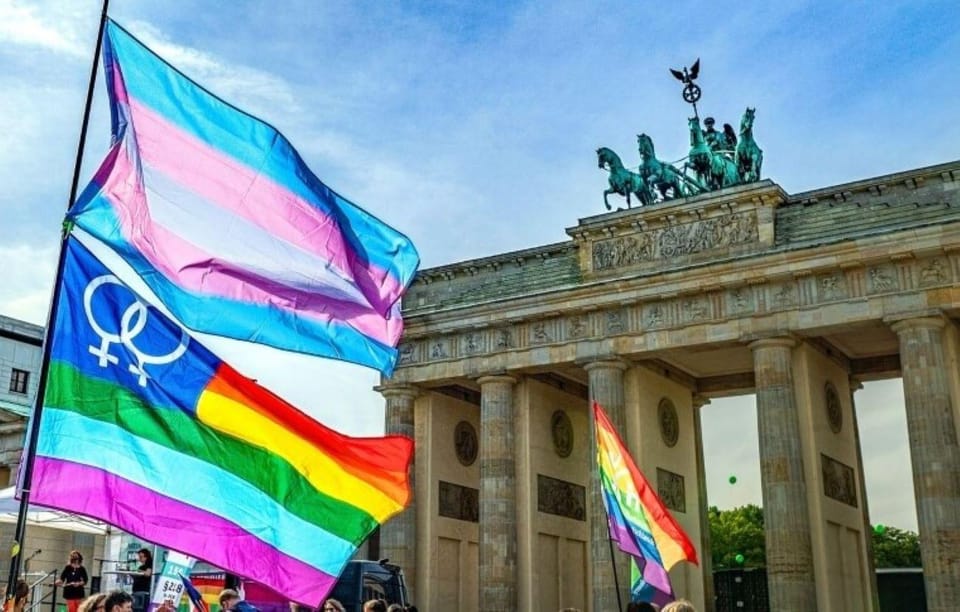
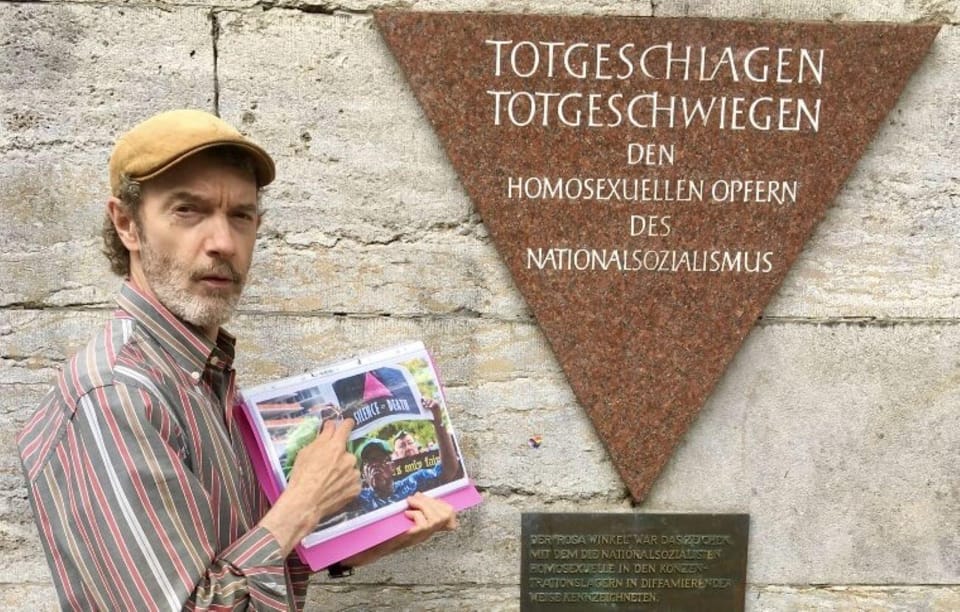
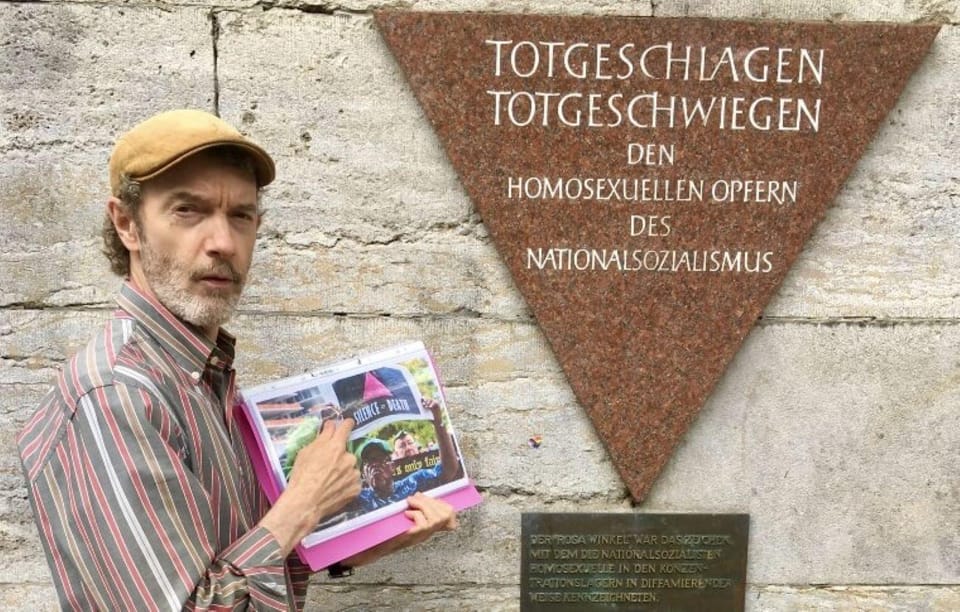
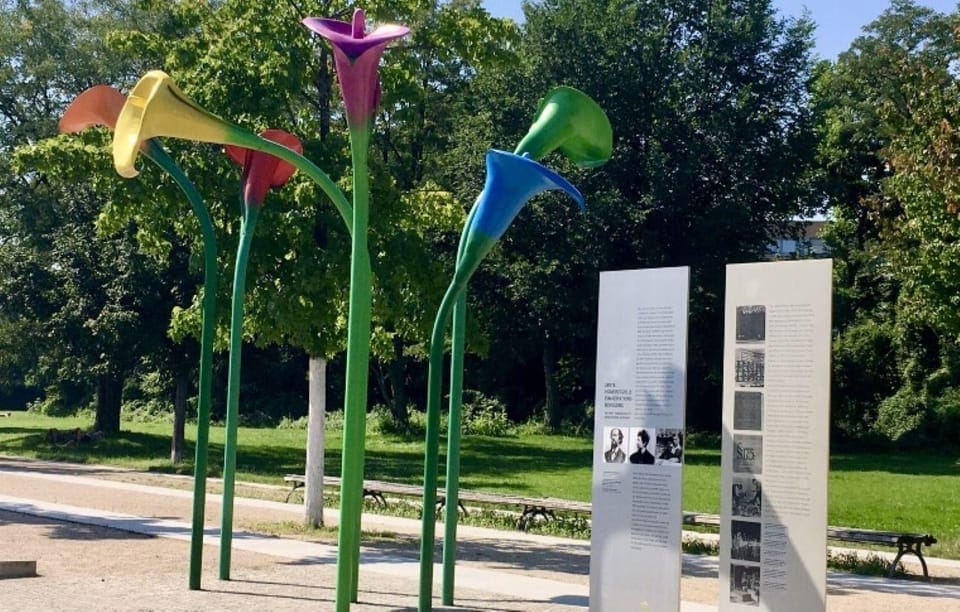
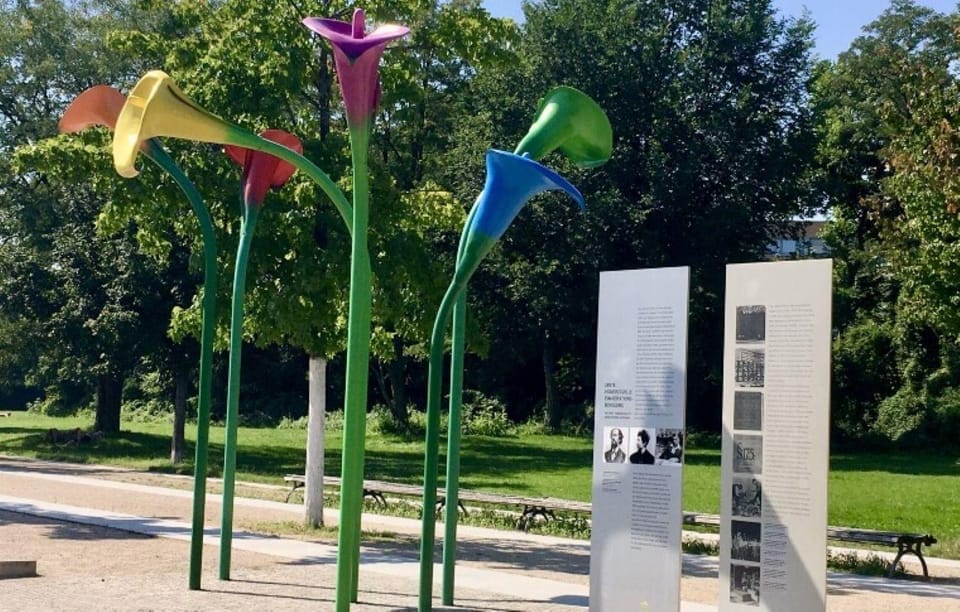
One of the most important parts of the tour is how it uses memorials to keep history grounded. You’ll visit the Memorial to the Homosexuals Persecuted Under Nazism, plus a monument connected to the Gay Emancipation Movement in the Tiergarten area. These stops do more than mark tragedy—they explain how persecution worked and why it erased lives and records.
Berlin’s Nazi-era persecution of gay men and other targeted groups is part of the route’s backbone. The tour also ties into what happened to institutions that supported LGBTQ+ life before the Nazis took control. You’re not only learning names; you’re seeing what the physical city still carries—damage, memory, and the slow rebuilding afterward.
If you’re the type who likes a tour to stay “uplifting” only, you might find parts of this emotionally heavy. That said, the tour handles the topic directly, with enough context to make the history understandable rather than vague.
Hirschfeld and the Institute for Sexual Science: ideas, erased, rebuilt
Magnus Hirschfeld’s presence in Berlin is one of the tour’s strongest threads. You’ll stop at the site connected to the Institute for Sexual Science, the pioneering institution founded there. The guide walks you through why Hirschfeld mattered: he was a major force behind gay rights activism, and he coined the term transsexualism, shaping how people talked about gender in a scientific and political way.
Then the tour hits a painful turning point. The Nazis closed the Institute in 1933 and burned the library. That detail isn’t just a shocking anecdote—it’s a clue to what power can do to knowledge. You get the sense that the city’s queer history didn’t disappear quietly; it was forcibly dismantled.
Hirschfeld’s cultural work is part of the story too. The tour includes his connection to Anders als die Andern (Different from the Others), described here as the first pro-gay film in the world in 1919. For me, that’s where the tour feels extra smart: it connects activism to culture, not activism to slogans alone.
Real de Catorce and the Schöneberg streets: learning the neighborhood, not just monuments
Between the big historical anchors, you’ll also get stops that help you read Schöneberg as a living neighborhood. The itinerary includes a guided stop at Real de Catorce, which gives you another layer of street-level context beyond the most famous memorial locations.
This “in-between” pacing is useful. It’s what keeps you from only seeing plaques and names. You get moments where the guide can explain how queer spaces used to function in daily life—where people went, how they socialized, and how visibility could shift depending on time and politics.
Even when the tour mentions nightlife links, it stays practical: you learn how the scene worked, not just that there were clubs. If you’re the kind of traveler who later wants to walk the same streets on your own, these smaller stops help you build that mental map fast.
Unter den Linden: disguises, famous names, and uneasy contradictions
The tour moves toward Unter den Linden, and this is where it broadens out. You meet early figures tied to Berlin and learn about how sexuality could be hidden or handled under social pressure—even by people you might assume were “above” that kind of risk.
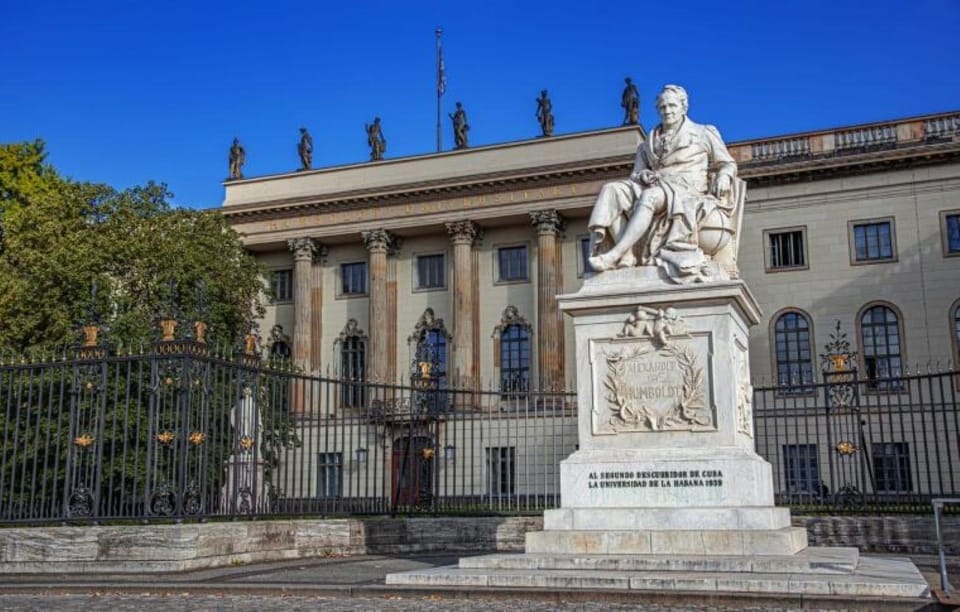
The guide brings up Frederick the Great and explorer Alexander von Humboldt in the context of disguising sexuality. That’s a striking contrast: the same city that later becomes a center for queer community life also contains examples of how discretion and secrecy were demanded long before modern rights language.
This stop makes the tour feel more complete. It reminds you that queer history isn’t only about a few nightlife streets. It’s also woven into power, empire, and institutions—often through careful concealment.






The Christopher Isherwood and Cabaret connection
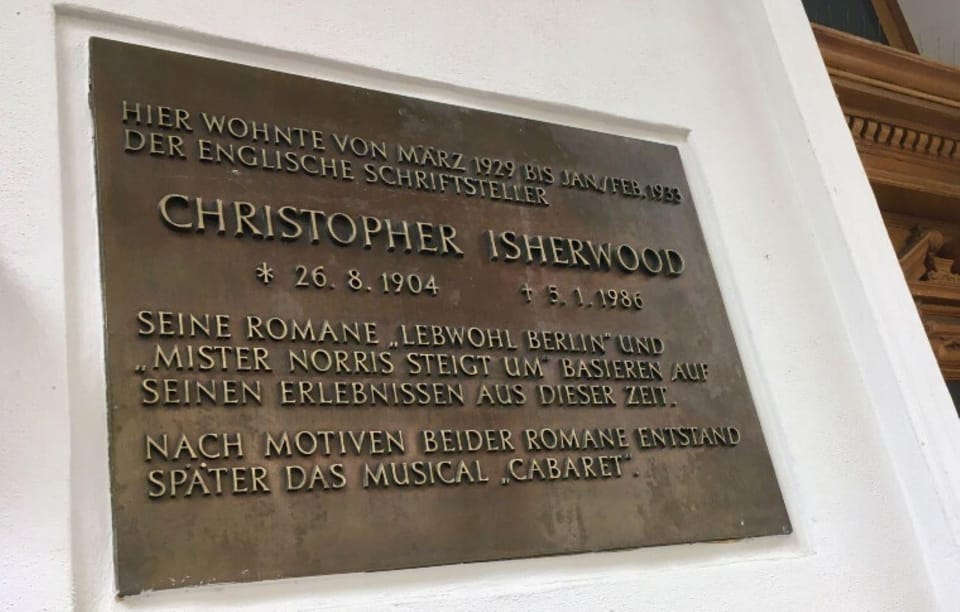
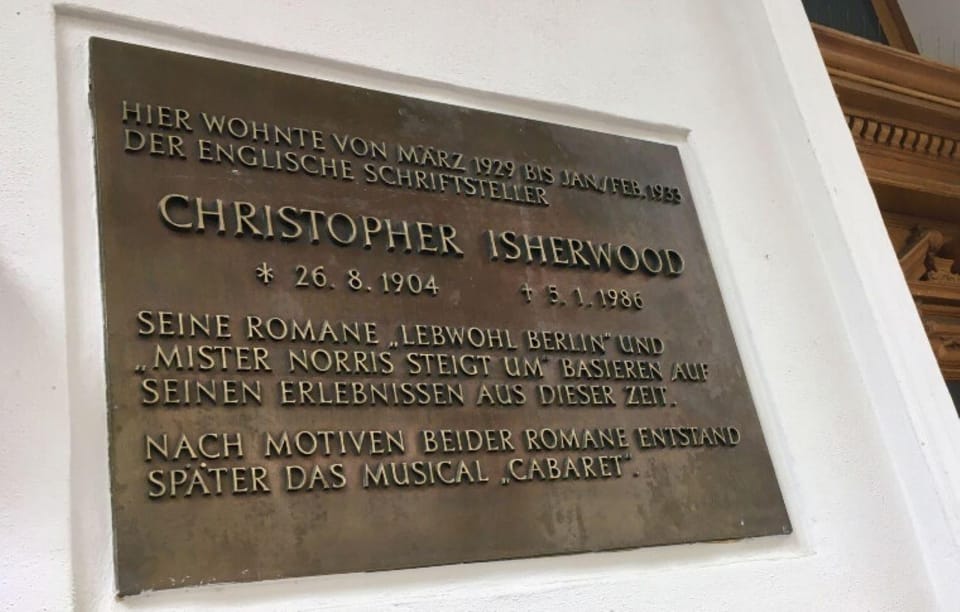
From there, you’ll hit the Christopher Isherwood thread. The tour includes a visit to his former flat. That location matters because Isherwood’s Weimar-era experiences inspired the musical Cabaret, and the tour uses that connection to translate Berlin’s early 20th-century energy into something you can picture.
What I liked here is the bridge between art and place. You get to understand why Cabaret became a shorthand for that era’s atmosphere. The guide doesn’t treat it like a costume party; it’s placed inside the real tensions of Weimar Berlin, where nightlife could be expressive but also politically fragile.
You’ll likely also pass nightclub-adjacent areas tied to the kinds of spaces Isherwood’s circle would have understood. The tour uses those streets to show how culture and identity overlapped.
El Dorado Cabaret, Marlene Dietrich, and the danger behind fame
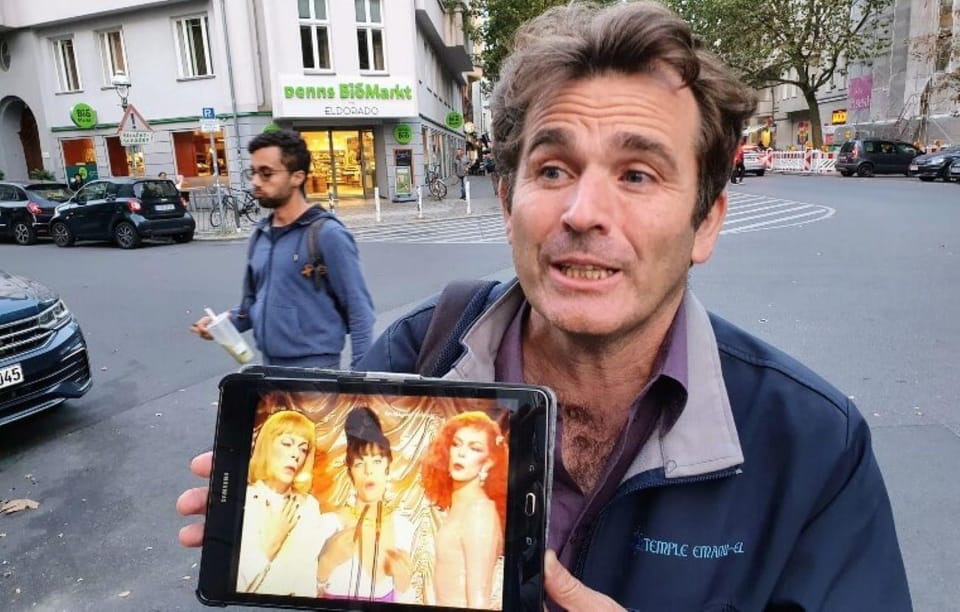
The tour then anchors you in the former El Dorado Cabaret. Here you hear about Marlene Dietrich performing there, and the guide links the venue to notable figures such as Ernst Röhm—openly gay, and head of the Sturmabteilung (the Nazi Brown Shirts).
That is a tough, unforgettable connection: the idea that even people close to power were not safe from political purges. The tour explains Röhm was executed in 1934 during the Night of the Long Knives (Nacht der langen Messer). It’s one more reminder that persecution didn’t require a long timeline or consistent logic; it could be swift, strategic, and brutally final.
The tour also mentions a rent-boy dive that remains gay-run to this day, along with passing other nightclubs. I like that blend because it shows continuity. Berlin’s queer nightlife wasn’t erased cleanly and then reborn later; it adapted, survived, and kept some threads moving forward.
Chez Romy Haag and David Bowie’s Berlin: when heartbreak becomes a song
One of the most memorable stops is tied to the iconic nightclub of the 1970s, Chez Romy Haag. The guide explains that transgender actress, singer, and dancer Romy Haag met and began an affair with David Bowie there.
This is where the tour’s pop-culture side lands with real purpose. The guide connects the relationship to Bowie’s iconic song Heroes. Instead of treating the story like trivia, you learn how personal experience can become cultural output—and how Berlin’s queer nightlife helped shape artists who reached far beyond Berlin.
This part feels especially good if you like your tours to move between eras without losing the thread. The tour turns the city into a timeline you can walk through, not just a list of facts.
Alexanderplatz and the Cold War ending: life behind the Iron Curtain

The tour wraps up at Alexanderplatz, the heart of Cold War East Berlin, and it addresses the suffering endured by gays and lesbians behind the Iron Curtain. That ending matters because it gives the story a clear “next chapter” beyond Nazi rule and Weimar nightlife.
If you’ve been thinking the tour is only about the flamboyant side of Berlin, this finish rebalances it. You’re left with the idea that queer life has always existed under pressure—from state violence and censorship to daily constraints.
In my view, that’s what makes this tour feel responsible. It doesn’t let you romanticize the past without acknowledging how hard it could be to simply live openly.
Price and value: is $153 worth 3 hours?
At $153 per person for a 3-hour walking tour, you’re paying for more than movement between sights. You’re paying for interpretation: the guide turns a dense set of LGBTQ+ landmarks into a coherent story that spans Weimar culture, Hirschfeld’s activism, Nazi persecution, postwar rebirth, and Cold War repression.
Here’s how I judge the value. The tour includes multiple major anchors—Schöneberg, Hirschfeld’s Institute site, memorials, Christopher Isherwood’s flat, the former El Dorado Cabaret, and Alexanderplatz. It also includes specific cultural tie-ins (Cabaret and Bowie/Heroes) that help you remember the route after you leave.
If you’re already a Berlin-history pro, this price still may be fair because it’s not just “see this, read that.” It’s a guided narrative packed into a short window. If you want total freedom to wander at your own pace, then a guided tour at this price might feel rigid—but for most first-time visitors who want real context fast, it’s a solid use of time.
Who should book this Queer Berlin Tour?
This tour is a strong fit if:
- You want LGBTQ+ history connected to specific streets and sites, especially Schöneberg.
- You like storytelling that connects politics to culture (Hirschfeld, Cabaret, Bowie).
- You want a tour that also includes the hard parts—Nazi persecution and Cold War suffering—not just feel-good highlights.
- You’re comfortable walking for about 3 hours and want an expert-led route.
It might be less ideal if:
- You dislike tours that move from nightlife history to mass persecution themes.
- You have mobility limits and can’t handle a walking format (reach out to discuss options).
Should you book it?
Yes, if you want queer Berlin to feel real and specific. The tour’s biggest strength is how it stitches together big names and big ideas with physical locations: Hirschfeld’s scientific activism, the Institute’s destruction, the Schöneberg neighborhood identity, and the cultural echoes of Cabaret and Heroes. Guides like Dan and Justin bring different flavors, but both sets of experiences point to careful storytelling and a small-group feel that makes the history easier to take in.
If you’re short on time and you want the city’s LGBTQ+ story without piecing it together yourself from scraps, this is one of the more efficient ways to do it.
FAQ
How long is the Queer Berlin Tour?
It lasts 3 hours.
What does the tour cost?
The price listed is $153 per person.
Does it include entry tickets or just the walking tour?
The included items are a 3-hour guided walking tour plus visits to key historical LGBTQ+ sites and related stories. Metro fare is not included.
Where does it drop you off at the end?
The tour has 2 drop-off locations, including Berlin, Impala Coffeeshop.
Is the tour only in German?
The guide speaks German and English.
Is it a private tour or a group tour?
Private or small groups are available.
Is it wheelchair-friendly?
It’s a walking tour, and you should contact the operator if you have mobility issues or concerns.
Is there a cancellation option if plans change?
You can cancel up to 24 hours in advance for a full refund, and there’s also a reserve now & pay later option.