REVIEW · BERLIN
Street Art & Berlin Gay, Queer, Trans History + Free Gay Map
Book on GetYourGuide →Operated by Gali Jaffe - Archaeology Online · Bookable on GetYourGuide
Berlin gets personal on this street-art walk.
I like that this tour pairs Schöneberg’s street art with Gali Jaffe’s guide-led queer and trans storytelling, so you’re not just looking at walls, you’re learning how communities shaped the city. You also get a very human feel: the route is light and colorful, but the context is serious, and Gali tends to tailor the pace and focus to what your group cares about.
One thing to consider: this experience is designed for ages 16 and up, so it may not be the best pick if you’re traveling with younger kids. Also, if you want only giant, postcard-level sights, this one leans more toward neighborhood streets, art spots, and history stops rather than big monuments.
If you want a calmer way to get your bearings in Berlin’s queer and trans timeline, this is a strong choice for $57 and a tight 2 hours.
In This Review
- Key things you’ll notice on this tour
- Why Schöneberg street art and queer/trans history belong together
- Starting at Wittenbergplatz: a smooth 2-hour format
- Schöneberg’s street-art walk: where the murals meet the story
- A standout church stop that changes the tone
- Urban Nation Gallery: guided viewing plus time to roam
- The Nollendorf stroll: Isherwood, El-Dorado, and Hirschfeld’s influence
- The free Berlin Gay Map: what to do with it after the tour
- Price and value: is $57 worth it?
- Who this tour is for (and who should skip it)
- Should you book this Street Art and Berlin Gay, Queer, Trans History walk?
- FAQ
- How long is the tour?
- Where does the tour start and end?
- What language is the tour in?
- How big is the group?
- Is the tour wheelchair accessible?
- What should I bring?
- Is it suitable for children?
Key things you’ll notice on this tour
- Small group (up to 10 people) that keeps the conversation going
- Expert trans woman guide, Gali Jaffe, with a clear, guided narrative
- Street art in less toured areas plus a church stop you wouldn’t stumble on easily
- Urban Nation Gallery with a guided visit and then free time
- Schöneberg and Nollendorf neighborhood walk, with stops tied to queer culture
- Free Berlin Gay Map to help you keep exploring after the tour
Why Schöneberg street art and queer/trans history belong together
Berlin’s street art isn’t just decoration. Here, it works like a visual timeline: layers of styles, messages, and community presence that you’ll connect to the people and places shaping queer life.
What I like about this tour’s approach is that it treats art as evidence. You walk, you look closely, and you get context for why particular places mattered to Berlin’s gay, queer, and trans communities. The tone stays friendly and approachable, but you’re still learning real names and real institutions, not vague references.
The route also nudges you off the most predictable sightseeing path. Instead of staying trapped in the usual photo circuits, you’re in a neighborhood where you can feel how Berlin grew, changed, and argued with itself over identity and rights.
You can also read our reviews of more historical tours in Berlin

Starting at Wittenbergplatz: a smooth 2-hour format

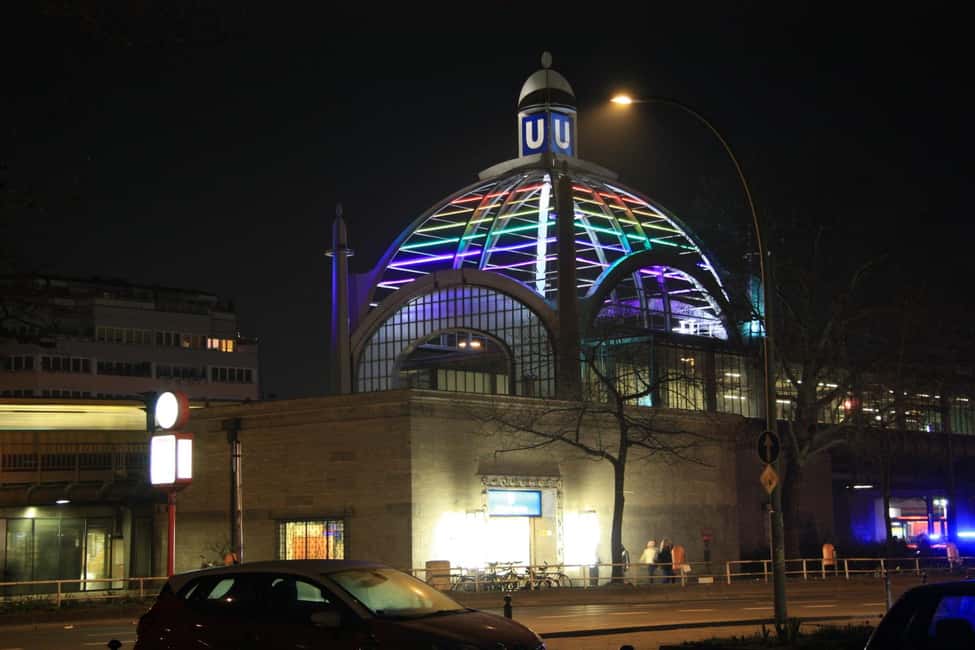
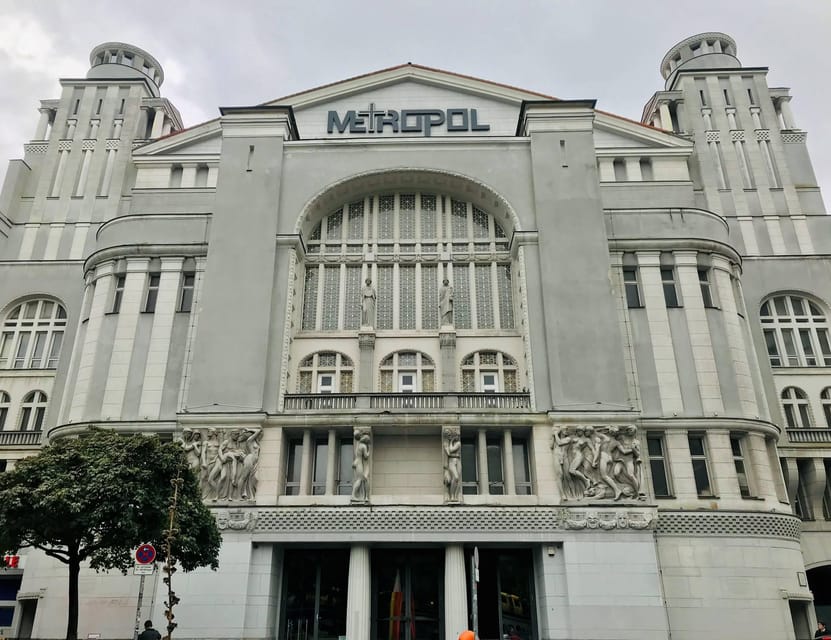
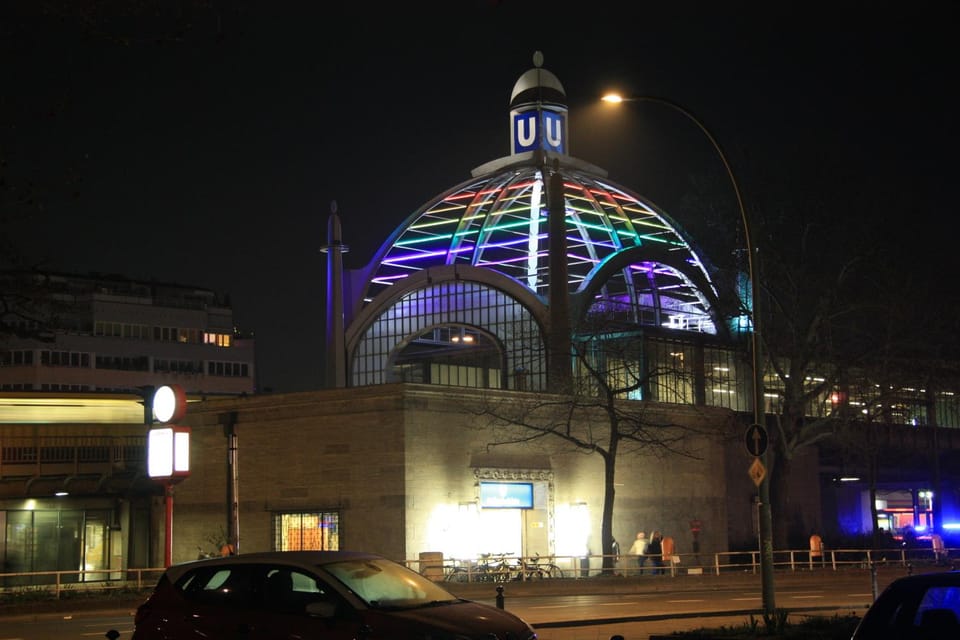
The tour starts at the entrance to the Underground Station Wittenbergplatz, in front of the KDW department store. It ends back at the same meeting point, which makes the whole plan easy if you’re juggling lunch, museum tickets, or an evening reservation.
This is a 2-hour, English-language walk with short public transport moments (think about a quick hop rather than long commutes). That matters because it keeps the group moving without exhausting you, especially when the tour includes both outdoor street art time and indoor viewing at Urban Nation.
Group size is limited to 10 participants, and that low number is part of the value. You get room for questions, and the guide can respond to what your group actually wants to know.
Schöneberg’s street-art walk: where the murals meet the story

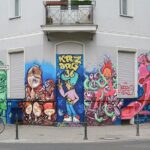
Your first main stretch is in Schöneberg, with guided time built around looking carefully at murals and street art. You’re not just passively hearing facts; you’re being taught how to read what you see—color, placement, and symbolism—so the visuals start making sense.
This is where the tour feels most playful. The streets are the classroom, and you’ll be moving through streets where the art doesn’t feel staged for tourists. It’s also a smart way to understand neighborhood identity, because street art often reflects local voices and shifting cultural norms.
A practical note: street art tours move at a walking pace, so wear comfortable shoes. Even though the schedule is tight and well-managed, Berlin pavement is Berlin pavement.
A standout church stop that changes the tone
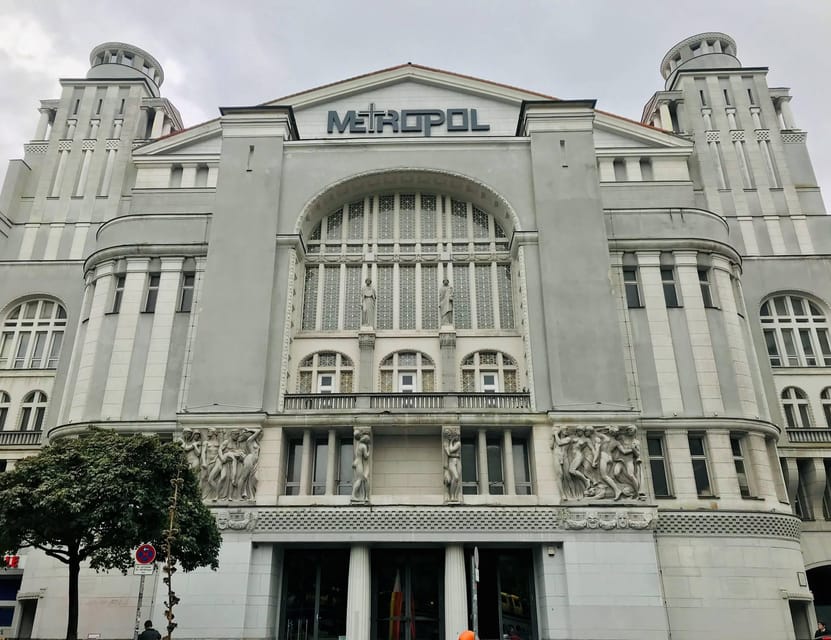
After the initial street art segment, the tour includes a stop to see a particularly unique and interesting church in Berlin. I like this kind of contrast because it prevents the tour from staying trapped in one mode (art-only, history-only).
Churches in Berlin can be a window into how communities formed and interacted over time, including how public life and private identity collided. Even though the tour doesn’t position this as a deep religious lesson, the stop gives you another lens for understanding how the city’s social fabric evolved.
If you’re the type who likes variety—outdoor art, then architecture, then an art gallery—that church pause is a good rhythm change. If you’re trying to avoid anything that might feel formal or quiet, treat it as a short cultural stop, not a long ceremony.
Urban Nation Gallery: guided viewing plus time to roam

Next up is Urban Nation Gallery, where you’ll get a guided visit and then about 20 minutes of free time. This is a key part of the experience because it shifts from street-level work you can find outside into a curated space that reflects how Berlin thinks about street art as culture.
The “guided first, then you explore” format works well. The guide sets you up with what to look for, and the free window gives you control—linger over pieces that catch your eye, check out details at your own speed, and take photos without feeling rushed.
If you love street art, this stop is a strong reason to book. You’ll see how street art can be treated as more than graffiti: it becomes part of how people communicate, protest, and claim visibility.
You can also read our reviews of more tours and experiences in Berlin




The Nollendorf stroll: Isherwood, El-Dorado, and Hirschfeld’s influence

After Urban Nation, the tour continues with a stroll through Nollendorf, where you’ll see several place-based connections to queer culture and trans history in Berlin.
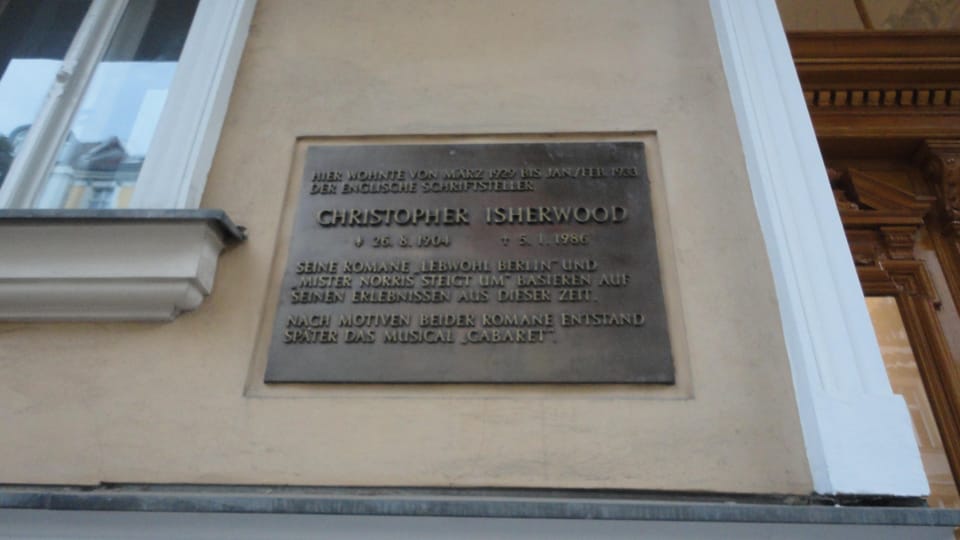
You’ll look at the house of Christopher Isherwood, plus the location of the famous El-Dorado club. Those kinds of stops matter because they anchor big cultural names to real addresses and real urban spaces. It’s easier to remember the story when you can picture the street where it unfolded.
The guide also talks about Magnus Hirschfeld and his Institute for the Science of Sexuality, which is a major part of the city’s queer and trans historical foundation. I appreciate that the tour doesn’t treat Hirschfeld as a dusty textbook subject. You’re given enough context to understand why an institute like this was so unusual for its time—and why it still echoes in how Berlin talks about identity.
This part of the walk is likely to feel the most emotionally resonant. You’ll be outside, moving, and connecting art and place to people’s lives. If you want a Berlin tour that doesn’t float above history, this is the segment that makes it land.
The free Berlin Gay Map: what to do with it after the tour

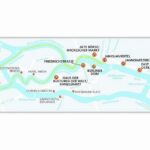
One of the best practical extras here is the free Berlin Gay Map included with the experience. It’s not just a souvenir. It’s designed to help you keep exploring after the 2 hours end.
Here’s how I’d use it: pick one or two suggested areas from the map and build a flexible plan for the rest of your day. Use the tour’s stops as your “anchor points,” then let the map guide your next steps without needing to research everything from scratch.
Berlin is huge, and transit plus neighborhood switching can get complicated fast. A map that’s already tailored to queer history and sightlines can save you time and reduce decision fatigue—especially if it’s your first time in the city.
Price and value: is $57 worth it?
At $57 per person for a 2-hour guided tour, the value comes from a few specific things you’re getting together:
- A small group capped at 10 people, which keeps it interactive
- An English live guide (Gali Jaffe) who leads both art viewing and historical context
- A route that mixes street art, a church stop, and an art gallery (Urban Nation)
- Neighborhood visits in Schöneberg and Nollendorf, tied to recognizable queer cultural touchstones
- A free Berlin Gay Map that extends the usefulness beyond the tour
If you compare this to doing a street art walk on your own, you’d likely spend time figuring out what to look for and which names connect to which streets. Paying for a guide at least buys you focus and saves you a chunk of guesswork.
The only “cost” is the format: it’s a walking experience, not a sit-down lecture, and it’s geared to ages 16 and up. If that matches your style, the price feels fair.
Who this tour is for (and who should skip it)
This is a great fit if you want:
- A queer and trans history tour that’s told through places, not just timelines
- Street art plus context, not street art alone
- A guide who brings the subject matter with personal clarity and a welcoming tone
- A small-group experience that feels like conversation, not a class
You might skip it if:
- You’re traveling with kids under 16
- You only want the most famous landmarks and don’t care much about neighborhood streets, churches, and galleries
- You’re not up for a walking-focused itinerary with short public transport hops
Should you book this Street Art and Berlin Gay, Queer, Trans History walk?
Book it if you want a Berlin experience with two strengths in one: art you can see and history you can place. The combination of street art viewing, Urban Nation, and the neighborhood stops tied to Christopher Isherwood, the El-Dorado club, and Magnus Hirschfeld makes the tour feel grounded and specific.
If you’re already excited by queer Berlin history and you’d like your first pass through the city to feel organized but not stiff, this tour does that well. And if you like getting a practical planning tool afterward, the included Berlin Gay Map helps you keep the momentum.
If you’re unsure, think about your priorities: art and neighborhood storytelling, or big monuments only. If it’s the first, this is a smart booking.
FAQ
How long is the tour?
The tour lasts about 2 hours.
Where does the tour start and end?
It starts at the entrance to the Underground Station Wittenbergplatz, in front of the KDW department store, and it ends back at the same meeting point.
What language is the tour in?
The live guided tour is in English.
How big is the group?
It’s a small group limited to 10 participants.
Is the tour wheelchair accessible?
Yes, the activity is wheelchair accessible.
What should I bring?
You should bring a public transport ticket.
Is it suitable for children?
It is not suitable for children under 16 years.