REVIEW · BERLIN
Berlin: Gay Berlin Out in Schöneberg Walking Tour
Book on GetYourGuide →Operated by Sonderweg-Berlin · Bookable on GetYourGuide
Queer Berlin has a map, and it’s walking distance. The Nationalhof stop and Tobias’s story-driven approach are the two reasons this tour works so well, linking interwar organizing to today’s street-level LGBTQ life. One watch-out: it’s a walking format with no food or drinks, so bring water and be ready for rain or cold.
You’ll spend 2.5 hours around Nollendorfplatz in Schöneberg, moving block by block from places like the Hollandais club and Kleist Casino to Motzstraße’s El Dorado and the homes tied to Christopher Isherwood. The focus is both historical and practical: you’ll learn what changed under the Nazis’ rise and why West Berlin later rebuilt a gay district, including a lesbian quarter on Schwerin Straße.
In This Review
- Key highlights at a glance
- Walking through Schöneberg’s queer map, block by block
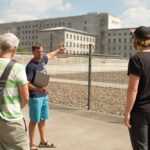
- Tobias leads with stories, humor, and real artifacts
- Nationalhof: the heart of the gay rights movement
- Motzstraße and the El Dorado cabaret club site
- Hollandais club and Kleist Casino: interwar nightlife you can map
- Christopher Isherwood’s home on Nollendorfstraße
- The return of West Berlin’s gay district (and what you see today)
- What the 2.5-hour walking format feels like
- Price and value: is $23 for 2.5 hours fair?
- Who this tour is best for
- A couple of real-world considerations before you book
- Should you book the Schöneberg Gay Berlin walking tour?
- FAQ
- How long is the Berlin Schöneberg Gay Berlin walking tour?
- How much does the tour cost?
- What’s included in the tour price?
- Are food and drinks included?
- What languages is the guide available in?
- Is the tour wheelchair accessible?
- What is the cancellation policy?
- Where is the meeting point?
Key highlights at a glance
- Nationalhof: the center of Berlin gay-rights momentum
- Motzstraße and El Dorado: cabaret culture you can still picture from the pavement
- Interwar Schöneberg: how the scene grew after World War I, then got crushed
- Hollandais club and Kleist Casino: names you’ll see again in Berlin’s queer map
- Christopher Isherwood on Nollendorfstraße: literature’s real-world address
- Schwerin Straße and Eisenacher Straße: the neighborhood’s later revival into today
Walking through Schöneberg’s queer map, block by block
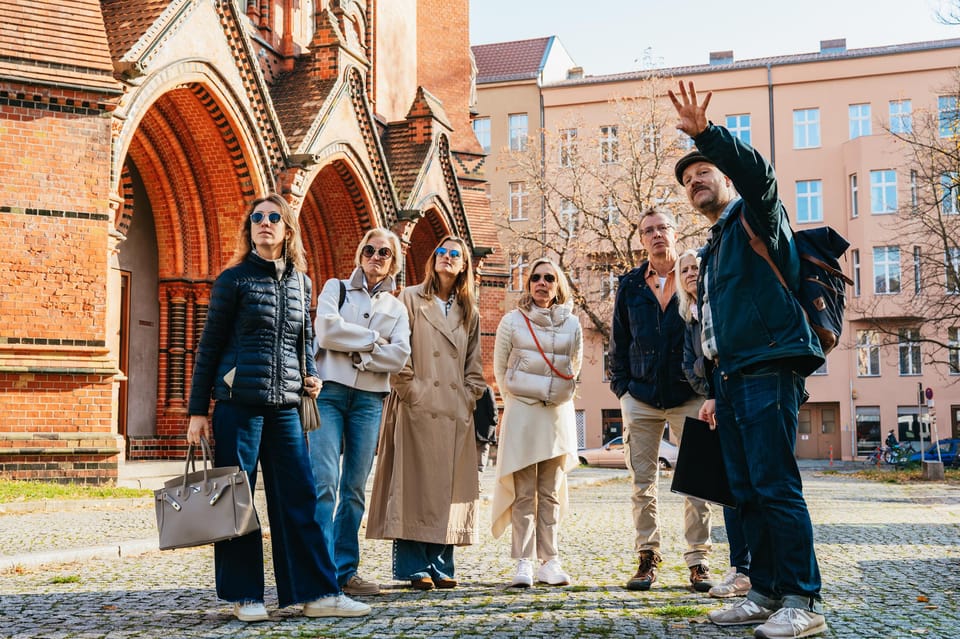
Schöneberg isn’t just a “gay area” in the modern sense. It’s a neighborhood where the past shows up on street corners—sometimes gently (through old addresses and architecture), and sometimes with a heavy moral weight (when you think about how hard-won rights were attacked). That’s what makes a guided walk here feel different from a typical sightseeing loop.
I like the way this tour keeps you oriented in space. You’re around Nollendorfplatz, and the stops are close enough that the story stays connected to the streets you’re actually standing on. In about 2.5 hours, you get a chain of moments: post–World War I nightlife and organizing, the Nazi era’s disruption, and the later resurgence of gay life in West Berlin that continues in different forms today.
You can also read our reviews of more walking tours in Berlin



Tobias leads with stories, humor, and real artifacts
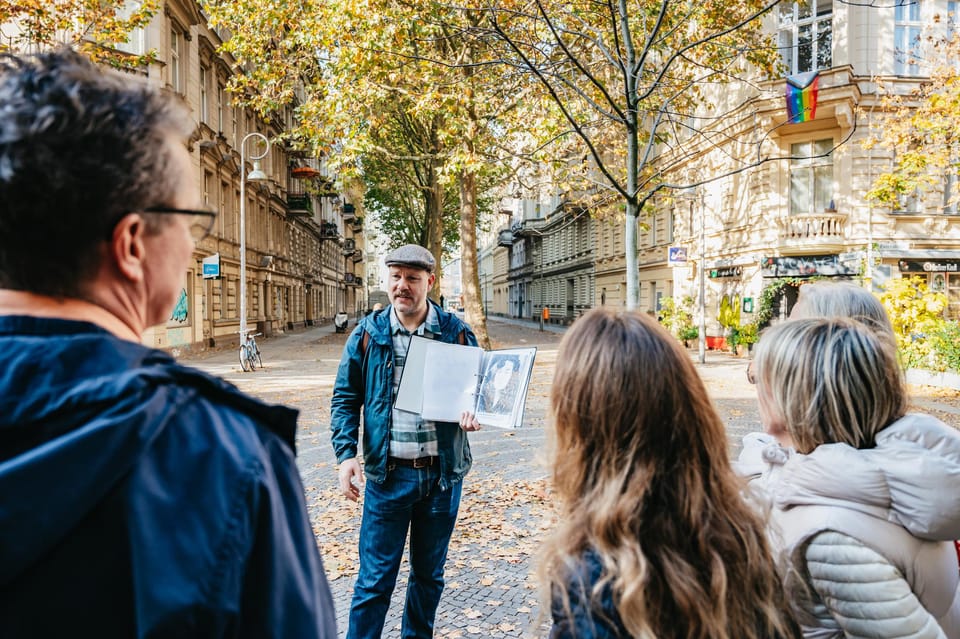
The tour’s reputation is strongly tied to the guide—many people highlight Tobias by name. The common thread: he doesn’t just list facts. He tells them like scenes, with an easy sense of humor and personal anecdotes that keep the group awake and listening.
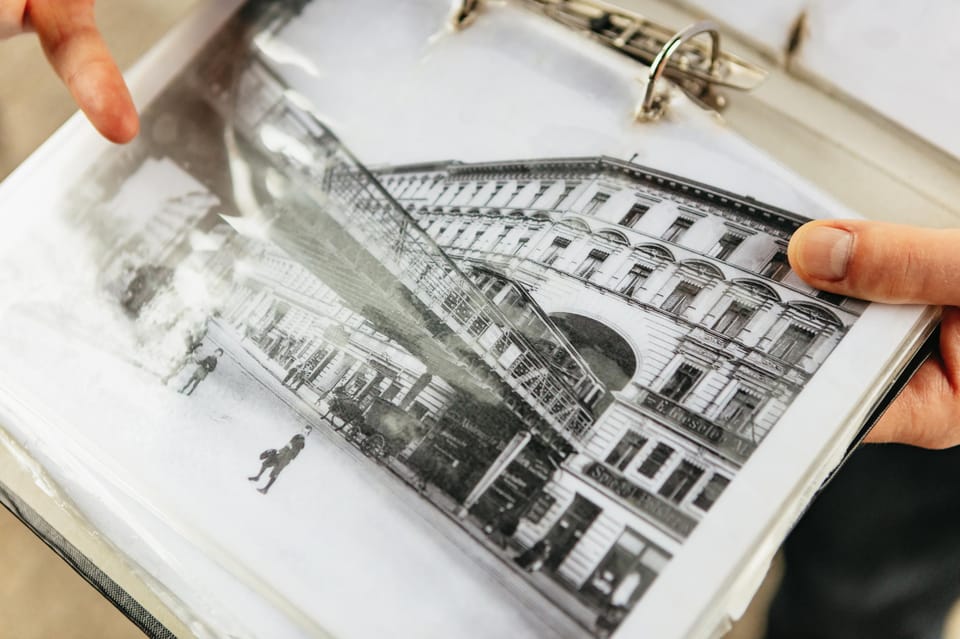
One detail that shows up again and again is the use of visual material—archive pictures and text. That matters because queer history in Berlin can feel abstract if you only know it from books. With images, the places you’re walking past stop being vague and start feeling specific: you can picture the nightlife, the mood, and the people who made it happen.
There’s also a very practical element to the guiding style. People mention comfort stops and flexibility when plans get disrupted, like transport delays. That’s not just nice service—it helps you stay present. When you’re not rushing, you can actually look at buildings, street signs, and the small cues that make Berlin feel like Berlin.
Nationalhof: the heart of the gay rights movement
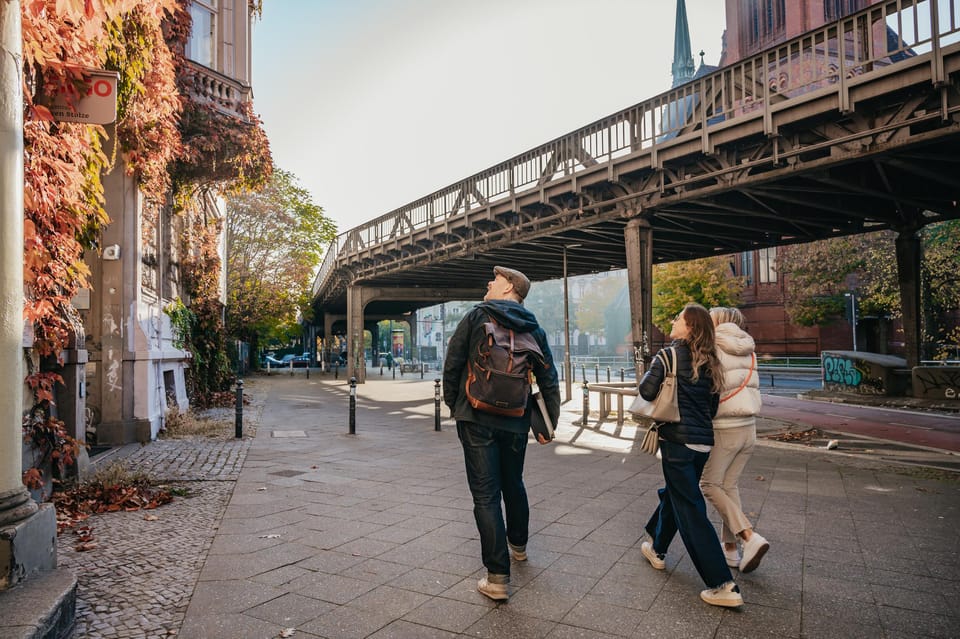
If you want one stop that explains why Schöneberg matters beyond nightlife, it’s Nationalhof. This is described as the heart of the gay rights movement, and the way it’s framed on the tour helps you understand why.
I like how the tour treats rights as something built in public, not something that just appeared. Standing near the Nationalhof area (and hearing what it represented) puts the story in a broader political frame: organizing, visibility, and the social spaces where people met, argued, and supported each other.
A key consideration: if you’re sensitive to difficult political chapters, this stop can bring up darker themes, especially around the early 1930s and the Nazis’ accession. The tour’s approach sounds careful and human-focused, but you should still expect the history to include real harm and real setbacks.
Motzstraße and the El Dorado cabaret club site
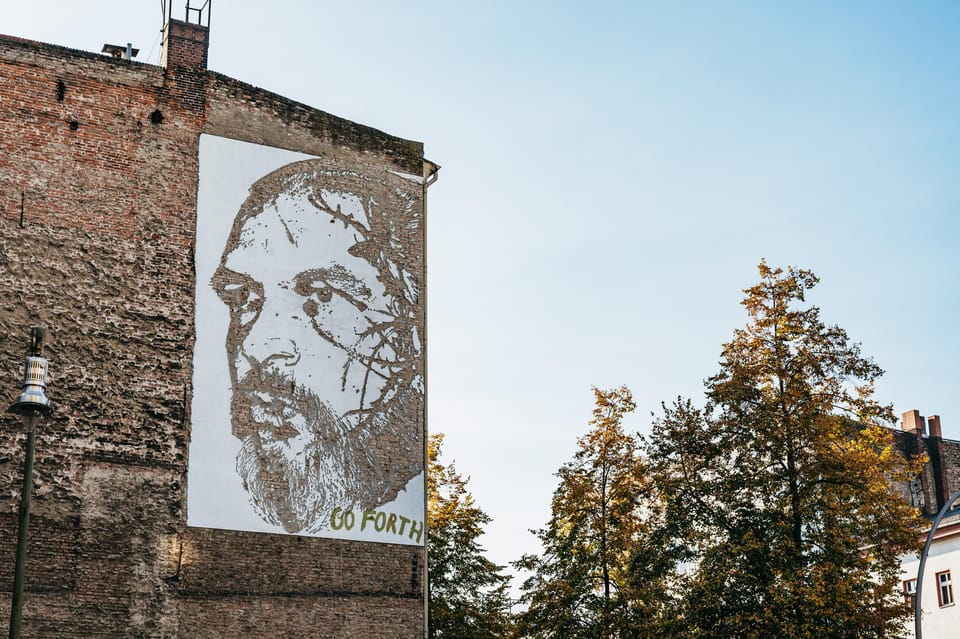
Motzstraße is where you start feeling the personality of the neighborhood—louder, more performative, more night-at-a-time. The tour takes you to the location tied to the famed El Dorado cabaret club, and that’s a great shift in tone after a rights-focused stop.
Cabaret matters because it’s art, social life, and coded self-expression all at once. Even without stepping into a club today, the walk teaches you to read the street like a stage set: you’re learning what kinds of people gathered there, what the culture looked like in its heyday, and why performance spaces became important for queer communities.
Hollandais club and Kleist Casino: interwar nightlife you can map
A big part of this experience covers the interwar years—specifically the era after World War I and up through the early Nazi takeover period. On foot, that timeframe works surprisingly well because the guide can point out locations that connect to names you’ll hear elsewhere in Berlin.
The stops include sites linked to the Hollandais club and the Kleist Casino. These aren’t just “cool old venues.” They’re part of how Berlin’s gay scene took shape: social infrastructure for meeting, flirting, forming networks, and building a sense of community.
This is also where the tour’s pacing helps you learn. You’re moving, not sitting, so each stop acts like a chapter break. You get the arc: the scene blossoms, then politics tightens and threatens everything.
You can also read our reviews of more tours and experiences in Berlin




Christopher Isherwood’s home on Nollendorfstraße
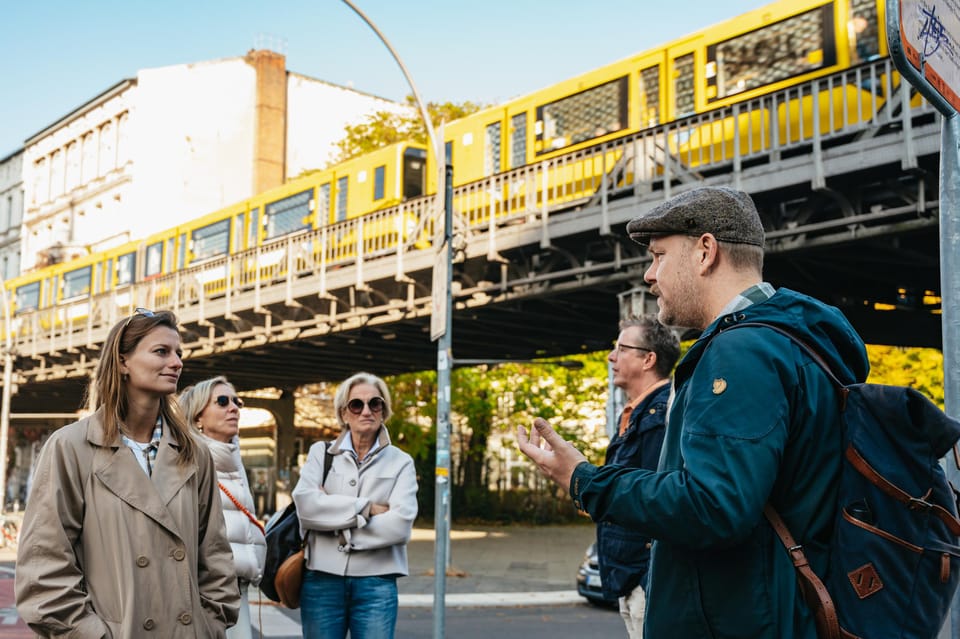
The tour doesn’t treat queer history as only nightlife and protest. It also connects the neighborhood to literature, which is where Christopher Isherwood comes in.
Stopping by the former home on Nollendorfstraße gives you a different kind of clue about Berlin. Isherwood is presented as a novelist whose works formed an integral part of the Gay Liberation movement. That’s the kind of connection I appreciate because it shows how local life can travel outward—into books, ideas, and activism beyond the neighborhood.
Practical note: if you like museum-style interpretation, you’ll likely enjoy this part. It’s an “address with meaning” stop, and the street-level setting makes it feel more grounded than reading a biography.
The return of West Berlin’s gay district (and what you see today)
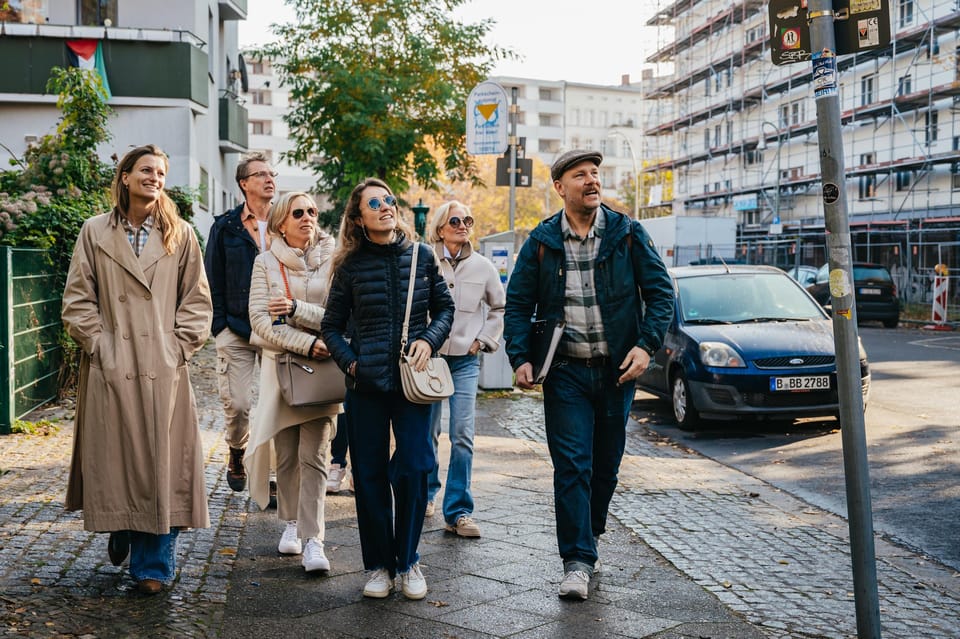
History in Berlin often has two layers: what happened once, and what later generations rebuilt. This tour gives you both, with a clear focus on how the area began to bloom again from the end of the 1960s, including up to the present day.
That’s where you’ll walk through areas associated with the later gay district, and you’ll hear how West Berlin became a different kind of refuge for queer communities. The tour specifically mentions:
- Schwerin Straße for a lesbian quarter
- Eisenacher Straße to show the neighborhood’s continued variety
I like this shift because it stops the story from becoming only about the past. You finish with a better sense of why the streets still feel like they belong to queer communities in the present.
What the 2.5-hour walking format feels like
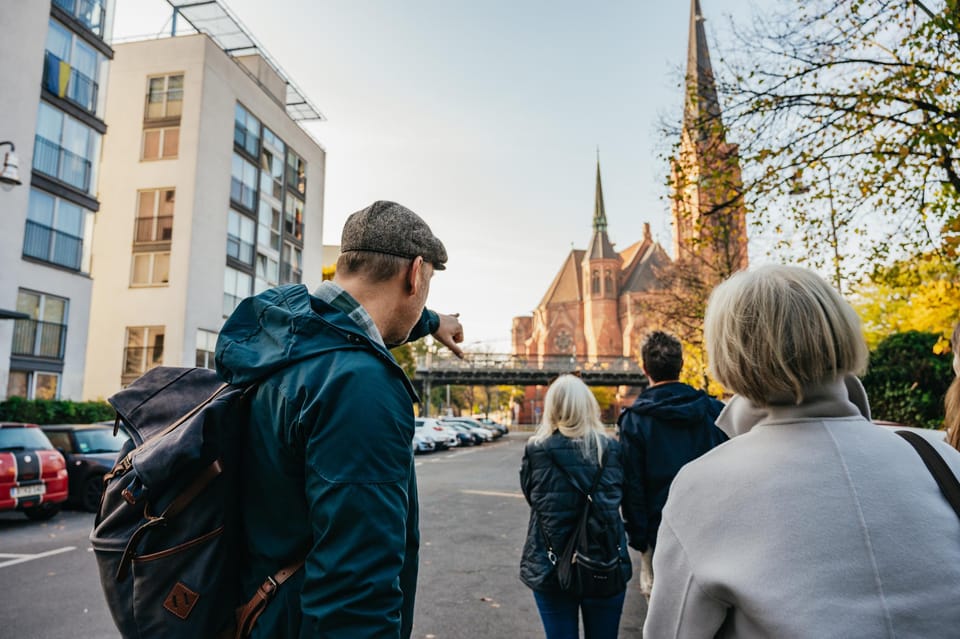
A 2.5-hour walking tour is a sweet spot in Berlin. You get enough time to cover several key streets near Nollendorfplatz without turning it into an all-day project. The tour includes a walking guide throughout, and the stops are spaced so the story stays connected to what you’re seeing.
You should still plan on walking weather. People mention comfort stops, and that helps—but the tour is not designed around long breaks or indoor stops. Also, food and drinks aren’t included, so if you’re the type who gets hungry mid-morning or mid-afternoon, bring a snack or plan your meal after.
In terms of pace, feedback points to a guide who can keep attention without flattening the story into bullet points. Expect an experience that mixes facts, humor, and human details so it doesn’t become a lecture.
Price and value: is $23 for 2.5 hours fair?
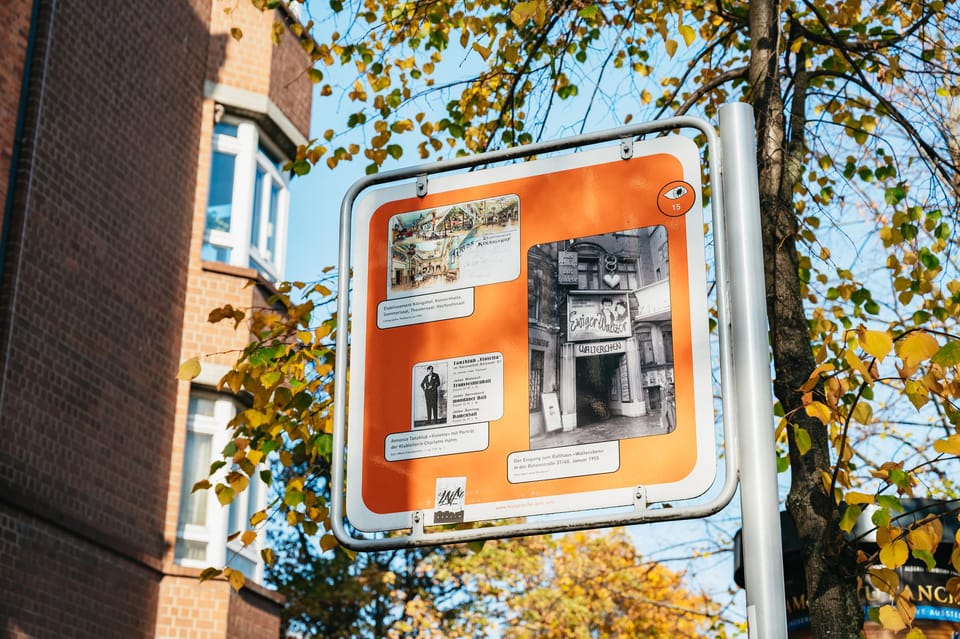
At $23 per person for a 2.5-hour guided walking tour, the value reads as strong—especially because the tour includes more than directions. You’re paying for interpretation: the ability to point out specific locations like the Nationalhof, the El Dorado site on Motzstraße, the Hollandais club and Kleist Casino area names, and the former Isherwood home, then connect those places to the broader social arc.
It’s also a good deal for what it avoids. This isn’t just “go see the old stuff.” It’s a guided framing of how queer life developed, faced political attacks, then returned in later decades. If you want a quick primer before you explore on your own, it’s priced like a helpful first step.
The main trade-off is that food and drinks aren’t included, so you’ll likely spend a little extra if you want a café pause.
Who this tour is best for
This is ideal if you:
- want Berlin gay history that’s tied to real addresses and street names
- enjoy walking tours with a strong story thread
- like the mix of politics, nightlife culture, and cultural figures (not just one angle)
It’s also a good fit if you’re traveling with someone who wants both context and atmosphere. The tour’s blend—rights movement energy, cabaret culture, interwar nights, and later revival—helps different interests stay engaged.
If you’re looking for a strictly light, party-only tour, this one won’t be that. The story includes serious historical turning points. On the other hand, it sounds handled with sensitivity, and the humor in the delivery helps keep it from becoming heavy-handed.
A couple of real-world considerations before you book
Even with a strong overall reputation, a few caution flags show up in the feedback pattern. One is about the end-of-tour café recommendation: at least one person reported poor customer service where the tour suggested going. Another mentions that a guide can run out of time for last questions.
That doesn’t mean you should avoid the experience. It just means you should go in with a simple strategy: ask your questions as you go, especially near the end, and don’t assume any suggested stop will be perfect. If you want a café, keep it flexible and choose based on your own taste.
Should you book the Schöneberg Gay Berlin walking tour?
I’d book it if you want a guided, street-based introduction to queer Berlin that explains why Schöneberg became such a central chapter—and how it connected interwar life, rights movements, cabaret culture, and later revival. At $23 for 2.5 hours, the price feels aligned with the effort and storytelling you’re getting, especially with Tobias and the use of archive visuals.
I’d think twice only if you hate walking in uncertain weather or need lots of built-in time for sitting and eating. Since food and drinks aren’t included, plan your breaks on your terms.
If you’re curious about Berlin beyond the usual sights, this tour is a strong way to get your bearings fast—by learning what the streets meant, not just what they look like.
FAQ
How long is the Berlin Schöneberg Gay Berlin walking tour?
It lasts 2.5 hours.
How much does the tour cost?
The price is $23 per person.
What’s included in the tour price?
You get a walking tour and a guide.
Are food and drinks included?
No. Food and drinks are not included.
What languages is the guide available in?
The tour is offered with live guides in German and English.
Is the tour wheelchair accessible?
Yes, the tour is wheelchair accessible.
What is the cancellation policy?
Free cancellation is available up to 24 hours in advance for a full refund.
Where is the meeting point?
The meeting point may vary depending on the option booked. If you have special dates, times, or a group arrangement, you can request them when telephoning.