REVIEW · BERLIN
Berlin’s Gay, Lesbian, and Queer Scene Small-Group Walking Tour
Book on Viator →Operated by Original Berlin Walks · Bookable on Viator
Berlin’s queer story runs through the streets.
This small-group walking tour connects Schöneberg, Tiergarten, and Kreuzberg to the long arc of LGBT life in Berlin, from the 19th century to today. I especially like how it ties big names—Marlene Dietrich and Mayor Klaus Wowereit—into real places you can actually stand on. One possible drawback: the plan includes a stop at the Gay Museum (Schwules Museum), so if you were hoping for only street-level sights, you may feel the balance is off.
For value, $24.14 for about 3.5 hours with a professional guide is hard to beat, especially with a max group size of 15. Plus, you get a mobile ticket and the tour runs in English, which makes it easier to follow when the city gets complicated. The route ends near Nollendorfplatz, so you can keep your day moving afterward.
What makes this tour feel worth your time is the mix of eras and textures: you start with how queer culture was woven into Berlin for centuries, then you hit modern alternative neighborhoods, a community-focused bar/restaurant, and the club mythology that grew out of the 1990s. Along the way, you’ll also get a grounded look at how neighborhoods shaped daily life for people like Christopher Isherwood.
In This Review
- Key highlights worth circling
- A 3½-hour queer walking route through Berlin’s west
- Price that makes sense at $24.14 (and what’s not included)
- Where to start at Neue Promenade and where to finish
- Stop by stop: from centuries-old tolerance to today’s queer Berlin
- 1) Central Berlin intro: queer culture as part of the city’s fabric
- 2) Modern alternative district: how today’s scene grew into place
- 3) Südblock: a queer-run bar/restaurant with community gravity
- 4) The club story: from 90s queer roots to open-all-hours culture
- 5) An established LGBTQ neighborhood tied to Christopher Isherwood
- 6) Schwules Museum (Gay Museum): where the street story gets deeper
- What the tour teaches beyond the obvious
- Group size and pacing: you’ll actually keep up
- Tips to get the most out of the walk
- Who should book this, and who might not love it
- Should you book this Berlin queer history tour?
- FAQ
- How long is the Berlin Gay, Lesbian, and Queer Scene small-group walking tour?
- What’s the meeting point and the end point?
- Is the tour offered in English?
- How big is the group?
- Does the price include public transport?
- Does the tour include the Gay Museum?
- What’s the cancellation policy?
Key highlights worth circling
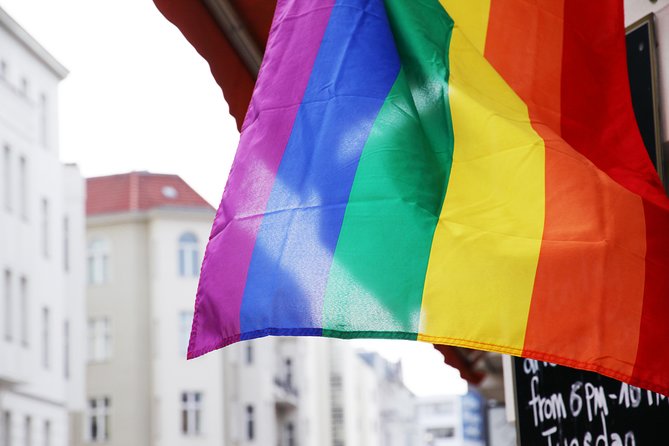
- Schöneberg, Tiergarten, and Kreuzberg: three areas linked by the same community story
- From the 1800s to today: not just nightlife, but shifting visibility and tolerance
- Südblock: a queer-run bar/restaurant described as a pillar of the LGBTQ+ community
- Club history from the 90s to now: how today’s nightlife culture got built
- Schwules Museum (Schwules Museum): context that goes beyond street markers
- Small group (max 15): easier questions and a more human pace
A 3½-hour queer walking route through Berlin’s west
This tour is built for a specific kind of Berlin experience: not a blur of landmarks, but a story told by walking. You’ll cover multiple districts—Schöneberg, Tiergarten, and Kreuzberg—so you’re not just stuck in one neighborhood bubble.
The pacing also matters. At roughly 3 hours 30 minutes, it’s long enough for real context, but short enough that you won’t feel trapped inside a day schedule. And since it operates in all weather, I’d treat it like a reliable plan: rain gear beats day-of disappointment.
You can also read our reviews of more walking tours in Berlin



Price that makes sense at $24.14 (and what’s not included)
At $24.14 per person, you’re paying for a guided narrative plus local orientation. With a max of 15 people, you should get more than just “walk and point” energy—more chances to ask questions when something connects to daily life, laws, or community spaces.
What you need to know: Berlin transport is not included. The tour recommends you plan for a Berlin Transport AB Zone day pass (about €7, available from the guide on the day). That small extra cost can save you time and hassle, so I’d budget for it rather than assume it’s covered in the ticket price.
Where to start at Neue Promenade and where to finish
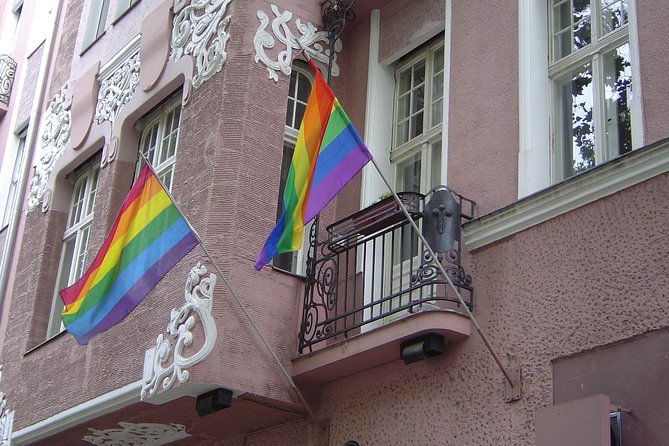
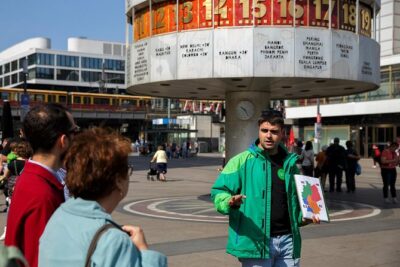
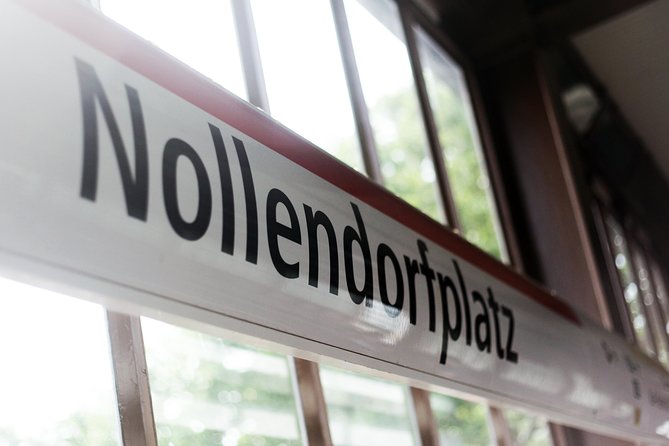
You meet at Neue Promenade 3, 10178 Berlin, and the tour ends at Nollendorfplatz (10787 Berlin). That start point is central, but it can still feel like “lots of people, where’s the group?” if you show up right at the last second.
A practical tip: arrive a bit early and listen for the guide’s clear intro. One of the guide communications notes that they usually announce the tour loudly at the start (example: Queer Tour please follow me). If you’re the type who hates scrambling, this will keep your first five minutes stress-free.
Stop by stop: from centuries-old tolerance to today’s queer Berlin
The tour’s structure is basically a timeline you can walk through. You begin with the idea that queer culture wasn’t something that suddenly appeared—it was part of Berlin’s social life for centuries, even when it faced pressure and risk.
1) Central Berlin intro: queer culture as part of the city’s fabric
Right when you meet, you’ll get the big framing: how queer culture became integral to Berlin over time. This matters because it prevents the common trap of treating queer history like separate “special events.” Instead, you see how changes in politics, visibility, and community spaces shaped everyday life.
You also set expectations early: this isn’t only about famous nightlife; it’s about community identity, public acceptance, and the people behind it.
You can also read our reviews of more tours and experiences in Berlin




2) Modern alternative district: how today’s scene grew into place
Next you move into a modern alternative district. This is where the tour starts to feel current. You’re not just hearing names and dates—you’re seeing how today’s neighborhoods reflect layers of older community patterns.
Pay attention here to the tone shift. Early on you’ll hear about earlier visibility and constraints. Later, you’ll connect that to the more public spaces of today.
3) Südblock: a queer-run bar/restaurant with community gravity
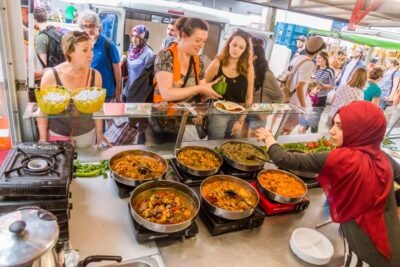
A standout stop is a queer-run bar and restaurant—Südblock. The tour treats Südblock as more than a place to eat or drink. It’s described as an integral pillar of the LGBTQ+ community.
This is an important concept for how you understand Berlin. In many cities, nightlife venues are treated like separate entertainment. Here, you’ll hear how queer-run spaces can act like social infrastructure—meeting points, identity anchors, and community networks.
Even if you’re not planning to spend money on drinks during the walk, the stop still adds meaning. It turns “a bar” into “a place where people stayed connected.”
4) The club story: from 90s queer roots to open-all-hours culture
Then you get the history of one of the world’s most famous clubs—starting with roots in the 1990s and reaching the far more extreme, all-hours nightlife mood of today.
For me, this kind of stop is where the tour becomes memorable. Berlin clubs aren’t only about sound systems; they’re about identity and belonging. When you hear the origins, you start noticing why certain areas and venues carry cultural weight long after the party ends.
5) An established LGBTQ neighborhood tied to Christopher Isherwood
The final major beat is a look at one of Europe’s oldest and most established LGBTQ neighborhoods, plus the life and times of Christopher Isherwood.
This stop gives you perspective. Nightlife stories are fun, but they can feel temporary if you don’t connect them to community continuity. By the time you reach this part, you understand that queer Berlin isn’t just a weekend thing—it’s built from people who lived, wrote, advocated, and endured in the same streets.
6) Schwules Museum (Gay Museum): where the street story gets deeper
The tour also includes a visit to the Gay Museum (Schwules Museum). This is your chance to slow down and absorb the cultural context behind what you saw outside.
From a practical standpoint, I think this stop is the most “choose-your-experience” piece of the day. If you enjoy museums and want names, documents, and context, it’s a strong match. If you prefer movement and outdoor sights, be ready for this section to feel different from the rest.
What the tour teaches beyond the obvious
This isn’t a “facts only” walk. It’s aimed at giving you a mental map for how queer life in Berlin changed over time—what was possible, what wasn’t, and how community visibility shifted.
A few of the personal-name connections are key:
- Marlene Dietrich: you’ll hear how major cultural figures connect to Berlin’s queer world.
- Mayor Klaus Wowereit: the political/visibility angle makes the story feel grounded in real governance, not just gossip.
The museum stop reinforces those threads, so you’re not just memorizing people. You’re building a sense of why Berlin developed the reputation it has.
Group size and pacing: you’ll actually keep up
With a maximum of 15 travelers, you get a small-group feel without it becoming too intimate. That’s a sweet spot for a walking tour: the guide can keep attention on the group, but you’re still not squeezed into a corner of silence.
It’s also a big plus that the tour is offered in English. Berlin has plenty of signs in English, but queer history is often tied to language nuance. Hearing it in English keeps you from missing the meaning.
And because it operates in all weather, plan as if you’ll walk no matter what. I’d pack a light rain layer and choose shoes you’d happily wear for a 3.5-hour city stroll.
Tips to get the most out of the walk
Here’s how I’d set yourself up so this tour feels like a “Berlin must,” not just a ticket you used:
- Bring a transport plan: the tour isn’t including it, so plan for the Berlin AB Zone day pass (about €7), available from the guide.
- Arrive early: the meeting point is central, but you want time to find the guide before the group moves.
- Wear comfortable shoes: it’s a walking tour through multiple neighborhoods, and the total time is about 3 hours 30 minutes.
- Decide how you feel about museums: if a museum stop is your thing, great. If not, treat it as a context anchor so it doesn’t feel like wasted time.
- Expect a story arc: the route is designed to go from early history to modern scenes, with places like Südblock and the club lore acting as “chapters.”
Who should book this, and who might not love it
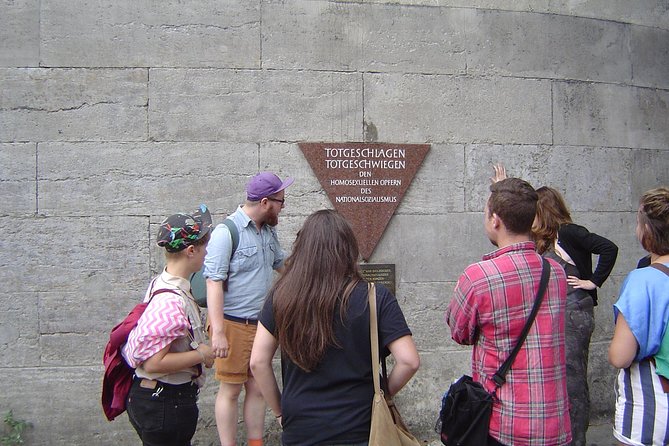
This tour is a strong fit if you want:
- a guided overview of LGBT history in Berlin from earlier decades to today
- an honest sense of how community spaces shaped identity
- a route that covers more than one neighborhood, so you get a wider view of the city’s queer geography
It may be less ideal if you prefer:
- strictly outdoor sights with no museum time
- a super-fast highlight loop where every stop is a quick photo moment
Also, if you care about context around the community and public life—names, personalities, and the social evolution—this is exactly the kind of tour that pays off.
Should you book this Berlin queer history tour?
I’d book it if you want a small-group guided walk that connects neighborhoods to real LGBTQ culture—from early history to modern life. The price is low enough that it doesn’t feel like a luxury, and the included museum stop gives the day something deeper than a nightlife recap.
I’d be cautious only if you strongly prefer street-only experiences. The Schwules Museum stop can shift the vibe, and you’ll want to be the type who enjoys context in an indoor setting.
If you go in knowing the tour balances three things—history, community spaces like Südblock, and the club era—you’ll get a clear sense of why Berlin’s queer story is so tied to its streets.
FAQ
How long is the Berlin Gay, Lesbian, and Queer Scene small-group walking tour?
The tour lasts about 3 hours 30 minutes.
What’s the meeting point and the end point?
You meet at Neue Promenade 3, 10178 Berlin, and the tour ends at Nollendorfplatz, 10787 Berlin.
Is the tour offered in English?
Yes, it’s offered in English.
How big is the group?
The tour has a maximum of 15 travelers.
Does the price include public transport?
No. A Berlin Transport AB Zone ticket (about €7 for a day pass) is not included, but it’s available from your guide on the day.
Does the tour include the Gay Museum?
Yes. The visit to the Gay Museum (Schwules Museum*) is part of the experience.
What’s the cancellation policy?
You can cancel for a full refund up to 24 hours before the experience’s start time. If you cancel less than 24 hours before, the amount paid is not refunded.