REVIEW · BERLIN
Tour in Berlin from Warnemünde and Rostock Cruise Port
Book on GetYourGuide →Operated by T J Travel · Bookable on GetYourGuide
Berlin hits different from a cruise bus window. This 10-hour trip strings together classic landmarks like the Brandenburg Gate and the Reichstag façade, plus stops that hit with real emotional weight. It is a tight schedule, but it is also a smart one for cruise time.
I like the way you get a certified English-speaking guide and comfortable air-conditioned transport, so the day feels organized instead of stressful. And I appreciate that the tour mixes quick photo moments with short guided walks, so you do not just stand around.
One thing to consider: it is a long day with lots of walking and mostly exterior sightseeing, and it is not wheelchair accessible. If your stamina is limited, this might feel rushed.
In This Review
- Key Things That Make This Berlin Day Work
- Berlin From the Cruise Port: A Day With Real Motion
- Charlottenburg Palace and Ku’damm: Starting With West Berlin Style
- Siegessäule and the Reichstag Exterior: Power, Then Politics
- Brandenburg Gate and the Holocaust Memorial: Symbols and Silence
- Fuhrerbunker Site and Lunch Break: A Moment to Reset
- Alexanderplatz and Museum Island: Central Berlin’s “Now”
- Bebelplatz, Checkpoint Charlie, Topography of Terror: Cold War to Nazi Germany
- Price and Value: What $211 Buys You in a Cruise Day
- What I’d Pack and Plan for a Day Like This
- Cruise-First Logistics That Keep You Calm
- Who This Tour Suits Best
- Should You Book This Berlin Cruise Excursion?
- FAQ
- How long is the Berlin tour?
- Where do you meet the group?
- How long is the coach ride into Berlin?
- What stops are included during the day?
- Is food included?
- Do you get a guide the whole time?
- Is the Reichstag visit inside the building?
- Is the Holocaust Memorial included?
- Is this tour wheelchair accessible?
- What is included in the tour price?
Key Things That Make This Berlin Day Work
- Cruise-port pickup plus guaranteed ship return means you can focus on sights, not schedules.
- A guide-led rhythm balances photo stops with short guided time at the most important sites.
- West-meets-center Berlin route: Charlottenburg Palace, Ku’damm, then the big historic belt of central Berlin.
- Hard history stops are built in: Holocaust Memorial, Hitler’s bunker site, Bebelplatz, Checkpoint Charlie, and Topography of Terror.
- You get both iconic symbols and lived-in modern Berlin at places like Brandenburg Gate and Alexanderplatz.
- Mostly exterior views for some big sights (like Reichstag and the memorial-area landmarks), so plan for seeing façades and nearby grounds rather than long museum time.
Berlin From the Cruise Port: A Day With Real Motion
Starting at the Warnemünde Cruise Center, you board a modern, air-conditioned coach for the ride into Berlin. The trip is scheduled as a 3-hour drive each way, and one review noted the drive can run closer to 4 hours depending on timing. Either way, you are using cruise time efficiently: this is not a slow “take your time” city day. It is a best-of Berlin sweep designed to fit a ship day.
You should also expect a day that moves in segments. Some stops are built for photos and quick orientation, while others include guided time so you understand what you are looking at. That mix matters in Berlin, because the city can feel layered—modern streets sit on top of older power, tragedy, and reinvention.
The tour is also intentionally organized around the big public landmarks you can recognize instantly. That makes it easier for first-timers to build a mental map fast: West Berlin glamour starts the day, central Berlin history becomes the main course, and the Cold War story closes it out.
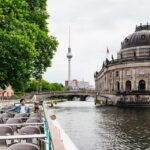
You can also read our reviews of more boat tours in Berlin

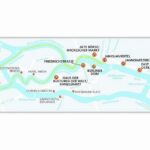
Charlottenburg Palace and Ku’damm: Starting With West Berlin Style
Your first major stop once you arrive is Charlottenburg Palace. You get a photo stop and a short guided look, with about 30 minutes on site. This is a good opener because the palace gives you visual context for what Berlin “used to be” before the 20th century shattered and reshaped it.
What I like about starting here is contrast. Charlottenburg Palace is described as a strong example of Baroque and Rococo design, and that kind of detail helps you mentally reset for the history stops that come later. You are not just jumping into trauma. You are seeing Berlin’s more decorative past, which makes the later sites feel even heavier.
After that, you ride past Ku’damm (Kurfürstendamm), Berlin’s famous shopping and cultural thoroughfare. Because it is a pass-by, you should treat it as a snapshot. Still, it is valuable: it shows how Berlin’s city life keeps moving even when the country’s history turns grim elsewhere.
If you love architecture and want at least one quick taste of how Berlin looks when it flexes its older grandeur, Charlottenburg is a strong start.
Siegessäule and the Reichstag Exterior: Power, Then Politics
Next up are two of Berlin’s most recognizable symbols, and both are more about meaning than long visits.
You pass by the Victory Column, known as Siegessäule. It is topped with a golden statue of the Roman goddess Victoria. The column honors Prussia’s military victories, which means it is not neutral decoration. It is a reminder of how empires sell their power through monuments.
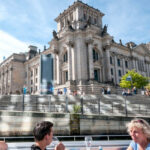
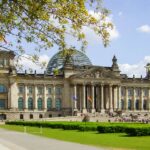
Then comes the Reichstag Building. You get a photo stop and a guided look of about 15 minutes. The key thing here is that this is an exterior-focused stop. You are looking at the façade of Germany’s parliament building, and the tour frames it as a democratic emblem—something that grew out of a troubled past.
I like this pairing: Siegessäule is about old power and military pride, while the Reichstag represents government and democracy in a modern state. Even without going inside, you get the contrast in one stretch of the day.
Brandenburg Gate and the Holocaust Memorial: Symbols and Silence
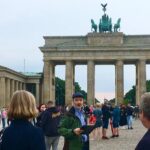
The next stop is the Brandenburg Gate, with about 10 minutes for photos and guided explanation. It is one of Berlin’s most famous neoclassical monuments, built between 1788 and 1791. It began as a city gate and has since evolved into a symbol tied to German unity and historical meaning.
This is the type of stop that can feel too quick for people who want to wander. But for a cruise-day schedule, it is a smart anchor. You leave with one “you can’t miss it” landmark checked off, and your guide’s framing helps you understand why it carries weight beyond the photo.
Right after comes the Holocaust Memorial. You get about 15 minutes here too, with photo stop and guided time. This is not a place to rush mentally, even if the clock is tight. The memorial is described as 2,711 concrete slabs spread over a large expanse, created by Peter Eisenman.
Here is the practical truth: 15 minutes can feel short. But the presence of a guide matters. Without context, you might treat it as just a striking design. With context, you have a structure for what to notice and what to reflect on.
If you are sensitive to heavy history, build in a calmer moment even during short guided stops. In your head, keep the pace slow even when the group moves.
Fuhrerbunker Site and Lunch Break: A Moment to Reset
Then you reach the site of Hitler’s bunker, sometimes called Fuhrerbunker. You take a brief walk that marks the end of Adolf Hitler’s regime, with about an hour here including a break.
This is one of the few truly “breathing space” moments on the schedule. After the reflective visit, your guide helps you find a place with convenient dining options and restroom facilities. That is a big deal on a day like this, because it reduces time lost searching once you’re already far from the ship.
One caution: this part of the day is emotionally intense. It is easy to get mentally tired fast, especially after seeing monuments that carry strong political messages. Use the break to hydrate and eat something you can tolerate. Then, when you move back into sightseeing, you will actually be present for the Cold War stops later.


Alexanderplatz and Museum Island: Central Berlin’s “Now”
After lunch, you pass Alexanderplatz and see key features like the World Clock and the Fernsehturm (TV Tower). This is a pass-by, so you’re not getting a long walk. But it is a useful palate cleanser. Alexanderplatz feels like Berlin’s working pulse: busy, modern, and full of everyday life compared with the solemnity of memorial sites.
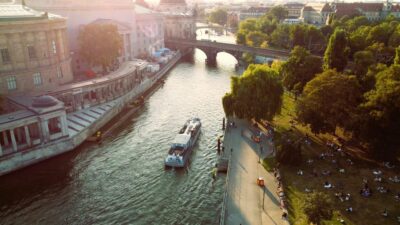
Then you move to Museum Island, which you visit with a guided look of about 15 minutes. Museum Island is a UNESCO World Heritage Site, and the tour highlights major nearby landmarks like the Berlin Cathedral and the Old Museum.
I like Museum Island as part of this kind of day because it reminds you Berlin is not only history and political symbols. It is also culture, design, and the institutions that keep shaping the present. Even in a short visit window, the UNESCO label nudges you to look for architectural intention rather than just quick pictures.
One practical note: the stop is short. If museums are your priority, you would need a different day plan. But for an excursion that already covers major political and historical sites, Museum Island gives you a cultural “frame” without requiring museum entry.
Bebelplatz, Checkpoint Charlie, Topography of Terror: Cold War to Nazi Germany
The late-day sequence is where the tour packs the most difficult historical ground. You start with Bebelplatz, where the Nazi book burnings took place in 1933. You get about 10 minutes for guided explanation and exploration.
This stop is powerful because it is about controlling ideas, not just controlling bodies. It connects easily to other 20th-century themes you will see later in the day: propaganda, censorship, and surveillance.
Next is Checkpoint Charlie, with about 20 minutes for guided time. It is described as the most renowned crossing point between East and West Berlin during the Cold War. The tour also notes it was a hub for spies and witnessed tank confrontations in 1961.
Checkpoint Charlie can feel like it has become a showpiece, but your guide’s framing helps bring it back into focus as a real place where tension became daily reality. Even if you are not stepping into museum-style exhibits, the guided context keeps the stop from turning into mere sightseeing.
Finally, you reach Topography of Terror. This is the last destination, with photo stop and guided time of about 15 minutes. The tour frames it around the former headquarters of the SS and Gestapo and asks you to contemplate the enduring effects connected to the Berlin Wall.
I appreciate that this closing stop ties together the day’s themes. You start with symbols of state and national identity, move through memorials and sites tied to Nazi rule, and then end with the machinery of terror and dictatorship systems.
Yes, the day ends heavy. That is not the tour’s fault—that is the subject. If you want a lighter final hour, this is not that kind of tour. But if you want a full picture of what Berlin went through, this ending hits the mark.
Price and Value: What $211 Buys You in a Cruise Day
At about $211 per person for 10 hours, you are paying for three big things: convenient cruise-port pickup and drop-off, a certified English-speaking guide, and the logistics of getting you across Berlin efficiently without planning.
For cruise travelers, that value is often real, because time is the currency. You do not have to line up transit, navigate from stop to stop, or worry about whether you’ll make it back to the ship. The tour also includes modern air-conditioned transport and emphasizes a guaranteed return to your ship on time.
I also see value in the guide-led structure. The difference between standing near a memorial and understanding what you are looking at can be huge. The guided time at major stops is short by necessity, but it gives you context for each landmark instead of leaving you with only impressions.
Could it be expensive for people who live in Berlin and can visit sites at their own pace? Sure. This is not priced like an everyday local outing. But for a cruise day that packs major sites into one organized trip, it is priced like what it is: a time-saving, guided highlights route.
What I’d Pack and Plan for a Day Like This
This tour is built for sight-seeing on foot in short bursts, with lots of coach time in between.
Here are practical moves that help:
- Wear comfortable walking shoes. The memorial areas and central sites add up faster than you expect.
- Bring a light layer. Coaches and open-air areas can swing in temperature.
- Take your lunch break seriously. Use the guided help to find convenient dining and restroom options so you do not lose time later.
- Be ready for exterior sightseeing. Some major monuments are primarily viewed from outside, so do not expect long interior museum experiences.
Also keep your expectations aligned with the schedule. It covers a lot of ground, but it is intentionally short at each major stop. If you want deep time at one museum, you’ll need a different day plan than this cruise excursion.
Cruise-First Logistics That Keep You Calm
One reason this tour works well for cruisers is the attention to timing. You get pickup from the cruise port, and the provider includes a guaranteed return to your ship on time.
Pickup times are sent by email the day before, and tours typically depart about 30 minutes after ship arrivals. That is helpful because it reduces the guesswork that can create stress.
Meeting point is clearly set: you meet at the cruise port holding a sign that reads J A T. If you arrive early, you can get yourself organized and avoid last-minute confusion.
On the day itself, you get 24/7 customer support. For a cruise traveler, that kind of safety net matters more than people think—especially if crowds or timing shift near docking.
Who This Tour Suits Best
This Berlin day trip is best for you if:
- You want major landmarks and clear historical context without planning.
- You like a guided format where the guide connects sights to meaning.
- You are on a cruise and want a reliable return to your ship.
It is less ideal if:
- You need wheelchair access or have mobility limitations that make walking and outdoor stops difficult.
- You want long museum time or deep dives at a single site.
- You dislike heavy WWII and Cold War content, because the late-day stops focus strongly on it.
Given the tour’s review score of 4.1 across 13 reviews, the overall pattern is strong satisfaction with organization and the guide’s knowledge. One practical note from feedback is that transport time may run a bit longer than planned, so build in patience.
Should You Book This Berlin Cruise Excursion?
If you are short on time and want one guided day that covers both iconic Berlin and the hard history behind it, I think this tour is a solid pick. The value comes from the coach logistics, the cruise-friendly return promise, and the guide-led explanations at stops that would otherwise be harder to interpret.
Book it if you want:
- A structured, guided route that keeps you oriented
- Major Berlin symbols plus memorial-focused stops in one day
- Peace of mind that you will get back to the ship on schedule
Skip it if you want a slow, museum-heavy Berlin day or you need accessibility beyond what this tour can support.
If you fall in the first group, you’ll likely leave with a strong mental map of Berlin—plus a clearer understanding of how the country’s history is written into its monuments.
FAQ
How long is the Berlin tour?
The tour runs for 10 hours from the cruise port.
Where do you meet the group?
You meet at the Warnemünde Cruise Center holding a sign that reads J A T.
How long is the coach ride into Berlin?
The ride is scheduled at about 3 hours each way.
What stops are included during the day?
You visit Charlottenburg Palace, see passing views of Ku’damm and Alexanderplatz, and include guided photo stops at the Reichstag exterior, Brandenburg Gate, Holocaust Memorial, Bebelplatz, Checkpoint Charlie, and Topography of Terror. You also have time at the Hitler’s bunker site and see the exterior of Siegessäule by pass-by.
Is food included?
No. Food and beverages are not included.
Do you get a guide the whole time?
You have a certified English-speaking guide, with guided time at major stops. Some locations are photo stops or pass-by views.
Is the Reichstag visit inside the building?
The tour description focuses on the Reichstag building exterior with a photo stop and guided viewing time.
Is the Holocaust Memorial included?
Yes. You include photo stop and guided time at the Holocaust Memorial.
Is this tour wheelchair accessible?
No. It is not wheelchair accessible, though strollers are allowed.
What is included in the tour price?
Pickup and drop-off from the cruise port, guaranteed return to your ship on time, modern air-conditioned transport, a certified English-speaking guide, and 24/7 customer support are included.