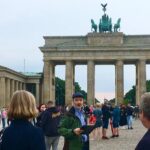
REVIEW · BERLIN
Wall Tour Berlin – Fates, Heroes & Love Stories
Book on Viator →Operated by Freizeit-und Reiseclub Berlin · Bookable on Viator
Berlin’s wall tells stories in two hours. This guided walk links the wall’s construction, escapes, propaganda, and human heartbreak—without turning it into a dry lecture. You’ll move from memorial points to viewpoints that show how a city became a border.
What I like most is the way the guide pairs big events with specific lives: deaths when the exact number is unknown, the border guard Conrad Schumann, and the propaganda tactics used against children and young people. I also like the pace: it’s short, group-sized (up to 25), and built around a sequence of stops that keeps you oriented as you walk the wall line.
One thing to consider is the tone. This is heavy material, and the tour requires good weather, so plan for a stretch of time outdoors and expect emotions. Also, because this is a lower-cost tour, I’d protect yourself by arriving early at the meeting point with your confirmation ready—there have been reports of confusion when the guide doesn’t show up.
In This Review
- Key things to know before you go
- A 2-Hour Berlin Wall Walk That Keeps Moving
- Start at Elisabeth-Schwarzhaupt-Platz: Getting Oriented Fast
- The Nordbahnhof Ghost-Station Stop: When Transit Became a Trap
- How a Wall Was Made Real: Ulbricht’s Line to August 1961
- The Border Strip Explained: From Concrete Logic to Human Consequences
- The Memorial Window: At Least 140 Deaths, and an Unknown Exact Number
- Bernauer Straße’s Viewing Platform: Seeing the Border Strip in One Glance
- Ackerstraße and the Church of Reconciliation: Shared Worship Across the Line
- Passenger Agreements, Stasi Propaganda, and Control at Human Scale
- Bernauer Straße’s Windows and Exit Points: Tragedies in Plain Sight
- Escape Routes Underground and Over the Wall: Tunnels and Conrad Schumann
- Kidnappings and the Loudspeaker War: Cold War as Everyday Harassment
- Mauerpark Ending: The Fall of the Wall Lands Where People Now Gather
- Price and Value: What $19.66 Buys You in Berlin
- Who Should Book This Wall Tour (and Who Should Think Twice)
- Should You Book Wall Tour Berlin? My Take
- FAQ
- How long is the Wall Tour Berlin – Fates, Heroes & Love Stories?
- Where do I start and where does the tour end?
- How much does it cost?
- Is there a mobile ticket and are there admission tickets included?
- What’s the group size limit?
- What if the weather is bad or I need to cancel?
Key things to know before you go
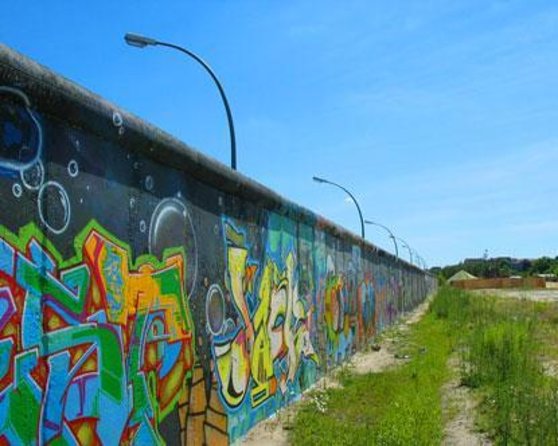
- A 2-hour Wall-focused route built from memorial stops, not a museum marathon
- Construction details and dates that connect propaganda to the border strip’s creation
- Stories of escape and pursuit including a tunnel and Schumann’s jump
- Hard human facts such as at least 140 deaths (and an unknown exact toll)
- Small-group size up to 25 with a mobile ticket for easy check-in
A 2-Hour Berlin Wall Walk That Keeps Moving
This isn’t a slow, wander-at-your-own-pace experience. It’s a guided “line-of-history” walk that’s timed to fit into a practical block of your Berlin day. At about 2 hours, you’ll cover multiple points tied to the wall’s route and the way Berliners tried to live through it.
For me, that matters. The Berlin Wall can feel huge and abstract when you only see it in photos. Here, the guide keeps bringing you back to cause and effect: policy turns into concrete, concrete turns into danger, and danger turns into desperate choices.
The group stays fairly compact (maximum 25 travelers), which helps you ask questions and follow along without getting swallowed by a crowd. And because you’re using a mobile ticket, you’re not wasting time on paperwork.
You can also read our reviews of more tours and experiences in Berlin.


Start at Elisabeth-Schwarzhaupt-Platz: Getting Oriented Fast
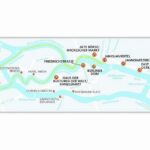
Your tour begins at Elisabeth-Schwarzhaupt-Platz, 10115 Berlin. You’ll end near Oderberger Straße / Oderberger Str., right by Mauerpark (Bernauer Str. / Ecke Oderberger Str. is the end area). From there, it’s easy to connect with public transit, including the M10 tram to the main train station.
At the start, you get your bearings with a key moment: the guide leads you toward the entrance area near the Nordbahnhof S-Bahn on Gartenstraße. This is where you’re brought into the idea of the wall as an engineering and control system, not just a monument.
One early stop highlights the concept of ghost stations during the GDR era. That phrase sounds strange until your guide explains what it meant in lived reality. The point isn’t just trivia—it’s how the border turned parts of everyday infrastructure into empty stages.
The Nordbahnhof Ghost-Station Stop: When Transit Became a Trap
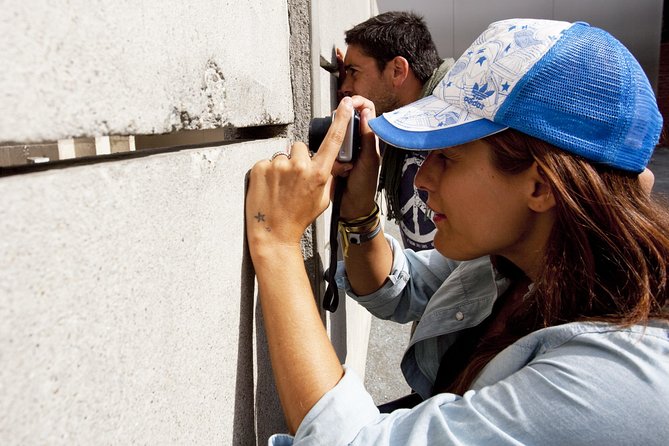
This first stretch does a smart job: it frames Berlin before you hit the major memorial areas. The Nordbahnhof S-Bahn entrance sets a tone—this wasn’t one fence line. It was a network of rules that affected movement, routine, and expectations.
The guide focuses on why these stations were called ghost stations. Even if you know the broad story of the wall, this helps you see how control worked at human scale: platforms, signage, schedules, and the unsettling feeling that some places were present but intentionally unreachable.
If you’re the type who likes to understand how systems function, this early explanation is gold. It gives you a lens for later stops along Bernauer Straße, where the wall’s logic becomes brutally visible.
How a Wall Was Made Real: Ulbricht’s Line to August 1961
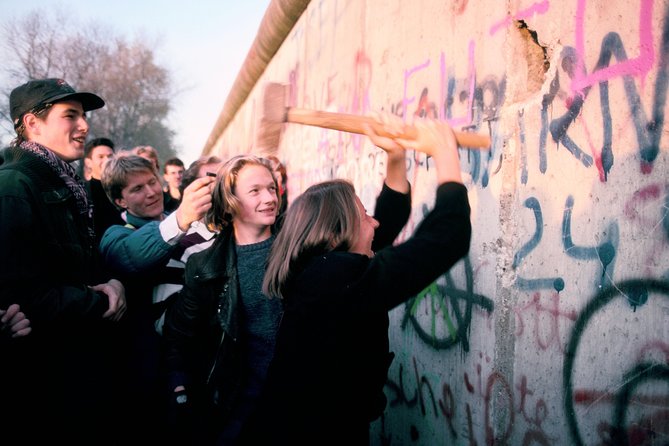
One of the most important early parts of the tour explains how a wall could have been built in the first place. You’ll hear an overview at the Berlin Wall Memorial area, then you’ll move into the timeline that set everything in motion.
A specific highlight is the story of June 15, 1961, when W. Ulbricht delivered the famous claim that no wall would be built. Less than two months later, on August 13, 1961, the border was sealed and the wall was built.
That contrast lands hard. It turns propaganda from a background theme into something direct and measurable. Your guide uses these dates to show how quickly a political statement can turn into physical reality, with real consequences for families trying to cross, work, or reunite.
The Border Strip Explained: From Concrete Logic to Human Consequences
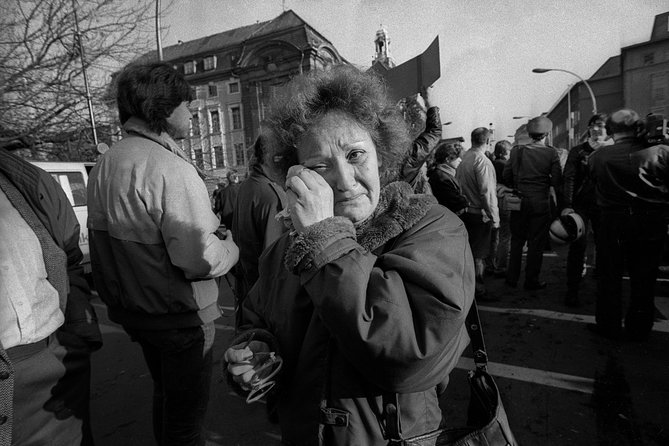
Once the tour reaches the construction phase, the guide explains what made the border strip function the way it did. The key value here is the connection: construction details are not just technical talk. They help you understand why escape efforts were so dangerous and why even small changes in access could mean life or death.
This part also sets up the later stories. When you hear about deaths, tunnel escapes, and people choosing the last possible moment, it won’t feel random. You’ll see the border strip as a designed barrier—one built to control movement and prevent escape.



The Memorial Window: At Least 140 Deaths, and an Unknown Exact Number
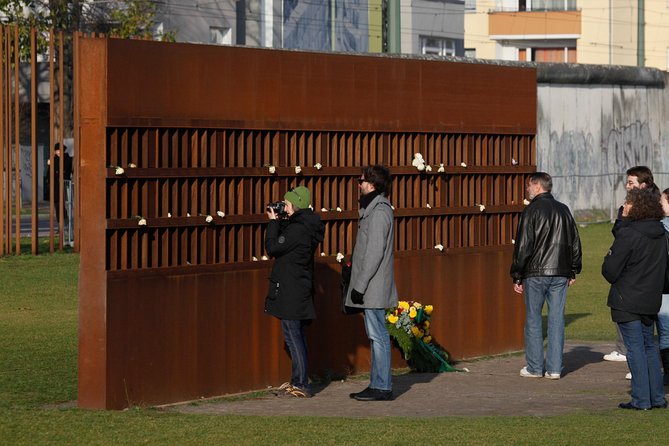
At one of the stops, the guide addresses a core fact: at least 140 people died at the Berlin Wall between 1961 and 1989, and the exact number of victims is unknown.
That’s a difficult sentence to sit with. The memorial window is where your guide turns that statistic into personal stories—fates tied to freedom attempts that ended permanently. You don’t just hear that people died; you understand how the wall shaped decisions, fear, and timing.
For me, this is where the tour becomes more than sightseeing. It’s the moment the narrative refuses to stay abstract.
Bernauer Straße’s Viewing Platform: Seeing the Border Strip in One Glance
Next comes one of the most practical gifts this tour offers: a viewing platform with an overview of the border strip on Bernauer Straße. From above, you see what your guide has been describing. The wall isn’t only a story; it’s a layout.
From this perspective, the border strip becomes a geometry problem: where people were, where exits were, what could be seen from which side. It helps you connect earlier explanations (ghost stations, sealing dates, construction logic) to the final real-world consequences.
This is also a great stop for photos, because the viewpoint gives you context. Even if you don’t photograph, you’ll leave with a mental map that makes everything else in Berlin’s Cold War story easier to follow.
Ackerstraße and the Church of Reconciliation: Shared Worship Across the Line
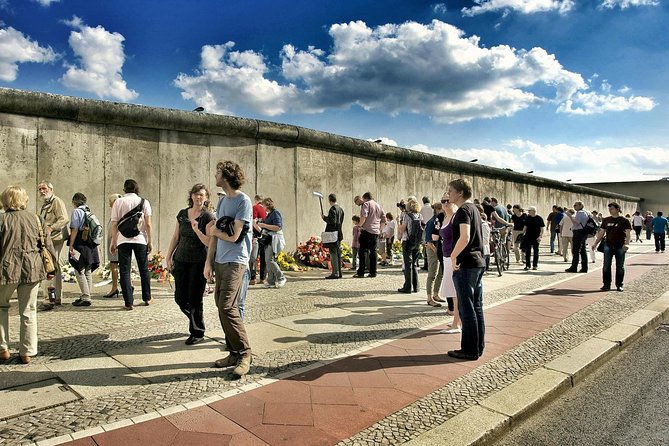
At Ackerstraße, you reach the chapel of the Church of Reconciliation. This is where the church once stood—actually located in the middle of the border strip.
The guide explains what happened after the border was closed, but the emotional starting point is that East and West Berliners once celebrated services together in the church. That detail is small on paper and huge in meaning. It reminds you that people tried to keep shared traditions alive even while the state machinery tried to separate everything.
If you’re worried the whole tour will only focus on conflict, this stop quietly interrupts that expectation. It shows how reconciliation wasn’t only an idea after the wall fell—it was attempted while the wall was still there.
Passenger Agreements, Stasi Propaganda, and Control at Human Scale
One stop focuses on passenger agreements—arrangements between the Senate of Berlin (West) and the GDR to make the wall more permeable. The guide uses those agreements to show a recurring theme: even when there are channels, control can still be ruthless.
Then the tour shifts to how the GDR abused children and young people for propaganda. That part is hard to process because it forces you to think about manipulation as policy, not side drama.
This section is valuable for a simple reason: it explains that the wall wasn’t only about physical barriers. It was also about information, messaging, and shaping the next generation.
Bernauer Straße’s Windows and Exit Points: Tragedies in Plain Sight
Along Bernauer Straße, there were residential buildings with windows and exits to West Berlin. Those buildings sat on GDR territory, and the guide explains the inhuman tragedies that played out there.
A particularly brutal detail is what happened out of fear and despair: hundreds of people jumped out of their windows to their deaths. You’ll be shown the opportunity to look at pictures and videos at your leisure at this stop.
This is the moment where you might feel pulled in two directions. Your mind wants to understand the facts, but your heart doesn’t. Take your time here if you need it. The guide’s job is to tell you what happened; your job is to choose how much of the material you can hold in one go.
Escape Routes Underground and Over the Wall: Tunnels and Conrad Schumann
The tour covers multiple escape attempts, including tunnel escapes. One tunnel is described as legendary and located near the border house in the area you visit. The guide also connects these escapes to how the GDR changed history for propaganda purposes—so the story doesn’t stop at the escape itself.
Then you reach the stop about border guard Conrad Schumann. His jump is one of the most famous escapes at the Berlin Wall. The guide also shares that Schumann was wanted until the fall of the GDR, and explains parts of his life.
These stories hit in a specific way. The details make them feel close to the ground, and the guide helps you see what “freedom” meant as something urgent and risky—not a slogan.
Kidnappings and the Loudspeaker War: Cold War as Everyday Harassment
The tour doesn’t only cover people who ran. It also covers people who were hunted.
You’ll learn that kidnappings were part of the GDR’s core business. The guide explains how former employees of the NVA and People’s Police were targeted and kidnapped by criminal gangs on orders from the GDR from the West back to the GDR. One kidnapping even ended in death.
Then comes the loudspeaker war. This was a massive sound-and-psychological campaign in Berlin, with the West and East using loudspeakers to make each other’s lives hell. If you’ve ever wondered how propaganda could feel physical without bullets, this is your answer.
Mauerpark Ending: The Fall of the Wall Lands Where People Now Gather
The tour ends in Mauerpark, where the guide brings you to the final chapter: how the wall’s fall also has its story. It’s a smart finish because you’re in a public place that feels alive and everyday, not sealed behind museum walls.
Finishing here makes the contrast land. You’re not only learning about the wall; you’re standing in a part of Berlin where the meaning of the wall has shifted into something shared—music, sports, walking paths, regular people just living their day.
Price and Value: What $19.66 Buys You in Berlin
At $19.66 per person for an about-2-hour guided experience, this is firmly in the budget category. But it’s not just cheap; it’s also structured around memorial stops with free admission tickets at multiple points.
Add to that a small-group max (25) and a mobile ticket, and the value starts to make sense. You’re paying for interpretation: a guide turns a string of memorial locations into a connected narrative about border construction, propaganda, and personal fates.
If you’re trying to make the most of limited time in Berlin, the short duration is a strong selling point. If you want to read every plaque at length and linger like you would in a museum, you might feel rushed. But for most first-time wall-history visitors, this time-boxed approach is exactly right.
Who Should Book This Wall Tour (and Who Should Think Twice)
This tour is a good fit if you:
- Want a focused Berlin Wall Memorial walking route with a guided storyline
- Prefer narratives with real names and specific escape stories, like Schumann
- Like Cold War context that includes propaganda and psychological control, not only geography
You might think twice if you:
- Get overwhelmed easily by topics involving death, fear, and abuse
- Want a lighter day where history stays mostly educational
One more practical note: the tour requires good weather. If you’re traveling in a season with frequent rain, check the forecast and be ready to adjust plans.
Should You Book Wall Tour Berlin? My Take
I’d book it if you want a sharp, time-efficient Berlin Wall experience that connects the border strip’s creation to the human costs. The best parts are the way the guide balances structure (dates, construction, viewpoints) with story (escapes, kidnappings, and the hard memorial facts). And even though the subject matter is grim, the overall arc has meaning because it ends in Mauerpark and returns you to real-life Berlin.
The one caution I’d keep in mind is reliability. Because there have been reports of people not finding a guide at the meeting point, I’d arrive early and keep your confirmation handy. If anything feels off, you’ll be able to act fast instead of waiting.
If you want, tell me your travel month and where you’re staying. I can suggest the best time of day to do this walk and what to pair it with nearby so your day feels smooth.
FAQ
How long is the Wall Tour Berlin – Fates, Heroes & Love Stories?
The tour is about 2 hours.
Where do I start and where does the tour end?
The start is Elisabeth-Schwarzhaupt-Platz, 10115 Berlin. The end is in the Oderberger Straße / Oderberger Str. area near Bernauer Str. / Ecke Oderberger Str., by Mauerpark.
How much does it cost?
It costs $19.66 per person.
Is there a mobile ticket and are there admission tickets included?
Yes, it uses a mobile ticket. Admission tickets are listed as free for the memorial stops included.
What’s the group size limit?
The tour has a maximum of 25 travelers.
What if the weather is bad or I need to cancel?
The experience requires good weather. If it’s canceled due to poor weather, you’ll be offered a different date or a full refund. You can cancel up to 24 hours in advance for a full refund; within 24 hours, no refund.