REVIEW · BERLIN
Berlin: 4-Hour Guided Highlights Tour in Spanish
Book on GetYourGuide →Operated by cultourberlin by cultour-incoming · Bookable on GetYourGuide
Berlin has a way of teaching you fast. This 4-hour Spanish highlights walk hits the big landmarks while explaining how the city’s past shaped daily life. I especially like the clear route flow: you start at Alexanderplatz, sweep through Museum Island and Gendarmenmarkt, and end at the Brandenburg Gate with the history still fresh in your head.
Two things I really liked: the guide-led storytelling around the Berlin Wall and what it changed for normal people, and the mix of stops that balance beauty (cathedrals and squares) with weighty reminders (Gestapo Headquarters remains and the Memorial to the Murdered Jews of Europe). One potential drawback to plan for is that the tour is only offered in Spanish, so you’ll want to be comfortable following history in Spanish, especially on a walking schedule.
In This Review
- Key things you’ll appreciate
- Kicking off at Alexanderplatz and getting your bearings fast
- Museum Island and Berlin Cathedral: beauty with a purpose
- Unter den Linden to Gendarmenmarkt: the calm, classic Berlin stretch
- The Wall’s backstory starts with power, fear, and control
- From divided Berlin to everyday life behind the Wall
- A modern reset at Potsdamer Platz and the walk toward the Gate
- Timing, walking pace, and when to plan your photos
- Price and value: why $29 can actually feel fair
- Who this tour suits best (and who should think twice)
- Should you book this Berlin highlights tour?
- FAQ
- Is the tour offered in Spanish only?
- How long is the guided highlights tour?
- What time does the tour start?
- Where do I meet the guide?
- What’s included in the price?
- Is the tour wheelchair accessible?
- Can I request hotel pickup?
- What should I bring for the walk?
Key things you’ll appreciate
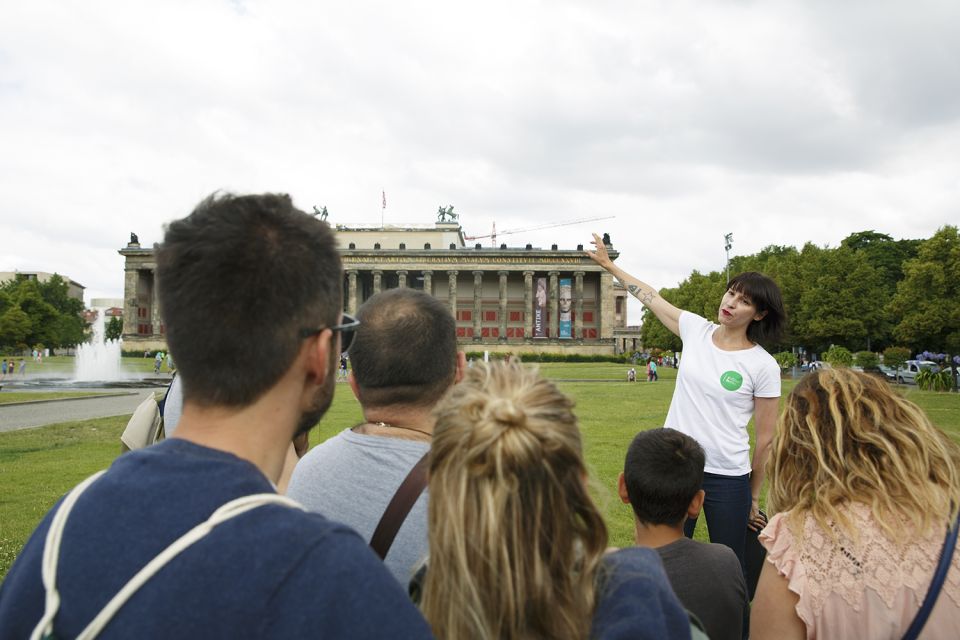
- Spanish-only guidance that ties famous places to clear explanations and human stories
- Landmarks in a tight 4-hour loop, from Alexanderplatz to the Brandenburg Gate
- Museum Island + Berlin Cathedral as part of the “origins of Berlin” story
- East and West division explained through everyday life, not just dates
- Stops that mark dark chapters: Gestapo Headquarters remains and the Holocaust memorial
- A practical rhythm with time to pause for photos and a short break for coffee and bathrooms
Kicking off at Alexanderplatz and getting your bearings fast
Your tour starts at the TV Tower area in Alexanderplatz, and that matters more than you might think. Alexanderplatz is one of those places where Berlin feels big, modern, and layered at the same time, so beginning here helps you build a mental map before you start walking.
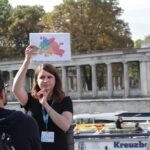
The meeting point is right next to the only entrance to the Fernsehturm, between the TV tower and the Alexanderplatz train station, beside a café (Espresso House). You’ll be looking for a green flag that says tours en español. It’s a straightforward spot, easy to find even if you’re arriving from another part of the city.
From the start, you’re not just moving from one famous building to another. The guide frames the day as a story: how Berlin formed, how it split, and why symbols like the Wall ended up controlling ordinary life. That approach makes the later stops feel connected instead of random photo breaks.
You can also read our reviews of more guided tours in Berlin



Museum Island and Berlin Cathedral: beauty with a purpose
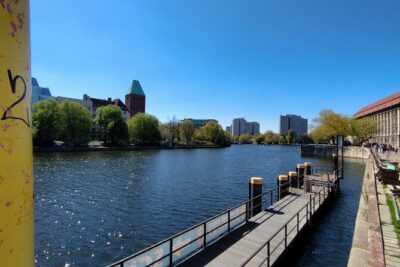
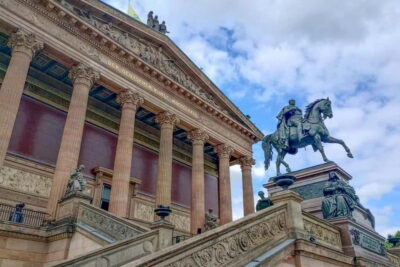
After leaving Alexanderplatz, you’ll walk through the San Nicolás neighborhood and into the Museum Island area. This is where the tour becomes a little more than a sightseeing loop. Museum Island is a UNESCO World Heritage Site, and that status isn’t just bragging rights. It signals that the area is central to how Berlin understands itself culturally and historically.
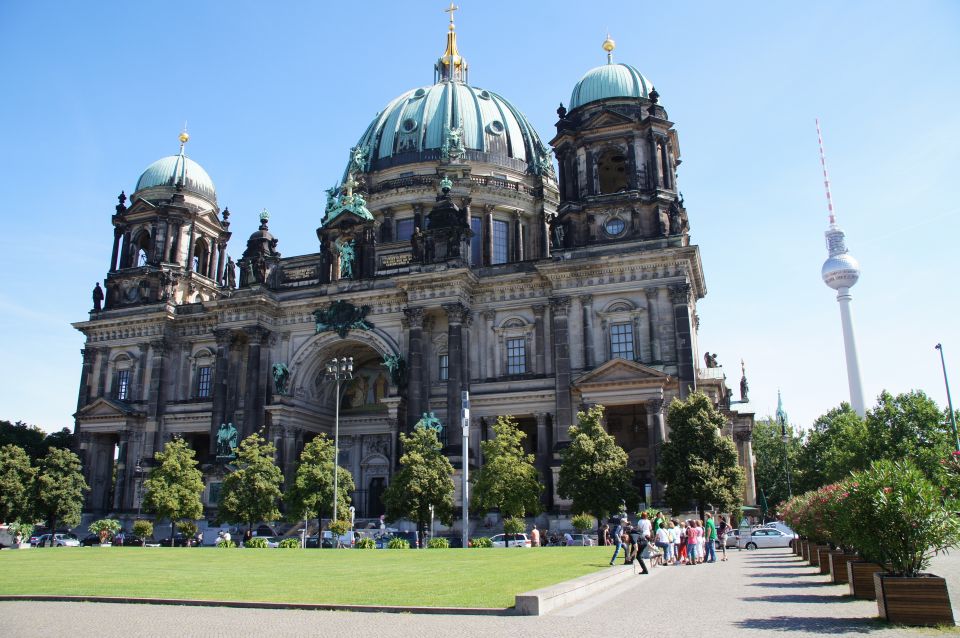
You also get to see the Berlin Cathedral (Berliner Dom). Even if you’re not a “cathedral person,” it helps to have a guide point out why this building belongs in the Berlin story. Cathedral architecture, museums, and monumental public spaces weren’t built in a vacuum; they were expressions of power, identity, and ambition. In other words, you’re seeing how Berlin tried to define itself.
A good moment to watch for: when your guide links the city’s early origins to later political shifts. That’s how you’ll start understanding why division after World War II didn’t just create borders on a map. It changed what people could access, what they feared, and what they expected from the future.
Unter den Linden to Gendarmenmarkt: the calm, classic Berlin stretch
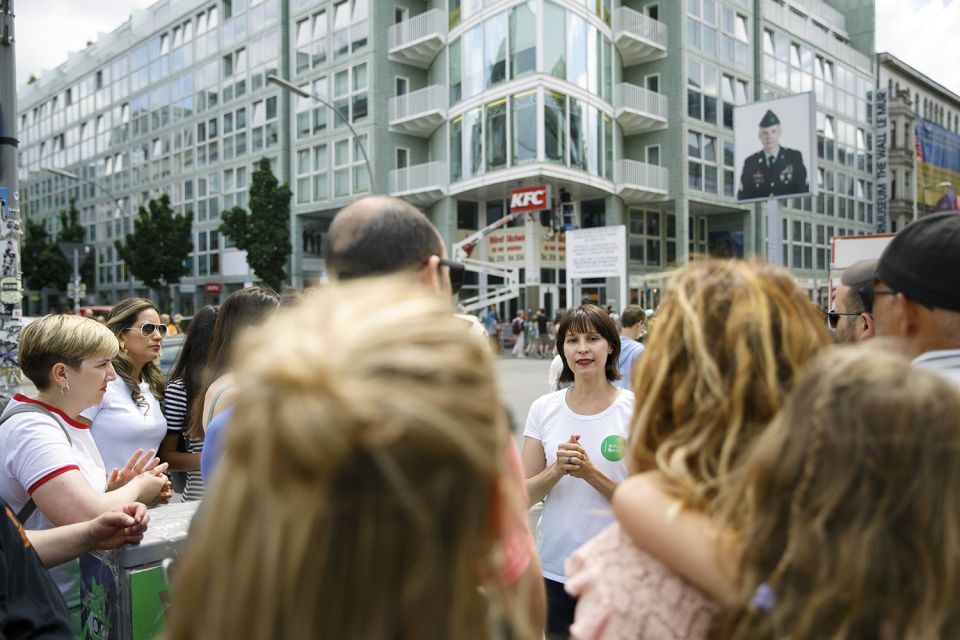
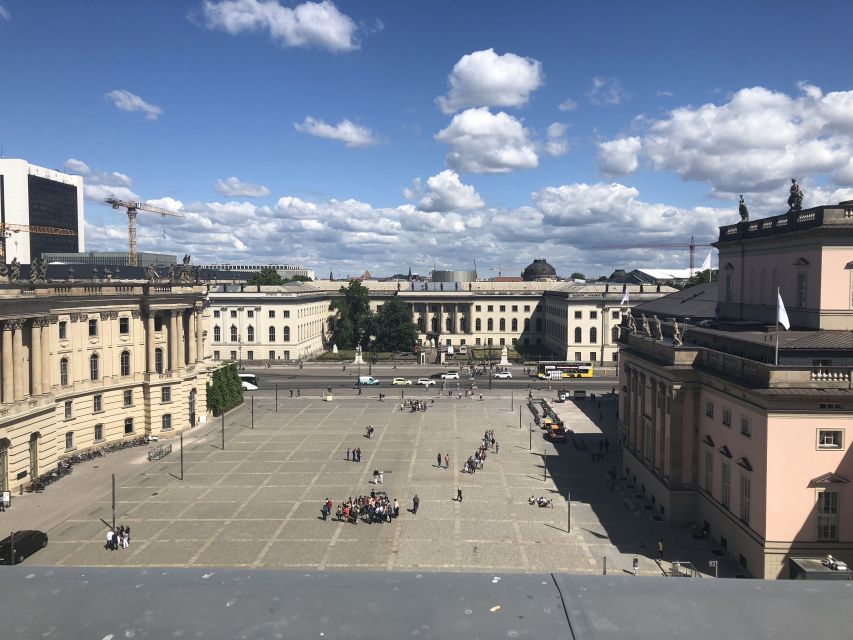
Next comes the long, graceful boulevard stretch down Unter den Linden, with sights like Humboldt University, the Royal Library, and the State Opera along the way. This area has a “grand avenue” feel, and it’s the kind of street where you instinctively slow down and look at details.
If you’ve only seen Berlin through postcards or quick hops between attractions, this part helps you understand Berlin’s scale. The buildings aren’t spaced like a theme park. They’re arranged like a capital city trying to project confidence.
Then you reach Gendarmenmarkt, one of Berlin’s most beautiful squares. The tour includes a photo opportunity here, which is useful because Gendarmenmarkt is one of those spaces that’s almost impossible to fully capture while walking past. Give yourself time to pause, look around, and orient yourself to what’s near you.
The guide’s storytelling makes this stop more meaningful than it otherwise would be. It’s not just pretty architecture; it’s a reminder that before the city got split into political realities, Berlin also had this civic, cultural “we’re all part of the same city” energy.
The Wall’s backstory starts with power, fear, and control
After the classical squares and museum landscapes, the tour turns heavier—on purpose. You’ll hear about Hitler’s rise to power and you’ll see the remains of the Gestapo Headquarters. Standing in that kind of place changes your perspective quickly. It’s not abstract history anymore; it’s a physical location tied to surveillance and repression.
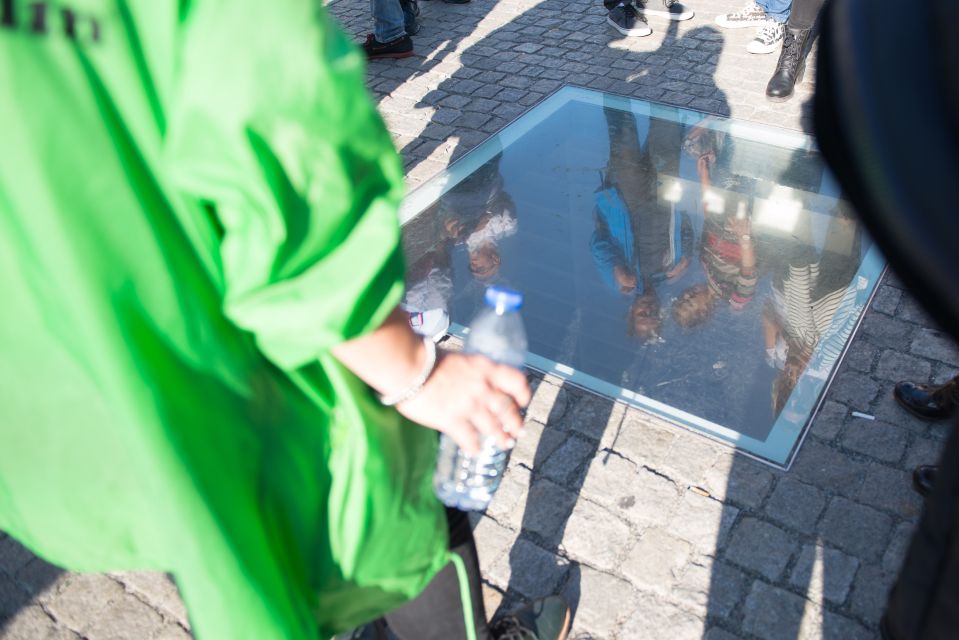
Then you move to the Memorial to the Murdered Jews of Europe. This memorial is central to understanding Berlin during the Holocaust era, and the tour’s value here is that it doesn’t treat it like a checkbox. The guide connects these events to the broader story of how Berlin’s political life produced catastrophe, and how that legacy shaped what came next.
Because this part of the tour is emotionally intense, I appreciate that it’s part of a structured arc rather than random stops. It feels like the guide is building understanding step-by-step: how power took hold, what it did to people, and how the aftermath set the stage for division.
From divided Berlin to everyday life behind the Wall
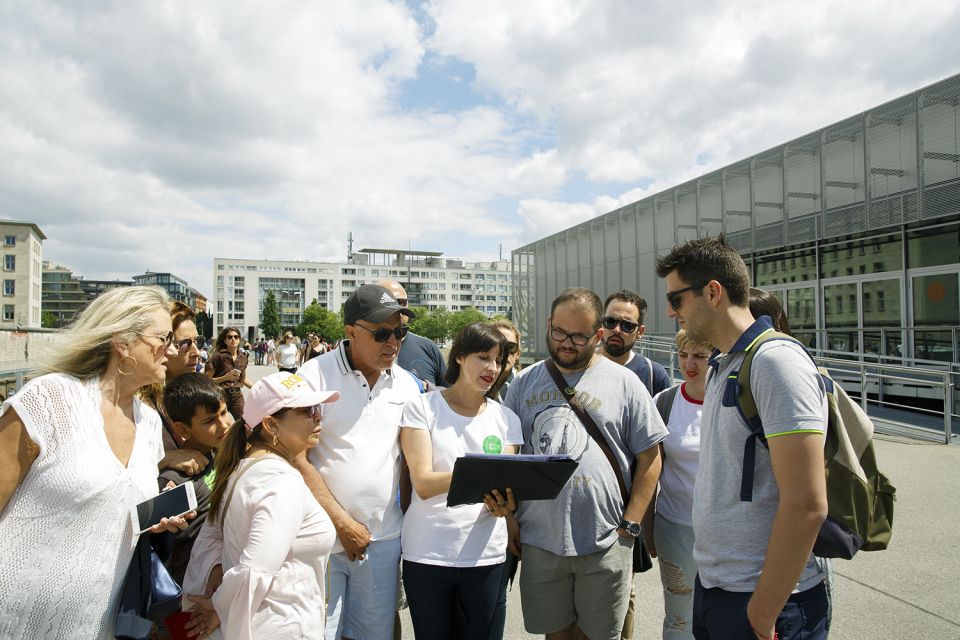
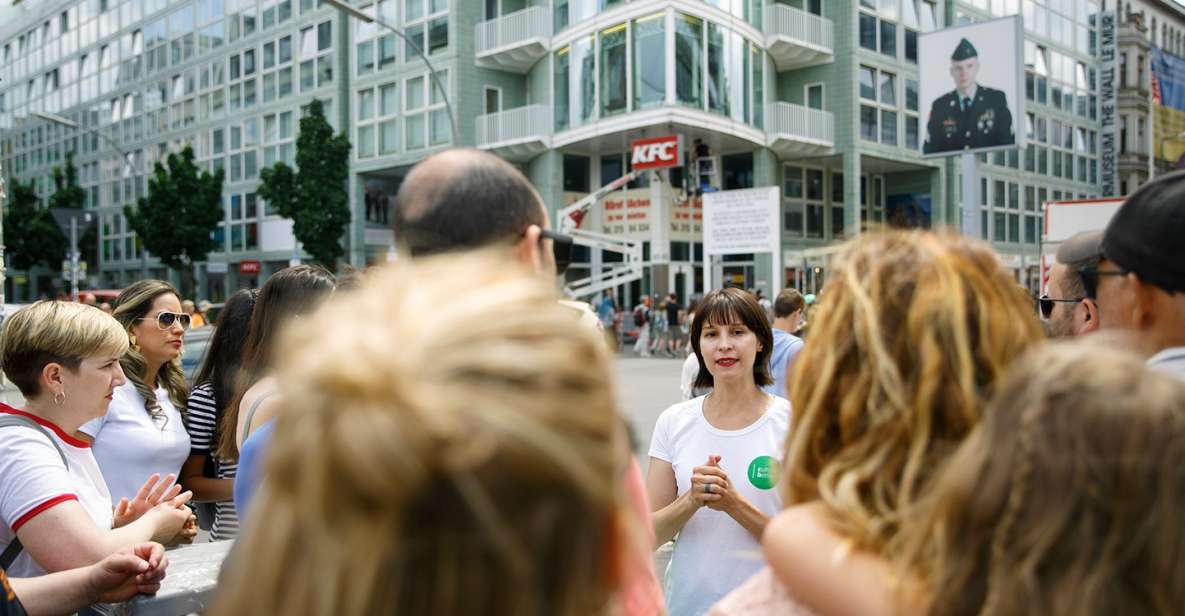
Now you get to one of the most praised parts of the experience: the explanation of the Berlin Wall as lived reality. The tour covers why the Berlin Wall was constructed, why it eventually fell, and what daily life was like for residents on both sides.
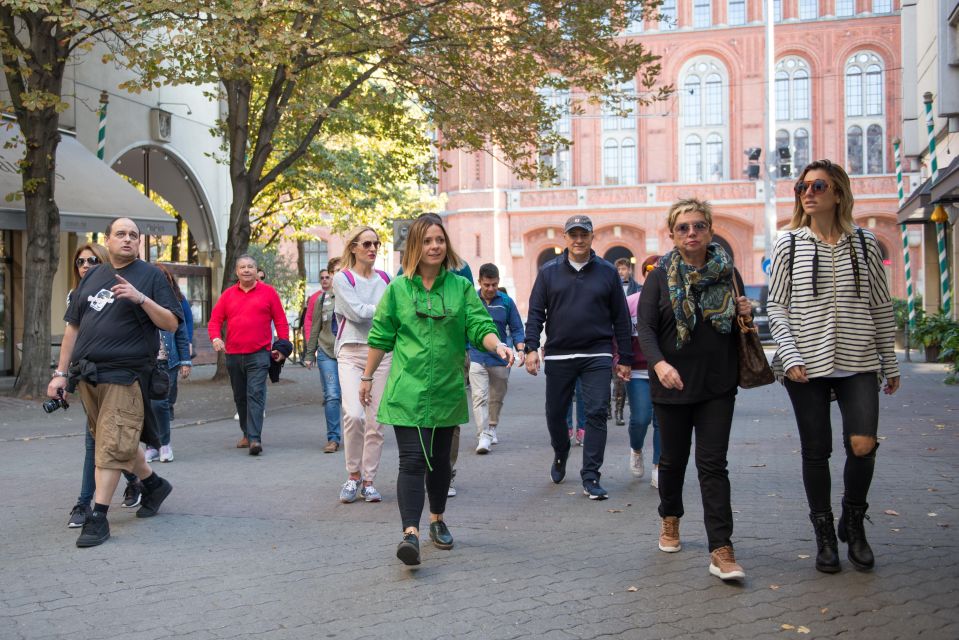
What makes this section work is the focus on the human scale. You’ll hear about life for people in East Berlin and what it meant to live near the wall—practical restrictions, uncertainty, and fear of crossing. The tour also highlights stories of East Germans who risked their lives to reach West Berlin. That’s the kind of detail that turns “the Wall existed” into “here’s what it did to people’s choices.”
In the reviews, several guides get mentioned by name, and that signals something important: the storytelling style can vary, but the goal is consistent. For example, people praised guides such as Evelyn and Celia for clarity and for making the history feel human and reflective, not just memorized facts. Another guide mentioned, Constantino, was noted for managing the pace well and providing practical breaks.
If you care about history that’s understandable and emotionally grounded, this is the heart of the tour.

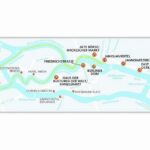

A modern reset at Potsdamer Platz and the walk toward the Gate
Before you finish, you’ll see Potsdamer Platz and its modern look. This stop works like a mental time shift. You go from the heavy reminders of division into a present-day city center that shows how Berlin reassembled itself after reunification.
It’s also a good moment to check your own comprehension. By this point, you’ve seen why the Wall was built, what it did, and how it ended. Seeing Potsdamer Platz afterward helps you feel the scale of change. Berlin isn’t stuck in one chapter. It learned, rebuilt, and turned parts of its past into a map of lessons.
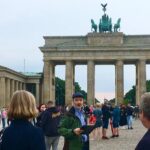
Then the tour ends at the Brandenburg Gate, Berlin’s symbol you’ll recognize instantly. Finishing here makes sense: it’s a landmark that means different things depending on the era. With the morning’s stories fresh, the Gate reads less like a photo spot and more like a statement about Berlin’s turning points.
Timing, walking pace, and when to plan your photos
This is a 4-hour walking tour, and it’s built to keep you moving while still giving you moments to stop. The schedule includes time for a coffee or bathroom break—about 30 minutes—which is genuinely useful if you’re traveling in colder months or you’re stacking multiple activities on the same day.
In a four-hour span, you’ll likely do a mix of:
- short narration stops while walking
- a photo opportunity at Gendarmenmarkt
- time to absorb memorial sites and the remains connected to Gestapo Headquarters
So you’ll want to dress for standing and walking, not just sightseeing. Comfortable clothes aren’t optional here. Even on a “highlights” tour, you’re on your feet most of the time.
One more practical note: the tour runs every day, rain or shine, starting at 10:00. That consistency helps you plan your Berlin days without guessing whether you’ll catch your route on the right weekday.
Price and value: why $29 can actually feel fair
At $29 per person for a 4-hour Spanish guided walking tour, the value comes from what you get for the price: a coherent narrative plus the staffing of a live guide.
If you were to self-guide, you could hit the Brandenburg Gate, Museum Island, Gendarmenmarkt, and the memorial areas on your own—but you’d spend a lot of energy piecing together what connects them. Here, the guide gives you the links: why the Wall was built, how it shaped daily life, and how Berlin’s division connects to earlier power structures.
You also get a guide who can handle pace and questions. Multiple reviews praised guides for clarity and for being patient with slower walkers, which makes a difference on a walking tour. If you’re new to Berlin and want your first encounter with the city to feel meaningful instead of rushed, this kind of guided structure is worth paying for.
Who this tour suits best (and who should think twice)
This tour is a strong fit if you:
- want a first-time Berlin introduction with a clear route and story
- prefer learning from a live Spanish-speaking guide
- like seeing major landmarks but also want context behind them
- are comfortable with emotionally heavy sites and respectful remembrance
You might think twice if you:
- don’t feel confident following history in Spanish
- dislike walking in cold weather or rain (even though it runs rain or shine)
- prefer a more casual pace with less structured storytelling
The tour is also wheelchair accessible and private group options are available, with optional hotel pickup at the lobby. If you’re traveling with someone who benefits from pickup rather than meeting at the TV Tower area, that’s a useful perk to consider.
Should you book this Berlin highlights tour?
I’d book it if you want your Berlin sightseeing to come with meaning. The best reason is the way the tour connects beautiful landmarks like Museum Island, the Berliner Dom, and Gendarmenmarkt to the political and human story of division, the Wall, and reunification. You’re not just collecting sights; you’re learning how Berlin became the Berlin you see today.
I’d hold back only if Spanish is a barrier for you. Since it’s Spanish-only, the guide’s storytelling is the product. If you can follow it well, you’re likely to feel you got your money’s worth in understanding and perspective.
If you’re ready to walk, pause, and listen, this is a clean, affordable way to start your Berlin trip with both atmosphere and context.
FAQ
Is the tour offered in Spanish only?
Yes. The live tour guide works in Spanish, and the tour is only offered in Spanish.
How long is the guided highlights tour?
The tour lasts 4 hours.
What time does the tour start?
Tours begin daily at 10:00 in front of the TV Tower at Alexanderplatz.
Where do I meet the guide?
Meet at the TV Tower (Fernsehturm) area in Alexanderplatz, next to a green flag that says tours en español, beside the only entrance to the tower. It’s between the TV tower and the Alexanderplatz train station, near Espresso House.
What’s included in the price?
You get a guided tour in Spanish.
Is the tour wheelchair accessible?
Yes, it’s listed as wheelchair accessible.
Can I request hotel pickup?
Pickup is listed as optional, with pickup at your hotel lobby available.
What should I bring for the walk?
Bring comfortable clothes, since it’s a walking tour.