REVIEW · BERLIN
Small-Group 3-Hour Berlin Walking Tour of Kreuzberg ‘s Wild Side
Book on Viator →Operated by Berlin Bike Tour · Bookable on Viator
Berlin has a softer side than it looks. This 3-hour Kreuzberg walking tour takes you from coffee-and-clubs streets into the neighborhood’s big turning points. You’ll follow the story of how an area once known for hardship grew into Berlin’s alt-and-international hub.
Two things I really like here: the small group (max 12) keeps the talk personal, and the route mixes scenes you can see right now with context you might not catch alone. One heads-up: Berlin transit can be unpredictable, and if the group can’t gather smoothly, you may face waiting or even cancellation.
If you want Kreuzberg’s street-level culture plus clear background in a short time, this walk is a strong choice. Just bring your comfy shoes and plan to arrive ready to go.
In This Review
- Key Things That Make This Kreuzberg Walk Worth Your Time
- Kreuzberg’s Wild Side: Where You Start (and Where You Finish)
- Kreuzberg Doesn’t Sit Still: How This Neighborhood Evolved
- SO36, Club Culture, and Rio-Reiser-Platz Scene Checks
- Courtyards, Oranienstraße, and the Neighborhood’s Hidden Texture
- Berlin Wall-Era Landmarks: Bethanien and the Places That Still Echo
- Gorlitzer Park and the Walk’s Leisure Side
- Market Hall Nine Break: Real Pause, Real Berlin Food Hall Vibes
- Pacing, Timing, and Small-Group Reality
- Price and Value: What $22.45 Buys You Here
- Who This Kreuzberg Walk Fits Best (and Who Might Want Something Else)
- Quick Tips So Your Walk Goes Smoothly
- Should You Book the Kreuzberg Wild Side Walking Tour?
- FAQ
- How long is the Kreuzberg walking tour?
- What does the tour cost?
- Where do I meet and where does the tour end?
- How big is the group?
- What’s included in the price?
- Is food or drinks included?
- Can I cancel if my plans change?
Key Things That Make This Kreuzberg Walk Worth Your Time
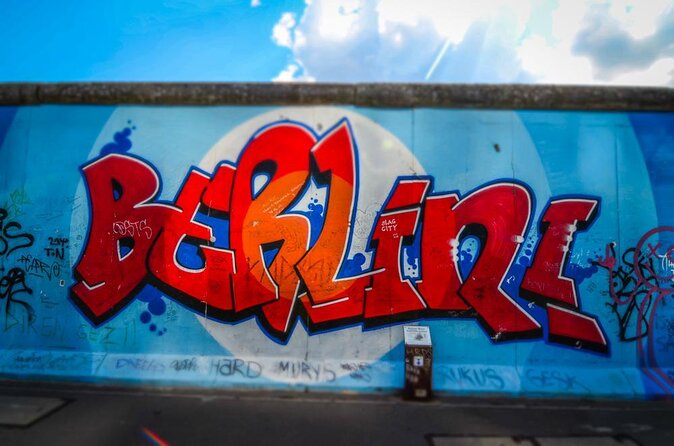
- Small-group feel (up to 12 people) means you’re not lost in a crowd.
- SO36 area and Rio-Reiser-Platz connect music history to today’s street culture.
- Courtyards and Oranienstraße show the neighborhood’s character beyond the main roads.
- Berlin Wall-era landmarks include places tied to the former Wall and later squats.
- Market Hall Nine break gives you a real pause instead of a marathon of talking.
- 3-hour length is long enough for context, short enough to keep your day flexible.
Kreuzberg’s Wild Side: Where You Start (and Where You Finish)
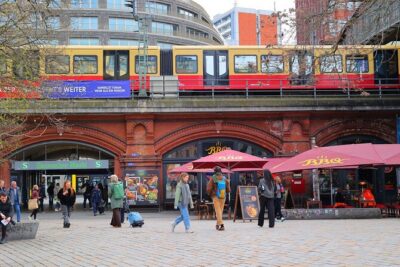
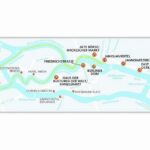
The tour is built for a proper neighborhood feel. You’ll meet at Skalitzer Str. 137 in Kreuzberg and then head out through the area around Kottbusser Tor, where the mix of cafés, bars, clubs, and international food starts to hit you immediately.
You finish near Oberbaumbrücke. That matters because it’s a convenient end point if you want to keep exploring afterward—no awkward mid-city return required.
The walk is about 3 hours, and it’s designed around stops, short breaks, and mostly straight-line progress on foot. If you prefer seeing Berlin by walking first and planning museum time later, this format helps you get your bearings fast.
You can also read our reviews of more walking tours in Berlin



Kreuzberg Doesn’t Sit Still: How This Neighborhood Evolved
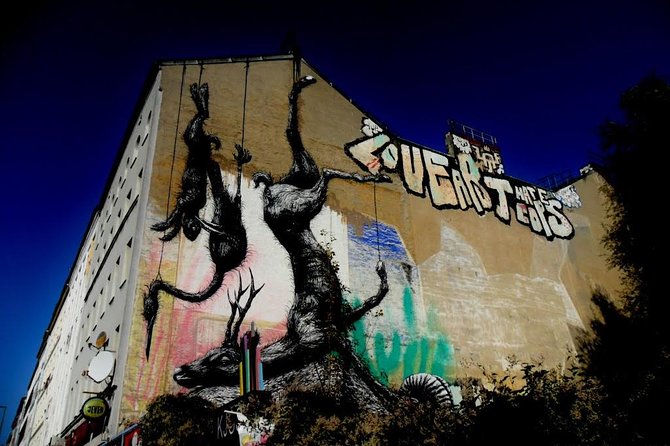
Kreuzberg’s story is the point of the tour. You start with the big timeline: from the 19th century through modern Berlin. The guide frames how Kreuzberg moved from being one of Berlin’s poorer quarters to becoming one of its most popular districts.
That shift isn’t just about money. It’s about who lived here, what communities formed, and how creative people shaped the streets over time. You’ll hear how the neighborhood changed in parallel with fashion, art, and music—which is why the walk doesn’t stay stuck in one era.
A practical benefit for you: this kind of narrative makes what you see outside make more sense. Instead of random murals and weird-looking courtyards, you get a reason they’re there, and why they mattered.
SO36, Club Culture, and Rio-Reiser-Platz Scene Checks
One of the tour’s first reality hits is the SO36 area (with a stop at Club SO36, and it’s listed as free admission). Even if you’re not chasing nightlife, this is where you understand why Kreuzberg became a symbol of music culture.
The tour also points you toward Rio-Reiser-Platz, tied to the neighborhood’s scene energy. Rio Reiser is a name that lands in German music conversations, and the stop gives you a bridge between street life and the art that grew from it.
You’ll spend only about 10 minutes at these specific scene points, but the value comes from what the guide connects: how places become stages, and how that identity changes while the streets keep evolving.
Consideration: if you’re hoping for long photo breaks at club doors or a deep dive into nightlife schedules, this isn’t that kind of tour. It’s more like a guided orientation to Kreuzberg’s creative backbone.
Courtyards, Oranienstraße, and the Neighborhood’s Hidden Texture
After you’ve got the scene context, the walk starts focusing on texture—streets, courtyards, and side spaces. You’ll spend time around Oranienstraße, described as the street at the heart of the SO36 district, and you’ll learn why courtyards are such a big deal in this neighborhood.
These courtyards often feel like a Berlin secret: quiet pockets behind busier streets. The tour uses them to explain how Kreuzberg developed socially and architecturally. You’re not just looking at walls—you’re learning why certain spaces got shaped the way they did.
You’ll also hear about the neighborhood’s connection to creative fields like fashion, art, and music, and how the area’s identity grew through those scenes. That’s the tour’s sweet spot: it turns what might seem like “cool streets” into a story about community and survival.
Berlin Wall-Era Landmarks: Bethanien and the Places That Still Echo
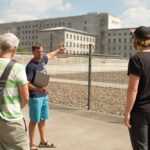
This is where the “wild side” becomes meaningfully historical. You’ll pass by sites tied to the Wall era and its aftermath, including Mariannenplatz and the Arthouse Bethanien.
Bethanien is described as a historic hospital building next to the former Berlin Wall. That positioning matters. Places next to the Wall weren’t just geographically close—they were caught inside a hard divide that shaped daily life.
The walk also references former squatted house projects you’ll see en route, which helps explain how parts of Kreuzberg became known for alternative living and political energy. It’s a reminder that the neighborhood’s edge wasn’t only aesthetic; it was often about making space in a city that changed fast.
Two more Wall-adjacent details you’ll hear about:
- St. Thomas Protestant church
- A treehouse built next to the Berlin Wall
Those stops (and their explanations) help you understand that “Wall history” isn’t only a museum story. In Kreuzberg, you can still read it in the way the city developed around the traces it left behind.
One practical caution: this section can involve more stops to listen and look. If you’re the type who hates stopping often, plan on slow-and-steady pacing rather than “quick photo tour.”
You can also read our reviews of more tours and experiences in Berlin



Gorlitzer Park and the Walk’s Leisure Side
After the heavier Wall-era material, the tour shifts back into livable neighborhood territory. You’ll hit Görlitzer Park for about 15 minutes.
This part of the walk gives you a chance to breathe, reset, and notice how people use public space in Kreuzberg now. It’s not a lecture stop—it’s more of a “look around and absorb” moment, which helps the story stick in your head.
From there, the tour keeps moving through streets like Wiener Street and other local landmarks. The goal isn’t to cram every famous site into three hours. It’s to connect the key dots so Kreuzberg feels like one coherent place instead of separate attractions.
Market Hall Nine Break: Real Pause, Real Berlin Food Hall Vibes
The tour includes a break at Market Hall Nine. That’s a good inclusion because it respects your legs and your attention span. You’re not just walking and listening until your feet file a complaint.
Market Hall Nine is tied to a farmer’s market, so it’s the kind of stop where you can browse and choose something if you want. Just note: food and drinks are not included. The break is there so you can buy what fits your appetite and budget.
For value, this is smart. At $22.45 per person, you’re paying mainly for guide expertise and route structure, not for a meal. The included break keeps you from spending the whole tour hungry, while still letting you choose what you actually want.
If you’re planning your next meal afterward, use the break strategically:
- Grab a small snack and save time
- Or just browse for inspiration and keep walking light
Pacing, Timing, and Small-Group Reality
The tour runs about 3 hours and caps at 12 people. That’s a big deal in a city like Berlin, where group tours can easily turn into a slow-moving train you can’t control.
In a smaller group, you can ask questions without shouting. You’re also less likely to get stuck at the back. The guide can point out small details in courtyards and side streets that larger groups might miss.
That said, you should be realistic: walking tours still depend on people showing up on time and transit functioning normally. There have been situations where the guide had to wait, and Berlin transit disruptions have affected whether the tour could operate smoothly. Your best defense is simple—arrive early and be ready to start.
Price and Value: What $22.45 Buys You Here
At $22.45 per person, this tour sits in the budget-friendly range for a guided walking experience in central Berlin. What justifies the price isn’t the “famous sights” factor. It’s the mix of:
- A local guide (plus driver/guide listed)
- A structured route through Kreuzberg’s major cultural shifts
- An included break at Market Hall Nine
- Stops where admission is free (as listed for the key scene points)
Food and drinks not included is standard for a walking tour, and it keeps the cost down. If you’re hoping the tour price also covers a full meal, you’ll want to plan snacks separately.
Overall, I think the value is strongest if you’re going to use the time to learn why Kreuzberg looks the way it does—and not only take photos.
Who This Kreuzberg Walk Fits Best (and Who Might Want Something Else)
This tour is a good match if you:
- Want a first-time Kreuzberg orientation in a few hours
- Enjoy art, music, and alternative culture stories tied to real places
- Like your Berlin history explained through streets, not only monuments
- Prefer a small-group pace over long bus schedules
It may be less satisfying if you:
- Want deep, long-form museum-level history (this is a guided walk, not a full-day program)
- Need a fully mobile-friendly route with zero waiting time at stops (the tour is not described as step-free, and walking time plus listening time can vary by stop)
- Expect food included in the price (it isn’t)
Quick Tips So Your Walk Goes Smoothly
A few practical moves make a big difference on a neighborhood walking tour in Berlin:
- Wear comfortable shoes. The route is street-heavy, and you’re on your feet for the whole 3 hours.
- Bring a light layer. Berlin weather can flip fast, and you’ll be outside for most of the experience.
- Use the mobile ticket on your phone so you can focus on meeting up and going.
- Arrive early at the meeting point on Skalitzer Str. 137. If you’re late, you’ll feel it.
- If you’re sensitive to interruptions, plan your schedule so you’re not rushing to a timed reservation right after the walk ends near Oberbaumbrücke.
Should You Book the Kreuzberg Wild Side Walking Tour?
Book it if you want a compact, well-guided route through Kreuzberg’s creative culture and the Wall-era places that shaped it. The small group size, the focus on streets and courtyards, and the included Market Hall Nine break make it feel like more than a basic “walk and point” tour.
Skip it only if you already know Kreuzberg inside out and you’re looking for a deeper, longer format. Also consider that transit disruptions can affect walking tours in Berlin; showing up early reduces your risk of delays.
If your goal is to leave Kreuzberg with a clearer story in your head—and legs that don’t hate you too much—this is a strong yes.
FAQ
How long is the Kreuzberg walking tour?
The tour lasts about 3 hours.
What does the tour cost?
It’s listed at $22.45 per person.
Where do I meet and where does the tour end?
Meet at Skalitzer Str. 137, 10999 Berlin, Germany. The tour ends near Oberbaumbrücke, 10243 Berlin, Germany.
How big is the group?
It’s a small-group tour with a maximum of 12 travelers.
What’s included in the price?
You get a driver/guide and a local guide, plus a break in Market Hall Nine. Stop admission is listed as free for the specific stops shown.
Is food or drinks included?
No. Food and drinks are not included, though there is a break at Market Hall Nine.
Can I cancel if my plans change?
You can cancel up to 24 hours in advance for a full refund.