REVIEW · BERLIN
Berlin: City Highlights Express & Panorama Roof Terrace
Book on GetYourGuide →Operated by Regional Tours · Bookable on GetYourGuide
Berlin can feel like a lot, fast, and this tour is built for that. You’ll get a high-impact highlights route through the historic center, guided by a live expert who puts real stories behind the big landmarks. I especially like the mix of royal-era sites and modern icons, plus the payoff of a panorama roof-terrace visit after you’ve been given the context to actually see what you’re looking at.
There’s one catch: it stays out in the open and doesn’t go inside any buildings. On a windy day (or rainy one), you’ll want to dress for the weather because the route is compact but not a sit-down museum experience.
In This Review
- Key points to clock before you go
- A brisk highlights walk with a roof-terrace payoff
- Price and what you’re really paying for
- Getting from the start to the center of the route
- Humboldt Forum and Berlin Palace: where stories change with the buildings
- Berlin Cathedral and Museum Island: monumental scale, explained simply
- Spree River and the city’s camera angles
- TV Tower photo stop: short time, big payoff
- Unter den Linden and the “Royal Berlin” photo moment
- View point time and connecting the map in your head
- Roof terrace panorama: the moment it all clicks
- Who this tour suits best (and who might not love it)
- What you’ll leave knowing
- Should you book it?
- FAQ
- How long is the Berlin City Highlights Express & Panorama Roof Terrace tour?
- What sights does the tour cover?
- Does the tour go inside any buildings?
- Is the roof terrace visit included?
- What languages are available?
- Is it wheelchair accessible?
- Is there free cancellation and a pay-later option?
Key points to clock before you go
- 75 minutes to 1.5 hours: short enough to fit nearly anything, long enough to learn more than “name-and-date.”
- Open-air walk only: you’ll sightsee outside—no house tours, no indoor visits.
- Royal Berlin photo moments: palace-and-boulevard framing that makes it easy to photograph the city’s power center.
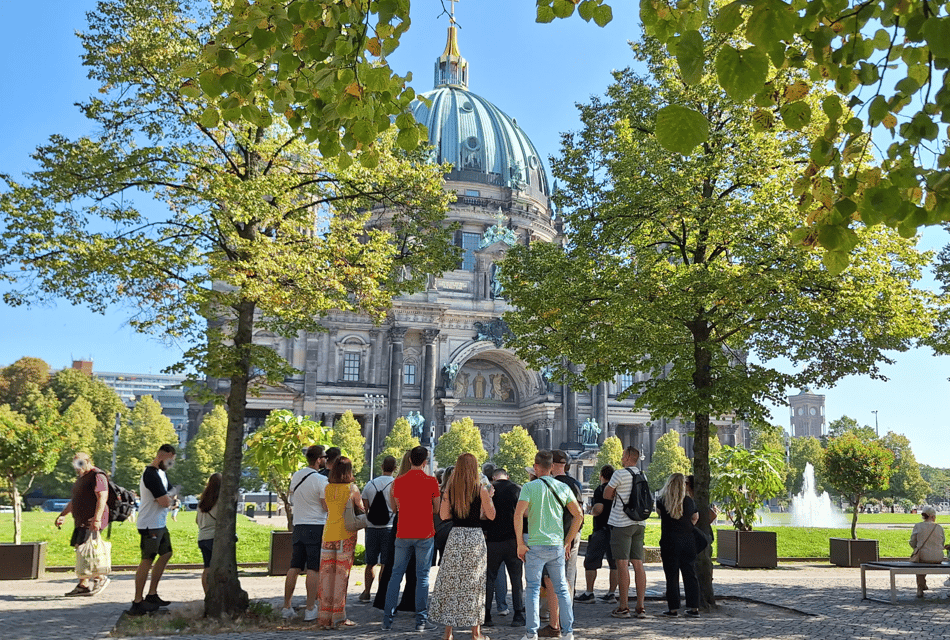
- Top landmarks in one sweep: Humboldt Forum, Berlin Palace, Berlin Cathedral, Museum Island, TV Tower, Unter den Linden, and more.
- Roof terrace included: you’ll end with a viewpoint that helps the whole route click together.
A brisk highlights walk with a roof-terrace payoff
This is a short, guided “get your bearings fast” Berlin experience. The whole point is to move quickly between the city’s headline sights while your guide stitches the places together into a story you can remember later.
What makes it feel worthwhile is the structure. Instead of random stops, you follow a route tied to major landmarks in Berlin’s historic center. You also get little moments that add meaning—like understanding why Unter den Linden matters or what Berlin’s monumental buildings are communicating. Then, when you reach the roof terrace, you can look out and connect the skyline to what you’ve been seeing on foot.
The pace is purposeful. You’ll walk, pause, take photos, and keep going. If you’re the kind of traveler who likes to read the city with your eyes and ears rather than with a guidebook on your lap, you’ll probably enjoy this.
You can also read our reviews of more city tours in Berlin

Price and what you’re really paying for
The price is $229 per group up to 2, with a duration of 75 minutes to 1.5 hours. For Berlin, that can sound steep if you’re expecting this to be “just a casual walk.” But you’re not paying only for someone to point at things. You’re paying for:
- a live guide in English or German
- a timed route through several of Berlin’s most important sights
- a rooftop/panorama stop that adds value beyond street-level photos
If you’re traveling as a pair, the pricing becomes easier to justify because you’re effectively buying two guided “inputs”: local interpretation during the walk, then a view at the end that makes the whole city map feel clearer.
If you’re solo, it can still be good value if you’re short on time and want the learning to happen in a compact window. If you have hours and you love wandering slowly, you might prefer a longer, self-paced plan. This tour is about efficiency, not lingering.
Getting from the start to the center of the route
You’ll meet at a starting point that can vary depending on which option you book. One listed option is near U Museumsinsel (with a reference point of GC92+3M Berlin, U Museumsinsel). The ending point is Am Lustgarten 1, 10178 Berlin.
Why this matters: Berlin’s landmark cluster in the center can be confusing if you’re walking without a plan. Starting near Museumsinsel puts you close to the heart of the sights you’ll hit quickly—Museum Island, the cathedral area, and the riverfront-adjacent views that connect to the rest of the route.
Also, because the tour is open-air, you’ll want to mentally prepare for streets, curb crossings, and photo stops that happen while you’re moving. It’s a city-walk style outing, not a museum crawl with frequent indoor breaks.
Humboldt Forum and Berlin Palace: where stories change with the buildings
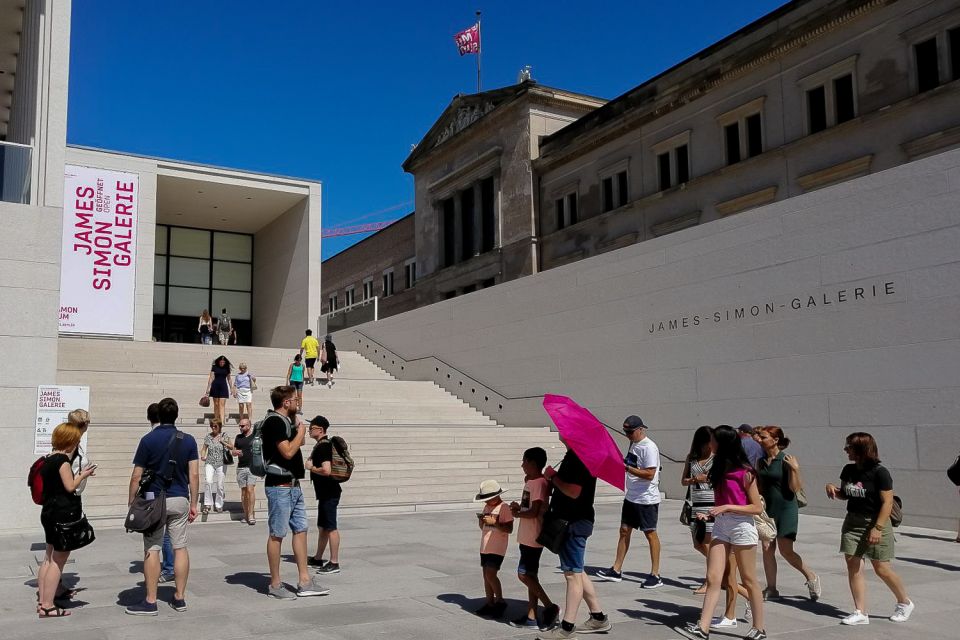
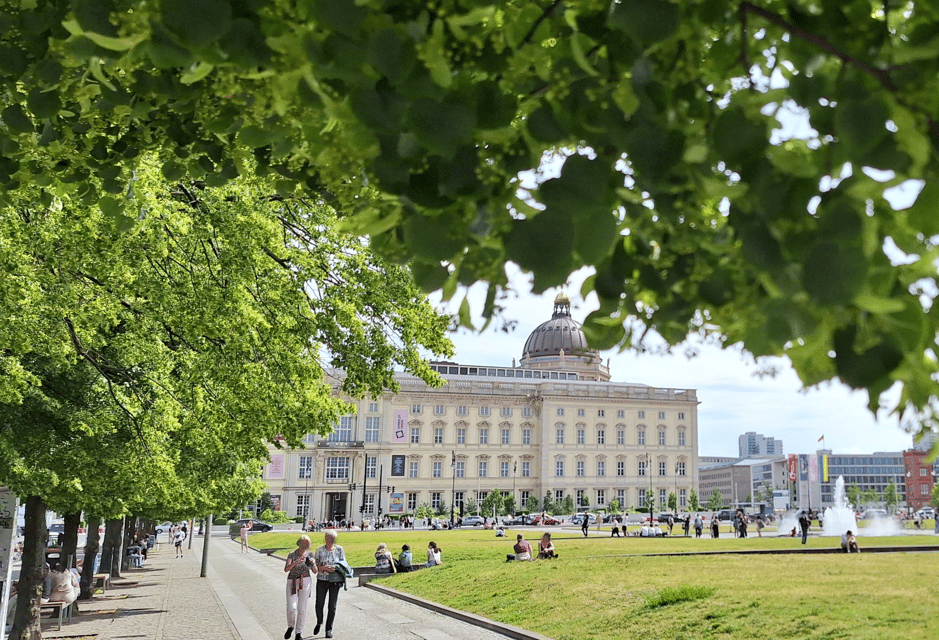
The walk begins with the Humboldt Forum, then heads toward Berlin Palace. These stops work well early in the tour because they set up the big theme you’ll keep seeing across Berlin: the city constantly reshapes itself, and the architecture often becomes a shortcut to the political story.
You’ll spend a short guided segment here, with a mix of listening and sightseeing while you move along. Even if you don’t love architecture for its own sake, these are strong anchors. They give you a way to understand why Berlin’s center looks the way it does—and why the “royal” label matters when you later reach the palace area again through nearby viewpoints and photo stops.
One practical note: since the tour doesn’t enter buildings, the value comes from what your guide tells you about what you can’t go inside. It’s a good way to learn the outline quickly, then decide later if you want to return for a deeper indoor visit on your own.
Berlin Cathedral and Museum Island: monumental scale, explained simply
Next up are Berlin Cathedral and Museum Island. The cathedral segment is short, but that’s the point: you get the essentials of why it’s such a focal point and how it fits into the city’s layout. If you’ve ever felt overwhelmed by Berlin’s “too many landmarks,” this is a good antidote—one landmark at a time, with clear context.
Museum Island is where the tour turns “wow, buildings” into “oh, I get it.” You’ll pass by and get guidance on what you’re looking at, rather than treating it like a list of museums. That helps you make sense of the island’s role in Berlin’s cultural identity.
This is also one of the better sections for photography. Even without entering anything, the cathedral-and-island pairing gives you strong lines of sight and plenty of angles for skyline and landmark framing.


Spree River and the city’s camera angles
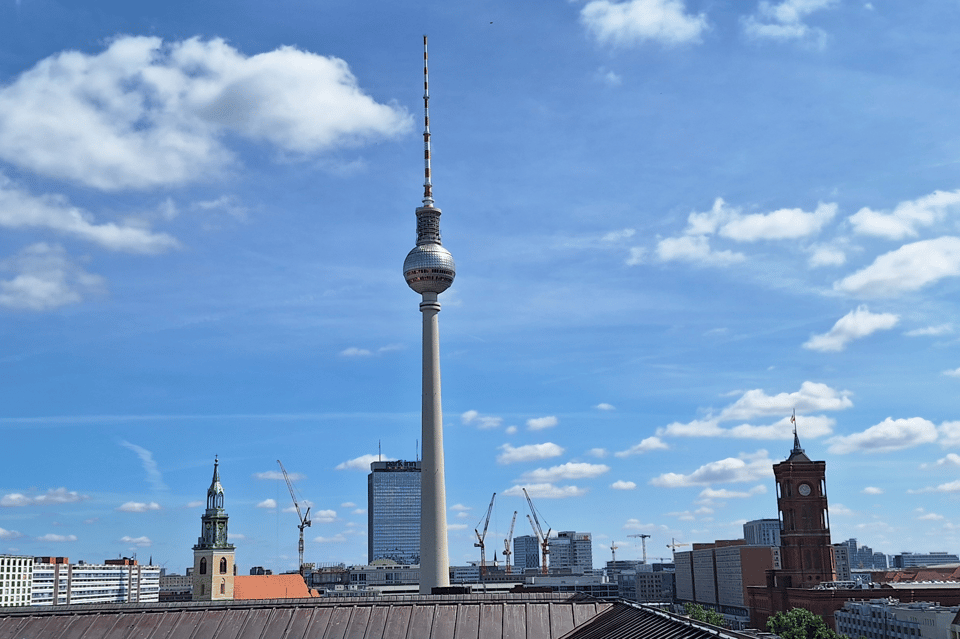
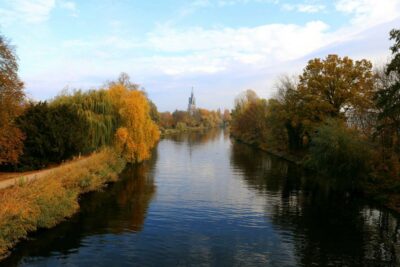
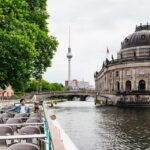
You’ll get time with the Spree River as a viewpoint element along the route, mainly as a sight-and-photo moment. The river is the kind of detail that can be easy to ignore if you’re only chasing the biggest buildings. Here, it acts like a visual reset: you see the monuments from a slightly different perspective and understand how the city organizes itself around the water.
You also get a chance to slow your thinking for a second. After the “big landmark” feel of the palace/cathedral areas, the river moment helps the route feel less like a checklist and more like a real geography.
TV Tower photo stop: short time, big payoff
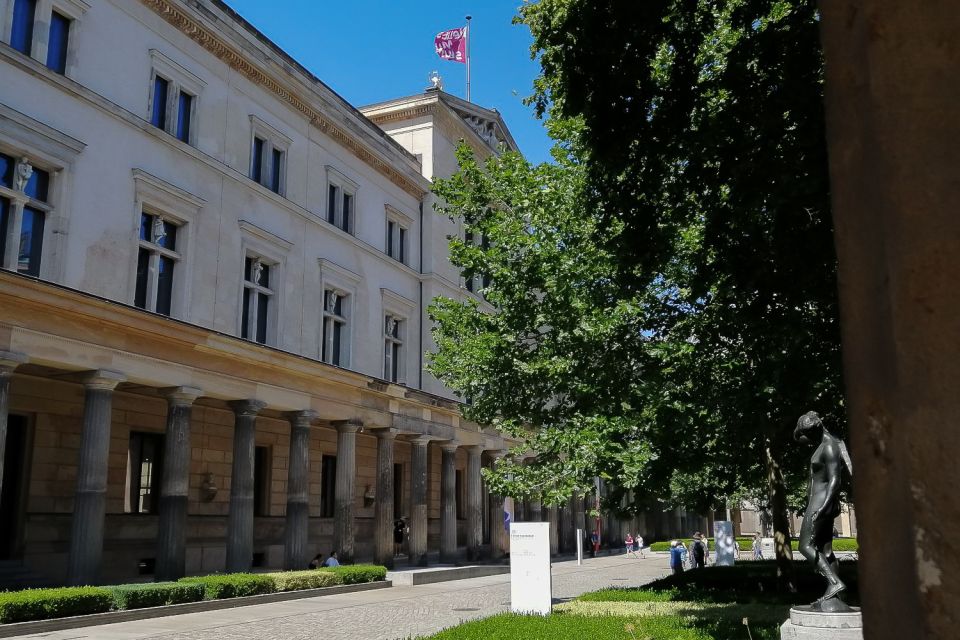
A highlight you can’t miss is the TV Tower, Berlin stop. You’ll have a photo stop plus guided sightseeing in a short window.
This is one of those places where you benefit from having a guide even if you’re not going up inside a building (the tour stays open-air). Your guide can help you read what the TV Tower signals in the city’s modern story, and you’ll also get better at judging distance and angles for photos on the street.
If you’re trying to capture Berlin’s skyline quickly, this stop is built for it. The timing is tight, but the payoff tends to be high because the landmark is so visually dominant.
Unter den Linden and the “Royal Berlin” photo moment
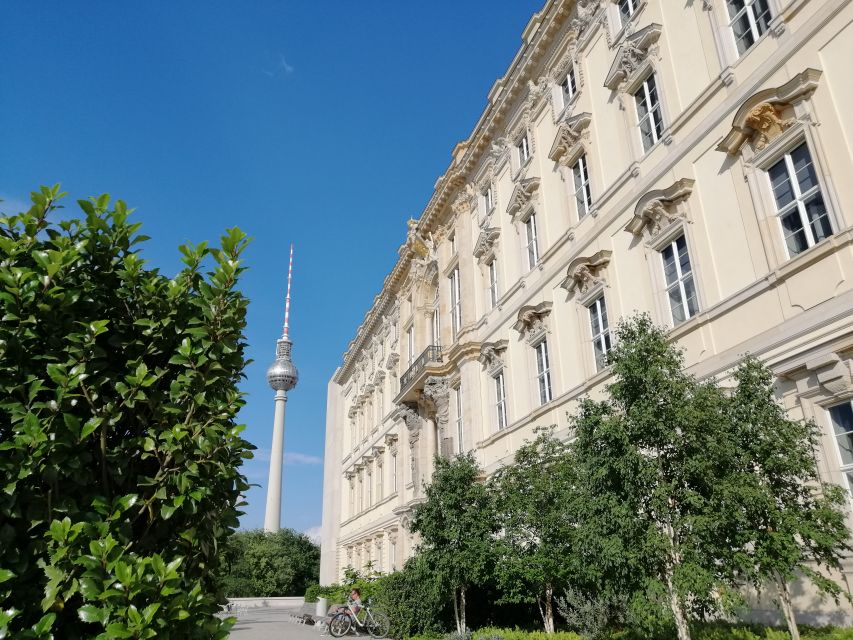
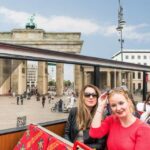
Then the route shifts into what the tour describes as Royal Berlin, with a focus on Unter den Linden. This is where the “story route” feeling really shows.
Unter den Linden isn’t just a street with famous buildings. It’s a named corridor of power, lined with structures that reflect different eras and political priorities. During the guided segment along the boulevard, you’ll get context about kings and emperors—without needing a semester of Berlin studies.
Photo-wise, this part is smart because it gives you a long visual line for framing. You’ll do photo stops and short guided walks here, with time built into the route for pictures rather than forcing you to snap while still walking blindly.
If your main goal is to leave with strong images and a cleaner understanding of what they mean, this is one of the strongest segments of the tour.
View point time and connecting the map in your head
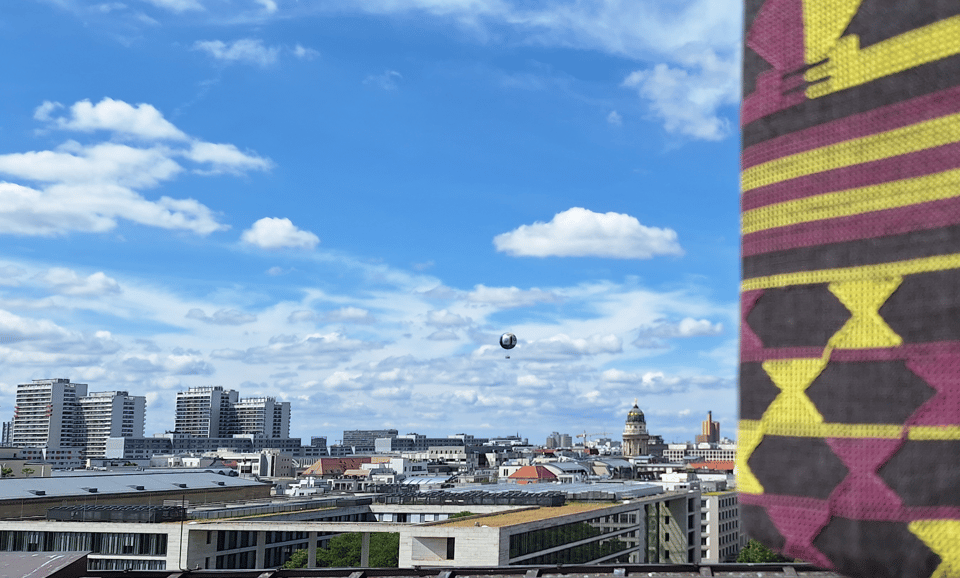
There’s a view point segment with guided sightseeing and a longer-ish stop for photos. This part helps you do something that’s hard when you’re walking street level: you start to connect how the landmarks relate to each other.
That’s why the roof-terrace visit later matters. By the time you reach it, you already have a mental map forming. You’re not seeing the city like a random collection of monuments—you’re seeing a connected layout.
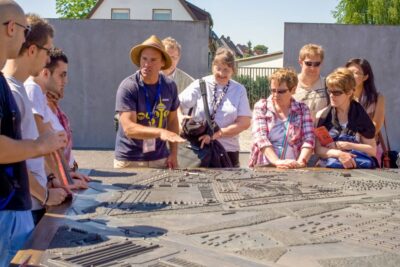
This is also a section where you can ask questions. The format is interactive, and the guide is there to help with insider tips and recommendations. The tour is short, so making use of the Q&A moment is a good strategy.
Roof terrace panorama: the moment it all clicks
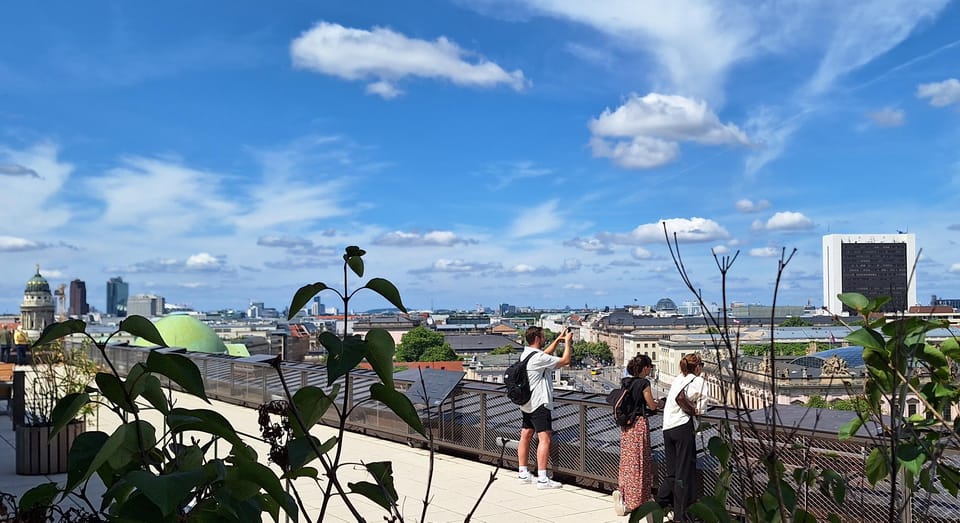
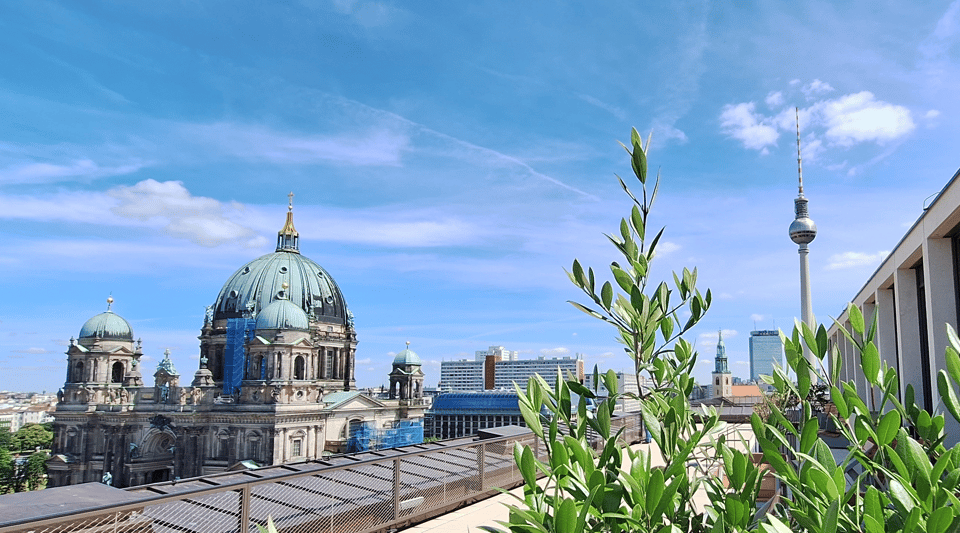
The included feature here is a visit to the roof terrace. Even though you’re only on it briefly, a roof-terrace moment is one of the best ways to translate what you’ve walked through into what you can remember.
Street-level Berlin can feel layered. From above, you get a clearer read on spacing between landmark zones—especially around Museumsinsel, the riverfront, and the central axis where Unter den Linden runs.
This is also a nice “finish strong” step. It turns the tour from a set of photos into a more complete experience. Instead of just collecting landmark shots, you leave with one final wide-view memory.
And based on the guide-driven nature of the walk, you’ll likely find the roof terrace less about passively looking and more about recognizing what you’ve already seen and why it matters.
Who this tour suits best (and who might not love it)
This is a good fit if you want a fast, focused guided tour of Berlin’s biggest sights. You’ll likely enjoy it if:
- you’re short on time and want a strong overview in about an hour to ninety minutes
- you like learning the story behind landmark architecture as you see it
- you want photo stops that actually line up with key areas (palace, cathedral, boulevard, and TV Tower)
- you prefer open-air sightseeing with a guide rather than indoor museum time
It may not be ideal if you want long stays at a few places. This tour doesn’t go inside any buildings, so you won’t get house tours or “see the inside” experiences. It’s also not a slow stroll where you stop every two minutes to admire one small detail. It’s brisk by design, with structure and momentum.
What you’ll leave knowing
A strong thing about this kind of route is that it gives you a mental framework. Afterward, the names you’ve seen—Humboldt Forum, Berlin Palace, Berlin Cathedral, Museum Island, Unter den Linden, the TV Tower, and Lustgarten—stop being just labels. You can place them on a rough map and understand why they’re grouped in the city center.
The reviews score high because the tour tends to deliver on what short tours often miss: it’s not only “lots of stops.” It’s also personal and responsive. People have praised the guide’s ability to answer questions and keep the experience interesting even when weather isn’t cooperating.
If you’re the kind of traveler who gets frustrated by tours that feel like speed-running monuments, this one is built to avoid that problem by pairing each stop with a clear story and plenty of photo-friendly pauses.
Should you book it?
Book it if you want a quick Berlin hits tour that still feels informed—especially if you like guided stories, clear photo stops, and a roof-terrace payoff. It’s also a great “first-day” plan if you want to get oriented before you start wandering on your own.
Skip it (or choose something longer) if you want indoor access or you plan to spend lots of time inside specific buildings. This is an open-air, outside-focused experience, and the value is in what the guide helps you understand while you’re walking.
If you’re trying to pack Berlin into a tight schedule, this is one of the most practical ways to do it without turning your trip into a list of selfies.
FAQ
How long is the Berlin City Highlights Express & Panorama Roof Terrace tour?
It lasts 75 minutes to 1.5 hours, depending on the starting time and day.
What sights does the tour cover?
You’ll see major central landmarks including the Humboldt Forum, Berlin Palace, Berlin Cathedral, Museum Island, the Spree River area, the TV Tower, Unter den Linden, and you’ll end near Am Lustgarten 1. The route also includes stops/photo moments such as the Lustgarten area and the Old Museum.
Does the tour go inside any buildings?
No. This tour stays out in the open and does not go into buildings. There are no house tours.
Is the roof terrace visit included?
Yes. The tour includes a visit to the roof terrace.
What languages are available?
The live guide offers tours in English and German.
Is it wheelchair accessible?
Yes, it is listed as wheelchair accessible.
Is there free cancellation and a pay-later option?
There is free cancellation up to 24 hours in advance for a full refund, and you can reserve now and pay later.