REVIEW · BERLIN
From Berlin: Sachsenhausen Concentration Camp Day Trip
Book on GetYourGuide →Operated by Walkative Tours · Bookable on GetYourGuide
A quiet walk through a loud history sets the tone. On this Sachsenhausen day trip from Berlin, I really like the small-group size and how the guide brings the story to life with personal words such as quotes and poems. The only drawback: this is a serious, heavy visit, so if you prefer lighter history, you may find it intense even with a good guide.
You’ll meet at the Rotes Rathaus area in central Berlin, take the train to Oranienburg, and join a guided walking route that lasts about 5 hours rain or shine. Expect a thoughtful pace, but also plenty of “stop and absorb” moments once you’re inside the camp grounds and at the memorial.
In This Review
- Key highlights you shouldn’t skip
- Sachsenhausen in one day: what this 5-hour trip really delivers
- Getting from central Berlin to Oranienburg (without stressing)
- Entering Sachsenhausen: the main gate moment and how the guide sets the story
- Who was targeted, and why the story matters today
- Memorial time: reflection without rushing
- The guide experience: what makes this tour feel different
- Price and value: is $32 for Sachsenhausen worth it?
- Who this Sachsenhausen day trip fits best
- Should you book this Sachsenhausen Concentration Camp day trip from Berlin?
- FAQ
- Where do I meet the guide?
- How long is the Sachsenhausen day trip?
- What transport ticket do I need?
- Is the tour guided, and in what language?
- What’s included in the price?
- Is the tour weather dependent?
- Is it wheelchair accessible?
Key highlights you shouldn’t skip
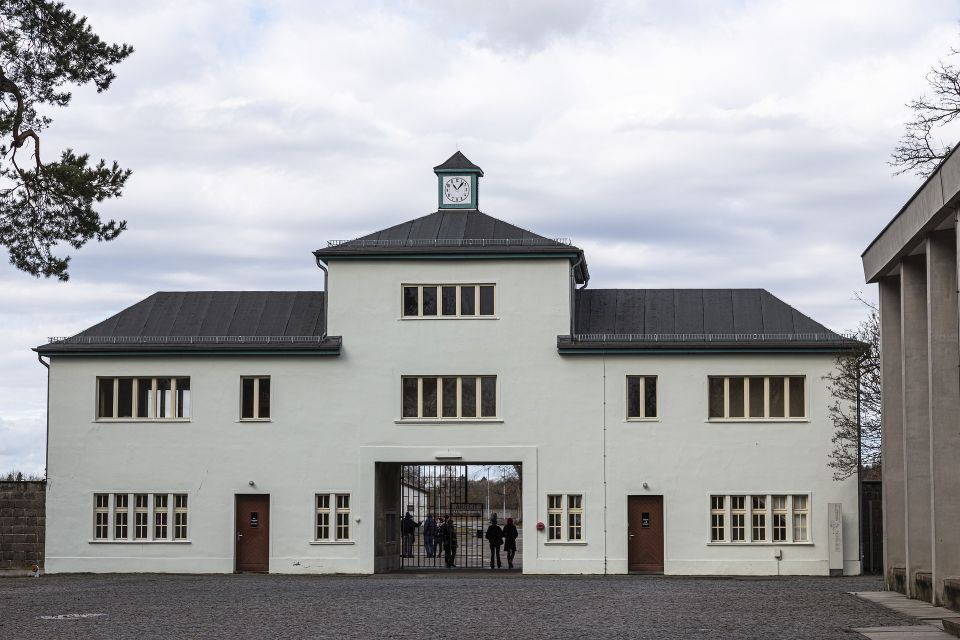
- Main gate impact: Walking up to the Sachsenhausen entrance is the moment everything feels real.
- Built in 1936 context: You’ll hear how the camp began in that year, and why it was treated as a model by the Nazis.
- Targeted prisoner stories: The guide explains who was held there and the reasons the regime targeted each group.
- Guides who handle questions well: The best part is not just facts, but answers—your guide stays open and helps the group follow the thread.
- Memorial time: You stop to reflect and pay respects rather than turning it into a rushed photo stop.
Sachsenhausen in one day: what this 5-hour trip really delivers
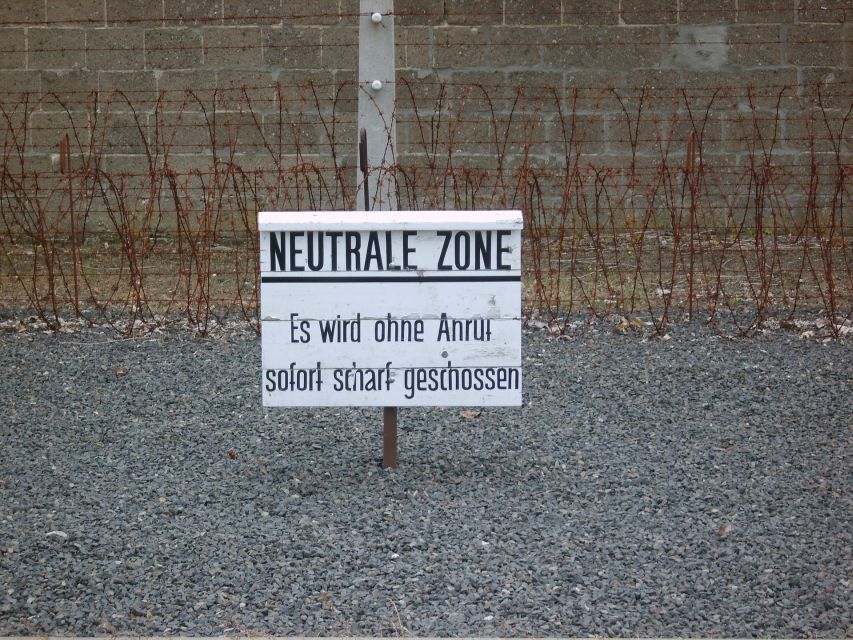
A day trip like this works when you want more than a bus ride and a landmark checklist. Sachsenhausen Concentration Camp was designed with purpose—by Nazis who wanted control, punishment, and propaganda rolled into one system. This tour gives you a guided walking route that connects the dots between the camp’s origins and what happened inside its walls.
The big value here is structure. You’re not just dropped at the entrance. A live English guide keeps the history moving in a way that’s easier to hold in your head during a somber visit. You start with the events that led to the creation of the camp in 1936, then you learn how it became a kind of reference point for other Nazi camps. That framing matters, because it helps you understand the logic behind the cruelty—not as random chaos, but as a planned machine.
You’ll also get the human side in a careful way. The guides use personal words from people affected by what happened there, including references such as quotes and poems. That’s usually what stays with you after the tour: the difference between hearing dates and understanding what it felt like.
The timing is also important. Five hours is enough time to move through the main parts of the site with a guide, but not so long that you’re mentally exhausted before the memorial. Still, plan your day like a history visit, not a casual outing. You’ll want time after to decompress.
You can also read our reviews of more tours and experiences in Berlin


Getting from central Berlin to Oranienburg (without stressing)
The meet-up point is simple: you’ll meet your guide in front of the Red Town Hall entrance (Rotes Rathaus). From there, you’ll take public transport to Oranienburg, where the Sachsenhausen visit begins at the camp’s main gate.
This is where practical planning pays off. You’ll need an ABC zone train ticket, and you’ll want to buy it before you’re standing with the group. If you’re coming from farther out in Berlin, give yourself buffer time to find the right connection and get to the guide on schedule.
One thing I appreciate about this format is how it’s built around public transit. No hotel pickup. No complicated shuttle system. You take the train, arrive with the guide, and then the day becomes about the site.
Also: trains can be unpredictable, and on at least some days guides have handled transport issues without cutting the tour short. That matters because the site is serious—shortening the experience feels like skipping steps where you most need a steady pace.
Entering Sachsenhausen: the main gate moment and how the guide sets the story
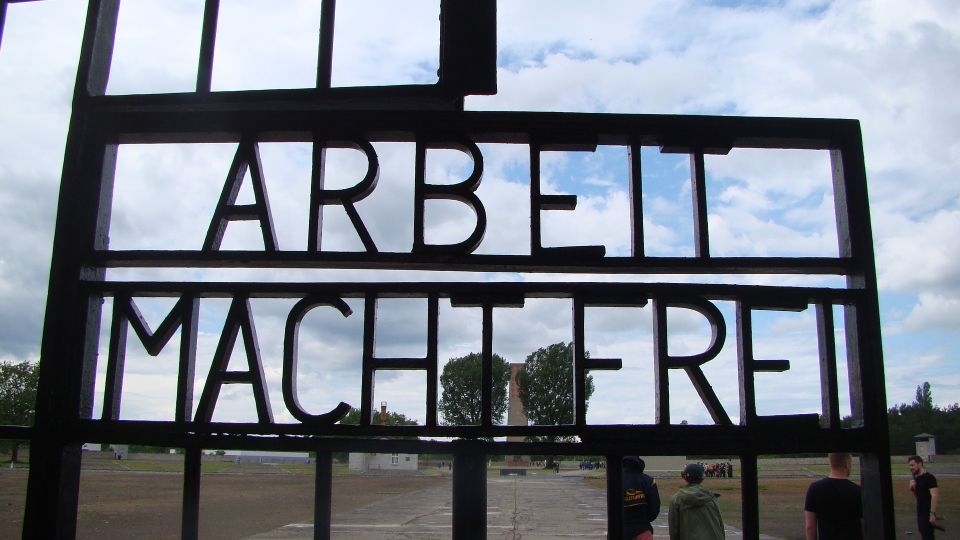
The tour centers on walking through Sachsenhausen as a guided experience, starting at the main entrance. You’ll enter the camp grounds through the main gate, and that moment does something to your brain. The space feels organized in a way that’s hard to shake. Even if you know the history, you still have to take in what you’re seeing: a place built to control people, not to educate tourists.
Your guide explains the historical events that led to the camp’s creation in 1936. That’s not just background—it’s the difference between learning about a place and understanding why it existed. You’ll also hear why the Nazis considered Sachsenhausen a model for other camps. The takeaway is uncomfortable but useful: this system was replicated because it worked for the regime’s goals.
As you walk, the guide ties the layout to the story—who was kept inside, how the persecution played out, and why different groups were targeted. The camp held political prisoners and other persecuted groups, and the guide explains the thinking behind targeting each group. That’s a key part of making sense of the site, because Sachsenhausen wasn’t one “purpose.” It was a tool used against multiple categories of people.
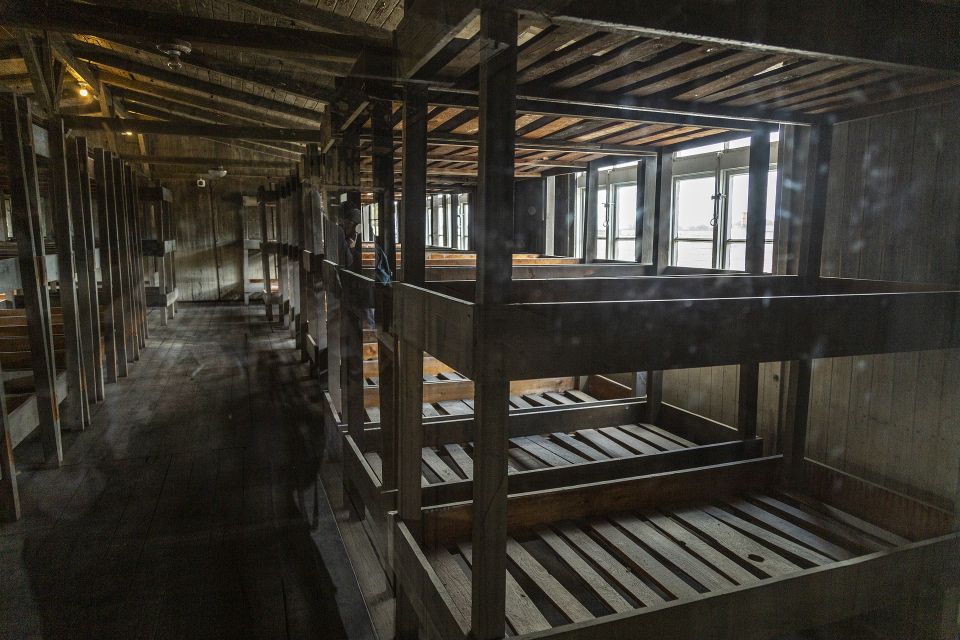
You’ll likely move through areas where the daily rhythm of confinement is implied by the space itself. The walking tour style helps because you’re not trying to read everything at once from static signs. The guide points you where meaning is concentrated, and you get time to absorb what you’re looking at before moving on.
Who was targeted, and why the story matters today
A concentration camp tour can go wrong when it becomes either too clinical or too emotional. This tour aims for a middle ground: factual, but focused on why the victims were there and what the Nazis tried to achieve.
As you hear about the prisoners held at Sachsenhausen, pay attention to how the guide explains intent. The Nazis didn’t target people at random. Different persecuted groups were targeted for different reasons linked to ideology, power, and control. Learning that helps you see the system as policy—something enforced day after day.
This matters for you as a visitor because it shapes what you notice on site. When you understand who was targeted and why, you stop seeing the camp as just a set of structures and start recognizing it as a mechanism aimed at specific human beings. That shift is the point of a guided tour.
And this is where the best guides earn their keep. In the experiences that have made this trip stand out, guides keep the conversation open. If you’re unsure about a detail, you’ll likely get an explanation in plain language without making you feel awkward. Some guides also stay comfortable answering questions about survivors and the people connected to the camp’s history—helpful if you came with curiosity instead of a checklist.
Memorial time: reflection without rushing
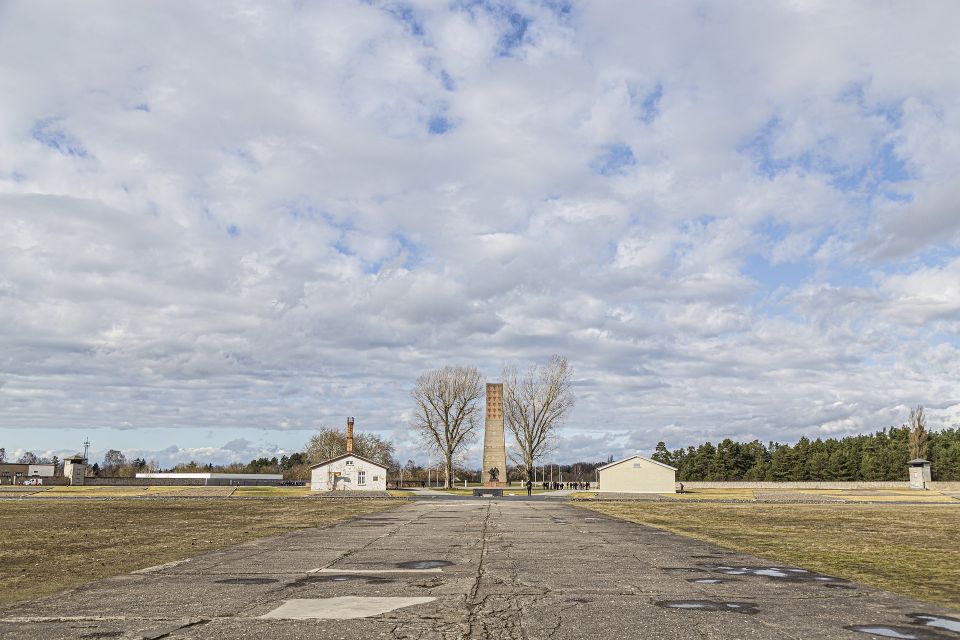
One of the strongest parts of this experience is the stop at the memorial for the victims. This isn’t treated like an add-on. The tour gives you time to reflect and pay your respects, which is exactly what you want at a place like this.
Memorial spaces can feel tricky for visitors because you want to show respect but you don’t want to stand there looking lost. A guided tour helps you slow down at the right points. Instead of racing through for photos, you have a chance to absorb what’s in front of you and to let the emotional weight land.
If you’re traveling with someone who handles history differently—one person wants questions answered, the other needs quiet—this memorial stop gives both types a workable moment. The guide can help the story make sense, while you still have room to be still.
Dress and mindset matter here too. The tour runs rain or shine, so bring weather-appropriate layers. Wind and cold can make reflection harder, not because it’s disrespectful, but because you’ll be focused on being uncomfortable. Plan for comfort so your attention stays where it belongs.





The guide experience: what makes this tour feel different
In concentration camp settings, your guide can make the difference between a confusing blur and a meaningful, understandable route.
Here’s what stands out with this tour: the guides tend to explain clearly and keep you following the thread from camp origins to what happened to different groups. The narration is designed to be easy to follow, even when the subject is heavy. That’s why people who toured alongside kids have described it as understandable and serious without turning it into chaos.
You might meet guides such as Tina, Will, Xavier, or Julie. The names matter because you can see a pattern in how the role is played: professional, organized, and willing to help. On at least some days, guides have also handled public transport problems—keeping the group moving and still preserving the tour’s core flow.
What I’d call “high value” for you: the guides use human details like poems and quotes, while still staying focused on the historical chain of events. That combo helps prevent two common problems. One is the purely factual lecture vibe. The other is getting overwhelmed and losing the story.
If you want to ask questions, this tour is set up for it. The guide stays open, and when you don’t understand something, you’re not left to guess from a brochure.
Price and value: is $32 for Sachsenhausen worth it?
At around $32 per person, this is a budget-friendly way to do Sachsenhausen with a guide. The entry itself and the live guide are included, while the ABC zone train ticket is not. That means you pay for the thing you can’t easily DIY as well: guided pacing and explanation.
Is it a “cheap camp tour”? No—because the subject deserves time and care. But for what you get—small group size (limited to 15), English narration, guided entry, and a walking route that includes time at the memorial—the price feels reasonable for Berlin.
Where the value shows up for you is in the time you save mentally. Without a guide, you might read signs and piece together the history, but you’d likely miss how the tour connects the camp’s construction, its purpose as a model, the targeted groups, and the meaning of the memorial stop.
If you’re the type who likes to understand what you’re seeing—not just visit places—this is the sort of expense that pays off.
Who this Sachsenhausen day trip fits best
This day trip is a good match if you want a structured walking tour from Berlin and you care about context. It also suits travelers who want to keep the group small. A maximum of 15 participants means you’re less likely to feel like you’re watching a slideshow from a distance.
It’s also a decent option for mixed travel styles. If you’re very into history, you’ll appreciate the guide’s explanation of how the camp began and how the Nazis targeted different groups. If you’re more emotionally impacted and need a steadier pace, a guided route can help you not feel lost in a massive site.
One more practical point: the tour is wheelchair accessible. If you use a wheelchair or mobility device, this matters for planning and comfort during a walking experience.
If you have limited time and you’re staying in Berlin only, this day trip is a straightforward choice. You don’t have to coordinate separate train routes, and you get a focused, single-day commitment rather than spending your whole schedule trying to figure out the best way to tour Sachsenhausen on your own.
Should you book this Sachsenhausen Concentration Camp day trip from Berlin?
I’d book it if you want a small-group, guided way to understand Sachsenhausen without turning it into a rushed checklist. The biggest reasons are practical and emotional at the same time: you enter through the main gate with context, you hear about who was held there and why, and you end with a memorial stop that’s built for reflection.
Pass on it only if you know you’re not ready for a very serious visit. The five-hour duration is long enough to make the history sink in, and that’s exactly why the tour is valuable.
If you’re choosing between DIY tickets and a guided walk, this is one of those places where a guide helps you see what matters—and helps you treat it with the attention it deserves.
FAQ
Where do I meet the guide?
You meet your guide in front of the Red Town Hall (Rotes Rathaus) entrance in Berlin.
How long is the Sachsenhausen day trip?
The tour lasts about 5 hours.
What transport ticket do I need?
You’ll need an ABC zone train ticket to get to Oranienburg. The ticket isn’t included, but you can buy it for the trip.
Is the tour guided, and in what language?
Yes, it includes a live English guide.
What’s included in the price?
Entry to Sachsenhausen Concentration Camp and the guided tour are included.
Is the tour weather dependent?
It runs rain or shine, so dress for the weather.
Is it wheelchair accessible?
Yes, the tour is listed as wheelchair accessible.