REVIEW · BERLIN
Berlin: Sachsenhausen Concentration Camp Guided Tour
Book on GetYourGuide →Operated by On the Front Tours · Bookable on GetYourGuide
Hard history, carefully guided. This Sachsenhausen tour gives you a structured look at how the Nazi camp system worked, with a small group and an English guide picking you up right at Alexanderplatz. I like that it’s not just dates and names; you walk the grounds and hear how daily routine, fear, and control shaped prisoner life.
I also like the pacing and balance. You start with how Sachsenhausen became a model camp, then you move through key areas like the main entrance, Jewish sector, cell block, and later the grim Station Z spaces, while still getting a short break for restrooms and exhibits. The main drawback to plan for is emotional heaviness plus lots of standing and walking, so comfortable shoes are not optional.
In This Review
- Key Things That Make This Tour Worth Your Time
- Getting From Alexanderplatz to Sachsenhausen Without Wasting Time
- How the Guide Frames Sachsenhausen as the Prototype Camp
- The Main Entrance, Tower A, and That Chilling First Impression
- Morning Roll Call to Routine Control: How Prisoner Life Was Structured
- Jewish Sector: Overcrowding and the Weight of Living Conditions
- Cell Block and the Prisoners the System Tried to Erase
- A Short Kitchen Break and Exhibit Time You’ll Probably Want
- Soviet Special Camp no. 7: What Happened After Liberation
- Station Z: Execution Site, Gas Chamber, and Crematorium
- The Infirmary Stop: Medical Experiments and the Cost of Control
- Group Size, Guide Style, and Why the English Tour Format Matters
- Practical Tips: What to Bring and How to Stay Comfortable
- Price and Value: Is $115 for Five Hours Fair?
- Who Should Book This Tour (and Who Might Want a Different Format)
- Should You Book This Sachsenhausen Concentration Camp Guided Tour?
- FAQ
- Where is the meeting point for the tour?
- How long is the Sachsenhausen guided tour?
- Is the tour in English?
- What’s the group size?
- Does the tour run in bad weather?
- What should I bring?
- What is included in the price?
- Are there any restrictions on the day?
Key Things That Make This Tour Worth Your Time
- Small-group feel (up to 7): more space for questions and a calmer pace on sensitive subjects
- A clear route: from SS administration areas through roll call, barracks, cell block, and Station Z
- Everyday camp life explained: not just atrocities, but routines that made cruelty systematic
- Jewish sector and special inmates: clear context for what different groups endured
- Postwar chapter included: Sachsenhausen’s Soviet use as Special Camp no. 7 with about 60,000 prisoners
- English guides with real people skills: guides like Matt, Tom, and Jorg are praised for care and responsiveness
Getting From Alexanderplatz to Sachsenhausen Without Wasting Time
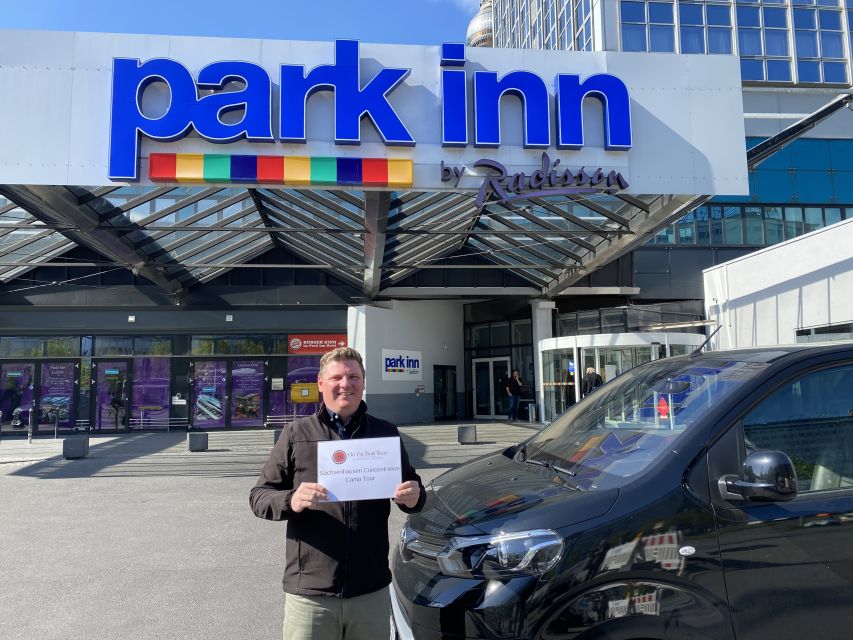
The day runs on a simple rhythm: you meet at the Park Inn by Radisson Berlin Alexanderplatz taxi pick-up area, then you head out by van for about 30 minutes. It keeps things easy in a city where you could otherwise spend time figuring out transport and schedules. You’ll also get water, which sounds small until you’re standing for long stretches in any weather.
The tour is designed for a full, focused visit: about four hours at the memorial, plus travel time. Expect it to run rain or shine, so bring clothing you can move in and layers you can adjust.
You can also read our reviews of more guided tours in Berlin



How the Guide Frames Sachsenhausen as the Prototype Camp
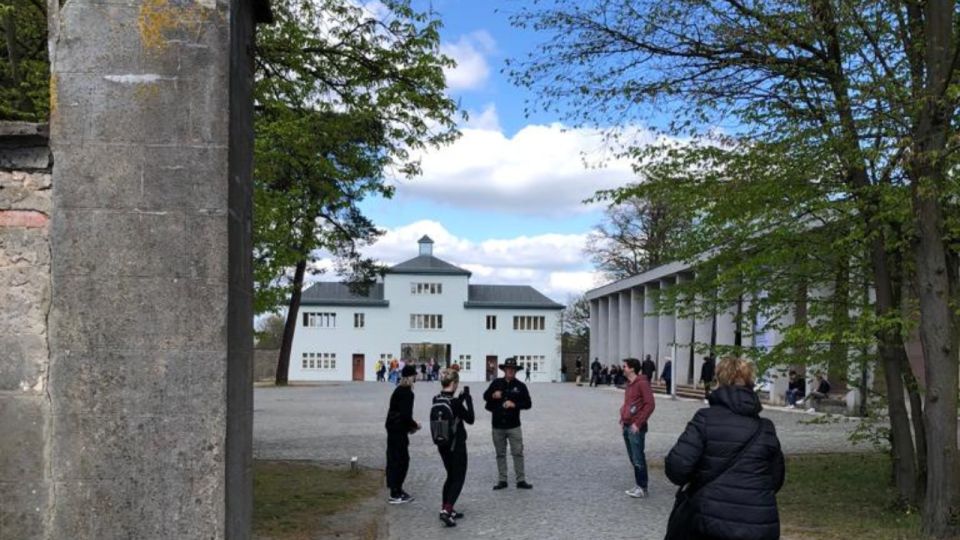
Sachsenhausen is described here as the first prototype of the Nazi concentration camp system. That framing matters, because you’re not only visiting a site—you’re learning how the machine was built and standardized. On arrival, your guide explains the methodology of the Nazi concentration camp system and why Sachsenhausen became the model for later camps.
You also go through the SS Concentration Camps Inspectorate area, which helps you understand the camp as an administration system, not just a prison yard. When you can see where management and control took shape, the rest of the tour makes more sense.
Tip: when the guide talks about motivations and mindsets—guards, administrators, and prisoners—stay present. This isn’t a tour built for quick sightseeing; it’s built for clarity.
The Main Entrance, Tower A, and That Chilling First Impression
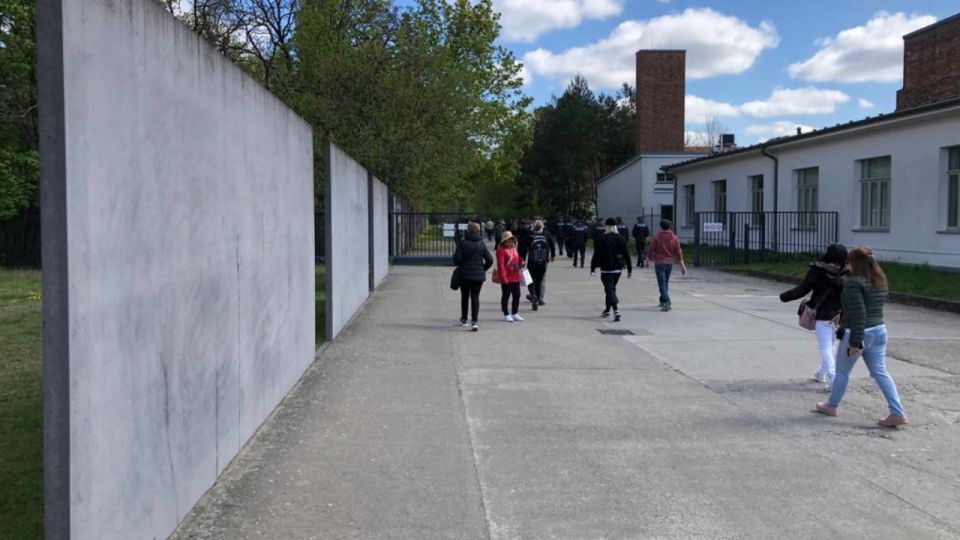
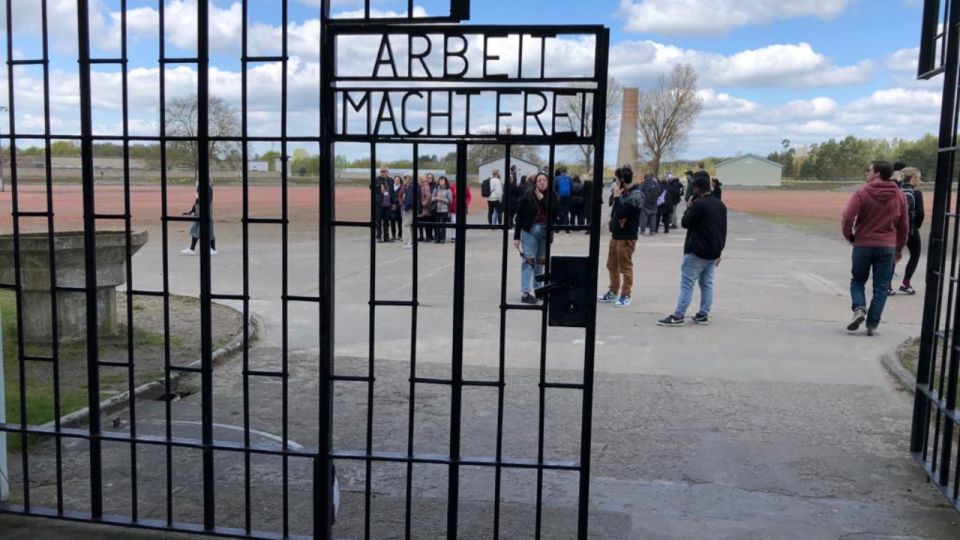
Walking into Sachsenhausen from the main entrance is a deliberate moment. You pass through Tower A under the words ARBEIT MACHT FREI, a slogan used to mask brutality with a false promise of work leading to freedom.
Right away, you’re led into the camp’s daily routine: morning roll call and the shoe testing track. These details are hard, but they’re useful. They show how discipline, sorting, and humiliation were built into the day-to-day rhythm—so cruelty wasn’t occasional; it was scheduled.
Morning Roll Call to Routine Control: How Prisoner Life Was Structured
This tour doesn’t treat prisoner life as a vague concept. You hear about the practical struggles and challenges people faced, from the routine control of roll calls to how prisoners were processed and examined. When the guide explains the logic behind routine, you start to see how the system reduced human beings into tasks and categories.
One of the strongest parts is the way the tour links behavior and fear to structure. Roll call isn’t just a detail; it’s a tool for maintaining power. The shoe testing track isn’t just grim scenery; it’s an example of how minor acts of control reinforced the bigger picture.
Jewish Sector: Overcrowding and the Weight of Living Conditions
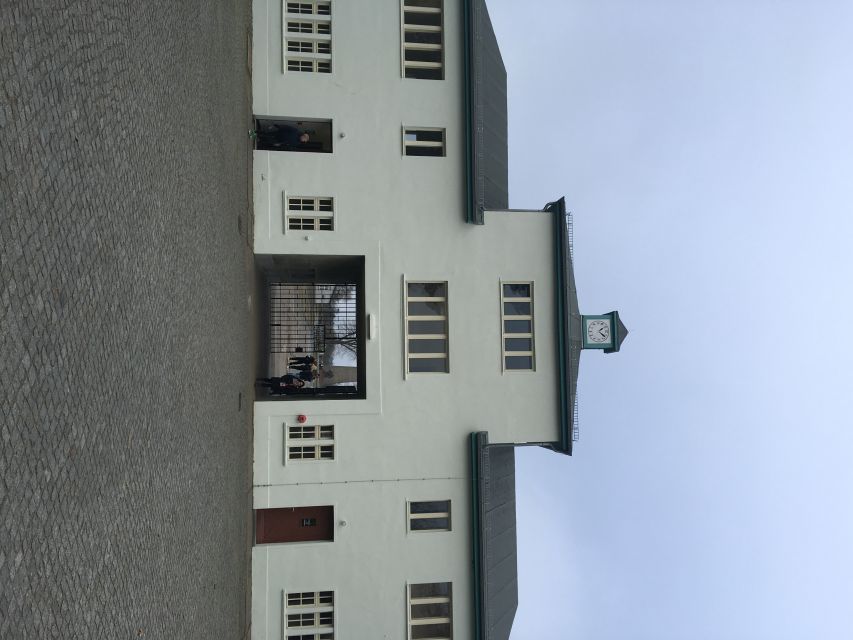
You then move into the Jewish sector of the camp. Here, the tour focuses on overcrowded barracks and the living conditions prisoners were forced to endure. This is where the tour shifts from the general mechanics of the camp to a more direct sense of what confinement meant in physical terms.
Walking through barracks spaces can feel like walking into someone else’s lack of options. The value of this section is context: your guide helps you connect what you see to what people suffered and why it mattered.



Cell Block and the Prisoners the System Tried to Erase
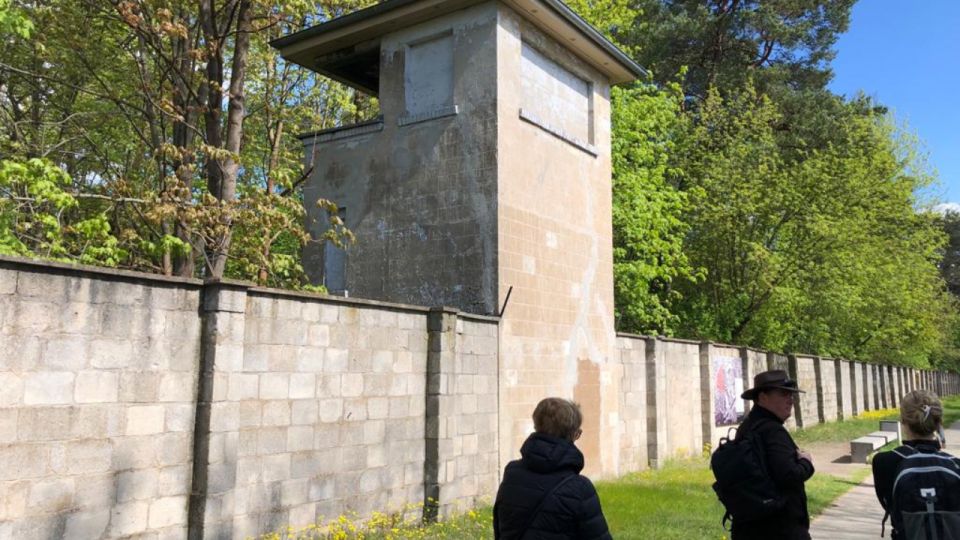
Next comes the camp cell block—described as shrouded in secrecy and tied to cruel mistreatment. You’ll learn about British POWs and other special inmates, including Stalin’s son. That mix can be difficult, but it’s important, because it shows the camp wasn’t only used in one narrow way; it was used for different groups under the same machinery of abuse.
If you prefer tours that explain how the system worked across categories, this section will feel particularly educational. It also underlines why you’ll hear about both guards and prisoners—not to excuse one side, but to understand how a system can be carried out by ordinary people acting within cruel instructions.
A Short Kitchen Break and Exhibit Time You’ll Probably Want
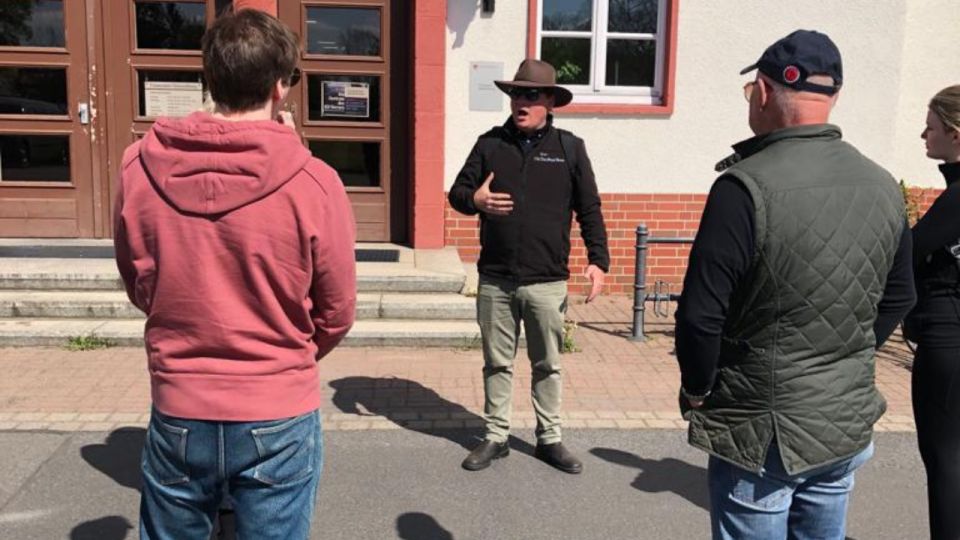
After the more intense walk-throughs, you reach the camp kitchen. This is your chance to take a short break, use the restrooms, and see an exhibition of camp items. One detail that stands out in the tour description is that prisoner drawings are still visible on the walls—an unusually human thread in a place built to strip people of humanity.
This stop is practical, too. It’s the point where you can reset your body. And it’s where the tour reminds you that even inside the worst circumstances, people found ways to express, record, and endure.
Soviet Special Camp no. 7: What Happened After Liberation
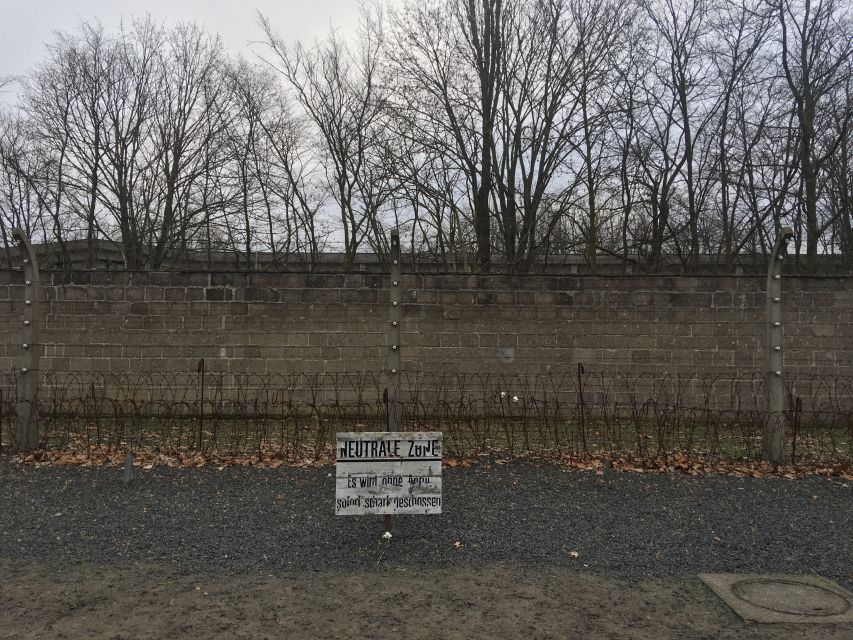
Postwar history can get skimmed in some tours. Here, it’s treated as part of the full story. After your break, you learn about Sachsenhausen’s use by the Soviet Union as Special Camp no. 7, with about 60,000 prisoners, including German POWs, convicted war criminals, and political prisoners.
The tour also discusses continued mistreatment after the war, as well as post-war conservation efforts and impacts on modern Germany. This is valuable for two reasons. First, it prevents the timeline from feeling too tidy. Second, it helps you understand how societies deal with memory—especially when the suffering doesn’t stop at a neat historical cutoff.
If you’re the type who likes your history grounded in what happens next, don’t rush this section.
Station Z: Execution Site, Gas Chamber, and Crematorium
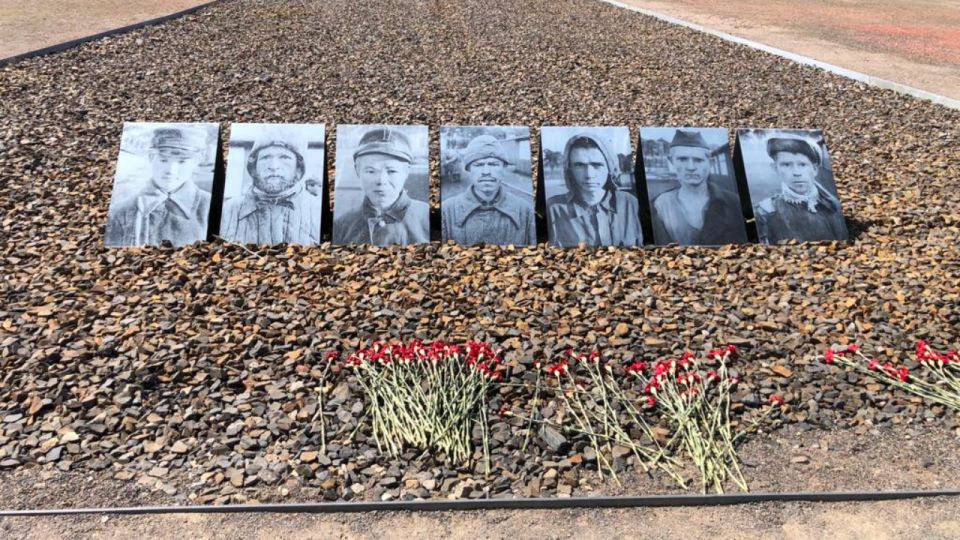
The tour then continues to Station Z, described as the camp’s execution site, gas chamber, and crematorium. This part of the visit asks you to confront the Nazi Final Solution and systematic murder of prison inmates.
I’ll be plain: this is the hardest section of the day. The only way to handle it is with patience and respect—listen fully, don’t rush photos, and let your guide’s words land. The structure of the route matters here because you arrive with a better understanding of how the camp’s routines connected to mass murder.
The Infirmary Stop: Medical Experiments and the Cost of Control
Before leaving, the tour passes through the camp infirmary, where prisoners were subjected to medical experiments. Again, this is not there for shock value; it’s there to show how cruelty extended into healthcare systems under Nazi rule.
When you leave the infirmary, you’ll likely feel the same thing I think many people feel: the horror isn’t just what happened—it’s the way institutions were used to harm. This section helps close the loop between control, administration, and physical outcomes.
Group Size, Guide Style, and Why the English Tour Format Matters
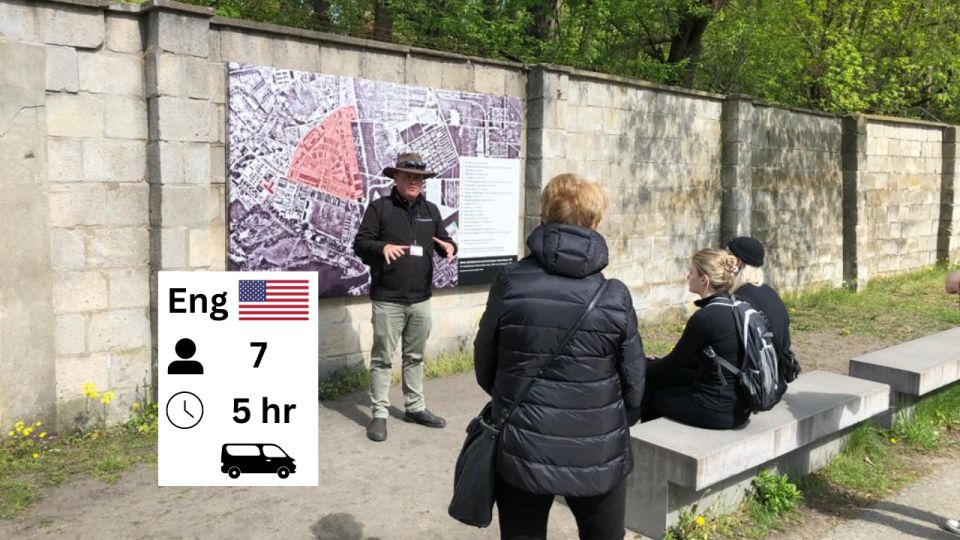
This tour limits groups to 7 participants, and that changes your experience. With fewer people, the guide can answer questions more directly, and you’re not stuck listening without room for follow-ups. The tour is live and in English, and it’s wheelchair accessible.
There’s also a transport score reported (86% of reviewers gave it a perfect score). In practice, that usually means the logistics feel smoother than doing it on your own with trains plus transfers. The van setup keeps you together from Alexanderplatz to the memorial and back.
From the guide feedback, you’ll want to pay attention to the tour’s tone. Guides named Matt, Tom, and Jorg are praised for being both knowledgeable and compassionate in how they present facts, and that sensitivity matters in a place like this.
Practical Tips: What to Bring and How to Stay Comfortable
Bring comfortable shoes and snacks. You’ll be outside and moving through memorial grounds, and there’s walking even when you take breaks. Also remember the rules: no drones, no alcohol or drugs, no alcoholic drinks in the vehicle, and no bare feet.
If you’re easily affected by heavy history, plan your day with care afterward. You may want quiet time after the tour to let it sit in your head.
Price and Value: Is $115 for Five Hours Fair?
At $115 per person for about five hours total, the value comes from three things: transport included, a live English guide, and a structured guided visit through the most important parts of the memorial. You’re not just buying entry; you’re buying interpretation—how the guide connects the layout of Sachsenhausen to the functioning of the camp system.
The small group size also factors in. In a high-emotion setting like this, going with a guide who can manage pace and questions is often worth more than trying to piece it together alone, especially if you want context rather than just seeing buildings.
Also, the tour includes a meaningful contribution to the camp memorial, which adds to the sense that you’re supporting preservation, not just consuming a ticket.
Who Should Book This Tour (and Who Might Want a Different Format)
Book this if you want a guided, organized way to understand Sachsenhausen’s role in the Nazi camp system and how cruelty was systematized. It’s a strong choice if you like your history explained step-by-step—from administration to daily routine to the worst sites like Station Z.
You should also consider this if you prefer a small group and respect-centered explanations from guides who are known for care. The format works well for adults who want serious context, not casual sightseeing.
If you’re looking for a light day or a purely visual tour, this won’t match that mood. The content is harrowing, and the walking can be demanding.
Should You Book This Sachsenhausen Concentration Camp Guided Tour?
Yes—if your goal is real understanding, not just a stop on a Berlin bucket list. This is a well-structured way to learn why Sachsenhausen mattered, what daily life inside the system looked like, how postwar use changed the site, and what happened at Station Z and in the infirmary.
I’d book it with confidence if you can handle difficult history and you’re okay spending most of the time on your feet. You’ll come away with a clearer mental map of the camp—and a deeper sense of how people and institutions carried out and sustained unimaginable cruelty.
FAQ
Where is the meeting point for the tour?
The tour meets at the main entrance taxi pick-up and drop-off point at Park Inn by Radisson Berlin Alexanderplatz.
How long is the Sachsenhausen guided tour?
The full experience runs for about 5 hours, including time by van and about 4 hours at the Sachsenhausen Memorial.
Is the tour in English?
Yes, the live tour guide is provided in English.
What’s the group size?
The group is limited to 7 participants.
Does the tour run in bad weather?
Yes, it takes place rain or shine.
What should I bring?
You should wear comfortable shoes and bring snacks.
What is included in the price?
Pickup and drop-off from the central location, a bottle of water, and a guide are included.
Are there any restrictions on the day?
Yes. Drones are not allowed, and alcohol and drugs are not allowed. Alcoholic drinks are not allowed in the vehicle, and bare feet are not permitted.
If you want, tell me your travel dates and whether you prefer mornings or afternoons, and I can help you plan the rest of your Berlin day around this.