REVIEW · BERLIN
Berlin: Classical concerts in Köpenick Palace – Aurora Hall
Book on GetYourGuide →Operated by Berliner Schlosskonzerte · Bookable on GetYourGuide
Royal music, without the fuss. Berlin’s Köpenick Palace Aurora Hall turns a standard ticket into an old-world evening: classical concerts with opera and instrument stars, staged in a palace setting that makes the music feel part of the building. I especially like the way the programs stay varied, from Mozart to piano recitals to Iberian guitar and voice.
One thing to plan for: at least one past performance has been reported as uncomfortably hot inside the hall, since cooling may not be great. If you run warm easily, wear accordingly and bring patience.
In This Review
- Key highlights at a glance
- Köpenick Palace Aurora Hall: a historic room built for listening
- Price and value: what about $33 for 90 minutes really means
- Before the concert: using free palace admission without rushing
- The 90-minute format: how to plan your night
- February and March 2026 programs: romance, Mozart, and ensemble nights
- April 2026 programs: Frederick the Great, 4-hands piano, and violin sonatas
- May 2026 programs: Schubert, Bach violin sonatas, dream piano, and Iberian sounds
- Practical concert rules: small details that affect your comfort
- Reliability and real-world expectations: verify your date
- Who should book this classical concert night, and who might not
- Should you book Köpenick Palace Classical Concerts in Aurora Hall?
- FAQ
- Where is the meeting point for the concert?
- How long is the classical concert?
- Is free museum admission included?
- Are audio recordings allowed during the performance?
- Is alcohol allowed in the venue?
- Is the experience wheelchair accessible?
- Can I cancel and get a full refund?
Key highlights at a glance
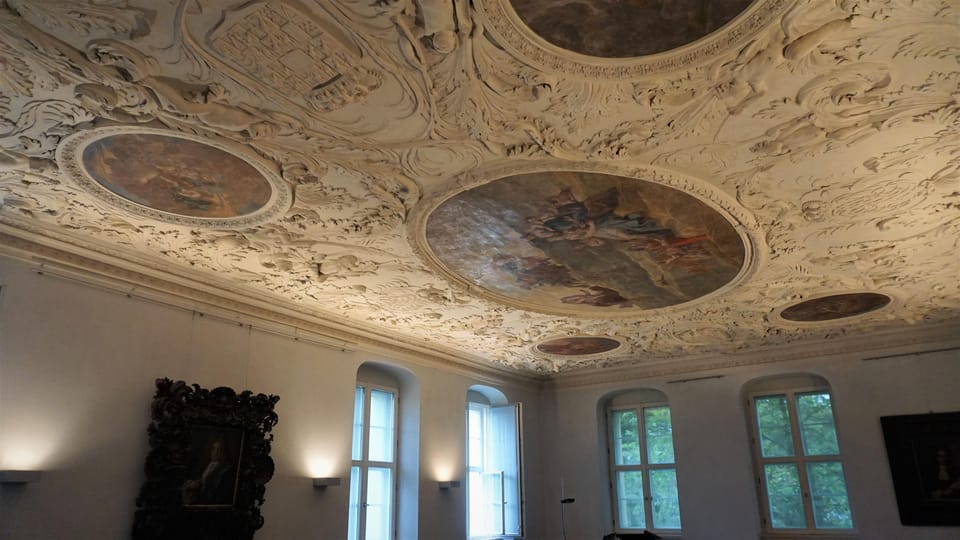
- Aurora Hall inside Köpenick Palace: a historic venue made for close listening
- A real mix of concert types: romantic vocal duets, full Mozart piano cycles, ensembles, and chamber works
- Named performers throughout 2026: singers and instrumentalists like Inês Pinto and Yuri Mizobuchi
- Free museum admission: you can pair music with palace exploring
- Clear venue rules: no alcohol, drugs, or audio recording, so the atmosphere stays focused
Köpenick Palace Aurora Hall: a historic room built for listening
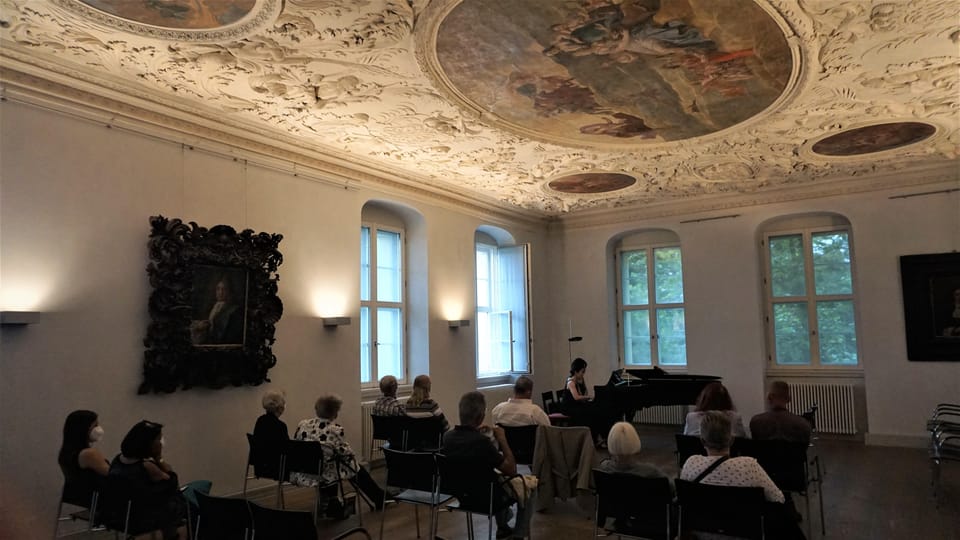
This is the kind of concert setting I love because it stops the night from feeling like just another performance. Köpenick Palace gives you that sense of place right away, and Aurora Hall keeps the focus where it should be: on voices, strings, keys, and the details that usually get lost in big venues.
In a palace hall, you also tend to notice how the sound behaves. You get the effect of classical music traveling cleanly through the room rather than fighting for space. That matters most for works where phrasing and balance are everything, like Mozart piano pieces or song programs that rely on text clarity and gentle dynamics.
Another practical plus: you’re not bouncing between sites. You’re going to one address and settling in. That makes the evening feel calm, even if your Berlin days are packed.
You can also read our reviews of more tours and experiences in Berlin

Price and value: what about $33 for 90 minutes really means
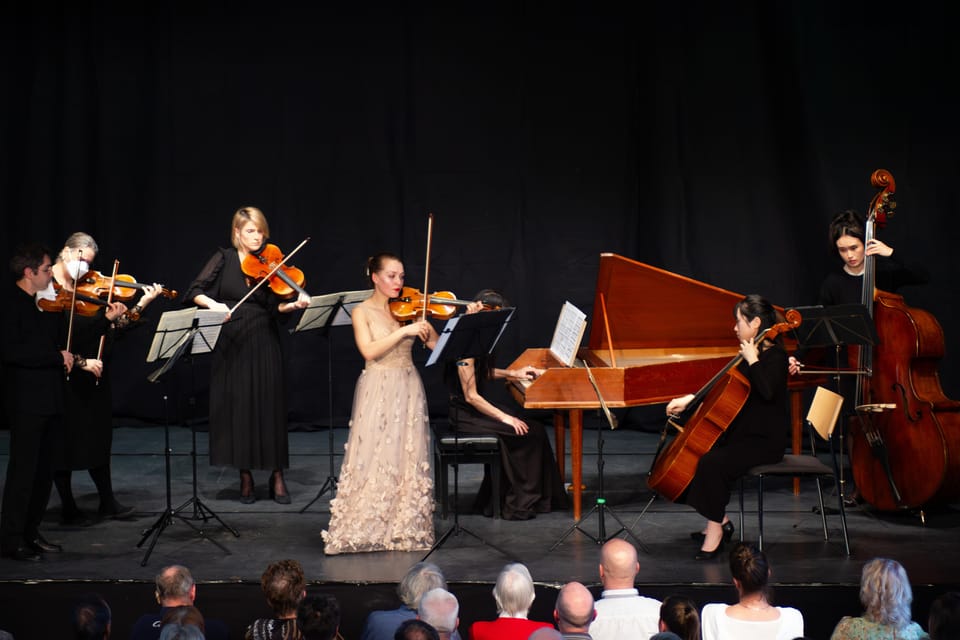
At about $33 per person for a 90-minute concert, this sits in the sweet spot for Berlin. You’re paying for a real classical evening with named performers, and you also get free museum admission, which helps the ticket feel like more than just a seat for a single hour and a half.
Is it the cheapest way to hear music in Berlin? Possibly. But the value comes from combining three things:
- a historic palace setting (not a generic hall)
- a rotating program line-up over multiple dates in 2026
- extra time you can use before the show thanks to museum entry
If you’re choosing between this and a pricier concert elsewhere, I’d weigh how much you care about atmosphere. If you want the music plus the setting, $33 feels like a bargain.
Before the concert: using free palace admission without rushing
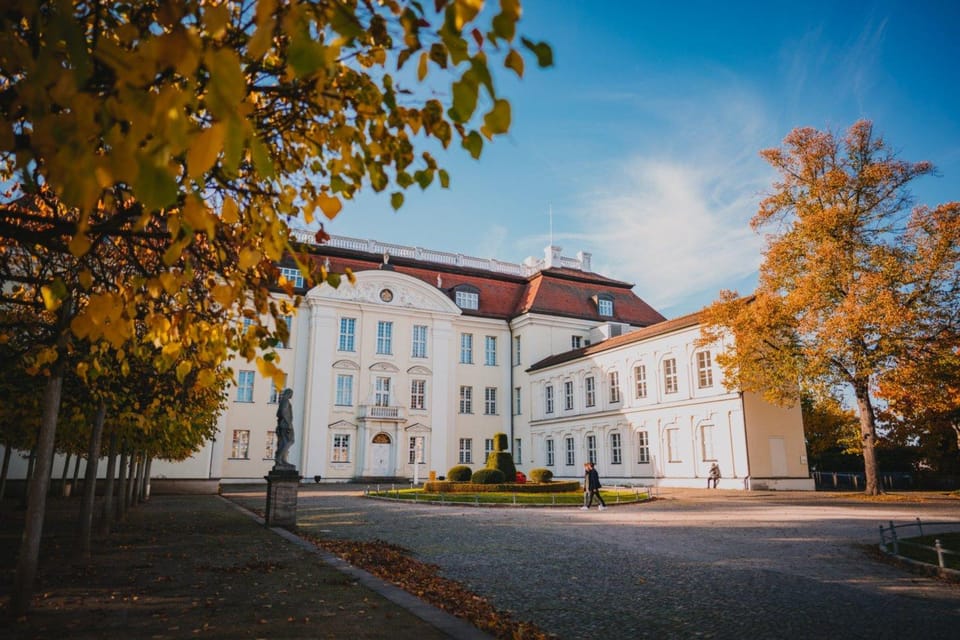
The meeting point is Aurora Hall, so plan to arrive with enough time to get oriented and settle. Since museum admission is included, you can build a more rounded evening instead of sprinting straight to the seats.
How to use that free time wisely:
- Treat it like a slow warm-up. Even if you only see part of the museum spaces, that short pacing shift helps you enjoy the concert more.
- Look for objects that connect to the palace story. When music and place share a theme, the evening clicks better than you’d expect.
- Keep an eye on the clock. With only 90 minutes for the performance, you want a relaxed start, not a stressful scramble.
You also have to remember the venue rules. No alcohol or drugs, and no audio recording. That actually supports a more respectful atmosphere—less distraction, more attention on the performance.
The 90-minute format: how to plan your night
The concerts run 90 minutes, which is long enough to feel like a complete experience and short enough to fit easily into a packed travel schedule. That duration matters if you’re doing Berlin efficiently and don’t want your evening swallowed by transportation and delays.
A helpful mindset: think of this as an event, not just a concert. You’ll arrive at Aurora Hall, get settled, and then the program carries you through. Because the performances are scheduled on specific dates with named casts, you’re not guessing what you’ll get on the day—you choose the date you want based on the type of music.
One practical suggestion: if you’re sensitive to temperature, show up a little early. A hot hall issue can turn a great performance into an annoying one, even when the music is strong. If you’re comfortable, you’ll enjoy the subtlety in the playing and singing more easily.
February and March 2026 programs: romance, Mozart, and ensemble nights
This is where the schedule starts turning from classical single-style to full-on variety. If you’re picking your first visit, February and March are strong options because they cover multiple moods: romance, piano mastery, vocal storytelling, and ensemble intensity.
February 15, 2026: Pure Romance – Romantic Duets
This one is built for listeners who want the human side of classical music. The cast includes soprano Inês Pinto, alto Kristina Naudé, and pianist Beatrice Wehner-Schaller. Romantic duets tend to thrive in palace settings because the music relies on breath, timing, and a sense of closeness.
If you love opera-adjacent evenings or want an easier entry point than pure instrumental recitals, start here.
March 8, 2026: Mozart Piano Works Complete Performance, 2nd Program
If you want a serious piano-focused evening, this is your date. Pianist Maria-Magdalena Pitu-Jokisch anchors a complete-performance program for Mozart piano works in the second installment.
This is a good choice when you enjoy structure. You know you’ll get depth rather than a scattered mix. Also, Mozart piano playing usually rewards attentive listening—exact articulation, clean phrasing, and the balance between clarity and lyric lift.
March 22, 2026: Mozart – Songs, Arias, and Duets
This program brings vocals back into the spotlight with mezzo-soprano Yuri Mizobuchi, baritone Stephen Barchi, and pianist Graham Cox. Songs and arias are perfect for a venue like Aurora Hall because the room supports communication: text and melody feel linked.
If you want a more theatrical feel without committing to a full opera stage night, this is a strong middle ground.
March 29, 2026: The Seven Last Words of the Savior on the Cross
For something heavier and ensemble-driven, Mozart Ensemble Berlin performs The Seven Last Words of the Savior on the Cross. Ensemble works can feel immersive in a historic hall because you’re not just tracking one instrument or one voice—you’re following the interplay of parts.
This is the kind of night that can make you slow down and listen. Plan on focusing more than multitasking.






April 2026 programs: Frederick the Great, 4-hands piano, and violin sonatas
April turns the volume down in one way and up in another. You get early-music flavor with recorders and harpsichord, plus piano thrillers and violin sonata precision.
April 3, 2026: The Music Book of Frederick the Great
This is a fascinating choice because it ties the concert to a ruler’s musical world. Susanne Ehrhardt plays recorders, and Yuko Tomeda performs on harpsichord.
Recorder and harpsichord can sound delicate, but in the right acoustic they come across as crisp and characterful. If you like historical color—music that feels like it has a specific time and place—this date is a great match.
April 4, 2026: Mozart Piano Works Complete Performance, 3rd Program
Again anchored by pianist Naoko Fukumoto. If you already liked the idea of the Mozart cycle but prefer a different performer and installment, this works well.
April 5, 2026: Piano magic for 4 hands
Two pianists make this one a special event. Naoko Fukumoto and Maria-Magdalena Pitu-Jokisch play together.
Four-hands piano can be surprisingly playful even when the music is refined. The best moments are when you hear how the parts interlock—like the performers are having a musical conversation right in front of you.
April 6, 2026: Classical violin sonatas
Violin Annegret Pieske with piano Victoria Litsoukova. Sonatas are built on contrast—melody against accompaniment, violin character against harmonic support.
If you love chamber music textures and want an evening with clear instrumental focus, this is a smart pick.
May 2026 programs: Schubert, Bach violin sonatas, dream piano, and Iberian sounds
May is a month of mood. You get Romantic-era touches, Baroque craftsmanship, and then you end with a distinctly regional color palette: Iberian sounds.
May 1, 2026: Schubert Potpourri
Baritone Stephen Barchi and pianist Maria-Magdalena Pitu-Jokisch. Schubert potpourri programs tend to move through different emotional temperatures without feeling chaotic. If you want something lyric and expressive, this fits.
May 10, 2026: Bach Violin Sonatas 2
Violinist Marianne Boettcher with Yuko Tomeda on harpsichord. Bach violin sonatas are intense in the best way: they reward attention to structure and detail.
This also leans into a historically textured sound thanks to the harpsichord, so you’re not just hearing notes—you’re hearing how harmony lands.
May 17, 2026: Piano music to dream to
Another recital centered on Maria-Magdalena Pitu-Jokisch. When a program is framed for dreaming, expect a softer emotional arc and music that feels designed for lingering listening. If you’ve spent the day sightseeing and want your evening to feel quieter, this can be a great wind-down.
May 31, 2026: Iberian sounds
Soprano Inês Pinto with guitarist Márcio Silva. Iberian music brings rhythm and color, and adding voice + guitar makes it feel more human and immediate than a purely instrumental set.
This is the date I’d choose if you want your Berlin classical evening to also feel like travel through musical regions.
Practical concert rules: small details that affect your comfort
Even when you know how concerts work, it helps to read the room rules. Here’s what matters based on what’s clearly stated:
- No alcohol and no drugs: expect a more disciplined atmosphere.
- No audio recording: keep your phone away. You’re there to listen, not record.
- Wheelchair accessible: you can plan a seated, comfortable evening without assuming the venue will be tricky.
Also, think about temperature. One review flagged a lack of refrigeration and that the hall could get excessively warm. That doesn’t mean every date will feel the same, but it’s enough of a warning that you should plan for it. I’d wear layers you can adjust quickly and avoid heavy winter clothing even if Berlin weather surprises you.
If you’re picky about comfort, arriving early helps. You’ll settle in before the hall feels at its worst.
Reliability and real-world expectations: verify your date
Here’s the part I treat seriously when planning. One reported issue involved a booking where the event did not take place, with no response at the time.
I’m not saying this will happen to you. But it is a reminder that even reputable providers can have problems on the ground. Your best defense is simple:
- double-check the scheduled date and program details before you go
- keep your confirmation info handy on your phone and printed if that’s your style
- arrive early enough that you still have time to handle a contingency if something seems off
For most people this will be a smooth, beautiful evening. Still, for peace of mind, do a quick pre-check.
Who should book this classical concert night, and who might not
This experience fits best if you:
- love classical music and want a focused 90-minute program
- enjoy opera-style singing or vocal chamber music (you have multiple dates with duets, arias, and song programs)
- want a change of pace from central Berlin tourist circuits
- appreciate variety: piano cycles, ensembles, violin sonatas, harpsichord and recorders, and even guitar + voice
You might want to think twice if:
- you’re very sensitive to heat and can’t adapt quickly
- you need a concert that’s guaranteed to run perfectly without any chance of schedule issues (that’s true of any live event, but this venue has had at least one reported disruption tied to a booking)
Overall, this is for people who take music seriously but still want a relaxed evening plan.
Should you book Köpenick Palace Classical Concerts in Aurora Hall?
I’d book it if you want a classic Berlin night with actual atmosphere, not just a generic concert hall experience. The combination of named performers, rotating program themes across 2026, and free museum admission makes it feel like a full cultural evening for the price.
The main reason to hesitate is comfort. If you know you run hot, bring a strategy for a possibly warm hall. And do a quick date check the day before.
If you want an easy win—music plus palace setting—this is a strong choice.
FAQ
Where is the meeting point for the concert?
The concert meets at Aurora Hall.
How long is the classical concert?
The duration is 90 minutes.
Is free museum admission included?
Yes. Free museum admission is included.
Are audio recordings allowed during the performance?
No. Audio recording is not allowed.
Is alcohol allowed in the venue?
No. Alcohol is not allowed.
Is the experience wheelchair accessible?
Yes. It is listed as wheelchair accessible.
Can I cancel and get a full refund?
Yes. Free cancellation up to 24 hours in advance for a full refund is offered.