
REVIEW · BERLIN
Berlin: Classical concerts at the Bode Museum Berlin
Book on GetYourGuide →Operated by Berliner Schlosskonzerte · Bookable on GetYourGuide
If you like music with a view of history, this fits. You’ll hear classical programs in the Bode Museum’s Gobelin Room, where the setting adds weight to every phrase. I love that you’re not just buying a ticket—you’re stepping into a historic concert hall inside a world-famous museum.
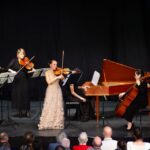
The lineup is also a big part of the appeal. Expect everything from Baroque recorder sounds (Susanne Ehrhardt and Christian Finke) to romantic piano and voice combinations, with named performers like Inês Pinto, Kristina Naudé, Beatrice Wehner-Schaller, and the Mozart Ensemble Berlin.
One thing to think about: finding the right room can be a little tricky if you arrive without a clear plan, and ticket pricing may vary depending on where you book.
Key points you’ll care about
- Gobelin Room setting on the Bode Museum first floor, made for concentrated listening
- Programs switch through Baroque, Romanticism, Mozart, Bach, and Beethoven–Liszt themes across 2026 dates
- Concerts run about 90 minutes to two hours, often with a 20-minute break
- You select a seating category, not exact seats
- Free museum admission means you can build in extra culture time before or after the concert
- Bring your voucher and plan for a quick box office pickup
In This Review
- The Gobelin Room at the Bode Museum: why this venue matters
- Concert format: what the 90 minutes to two hours feels like
- What you’ll hear in 2026: the full program calendar
- How to choose the right date when you love classical but still have a life
- Price and logistics: getting the best value without stress
- Arrival and finding the right room: don’t lose time on the first floor
- What makes this a culture win, not just a concert night
- Who should book this (and who should think twice)
- Should you book the Bode Museum classical concerts?
- FAQ
- Where is the concert held?
- How long is the concert?
- What’s included with the ticket?
- Do I need to pick up tickets at the venue?
- Can I choose my exact seat?
- Is the venue wheelchair accessible?
- Is food included?
- What if I need to cancel?
- Are there different programs on different dates?
The Gobelin Room at the Bode Museum: why this venue matters
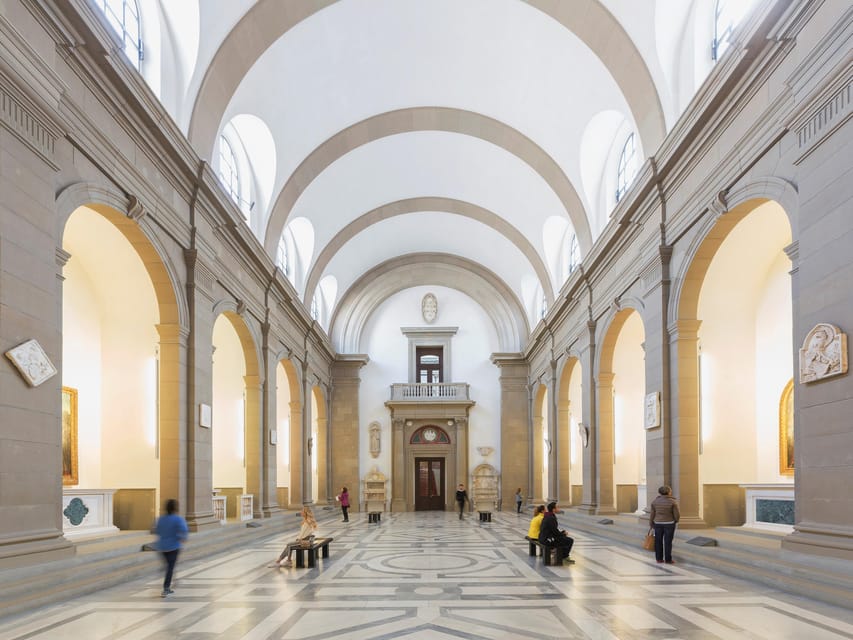
Berlin’s best concerts aren’t only about the music. They’re about the room. Here, the setting is the Bode Museum’s Gobelin Room, located on the first floor. This matters because it shapes how you experience the sound: you’ll be sitting in a space designed for performance, not a hotel lounge or a converted classroom.
The museum factor is also practical. Your ticket includes free museum admission, so you can pair the concert with time in the galleries. That turns a 90-minute event into a longer cultural block—especially useful if you’re in Berlin for just a few days and you’re trying to get more value out of every outing.
One more detail that affects your day: you’ll present your voucher at the box office to receive your tickets. That’s a small step, but it’s the difference between arriving calmly and hunting around with a timer running.
Concert format: what the 90 minutes to two hours feels like
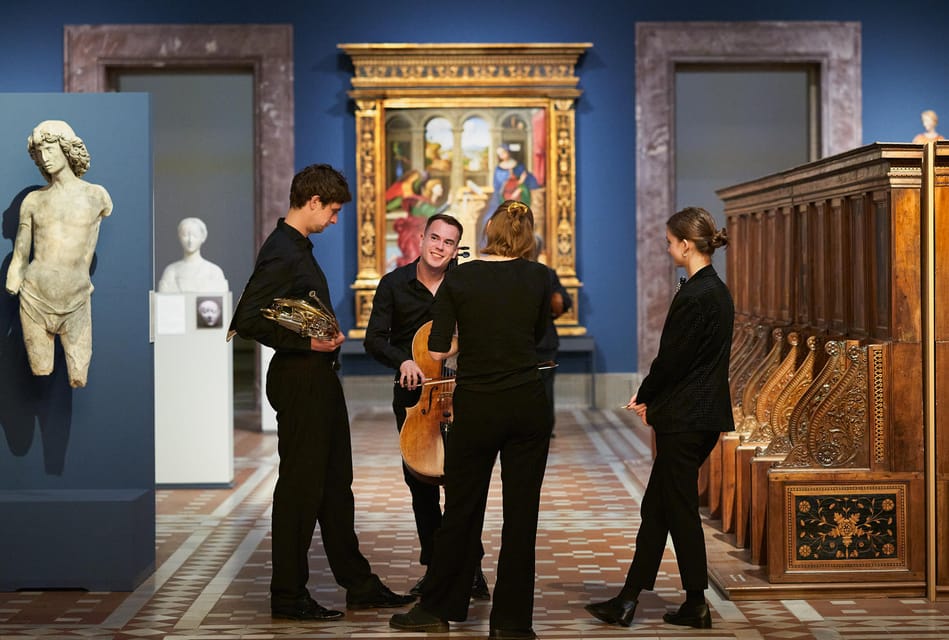
Plan on a fairly focused evening. The concert lasts between 90 minutes and two hours, and it usually includes a 20-minute break. That break is long enough to stretch and grab water, but short enough that the music doesn’t lose momentum.
Also, you only choose a seating category, not a specific seat number. If you’re the type who likes to know exactly where you’ll be before you show up, consider arriving early so you can settle in without rushing.
You should also treat the event like a listening experience. The program format is built around clear musical selection—opera and concert evenings staged for an audience in a historic setting—so this is not the kind of night where people are wandering around for long periods.
You can also read our reviews of more museum experiences in Berlin


What you’ll hear in 2026: the full program calendar

These concerts are scheduled on specific dates in 2026, and each one has its own musical personality. Here are the programs you can catch:
February 14, 2026: Italian Masters of the Baroque
Susanne Ehrhardt on recorders and Christian Finke on chest organ. Baroque music has a particular kind of momentum. Recorders bring a bright, clear line, and the chest organ can add a distinctive, church-like color without turning the whole sound heavy.
March 28, 2026: The Birth of Romanticism
Mozart Ensemble Berlin. Even though the title points to Romanticism, Mozart Ensemble Berlin often connects musical eras through phrasing and ensemble balance—so you’ll want to listen for how the style changes, not just the names on the program.
April 1, 2026: Pure Romance Romantic Duets
Inês Pinto (soprano), Kristina Naudé (alto), and Beatrice Wehner-Schaller (piano). With voice plus piano, this is a great choice if you love opera-adjacent listening: you’ll hear singers shaped for the room, with piano supporting the narrative line.
April 2, 2026: Italian Impressions
Marianne Boettcher (violin), Yasuko Fuchs-Imanaga (flute), Karin Leo (guitar). This is the one I’d call “colorful on paper”—violin and flute for melody and brightness, guitar for texture. Expect a program that leans into lightness and contrast.
April 3, 2026: The Seven Last Words by Joseph Haydn Op. 51
Mozart Ensemble Berlin. Haydn’s work has a dramatic arc built into its structure. It’s the kind of concert where the quiet moments matter almost as much as the louder ones.
April 4, 2026: Piano music to dream to
Maria-Magdalena Pitu-Jokisch (piano). A solo piano program is a serious, intimate experience. If you want the night to slow down and let the instrument do the storytelling, this is the pick.
April 5, 2026: Romanticism in women’s hands
Beatrice Wehner-Schaller (piano). I like that this isn’t just another generic recital listing. It spotlights a performer directly, so the evening becomes about one artist’s approach and sound.
April 6, 2026: Beethoven–Liszt in dialogue
Naoko Fukumoto (piano). “Dialogue” is the right word here: Beethoven and Liszt are different, but they talk to each other through drive, harmony, and pianistic technique. You’ll likely hear contrasts that keep the program from feeling one-note.
May 9, 2026: Bach Violin Sonatas 2
Marianne Boettcher (violin) and Yuko Tomeda (harpsichord). Bach with violin and harpsichord is a classic combination for a reason: the violin sings while the harpsichord adds crisp structure. It can feel like two layers of intelligence at work.
May 10, 2026: Mozart: Bastien and Bastienne & Gluck: The Converted Drunkard
Bastien and Bastienne includes: Yuri Mizobuchi (Bastien), Inês Pinto (Bastienne), Stephen Barchi (the magician).
The Converted Drunkard includes: Marcel Benedikt (Jacob Ofenloch), Kristina Naudé (Barbara), Inês Pinto (Bastienne), Yuri Mizobuchi (Bastien), Stephen Barchi (Luke).
Staging: Roland Treiber, Mozart Ensemble Berlin.
That May 10 program is more theatrical than most. You’ll recognize it from the cast list and staging credit—so if you like opera elements and characters, that’s your evening.
How to choose the right date when you love classical but still have a life
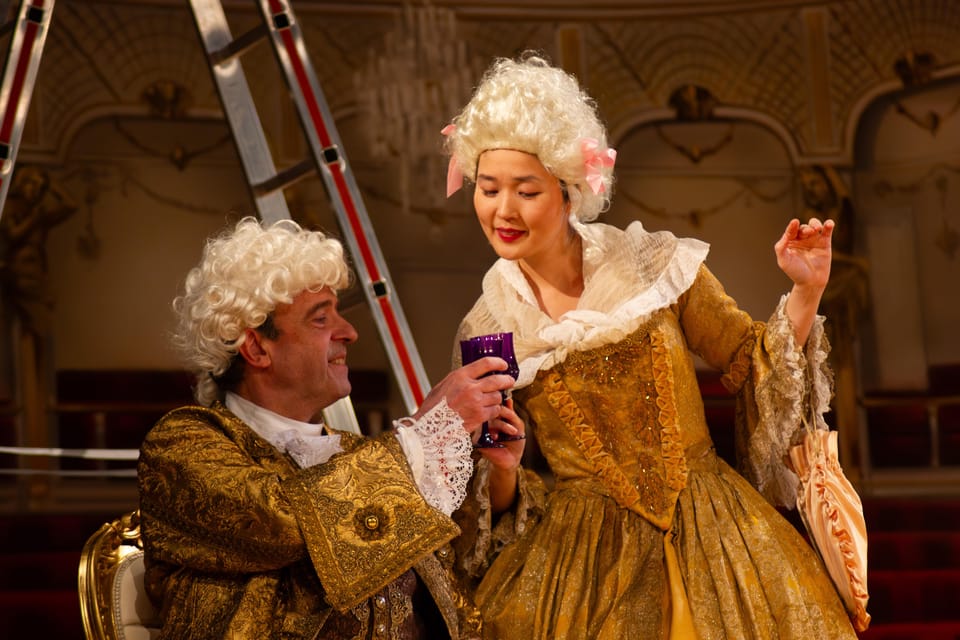
If you’re deciding between concerts, here’s a simple way to match the program to your mood.
- Want variety and big emotions? Pick something voice-and-instrument based, like the Romantic Duets (April 1) or the staged Mozart/Gluck evening (May 10).
- Want a focused instrumental night? Go with the solo piano listings (April 4 and April 5) or the Beethoven–Liszt piano program (April 6).
- Want a clear Baroque listening experience? The Italian Masters of the Baroque (February 14) stands out because the roles are specific: recorders plus chest organ.
- Want a chamber-style mix? Italian Impressions (April 2) and Haydn’s Seven Last Words (April 3) are good choices if you like ensemble interplay.
- Prefer crisp structure and counterpoint? Bach violin sonatas with harpsichord (May 9) is tailor-made for attentive listening.
If you’re bringing someone new to classical music, I’d often steer them toward the programs with strong human roles—singers, story characters, and staged elements—because it makes the music easier to follow from the first minutes.
Price and logistics: getting the best value without stress
The posted price is $37 per person, and that’s a strong deal if the goal is: sit in a major museum hall and hear a real classical program for about 90 minutes.
But here’s the practical catch I want you to notice. One booking experience showed a big difference between buying through a platform and buying at the box office: 64€ versus 48€ / 40€. That doesn’t mean the listing price is always wrong. It means you should treat ticket pricing as variable—and if you’re price-sensitive, compare what you’d pay at the venue before you lock in.
You also want to keep your expectations realistic about seating. Since you can choose only a seating category and not exact seats, the “best value” choice can depend on your comfort with being flexible.
On the bright side, the purchase setup is friendly: free cancellation up to 24 hours in advance and a reserve now & pay later option. That’s useful if your Berlin plans are still shifting.
And one small but important detail: food is not included. Bring a bottle of water or plan to buy something elsewhere before you head into the concert.
Arrival and finding the right room: don’t lose time on the first floor
The Gobelin Room is on the first floor of the Bode Museum. That sounds simple, but museums can still be maze-like when you’re focused on timing.
A good strategy: give yourself extra minutes to orient yourself before you go to the box office. Then use your voucher pickup step as your checkpoint. Once you’ve received your tickets, you can move with confidence instead of second-guessing where you are.
If you’re going on a date where the program starts after a busy museum day, I’d treat it like an appointment. Walk in with a plan, not vibes.
You can also read our reviews of more tours and experiences in Berlin
What makes this a culture win, not just a concert night
This is the kind of ticket that helps you experience Berlin in layers.
You get:
- a museum setting with free entry
- a dedicated concert room (the Gobelin Room)
- named performers and ensembles across multiple musical eras
- a schedule that includes both standard concert formats and staged programs (notably the Mozart/Gluck evening)
That combination is the real value: it turns your afternoon and evening into one coherent experience. You’re not hopping between disconnected stops. You’re building a single storyline—art, history, and music in the same space.
Who should book this (and who should think twice)
This concert series is a great fit if you:
- love classical music and opera-style performances
- want to hear performers in a historic museum hall
- like clear program choices (you can pick by composer theme and performers)
It may be less ideal if you:
- hate any uncertainty around where you’ll sit (since you choose a seating category, not a specific seat)
- need everything to be extremely straightforward on arrival (because locating the correct room and pickup process can require attention)
If you’re flexible and you like listening in a proper hall, you’ll likely have a very satisfying night.
Should you book the Bode Museum classical concerts?
Yes—if you want real classical programming in a museum setting, this is a smart booking. The venue is the headline for a reason: the Gobelin Room experience makes performances feel more intentional, not generic. And the program range is broad enough that you can match a date to your tastes, from Baroque recorders and chest organ to romance-centered vocal nights and staged Mozart/Gluck.
Just do two things to get the best outcome: arrive a bit early so you can find the Gobelin Room area without panic, and compare ticket pricing if you’re shopping around (box office prices can be noticeably lower than some third-party listings). If you want an evening where you leave with music in your head and art around you, this one delivers.
FAQ
Where is the concert held?
The concert takes place in the Gobelin Room on the first floor of the Bode Museum in Berlin.
How long is the concert?
The concert lasts between 90 minutes and two hours, and it usually includes a 20-minute break.
What’s included with the ticket?
Your ticket includes free museum admission and the concert ticket.
Do I need to pick up tickets at the venue?
Yes. Present your voucher at the box office to receive your tickets.
Can I choose my exact seat?
You can select a seating category, but not specific seats.
Is the venue wheelchair accessible?
Yes, the activity is wheelchair accessible.
Is food included?
No, food is not included.
What if I need to cancel?
Free cancellation is available up to 24 hours in advance for a full refund.
Are there different programs on different dates?
Yes. The schedule includes multiple named programs with specific performers across February, March, April, and May 2026.