REVIEW · BERLIN
Berlin: Third Reich and World War II Private Guided Tour
Book on GetYourGuide →Operated by TourUpinEurope · Bookable on GetYourGuide
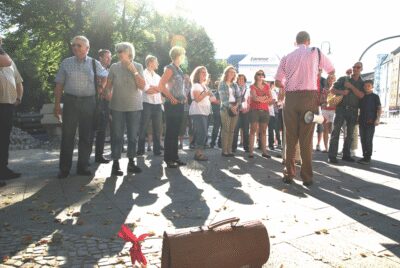
Berlin can feel like a history exam. This private guided 3-hour route turns Berlin into a clear WWII timeline, linking the Reichstag era to the Holocaust Memorial, Hitler’s Bunker, and the postwar divide. I like that you get a one-on-one style experience, and I also like the focus on the places where the story is unavoidable; the main drawback is the walk-heavy pace, plus it’s not a light topic.
In one confirmed booking, the guide named Sven was praised for being punctual and professional, and that matters on a tour like this. Still, one issue popped up in the past where a guide didn’t show, so I’d keep an eye on day-of updates and be ready to contact the provider.
- Private group with a professional guide: you get personalized pacing instead of being swept along with a crowd.
- A tight WWII timeline on foot: from Brandenburg Gate through major sites and ending at Checkpoint Charlie.
- Big, sensitive stops handled on the ground: Holocaust Memorial and Topography of Terror benefit from context.
- Smart photo planning: you can take pictures, but flash is not allowed inside certain landmarks.
- Berlin’s “after” is built in: the Soviet War Memorial and the Wall Museum finish anchor the consequences.
In This Review
- Berlin’s WWII Timeline on Foot: Brandenburg Gate to Checkpoint Charlie
- The Value of a Private, Multilingual Guide at Hard Sites
- Reichstag: Where Power, Memory, and Politics Collide
- A quick reality check
- Soviet War Memorial Tiergarten: The War’s Ending Has a Second Narrative
- Holocaust Memorial: What the Ground Forces You to Feel
- Photo note that changes your experience
- Hitler’s Bunker: Following the Physical Trace, Not the Hollywood Story
- Topography of Terror: The Documentation Walk
- Soviet-to-Checkpoint: Wall Museum and the Berlin Divide After WWII
- Price and Value: Is $224 Worth 3 Hours of Private WWII History?
- Logistics You Can Plan For Before You Go
- One important “know before you go” item
- Who This Tour Suits Best (and Who Might Want to Rethink)
- Should You Book This Berlin Third Reich Tour?
- FAQ
- How long is the Berlin Third Reich and World War II private guided tour?
- How much does the tour cost?
- Where is the meeting point?
- Where does the tour finish?
- Is this a private tour or a group tour?
- What languages are available for the guide?
- Are entrance fees included?
- Are meals included?
- Is flash photography allowed?
- Is the tour suitable for children?
- Is the tour cancelled refundable?
- Is there transportation included to and from the tour?
Berlin’s WWII Timeline on Foot: Brandenburg Gate to Checkpoint Charlie
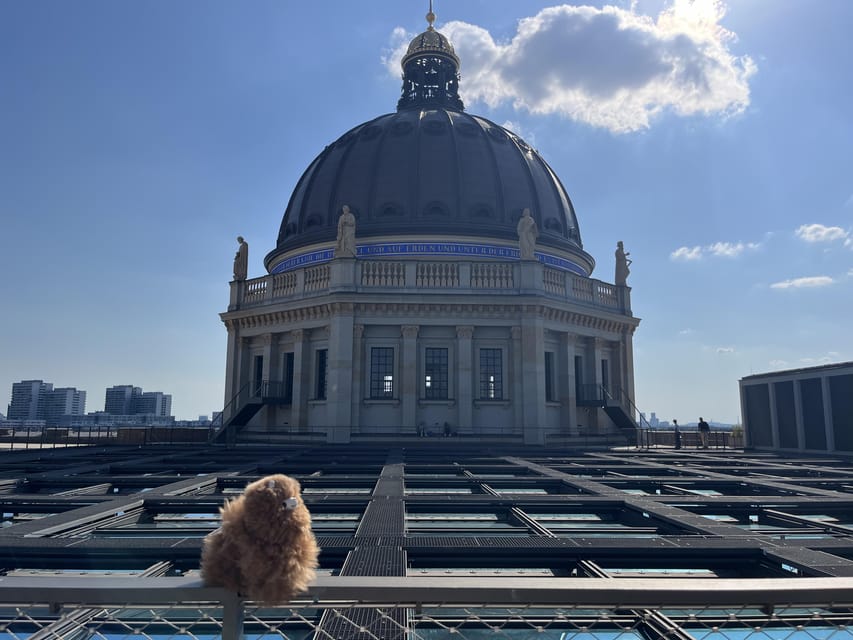
This tour gives you a rare thing in Berlin: a walkable storyline for the Nazi period and its aftermath, not just a list of famous monuments. You start at Brandenburg Gate, then move through the government and propaganda space, the sites of mass murder memory, the physical traces tied to Hitler, and finally the Cold War border reality at the Wall Museum near Checkpoint Charlie.
The order matters. If you visit these places in random order, it’s easy for the “what happened” to blur. Here, the route nudges you to think like a timeline: how the Third Reich rose, how it brutalized Berlin and Europe, how the war ended, and how the city was split afterward.
At 3 hours, it’s not a long sit-down lecture. It’s more like a guided “get your bearings fast” route where the guide’s explanations help you read the sites correctly as you pass them.
The Value of a Private, Multilingual Guide at Hard Sites
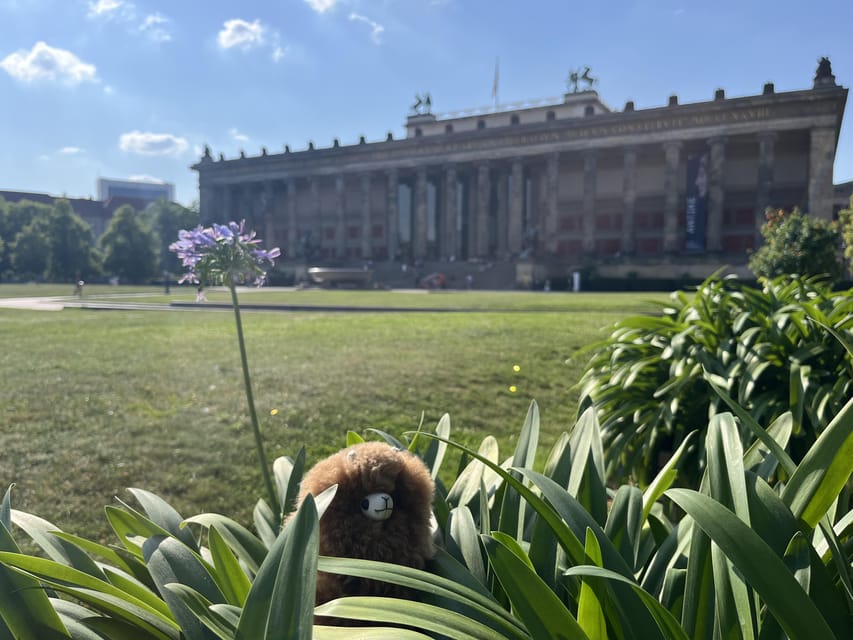
The tour’s biggest strength is the private format. With only your group, you’re more likely to get answers to the questions that pop up while you’re standing in front of something emotionally heavy. That’s especially true at the Holocaust Memorial and Topography of Terror, where the design and location can feel abstract until someone puts it in plain words.
The guide is professional and multilingual. The languages listed include English, German, Russian, French, Spanish, and Italian. One past booking specifically mentioned a Spanish-language experience as dynamic and well explained, and that’s a good sign: when you can understand the story clearly, you get more than you would from browsing signs alone.
One practical note: the itinerary can vary based on preferences, time of year, weather, and other factors. That’s normal for Berlin walking tours, but it also means you should be okay with a little flexibility if you’re hoping for a perfectly fixed sequence of every exact stop.
You can also read our reviews of more guided tours in Berlin



Reichstag: Where Power, Memory, and Politics Collide
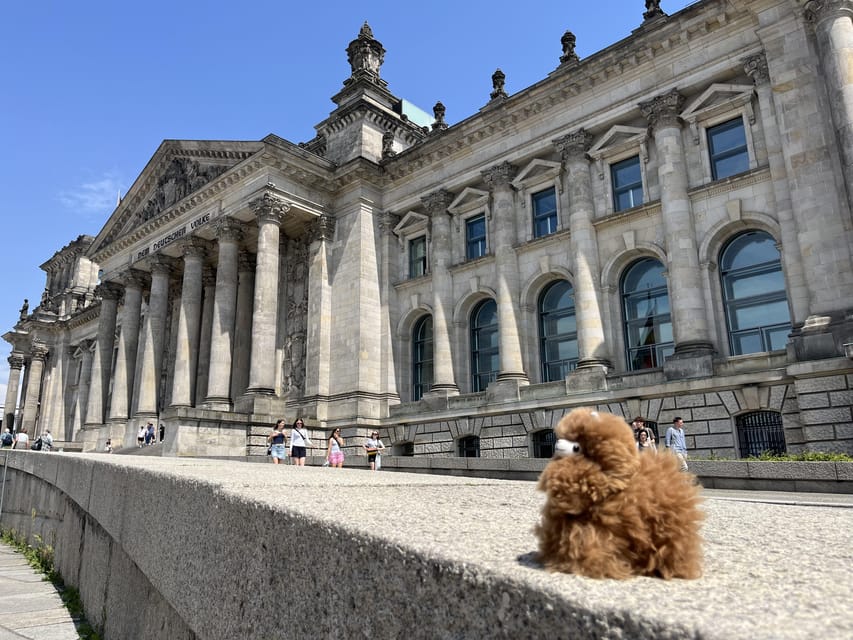
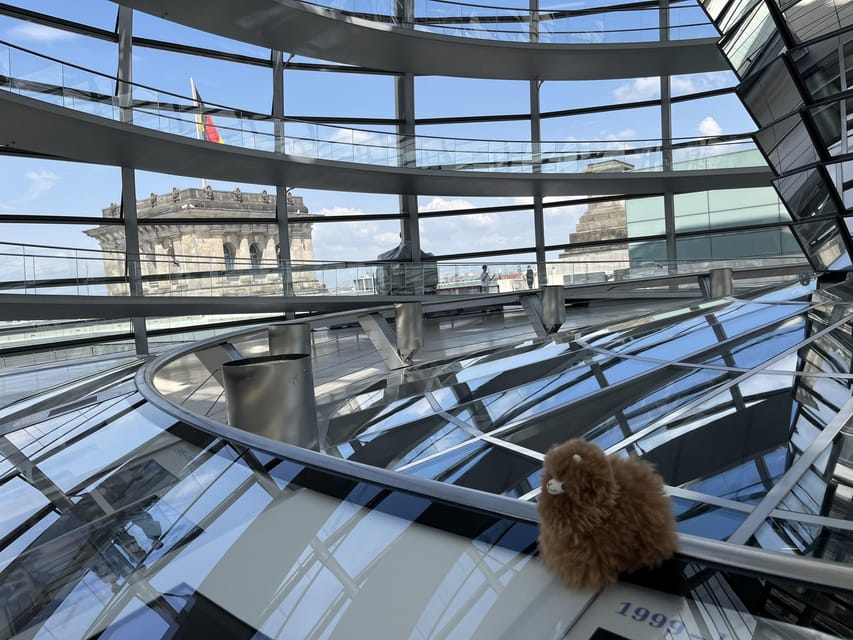
The Reichstag stop is the moment where Berlin turns from “what happened” into “how power worked.” Even if you know the basics of WWII, the guide’s context helps you connect the building’s political importance to what the Nazi regime was trying to control: messaging, legitimacy, and state authority.
You’ll get a guided tour there, which usually means you’re not just looking at the iconic façade. You’re learning what to notice and why it matters. In a place like this, small details in the historical framing can change how you interpret the whole story.
A quick reality check
This is one of the most recognizable stops. It’s also one of the easiest places to rush if you don’t have context. A private guide helps you slow down just enough to make the visit click.
Soviet War Memorial Tiergarten: The War’s Ending Has a Second Narrative
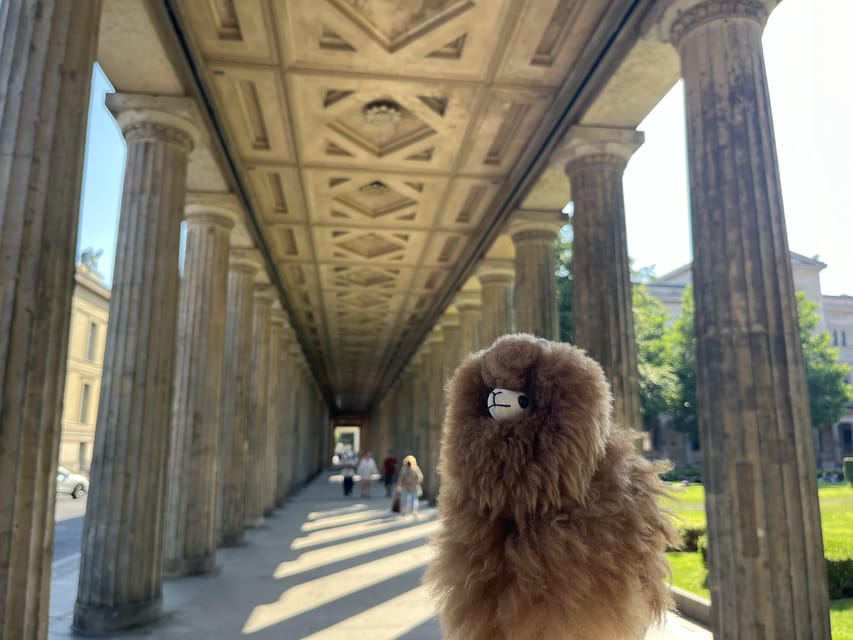
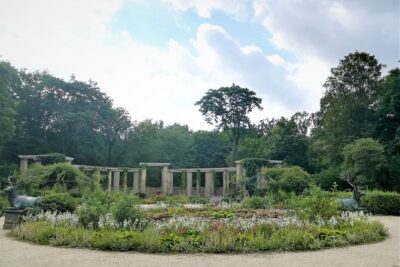
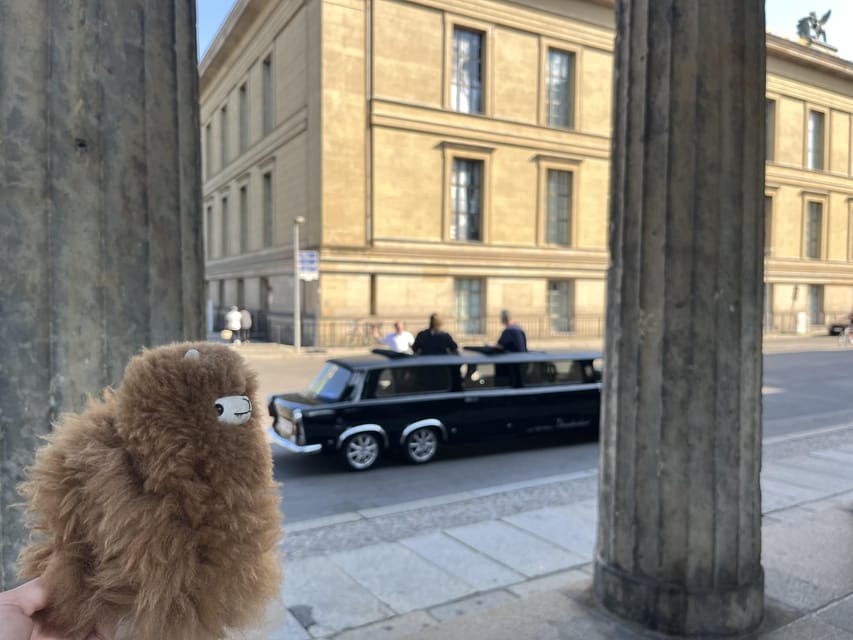
Most WWII tours in Berlin focus heavily on Nazi-era sites. This itinerary also includes the Soviet War Memorial in Tiergarten, which is important if you want the full arc of the war in Berlin.
Why it matters: the end of WWII wasn’t only about Nazi collapse. Berlin’s immediate postwar identity was shaped by the battles and occupation that followed, and the memorial is one of the tangible ways to see that history in the city’s geography.
You’ll get guided context at this stop as well. That helps you avoid a common trap: treating memorials as standalone art installations instead of as carefully placed anchors for remembrance and political meaning.
Holocaust Memorial: What the Ground Forces You to Feel
The Holocaust Memorial is one of those places where your brain keeps trying to turn grief into trivia. That’s where a good guide earns their fee: not by being dramatic, but by giving you the historical grounding that makes the memorial’s layout and location matter.
On this tour, you’re guided at the Holocaust Memorial, which gives you a way to understand what you’re seeing before you form your own interpretation. It also keeps the visit respectful and focused, which you’ll appreciate here.
You can also read our reviews of more private tours in Berlin




Photo note that changes your experience
Photography is allowed, but flash photography isn’t permitted inside certain landmarks. Even if you’re not using flash, keep your camera use subtle here. The most meaningful photos are often the ones that capture your perspective without turning the site into a backdrop.
Hitler’s Bunker: Following the Physical Trace, Not the Hollywood Story
This route includes Hitler’s Bunker. People often expect something cinematic, but a guide’s job is to pull you back toward the historical reality. Standing near sites connected to Hitler’s command helps you understand that the Nazi regime wasn’t only ideology—it was logistics, decision-making, and control that played out in specific places.
The value of a guided stop: you learn what to look for in the surrounding context and how the story connects to the wider war events. Without that, you can leave with a vague sense of “this is where it happened” rather than a clearer sense of how it fit into the larger collapse of the regime.
A site like this can feel heavy. I’d treat it like a serious museum moment: slow down, listen, and let the guide’s framing do its work.
Topography of Terror: The Documentation Walk
After Hitler’s Bunker, the tour heads to Topography of Terror, another stop where context changes everything. The name alone signals what you should expect—this isn’t just about one person. It’s about the systems of terror that supported the regime, and how bureaucracy and violence merged.
Because you’re on a guided route, you can connect the dots between what you just learned near the bunker-related space and what you see and hear here. That’s the benefit of keeping this tour tight. You don’t get time to forget what you just heard.
You’ll also want to remember the basic rules: flash photography isn’t permitted inside certain landmarks, and food and drinks aren’t allowed during the tour. Plan to hydrate earlier or carry a small water bottle before you start—then sip when the guide builds in practical pauses.
Soviet-to-Checkpoint: Wall Museum and the Berlin Divide After WWII
Ending at Wall Museum – Checkpoint Charlie is a smart close because it forces the WWII story into Berlin’s later reality. You get a sense of how the war’s aftermath hardened into the Cold War, with borders and checkpoints reshaping daily life.
This final stop also helps you avoid a “WWII ends, then history stops” feeling. Berlin’s story didn’t end in 1945. It continued, in steel and concrete, in the politics of who controlled what—and this is a place where that connection is visible.
If you want one practical way to remember the tour: think of this ending as the answer to the question, So what came next?
Price and Value: Is $224 Worth 3 Hours of Private WWII History?
At $224 per person for a 3-hour private guided tour, the value depends on how you like to travel.
Here’s what you’re paying for, based on what’s included:
- A professional multilingual guide (so the explanations are central, not optional)
- A private group experience (so you’re not stuck waiting in a crowd)
- Guided time at major sites: Reichstag, Holocaust Memorial, Hitler’s Bunker, Topography of Terror, plus Soviet War Memorial and the Checkpoint Charlie area
- A clear route that connects the era rather than bouncing between unconnected highlights
What’s not included can matter for your budget:
- Entrance fees aren’t included
- Meals and drinks aren’t included
- Transportation to and from the activity isn’t included
So my practical take: this is good value if (1) you care about clarity and context, and (2) you don’t want to piece together history on your own across multiple stops and ticket lines. If you’re the type who prefers self-guided wandering with audio, you may spend less—but you’ll also do more work to make the connections.
Logistics You Can Plan For Before You Go
This tour starts next to Hotel Adlon Kempinski Berlin. It finishes at Wall Museum – Checkpoint Charlie, which is convenient because you can continue your day on foot or by transit afterward.
You should bring:
- Comfortable shoes (the walking is a major factor)
- Camera
- Water
- Weather-appropriate clothing
Also note the tour constraints: food and drinks aren’t allowed during the tour, and large bags or luggage may not be suitable because of the walking involved. If you’re traveling light, you’ll feel less stressed.
One important “know before you go” item
If you’re sensitive to flash rules: photography is allowed, but flash photography is not permitted inside certain landmarks. Keep your camera setting ready so you don’t accidentally trigger a rule when you’re focused on a shot.
Who This Tour Suits Best (and Who Might Want to Rethink)
This experience is a strong fit for:
- Adults and teens (the tour is not suitable for children under 10)
- History-focused travelers who want a guided narrative, not just photos
- People who prefer a private group pacing while visiting serious memorial and terror-related sites
It may be less suitable for:
- Anyone who needs lots of mobility support. The info is a little contradictory: it lists wheelchair accessibility, but it also says it’s not suitable for people with mobility impairments and wheelchair users. I’d take that seriously and confirm with the operator before booking so you’re not stuck with an unpleasant surprise.
Also, don’t schedule this as your “easy day” activity. It’s short, but it’s dense with meaning and walking.
Should You Book This Berlin Third Reich Tour?
I’d book it if you want a guided, time-ordered WWII path through Berlin’s most loaded places—especially if you value explanations that help you understand what you’re seeing at the Reichstag, Holocaust Memorial, and Topography of Terror.
I’d hesitate only if you know you need a very low-walking day, or if you’re concerned about accessibility fit and haven’t confirmed it. And because there was at least one report of a guide not showing in the past, I’d also treat day-of communication as part of your plan—don’t just assume everything is automatic.
If your goal is to leave Berlin with the story connected in your head, this private 3-hour format is built for that.
FAQ
How long is the Berlin Third Reich and World War II private guided tour?
The tour lasts 3 hours.
How much does the tour cost?
It costs $224 per person.
Where is the meeting point?
The meeting point is next to the Hotel Adlon Kempinski Berlin.
Where does the tour finish?
The tour finishes at the Wall Museum – Checkpoint Charlie.
Is this a private tour or a group tour?
It’s a private group tour.
What languages are available for the guide?
The guide is available in English, German, Russian, French, Spanish, and Italian.
Are entrance fees included?
No. Entrance fees to attractions are not included.
Are meals included?
No. Meals and drinks are not included, and food and drinks are not allowed during the tour.
Is flash photography allowed?
Photography is allowed, but flash photography is not permitted inside certain landmarks.
Is the tour suitable for children?
No. It is not suitable for children under 10.
Is the tour cancelled refundable?
The tour offers free cancellation up to 24 hours in advance for a full refund.
Is there transportation included to and from the tour?
No. Transportation to and from the activity is not included.