REVIEW · BERLIN
Berlin Complete in one day
Book on Viator →Operated by CULTURE AND TOURING TOURS · Bookable on Viator
Berlin can feel like a puzzle. This one-day tour turns it into a story you can actually walk. You’ll connect major landmarks like the Brandenburg Gate and Reichstag area with sobering memorials, then finish at the East Side Gallery where the Berlin Wall lives on in art.
I like that the route covers both big icons and specific places with direct meaning. You’ll hit WWII-era stops, the Holocaust Memorial, and Checkpoint Charlie, then move into the Jewish Quarter for places like the first Hebrew cemetery and the New Synagogue.
One consideration: you’re on your feet for hours, and some stops are outdoors in any weather. Bring the right shoes, and if you want easy transit between points, plan for the AB transport card.
In This Review
- Key highlights worth showing up for
- One Day to Make Sense of Berlin’s WWII and Reunification Story
- Pariser Platz Start: Getting Oriented Without Overthinking It
- Brandenburg Gate to the Reichstag: the Government Heart of the City
- From the Wall Memorial to East Side Gallery: street art with real weight
- Holocaust Memorial, Bebelplatz, and Checkpoint Charlie: Meaning you can’t skip
- Jewish Quarter walk: first Hebrew cemetery to the New Synagogue
- Gendarmenmarkt, Museum Island, and Alexanderplatz TV Tower views
- Price, pacing, and whether this $46.34 one-day plan feels fair
- Should You Book This One-Day Berlin Tour?
- FAQ
- Where does the tour start and what time does it begin?
- Where does the tour end?
- How long is the tour?
- What’s the price per person?
- Are tickets included for the stops?
- What’s included in the tour price?
- Do I need cash for food during the tour?
- Should I use the AB transport card?
- How big is the group?
- What is the cancellation policy?
- Is the tour run in all weather?
Key highlights worth showing up for
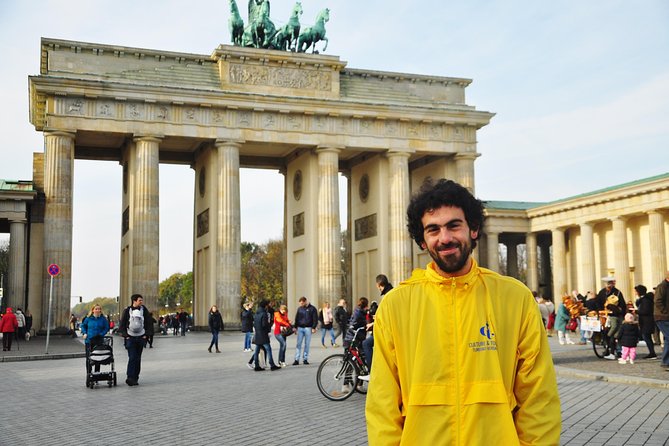
- Small group vibe (max 30 people) so the guide can actually pace the walk.
- Heavy-history stops in logical order, from the Holocaust Memorial to the Wall and Checkpoint Charlie.
- Jewish Quarter coverage with the first Hebrew cemetery and the New Synagogue on your radar.
- East Side Gallery as the finish line, with time to see the graffiti wall stretch where the Wall is still preserved.
- Guides praised for making dense topics feel manageable, including names like Alberto, David, Felipe, and Ezequiel.
One Day to Make Sense of Berlin’s WWII and Reunification Story
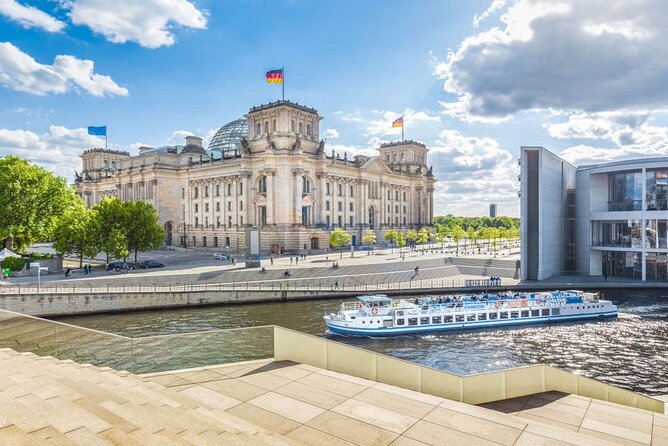
Berlin has a habit of being two cities at once: the monuments and the meanings behind them. This tour helps you hold both at the same time. You’ll see major government and landmark spots, but you’ll also pause at memorials that explain what this city went through.
The best part for your trip planning is that the route is built like a timeline you can walk through. You start in the central historic core, then you steadily work through World War II memory sites and the Cold War border experience. Finally, you end at the Wall’s outdoor art chapter, which is exactly the kind of visual payoff that sticks with you.
Yes, the topics are intense. But the structure matters: short stops, clear guidance, and enough time to look without feeling rushed into the next thing.
You can also read our reviews of more tours and experiences in Berlin


Pariser Platz Start: Getting Oriented Without Overthinking It
Your morning begins at Pariser Platz, right by the Academy of Arts. From there, you’re set up for easy landmark walking, not a scavenger hunt. You’ll start at the Brandenburg Gate area first, which is a smart anchor point because it tells you where Berlin’s “main stage” is.
I also like that the tour ends near Berlin Zoo Station (Hardenbergplatz area). That gives you an easy next move: lunch, shopping, or jumping onto transit without having to backtrack across town.
The tour uses a mobile ticket, so you’re not stuck hunting paper confirmations. And with a maximum of 30 people, it’s the kind of group size where you can still ask questions and keep up.
Brandenburg Gate to the Reichstag: the Government Heart of the City
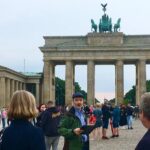
Your first stretch hits the big-name Berlin photos, starting at the Brandenburg Gate. It’s free to visit, and the time on site is short, so think of it as a moment to see it, photograph it, and then understand why it matters in the city’s modern identity.
Next comes the Reichstag building area and the German parliament, also listed as free. This is where the tour’s value really shows. The idea isn’t just to point at famous buildings. It’s to connect what you’re seeing to the political shifts that shaped Berlin after the war.
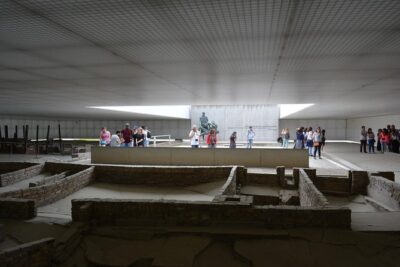
You’ll also stop for a site marking where Hitler’s bunker was. Even if you’ve heard the story before, this kind of physical cue helps you picture the Cold War and postwar Berlin that came right after.
And don’t worry about pacing getting weird. The stops are timed in a way that keeps momentum—no marathon museum slog, but enough attention to understand the why behind each location.
From the Wall Memorial to East Side Gallery: street art with real weight
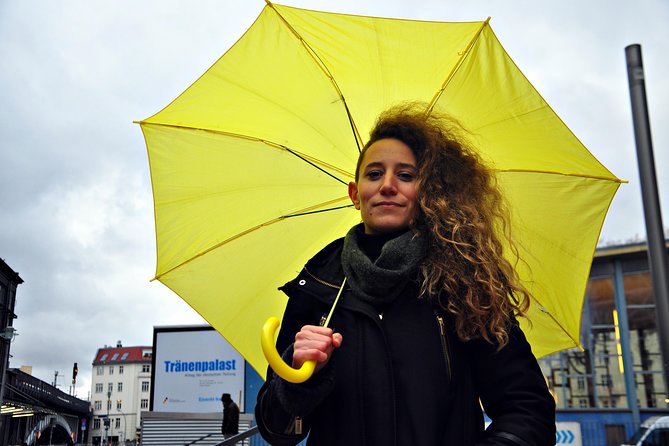
One of the tour’s strongest moves is how it handles the Berlin Wall material. You go to the Memorial of the Berlin Wall early enough that the rest of the day starts to make more sense. It’s free and timed around 20 minutes, which is just enough time to look carefully and absorb the context without feeling like you need a guidebook marathon.
Then you finish at East Side Gallery, the large outdoor stretch of the Berlin Wall covered in murals. This is where Berlin’s history turns into something you can read at street level. If you like photos, this is the part you’ll probably want to linger near. If time permits, you can also focus on an emblematic section of the artwork.
I like finishing here because it changes the emotional tone of the day in a practical way. After the memorials and border past, you end with a Wall that’s been transformed—still serious, but visually alive. It’s a good reminder that Berlin isn’t only about what was lost; it’s also about what survived and changed.
Holocaust Memorial, Bebelplatz, and Checkpoint Charlie: Meaning you can’t skip
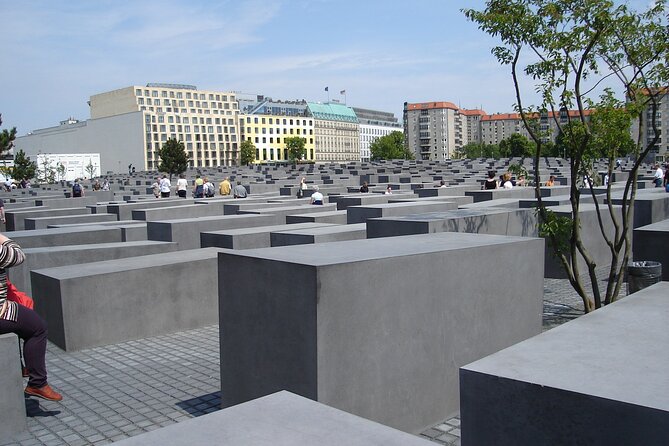
This is the heavy part of the trip, and the tour doesn’t treat it like a quick checkbox. You’ll visit the Holocaust Memorial (also free), with about 15 minutes planned. The time is short, but it’s built for reflection and orientation—enough to understand what the site communicates without turning it into a rushing contest.
Next is Bebelplatz, the place of the first book burning. That stop hits a different side of oppression: not only violence, but the attempt to control ideas. It’s also free and scheduled around 15 minutes, meaning you’ll get the story and the context without losing the thread of the day.
Then you’ll reach Checkpoint Charlie, a former border control site. This is a great stop for visual learners because the concept is easy to grasp. You’ll spend about 10 minutes there, which is usually enough to connect the idea of the border to the larger Cold War map in your head.
The trade-off is simple: these are not deep-dive museum hours. They’re guided, paced stops that help you understand the big picture and decide what you want to explore more later on your own.




Jewish Quarter walk: first Hebrew cemetery to the New Synagogue
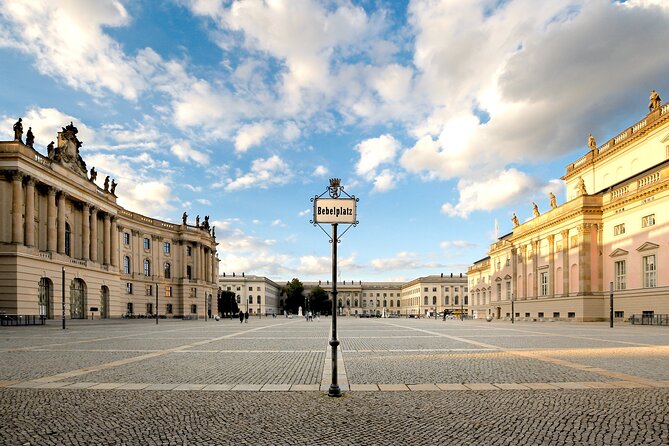
A key reason you might love this tour is that it doesn’t keep Berlin’s Jewish story only in the background. You’ll continue into the Jewish Quarter and visit two especially meaningful stops: the first Hebrew cemetery and the New Synagogue, described as an important center of Jewish life in Germany.
The first cemetery stop gives you a direct link to continuity—how a community’s presence is preserved through the landscape of remembrance. The New Synagogue stop shifts you from memory into lived community, which is a different lens and a welcome change of pace.
This portion also helps your day feel more balanced. After the WWII and Cold War stops, you get something that’s about heritage, institutions, and presence—not only the aftermath of catastrophe.
Gendarmenmarkt, Museum Island, and Alexanderplatz TV Tower views
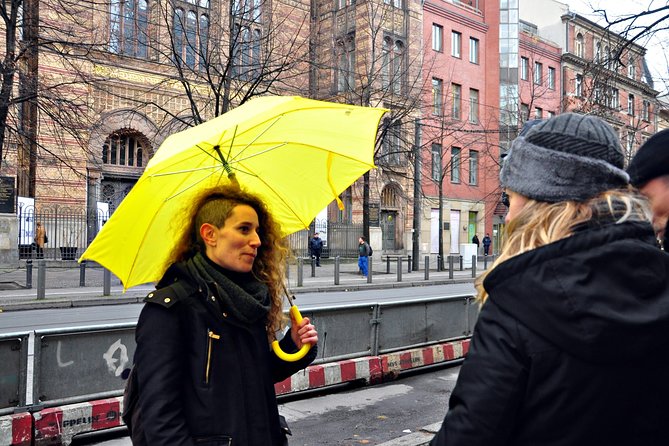
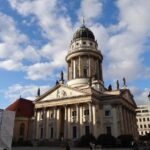
Between the memorial and Jewish Quarter sections, you’ll also walk through Gendarmenmarkt and head toward Museum Island. These are the kinds of places that give your brain a breather. They’re also ideal for photography without requiring a separate ticketed stop.
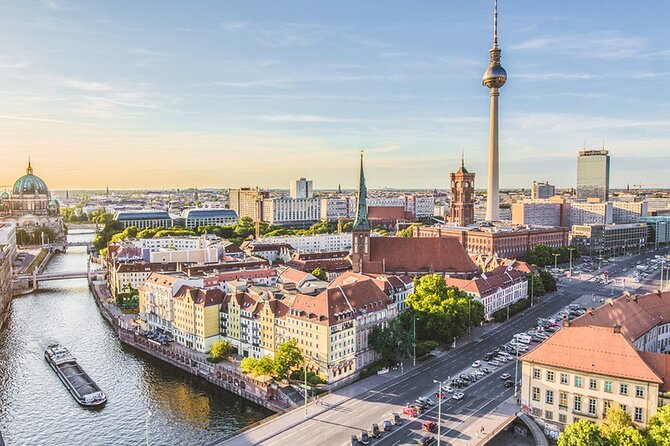
You’ll admire the Television Tower on Alexanderplatz as well. The value here is practical: seeing the tower from the right vantage points helps you place where modern Berlin sits relative to the historic core.
If your first day in Berlin needs a “map in your mind,” these visual anchors help. They also make it easier to plan your next day because you’ll know which direction different neighborhoods sit in—and you won’t feel like you arrived in the dark.
Price, pacing, and whether this $46.34 one-day plan feels fair
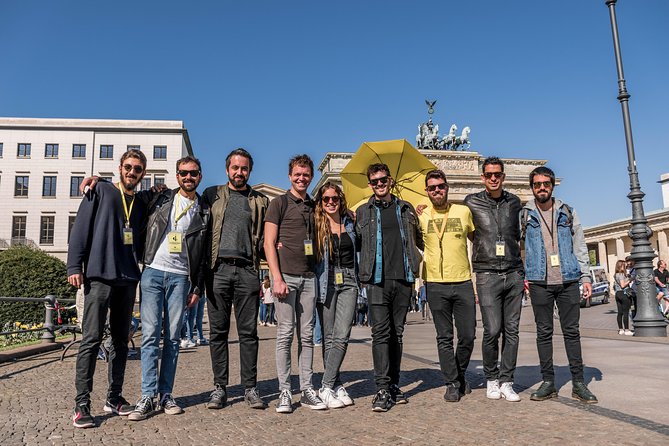
At about $46.34 per person for roughly 6 hours, you’re paying for guided interpretation and a tight route across multiple major stops. For a city like Berlin, that’s a fair value if you want structure and explanations without spending time figuring out trains and walking routes yourself.
You also get both a local guide and a professional guide included. That matters because the explanations tend to be more than trivia. In guides like Alberto and David, there’s a consistent pattern of making even dense topics feel readable and manageable on foot.
The tour is also small-group by design (max 30). That’s not huge, and it usually means you can ask questions and keep up with the group.
What you need to be realistic about: you won’t linger for long in every location. Each stop gets about 10–20 minutes. That’s the whole point of doing Berlin in one day. If you know you want extra time at one site, treat this as your orientation phase, then go back for a longer visit later.
Should You Book This One-Day Berlin Tour?
Book it if it’s your first time in Berlin and you want a guided route that connects the city’s landmarks to the history behind them. It’s also a strong choice if you like walking tours that move with purpose, because the stop timing keeps you from getting stuck waiting around.
Skip it or consider adding a self-guided day if you want museum-style depth at multiple indoor sites. This tour focuses on outdoor landmarks and key memorial stopping points. You’ll leave with a strong overview and a short list of what you’ll want to return to.
Bottom line: if you want your first day to feel organized, meaningful, and not like you’re guessing your way across town, this is an efficient way to get your bearings fast.
FAQ
Where does the tour start and what time does it begin?
It starts in Pariser Platz, 10117 Berlin, Germany at 9:00 am.
Where does the tour end?
The tour ends near Berlin Zoo Station, around Hardenbergpl. 13, 10623 Berlin, Germany.
How long is the tour?
The duration is listed as approximately 6 hours.
What’s the price per person?
The price is $46.34 per person.
Are tickets included for the stops?
Admission tickets are listed as free for the specific stops shown in the route.
What’s included in the tour price?
You get a local guide and a professional guide included.
Do I need cash for food during the tour?
Food and drinks are not included, except for any value-added offers specified in your guidebook.
Should I use the AB transport card?
It’s recommended to purchase an AB transport card to facilitate travel during the day.
How big is the group?
The tour has a maximum of 30 travelers.
What is the cancellation policy?
Free cancellation is offered up to 24 hours in advance for a full refund. If you cancel less than 24 hours before the start time, the amount paid is not refunded.
Is the tour run in all weather?
Yes, it operates in all weather conditions, so dress appropriately.