REVIEW · BERLIN
Private Tour to Sachsenhausen Concentration Camp Memorial (With Licensed Guide)
Book on Viator →Operated by Birchys Berlin Tours · Bookable on Viator
A concentration camp visit can feel overwhelming fast. This private Sachsenhausen tour is built to help you find your bearings and see the main locations with a licensed guide. I like that admission is included and you do not waste time sorting tickets on-site, but the subject is heavy, so you’ll want to pace yourself.
I also like the way the tour focuses on the camp’s layout, not just dates and slogans. You’ll move through key areas like Tower A, the roll-call grounds, the execution facility, and the SS and Gestapo prison with explanations that make the site easier to understand. One consideration: you may feel cold and winded outdoors for stretches, and the walking is real even though the time is well managed.
A 6-hour block gives you enough time to slow down in the most important places without turning this into a rushed checklist.
In This Review
- Key things to know before you go
- Private Licensed Guide: why Sachsenhausen is easier to understand
- Price and What You Actually Get for $274.55
- Meeting at Birchys Berlin Tours: how the day starts clean
- The planned walking route: Tower A to roll-call to executions
- Tower A and the main camp entry
- The roll-call area
- Pathology building, infirmary structures, and the mortuary cellar
- Station Z: the purpose-built execution facility
- SS and Gestapo prison and the barracks blocks: connecting fear to daily life
- SS and Gestapo Prison
- Former prisoner barrack block
- Former camp kitchen exhibition: why the museum segment helps
- Pacing, comfort, and the reality of 6 hours
- Who this tour is best for (and who should consider alternatives)
- Should you book this private Sachsenhausen tour?
Key things to know before you go

- Private tour with a licensed guide so you can ask questions and keep the flow of the site clear.
- Admission ticket included so you can focus on the memorial instead of logistics.
- Tower A, roll-call, and Station Z are part of the planned route, not optional add-ons.
- SS and Gestapo Prison + former prisoner barracks help connect the daily system to the larger war context.
- Former camp kitchen exhibition offers an organized way to process what you’ve just seen.
- The site is large, so plan for walking and time outdoors on the route.
Private Licensed Guide: why Sachsenhausen is easier to understand

Sachsenhausen is not a small stop you can skim. It’s a big, structured place, and the distance between key points matters. I love that this tour is private, which means your guide can adjust pacing if someone needs breaks or the group wants more time at a specific building.
The “licensed guide” part is also more than a label. At a site like this, a good guide helps you connect what you’re looking at to how the camp operated day to day. Many guides associated with this tour in the past, including Paul (including Paul Tobin), Julian, Beth, Aaron, and Stephen, have been praised for handling tough questions with care and for explaining the bigger Nazi system without losing the human weight of the place.
And yes, it’s still a somber visit. But a guide can make it feel less like wandering and more like learning what each location was for.
You can also read our reviews of more guided tours in Berlin



Price and What You Actually Get for $274.55

At $274.55 per person for an approximately 6-hour experience, you’re paying for three things: time, a licensed guide, and museum access. The “train fare” is not included, so you’ll still cover your own getting-there and local transport costs.
Here’s why it can be good value anyway:
- You’re not paying extra for admission. The tour includes the entry ticket, so you avoid surprise fees or delays.
- You’re paying for guided interpretation. For a memorial, the payoff is not just seeing buildings; it’s understanding why they’re there and what each area represents.
- Private format saves effort. With only your group, you don’t lose time waiting around or trying to follow a larger pace.
In plain terms: if you want a calm, structured route through the camp and you care about asking questions, the price starts to make sense fast.
Meeting at Birchys Berlin Tours: how the day starts clean

The tour begins at Birchys Berlin Tours, Ebertstraße 24, 10117 Berlin. From there, you head north about 30 km to the Sachsenhausen Concentration Camp Memorial area, near Oranienburg.
This matters because the trip out of Berlin turns the day into a dedicated visit, not a quick stop on the way somewhere else. It also helps you avoid the stress of figuring out how to piece together transit with a timed entry.
The tour ends back at the meeting point, so you’re not left hunting for your way home at the end of a very heavy few hours.
The planned walking route: Tower A to roll-call to executions

You’ll spend about 4 hours at the memorial, focused on the camp’s key elements. The route is designed to follow the camp’s logic, and that helps your brain keep order while your emotions do their own thing.
Here’s what the route typically includes, in the order it’s presented:
Tower A and the main camp entry
Tower A is the gateway point into the main compound. Standing here with context is different than seeing it as just another photo spot. Your guide can explain how control and surveillance were built into the camp’s design, so you understand what you’re looking at before you move deeper.
You can also read our reviews of more private tours in Berlin


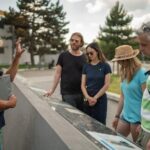
The roll-call area
The roll-call grounds are where the camp’s routine becomes visible. It’s one of those places that can feel physically “staged,” and that’s the point. A strong guide will connect this space to the daily system of control and punishment.
Pathology building, infirmary structures, and the mortuary cellar
This section is usually the most emotionally difficult. The route includes the pathology building, infirmary buildings, and the mortuary cellar. The value of a guided visit here is simple: you get a clear, respectful explanation of what these spaces were used for, instead of trying to interpret them on your own while overwhelmed.
Station Z: the purpose-built execution facility
Station Z is highlighted for a reason. It’s where the camp’s violence moves from system to finality. Your guide’s job is to explain what made this part of the camp distinct—again, not as trivia, but as part of understanding how the camp functioned.
One practical takeaway from past groups: the site can be windy and colder than Berlin city areas, so you’ll be more comfortable if you dress for that reality.
SS and Gestapo prison and the barracks blocks: connecting fear to daily life

The tour also includes places that show the machinery of repression and the lived conditions of imprisonment.
SS and Gestapo Prison
This is where your guide can help you connect who held power to how that power was enforced. In past tours, guides have been praised for handling sensitive explanations with thoughtfulness, including how complicit institutions and the wider Nazi system fed off forced labor and terror.
I like this approach because it ties the site to history without turning it into a distant lecture. You’re seeing a place built for control, and your guide helps you understand the human impact.
Former prisoner barrack block
The barracks are where the camp stops being “theory” and becomes daily life. Even if you don’t read every panel slowly (and you usually can’t), the guide helps you focus on what changes your understanding: the scale, the structure, and the purpose of confinement.
In one example from a family-focused visit, the guide checked in with kids during the day so everyone could handle the detail level. That kind of pacing matters, because the barracks and prison areas are emotionally dense.
Former camp kitchen exhibition: why the museum segment helps

After walking the exterior and key structures, you’ll visit the exhibition in the former camp kitchen.
This stop works because it provides an organized place to absorb what you’ve just seen. Outdoor sections can feel fragmented, but the exhibition space helps you step back and process. The tour format keeps the museum as part of the same story, not something you do after you’re already mentally exhausted.
In past tours, guides like Paul and Beth were also praised for adding context about how the Nazis evolved over time and for explaining the wider war background without losing the focus on what happened at Sachsenhausen. That balance is especially helpful if you’re visiting the memorial as part of a Berlin trip that also includes other WWII sites.
Pacing, comfort, and the reality of 6 hours

Sachsenhausen is not a sit-and-watch museum. You’re moving, standing, and reading. Even with a private guide, you’ll likely want to plan for a few “reset moments” built into the day.
I’d also plan your clothing around comfort:
- Expect wind and cold relative to the city.
- Wear shoes you’re happy to walk in for several hours.
In at least one guided visit described previously, the guide offered choices on how to get from the transit point to the camp (either a bus or a walk through a normal German neighborhood). That’s a reminder that logistics can affect how your day feels, so if you’re sensitive to walking distance, ask your guide what they recommend once you arrive.
Who this tour is best for (and who should consider alternatives)

This private Sachsenhausen tour fits you best if:
- You want a licensed guide and a structured route through the memorial.
- You care about asking questions in real time and keeping the pace flexible.
- You prefer a calmer, smaller experience rather than a larger group shuffle.
It can also work well for families, but only if you plan honestly for the emotional intensity. In past family tours, guides have been specifically noted for checking in with kids and adjusting how they explained material so the experience stayed manageable.
If you want a lighter day, or if you’re not ready for very explicit themes linked to imprisonment and execution, you might be better off choosing a shorter visit time or another type of Berlin-area historical stop.
Should you book this private Sachsenhausen tour?
Yes, I’d book it if your goal is to understand Sachsenhausen in a way that feels respectful and structured. The 4-hour memorial focus, the admission included value, and the private licensed guide format combine into a visit that’s easier to navigate and easier to process.
I’d skip it (or at least reconsider timing) if you’re not prepared for wind, walking, and intense subject matter. This is a memorial built for remembrance, not sightseeing.
If you want a guided route that helps you see Tower A, roll-call, Station Z, the SS/Gestapo prison, barracks blocks, and the former camp kitchen exhibition as one connected story, this tour is a strong choice.