REVIEW · BERLIN
Berlin in one day – day tour with an expert guide
Book on Viator →Operated by Birchys Berlin Tours · Bookable on Viator
Berlin teaches its history fast. In Mitte, this 6-hour walking tour strings together major WWII and Cold War landmarks so you can connect the stories without bouncing around the city all day. You start at Ebertstraße 24 and finish back there, with admission included for the day’s key stops.
I love how structured the tour feels: you get a clear route through the sites instead of random photo stops. I also like the human touch—your guide can customize the pacing and emphasis based on your interests, and guides such as Julian are specifically noted for keeping it organized while adding fascinating details.
The one drawback to plan for is the intensity. This tour uses no vehicles, so you’re on foot for the full experience, with plenty of standing and walking.
In This Review
- Key highlights you will feel in your day
- Starting at Ebertstraße 24: the “walk, don’t wait” rhythm
- Brandenburg Gate and the Battle of Berlin thread
- Checkpoint Charlie and the Wall memorial reality check
- East Side Gallery and Museum Island: art, power, and place
- Reichstag and Topography of Terror: politics meets aftermath
- Unter den Linden: the “moving corridor” through memory
- Ghost stations, escape stories, and watchtowers in plain sight
- Humboldt University and the Soviet War Memorial: education and remembrance
- Divided Berlin: East versus West, and what changes in a city
- Who this one-day Berlin tour suits best (and who should skip it)
- Price of $294.72: what you’re really paying for
- Final verdict: book it if you want history with a route and a guide
- FAQ
- How long is the Berlin in one day tour?
- Where does the tour start and where does it end?
- Is pickup offered from my hotel?
- Does the tour use private transportation?
- What is included in the price?
- Is the tour offered in English, and is it a private experience?
- Are service animals allowed?
- Can I cancel for a full refund?
Key highlights you will feel in your day
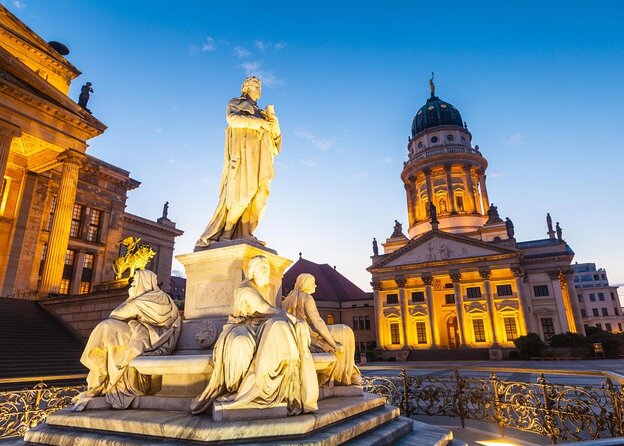
- A WWII-to-Cold-War storyline from the Battle of Berlin to divided Berlin
- Expert commentary on the ground at major landmarks like Brandenburg Gate and the Reichstag area
- Wall-era specifics including Checkpoint Charlie and the Berlin Wall memorial experience
- Cold War details in places you can actually see like ghost stations, watchtowers, and escape stories
- A small, private feel since it’s only your group, plus group discounts
Starting at Ebertstraße 24: the “walk, don’t wait” rhythm

This is a true single-day sprint, built for people who want the big hits with context. You meet at Ebertstraße 24, 10117 Berlin, and the tour ends back at the same meeting point. That sounds basic, but it matters: you avoid the stress of figuring out transit after a long day of history.
Pickup is also handled in a practical way. The guide will pick you up on foot from your hotel lobby 5 minutes before the tour starts. If you hate feeling rushed, set yourself up so you can actually make that 5-minute window without sprinting down a hotel hallway.
The tour is listed as private for your group only. In real terms, that usually means the guide can adjust pacing to your questions and interests, instead of forcing everyone into a rigid “copy-paste” lecture style. And since it’s offered in English, you can focus on understanding what you’re seeing instead of translating in your head.
One more thing you’ll notice fast: the day is designed around walking. There’s no private transportation, so you should treat it like a comfortable but full workout. If you want a sightseeing day with minimal standing, you might find this kind of history-focused itinerary a bit demanding.
You can also read our reviews of more guided tours in Berlin



Brandenburg Gate and the Battle of Berlin thread
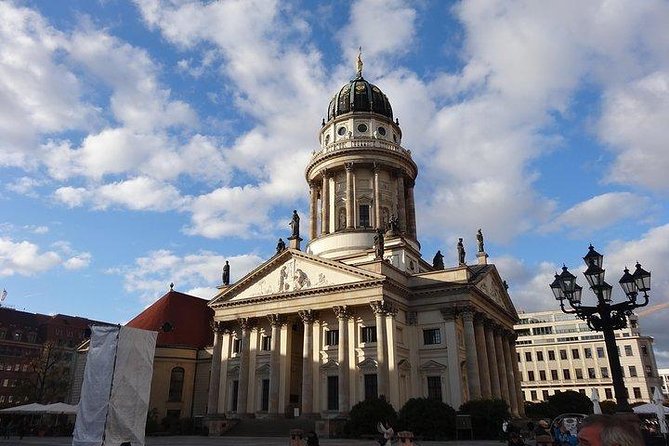
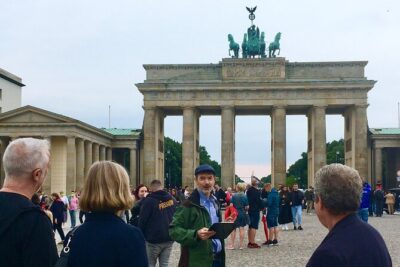
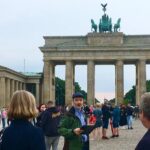
Your tour kicks off in the Mitte area, and one of the first headline stops is the Brandenburg Gate. This is one of those places where the photo is easy, but the meaning isn’t. The gate sits at the center of Berlin’s 20th-century story, so the guide’s job is to make the site feel grounded in time—what happened here, why it mattered, and how the city’s politics shaped the streets you’re standing on.
A standout element of this day is the guide’s focus on a retrospective of the Battle of Berlin. That’s not the kind of topic you can learn from a quick museum read. Having it paired directly with the places you can walk past helps your brain build a timeline. You start to see Berlin not as a set of monuments, but as a city shaped by decisions, sieges, and survival.
This is also where you get an important framing tool for the rest of the day: Berlin’s WWII ending doesn’t “reset” everything. It rolls forward into the Cold War, and the guide keeps pulling that thread. If you’ve ever felt like Berlin’s history is too big to hold in one day, this approach helps.
Checkpoint Charlie and the Wall memorial reality check
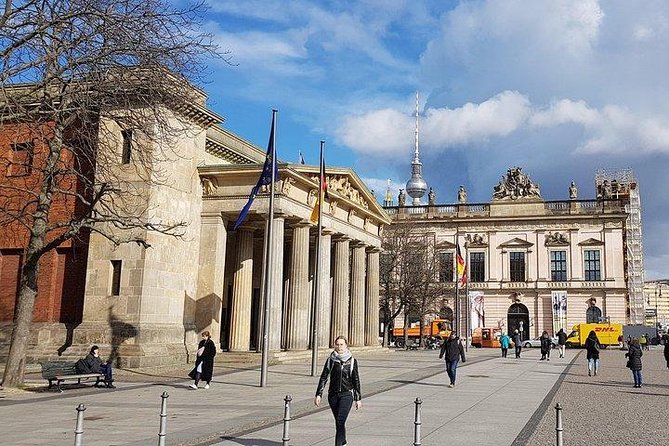
Next up is Checkpoint Charlie and the Berlin Wall memorial area. These spots are famous, but the value here is the explanation behind the fame. You’re not just ticking off a location. You’re getting a guided look at how the wall system worked in daily life—where people were, what risk looked like, and why the wall became a symbol.
Checkpoint Charlie in particular is often treated like a theme park moment. With a history-focused guided format, it becomes something more serious: a doorway into the logic of control, propaganda, and survival in divided Berlin. The guide’s narration keeps the focus on how the city functioned under pressure, not just what the checkpoint looks like in photos.
The Berlin Wall memorial ties it together by moving from the checkpoint to the broader story of the wall itself. If you’re learning Berlin for the first time, this is a strong checkpoint—pun intended. It’s an easy place to ask yourself: what did the wall change in ordinary routines, and why did it matter beyond politics?
East Side Gallery and Museum Island: art, power, and place
The day includes East Side Gallery & Museum Island. This pairing is smart because it gives you two different lenses on the same era. The East Side Gallery connects art to history in a way that feels immediate—something you can see while you’re walking past. Museum Island, on the other hand, offers the broader cultural and institutional backdrop of Berlin.
You may think this is a “break from heavy history” section. It can be, but it still fits the day’s storyline. Even when the topic shifts, the guide keeps your attention on how Berlin expresses identity—through monuments, museums, and visual language.
A practical tip: this part of the day is where your legs may start to complain, even if you don’t feel tired yet. Build in micro-pauses while still staying with the group. If your guide moves quickly, it helps to take a breath the moment you arrive at each landmark, so you don’t lose details while you’re catching up.
Reichstag and Topography of Terror: politics meets aftermath
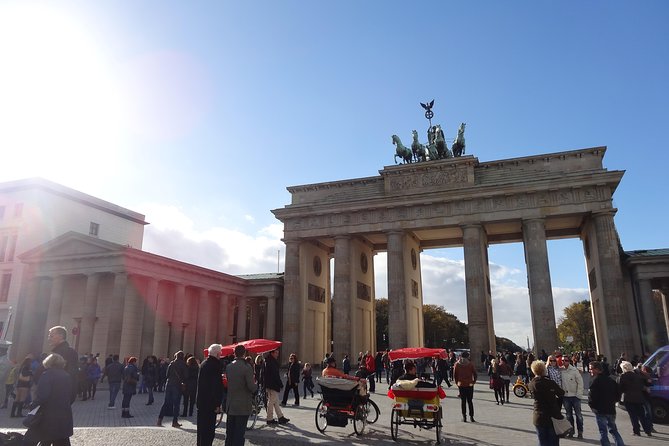
Then you hit the Reichstag & Topography of Terror. These stops matter because they anchor the day’s “why” questions. The Reichstag area helps you connect government, symbols, and the public face of power. The Topography of Terror site shifts the focus to atrocity and the machinery behind it.
This is one of the most meaningful transitions in the whole itinerary: you move from the political stage to the consequences of political decisions. The guide’s job is to keep the story clear, so you don’t leave with a pile of names and dates that don’t connect.
If you’re the type who likes to understand the logic, not just the facts, this stop is for you. It’s where you learn how Berlin’s modern identity is tied to the weight of what happened here, and why the city has built places to remember.
Also, because admission tickets are included, you’re less likely to lose time juggling logistics. You can stay focused on the story.
You can also read our reviews of more tours and experiences in Berlin





Unter den Linden: the “moving corridor” through memory
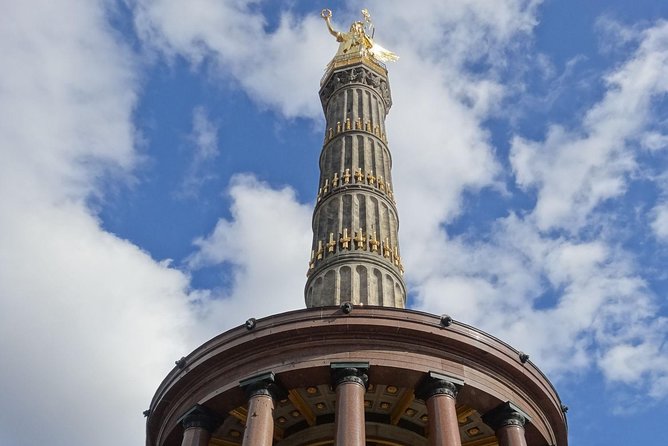
Unter den Linden appears on the route, and it’s one of those streets that feels like a timeline in motion. You’re walking through a corridor lined with the kind of landmarks that made Berlin feel like a capital—then watching history complicate that image.
The guide uses streets like this as interpretive tools. You don’t just see a street; you learn why the street matters to how power moved, how people traveled, and how the city projected itself to the world.
This segment also helps you “rest” mentally between heavy memorial stops. It’s still serious, but the tone shifts slightly because you’re physically moving through the city rather than standing only at a single site. And you’ll likely appreciate that if you’re trying to handle WWII and Cold War content in one day without burning out.
Ghost stations, escape stories, and watchtowers in plain sight
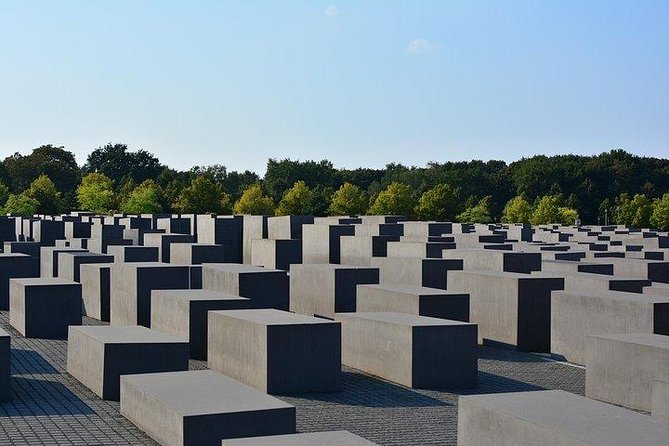
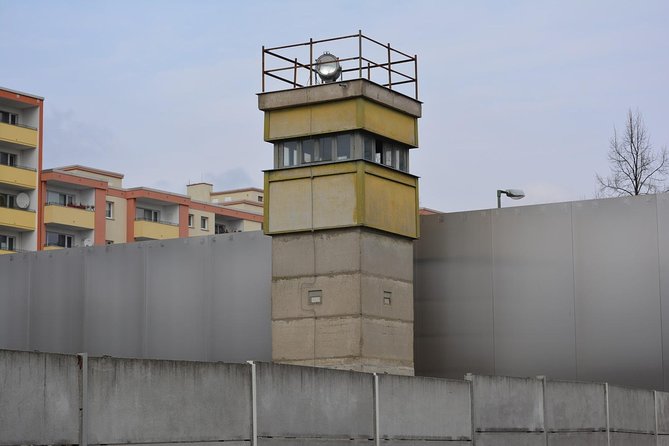
The itinerary includes watchtowers, ghost stations, and escape stories, plus the Berlin Wall, watchtowers, and Berlin in the Cold War. This is where the tour becomes more than a monument parade.
Ghost stations are especially powerful because they show how the wall era wasn’t only at the surface. It was built into infrastructure. When you pair that with escape stories, the history becomes human-scale. The guide’s explanations help you picture choices people made—how risk was calculated, what hope looked like, and why some attempts succeeded while others didn’t.
You may find this part emotionally intense. That’s normal. It’s meant to be grounded and specific. If you’re sensitive to heavy topics, consider pacing yourself: take breaks when the group pauses, and don’t feel bad stepping back for a moment if you need air.
Still, this is one of the tour’s best values. Many one-day tours stop at the headline locations. This one adds the details that make Berlin’s Cold War feel real.
Humboldt University and the Soviet War Memorial: education and remembrance
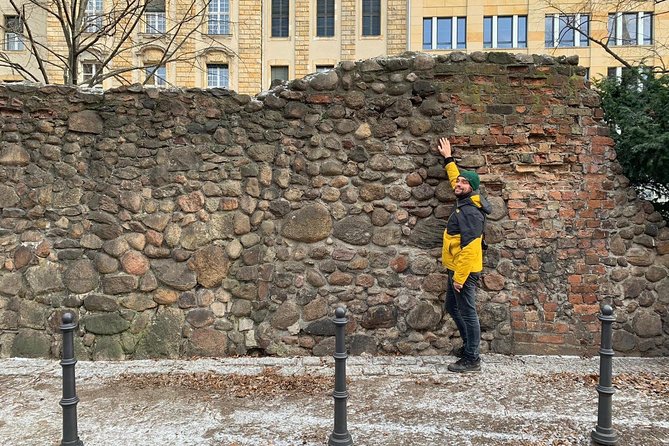
The tour also includes Humboldt University and the Soviet War Memorial. These aren’t just “more stops.” They represent different kinds of memory and different audiences of history.
Humboldt University connects Berlin to the idea of knowledge and institutions, which matters because the Cold War wasn’t only about tanks and borders. It was also about competing visions of society, culture, and what the future should look like. When you see the university in the broader itinerary, it helps you understand how Berlin’s identity wasn’t frozen in the past.
The Soviet War Memorial shifts the focus again to remembrance. The guide ties it back to the broader WWII-to-Cold War timeline, so you’re not treating it as an isolated monument. It’s part of the way Berlin has had to live with layered narratives.
If you’re someone who likes to leave with a mental map, this section helps. You’re learning not only where events happened, but how different groups chose to remember.
Divided Berlin: East versus West, and what changes in a city
The itinerary explicitly includes divided Berlin – East vs. West. That’s a key idea because it helps you understand the wall period as a system, not just a dividing line.
When your guide compares East and West realities through the stops on the route, you start to see what daily life likely looked like—movement, control, and the way the city’s function changed depending on who held power. Even if you’ve read a lot already, watching these ideas explained while standing in front of real-world landmarks makes them click.
This is also a good segment for questions. If you’re curious about how certain routes worked, how propaganda shaped perception, or why specific parts of Berlin feel different now, the guide’s job is to connect your questions to what you’re seeing.
And because it’s private for your group, you’re more likely to get answers that match your interests rather than a standard script.
Who this one-day Berlin tour suits best (and who should skip it)
This works best for you if:
- You want WWII and Cold War history in one day, with a clear walking route.
- You like structure and explanations, not just photo stops.
- You’re okay with a full 6-hour walking format and standing at memorial sites.
- You’d benefit from a guide who can handle questions and adjust emphasis—something people highlight strongly, including guides like Julian.
It may not be ideal if you:
- Need lots of sitting time and very slow pacing.
- Struggle with long walks and standing for hours.
- Want a casual, low-effort day where you can wander freely without a tight schedule.
That said, “no vehicles” can be a plus. Berlin’s center is dense. Walking keeps you close to what you’re learning, and it reduces the chance you spend your time stuck in transit.
Price of $294.72: what you’re really paying for
At $294.72 per person for about 6 hours, this isn’t a budget tour. But the value can make sense if you factor in what’s included and how the day is built.
You’re paying for:
- Local expert guiding (local guides are included)
- Admission ticket included for key stops
- A route that covers major, high-demand areas in the same day
- A private group format, meaning it’s only your group instead of competing with a big mass tour
The “no private transportation” detail also changes the math. You’re not paying for a bus or van that moves you between far-flung locations. The itinerary is designed to keep you on foot in the areas where the historical sites cluster.
So the best way to think about the price is: this is paying for time, structure, and context. If you try to do it yourself, you’ll likely spend time figuring out what matters, what to pair together, and how the story connects. This tour tries to compress that learning into a single walkable day.
Final verdict: book it if you want history with a route and a guide
If your goal is to understand Berlin’s WWII and Cold War story in one focused day, this tour is a strong option. The biggest reason: it doesn’t treat the city as isolated landmarks. It ties the sites together with a narrative, from Brandenburg Gate to the wall era, and into Cold War details like ghost stations and watchtowers.
I’d book it if you like guided structure and you’re comfortable with a walking-heavy itinerary. I’d skip it if you want a relaxed sightseeing day or you prefer a slower pace with lots of free time.
If you do book, bring comfortable walking shoes and plan to be a little emotionally ready for memorial sites. When the day hits the human side of the wall era, it’s not just facts—it’s perspective.
FAQ
How long is the Berlin in one day tour?
It runs for approximately 6 hours.
Where does the tour start and where does it end?
You meet at Ebertstraße 24, 10117 Berlin, Germany, and the tour ends back at the meeting point.
Is pickup offered from my hotel?
Yes. The guide will pick you up on foot from the hotel lobby about 5 minutes before the tour.
Does the tour use private transportation?
No. The tour does not use vehicles.
What is included in the price?
Local guides are included, and an admission ticket is included as well.
Is the tour offered in English, and is it a private experience?
Yes. It’s offered in English, and it’s a private tour/activity where only your group participates.
Are service animals allowed?
Yes, service animals are allowed.
Can I cancel for a full refund?
Yes. You can cancel up to 24 hours in advance for a full refund.