REVIEW · BERLIN
Berlin: David Bowie in 1970s West-Berlin
Book on GetYourGuide →Operated by Berlin-Tours Martin Sauter · Bookable on GetYourGuide
Berlin has a way of changing the soundtrack in your head. This tour takes you straight to the places that helped shape David Bowie in the 1970s, from Hansa Studios to the streets of City West. I love how the guide ties the music to specific locations, so you’re not just sightseeing—you’re mapping the city to the songs. The other thing I really like is the people-time angle: you hear how Bowie moved through West-Berlin society while the city itself was becoming a creative signal.
One possible drawback: this is mostly a looking-from-the-street kind of experience. You’ll stand at key spots and travel to Bowie’s home by bus, but it’s not presented as an inside-only access tour of studios or private venues.
In This Review
- Key highlights at a glance
- Why Bowie picked West Berlin in the first place
- Martin Gropius Bau: where Bowie’s Berlin story got framed
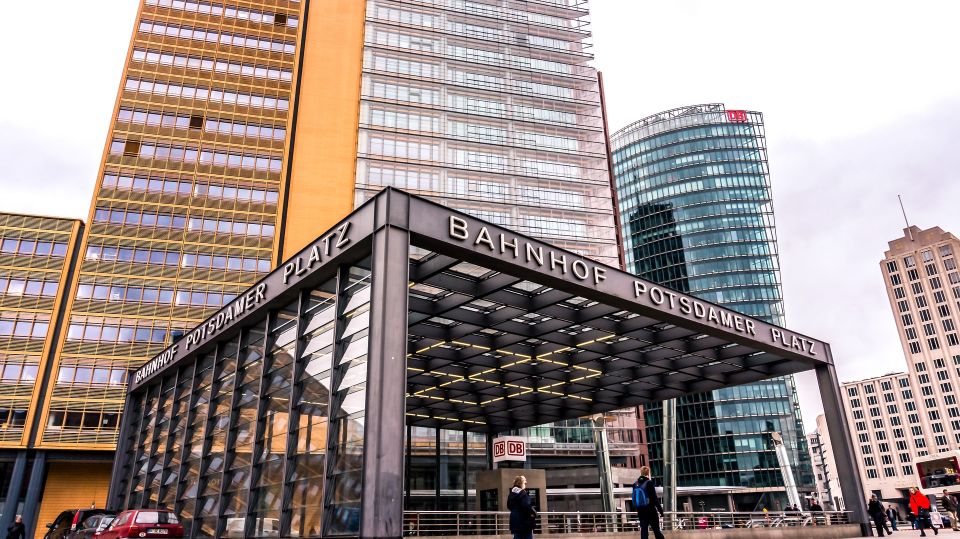
- Potsdamer Platz and Where Are We Now: the city becomes a lyric
- Standing at Hansa Studios: sound history in plain sight
- City West stops that feel like backstage passes: KaDeWe, the Dschungel, and Chez Romy Haag
- The Edgar Froese connection: how Bowie landed before he built a home base
- Ending at Bowie’s Berlin home: the last stop gets personal
- How the 3 hours work, and what you’ll do with your time
- Price and value: what $288 per person buys you
- Who should book this Bowie-and-Berlin tour
- Final call: should you book it?
- FAQ
- FAQ
- How long is the David Bowie in 1970s West-Berlin tour?
- What does the tour cost?
- Where do we meet, and how do I find the guide?
- Is food included?
- What’s included in the price?
- What languages are available?
Key highlights at a glance
- Stand in front of Hansa Studios, where West Berlin’s sound grew legs
- City West photo-stops with meaning: KaDeWe, Dschungel, and Chez Romy Haag
- A bus ride to David Bowie’s Berlin home to end where the story became personal
- Martin Sauter-led private tour, with English, French, or German options
- Song-to-street connections across Heroes, Boys Keep Swinging, Yassassin, and Neuköln
- Backstory on Bowie’s West-Berlin setup, including the Edgar Froese link
Why Bowie picked West Berlin in the first place
If you only know Bowie from the hits, this experience adds the missing context: why West Berlin mattered to him at all. Between 1976 and 1978, he called the city home, and the guide explains that the move wasn’t random. You hear how the city’s growing electronic pulse helped feed his curiosity, with West Berlin playing a role alongside Düsseldorf.
That matters for you because it changes how you read the landmarks. You’re not chasing trivia. You’re looking at the places that helped Bowie keep moving—artistically and mentally—during a turning point in his sound. Even the songs you already know get a sharper meaning when you link them to where he was spending time and what kind of atmosphere he was absorbing.
The tour also keeps reminding you that Bowie wasn’t living in a vacuum. He was plugged into people, scenes, and practical realities. That’s where the story becomes more human, not just myth.
You can also read our reviews of more tours and experiences in Berlin.


Martin Gropius Bau: where Bowie’s Berlin story got framed
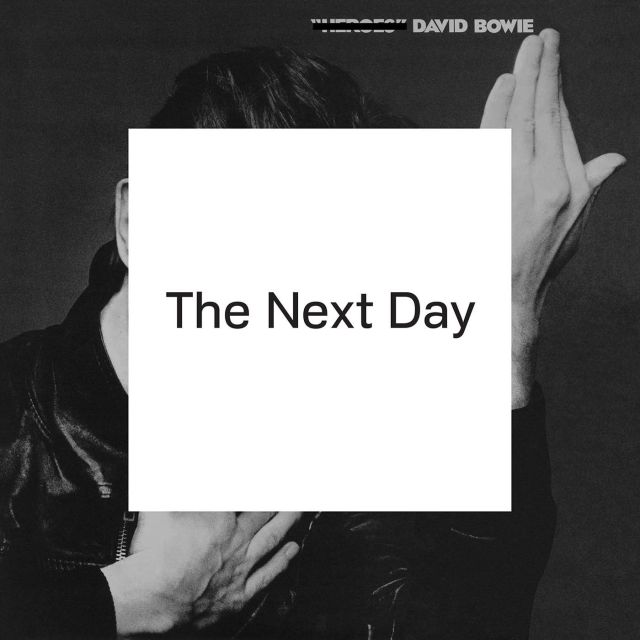
The tour starts at Martin Gropius Bau, a cultural anchor where the guide points to the lasting gravity of Bowie’s presence in Berlin. In 2014, a major David Bowie exhibition ran there, and it’s a fitting starting point because it places the city’s Bowie story into a bigger public spotlight.
I like this first stop because it gives you orientation fast. You’re not wandering into “Bowie land” without context. Instead, you get the framework for what you’ll see next: West Berlin as a place of contrasts, with art happening alongside everyday streets. It’s also a reminder that Bowie’s influence didn’t just fade after the years he lived there. It keeps getting revisited, reinterpreted, and turned into new ways to look at the city.
Potsdamer Platz and Where Are We Now: the city becomes a lyric

Next comes Potsdamer Platz, a location that reappears in Bowie’s later work. The guide connects the square to his 2012 track Where Are We Now, and that connection is the point: Bowie didn’t stop thinking about places just because he moved on.
For you, this is where the tour’s method clicks. The guide isn’t treating Berlin as a backdrop. Berlin becomes a character. When you hear a song name checked a second time during a city walk, you start noticing how time works in music: references can travel further than the people who made them.
Also, this stop helps you understand why the guide spends time on specific routes and districts. West Berlin wasn’t one vibe. It was a patchwork, and Bowie seemed to like that.
Standing at Hansa Studios: sound history in plain sight
Then you get to one of the big moments: standing in front of Hansa Studios. Even if you’re not a studio-nerd, this is a powerful kind of stop. It’s a physical place tied to the creative technology and mood that shaped music in the era.
The guide connects this to Bowie’s fascination with the emerging electronic sound and to the idea that West Berlin helped amplify new directions in music. You’ll hear why the city mattered beyond style. It offered possibilities—new rhythms, new recording instincts, and a willingness to experiment.
One practical note: since you’re standing outside, you’re relying on the guide to do the interpretive work. The value here is the spoken storytelling that turns a façade into a timeline. If you like explanations that link culture to geography, you’ll get a lot out of this section.
City West stops that feel like backstage passes: KaDeWe, the Dschungel, and Chez Romy Haag
After Hansa Studios, the tour moves through City West, including KaDeWe and the former locations of two famous nightlife spots: the Dschungel and Chez Romy Haag.
Here’s what makes these stops useful rather than just scenic: the guide frames them as places Bowie actually spent time around. That turns each location into a scene. You’re not just looking at a building—you’re picturing a night out in the 1970s and how that type of crowd and energy could feed an artist.
- KaDeWe works as a marker of mainstream visibility and modern city life. It helps you see West Berlin as more than a music bubble.
- The Dschungel location is about the cultural temperature—where creative energy mixed with the Berlin nightlife reputation.
- Chez Romy Haag (with the tour framing it as a club stop) gives you the feeling of a specific hangout orbit, not a generic club circuit.
I also love how the guide brings your attention back to Bowie’s way of playing with language and identity—because it shows up not only in what he sang, but in how he branded his world. Songs like Yassassin and Neuköln are mentioned for a reason, and you’ll hear how the city’s mood connects to his lyrical choices, including his deliberate misspelling in Neuköln.
If you’re a fan who likes the small details, these stops are where the story becomes fun. If you’re not into Bowie’s catalog, you’ll still get a good sense of how nightlife and music scenes created momentum in West Berlin.



The Edgar Froese connection: how Bowie landed before he built a home base
Bowie’s Berlin years didn’t start with a perfect setup. The tour explains that before Bowie found his own flat, he was offered a place to stay in Edgar Froese’s apartment, tied to Tangerine Dream. That detail matters because it shows the city as a network, not just a stage.
From a value perspective, this is one of the most helpful parts of the tour. It makes the story feel achievable and practical. Bowie wasn’t only inspired by Berlin—he needed room to land, connect, and keep working while the right living situation clicked into place.
And it gives you a new lens for the electronic-sound angle. Froese and Tangerine Dream aren’t random name drops. They connect you to the broader creative ecosystem that makes West Berlin feel like a real home for experimental music.
If you enjoy “how people actually get plugged into a scene,” don’t skip this section even if you think you already know Bowie’s biography. The guide’s framing turns background into a map.
Ending at Bowie’s Berlin home: the last stop gets personal
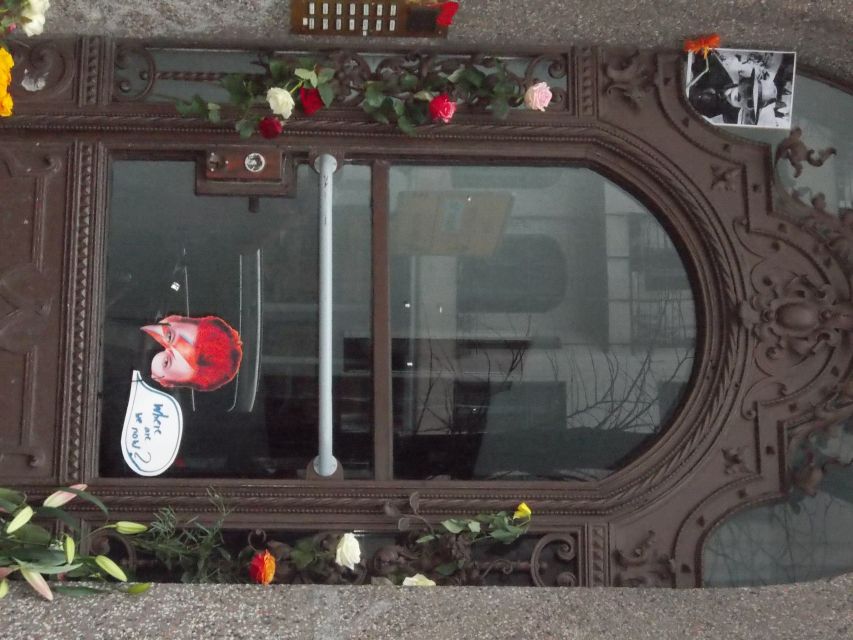
The tour finishes after you board a bus to David Bowie’s Berlin home. Ending here changes the emotional tone. The city stops being abstract. It becomes personal.
I like that the guide doesn’t treat this like a photo op with no meaning. Instead, the home stop is presented as the final link in the chain: why he chose Berlin, how he settled into life there between 1976 and 1978, and how the city left marks that can be felt when you listen to songs tied to that era.
One thing to consider: because the tour ends at a home location, the exact experience is necessarily respectful and low-drama. You won’t get a movie-style interior tour. What you will get is a sense of closure—the feeling that you walked the same roads that helped shape a creative era.
How the 3 hours work, and what you’ll do with your time
This experience runs about 3 hours in total, which is a sweet spot. Long enough to connect multiple districts and song references. Short enough that you don’t have to reorganize your whole day around it.
It’s also structured as a private group. That can be a big deal if you want a smoother flow, fewer interruptions, or a guide who can adjust to your pace. The guide’s style is part of why the tour lands so well, especially for people who want more than a list of names.
One practical thing you’ll want to plan: food and drinks aren’t included. Since you’re spending your time outdoors between stops, grab something before you go, or bring a plan for when you finish. Berlin walking days add up fast, even when the route isn’t exhausting.
Price and value: what $288 per person buys you
At $288 per person, this isn’t a “cheap and cheerful” outing. So the question is whether you get something more than sightseeing.
Here’s what you’re paying for, in plain terms:
- A guided narrative that connects Bowie’s West Berlin choice to music, scenes, and specific places
- A compact but varied route that covers multiple parts of the city—Hansa Studios, City West, and the home stop
- A private setup with a live guide (English, French, or German)
If you’re a casual Bowie listener, you might feel the cost more keenly, because the payoff is mostly interpretive. You’ll benefit most if you’re the kind of fan who likes explanations, or if you want a Berlin experience that feels more specific than the usual museum-and-views route.
If you are a Bowie fan—or you just love when a city tour turns into a story—this feels closer to a high-quality experience than a landmark checklist.
Who should book this Bowie-and-Berlin tour
This tour is a strong match if:
- You love Bowie and want Berlin locations that connect directly to his era and music
- You like stories that connect art to geography and daily life
- You want a private guide and clear context without turning it into a long, tiring day
It may be less ideal if:
- You expect studio access or an inside-only experience (you’ll mainly be looking at key sites from outside)
- You’re not interested in the specific Bowie/West Berlin years, because that’s the organizing theme
Final call: should you book it?
I’d book this if you want Berlin with a soundtrack attached. The best part is not the places alone—it’s the way the guide ties Bowie’s West Berlin years to the city’s creative energy, from electronic sound influences to the specific nightlife spots around City West. For 3 hours, the route gives you a satisfying sense of where the music came from.
If you’re on the fence because the price feels high, think about what you’d pay for a guided experience that actually explains why places matter. This is that kind of tour.
FAQ
FAQ
How long is the David Bowie in 1970s West-Berlin tour?
The tour lasts 3 hours.
What does the tour cost?
It’s listed at $288 per person.
Where do we meet, and how do I find the guide?
Meet your guide who will be holding a David Bowie album, book, or CD.
Is food included?
No. Food and drinks aren’t included.
What’s included in the price?
You get in-depth guided view of Bowie’s life in what used to be West-Berlin, plus a hotel pickup if desired, and the guide explains why Bowie chose to live in Berlin.
What languages are available?
The live guide offers tours in English, French, or German, and it’s a private group.