REVIEW · BERLIN
Berlin: Karl-Marx-Allee 2-Hour Tour
Book on GetYourGuide →Operated by Sonderweg-Berlin · Bookable on GetYourGuide
Karl-Marx-Allee is Berlin’s big, stubborn idea. In just two hours, this guided walk turns an almost-2-kilometer boulevard into a readable story of architecture, ideology, and the city’s changing names. It’s a rare mix of iconic landmarks and “wait, what is that?” stops along the way.
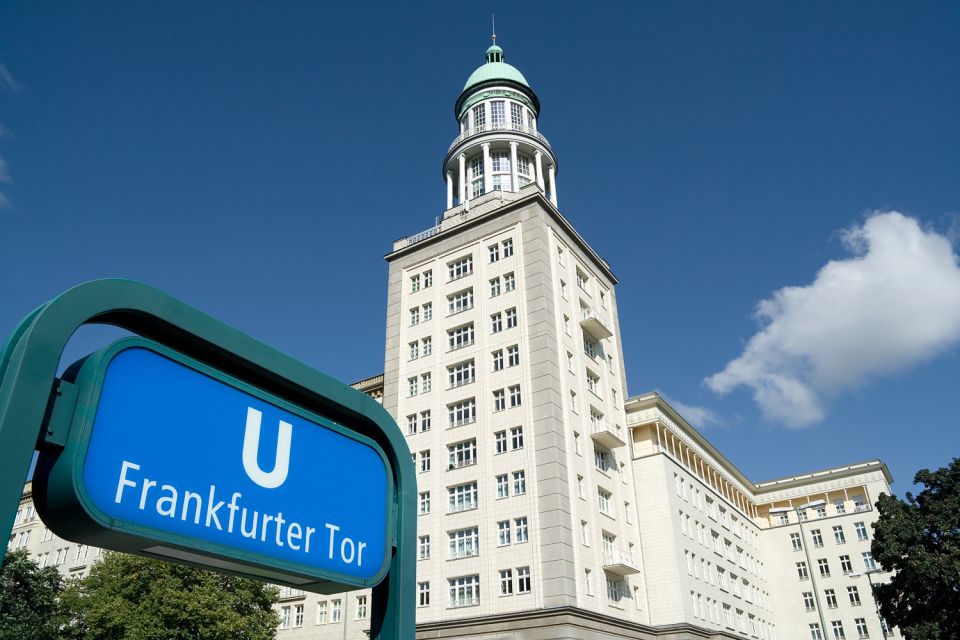
I especially like the way you get to Frankfurter Tor—with its distinctive towers—without it feeling like a photo stop. And I love that you’re not only staring at buildings: you’re learning what to look for, including the arcades in Friedrichshain and Josef Kaiser’s Kosmos cinema.
One consideration: since it’s a walking tour, you’ll want comfortable shoes and a bit of patience with street-level views—some details are best seen by slowing down and looking up, which takes effort in real life.
In This Review
- Key things that make this tour worth your time
- Karl-Marx-Allee in Two Hours: What You’ll Actually See
- How the Two-Hour Route Works (No Hotel Pickup, Meeting Point Varies)
- Frankfurter Tor: The Towers That Set the Tone
- Friedrichshain Arcades and the Streets You Usually Walk Past
- Kosmos Cinema (Josef Kaiser) and Berlin’s Culture Built Into the Plan
- Karl-Marx-Allee’s Big Story: Frankfurter Allee to Stalinallee
- Hochhaus an der Weberweise: When the Skyline Leans Forward
- Church of the Resurrection Partial Ruins: A Quiet Reminder
- Strausberger Platz: The Gateway Feeling to the Socialist Center
- Price and Value: $23 for Two Hours of Expert Direction
- Who This Tour Fits Best (and Who Might Want Another Option)
- The Best Part: A Guide Who Brings the Street to Life
- Should You Book This Karl-Marx-Allee Tour?
- FAQ
- How long is the Karl-Marx-Allee tour?
- How much does the tour cost?
- Is it a walking tour?
- Do I need hotel pickup?
- What languages are available?
- Where do I meet the guide?
Key things that make this tour worth your time
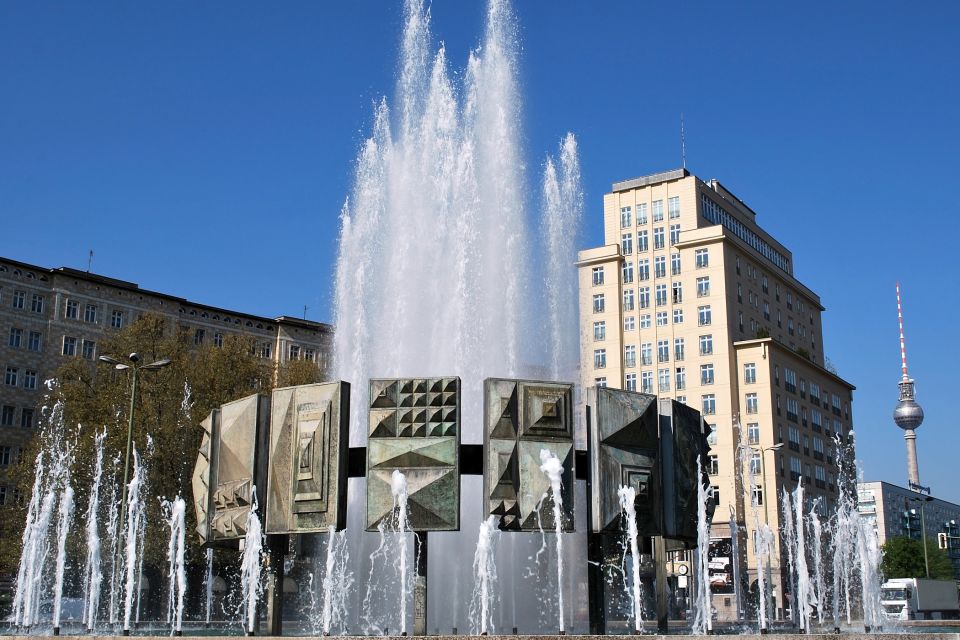
- Frankfurter Tor towers: the architectural anchor that explains the boulevard’s ambition fast
- Friedrichshain arcades: sheltered “everyday architecture” you won’t notice without a guide
- Kosmos cinema by Josef Kaiser: a standout stop that connects design to daily culture
- Karl-Marx-Allee name changes: the street’s identity shifts from era to era
- Hochhaus an der Weberweise: a high-rise moment that changes the whole skyline
- Strausberger Platz gateway: you understand where the socialist city center begins
Karl-Marx-Allee in Two Hours: What You’ll Actually See
Karl-Marx-Allee is one of those Berlin streets where the buildings feel like they’re making a point—loudly. This tour helps you read that point. You’ll cover enough ground to understand why people call it the first socialist street in Germany, and why it’s treated like one of the biggest post-war urban statements in the capital.
The route also gives you variety. You start with the big, recognizable postcard structure at Frankfurter Tor, then shift into residential and cultural architecture in Friedrichshain, and end with the more “city-center approach” feeling around Strausberger Platz. You won’t get a generic walk-by; you’ll get context for each section so the street stops feel connected instead of random.
You can also read our reviews of more tours and experiences in Berlin


How the Two-Hour Route Works (No Hotel Pickup, Meeting Point Varies)
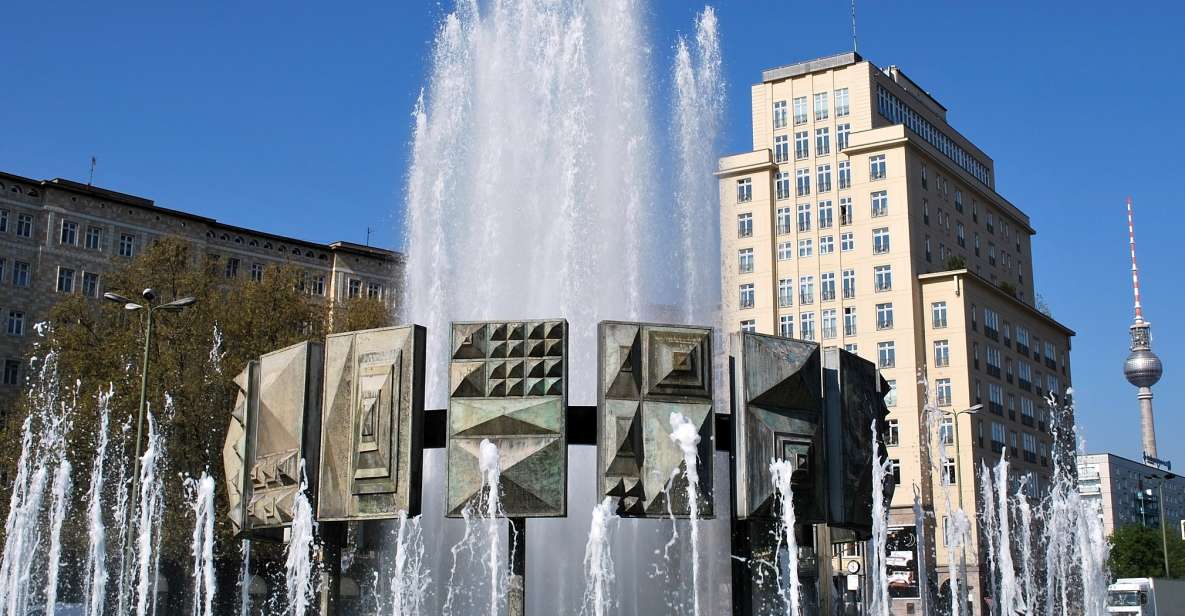
This is a walking tour with an expert guide, and it runs about 2 hours. There’s no hotel pickup or drop-off, so plan to arrive at the meeting point under your own steam.
One practical tip: because the meeting point “may vary depending on the option booked,” check your confirmation closely before you head out. In Berlin, that small detail can save you time and stress—especially on days when you don’t want to wander around looking for the right group.
Frankfurter Tor: The Towers That Set the Tone
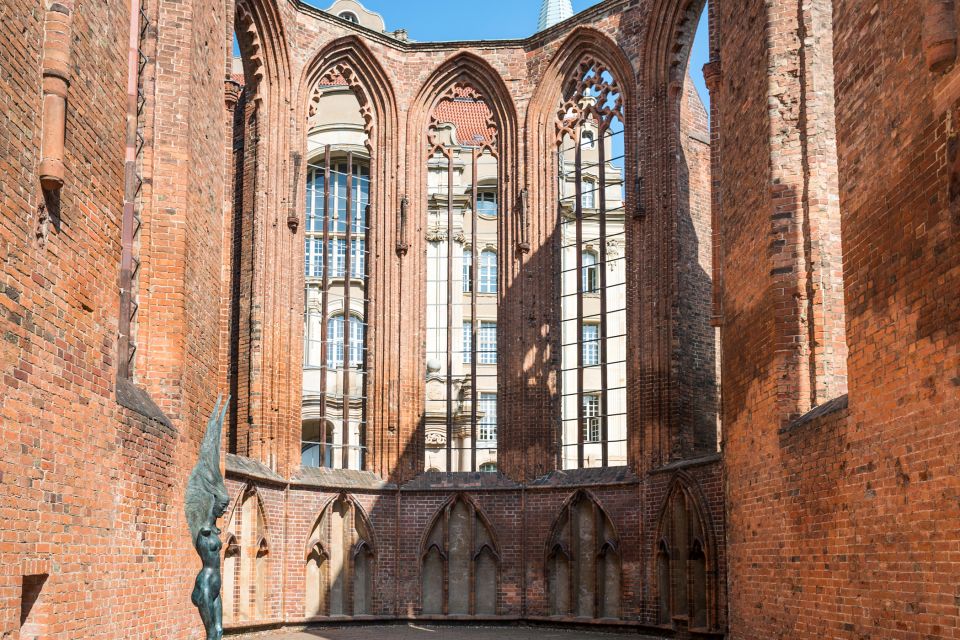
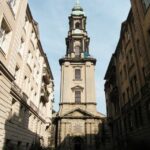
If you want an instant sense of what Karl-Marx-Allee is about, Frankfurter Tor is where the guide starts stacking the ideas. It’s one of the most distinctive architectural highlights along the boulevard, and those tower-like forms do the job of making the street feel ceremonial.
What I like about this stop is how it frames everything that comes after. When you see Frankfurter Tor first, later buildings and street segments feel less like separate sights and more like chapters in the same plan. You also learn what makes this section feel intentional—how the design signals importance right at the entrance to the boulevard’s story.
Friedrichshain Arcades and the Streets You Usually Walk Past
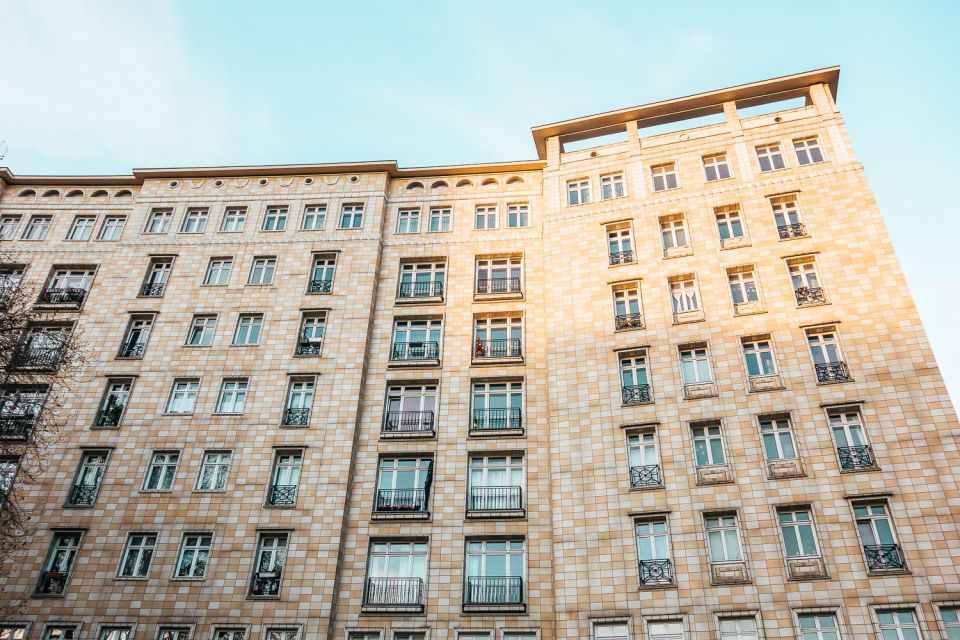
After the showpiece, the tour shifts to a more human scale: apartment buildings in Friedrichshain with arcades. These are the kinds of spaces you might miss if you’re only hunting for the biggest monuments.
Arcades matter because they change how daily life works. They create cover, slow movement, and add a sense of rhythm along the street. With a guide talking through what you’re looking at, you start noticing details that turn “just buildings” into a designed experience.
This is also where you get a feel for the post-war urban development idea behind the boulevard—how the planners weren’t just building homes, they were shaping how the neighborhood would function as a whole.
Kosmos Cinema (Josef Kaiser) and Berlin’s Culture Built Into the Plan
One of the stops I’d circle is the Kosmos cinema, designed by Josef Kaiser. It’s a reminder that Karl-Marx-Allee wasn’t only about apartments and high-rises. It also included culture—places where people spent time, not just structures that stood there.
In the best guided moments, the guide doesn’t treat the cinema as a standalone object. Instead, they connect it to the street’s purpose and to the broader urban vision. You’ll get the sense that entertainment and public life were folded into the same development mindset, not treated as an afterthought.



Karl-Marx-Allee’s Big Story: Frankfurter Allee to Stalinallee
Here’s the part that makes the tour more than architecture spotting: you’ll hear how the boulevard changed names over time. The street moved from Frankfurter Allee to Stalinallee, and then to Karl-Marx-Allee as it received its current identity.
That renaming matters because it signals how Berlin re-labeled itself across eras. The buildings don’t move, but meaning does. Listening to the name changes while you’re standing in front of the structures is one of the fastest ways to understand why the same boulevard can feel different to different generations.
Even better: the guide’s job here is to help you connect the political shifts to what you see on the street. You’ll start asking smarter questions as you walk—what looks like it was meant to symbolize power, what looks like it was meant to shape community life, and what elements feel built to last.
Hochhaus an der Weberweise: When the Skyline Leans Forward
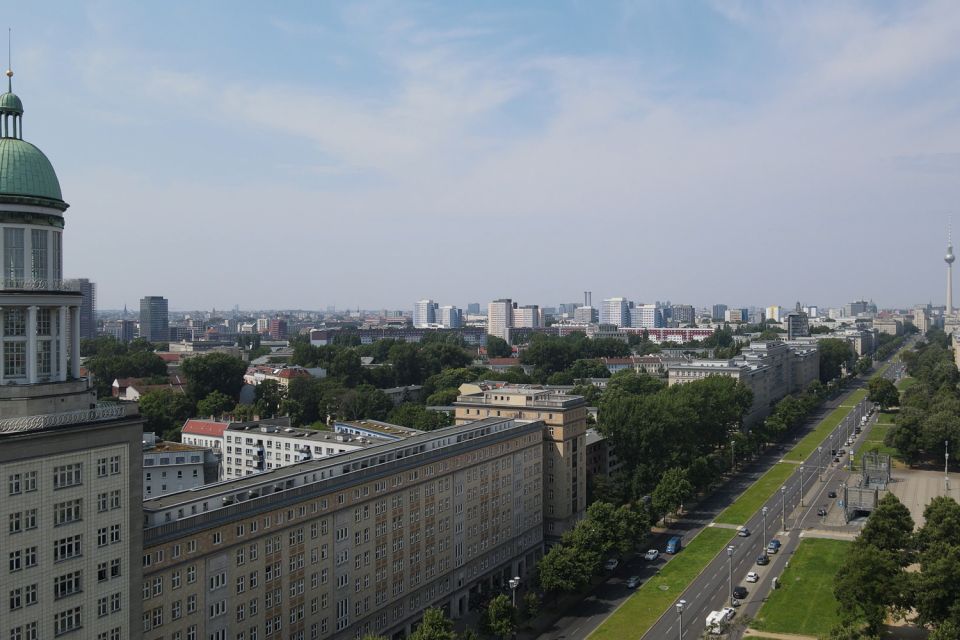
At some point, the route includes the high-rise building called Hochhaus an der Weberweise. This stop shifts your perspective upward and outward. High-rises don’t just add height; they change the street’s visual center of gravity.
In a short tour, this is a smart move. You get enough time to notice how the boulevard’s design handles scale: the way open space, street width, and building height work together. With the guide pointing out what to watch for, it becomes easier to see the urban planning logic behind the look.
Church of the Resurrection Partial Ruins: A Quiet Reminder
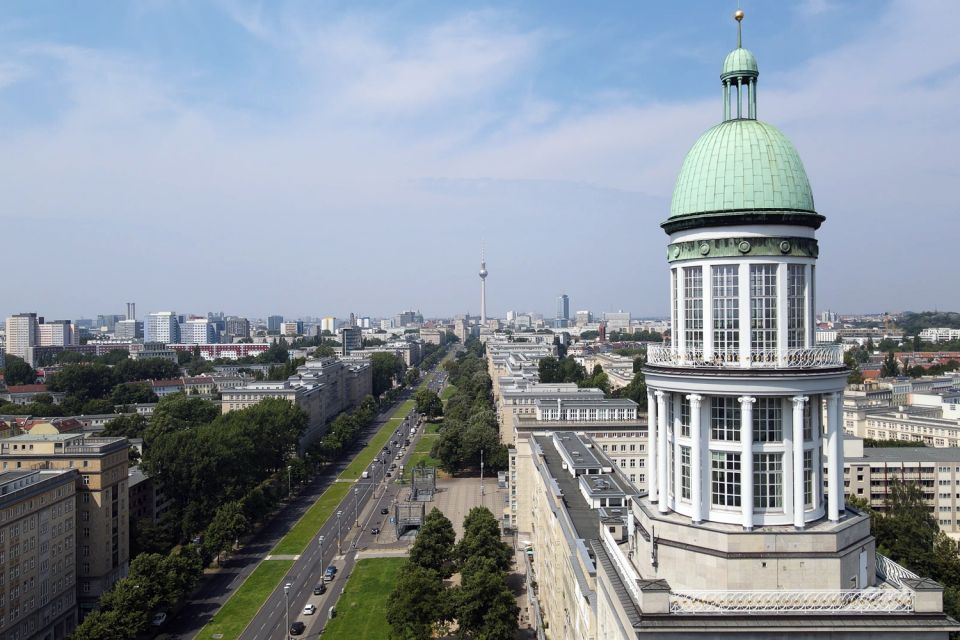
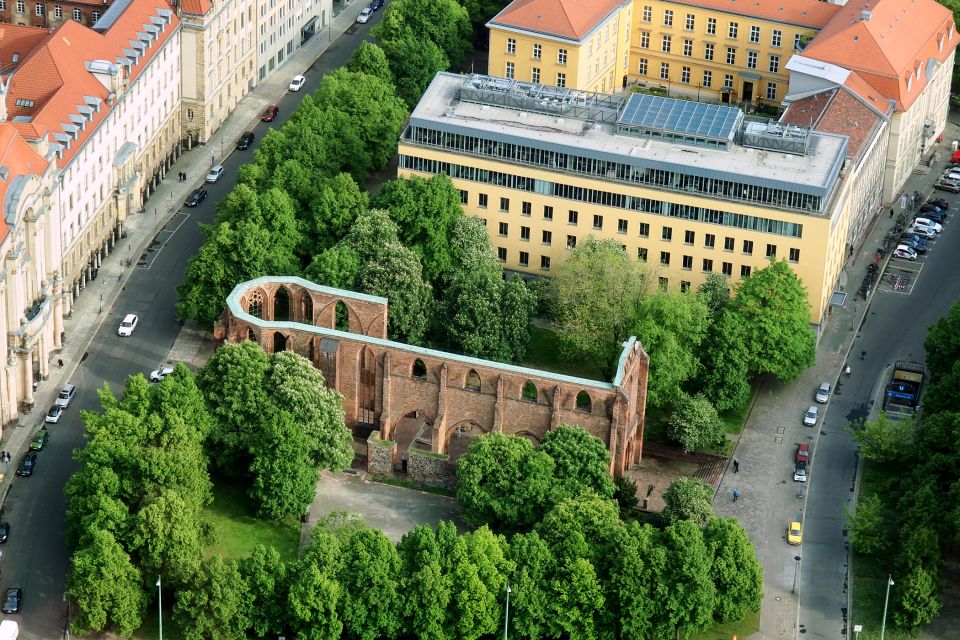
Not every stop along Karl-Marx-Allee is a full, polished building. You’ll also see the partial ruins of the Church of the Resurrection. This kind of sight can feel jarring compared to the grand post-war architecture around it, and that contrast is exactly the point.
I like that this stop doesn’t pretend history is neat. Ruins force you to recognize that not everything was rebuilt into a clean story. Even if you’re focused on design, the presence of damaged remnants adds emotional weight and helps you understand the city wasn’t reset from scratch.
Strausberger Platz: The Gateway Feeling to the Socialist Center
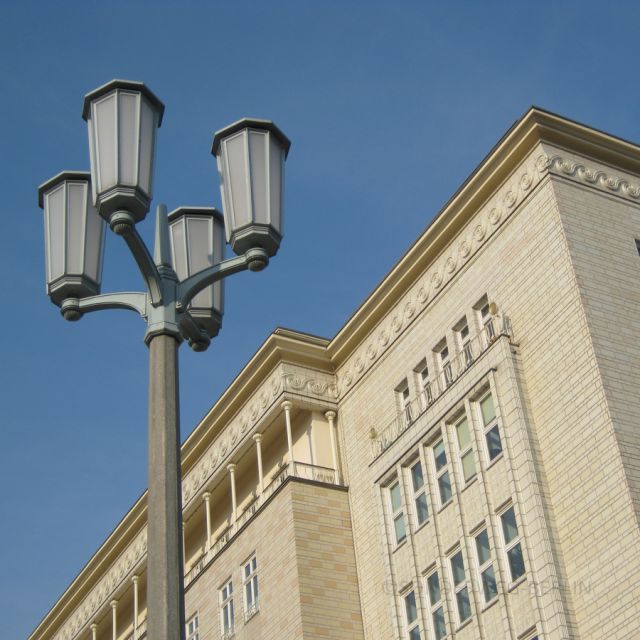
Towards the end, the tour brings you to Strausberger Platz. This area is described as a gateway to the socialist city center, and once you’re there, the phrase clicks.
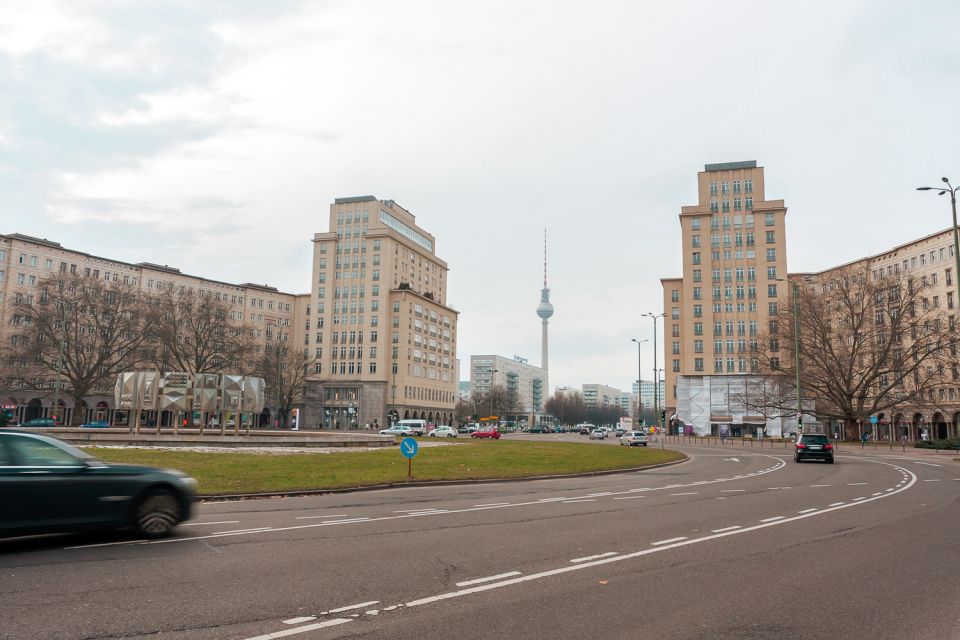
What makes it interesting is the way the surrounding high-rise buildings create a “you’re entering something” sense of place. It’s not just a junction; it’s an architectural threshold. The guide helps you connect that threshold feeling to what Karl-Marx-Allee was trying to do in the post-war period—direct movement, concentrate meaning, and shape how the city center presented itself.
It’s also a strong wrap-up because you can compare what you saw earlier. You’ve already seen the boulevard’s iconic entrance at Frankfurter Tor, cultural life around Kosmos cinema, and the skyline shift near Hochhaus an der Weberweise. Strausberger Platz ties those elements together into one last picture.
Price and Value: $23 for Two Hours of Expert Direction
At $23 per person for a 2-hour guided walking tour, you’re paying for something you can’t get just by reading a map: a guide who tells you what the architecture is doing and why it matters.
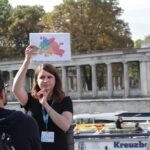
In practical terms, this is the kind of tour where the value comes from direction. Karl-Marx-Allee can be visually impressive on your own, but without context you’re more likely to treat it like a set of stops. With a guide—especially one who shares historical photos and old posters—you’ll connect the dots between buildings, street identity, and the ideas behind the design.
Also, the live guide offering German and English helps you tailor the experience. If you care about understanding the “why,” this format is the money-maker.
Who This Tour Fits Best (and Who Might Want Another Option)
This tour fits you if you like architecture, urban planning, and political history without getting stuck in museum-only mode. It’s also a good choice if you enjoy walking routes where the guide points out details you’d normally miss—like arcades, specific landmark design, and the meaning of different sections along the boulevard.
You might choose a different option if you only want a quick overview of Berlin’s most famous sights and you’re not interested in reading the city through built form. Karl-Marx-Allee is meaningful, but it’s also specific. Think: a guided interpretation of a big urban statement, not a general highlights sampler.
One more practical note: because it’s primarily outdoor viewing along streets, bring layers for weather. Berlin can change its mind fast, and you’ll be walking long enough to feel it.
The Best Part: A Guide Who Brings the Street to Life
The standout theme from the experience is the guide’s energy and how well the route is explained. Tobias is named in multiple accounts as engaging, communicative, and passionate, and it shows in how the tour runs.
What you’ll feel from that style is simple: you stop treating each landmark like a separate item. Instead, you start hearing the street as a single story told in buildings, entrances, and skyline shifts. That’s why the tour works for both first-time Berlin visitors and people who have already seen the major landmarks but want a different lens on the city.
Should You Book This Karl-Marx-Allee Tour?
If you want a focused walk that teaches you how to see Berlin’s post-war urban development in real space, I’d book it. For $23 and 2 hours, you get a route built around recognizable architecture like Frankfurter Tor, plus deeper design stops like the Kosmos cinema and the arcaded apartment buildings in Friedrichshain.
I’d especially recommend it if you’re the type who enjoys looking up at buildings and wondering what planners were thinking. This tour gives you that answer—and it does it without dragging you into a long, slow museum day.
FAQ
How long is the Karl-Marx-Allee tour?
The tour lasts about 2 hours.
How much does the tour cost?
It costs $23 per person.
Is it a walking tour?
Yes. It’s described as a walking tour.
Do I need hotel pickup?
No. Hotel pickup and drop-off are not included.
What languages are available?
The live tour guide offers German and English.
Where do I meet the guide?
The meeting point may vary depending on the option booked.