REVIEW · BERLIN
Berlin: Backyards of Berlin 2-Hour Tour
Book on GetYourGuide →Operated by Paaßens & Kniestedt Berlin kompakt GmbH · Bookable on GetYourGuide
Berlin’s courtyards have a way of stealing your attention fast. This 2-hour backstreet walk turns familiar districts into a story you can actually see: Hackesche Höfe and other court-like spaces along Sophienstraße, Große Hamburger Straße, and Oranienburger Straße. You also get a clear thread through Jewish history in this part of the city, from the New Synagogue area to the first cemetery.
I especially like how the tour builds a “behind the scenes” feeling. You’re not just looking at street views; you’re looking into the courtyards, artisan spaces, and protected-in-plain-sight corners that make this neighborhood feel lived-in. The guide’s style also gets praise for being fun and organized, with lots of useful facts and room for questions.
One possible drawback to plan for: two hours can feel long if you’re hoping for lots of stop-and-go photo time or if you’re picky about which specific inner courtyards and small shop stops get included. If you prefer shorter tours, you may want to ask the operator what you’ll see.
In This Review
- Key Courtyard Highlights You’ll Actually Notice
- Courtyards Instead of Facades: What This Tour Really Gives You
- Price, Timing, and How to Think About Value
- Where You Start at Hackesche Höfe (And Why That Matters)
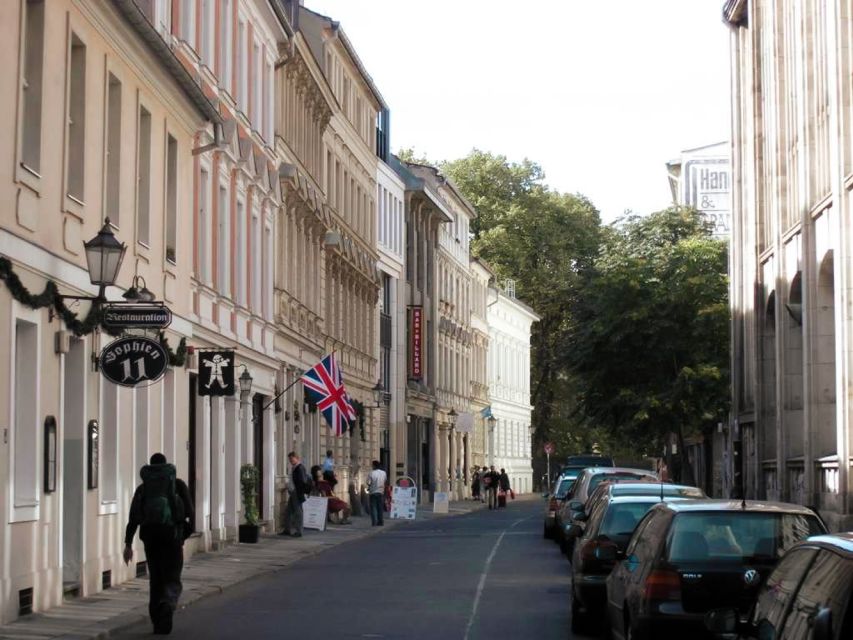
- Sophienstraße: Multicultural Life Beyond the Main Street
- Artisan Courtyards: Artisan Association Spaces and Sophie-Gips-Höfe
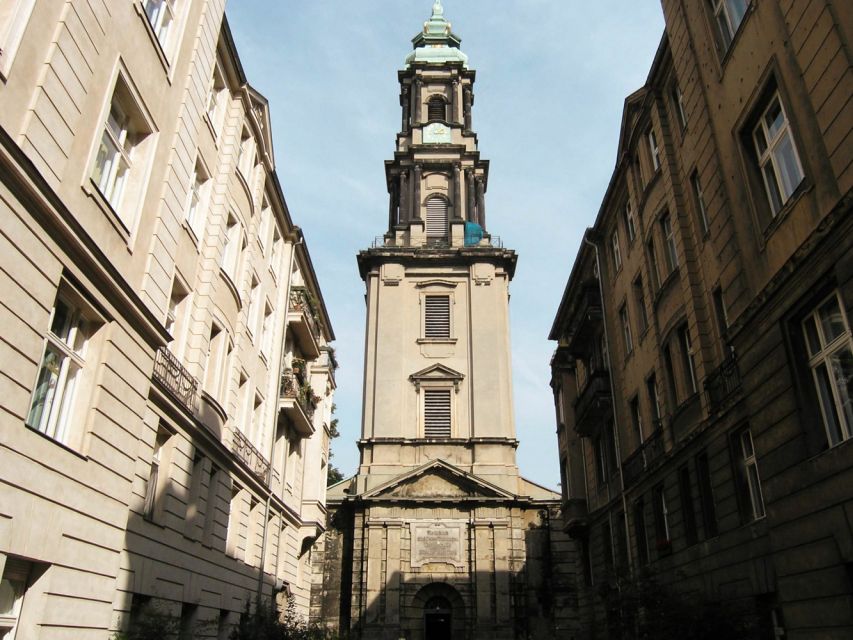
- Große Hamburger Straße: A Road of Tolerance, Seen in Layers
- Oranienburger Straße: New Synagogue and the Postfuhramt Connection
- Heckmann Höfe at the End: Why the Tour Lands Here
- What the Guide Adds (And How to Get the Most Out of It)
- Who Should Book This Tour
- Quick Booking Advice: Should You Pick It Up?
- FAQ
- Where does the tour meet?
- How long is the tour?
- How much does it cost?
- Is the tour guided?
- What languages are available?
- What’s included in the price?
- What is not included?
- Which areas and landmarks are covered?
- Can the tour focus on a specific topic?
- What’s the cancellation policy?
Key Courtyard Highlights You’ll Actually Notice
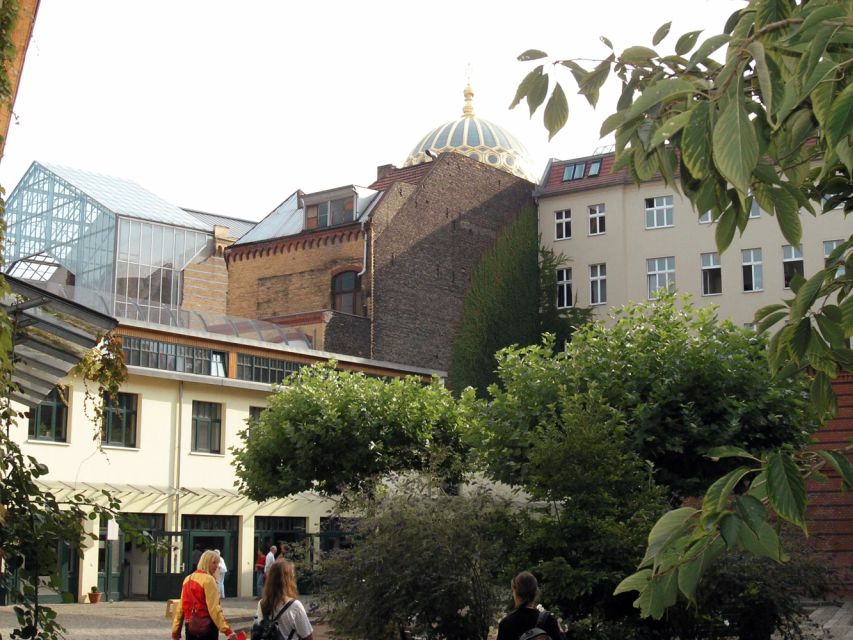
- Hackesche Höfe first courtyard as your starting point, right where the neighborhood’s courtyard culture begins
- Sophienstraße’s multicultural street life, plus courtyard looks tied to local creative spaces
- Sophie-Gips-Höfe and the artisan association courtyard views—real “backyard” Berlin, not just architecture selfies
- Große Hamburger Straße as a road of tolerance, with landmarks tied to Catholic and Jewish chapters
- Oranienburger Straße’s New Synagogue area and the adjacent Postfuhramt history on the same walking thread
- Heckmann Höfe at the end, one of the standout back courtyards in the area
Courtyards Instead of Facades: What This Tour Really Gives You
This is the kind of Berlin tour that makes you slow down without feeling slow. From the moment you meet at Hackesche Höfe (first courtyard, at the cash counter of Chamäleon), you start noticing a pattern: big streets can look official and dramatic, but the “action” lives in the spaces between buildings.
That’s the core appeal. Berlin has plenty of major sights, but the courtyards here do something different. They show how people used space over time, how communities coexisted, and how a neighborhood’s identity can shift when buildings get repurposed—without erasing what was already there.
The other big value is the guided clarity. You’ll walk through areas tied to changing layers of Berlin life, including Jewish history in this neighborhood. The tour doesn’t treat that topic like a quick checkbox. It threads it into the streets and the enclosed spaces you’re standing in.
You can also read our reviews of more tours and experiences in Berlin



Price, Timing, and How to Think About Value
The price is $21 per person for a 2-hour private walking tour with a live guide (English or German). That’s a strong match for a couple of travel styles:
- You want history you can see, not history you have to memorize.
- You like architecture and urban planning, especially how buildings get reused.
- You’d rather pay for a guide’s context than spend your time guessing what you’re looking at.
Two hours is also a sweet spot for this particular topic. Courtyards take time in a different way than museums do—you’re walking, turning corners, pausing for explanations, then stepping into enclosed spaces where details matter. If you rush, you miss the point.
Still, the time consideration is real. If you’re the type who prefers fewer stops or you’re not interested in any smaller storefront moments, you might wish this had a tighter scope or a faster pace. The good news: you can often speak up while you walk and ask the guide to prioritize what you care about (especially since special interests can be arranged with the operator in advance).
Where You Start at Hackesche Höfe (And Why That Matters)
Your meeting point is Hackesche Höfe, first courtyard, at the cash counter of Chamäleon. This is smart for two reasons.
First, it anchors the tour in the exact place where courtyard life is most obvious. You’re not being pointed from the sidewalk at a random doorway. You’re starting inside the concept.
Second, it sets expectations for pace. Courtyard districts reward attention to movement: you turn, you pass through, you look up and down, and you compare the street facade to the interior space. Starting at the first courtyard helps you build that mental comparison from minute one.
Tip for your first minutes: take a quick look around the first courtyard before you fall into the tour rhythm. It helps you connect the guide’s story to what you can see immediately—especially when the tour begins tying the space to later revitalization and neighborhood history.
Sophienstraße: Multicultural Life Beyond the Main Street
One of the tour’s promises is a look into the colorful, everyday feel of Sophienstraße. That matters because the point of courtyard tours isn’t just architecture; it’s how people live between buildings.
As you move through this stretch, you’ll get context for the district’s unusual fate—how it changed over time and why the area feels active today. The tour uses the courtyards as physical proof: spaces that once served practical functions now host creative and community life, making the past visible without freezing it in time.
What I like about this part of the route is the balance. You get history, but you also get a sense of how the neighborhood currently breathes—through the mix of uses and the way the streets connect to interior spaces.
What to watch for: if you’re hungry for specific details (street-by-street storylines, names, or themes like Jewish life, urban planning, or redevelopment), this is exactly where you’ll benefit from asking questions. The tour info indicates special interests can be arranged with the operator in advance, and the overall tour experience also seems designed to keep the guide responsive.
Artisan Courtyards: Artisan Association Spaces and Sophie-Gips-Höfe
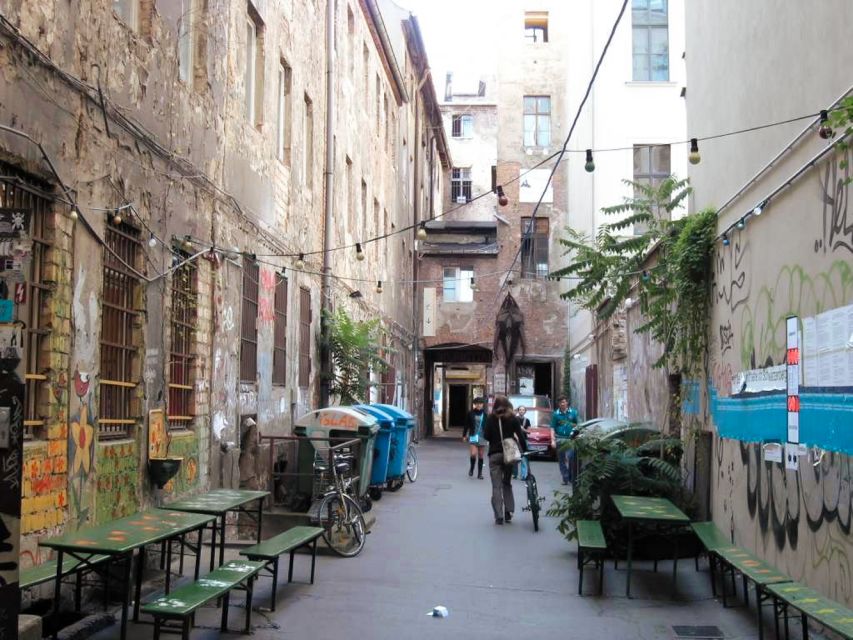
The tour includes a look into the courtyard of an artisan association and also the Sophie-Gips-Höfe. Courtyards like these are where you understand why Berlin keeps surprising people who only plan for big monuments.
Courtyard spaces often function like “slow zones.” They’re quieter than the street, more intimate than a museum hall, and they show details you’d miss from outside. When you step into a courtyard, you can notice how different entrances, windows, and building edges create a sense of enclosure. Then the guide can explain why that enclosure matters historically and socially.
Drawback to keep in mind: these inner spaces can include elements that aren’t everyone’s favorite—some smaller shop or craft-related stops may feel optional if you came only for the grand historical landmarks. One critique of the tour experience points out that 2 hours may be too long if you’d rather skip certain shop-style moments. If you know you’re in that camp, decide early how you want to spend the last part of the tour and communicate that mindset to the guide.


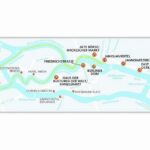



Große Hamburger Straße: A Road of Tolerance, Seen in Layers
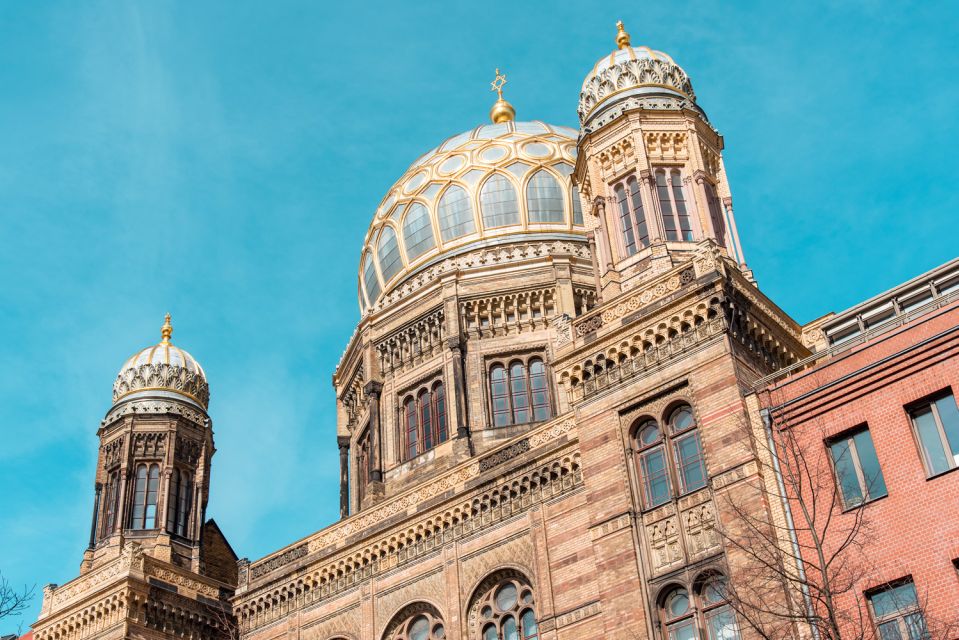
Next comes Große Hamburger Straße, described as a road of tolerance. That phrase is doing real work here. It suggests you’re not just walking past buildings—you’re walking through evidence of different communities and institutions living side by side, sometimes harmoniously and sometimes with tension and change.
Here’s what you’ll experience:
- A peek behind the facades of a major Catholic institution
- Views connected to the most important Baroque church in the city
- A guided look at the fate of the Jewish community in Berlin and its first cemetery
Even if you already know Berlin’s modern history, this stretch is valuable because it teaches you how to read the city’s geography like a historical document. Street width, building placement, and what’s visible from where all shape how communities appear in public life.
Practical thought: this section can be a turning point for your attention. If you’re most interested in Jewish history, don’t rush these explanations. When the guide ties the Jewish community’s story to specific locations (including the first cemetery reference), it makes the later New Synagogue and Postfuhramt area on Oranienburger Straße feel like part of a continuous thread rather than separate stops.
Oranienburger Straße: New Synagogue and the Postfuhramt Connection
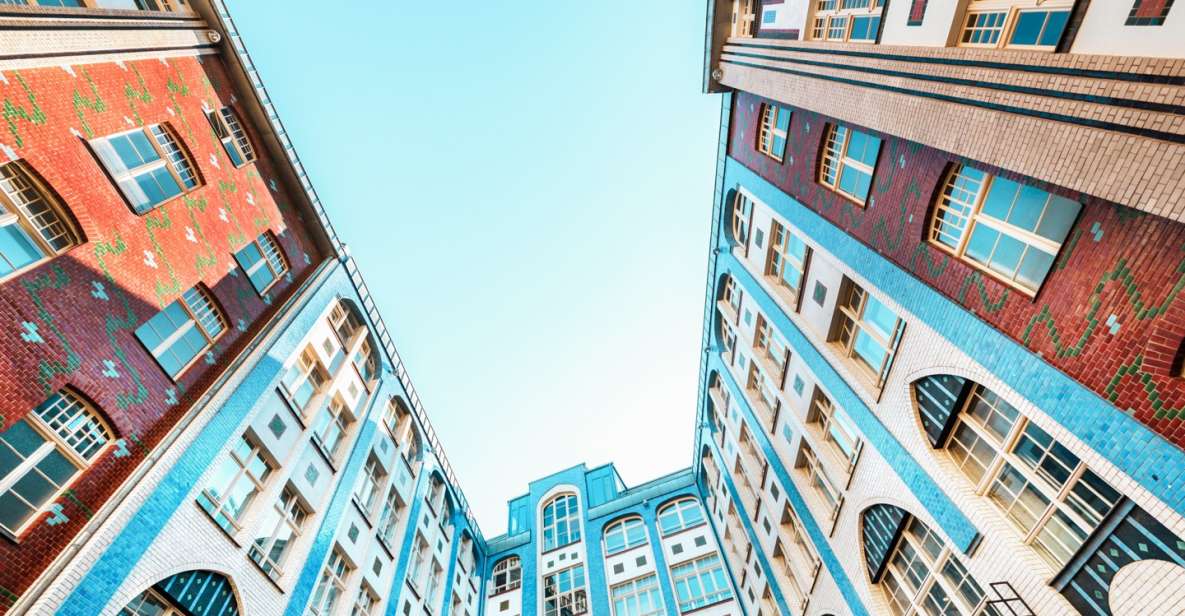
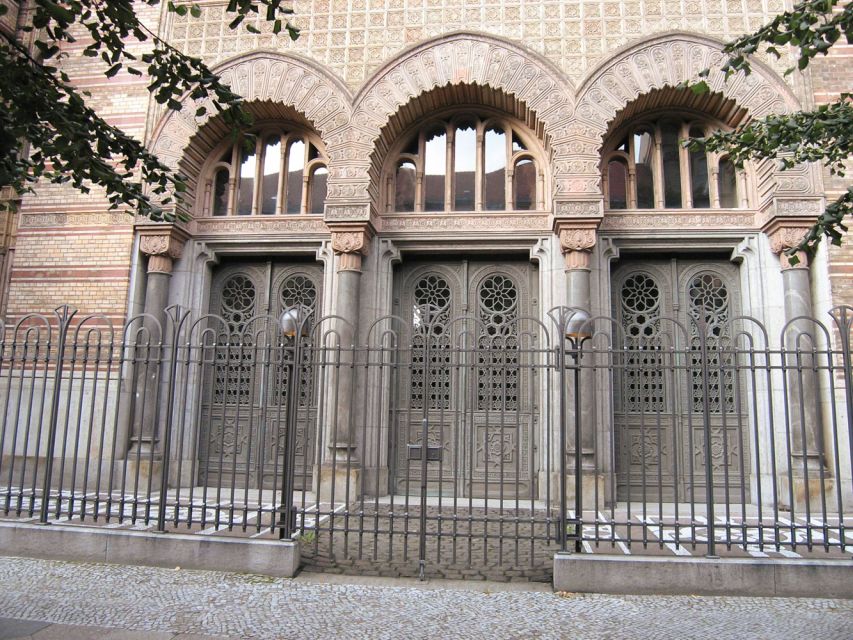
On Oranienburger Straße, the tour focuses on the history of the imposing New Synagogue and the adjacent Postfuhramt. This is one of those Berlin scenes where a building’s presence can feel huge, even when you’re not going inside.
What’s useful about having this on a courtyard tour is that you’re not only absorbing a single landmark moment. You’re comparing how different spaces represent community life:
- major institutions visible to the street
- enclosed spaces tucked between buildings
- neighboring structures that share the same neighborhood narrative
The Postfuhramt reference also adds variety. It reminds you that urban life isn’t only churches and synagogues; it’s also the administrative and functional structures that supported day-to-day city systems. That’s often where guided context turns “a building you can see” into “a building with a role.”
If you care about history facts, this is a good place to ask the guide to slow down for a second. With a live guide, you can usually get clearer explanations about how these sites relate to each other in the neighborhood’s story.
Heckmann Höfe at the End: Why the Tour Lands Here
The tour ends with the chance to look into the Heckmann Höfe, described as one of the most interesting back courtyards of the neighborhood. Ending with a courtyard is a smart design choice because it gives you a visual payoff.
By the time you reach Heckmann Höfe, you’ve already learned the main themes:
- court spaces vs. street facades
- how communities and institutions shaped this area
- how revitalization can keep the courtyard identity alive
So the final courtyard doesn’t feel like just another stop. It becomes a wrap-up moment where you can compare what you’re seeing now to what you learned along the way.
If you’re taking photos, this is also the best time to do it thoughtfully. Courtyards often photograph best when you step back slightly, frame the entrances, and catch the contrast between enclosed space and street life.
What the Guide Adds (And How to Get the Most Out of It)
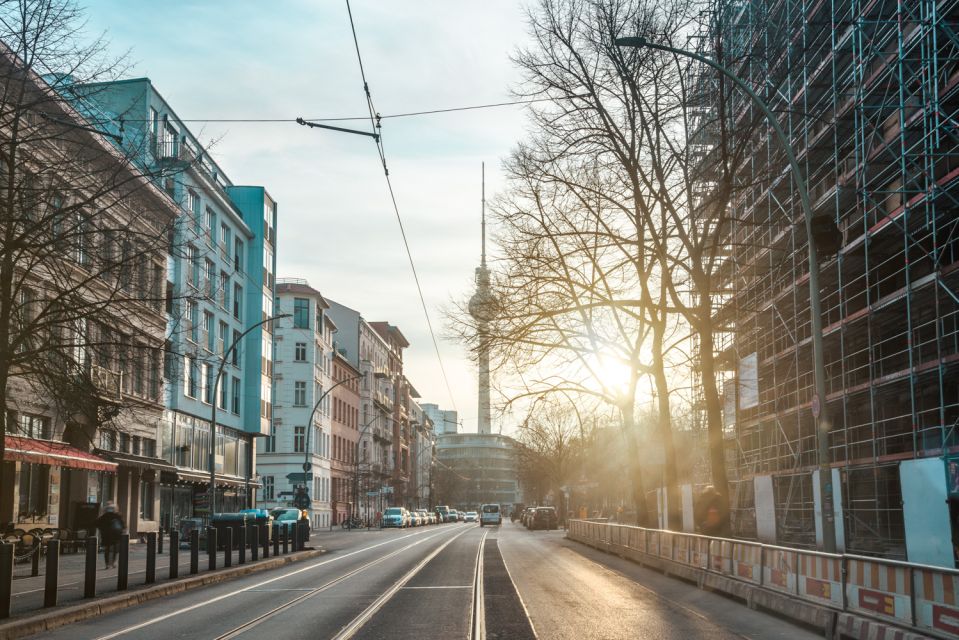
This tour is built around a live walking guide, offered in English and German. The overall experience pattern you can rely on is straightforward: you’ll get interesting information with a sense of humor, and the guide should be open to questions.
That matters because courthouse-style city history can get confusing fast if you only have signage and timelines. A good guide keeps the story organized:
- why each courtyard matters
- how street names connect to community chapters
- what to notice visually in each space
To maximize your value in only 2 hours, come with one focus. Maybe you care most about Jewish history here. Maybe you’re more curious about urban planning and how neighborhoods get reused. Maybe you just want a fun way to learn without feeling like you’re studying.
The tour operator also notes that special interests can be arranged in advance. If you have a specific angle—Jewish history, urban planning, or city history—send it early so the guide can shape emphasis appropriately.
Who Should Book This Tour
This experience is a great fit if you:
- like walking tours but want something more personal than a museum line
- want Berlin history linked to space and architecture
- enjoy Jewish history topics handled with location-based context
- want to see behind facades—literally into courtyards
It may be less ideal if you:
- want a strictly monument-focused route with minimal side stops
- dislike tours that include smaller shop or craft-related moments
- find 2 hours too long for your preferred pace
Quick Booking Advice: Should You Pick It Up?
If you’re spending limited time in Berlin and you want a high-return experience that combines courtyard architecture with history, I think this is an easy yes. The route is dense enough to feel worth it, and the courtyard format gives you that rare experience of seeing a neighborhood’s story in the spaces most visitors skip.
If you’re on the fence because of the 2-hour length, do a simple check: are you excited by courtyards and behind-the-scenes looks? If yes, book it. If you only want the biggest landmarks and nothing else, you might feel constrained.
FAQ
Where does the tour meet?
You meet at Hackesche Höfe, first courtyard, at the cash counter of Chamäleon.
How long is the tour?
The tour lasts 2 hours.
How much does it cost?
The price is $21 per person.
Is the tour guided?
Yes. It includes a tour guide and is a private walking tour.
What languages are available?
The tour is offered in English and German.
What’s included in the price?
A tour guide and the private walking tour are included.
What is not included?
Hotel pickup and drop-off, and food and drink are not included.
Which areas and landmarks are covered?
You’ll see Hackesche Höfe and courtyards around Sophienstraße, Große Hamburger Straße (including the Baroque church views and Jewish history context), Oranienburger Straße (New Synagogue and the adjacent Postfuhramt), and end at Heckmann Höfe.
Can the tour focus on a specific topic?
Yes. Special interests like Jewish history, urban planning, or city history can be arranged with the operator in advance.
What’s the cancellation policy?
Free cancellation is available up to 24 hours in advance for a full refund.
If you want, tell me what month you’re visiting and what you’re most curious about (Jewish history, architecture, or neighborhood redevelopment). I’ll suggest how to pace your day around this 2-hour tour so it feels like the right fit.