REVIEW · BERLIN
Berlin Small Group Segway Adventure: Explore in 2 Hours!
Book on Viator →Operated by 2 Wheel Tours Berlin · Bookable on Viator
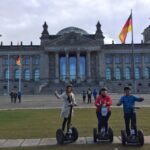
Segways make Berlin click into place. In about two hours, you glide a guided loop that hits the city’s most recognizable landmarks, from Museum Island down to Alexanderplatz. You’ll be on a small-group ride, so you’re not just stuck in the crowd.
I really like the way this tour combines easy handling with real city-sightseeing. You get Segway training and safety gear up front, then the guide talks history and context as you roll past famous squares and government buildings. I also like that guides often bring stories that make the sights make sense fast, like the solid commentary people credited to guides including Morgan, Nachiket, and Franco.
One thing to consider: the ride can shrink if conditions are tough. If it’s very cold or rainy, you may feel the schedule tighten (one review mentioned the tour ending earlier due to cold), and you should plan to wear proper gloves.
In This Review
- Key things to know before you go
- Why this 2-hour Segway loop works in Berlin
- Getting comfortable: training, helmets, and insurance
- The route starts on Museum Island and Bebelplatz
- Museum Island: five museums, seen from the outside
- Bebelplatz: the book-burning monument
- Brandenburg Gate to Victory Column: unity, politics, and symbolism
- Brandenburg Gate: unity and peace as a landmark
- Reichstag Building: the Parliament’s scars and comeback
- Bellevue Palace: the President’s official residence
- Victory Column: Prussian victories and a golden angel
- Holocaust Memorial stop: heavy, necessary, and not rushed
- Potsdamer Platz and Checkpoint Charlie: Berlin’s past and reinvention
- Potsdamer Platz: from crossroads to modern center
- Checkpoint Charlie: the Cold War in one landmark
- Gendarmenmarkt and Alexanderplatz: beautiful squares and big-city energy
- Gendarmenmarkt: German and French cathedrals side by side
- Alexanderplatz: TV Tower views and city-scale life
- Pacing and safety: what to expect on the road
- Price and value: what $84.68 buys you (and what it doesn’t)
- Who should book this Segway adventure
- Final verdict: should you book?
- FAQ
- FAQ
- How long is the Berlin Segway adventure?
- What is included in the price?
- Are tickets or admissions included for the major sights?
- What language is the tour offered in?
- Where do I meet the tour, and does it end there?
- Do I need a passport for this experience?
- Who should avoid joining the tour?
- Can teenagers ride a Segway on this tour?
- Is free cancellation available?
Key things to know before you go
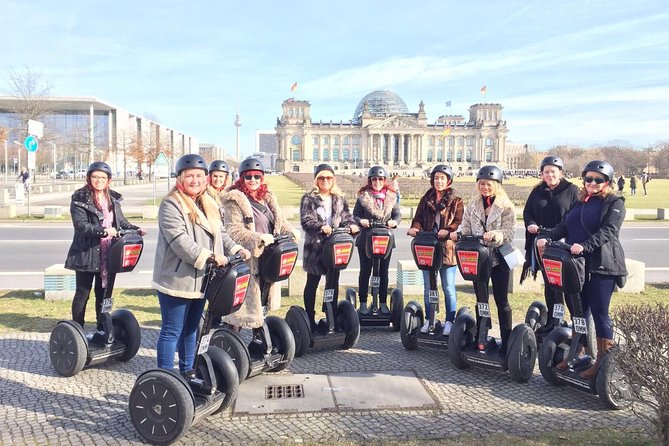
- Small group pace (max 15) helps you move through traffic without feeling like cattle.
- Training + helmet + insurance makes the Segway part far less intimidating.
- Quick photo windows at major sights, including Museum Island and the Brandenburg Gate area.
- A mix of grand landmarks and heavy stops, including the Holocaust Memorial.
- Lots of big-name Berlin in 2 hours, from Victory Column to Potsdamer Platz and Checkpoint Charlie.
- Not everything has admission included, so you’re mainly viewing many sites from outside.
Why this 2-hour Segway loop works in Berlin
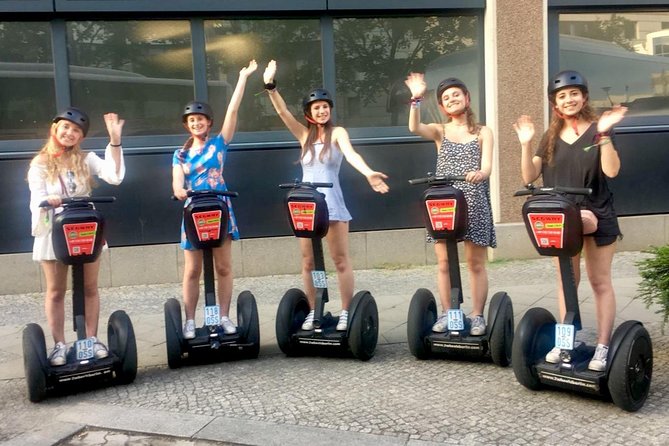
Berlin is big. Even if you know the sights you want, hopping between them on foot can burn your day. This tour is built for the people who want an efficient first taste: you cover a lot of ground, then you can come back later on your own schedule.
You’re also getting a format that’s made for thinking on the move. When you’re zipping between landmarks, the guide can connect what you see to what it meant—unity, division, rebuilding, and everyday life all show up in the same day. And because this runs as a group with a cap of 15, you’re usually getting more attention than the mega-tours.
You can also read our reviews of more tours and experiences in Berlin



Getting comfortable: training, helmets, and insurance
The Segway learning part matters here. You’re not thrown onto traffic right away; you get training and a practice phase before the sightseeing starts. That’s a big deal because the “hard part” of a Segway tour isn’t the technology—it’s steering, braking, and staying calm around pedestrians and cyclists.
You also get helmet and insurance. In plain terms: if you’ve never ridden before, you’ll have a safety net while you learn. That helped a lot of people feel confident quickly, and it’s why many reviews call this tour a fun way to see the city without doing extra walking.
Still, be honest with yourself. If you have heart problems or other serious medical conditions, the tour isn’t recommended. And if the Segway is new to you, treat the training as real practice, not a formality. Do not rush your first minutes.
The route starts on Museum Island and Bebelplatz
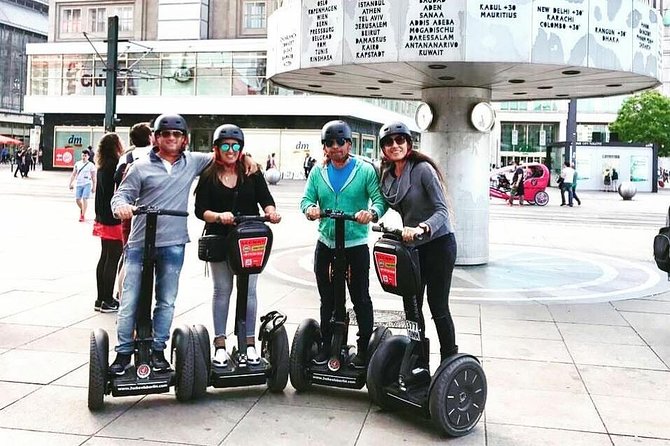
This tour begins near the Spree area with stops that set the tone: culture first, then memory and meaning.
Museum Island: five museums, seen from the outside
At Museum Island, you get the chance to admire the architecture of the five famous museums from the outside. You won’t be going deep inside during this stop, but you will understand why this riverside museum cluster is a UNESCO World Heritage site. The guide’s job here is to point out what you’re looking at and what’s inside—so later, if you want, you can choose a museum that fits your interests.
This is also one of the better spots for photos without spending extra time navigating ticket lines.
Bebelplatz: the book-burning monument
Next comes Bebelplatz and the memorial to the book burning of 1933. This isn’t a “happy postcard” stop. It’s a quiet, reflective moment that forces you to remember how cultural life can be attacked—and why protecting books, education, and free thought still matters.
The square also gives you architectural context around the State Opera House area. If you enjoy seeing how politics and culture sit in the same urban space, you’ll like this pairing: a heavy story, then a clear sense of the building style around you.






Brandenburg Gate to Victory Column: unity, politics, and symbolism
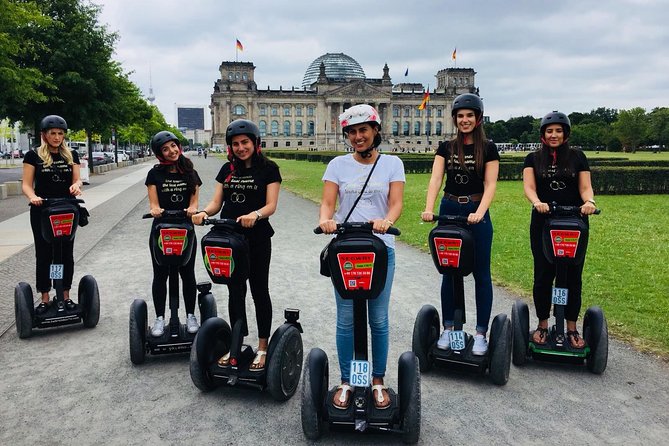
After the reflective start, the tour moves into Berlin’s biggest political image-makers.
Brandenburg Gate: unity and peace as a landmark
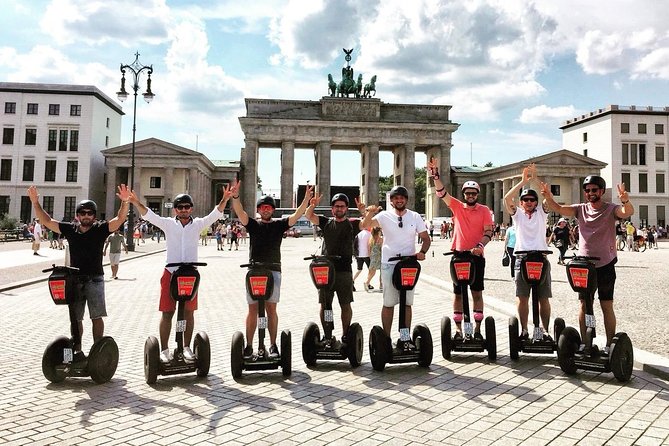
You stop at the Brandenburg Gate, one of the city’s most recognizable symbols. The guide shares its role in German history and why it matters as more than a pretty building. This is one of those spots where the guide’s framing is useful: you’re not just taking a photo; you’re learning what the gate represented at different moments.
Plan for time to slow down and look. From the right angle, it feels bigger than in photos.
Reichstag Building: the Parliament’s scars and comeback
Then it’s the Reichstag building and the glass dome. Even if you’re not going up, the exterior stop gives you a clear sense of why the building is tied to the seat of German parliament and the story of reunification. It’s a landmark that carries visible layers of history, and the guide connects those layers to what Germany went through.
Photo opportunities here are mostly about angles and exterior details rather than full access.
Bellevue Palace: the President’s official residence
Schloss Bellevue is next—President of Germany’s official residence. You’ll see the palace’s façade and the gardens from outside, with the guide explaining the role of the presidency and how ceremonial functions connect to modern Berlin.
This stop is especially worth it if you like governmental buildings that aren’t just “statues of power,” but part of how the country operates today.
Victory Column: Prussian victories and a golden angel
Finally, Victory Column comes with stories about Prussian military victories, plus the golden angel statue at the top. This is a good mid-tour reset because the views around Tiergarten help you orient yourself. You’ll often get a wider sense of the city’s scale right here.
Holocaust Memorial stop: heavy, necessary, and not rushed
No “photo stop” description can soften what happens at the Holocaust Memorial. You’ll encounter 2,711 concrete slabs of varying heights, and the pathways encourage quiet walking and reflection. The design creates an emotional experience that feels intentional, not like a quick sightseeing checkbox.
This stop lasts long enough to feel the space change under your feet. It’s not the kind of stop you forget easily, and it’s one reason this tour is more than just a “see the sights” ride.
A practical note: dress for walking comfort. Even if you’re on a Segway for most of the day, this is your feet moment.
Potsdamer Platz and Checkpoint Charlie: Berlin’s past and reinvention
After the memorial, the route shifts gears.
Potsdamer Platz: from crossroads to modern center
At Potsdamer Platz, you’ll hear how this area changed—once a historical crossroads, later re-built into a major commercial and architectural hub. You’ll likely notice the Sony Center area, which is a clean example of the post-reunification transformation.
This stop works well for a Segway tour because it’s a space where you can see contrasts quickly: older streetscapes, newer architecture, and the city’s modern rhythm.
Checkpoint Charlie: the Cold War in one landmark
Then you hit Checkpoint Charlie. This is the historic crossing point between East and West Berlin during the Cold War. You’ll see the guard shack and displays that explain what happened during Berlin’s division, including escape attempts.
One smart tip you might hear from your guide: watch out around this area for scams that use small street games, including dice-style tricks. It’s the kind of thing that doesn’t show up in the postcard photo, but it can save you money and hassle.
Gendarmenmarkt and Alexanderplatz: beautiful squares and big-city energy
By the late part of the tour, you’re often looking at the “why Berlin feels like Berlin” side of things: architecture, everyday life, and public space.
Gendarmenmarkt: German and French cathedrals side by side
Gendarmenmarkt is one of Berlin’s prettiest squares. You’ll see the German Cathedral, the French Cathedral, and the Concert Hall grouped in a way that makes the square feel like a carefully designed stage. It’s also lively in the everyday sense—people moving through, places to sit, and lots of angles for photos.
This stop is a nice contrast after the heavy themes earlier in the ride.
Alexanderplatz: TV Tower views and city-scale life
At Alexanderplatz, you get Berlin’s busy public-squares energy. The TV Tower is the big visual anchor. You’ll also see the mix of shops, restaurants, and street performers that makes this area feel like a hub rather than a monument.
If you want to keep exploring after the tour, this is a great place to remember because it’s easy to navigate around and easy to build further plans.
Pacing and safety: what to expect on the road
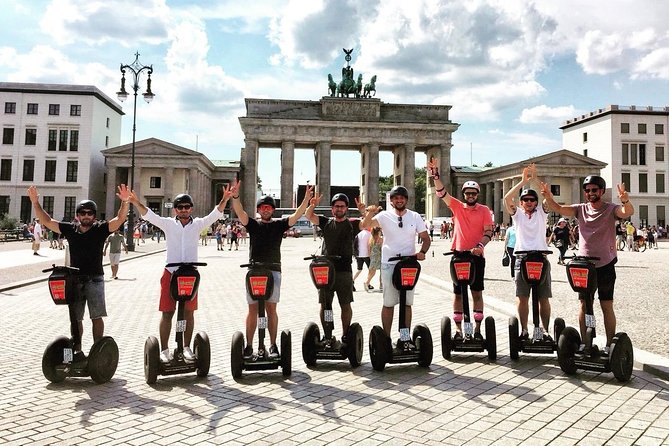
Most people love these tours for the speed and the ability to avoid long walks. You cover many sights with short pauses, typically long enough for the guide’s explanation and enough time for quick photos. That’s intentional: the goal is breadth in a tight window.
But safety comes first. Berlin traffic means pedestrians, cyclists, and unpredictable crossing behavior. You’ll likely be asked to stay calm, keep your line, and follow the guide’s stop-and-go rhythm.
Also, manage your comfort. One review described a fall when a rider flew off after wheel locking due to another Segway. It sounds rare, but it’s a reminder: keep both feet positioned correctly, don’t try to get playful when you’re in traffic, and don’t ignore the guide when you feel unsure.
Finally: if it’s cold, wear gloves. One reviewer specifically advised gloves and mentioned the tour finishing earlier when cold.
Price and value: what $84.68 buys you (and what it doesn’t)
At around $84.68 per person for about two hours, you’re paying for a full sightseeing experience without the physical drain of walking across central Berlin. Here’s what the price includes: the Segway, helmet, training, insurance, and a professional local guide.
That’s the value part. Without this setup, you’d either spend time figuring out transportation or you’d pay for multiple walking tours across multiple days to cover the same concentration of landmarks.
What’s not included is food and drinks, unless specified. Also, admissions are not included at several stops—many are outside viewing experiences, while certain attractions would require separate tickets if you want to go in. Think of this tour as orientation with photos and explanations, not as an all-access ticket bundle.
Who should book this Segway adventure
This is a great match if you:
- Want a fast overview of major Berlin landmarks in a single morning or afternoon.
- Like learning while moving, not just standing still at monuments.
- Are comfortable following instructions and riding safely in a busy urban environment.
It’s also a smart choice if your itinerary is packed. Two hours can give you the confidence to pick where to go next—especially places like Brandenburg Gate, the Reichstag area, Holocaust Memorial, Potsdamer Platz, and Alexanderplatz.
If you’re sensitive to cold weather or you’re not steady on your feet, consider the comfort factor and the fact that the tour can shorten when conditions push too hard.
Final verdict: should you book?
If you want the highlights fast and you’re excited by the idea of riding instead of walking, I’d book this. The mix of major landmarks plus meaningful stops (especially the Holocaust Memorial) makes it more than a gimmick. And the included training and insurance help you get over the learning curve quickly.
My only hesitation is time flexibility. Cold and rain can affect how long you ride, and the tour runs on short stop windows. If you’re hoping for long, deep museum-style visits at every location, this isn’t that kind of tour.
FAQ
FAQ
How long is the Berlin Segway adventure?
It runs for about 2 hours, with multiple short stops to see and photograph landmarks.
What is included in the price?
You get a professional local guide, a Segway, a helmet, insurance, and training.
Are tickets or admissions included for the major sights?
Admission is not included for several stops. Some stops are free to view (like Museum Island and Bebelplatz), but others note that admission tickets are not included.
What language is the tour offered in?
The tour is offered in English, with confirmation at booking.
Where do I meet the tour, and does it end there?
You meet at Claire-Waldoff-Straße 6, 10117 Berlin, Germany. The tour ends back at the meeting point.
Do I need a passport for this experience?
Yes. You need a current valid passport on the day of travel.
Who should avoid joining the tour?
The tour is not recommended for pregnant women, participants with heart complaints, or other serious medical conditions.
Can teenagers ride a Segway on this tour?
Riders as young as 14 are mentioned as being allowed to ride Segways in Germany, but the key is whether they can safely control the vehicle and follow the guide.
Is free cancellation available?
Yes. You can cancel up to 24 hours in advance for a full refund.