REVIEW · BERLIN
Berlin: Interactive DeJa Vu Museum Entrance Ticket
Book on GetYourGuide →Operated by DeJa Vu Museum · Bookable on GetYourGuide
Your eyes will argue with you here. The Deja Vu Museum in Berlin turns optical illusions into walk-through, do-it-yourself art, with interactive exhibits and room-sized tricks that feel personal. I especially love two things: the layers of Oleg Shupliak’s artwork and the hands-on nature of the museum’s puzzles and illusion rooms.
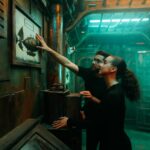
You’ll spend about 1.5 hours moving through two floors of galleries and themed installations. Expect plenty of “pause and look again” moments, from projector-based rooms where you become part of the scene to photo-friendly mirror spaces like the Starroom and Abyss.
One thing to consider: some rooms are small, so if the museum is busy you may hit waiting before you can try each illusion at your own pace.
In This Review
- Key things I’d put at the top
- Entering The DeJa Vu Museum: Alexanderplatz area made easy
- What 1.5 hours feels like in a self-guided illusion museum
- The interactive exhibits: where your brain gets the wrong instructions
- Mirror rooms (Starroom and Abyss): the best place to slow down for photos
- Projector rooms and kaleidoscopes: when the walls react to you
- Oleg Shupliak’s art gallery: more than decoration, more than trickery
- How to plan your path: best use of two floors without missing the big rooms
- Price and value: is $17 worth 1.5 hours of illusions?
- Who this museum fits best (and who should skip it)
- Languages and getting oriented once you arrive
- Should you book the Deja Vu Museum ticket?
- FAQ
- Where is the Deja Vu Museum entrance located?
- How much does the ticket cost?
- How long should you plan for your visit?
- What can you expect to see inside?
- Are mirror rooms included?
- Is this suitable for people with epilepsy?
- Is it allowed to bring pets or food and drinks?
- What languages are available for the host or greeter?
Key things I’d put at the top
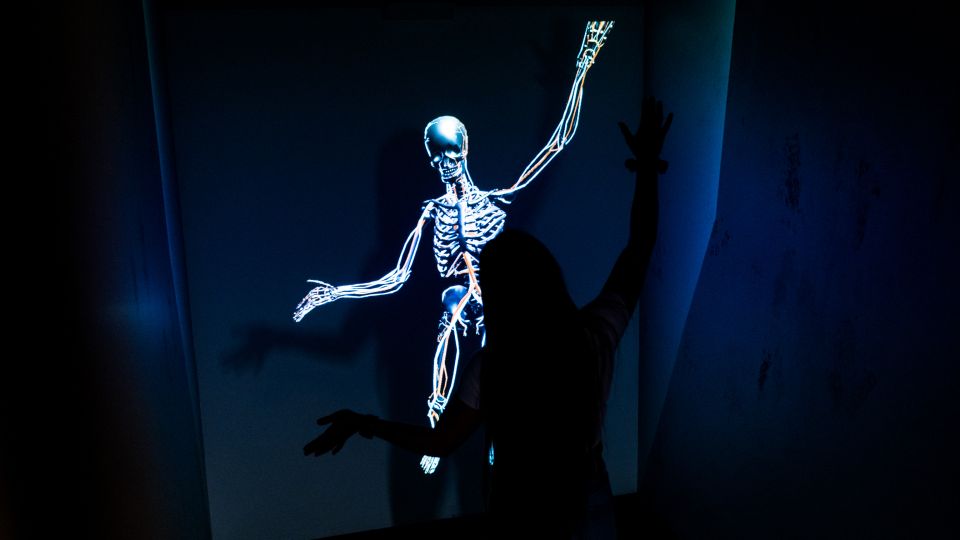
- Hands-on illusions, not just viewing: you interact with puzzles, tricks, and room effects, so it stays fun and active.
- Oleg Shupliak’s gallery adds art depth: layered portraits and guessing elements give the museum more than just spectacle.
- Mirror rooms are your best photo stop: Starroom and Abyss are built for pictures and eye-catching angles.
- Projector rooms make you part of the artwork: the museum shifts from you looking at art to you being used in it.
- Family-friendly energy: it works well for kids and teenagers, especially when you want a break from Berlin museums that are all about standing still.
- Crowds change the experience: small, interactive rooms can mean lines on busier times.
Entering The DeJa Vu Museum: Alexanderplatz area made easy
The entrance is right by Alexanderplatz, roughly 300 meters from Fernsehturm. That location matters because you can pair it with a normal Berlin day without adding major transit stress. If you’re already in Mitte, you’re basically there.
A typical visit is self-paced. You move through the museum’s spaces across two floors, taking your time on the interactive exhibits and spending extra moments in the rooms that give the strongest visual payoff. The museum is offered with an English-speaking (plus several other languages) host or greeter, which helps if you want a quick orientation at the start.
You can also read our reviews of more tours and experiences in Berlin

What 1.5 hours feels like in a self-guided illusion museum
This ticket is timed as a 1.5-hour visit, and that’s a good target if you want an hour of fun without feeling rushed. In practice, how long it takes can swing based on crowd levels and how many rooms you repeat for photos.
If you go at a calmer time, you can take your time checking details and still finish within the planned window. If it’s busier, you may lose time waiting for your turn in small interactive spaces, which can make the experience feel more stop-and-go.
The overall vibe is designed for movement. Instead of being a sit-down attraction, it’s a series of rooms that ask you to stand, look, position yourself, and react. That’s also why it’s so good for rainy-day plans.
The interactive exhibits: where your brain gets the wrong instructions
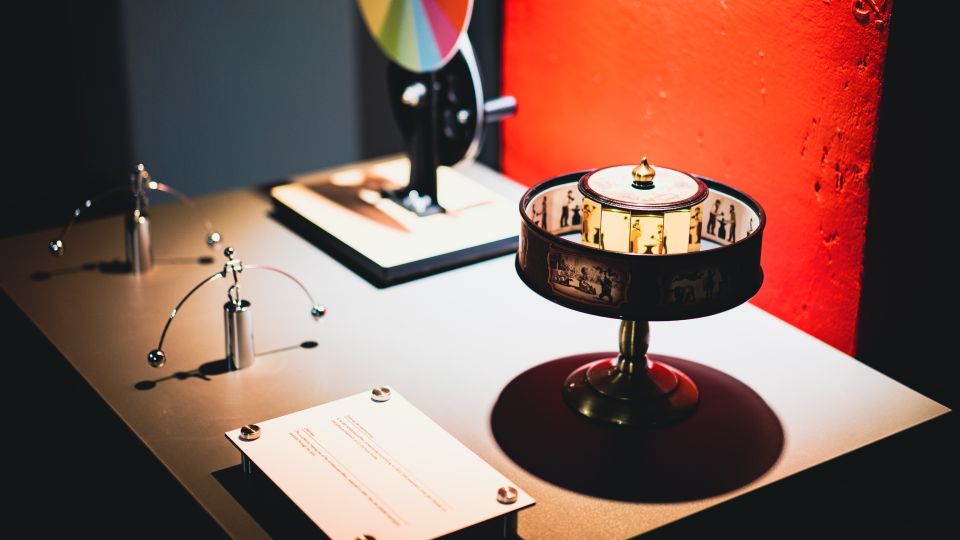
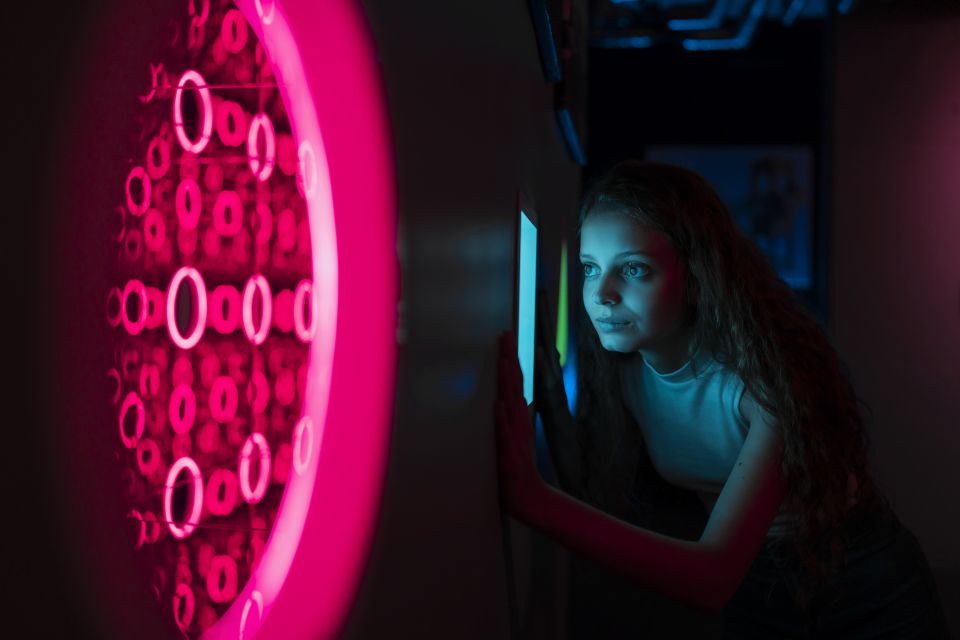
The museum’s biggest strength is that the illusions aren’t passive. You’re not just walking past optical tricks—you’re helping create the effect by how you move and where you stand.
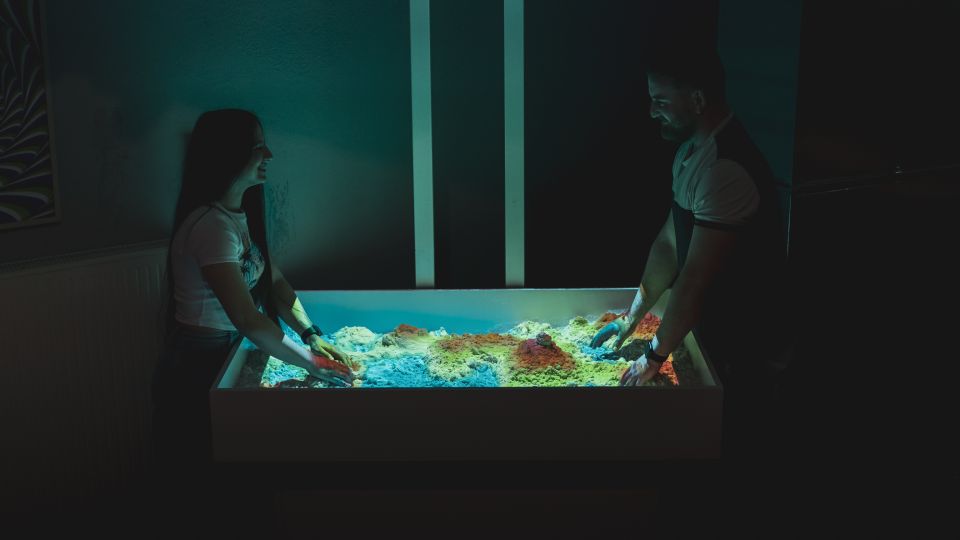
You can expect multiple interactive installations, including named highlights like the Beuchet-Stuhl, the Dark Room, and the Interactive Sandbox. Even without knowing what each one looks like from the outside, the museum does a good job of keeping things varied, so the visit doesn’t feel like repeating the same trick in different lighting.
Here’s how to get more out of this part of the museum:
- Give yourself a “first pass” through the rooms once, so you understand the idea.
- Then go back to the ones that genuinely mess with your sense of depth, proportion, or motion.
- For the photo moments, stop early and test your angle before the room gets crowded again.
This is also where the museum earns its value. At around $17 per person, you’re paying for a timed experience that mixes art, puzzles, and visual mind-benders in one ticket.
Mirror rooms (Starroom and Abyss): the best place to slow down for photos
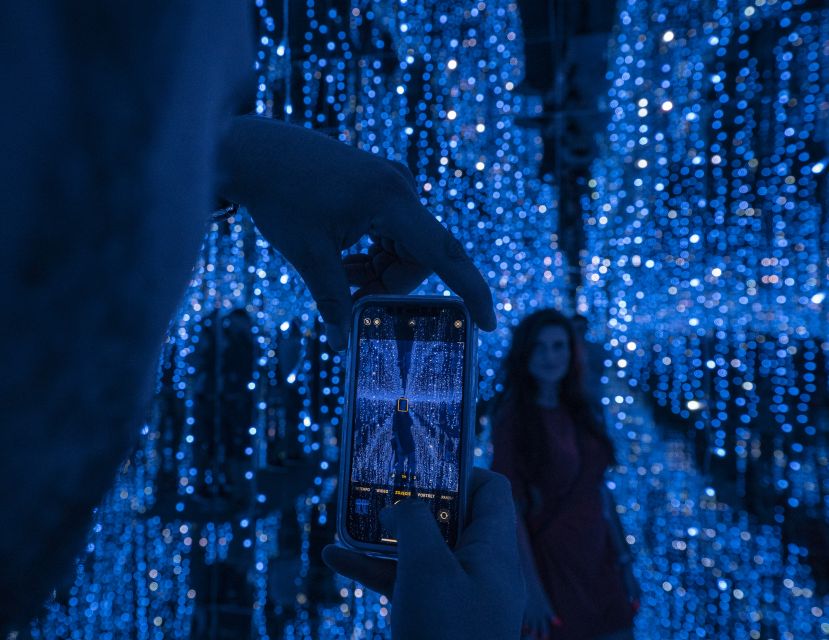
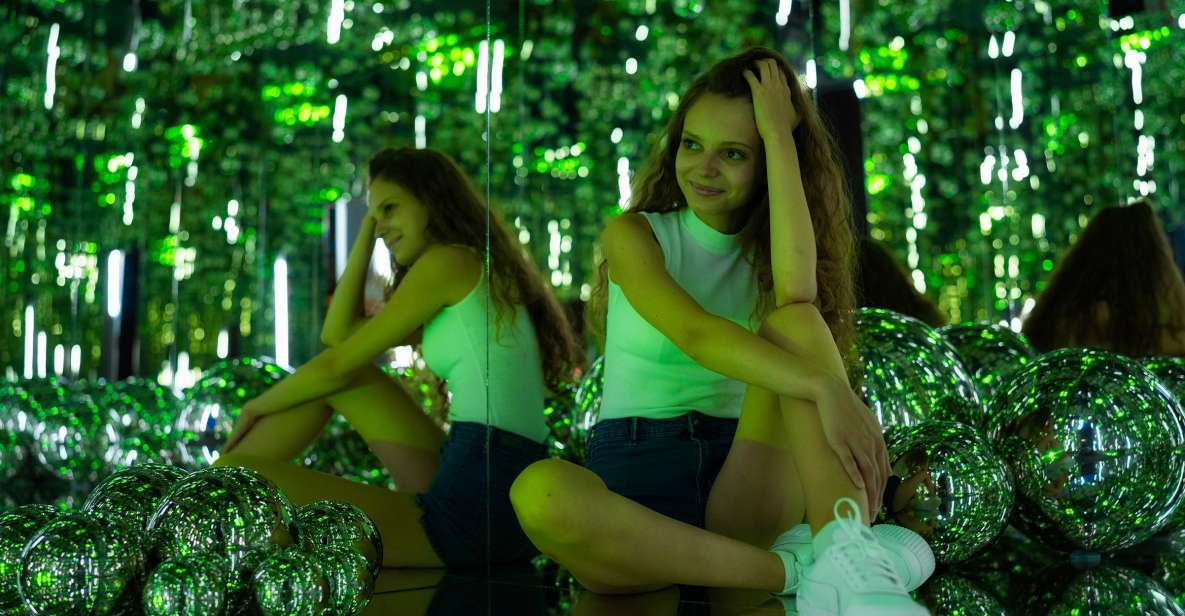
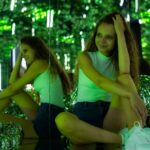
Mirror rooms are a core part of the Deja Vu Museum experience. You’ll see themed spaces such as the Starroom and the Abyss, which use reflections and lighting to create effects that feel deeper than the physical room you’re standing in.
These rooms are especially fun if you like photography or short video clips. The mirror layout gives you multiple framing options: you can shoot straight-on, go for wide-angle shots, or reposition to catch reflections that make it look like the room stretches farther than it really does.
One practical tip: treat mirror rooms like a mini photo session, not a quick stop. If you rush, you miss the moments where the lighting and angle line up and the illusion really clicks. And if the room has a line, be ready to move quickly once you get in.
Projector rooms and kaleidoscopes: when the walls react to you
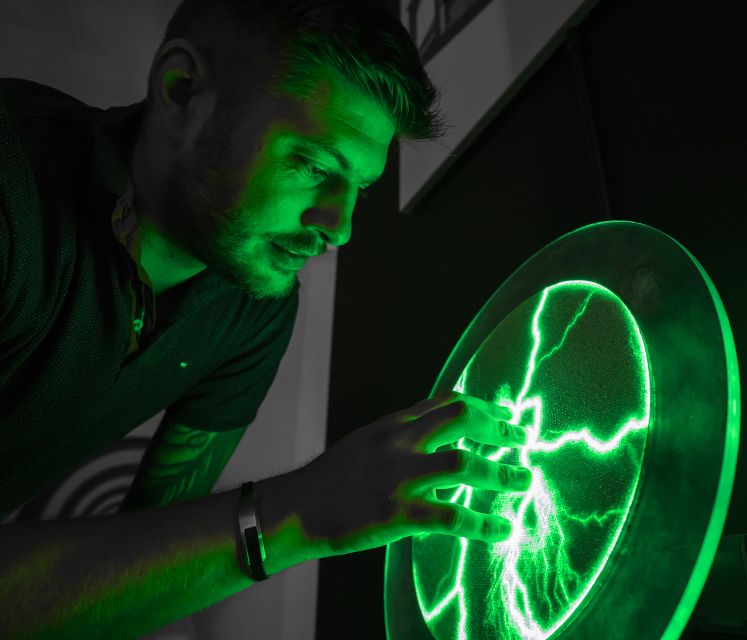
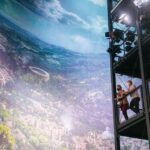
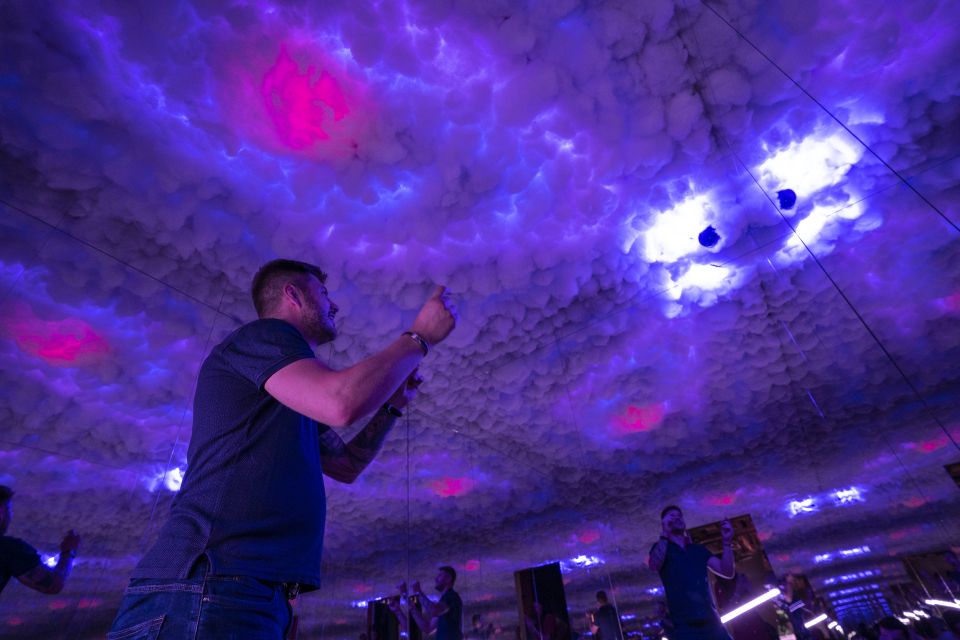
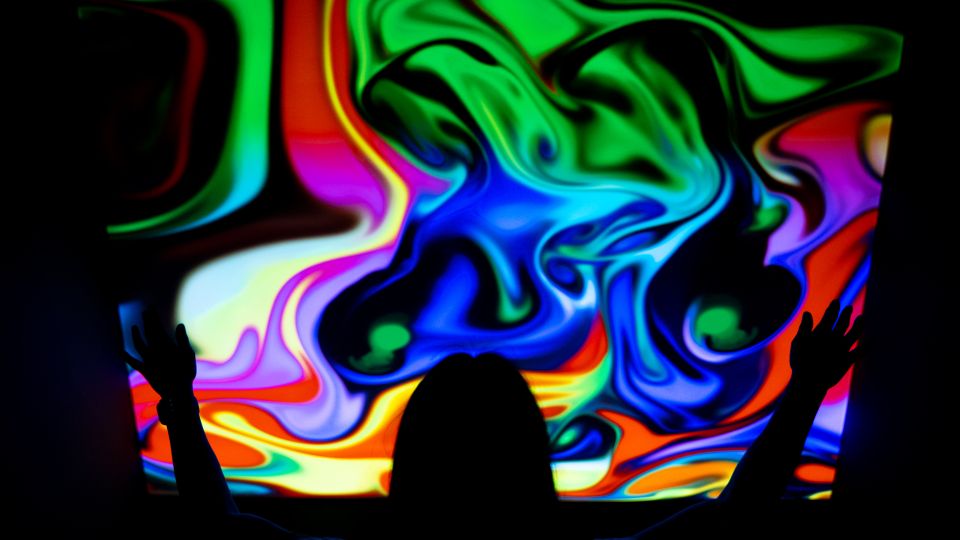
Projector-based spaces are another standout. These rooms use projection in a way that makes you feel like the art is responding, not simply playing onto a blank wall. The result is that you become part of the scene—almost like you’re inside the artwork rather than viewing it from outside.
You’ll also find effects like colorful kaleidoscopes. They’re visually simple but endlessly photogenic, and they work well even if you’re traveling with a group where some people are more into photos and others are more into puzzles. Everyone can enjoy the visuals without needing the same level of patience.
This is a museum where it helps to be playful. If you’re the type who normally avoids interactive installations, give yourself permission to try. The “wow” factor is built into the design: you’ll look, you’ll experiment, and you’ll get that quick moment where your eyes have to recalibrate.
You can also read our reviews of more museum experiences in Berlin
Oleg Shupliak’s art gallery: more than decoration, more than trickery
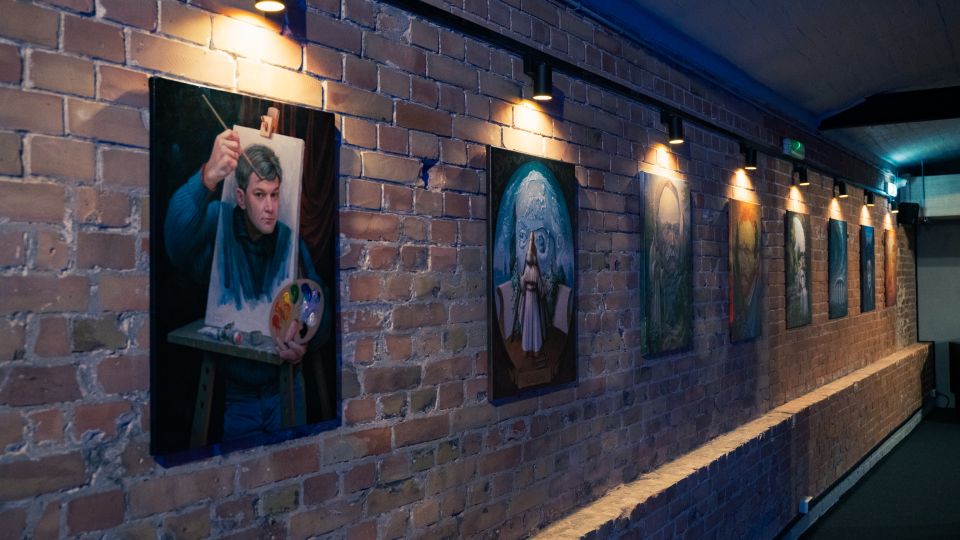
The museum also includes an art gallery dedicated to painter Oleg Shupliak. This is an important balance point. The illusion rooms do the entertainment part, but the Shupliak gallery adds a more art-focused layer to the experience.
You’ll see multiple layers of his artwork, and there’s even an element of guessing at portraits—figuring out who is depicted adds a game-like quality to the art. That matters because it gives your visit a narrative. You’re not just collecting tricks; you’re moving between visual experiences that serve different purposes: puzzle and perception on one side, art and interpretation on the other.
If you care about photography and composition, the Shupliak gallery also gives you chances to look for textures and visual depth. If you’re going with kids or teens, the guessing element gives them something to do besides pushing buttons.
How to plan your path: best use of two floors without missing the big rooms
Because the museum is laid out across two floors, you’ll naturally end up with a rough loop: explore one level, then switch to the next when you feel ready. The key is to not force a rigid route.
Instead, plan based on the parts you’re most curious about:
- If you’re primarily in it for photos, prioritize mirror rooms and projection setups first, then fill in with interactive puzzles.
- If you’re in it for puzzles, start with the interactive exhibits like the Beuchet-Stuhl and Dark Room, then move into mirror rooms when you want a slower, more visual stretch.
- If you’re an art fan, spend extra time with the Shupliak gallery so the art section isn’t rushed.
When the museum is busy, your route becomes more about timing than sequence. Some rooms hold very few people at once, and that can change how quickly you move through the installations.
Price and value: is $17 worth 1.5 hours of illusions?
At about $17 per person, this ticket lands in the “good deal for a full hour of active fun” category—especially because so much of the experience is interactive and photo-friendly. You’re not just buying entry into a single exhibit; you’re buying access to a whole mix of room types: puzzles, mirror worlds, projector moments, and an art gallery.
The value gets better when:
- You’re traveling as a group that includes different interests (art lovers plus photo people plus puzzle types).
- You want something that doesn’t require deep museum knowledge.
- You’re looking for a plan that’s easy to fit into a day near Alexanderplatz.
The value can soften a bit if you hit peak crowding. If you spend time waiting in small rooms, you might feel like the museum got smaller than it is. Still, even then, the standout rooms tend to deliver because the illusions are the whole point.
Who this museum fits best (and who should skip it)
This is a fun stop for a wide age range. It’s often a solid choice for kids and teenagers, and it works well as a group outing with friends or family—especially when everyone wants to do something hands-on.
That said, there are clear limitations based on your situation:
- Not suitable for people with mobility impairments
- Not suitable for people with epilepsy
Also, the museum sets basic rules: no pets, and no food or drinks, and no alcohol or drugs. If you’re bringing a group, it’s worth planning for those restrictions so you don’t waste time at the entrance.
If you hate crowds, choose a quieter time if you can. Several people note that some interactive rooms can require waiting, so your enjoyment will depend on the time of day.
Languages and getting oriented once you arrive
The host or greeter can help in English, German, Polish, Spanish, and French. That’s useful because it means you can ask quick questions at the start without needing to slow down the whole group.
If you want the smoothest start, show up ready to move. Put your phone away until you enter the first photo-ready rooms, so you don’t lose time later when the best angles appear.
Should you book the Deja Vu Museum ticket?
Book it if you want a hands-on break from typical Berlin sightseeing, and you’re excited by optical tricks, mirror rooms, and projector effects. The mix of interactive exhibits and the Shupliak art gallery makes it more interesting than a one-note illusion attraction, and the location near Alexanderplatz makes it easy to plug into your day.
Skip it if you need wheelchair-friendly access or if epilepsy is a concern. Also think twice if you strongly dislike waiting in small enclosed rooms, because crowd levels can affect how smoothly you move through the installations.
If you’re trying to decide, my practical advice is simple: plan to treat this as an active, playful hour and a half. The museum works best when you’re willing to look twice, step into position, and laugh a little at how convincingly your eyes can be fooled.
FAQ
Where is the Deja Vu Museum entrance located?
The entrance is by Alexanderplatz, about 300 meters from Fernsehturm.
How much does the ticket cost?
The price is $17 per person.
How long should you plan for your visit?
Plan for about 1.5 hours.
What can you expect to see inside?
You’ll find interactive exhibits, mirror rooms, puzzles, and an art gallery by Oleg Shupliak, plus themed rooms and photo-friendly illusion spaces.
Are mirror rooms included?
Yes. The experience includes themed mirror rooms, such as the Starroom and the Abyss.
Is this suitable for people with epilepsy?
No, it is not suitable for people with epilepsy.
Is it allowed to bring pets or food and drinks?
No pets are allowed, and food and drinks are not allowed. Alcohol and drugs are also not allowed.
What languages are available for the host or greeter?
The host or greeter is available in English, German, Polish, Spanish, and French.