REVIEW · BERLIN
Berlin Cold War & World War II Third Reich Walking Tour
Book on Viator →Operated by Original Berlin Tours · Bookable on Viator
Berlin is history you can walk through. This 6-hour style Berlin tour strings together the rise of Hitler, the end of World War II, and the Cold War era rebuilding of Berlin, including the wall and what’s left of it today. I really like that the route is packed with free-entry stops and that guides such as Miguel or Arthur help you connect what you’re seeing to the timeline, with insider tips on what to do afterward. One thing to consider: plan for a lot of walking and a tour that can run longer than you expect, so comfortable shoes matter.
You’ll also want to go in with the right mindset. This is about reading the city’s scars—literal remnants and the stories behind them—so it helps if you’re ready to focus for hours, not just take photos and move on.
In This Review
- Key reasons this tour works
- Price and logistics: the real value at $35.64
- Meeting point: start easy at Generator Berlin Alexanderplatz
- The opening chapter: Reichstag Building (Stop 1)
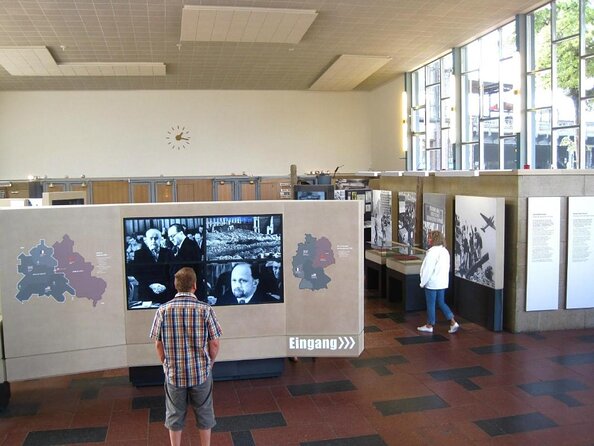
- World War II to surrender-era focus: Museum Berlin-Karlshorst (Stop 2)
- War infrastructure in plain sight: Humboldthain Flak Tower (Stop 3)
- Battle scars and street-level history: Prenzlauer Berg (Stop 4)
- Hitler’s bunker-story zone: Berlin Story Bunker (Stop 5)
- Cold War by geography: Palace of Tears (Stop 6)
- Reading the wall: Berlin Wall Memorial (Stop 7)
- Teufelsberg: wall leftovers and off-the-beaten-path views (Stop 8)
- The Wall in art form: East Side Gallery (Stop 9)
- Final checkpoint: DDR Watch Tower (Stop 10)
- What makes the guide experience matter (and why people praise it)
- Tour pace, comfort, and small practical advice
- Who should book this tour, and who should skip it
- Should you book Berlin Cold War & World War II Third Reich Walking Tour?
- FAQ
- How much does the Berlin Cold War & World War II Third Reich Walking Tour cost?
- How long is the tour?
- Where does the tour start, and where does it end?
- What time does the tour start?
- Is a local guide included?
- Are admissions included for the stops?
- What should I bring since beverages and snacks aren’t included?
- Is the tour suitable if I have only moderate fitness?
- Does the tour run in bad weather?
- What is the group size limit?
- Is free cancellation available?
Key reasons this tour works
- Free-entry stops across the route: each scheduled stop is marked admission ticket free
- A guide who handles questions well: you get time to ask as you go, not just listen
- Hitler-era and Wall-era sites in one flow: from Reichstag-related power to Cold War escape stories
- Concrete war leftovers, not just speeches: flak tower, watchtowers, and memorial sections
- Teufelsberg includes off-the-beaten-path wall views: not only the most famous spots
- Small group feel within a big city: maximum 100 travelers, with a local guide leading the pace
Price and logistics: the real value at $35.64
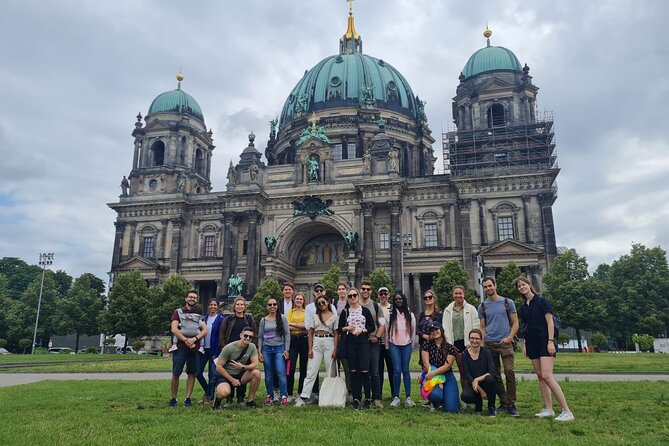
At $35.64 per person, this tour is priced like a budget walking tour—but the lineup is serious. You’re paying mainly for a local guide to connect WWII and Cold War Berlin in a way that’s hard to do alone, especially when the city has multiple overlapping eras in a small area.
Another value point: the stops are marked admission ticket free. That matters in Berlin, where one museum ticket can eat your whole day. Here, you’re mostly paying for interpretation and direction—what to notice, what to ignore, and how to place each location into the larger story.
It’s also the kind of tour where logistics matter. You start at Generator Berlin Alexanderplatz (Otto-Braun-Straße 65) at 12:00 pm, and it ends back at the meeting point. That loop is useful: you’re not constantly restarting your plans, and you can pivot afterward to dinner or a drink nearby.
Finally, it runs in all weather. Berlin weather can do whatever it wants—so bring layers and dress for walking. And based on the practical advice people share from the trip, an umbrella can be smart if skies look suspicious.
You can also read our reviews of more walking tours in Berlin



Meeting point: start easy at Generator Berlin Alexanderplatz
I like meeting points that don’t feel like a scavenger hunt. Generator Berlin Alexanderplatz is a straightforward anchor, right by a major hub. That usually means less time lost finding the group and more time getting oriented.
From there, the tour is built around short stops—most around 20–30 minutes—which helps if you don’t want a sit-down museum marathon. The pace is described as leisurely enough for breaks for drinks, which is great because beverages and snacks aren’t included. You’ll want cash or a card ready for water or a quick bite during the gaps.
Also, there’s a note about moderate physical fitness. This is a walking tour with multiple stops, so if you have mobility limits, it’s worth thinking about whether you can handle repeated walking intervals.
The opening chapter: Reichstag Building (Stop 1)
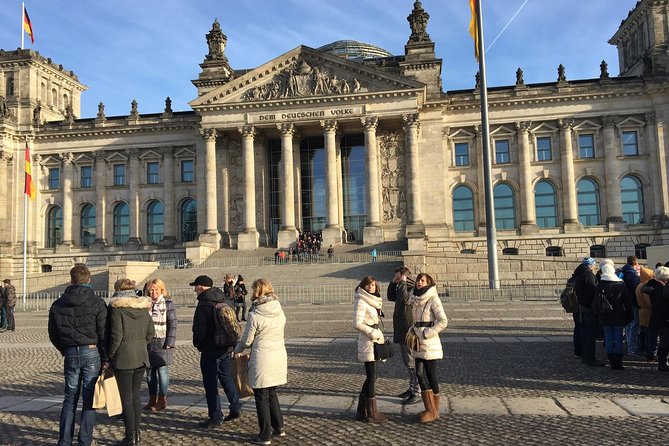
You kick off at the Reichstag Building, and the guide frames it as the start of a bigger narrative. This stop sets the tone: Berlin’s history is not tucked away—it’s written into the city’s most recognizable landmarks, including architecture and public power.
What I like about starting here is that it gives you something to anchor your brain. When a tour goes from place to place without a clear beginning, it’s easy to lose the thread. Here, the guide brings in stories around famous people, music, and architecture as they connect the “then” to what you still see now.
This is also where you should sharpen your questions. If you want the guide to explain how events connect—rather than just list facts—start asking early.
Tip for you: use these first minutes to get your bearings. If the guide offers context for how to interpret buildings and symbolism, pay attention—because the later stops build on that framing.
World War II to surrender-era focus: Museum Berlin-Karlshorst (Stop 2)
Next is Museum Berlin-Karlshorst. The tour description keeps it grounded in WWII historical sights and memorials, with the guide recounting historic events and even urban legends.
This stop works well because it shifts you from the grand politics vibe into a more specific WWII mindset. It’s not all big buildings and official stages—it’s about what happened, what the city became, and how people remember it afterward.
One practical point: this is another 30-minute stop. That means you’ll get enough to understand why the place matters, but you’re unlikely to exhaust every single story. If you like the site, you can always follow up later on your own.
War infrastructure in plain sight: Humboldthain Flak Tower (Stop 3)
The Humboldthain Flak Tower stop is one of those places that can look like nothing special until someone explains what you’re actually seeing. The guide points out stories and facts you might otherwise walk right past.
I like stops like this for one reason: they teach you how to look. Berlin is full of structures with a “why” that doesn’t jump out at you. A good guide makes you notice details like location, purpose, and the survival of wartime infrastructure in the modern city.
This is also where the tour leans into the idea of scars of the wars scattered throughout the city—not just memorial plaques, but real built remnants.


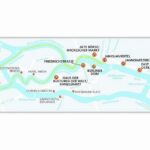



Battle scars and street-level history: Prenzlauer Berg (Stop 4)

Then you move into Prenzlauer Berg, and the theme becomes battlefield remnants left behind during the Battle of Berlin.
Even if you’re not a military-history person, this stop helps you understand that Berlin’s neighborhoods weren’t all spared equally. The tour frames the area as part of that final stretch of fighting, so you get context for why “everywhere” can feel historical here.
This stop is 30 minutes, so it’s more about direction than detail overload. If you tend to get bored when a tour turns into a lecture, you should still be okay here, because the guide is pointing out visible cues and linking them to what happened.
Hitler’s bunker-story zone: Berlin Story Bunker (Stop 5)
Stop five is Berlin Story Bunker, presented as the spot where Hitler had a notorious underground lair. The tour description says guides share stories and legends here.
This is where the tour becomes most dramatic. The Cold War and WWII eras can feel abstract from afar; a bunker setting makes the danger feel immediate, even if you’re approaching it through storytelling.
One caution for you: places that mix fact and legend can feel uneven if you want only documentary detail. The upside is that a good guide can keep the narrative organized—so you understand what’s the point of the story and why the site matters today.
Cold War by geography: Palace of Tears (Stop 6)
Next you head out east to Palace of Tears. This portion focuses on the Cold War Berlin experience and communism Berlin, using boarding crossings, escape points, and East Berlin landmarks to explain how the system worked in real life.
What I like about this stop is the practical geography angle. Berlin is famous for its walls, but the Cold War wasn’t only bricks. It was paperwork, crossings, and human choices. This stop tries to show you how movement was controlled and how people attempted to slip through that reality.
This is a 20-minute stop, which keeps it punchy. If you want more time, use it as motivation to return later—either to explore the area further or to look up more about the sites you touched today.
Reading the wall: Berlin Wall Memorial (Stop 7)
Stop seven is the Berlin Wall Memorial. The description is direct: there are still sections and visible reminders of this political catastrophe.
This is the emotional center of the route for a lot of people, and you can feel it in how guides slow down with the story. The memorial helps you see the wall as more than a historical symbol. You’re looking at material presence—what stayed, what survived, and what became part of public space.
Since this stop is 30 minutes, you’ll get time to take in the layout and let the guide connect it to the stories you’ll hear later.
Tip for you: don’t rush. Even if the story is familiar, the physical remnants can make it hit differently once you’re standing there.
Teufelsberg: wall leftovers and off-the-beaten-path views (Stop 8)
Now you go to Teufelsberg, described as a place where you see major landmarks the wall left behind, including references to guard towers, the wall memorial, and wall-related views. The guide also takes you to wall sights off the beaten path.
This is a highlight if you like a tour that doesn’t just follow the postcard route. Teufelsberg can feel like a “how did this end up here” kind of stop, and that curiosity is exactly why it works.
You get 30 minutes, which is long enough for the guide to point out the right angles and short enough that you don’t lose your energy before the final stretch.
The Wall in art form: East Side Gallery (Stop 9)
Stop nine is the East Side Gallery, tied directly to how the conflict between East and West culminated in the wall. The tour frames it as a way to understand what life was like on the dark side of the wall on the original Cold War Berlin.
Even if you already know East Side Gallery exists, this stop is more useful when a guide gives you context about why the location matters and how the wall affected everyday life. The tour time here is 20 minutes, so you won’t get a huge museum-style explanation—but it’s a strong payoff stop.
If you like seeing history expressed through art or public visuals, you’ll probably enjoy this one the most.
Final checkpoint: DDR Watch Tower (Stop 10)
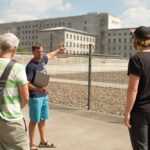
The tour ends at the DDR Watch Tower. The guide points out places where the wall once stood and shares stories of wall escapes and forced conscription.
This stop feels like a closing argument. Earlier stops show the wall as monument or art. Here, it’s framed as a mechanism with human consequences—fear, attempts to flee, and the power structure that demanded compliance.
This one is 20 minutes, but it can stick with you longer than the time suggests, especially because it connects the wall to real outcomes for real people.
What makes the guide experience matter (and why people praise it)
The biggest difference between a good Berlin history walk and a forgettable one is how the guide turns locations into meaning. This tour seems to nail that part.
I see a pattern in the way people talk about guides: names like Miguel and Arthur come up with the same theme—stories that make the sites feel alive, plus a sense of humor that keeps it from turning heavy in a boring way. People also highlight that they could ask lots of questions, and that the guide would go beyond the basics when the group asked follow-ups.
Miguel specifically gets praised for extra practical tips like restaurants, bars, and books. That’s not just nice—it’s useful. Berlin history tours are only half the trip. The other half is living in the city afterward, and a guide who can recommend what to do next is a real value add.
Also, there’s an emphasis on making the timeline make sense. One review note called out how matching the Nazi surrender timeline to actual spots can be tricky, and that the guide helped clear it up. If you ever feel confused in Berlin’s layered history, this tour’s “places to moments” approach is a good fit.
Tour pace, comfort, and small practical advice
Here’s the practical stuff you can plan for right now:
- Wear comfortable shoes. This is a walking tour with repeated stops.
- Bring layers. It’s all weather conditions, and you’ll be outside moving between sites.
- Plan for drinks availability during the walk. Snacks aren’t included, so decide ahead whether you’ll buy something on the way.
- Bring a question or two about what you want clarified. The format works best when you engage.
And one more small note: the tour is limited to a maximum of 100 travelers, which usually helps the guide manage timing and keep the group moving.
Who should book this tour, and who should skip it
This tour is a great match if you want:
- A WWII through Cold War story arc without piecing it together yourself
- A route that shows visible war remnants across different Berlin neighborhoods
- A guide-led walk where you can ask questions and get context
It might be less ideal if:
- You’re the type who wants museum-depth coverage at each stop and zero walking
- You hate tours that are interpretive and story-driven rather than strictly factual and academic
- You’re uncomfortable with moderate walking for several hours in different weather
Should you book Berlin Cold War & World War II Third Reich Walking Tour?
If your goal is to get your bearings fast and understand why Berlin feels the way it does—why walls, bunkers, towers, and memorials keep showing up—you should book it. The price is fair for a guided, multi-era route, especially because the stops are marked admission ticket free and you’re paying for someone to stitch the story together.
I’d book it if you’re short on time and want a strong storyline from Hitler’s era through Cold War Berlin and the Berlin Wall. I’d think twice if you only want one era, one style of site, or a slow museum pace.
If you do book, go in prepared for walking, bring appropriate weather gear, and don’t be shy about questions. This kind of tour rewards curiosity. And Berlin rewards attention.
FAQ
How much does the Berlin Cold War & World War II Third Reich Walking Tour cost?
It costs $35.64 per person.
How long is the tour?
The duration is listed as 6 hours (approx.).
Where does the tour start, and where does it end?
It starts at Generator Berlin Alexanderplatz, Otto-Braun-Straße 65, 10178 Berlin, Germany, and it ends back at the same meeting point.
What time does the tour start?
The start time is 12:00 pm.
Is a local guide included?
Yes. A local guide is included.
Are admissions included for the stops?
The stops are listed as having admission ticket free.
What should I bring since beverages and snacks aren’t included?
Bring money or a card for drinks and any snacks you want. The tour also notes you may be able to stop for drinks along the way.
Is the tour suitable if I have only moderate fitness?
It’s described as suitable for travelers with moderate physical fitness.
Does the tour run in bad weather?
Yes, it operates in all weather conditions, so dress appropriately.
What is the group size limit?
The tour has a maximum of 100 travelers.
Is free cancellation available?
Yes, you can cancel for a full refund up to 24 hours in advance of the experience’s start time.