REVIEW · BERLIN
Berlin: Deutschlandmuseum – Flexible Entrance Ticket
Book on GetYourGuide →Operated by Deutschlandmuseum · Bookable on GetYourGuide
History can be fun when it moves. At Deutschlandmuseum, you’ll see 2,000 years of German history brought to life through staged scenes and hands-on media.
I especially like the way each of the twelve eras is presented with period exhibits plus interactive elements, so the story feels more concrete than a wall of text. I also like the practical setup: you get no-wait entry through a separate entrance and can visit within your one-day window.
One possible drawback: this is more about making history easy to grasp and visual than about going super deep on every topic. If you prefer dense academic detail, or if it’s busy during your visit, you might feel a little rushed or underwhelmed.
In This Review
- Key things to know before you go
- What Deutschlandmuseum Is: German History as Interactive Stage Sets
- From Varus to 2006: How the Timeline Plays Out
- The Learning Style That Makes It Fun: Scenes + Period Objects + Interactive Media
- Getting the Most Out of a 1-Day Visit in Berlin
- Skip the Line: Why the Separate Entrance Matters
- Is It Worth It for Kids and Adults?
- Price and Value: What $30 Buys You (and What It Doesn’t)
- Practical Tips to Make It Feel Less Like a Rush
- Should You Book Deutschlandmuseum?
- FAQ
- How much does the Deutschlandmuseum flexible entrance ticket cost?
- How long is the ticket valid?
- Is there a wait if I arrive?
- Do I need to pre-register?
- Can I cancel for a full refund?
- Can I reserve now and pay later?
- Is the museum wheelchair accessible?
- What languages are available?
- Are there different starting times?
Key things to know before you go
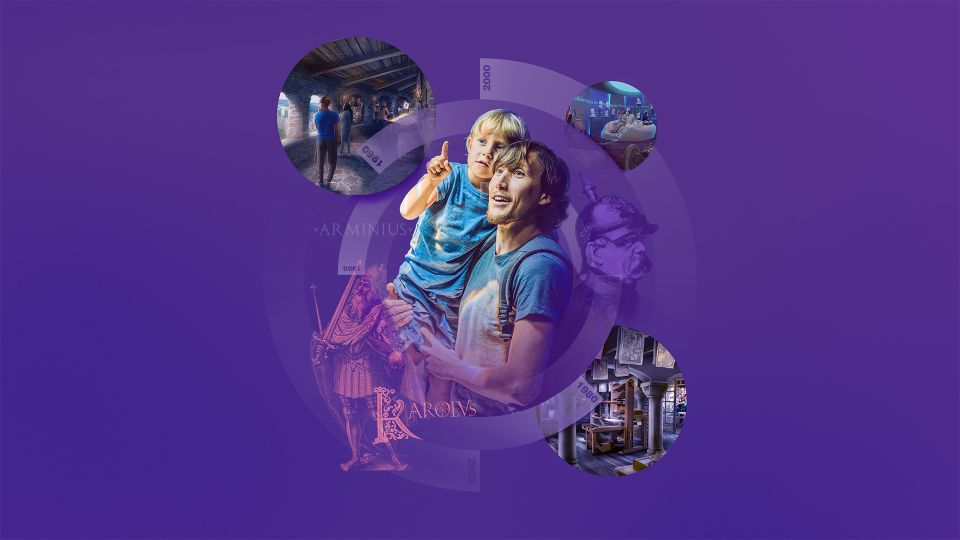
- 2,000 years in staged scenes: Historical turning points are set up like “time slices,” not just exhibits on a shelf.
- Twelve eras, each with period details: You’ll encounter era-specific objects alongside interactive media.
- Interactive learning style: The museum focuses on seeing and doing, not memorizing.
- Skip the line via separate entrance: You lose less time waiting and more time inside.
- Family-friendly atmosphere: The experience is described as enjoyable and easy to understand, including for kids.
What Deutschlandmuseum Is: German History as Interactive Stage Sets
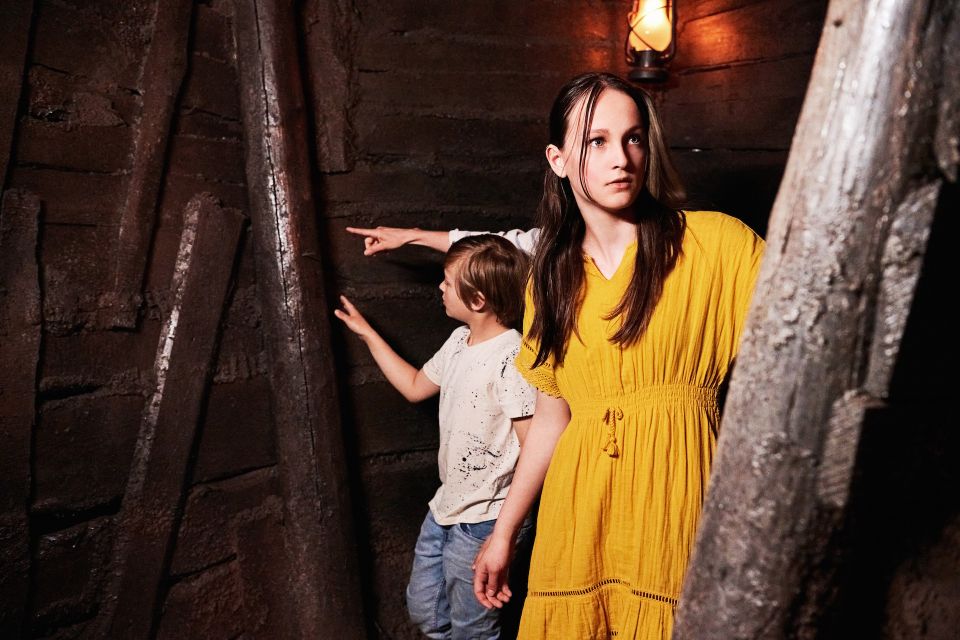
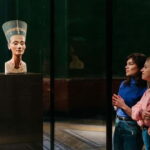
Deutschlandmuseum is built around a simple idea: history sticks better when it feels real. Instead of only reading dates, you walk through detailed stagings of major moments across twelve eras, covering Germany’s story over roughly 2,000 years. The museum aims to show turning points as scenes you can follow, with supporting items from the relevant time period.
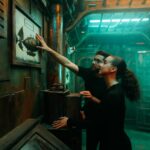
That “staging” approach matters. It helps you build a mental timeline quickly because you’re not bouncing between unrelated rooms or relying purely on captions. You’re also using more than one sense while you move—seeing period-appropriate exhibits next to the scene, then using interactive media to reinforce what you just looked at.
This is also where the museum’s modern teaching style comes in. The experience is designed to make knowledge transfer feel less like a lecture and more like guided discovery. Even if you don’t stay on every single moment for long, the structure helps you understand the broad flow of history.
You can also read our reviews of more tours and experiences in Berlin


From Varus to 2006: How the Timeline Plays Out

The museum’s range is one of its biggest selling points. You’re moving through big chapters that start far back in time and continue all the way to relatively recent history. One clearly identified early point is the Battle of Varus, and at the other end the museum includes a scene referencing a 2006 summer fairy tale. That jump alone tells you what kind of museum this is: it wants you to notice how stories evolve, not just how wars and events happen in isolation.
Since the museum covers twelve eras, it’s not one single exhibit; it’s a sequence. Each era’s depictions are paired with historical exhibits from that period and interactive media. In plain terms: you’ll see a scene, you’ll get period context through objects, and then you’ll reinforce it using the interactive parts.
One practical way to handle this scale: don’t feel like you need to “finish everything.” A 1-day ticket gives you the chance to sample deeply in the sections that catch your attention. If you try to race the whole timeline, the experience can start to blur. If you slow down where you have curiosity, the museum usually does its best work—especially because it’s designed to explain history in approachable language and format.
The Learning Style That Makes It Fun: Scenes + Period Objects + Interactive Media
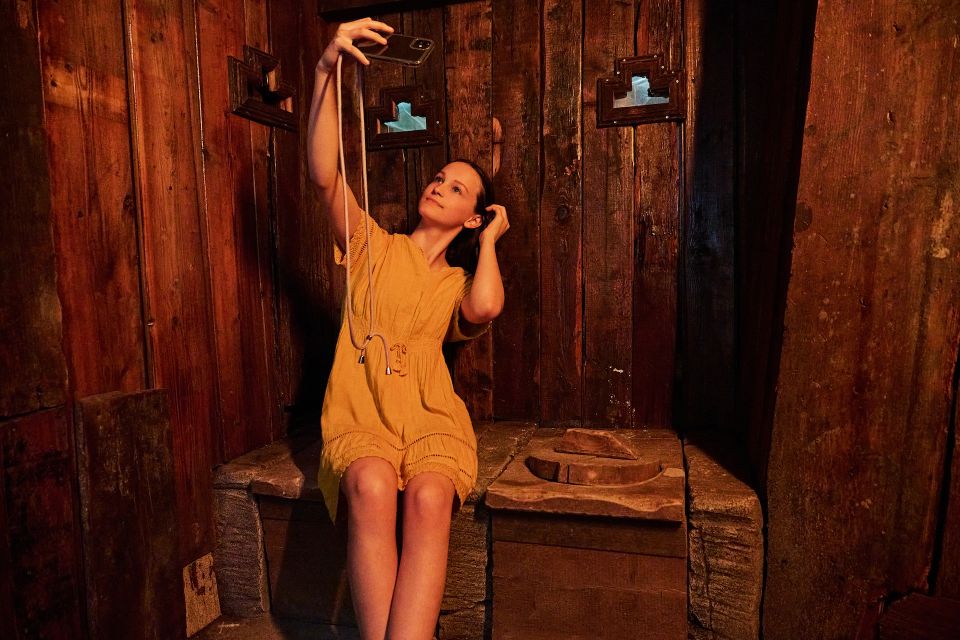
Deutschlandmuseum isn’t only about visuals. The museum mixes three layers in each era:
- Detailed staged moments (the main scene you walk into)
- Historical exhibits from the period (objects and context tied to what you’re seeing)
- Interactive media (a digital or hands-on element that explains and reinforces ideas)
That combination changes your pace. You don’t just stand and read. You look, then you interact, then you look again with slightly better context. That’s often the difference between a museum you tolerate and one you actually enjoy.
The interaction piece is especially relevant if you learn best by doing. And from the way the experience is described as interesting and varied, it seems the interactive media helps break up the time so you’re not stuck in a single mode the entire day.
Still, keep expectations realistic. The museum’s goal is to make the history easy to follow and enjoyable. That can mean you won’t get the kind of dense, topic-by-topic depth you might want if you’re a serious specialist in every era. If you want maximum detail, you may have to treat this visit as a strong overview, then follow up with more focused reading or another museum later.
Getting the Most Out of a 1-Day Visit in Berlin
This ticket is designed for a single day in Berlin, and you can check availability to see starting times. That’s useful because you can choose a slot that fits your plan—morning, midday, or later. Since it’s a flexible entrance concept (with the promise of no waiting line via a separate entrance), your biggest enemy isn’t time—it’s trying to cram in too much.
Here’s a smart way to plan your day:
- Pick 2 to 4 eras you want to see most based on what you already know or what you’re curious about.
- Use the interactive media as a shortcut to understand what the scene is really about before you spend time on the period exhibits.
- Don’t judge the whole museum by the first section. The museum’s “teaching by staging” method tends to work best once you get used to how the eras are organized.
If you’re visiting with a family, it helps even more to choose priorities. The experience is described as having a nice atmosphere and being enjoyable for kids, largely because history is presented in a way that’s easy to understand. When kids get restless, it’s good to have a couple of “must-see” sections that keep the day moving.
Skip the Line: Why the Separate Entrance Matters
Berlin is a city where lines can eat hours, especially on popular attractions. Deutschlandmuseum handles your arrival with a key benefit: no waiting in line thanks to a separate entrance.
That’s not just a convenience perk. It changes the psychology of your visit. When you’re not standing around, you start the experience alert and ready to absorb what you see. You also spend more of your one-day time inside the exhibits, which is the whole point.
If you hate rushing through museums or you’re traveling with kids, skip-line entry is one of those features that quietly makes the difference between a good day and a frantic one.





Is It Worth It for Kids and Adults?
One of the most positive signals from the experience descriptions is the sense that it works for more than one age group. The museum has been described as having a nice atmosphere for children, and history can be explained in an easy way here.
That doesn’t mean it’s only for kids. It’s still built around serious historical turning points. But the presentation style—staged scenes plus interactive elements—helps adults too, because it reduces the effort it takes to connect the dots.
So who tends to enjoy it most?
- Families looking for an active, readable way to learn history without a lecture vibe.
- Adults who want a history overview that feels fun and approachable.
- People who like visual storytelling and learning through interaction.
And who might not love it as much?
- Visitors who want “deep research” detail for every era.
- People who don’t handle crowds well, since you can feel less joy if the space is busy.
Price and Value: What $30 Buys You (and What It Doesn’t)
At $30 per person for a 1-day flexible entrance ticket, Deutschlandmuseum positions itself as a value-focused option for a day of learning and entertainment. You’re not just paying for entry—you’re paying for a structured way to encounter two millennia of German history without doing all the hard work of planning and interpretation.
Where the price makes sense:
- You want an engaging overview across twelve eras.
- You appreciate staged storytelling paired with period exhibits and interactive media.
- You want to save time thanks to skip-the-line entry.
Where the price may not match your goals:
- If you’re looking for very academic depth for every single historical topic.
- If you already know a lot of history and want a museum that offers more specialized detail per room.
Think of it like this: Deutschlandmuseum is best as a high-quality sampler. It can give you context quickly, spark questions, and point you toward what you might want to research later.
Practical Tips to Make It Feel Less Like a Rush
You’ll get more from Deutschlandmuseum if you treat it like a “choose-your-own-history” experience.
A few practical strategies:
- Start by looking at how the eras are organized, so you understand the timeline structure early.
- Use the interactive media to guide your attention, not just as a side attraction. When you interact first, the period exhibits start to make more sense.
- Plan for breaks in your pace. The museum is built with variety, but your brain still needs time to absorb the scenes. If you feel overstimulated, slow down rather than speed up.
If crowds are part of your travel reality (and they can happen anywhere), give yourself permission to prioritize. You don’t have to cover every corner to have a great visit.
Should You Book Deutschlandmuseum?
Book it if you want a day in Berlin where history feels like a story you can follow—built from staged scenes, period exhibits, and interactive media across twelve eras. The skip-the-line entrance is a real quality-of-life win, especially if you’re on a tight schedule or traveling with kids. At $30, the experience tends to offer strong value as an engaging overview rather than a specialist textbook.
Skip it or consider pairing it with something more detailed if your top priority is maximum depth on every historical period. This experience is designed to be approachable and fun, and that’s exactly why it works for many people.
If your travel style is curiosity plus good storytelling, this is a solid pick.
FAQ
How much does the Deutschlandmuseum flexible entrance ticket cost?
The price is listed as $30 per person.
How long is the ticket valid?
It’s valid for 1 day.
Is there a wait if I arrive?
No waiting is included, with skip the line through a separate entrance.
Do I need to pre-register?
The ticket description says there is flexible appearance without pre-registration.
Can I cancel for a full refund?
Yes. Free cancellation is available up to 24 hours in advance for a full refund.
Can I reserve now and pay later?
Yes. The offer includes reserve now & pay later, so you can book your spot and pay nothing today.
Is the museum wheelchair accessible?
Yes, it is wheelchair accessible.
What languages are available?
Languages are mentioned in the activity details, and the cancellation policy repeats, but no specific list of languages is provided in the data you shared.
Are there different starting times?
You can check availability to see starting times for your visit.