REVIEW · BERLIN
Berlin: Dinner in the Dark
Book on GetYourGuide →Operated by DR Berlin UG · Bookable on GetYourGuide
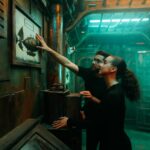
Eating in darkness turns dinner into a game. You’ll step into Unsicht-Bar, where total blackout turns sound and smell into your new menu, with help from a blind or visually impaired guest service. I love how the experience makes your senses work harder, and I love that someone’s with you throughout so you’re not left to figure it out alone.
I also like that it’s not just a gimmick. You’re there for a real 3-course meal with wine and water, served in a setting designed to take your eyes out of the equation. One possible drawback: a small number of diners report rough edges around timing and communication, so if you’re the type who hates waiting, go in with patience and clear expectations.
In This Review
- Key things to know before you book
- Unsicht-Bar in the dark: what changes when you can’t look
- The flow of the evening: from foyer drinks to your final exit
- A heads-up on pacing
- The menu in the dark: 3 courses, wine, and real flavor clues
- Music volume and conversation
- Why the guide experience is the real center of the night
- The rules that matter: cash, no flashlights, and zero light
- Practical tip
- Price and value: is $140 worth it in Berlin?
- Who should book this (and who should think twice)
- A quick note on dates and closures
- Getting there: the meeting point and how not to stress
- Should you book Dinner in the Dark in Berlin?
- FAQ
- Where is the meeting point?
- How much does Dinner in the Dark cost?
- What’s included with the dinner?
- Is there wine included?
- Can I use a flashlight in the dark room?
- Are any light sources allowed during the dark dining portion?
- Is a live show available?
- What languages are the staff available in?
- Do I need to bring cash?
- Is it wheelchair accessible?
Key things to know before you book
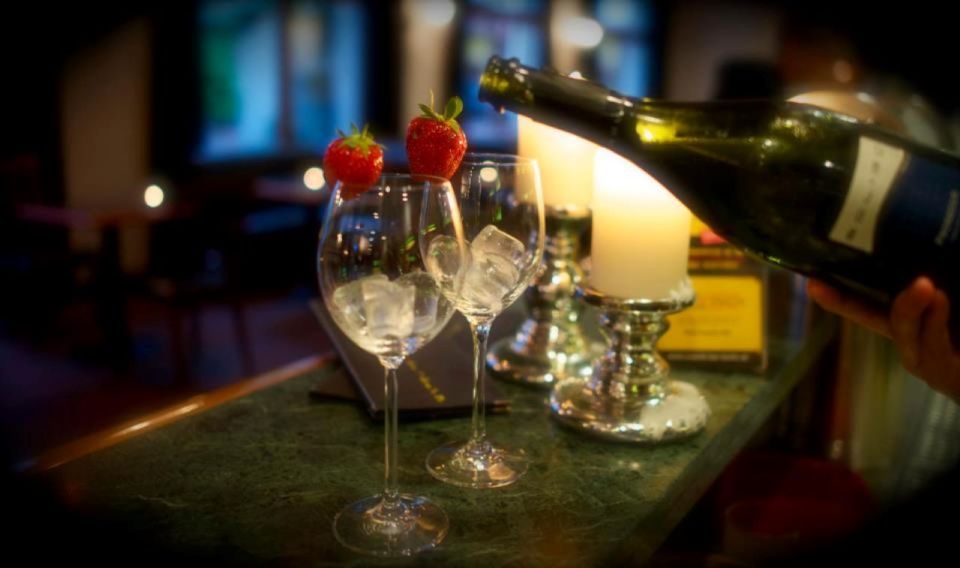
- Total darkness is the point: expect light-free navigation and a room where “looking” stops being useful.
- Guides stay close: a blind or visually impaired guest service helps you find your seat and you can call for help.
- A proper dinner is the goal: you’ll get a full 3-course menu plus wine and water.
- No flashlights, no light sources: even small sources are not allowed in the dark room.
- You can choose a live show: dining can include an added performance if you want it.
- Meeting point is specific: Saarbrücker Str. 36-38, 10405 Berlin.
Unsicht-Bar in the dark: what changes when you can’t look
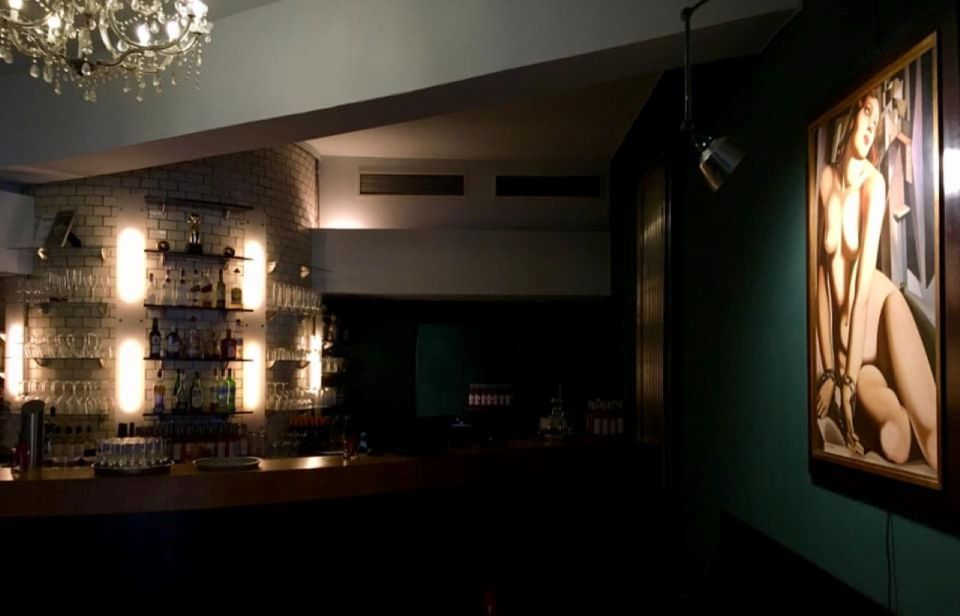
Berlin already has a lot of themed dining, but Dinner in the Dark (at Unsicht-Bar) runs on a different rule: your eyes are turned off on purpose. The dining room is pitch-dark, and that single change reshapes the whole evening. Food doesn’t just taste different when you can’t see it. Portions, textures, and even your sense of timing shift because your brain stops “double-checking” everything with visuals.
In the softly-lit foyer, you get oriented and you can take a breather. Then you’re guided into the blackout room. Once you’re seated, you listen: to plates, cutlery, nearby conversations, and the rhythm of other courses moving through the room. Smell becomes louder too. If you like that slightly spooky-but-safe feeling you get in dark museums or sensory labs, this is that energy, wrapped around a real dinner.
That’s the practical value for you: you don’t need special skills or an adventurous palate. You just need to be open to using your senses in a new order.
You can also read our reviews of more tours and experiences in Berlin

The flow of the evening: from foyer drinks to your final exit
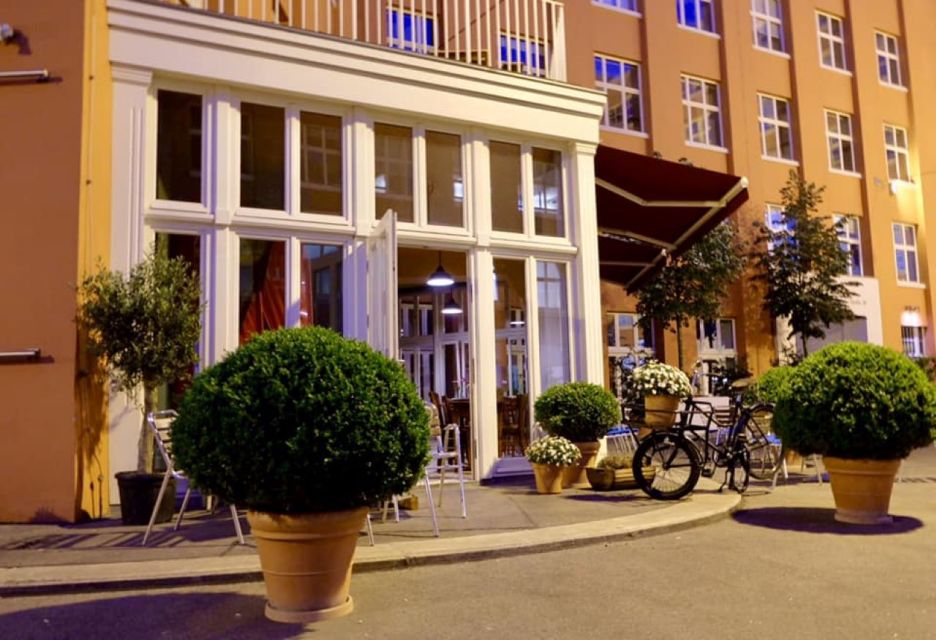
The experience starts in the bar area with low light, where you can enjoy a drink and choose your dishes for the evening. You’ll also get a short introduction about what to expect during your time in the dark. Then your guest service—someone blind or visually impaired—helps you move from the foyer to your table.
Once you’re in the pitch-dark dining room, the process is intentionally guided. You’re helped into your seat, you’re served, and you can call your guide whenever you need something. That’s important. Without visuals, even simple moments like asking for a refill or finding the right direction for the next course can feel stressful. Here, the system is built around that reality.
You also get a clear ending. After dessert and the end of your meal, you’re led out of the restaurant. That matters more than it sounds: leaving a dark room can make people fumble. Having staff guide you helps the whole thing feel controlled instead of chaotic.
A heads-up on pacing
One practical consideration: timing seems to vary from night to night. Some diners describe waiting longer than expected after arriving early, and others note that the overall welcome and setup can feel less polished than the concept deserves. You can reduce your stress by arriving on time (not early), keeping expectations flexible, and remembering this is still a dinner service, not a fast-moving performance.
The menu in the dark: 3 courses, wine, and real flavor clues
You’re booking a full meal: 3-course dinner, plus wine and water. The restaurant also serves dessert as part of the evening, and you can usually expect the courses to land in a steady rhythm as other tables are served.
What you may notice right away is how much wine and smell matter when sight is gone. Many people rely on color cues—red versus white, sauce appearance, dessert plating. In the dark, those cues disappear, so your palate uses different signals: aroma, temperature, mouthfeel, and seasoning strength.
That’s also why wine can feel like part of the storytelling. Some diners loved the drinks, calling them a high point. Others found the wine pairing less inspiring or not a great match for the food that night. So if wine matters to you as a flavor experience (not just a drink you’re having with dinner), I’d treat the wine as included, but not guaranteed to blow your mind on every visit.
Music volume and conversation
Sound changes in a dark room. If music is playing, it can feel louder, and it can affect whether you can comfortably talk with your table. A few diners mention music being too loud to chat. If conversation is a big part of the night for you, arrive with that in mind and don’t expect whisper-level calm.
You can also read our reviews of more tours and experiences in Berlin




Why the guide experience is the real center of the night
This is not a self-guided blindfold stunt. The person assisting you is there from the start—helping you find your table and staying available during the meal. In a blackout setting, that’s what separates a fun novelty from something genuinely considerate.
Look closely at the way the guide role changes the experience for you:
- You get help moving through space you can’t see.
- You can call for what you need without interrupting the whole meal.
- You don’t feel like you have to guess your way through every moment.
If you’re going with a date or a small group, that human support often becomes part of the appeal. It turns the darkness from a challenge into a shared experience. It also makes the evening feel safer and more respectful, because the staff are not just watching—they’re actively managing your comfort.
The rules that matter: cash, no flashlights, and zero light
The instructions are strict because they have to be. You’ll want to read these before you go, because you really don’t want to show up unprepared.
- Bring cash.
- Flashlight is not allowed.
- Light sources of any kind aren’t allowed in the dark room.
This isn’t just about optics. Any stray light can ruin the whole point for other diners. That means you should plan to leave your phone’s flashlight off too, and don’t try to take a quick peek around during the meal. In the dark guest room, don’t try to move around on your own. Ask your guest service.
Practical tip
If you’re the type who hates being without a phone for long periods, treat this as a rare night where your eyes get a break from screens and constant visual stimulation. You’ll still have everything you need: staff guidance, a place at the table, and a guided exit.
Price and value: is $140 worth it in Berlin?
At $140 per person, this dinner is in the higher tier of Berlin dining. The question isn’t whether it’s affordable—it’s whether it’s worth it for what you’re buying.
You’re getting:
- A 3-course dinner
- Wine
- Water
- A guided dining experience in total darkness with a guest service
So the value isn’t only food quality. You’re paying for the sensory setting, the guided support, and a real operational setup that must run smoothly in darkness. When it works well, it’s a memorable, story-worthy night you can’t easily recreate yourself at home.
Where the value can wobble is in consistency. Some diners report issues with organization, slower-than-expected service, and uneven pairing quality. If you’re paying $140, you want the evening to feel professionally handled from start to finish. That’s why I’d recommend focusing on the big idea—sensory dining with guided support—and keeping your expectations flexible about pace and wine pairing.
Who should book this (and who should think twice)
This works best if you:
- Enjoy sensory experiences and don’t mind being without your usual “visual checks.”
- Want a date night with a built-in conversation starter. Dark dinner naturally leads to curious questions and shared reactions.
- Appreciate guided support and a setting designed around accessibility.
It may be less fun if you:
- Hate waiting or dislike uncertainty around timing.
- Are sensitive to noise (music volume can affect conversation).
- Expect perfection from the wine menu every time.
A quick note on dates and closures
One booking experience involved a closure on New Year’s Day. You can’t assume every holiday is open, so if you’re planning for a major public holiday, double-check details close to the date and don’t treat it like a guaranteed evening no matter what.
Getting there: the meeting point and how not to stress
You meet at Saarbrücker Str. 36-38, 10405 Berlin. Plan to arrive with enough buffer for walking and finding the entrance. The experience starts in a softly-lit foyer and you’ll want to be ready when the briefing begins.
Also, because light sources aren’t allowed once you enter the dark area, keep your prep simple:
- Have your payment ready in cash.
- Wear comfortable shoes you can walk in confidently.
- Don’t bring anything that could accidentally provide light.
And if you’re tempted to arrive very early, remember: showing up early doesn’t always mean you’ll start immediately. A smoother approach is to arrive on time, settle in with a drink, and let the staff run the flow.
Should you book Dinner in the Dark in Berlin?
I think you should book it if you want an experience that’s more than food. Total darkness changes how you taste and how you pay attention, and the guided guest service makes it feel thoughtful rather than scary. If you’re traveling with someone you want to impress in an original way, this is the kind of night that turns into a story fast.
I’d think twice if you’re extremely sensitive to music volume, dislike waiting, or expect the wine pairing to be consistently top-tier. At $140, you’re paying for the concept and the operations behind it, so treat the meal as part of a sensory performance with some service variability from night to night.
If you go in calm, patient, and curious, Dinner in the Dark can be one of Berlin’s most memorable evenings—because for a few hours, you’ll experience the city’s food culture without seeing it.
FAQ
Where is the meeting point?
The meeting point is Saarbrücker Str. 36-38, 10405 Berlin.
How much does Dinner in the Dark cost?
It costs $140 per person.
What’s included with the dinner?
You get a 3-course dinner, wine, and water.
Is there wine included?
Yes. Wine is included with the meal.
Can I use a flashlight in the dark room?
No. Flashlight is not allowed.
Are any light sources allowed during the dark dining portion?
No. Light sources of any kind are not allowed in the dark room.
Is a live show available?
You can choose whether you’d like to experience a live show while dining.
What languages are the staff available in?
The host or greeter and the experience languages are German and English.
Do I need to bring cash?
Yes. You’re asked to bring cash.
Is it wheelchair accessible?
Yes, the experience is wheelchair accessible.