REVIEW · BERLIN
Berlin: Museum of Communication Entrance Ticket
Book on GetYourGuide →Operated by Museum für Kommunikation Berlin · Bookable on GetYourGuide
Stamps meet smartphones here. At the Museum für Kommunikation Berlin, you’ll trace how people shared news from the hand axe to today’s devices, and you can see the legendary Blue Mauritius stamp. I also really like the interactive terminals—you get to try communication methods yourself, not just read about them. One possible drawback: it’s very much a self-guided visit with an audio-visual app, so if you’re hoping for a full-on guided tour vibe in every room, you’ll be doing more reading and screen-following.
For me, the best part is the scale in one stop: 40,000 years of communication told through about 2,000 objects, arranged so you can wander at your pace. The admission is only $9, and that feels like fair value when you’re paying for a museum that mixes famous artifacts with play-and-learn experiments. Plan to give it at least an hour and a half, because you’ll want time to try the interactive bits.
Good news for planning: there’s no need to reserve a timed slot. You can purchase tickets without cash online, and at the counter you can pay with cash—then use the included audio-visual app to guide your route.
In This Review
- Key things I’d circle before you go
- Entering the Museum für Kommunikation: what your ticket buys you
- The Blue Mauritius and other headline artifacts you’ll see for real
- Self-guided with an audio-visual app: freedom with guardrails
- The atrium communication gallery and interactive terminals
- From the hand axe to the smartphone: how the exhibits connect eras
- Postal history meets world communication
- Planning your 1-day visit: timing, pacing, and what to skip if needed
- Price and value: is $9 a smart Berlin use of time?
- When to go: closures and holiday hours you should know
- Wheelchair access: an easier visit than many museums
- Should you book the Museum für Kommunikation ticket?
- FAQ
- FAQ
- Do I need a time slot reservation for this museum?
- How long should I plan for the visit?
- What is the price for the entrance ticket?
- What’s included with the admission?
- Is hotel pickup or drop-off included?
- Can I cancel, and how long do I have?
- Can I book now and pay later?
- Is the museum wheelchair accessible?
- When is the museum closed?
- How do tickets work for payment methods?
Key things I’d circle before you go
- Blue Mauritius on view: one of the most famous and rare stamps in the world, shown in a communication museum setting.
- 2,000 objects across 40,000 years: you’re not just looking at postal stuff; you’re seeing how messaging evolved.
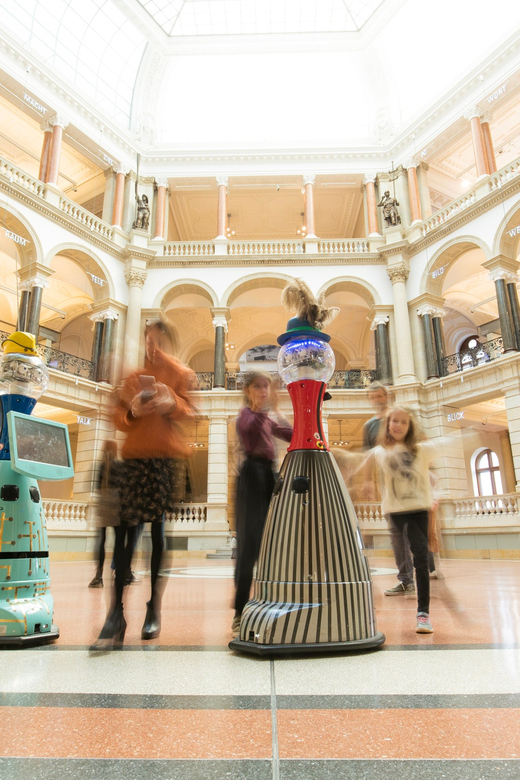
- Hands-on terminals in the atrium gallery: try smoke, light, and acoustic signals and play with digital displays.
- A museum built for participation: exhibits reference current debates and invite you to take your own angle.
- Self-guided with an audio-visual app: you can slow down where you care and skip what doesn’t grab you.
- Family-friendly interaction: people note the hands-on approach and that it works well for kids as well as adults.
Entering the Museum für Kommunikation: what your ticket buys you
This is a one-stop museum where communication is the theme, not just stamps. The Museum für Kommunikation Berlin focuses on how humans exchanged information—by tool, method, culture, and technology—starting with very early milestones and moving all the way to modern life.
Your ticket includes museum entry and an audio-visual app. That matters because it’s the practical tool that turns a big, self-guided building into something you can actually navigate. Instead of feeling like you’re wandering randomly, you’ll have a guided structure that still lets you choose your pace.
And yes, the museum is tied closely to postal history. It’s described as the world’s oldest postal museum, which is exactly what you’d hope for in Berlin: a place where you can connect everyday messaging to the bigger story of how societies communicate.
Value check: at about $9 per person for a full museum visit, the price-to-content ratio is strong—especially because you get both famous items (like the Blue Mauritius) and interactive learning.
You can also read our reviews of more tours and experiences in Berlin



The Blue Mauritius and other headline artifacts you’ll see for real
The Blue Mauritius is the name you’ll hear associated with this museum, and for good reason. It’s listed among the world’s most famous and rare stamps, and seeing it in person is the kind of moment that makes the visit feel like more than a niche museum stop.
What I like about how it’s presented is the museum’s framing: the Blue Mauritius isn’t floating in a display case as a random collectible. It’s placed inside a bigger narrative about how communication systems grew—how people traveled messages, how states organized postal networks, and how technology changed reliability and reach.
Beyond that headline object, you’ll be working your way through the museum’s communication story using a steady stream of items—about 2,000 objects in total—covering a timeline that stretches about 40,000 years. That’s a lot to pack into one visit, so the museum’s job is to keep you oriented. The audio-visual app and the way the galleries are arranged help with that.
If you’re a detail person, you’ll probably spend extra time here. If you’re short on time, this is still a museum you can enjoy without trying to read every label—because the theme is easy to follow, and the interactive stations pull you in quickly.
Self-guided with an audio-visual app: freedom with guardrails
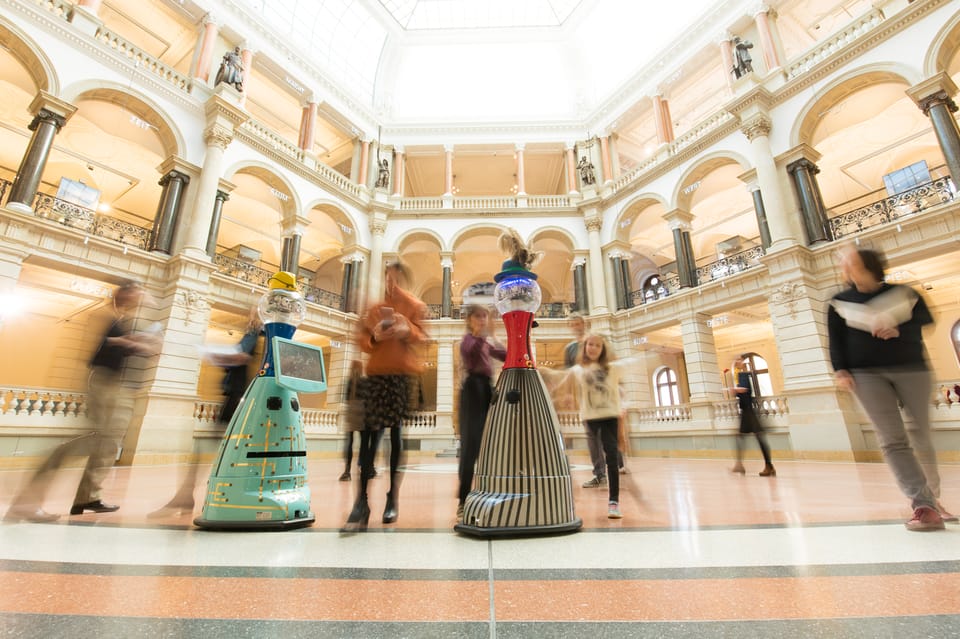
This is not a long, complicated process. You’re given an admission ticket and an audio-visual app to guide you. That means you can start when you want, pause when you want, and spend your attention where it actually sparks curiosity.
The museum’s approach also helps you connect exhibits to bigger questions. The messaging theme isn’t treated like a purely technical history lesson. The museum explains that exhibits take milestones of communication and refer to current debates, always from different angles and in dialogue with the community. In plain terms: it’s not just old stuff; it’s old stuff that links to what you think about communication today.
Practical tip: when you enter, don’t try to conquer the whole building in one go. Pick a path, use the app to guide you through the main galleries, and save any interactive areas for when you’ve got energy. The stations are fun, but you’ll enjoy them more if you aren’t rushing.
The atrium communication gallery and interactive terminals
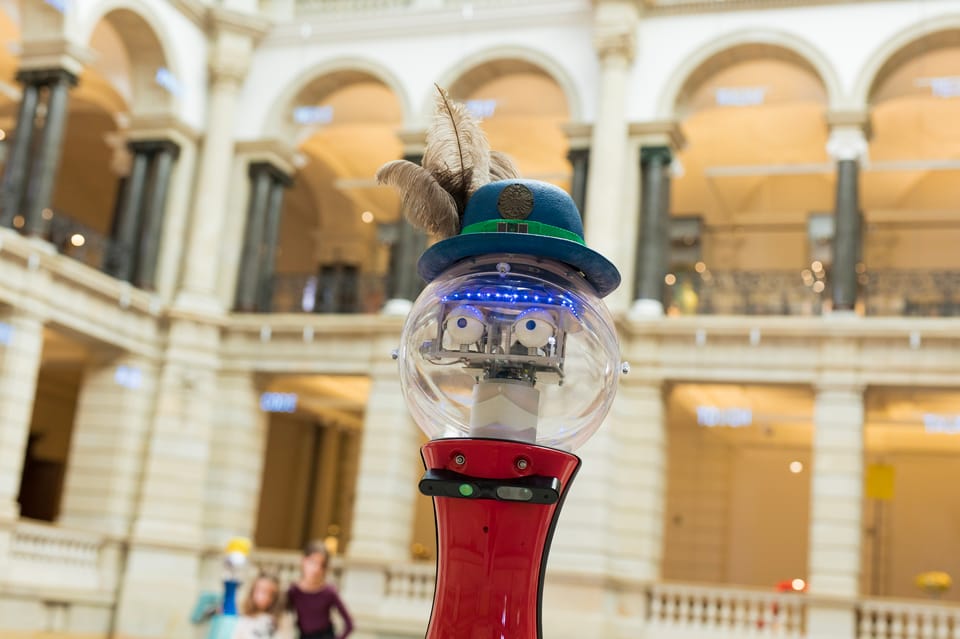
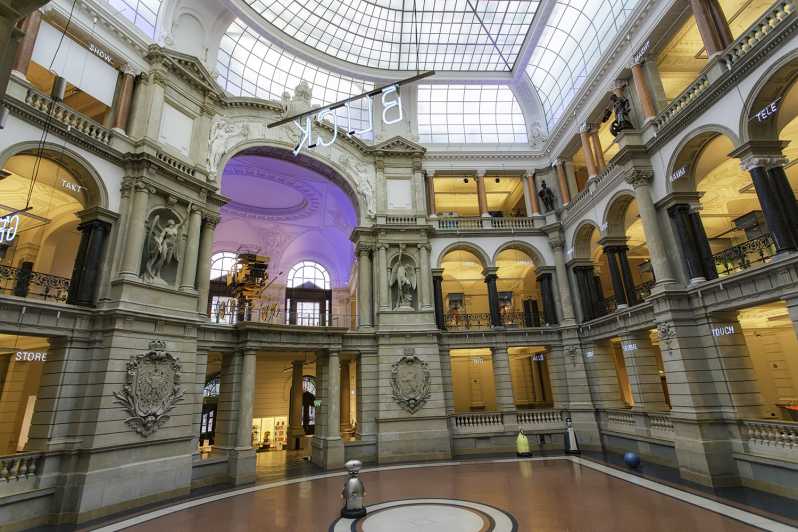
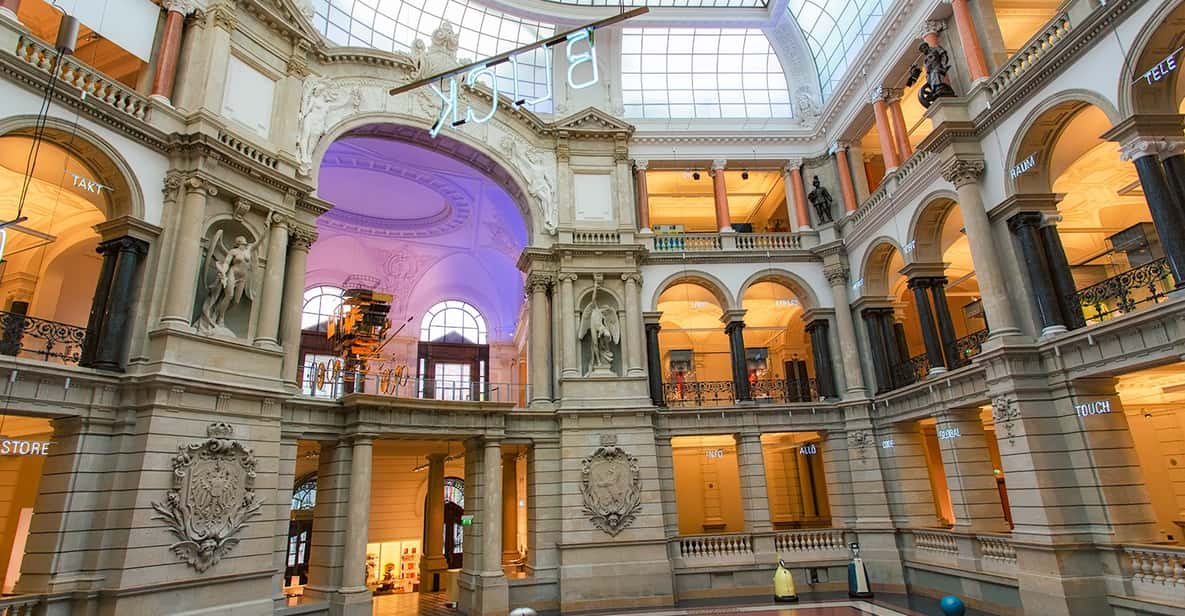
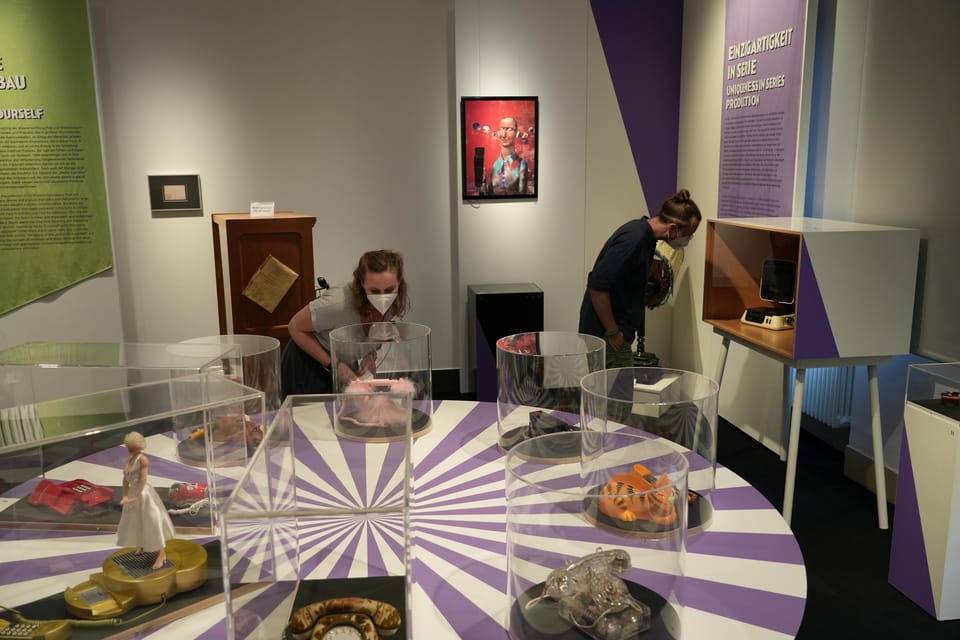
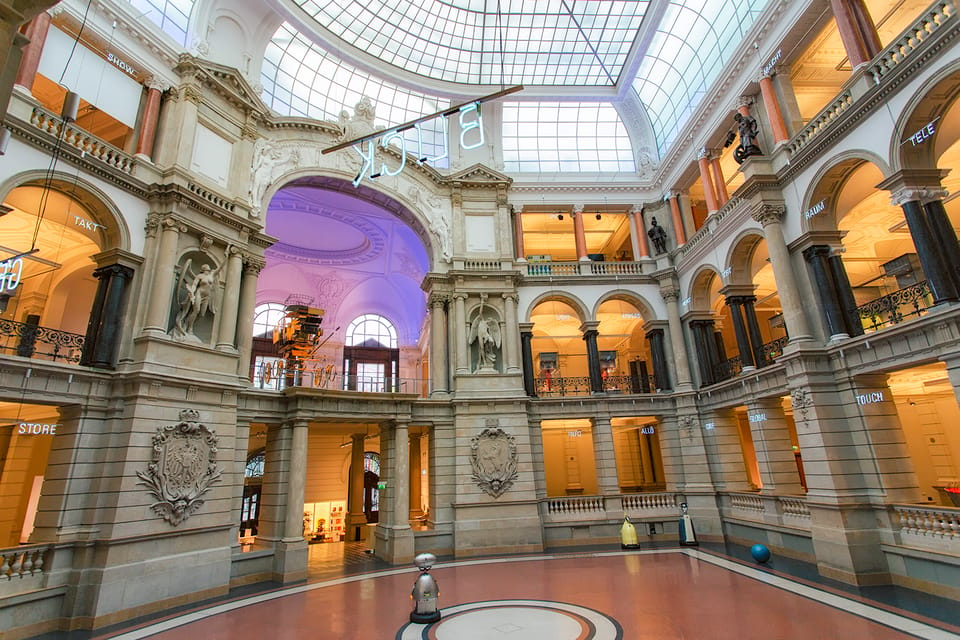
If you like learning by doing, this is where the museum turns from “interesting” into “I’m having fun.” Around the atrium, you’ll find a communication gallery packed with interactive terminals.
The museum specifically highlights ways to exchange the latest news using smoke, light, or acoustic signals. That’s a clever choice because it makes you experience the tradeoffs: distance, speed, clarity, and the fact that communication methods depend on context and coordination, not just technology.
You’ll also see digital displays alongside these stations. So the experience doesn’t stop at historical reenactment. It sets up a simple mental ladder: from signals you can see or hear, to the digital systems we use now. Even if you don’t know much about communication history going in, the activities help you build understanding fast.
One small consideration: interactive areas can be the busiest parts of the museum. If you want a quieter pace for reading labels and focusing on artifacts, it’s worth doing the interactive terminals earlier in your visit, or stepping back to let a group pass before you hit the screens.
From the hand axe to the smartphone: how the exhibits connect eras
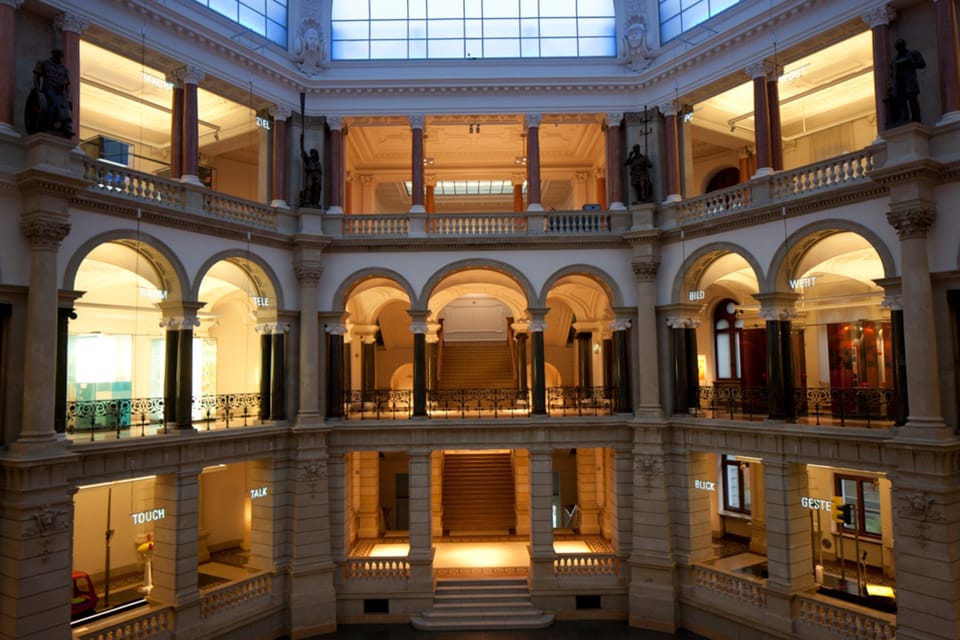
The museum’s main exhibitions are described as spanning a massive arc of technological and social change: from the hand axe to the smartphone. That sounds broad, but the museum’s strategy is to make the milestones experienceable—not just displayed.
Here’s what that means for you as a visitor. You’re not only seeing objects; you’re seeing the logic behind them. Communication changes because people need new ways to solve old problems: how to store messages, how to transmit them, how to keep them understandable, and how to make them reach the right people.
The museum also frames communication as social behavior, not only hardware. One part of the experience focuses on learning how to greet people from around the world. That’s a smart pivot. Greetings are communication in miniature: they show how culture shapes what feels polite, clear, and respectful.
If you’re traveling with someone who doesn’t usually like museums, greeting-focused content can do real work. It gives the visit a human angle. If you like history, the time span gives you momentum. If you like tech, the transition from older signals to digital displays gives you a satisfying through-line.
You can also read our reviews of more museum experiences in Berlin






Postal history meets world communication
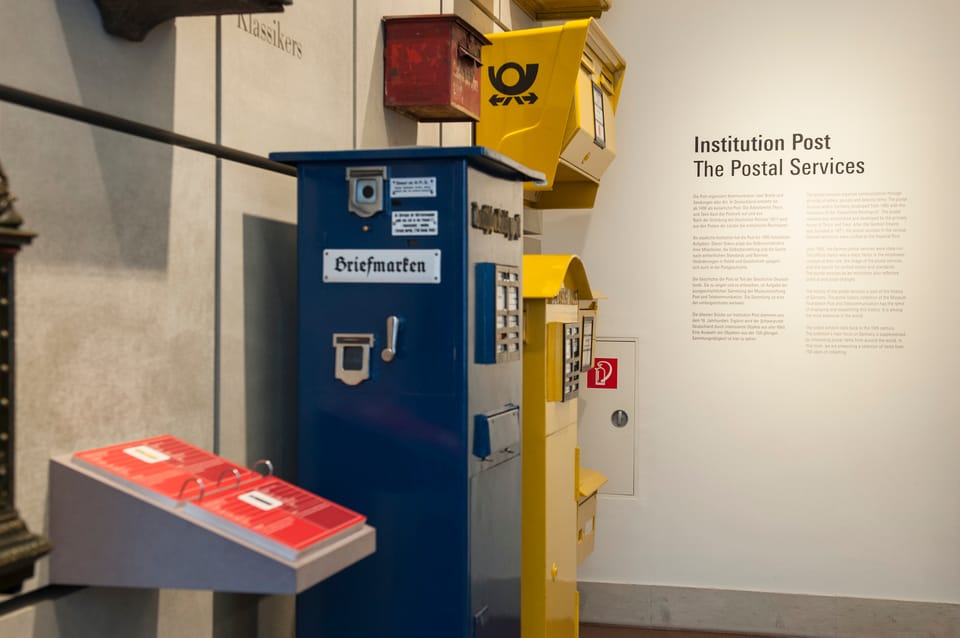
Because this is a postal museum, you’ll naturally pick up a sense of why letters and stamps mattered so much. Postal systems weren’t just about sending items; they were about creating reliable networks. That’s why stamps land in the conversation: they show how institutions and societies standardized messaging.
A highlight from the visitor feedback you can use as guidance: people point out that there’s a hands-on side, including postal-related experiences you can interact with. That’s not a guarantee that every object is touchable, but it does suggest the museum doesn’t treat everything like a far-away artifact. It’s designed to let you work with parts of the story, not just look.
For families, the museum’s interactivity is a major plus. For adults, the value is in connecting the everyday act of sending news—something most of us now do digitally—to the older systems that made sending possible at all.
Planning your 1-day visit: timing, pacing, and what to skip if needed
You don’t need to reserve time slots for your visit. That’s a big convenience when Berlin is on your schedule and you don’t know what will run late.
The experience is listed as lasting about 1 day, and the typical museum time is shown around 1.5 hours in the visit plan. That’s a helpful benchmark. If you’re the kind of person who likes to sprint through exhibits, 90 minutes might be enough. If you like to stop, read, and play, think in terms of stretching that longer—without feeling guilty about it, because the museum is built for self-directed wandering.
My pacing advice:
- Start with the galleries that tell the timeline so the artifacts make sense.
- Then hit the atrium terminals while the ideas are fresh.
- Leave the greeting and communication-culture parts for later, when you’ve got context.
Also, the ticket experience includes an audio-visual app, so your time depends partly on how carefully you use that guidance. If you want maximum value, don’t treat the app as background noise. Use it like a roadmap.
Price and value: is $9 a smart Berlin use of time?
At about $9 per person, this museum sits in the “easy yes” category for a lot of budgets. You’re paying for:
- admission to a museum with a clear theme,
- the audio-visual app, and
- access to both famous artifacts and interactive learning stations.
The museum’s price feels especially fair given the presence of a major draw item like the Blue Mauritius and the emphasis on a long timeline. Cheap museums often have either famous objects with little context, or interactive play with weak content. Here you get both: big-name material plus explanation through communication history.
If you’re choosing between this and another museum day, ask yourself one question: do you want your museum time to be more hands-on and thought-provoking, or more static and purely observational? If the first option fits your style, $9 is hard to beat.
When to go: closures and holiday hours you should know

The museum is closed on Mondays. It also lists closures on December 24, 25, and 31.
On public holidays, it’s open from 10:00 AM to 6:00 PM. The standard daily hours aren’t provided in the details I have, so if your visit lands on a non-Monday, double-check local hours before you head over—Berlin museums can vary.
A simple planning trick: if you’re visiting around a holiday, aim for earlier in the day. You’ll get more uninterrupted time for the interactive terminals, and you won’t feel rushed.
Wheelchair access: an easier visit than many museums
Good news: the museum is listed as wheelchair accessible. That’s the kind of detail that matters because older buildings and museum layouts can be tricky.
The self-guided setup also helps. When you can take your time, you’re more likely to find the pacing that works for you instead of being rushed by a group schedule.
Should you book the Museum für Kommunikation ticket?
I’d book it if you want a museum that mixes famous postal history with hands-on communication experiments, and you like the idea of learning through a mix of objects, screens, and interactive stations. At $9, it’s a low-risk way to spend a solid chunk of a Berlin day, and the audio-visual app keeps the self-guided format from feeling directionless.
I’d think twice if you strongly prefer guided tours with a person leading the way through every room. This visit works best when you’re happy to explore independently and use the app to steer yourself.
If you want one museum stop that gives you a clear theme, a big name artifact, and a chance to try communication methods yourself, this is a strong choice.
FAQ
FAQ
Do I need a time slot reservation for this museum?
No. You do not need to reserve time slots for your visit.
How long should I plan for the visit?
The visit plan lists about 1.5 hours. You can still move at your own pace with the included audio-visual app.
What is the price for the entrance ticket?
The ticket price is listed as $9 per person.
What’s included with the admission?
Your ticket includes museum admission and an audio-visual app.
Is hotel pickup or drop-off included?
No. Hotel pickup and drop-off are not included.
Can I cancel, and how long do I have?
Free cancellation is listed up to 24 hours in advance for a full refund.
Can I book now and pay later?
Yes, the option to reserve now & pay later is listed.
Is the museum wheelchair accessible?
Yes, wheelchair accessibility is listed.
When is the museum closed?
It’s closed on Mondays and also closed on December 24, 25, and 31.
How do tickets work for payment methods?
The details say tickets can be purchased without cash, and at the museum counter you can pay with cash.