REVIEW · BERLIN
Berlin: 3-Hour Street Art Tour
Book on GetYourGuide →Operated by Original Berlin Walks GmbH · Bookable on GetYourGuide
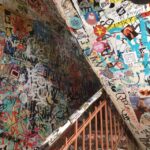
Berlin street art has a pulse of its own. This 3-hour walk is built to help you see the alternative culture behind the spray cans, not just the finished murals. You’ll get guided stops that hunt for the hidden corners where the best work tends to slip past casual eyes.
I like that the guides connect what you’re seeing to how Berlin got so good at street art in the first place, from 1960s Wall-era painting to the international wave of the 1990s. I also like the tour’s practical pacing and focus on variety: you’re not stuck staring at one wall all afternoon, and there’s even a welcomed stop at Markthalle Neun. One consideration: it’s a walking tour, and since it runs in all types of weather, you’ll want comfortable shoes and clothing that can handle a windy Berlin moment.
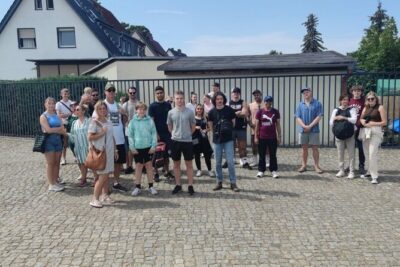
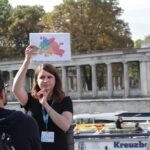
You’ll meet up with a live English or German guide (private group options are available too). In recent tours, guides such as Gal, Amanda, Maike, Lewis, Debbi, and Anja have been singled out for making the art feel alive, with insider context and plenty of time to look closely and take photos.
In This Review
- Key things you’ll notice on this street art tour
- Street Art in Berlin: Why 3 Hours Beats an Aimless Wandering Loop
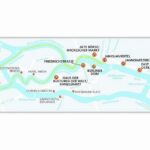
- Meeting Point, Timing, and the Real-Life Start of the Tour
- What to Bring in Berlin Weather (So You Can Focus on the Art)
- How the Guides Turn Spray Paint Into Berlin Culture
- Markthalle Neun: A Street-Art-Friendly Break With Real Atmosphere
- Murals, Lettering, and Courtyard Corners: Seeing the Whole Spectrum
- Berlin’s Street Art Timeline: From Wall-Era Painting to 1990s International Fame
- Price and Value at $23: What You’re Really Paying For
- Who This Tour Suits Best (And Who Might Prefer Something Else)
- Should You Book This Berlin Street Art Tour?
- FAQ
- How long is the Berlin street art tour?
- How much does the tour cost?
- What’s included in the tour price?
- Is a public transport ticket included?
- Where is the meeting point?
- What languages do the guides speak?
- Does the tour run in all weather?
- What should I bring?
- Can I cancel for a refund?
Key things you’ll notice on this street art tour
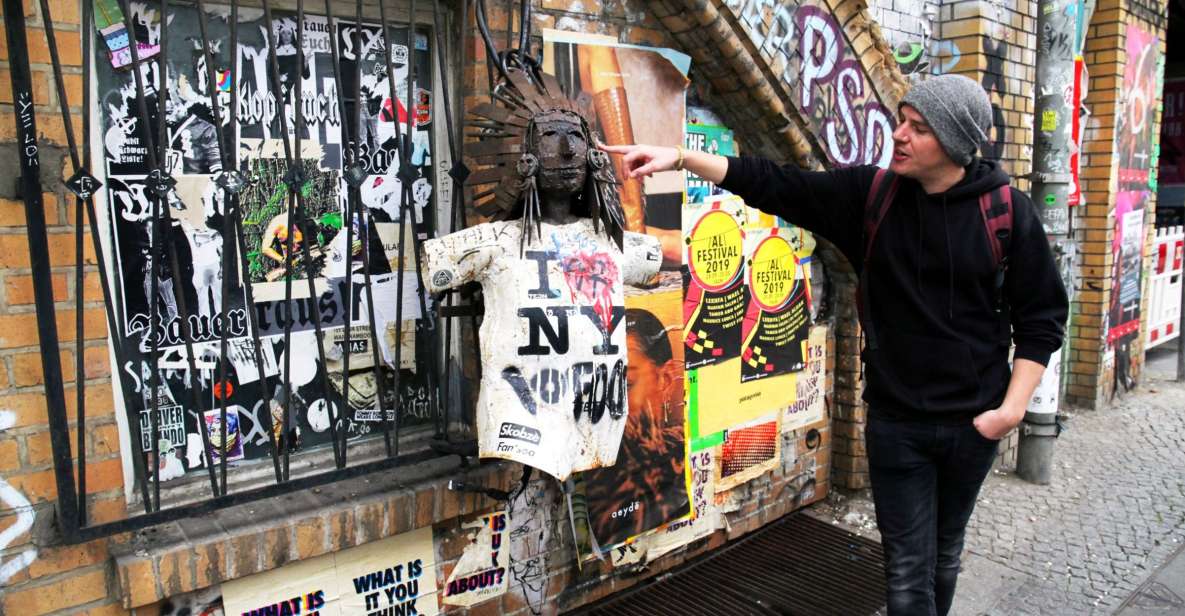
- Expert-led, current street art: the guides track who’s who and where the freshest work is showing up
- Wall-era and 1990s context: you’ll hear how Berlin perfected street art long before it became a global trend
- Markthalle Neun on the route: a payoff stop that adds atmosphere beyond just walls
- More than murals: you’ll see both large-scale pieces and graffiti-style lettering and characters
- Guides who are in the scene: some guides describe their background as artists themselves, which changes the way they explain techniques
- A pace that fits photos: many guides give you time to study details and shoot pictures without feeling rushed
Street Art in Berlin: Why 3 Hours Beats an Aimless Wandering Loop
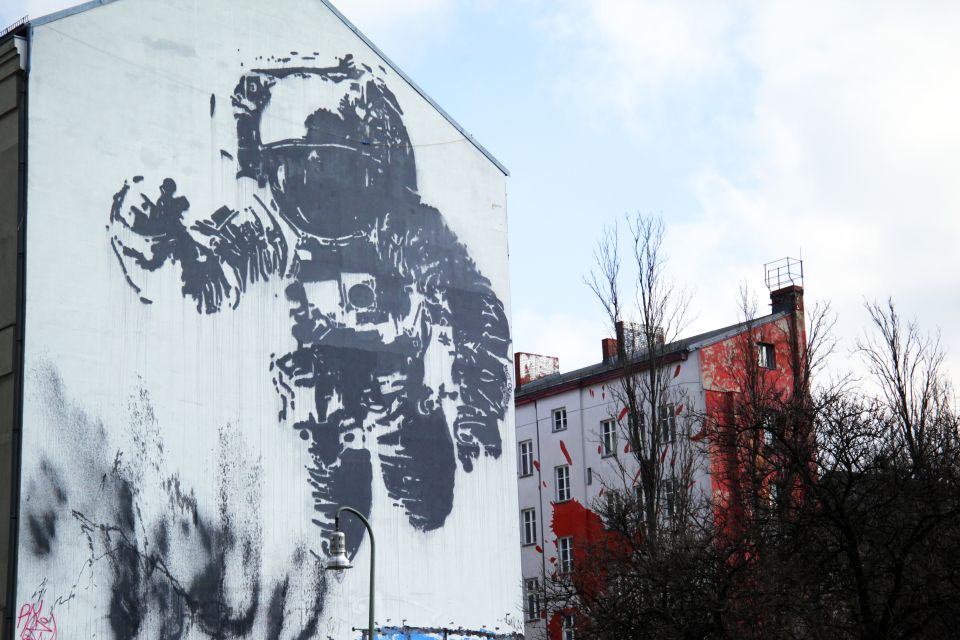
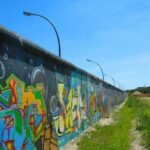
Berlin street art is special because the city treated it like something worth doing seriously. Even the basic story is bigger than it sounds: people started painting on the side of the Berlin Wall in the 1960s, then the 1990s brought a looser, louder era when artists from around the world came to leave a mark. This tour is designed around that arc, so you’re not just collecting photos—you’re learning how the style evolved.
The best part is the tour’s “filter” effect. If you walk on your own, you’ll miss a lot. With a guide, you start noticing patterns: the way letters become characters, how murals shift from political statements to more personal storytelling, and how different artists use technique as identity. The guide’s role is to point out what you’d otherwise treat as background noise.
And because it’s only 3 hours, it stays energetic. You’ll get multiple stops and variety without the fatigue of a long day. That matters in Berlin, where your feet do a lot of the work—and the weather can switch moods fast.
You can also read our reviews of more tours and experiences in Berlin


Meeting Point, Timing, and the Real-Life Start of the Tour
Your exact meeting point can vary depending on which option you booked. That’s normal for Berlin walking tours with changing routes. The practical takeaway: be ready to arrive a bit early and check your specific confirmation details so you don’t lose the first 15–20 minutes.
The tour duration is 3 hours. That’s long enough to cover several different “types” of street art and still give breathing room to stop, look, and ask questions. A few review notes also hint that pacing can vary a little by group and the stops selected that day, but the overall structure stays in that three-hour frame.
If you’re coming in from another part of the city, plan for some transit time before you meet. Berlin can feel efficient, but lines and stations can still eat time. This is one of those tours where being slightly early helps your whole experience, not just the start.
What to Bring in Berlin Weather (So You Can Focus on the Art)
This tour runs in all types of weather, so pack like you’re going outside—because you are. The guidance is straightforward: wear comfortable shoes and bring weather-appropriate clothing.
Here’s how to make that advice work in real life:
- Choose shoes you can walk in for hours, not the “pretty but risky” pair.
- Bring a light layer. Even in mild seasons, Berlin wind can make you feel colder than you expected.
- If rain is in the forecast, plan for damp surfaces. Street art often looks best in shaded courtyards and alley walls, and those can be slick.
You’ll want to stay present. When your feet hurt or your hands are freezing, it’s harder to study the fine details that make street art worth learning.
How the Guides Turn Spray Paint Into Berlin Culture
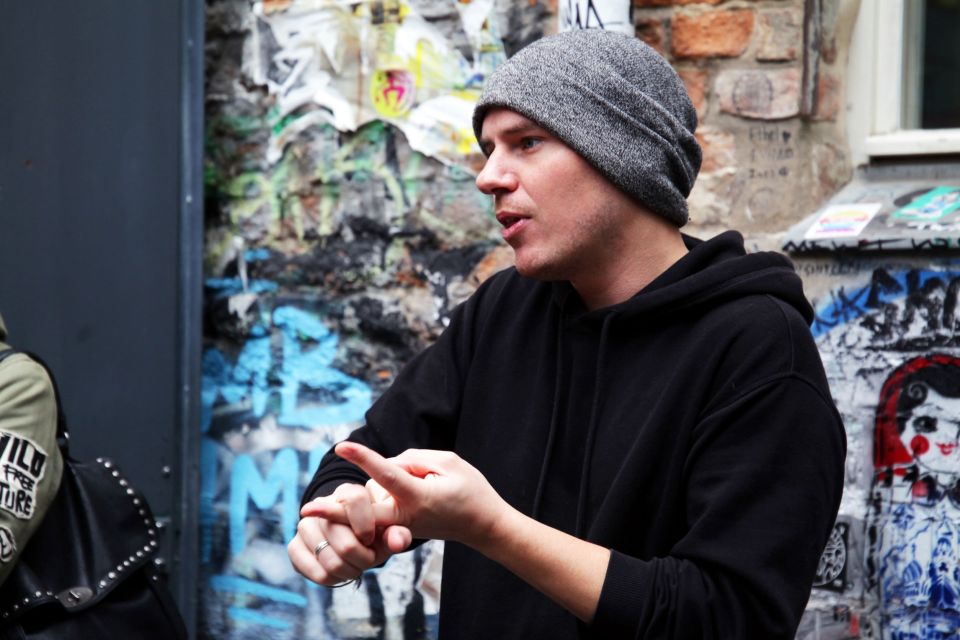
This is a history-and-culture tour as much as it is an art tour. The guides are street art experts who keep up with what’s new and where the freshest works are showing up. They also explain the “why,” which is the part most people miss when they only look at street art as decoration.
In tours I’d call standout, the guide makes the art legible:
- You hear how different movements grew out of different social moments.
- You learn the difference between a quick tag and more deliberate pieces.
- You start recognizing the storytelling behind styles—how an artist’s choices connect to identity, community, and politics.
Specific guide examples from recent bookings show the range:
- Gal is praised for being very informative and weaving in city history plus street art movements.
- Amanda is noted for knowing pieces and styles in detail and keeping the mood friendly.
- Maike stands out in reviews for bringing street art to life and explaining techniques from an artist’s perspective.
- Lewis and Debbi are frequently described as cheerful, patient, and entertaining while still packing in a lot of background.
The pattern is consistent: you don’t just hear facts, you get context that changes how you see the wall.
Markthalle Neun: A Street-Art-Friendly Break With Real Atmosphere
One stop that shows up clearly in the feedback is Markthalle Neun. People call it a welcomed break, and that makes sense. Street art tours can sometimes feel like nonstop staring at surfaces. Markthalle Neun adds something different: a more human-scale environment where you can reset, look around, and reconnect with Berlin’s “doing things” culture.
Even if your main goal is street art, this kind of stop matters. It helps you keep your attention sharp for the rest of the route. Plus, it gives you a chance to plan your photos and questions. When you’re moving constantly, it’s easy to miss details you’d love to zoom in on later.
I also like that the tour doesn’t treat the stop like a formal detour. It feels integrated into the story of Berlin as a place where art lives in everyday spaces.
You can also read our reviews of more tours and experiences in Berlin


Murals, Lettering, and Courtyard Corners: Seeing the Whole Spectrum
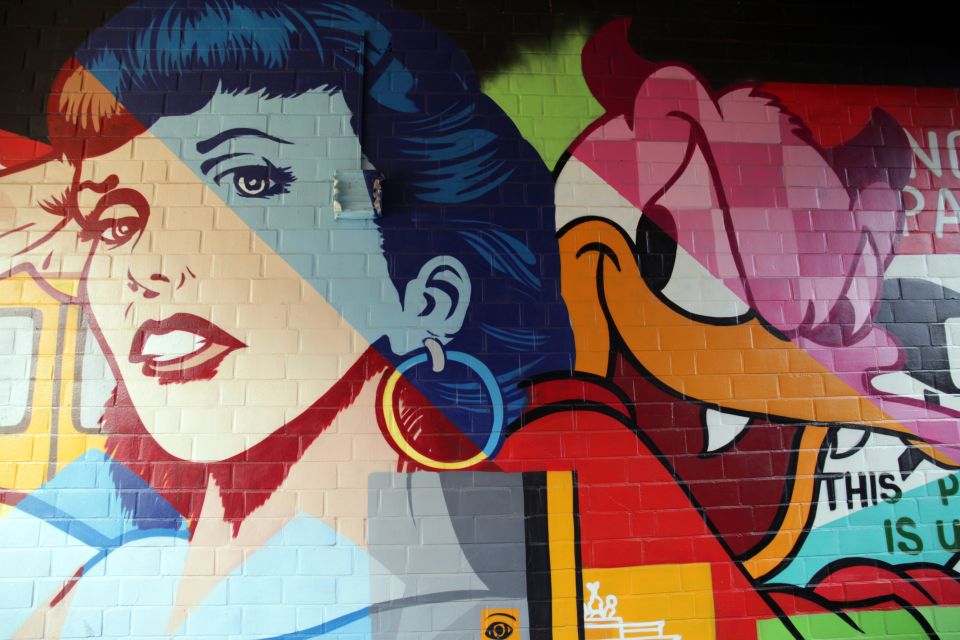
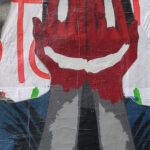
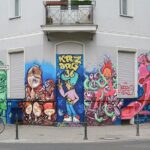
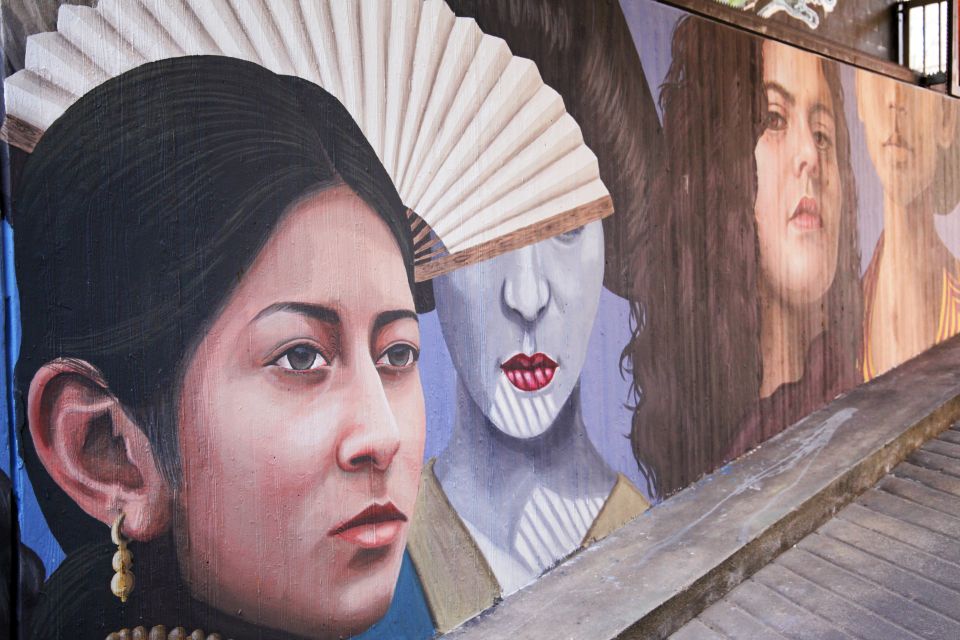
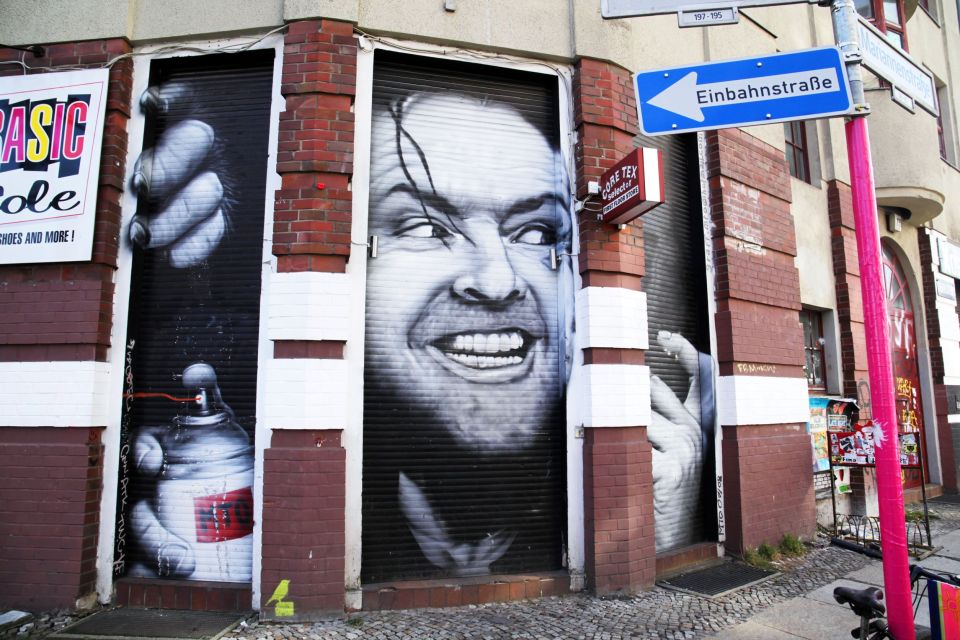
Street art isn’t one thing in Berlin. On this tour, you should expect variety—large-scale pieces and graffiti-style elements like letters and characters. One review notes a balance of roughly 50% graffiti/lettering and 50% larger murals and paintings, which is a good sign if you’re trying to understand the full spectrum.
Another review mentions inner courtyards, which is exactly where street art hides. Side streets and courtyards tend to be less “photo-ready” for people without guidance, but that’s the point. You’ll usually find the work that feels more personal, more experimental, and sometimes more recently added.
Some tours also include extra visual context beyond walls. One guide (Sam Z) was described as adding sculptures and architecture to help round out the scene. That’s not guaranteed for every departure, but it’s a strong reminder: street art sits inside a bigger city design story. If your guide tends to go that direction, you’ll get a richer sense of why certain works land where they do.
One small heads-up: you’ll be walking and stopping frequently, and a couple of reviews mention the tour felt like it could have shown a bit more when timing ran short. That tells you the practical truth: if you love taking your time, wear shoes that can handle lingering, and don’t treat it like a race through a checklist.
Berlin’s Street Art Timeline: From Wall-Era Painting to 1990s International Fame
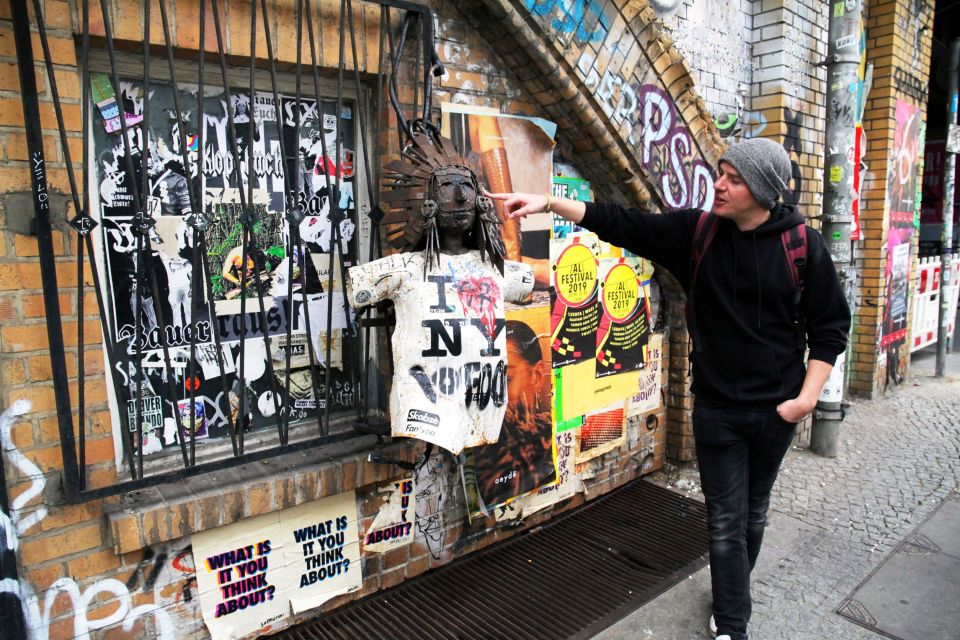
The tour’s story has a clear spine. Berlin is often credited with perfecting street art, and part of that comes from the city’s unique political and cultural moments.
Expect to hear about:
- 1960s roots: people painting on the side of the Berlin Wall
- The way Berlin’s later years—especially the 1990s—pulled artists to the capital to leave their mark
Why does that timeline matter for you? Because it changes what you interpret as “style.” A piece doesn’t exist in a vacuum. Even when the message is subtle, the context influences the energy behind it. When you understand that a wall once represented division and then later became a canvas for expression, you’ll start seeing more layers in the work you spot today.
The guide’s job is to connect those dots while you’re actually looking at the art, not just reciting history from a textbook. That’s when the tour feels like more than sightseeing.
Price and Value at $23: What You’re Really Paying For
At $23 per person for 3 hours, this sits in the “low-cost learning” category. What you’re buying isn’t just access to murals. You’re paying for the guide’s ability to explain:
- why particular works exist where they do
- which artists and movements matter
- how the styles connect to Berlin’s social shifts
The tour also benefits from a strong track record: a 4.7 rating across 778 reviews. That matters because street art tours live and die by the guide. Here, the repeated praise isn’t about fancy production—it’s about teaching, personality, and letting you see things you might not find alone.
A useful way to judge value is to compare this to what you’d do without it:
- You’d spend more time hunting spots.
- You’d miss context that turns “cool art” into something you actually understand.
- You’d end up with fewer stops because you don’t know which walls are worth your attention.
If you want a focused, high-signal introduction to Berlin’s street art scene, the price-to-time ratio looks fair.
Who This Tour Suits Best (And Who Might Prefer Something Else)
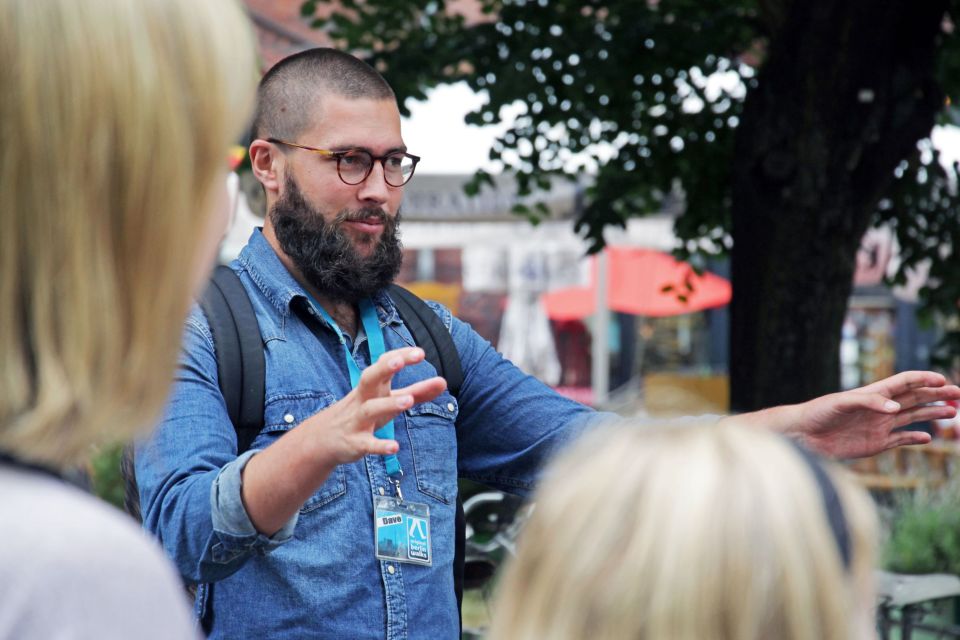
This tour is a great fit if:
- you love street art but also want the story behind it
- you want hidden corners, not just the most obvious mural areas
- you like walking with someone who can answer questions in real time
You’ll likely enjoy it even more if you care about technique and style. Several guides are described as artists themselves, which means you get explanations that go beyond themes and into how things are made.
Who might not love it:
- If you’re only after a quick photo stop and don’t care about context, 3 hours of walking with explanations might feel like more than you need.
- If you hate weather-dependent outdoor time, you may want to pick a different plan, since this tour runs in all types of weather.
That said, the tour’s emphasis on guided understanding means it tends to satisfy people who want more than a casual look.
Should You Book This Berlin Street Art Tour?
My take: yes, if your goal is to understand Berlin street art fast and see more than just the most famous walls. The combination of expert-guided stops, Wall-era to 1990s context, and practical pacing makes it a strong use of a limited time window.
If you’re the type who likes to ask questions and look closely—lettering, technique, and meaning—you’ll get your money’s worth. And if you like stopping at places like Markthalle Neun to reset your brain between murals, that’s a bonus.
If you want street art as a simple stroll with no interpretation, you might find a guided tour slightly more structured than you expected. But for most people coming to Berlin for the first time (or even the second time), this is a smart, value-driven way to see the city’s alternative culture with purpose.
FAQ
How long is the Berlin street art tour?
It lasts 3 hours.
How much does the tour cost?
The price is $23 per person.
What’s included in the tour price?
A guided tour is included.
Is a public transport ticket included?
No. A public transport ticket is not included if needed.
Where is the meeting point?
The meeting point may vary depending on the option booked.
What languages do the guides speak?
The live tour guide is available in English and German.
Does the tour run in all weather?
Yes, the tour runs in all types of weather.
What should I bring?
Bring comfortable shoes and weather-appropriate clothing.
Can I cancel for a refund?
Yes. Free cancellation is available up to 24 hours in advance for a full refund.