REVIEW · BERLIN
East Meets West: Berlin Food Culture & Street Art
Book on Viator →Operated by Fork & Walk - Food Tours Berlin · Bookable on Viator
Berlin tastes different when you walk with a plan. This 3.5-hour food and street-art tour moves from Friedrichshain toward Kreuzberg, with history tied to what’s on your plate. I like that it’s a small-group format and you’re not just stopping for photos—you’re learning why these neighborhoods and flavors connect.
I love the mix of tastings—6 local food samples plus beverages and a Berliner Pilsner—because it’s an easy way to eat well without planning each meal. I also like how the route threads together East and West Berlin, from the Berlin Wall to “Little Istanbul.” One possible drawback: it’s very food-and-walk heavy, so if you want lots of major, big-icon sights, you may feel the day is focused on a tighter set of stops.
In This Review
- Key highlights to know before you go
- What this tour feels like on the ground
- Friedrichshain at the start: where East Berlin energy shows up
- East Side Gallery: political street art with the Berlin Wall in your hand
- Kreuzberg’s food scene: hip coffee, street-level history, and lots of angles
- Berlin schnitzel stop: Scheers Schnitzel and the Berlin-style classic
- Street art Berlin: graffiti as a timeline of past and future
- Slava Berlin: Ukrainian soul food and nalivanki in an immigrant-led spot
- Markthalle Neun: a refurbished market hall that survived real history
- Little Istanbul in Kreuzberg: Turkish influence you can taste (and see)
- Ketels Curry: currywurst lore you may not know
- Brammibal’s Donuts: vegan sweetness at the Maybachufer
- How the tastings and pacing actually work
- Price and value: what $169.38 buys you (and what it doesn’t)
- Who this tour suits best
- Should you book East Meets West: Berlin Food Culture & Street Art?
- FAQ
- How long is the tour?
- What’s included in the tour price?
- Is there a vegetarian option?
- Do I need to pay for public transport?
- Where does the tour start and end?
- Can I get a full refund if I cancel?
Key highlights to know before you go
- 6 local tastings, plus beverages and Berliner Pilsner
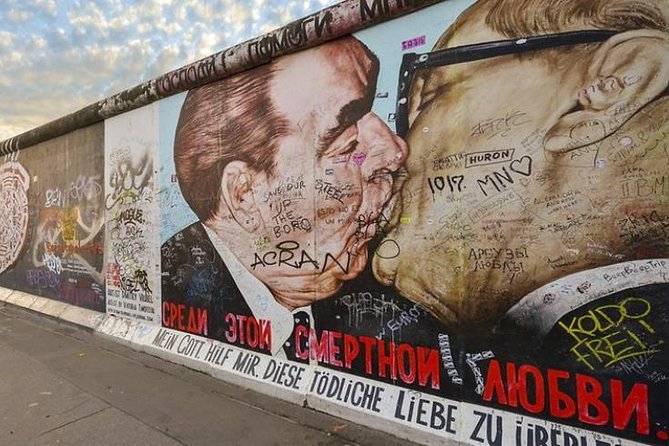
- East Side Gallery, with a look at political street art and a touchable section of the Wall
- Kreuzberg’s Little Istanbul, including Turkish-influenced street-food tastes
- Street art in Europe’s graffiti scene, with a world-famous mural on the route
- Small group (max 8), which keeps the pace human and questions welcome
What this tour feels like on the ground
This is the kind of Berlin experience I’d recommend when you want more than a list of landmarks. You start in Friedrichshain and work your way into Kreuzberg, and along the way you get food, coffee, street art, and neighborhood history all tied together.
The “East meets West” idea isn’t just a slogan. The tour uses the city’s shape—former dividing lines, border-adjacent neighborhoods, and immigrant communities—to explain how Berlin’s past still shows up in what people eat and what walls (literal walls and graffiti walls) say.
You can also read our reviews of more food & drink experiences in Berlin

Friedrichshain at the start: where East Berlin energy shows up
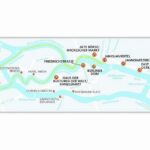
You begin at Industriepalast Hostel near Warschauer Straße (easy to reach on public transit). Your first stretch is Friedrichshain, described as home to the revolutionary East Berliners. Even without naming every event, the neighborhood’s story matters here: this is where the tour sets your mindset for the day.
This initial stop is short, but it works like a warm-up. You get oriented before the heavier history and bigger visual art stops. And because you’re moving early in the tour, you’re also building appetite—good call when the schedule is built around eating multiple times.
East Side Gallery: political street art with the Berlin Wall in your hand
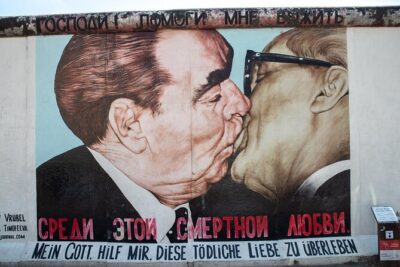
Then you hit the part of Berlin that most people come for: the East Side Gallery. This is the longest stretch of still-standing Berlin Wall, and it’s covered in political street art. You don’t just view murals from a distance—you get to explore the former Wall’s secrets and even touch the section that’s still there.
What makes this stop special is how it anchors the rest of the tour. Street art here isn’t decoration. It’s messaging, and the tour uses it to connect the Wall to what followed: division, ideology, and the long afterlife of those choices.
A practical note: this is one of the stops where you’ll want your camera ready, but don’t only take photos. Read what’s around you. The tour’s pointing you toward meaning, not just style.
Kreuzberg’s food scene: hip coffee, street-level history, and lots of angles
Crossing into Kreuzberg is where the tour really leans into variety. You’re in the former West Berlin, with a neighborhood vibe known for culinary trends, lively bars, and an urban scene that keeps changing.
The tour also signals what you’ll taste next: a neighborhood built from many waves of residents. The guide’s story work here helps the food make sense instead of feeling random. You’ll also get a chance to visit a popular coffee shop in the area—one of those stops where locals actually hang out, not just pose.
If you’re the type who likes to understand why a place tastes the way it does, this part works well. If you only care about the food, you’ll still be happy—there’s plenty of that coming soon.
Berlin schnitzel stop: Scheers Schnitzel and the Berlin-style classic
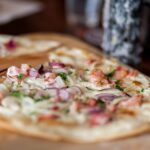
You’ll then stop for Scheers Schnitzel, described as a Berlin schnitzel institution served Berlin style. This is the tour’s classic anchor, a way to balance all the cross-cultural flavors with something Germany is famous for.
Even if schnitzel isn’t your usual order at home, this is a good moment to try it because the tour sets it up as part of a Berlin story. The city loves tradition, but it also rewrites tradition constantly.
You can also read our reviews of more tours and experiences in Berlin



Street art Berlin: graffiti as a timeline of past and future
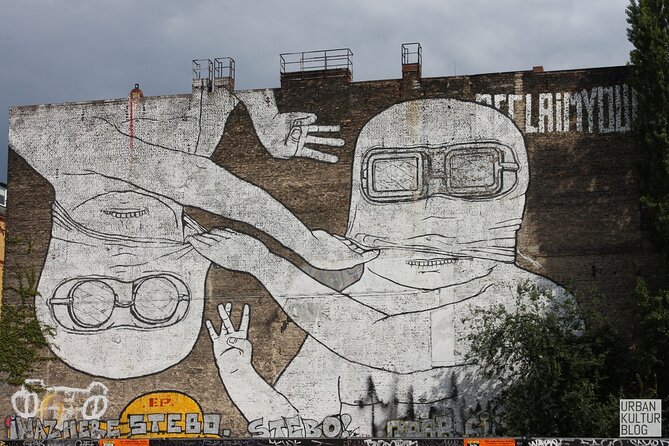
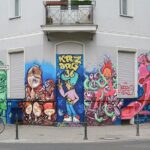
After schnitzel, you shift back into visuals at Street Art Berlin, where the tour frames the area as a mecca for street art in Europe. The focus is on world-famous murals and stories that connect East and West with past and future.
One of the best ways to enjoy this is to slow down and look at details. The guide’s framing helps you see street art as a living archive: Berlin’s debates, identities, and reinventions are still visible on walls.
This is also where the tour brings up heavier context tied to Nazi Germany and the Communist era. The walking is part of the point. You’re learning to read the city like a map of ideas.
Slava Berlin: Ukrainian soul food and nalivanki in an immigrant-led spot
For a change of pace, you head to Slava Berlin! Ukrainian Soulfood & Nalivanki. The tour describes it as a modern Ukrainian story in a restaurant led by immigrant women.
And yes, the “nalivanki” part matters. It points to the kinds of flavors and drinks you’re likely to encounter in Ukrainian food culture, not just generic “Eastern European-ish” vibes. This stop widens the menu beyond Germany and Turkey, and it helps you see Berlin as a patchwork of communities shaping daily life.
If you’re traveling with someone who always says they want to try one more country’s food, this is the moment to point at and say: do it.
Markthalle Neun: a refurbished market hall that survived real history
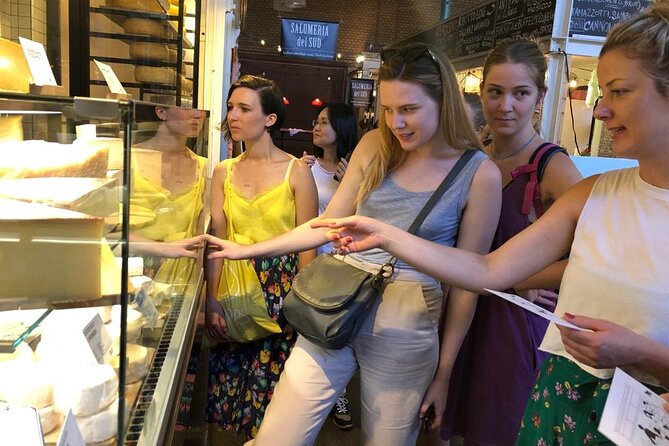
Next is Markthalle Neun, a beautifully refurbished market hall from the 1900s. The tour emphasizes that it survived WW2 annihilation and also suggests it resisted the pressure that often pushes markets into pure commercial sameness.
This stop is longer than many of the others, around 30 minutes, and that time matters. You’re not rushing from one bite to another—you get space to taste, look around, and absorb how the hall functions as a culinary hub.
The tour also describes the market’s event calendar as something that brings together top food and beverage people and connects them with producers. Whether you’re a foodie or not, that kind of producer-forward energy tends to create better eating and better stories.
Little Istanbul in Kreuzberg: Turkish influence you can taste (and see)
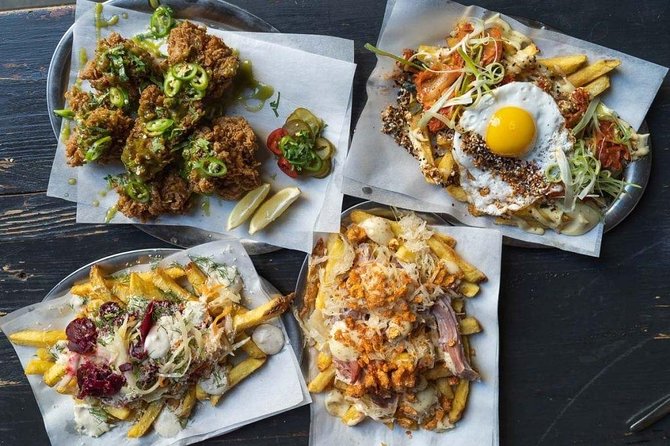
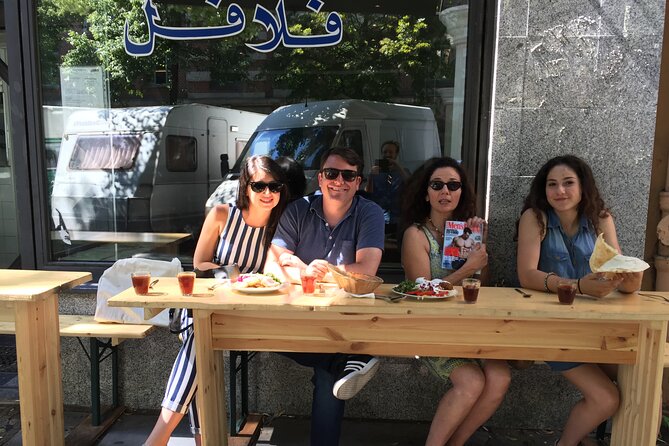
Now comes one of the tour’s biggest themes: Turkish food and presence in Kreuzberg. The tour calls this area Little Istanbul and points out that Berlin has the largest Turkish population outside of Turkey.
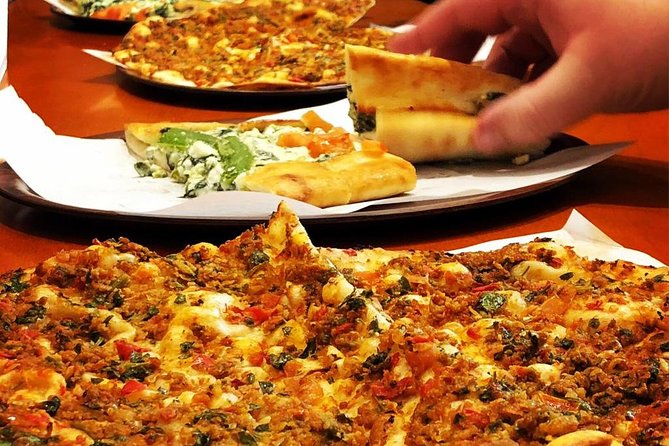
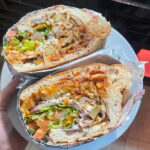
At Leylak, you’ll focus on typical street-food recipes from the Anatolian region. The tour also frames Turkish influence as something that helped reshape Kreuzberg through the 1980s and 1990s, changing the neighborhood’s multicultural face for good.
This stop is a great reminder that “immigrant influence” isn’t an abstract concept here. It’s bread, spices, and daily habits. It’s also why Kreuzberg feels so different from more polished parts of the city center.
Ketels Curry: currywurst lore you may not know
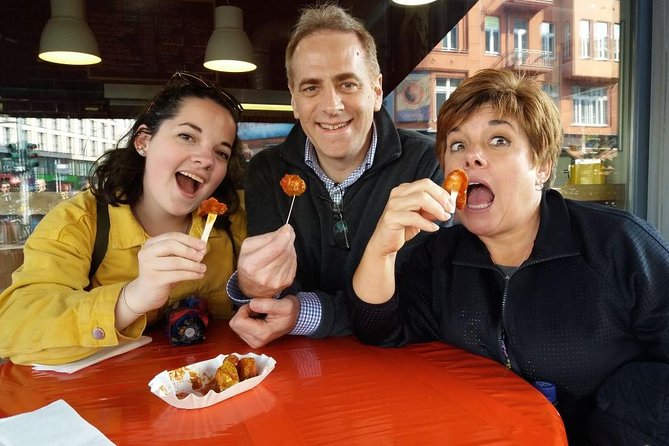
Then you hit Ketels Curry, tied to the famous story of currywurst—the snack that helped shape Berlin’s food identity. The tour notes that the story is hidden and that many Berliners don’t even know it, which tells you this isn’t just a quick “buy-and-eat” moment.
This is one of those stops where the history part can genuinely make the food more fun. Currywurst is common everywhere now, but the tour frames how it became part of Berlin in the first place. That context turns an everyday bite into a cultural reference point.
Brammibal’s Donuts: vegan sweetness at the Maybachufer
To finish your eating run, you go to Brammibal’s Donuts at Maybachufer for vegan donuts. The tour leans into Berlin’s reputation for vegan food and calls Berlin Europe’s No. 1 vegan city.
Even if you don’t go vegan at home, this is a smart closer for a walking-and-tasting tour. It’s a treat that doesn’t feel heavy, and it gives you a final taste that’s clearly Berlin-by-way-of-modern culture: experimental, neighborhood-driven, and confident.
How the tastings and pacing actually work
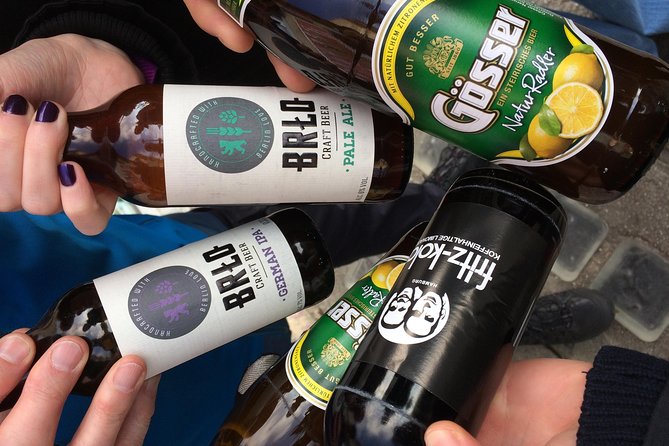
This experience runs about 3 hours 30 minutes, and it’s designed for you to keep moving while still eating enough to feel satisfied. You get 6 local tastings, plus beverages and a Berliner Pilsner beer included with the tour.
Because the portions are tasting-sized but frequent, you’ll likely want to plan your day accordingly. I’d treat this like the meal you’re building your afternoon around—skip the big breakfast, and don’t plan a huge dinner right afterward.
The group size is capped at 8 travelers, which matters more than people think. You get a chance to ask questions and actually hear the answers. The tour style also helps you follow the history threads without feeling lost.
The walking is described as moderate. Still, wear comfortable shoes. And bring a rain jacket or poncho, because weather can swing your comfort fast.
Price and value: what $169.38 buys you (and what it doesn’t)
The price is $169.38 per person for about 3.5 hours. You’re paying for a local guide, 6 tastings, beverages, and a Berliner Pilsner beer—not just a stroll with a map.
What’s not included is the BVG transport ticket. So factor in transit costs if you’re arriving from farther out. The meeting point is near public transportation, and the end is at U Kottbusser Tor on the U8 and U1 lines, so getting out is straightforward.
Is it “worth it”? For me, yes—when you look at what’s included. You’re covering multiple neighborhoods and eating across different culinary traditions in a guided flow. If you’re the kind of traveler who hates guessing where to eat (and ends up in tourist menus), this format helps you avoid that.
Who this tour suits best
This tour is a strong fit if you:
- Want food and history tied together, not separated into different days
- Like street art and want the context behind the murals
- Prefer small groups and real conversation over big-coach touring
- Enjoy discovering diverse cuisines, from German classics to Turkish, Ukrainian, and vegan stops
It may be less ideal if you want a “major sights only” day. The focus is on tastings and neighborhood stories more than on ticking off the biggest monuments one by one.
Should you book East Meets West: Berlin Food Culture & Street Art?
I’d book it if you’re excited by the idea of Berlin as a city you can read through food and walls. The East Side Gallery stop plus the Kreuzberg tastings are the kind of combo that feels very Berlin: political art in one breath, street food in the next.
I wouldn’t book it if your top priority is famous landmarks with lots of time inside museums. This is a walk-and-eat tour with a history thread, not a full itinerary of big-ticket indoor sights.
FAQ
How long is the tour?
The tour lasts about 3 hours 30 minutes.
What’s included in the tour price?
Inclusions include 6 local tastings, a local tour guide, beverages, a food tasting, and a Berliner Pilsner beer. It also uses a mobile ticket, and it’s offered in English.
Is there a vegetarian option?
Yes. A vegetarian option is available, and you should advise the operator at the time of booking.
Do I need to pay for public transport?
Yes. A BVG transport ticket is not included.
Where does the tour start and end?
It starts at Industriepalast Hostel, Warschauer Str. 43, 10243 Berlin, and ends at U Kottbusser Tor (on the U8 and U1 lines).
Can I get a full refund if I cancel?
Yes. You can cancel for free up to 24 hours in advance of the experience start time for a full refund.