REVIEW · BERLIN
Berlin Street Art Walking Tour – Off The Grid
Book on Viator →Operated by Alternative Berlin Tours · Bookable on Viator
Berlin has a way of teaching you to look differently. This street art walk in Friedrichshain and Kreuzberg is all about seeing Berlin’s graffiti and murals as culture, not vandalism. I love how the guide uses local context and political messaging to make the art feel relevant, not random.
The other thing I really like is the pacing. You do plenty of short stops to discuss techniques and meaning, then you get time to wander, snap photos, and even grab something to drink (hot chocolate/snacks and coffee come up in feedback). A small group size, up to 20 people, also helps you ask questions without feeling rushed.
One consideration: you’re on foot and using public transport. Expect some stairs and train segments, and you’ll want good walking shoes, plus an umbrella if weather turns. If you’re less comfortable with that, the tour may feel like more effort than the description suggests.
In This Review
- Key highlights to look for
- Why Friedrichshain and Kreuzberg are the right classroom
- Meeting point, timing, and what 3 hours really means
- The walk itself: neighborhoods, a gallery stop, and a snack break
- How the guide turns walls into stories (and why that matters)
- Street art vs graffiti: the difference you’ll walk away carrying
- Price and logistics: value for money in real terms
- Practical tips for a smooth afternoon in Berlin
- Who this tour suits best
- Should you book the Berlin Street Art Walking Tour – Off The Grid?
- FAQ
- How long is the Berlin Street Art Walking Tour – Off The Grid?
- Where do I meet for the tour?
- Where does the tour end?
- Is the tour offered in English?
- Do I need a metro ticket?
- Do I need an AB zone transport ticket?
- What should I bring?
- What happens if the weather is poor?
Key highlights to look for
- Friedrichshain + Kreuzberg neighborhoods instead of a one-wall photo stop
- A stop at a street art gallery featuring commissioned urban artwork
- Explanation of political messaging, legal context, and the local street art culture
- An energetic guide with street art/graffiti experience, including Rob, Ben, and Antonio in past tours
- Frequent short discussions, plus time to wander and take pictures
- Public transport use, so you’ll need a metro ticket (and possibly an AB zone ticket)
Why Friedrichshain and Kreuzberg are the right classroom
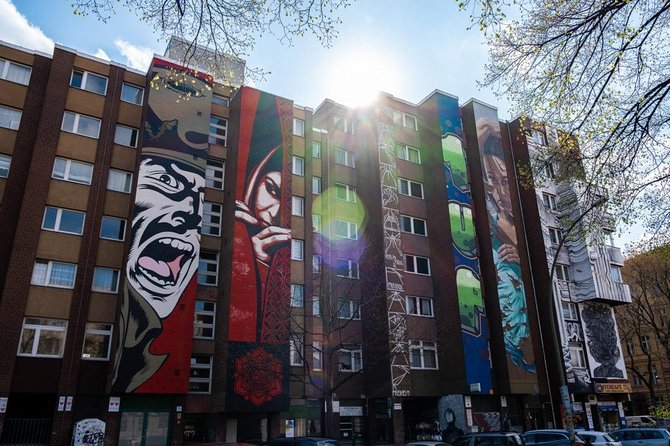
This tour focuses on the neighborhoods where Berlin’s street art culture feels alive. Friedrichshain and Kreuzberg aren’t just backdrops—they’re where you can see the city’s layers: shifting attitudes, identity, and activism, all painted onto walls.
The big win is that you’re not treated like you’re just collecting photos. The walk is built around how people read murals, tags, and larger pieces, including what they’re saying and why those messages land the way they do.
And since the route keeps moving through smaller streets and creative pockets, you’re more likely to notice details you’d miss on your own—like how styles differ block to block and what stands out to locals.
You can also read our reviews of more walking tours in Berlin


Meeting point, timing, and what 3 hours really means
You start at Warschauer Str. 53, 10243 Berlin, with a 1:00 pm departure. The tour ends in the Wrangelkiez area, close to the U1 line, in Kreuzberg—so you’re not stuck far from transit at the finish.
Three hours sounds short, but street art tours have a different rhythm than museum tours. You’re mostly walking between stops, then pausing often for discussion—so the time passes quickly, even when you’re out in colder or rainy weather. One review noted it feels like a lot of walking on paper, but it doesn’t feel like an endurance test because you do so much stopping.
That said, plan for movement. Public transport is part of the experience, and some feedback mentions two train rides and plenty of stairs. If your feet or legs are your limiting factor, build in extra time buffers before and after the tour.
The walk itself: neighborhoods, a gallery stop, and a snack break
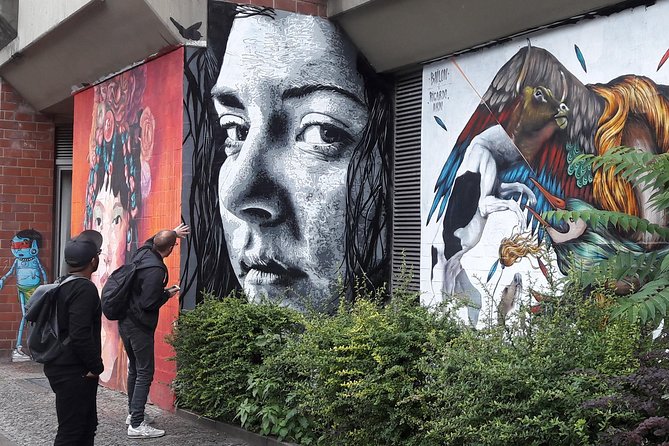
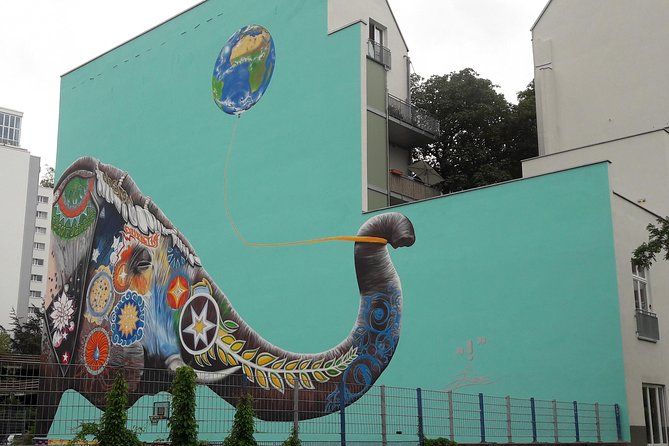
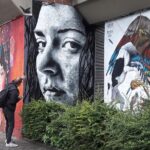
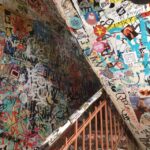
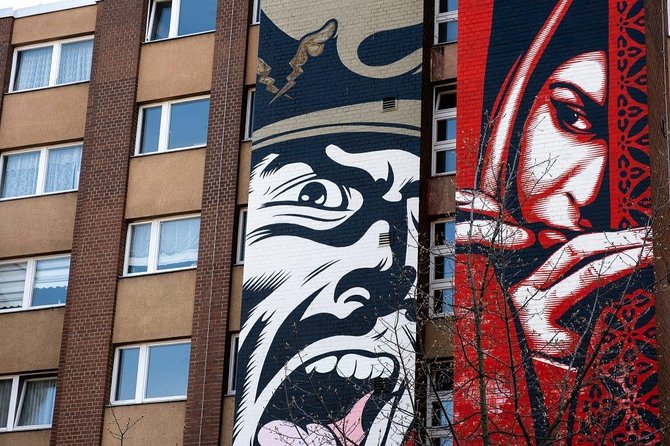
The heart of the experience is a guided loop through Friedrichshain and Kreuzberg. You’ll see a range of street art styles and sizes, from larger murals to smaller marks that only make sense once you know the local context.
A key moment is a street art gallery stop. The point here isn’t to abandon the street; it’s to show you how street art and graffiti connect to commissioned artwork and broader creative ecosystems. It helps you understand that this isn’t only about illegal-looking walls—it’s also about artists, audiences, and decisions about where art belongs.
Mid-tour, you’ll typically get a break to reset. Multiple reviews mention time to grab a coffee (and one called it one of the best cups they had in Berlin) plus a chance to use the restroom. There’s also a little window to wander and take pictures, which is when the neighborhood details start to click.
Potential drawback: because the route can change based on what’s up that day, you might not feel like you’re following a strict “see these exact murals” checklist. The tradeoff is you get a living tour—what you see depends on the current art and the day’s route.
How the guide turns walls into stories (and why that matters)
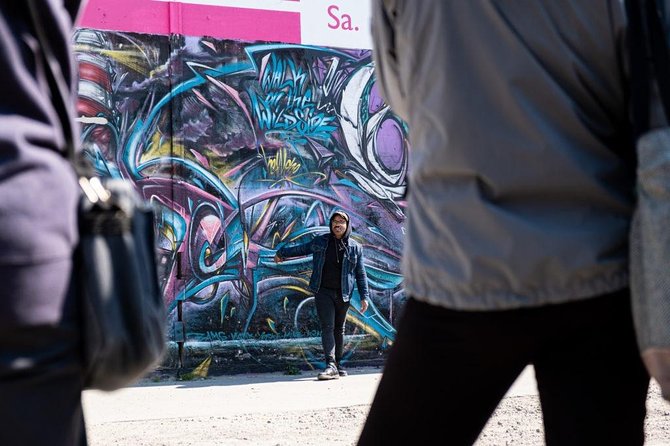
The quality of the guide is the main reason this tour earns such strong scores. Past guides named in reviews include Rob, Ben, Antonio, and Antonio Castello, and the consistent theme is passion plus practical knowledge.
A good example of what you’re buying: the guide doesn’t just point and describe. They explain why street art can be political, how audiences decode messages, and what the legal and social context looks like in Berlin. One review even highlighted the difference between street art and graffiti as part of the tour’s core teaching.
You’ll also get technique education—how artists create their work and how styles develop over time. Reviews mention the guide walking through technique and history, including how risk and logistics factor into what ends up on walls. That kind of explanation changes what you see. Instead of treating murals like decoration, you start reading them like communication.
And because the guides are enthusiastic, the mood stays upbeat. Several reviews mention the group staying in good spirits during chilly weather and rain, with the guide keeping energy up and staying attentive to the group’s needs.
Street art vs graffiti: the difference you’ll walk away carrying
One of the most practical outcomes is understanding the terms in a way that makes Berlin make more sense. Even if you’ve heard the words before, this tour pushes you to see the difference in how art forms relate to culture, technique, and meaning.
You can think of it like this: the tour doesn’t treat street art and graffiti as interchangeable. It frames them as different traditions with different norms and motivations, then shows how those differences play out on Berlin walls.
You’ll also hear about the subculture side—how people talk about the work, what norms exist locally, and why the conversation around legality is so central in cities like Berlin. Reviews specifically call out the legal context and the skills/risks involved, which helps you understand why this scene attracts people who care deeply about it.
You can also read our reviews of more tours and experiences in Berlin




Price and logistics: value for money in real terms
At $24.20 per person for about 3 hours, this tour is priced like an affordable intro rather than a deep specialty workshop. The value comes from three things you don’t get from a self-guided walk: a guide who can explain what you’re seeing, curated stops (including that gallery moment), and structured route planning across neighborhoods.
Also, it’s offered in English, uses a mobile ticket, and keeps group size capped at 20 people. That small-group feel tends to improve the learning part—questions get answered, and you’re not stuck listening over a noisy crowd.
Logistics to take seriously:
- Bring your metro ticket since public transport is used throughout.
- Depending on the day’s route, you might need an AB zone transport ticket.
- Wear good walking shoes. You’ll be moving, then pausing, then moving again.
- Bring an umbrella if rain hits. And if the weather is poor enough for cancellation, you’ll be offered another date or a full refund.
If you want the most value, show up early enough to feel calm at the start point. That way you can focus on the art, not on sprinting to transit.
Practical tips for a smooth afternoon in Berlin
Here’s how to set yourself up to enjoy the experience from start to finish:
- Layer up. Berlin weather changes fast. Even with short stops, you’ll feel the cold if you’re dressed like it’s warm indoors.
- Bring an umbrella. Rain doesn’t ruin the whole day here, but it can change comfort fast.
- Have your transport sorted before you meet. You’ll want to avoid fumbling with machines mid-walk.
- Plan for stairs. One review specifically warned about stairs and multiple train rides—so choose shoes with grip and keep your pace steady.
- Keep your expectations right: this isn’t only about a single famous wall. It’s about Berlin’s living street art landscape and the neighborhoods behind it.
One more small tip: take notes or save a couple photos at each stop. The guide explains meaning, technique, and messaging—your brain will connect it better later if you capture a few anchors during the tour.
Who this tour suits best
This is a strong pick if you want more than a quick sightseeing loop. If you like street art as a form of communication, enjoy learning how subcultures work, or want a guided way to see Kreuzberg and Friedrichshain without guessing where to go, you’ll likely feel satisfied.
It’s also a good family option. Feedback includes enjoyment from teens and people in their 60s, suggesting the tour’s explanations and humor can land across ages—as long as you’re okay with walking.
Book it if:
- You’re new to Berlin and want a fast way to understand the scene.
- You care about the politics and legal context, not just the visuals.
- You want real local insight from someone who lives the art form.
Consider a different plan if:
- You have mobility limits or a low tolerance for stairs and transit segments.
- You hate walking and prefer strictly seated activities.
Should you book the Berlin Street Art Walking Tour – Off The Grid?
I’d book this if you want your Berlin street art experience to make sense. The combination of neighborhood walking, an actual gallery stop for commissioned work, and an energetic guide who explains meaning is what turns it from pretty to insightful.
The biggest reason not to is simple: the day includes public transport and some stairs. If that’s a deal-breaker, you’ll want to look for a more accessible or less transit-heavy option.
If you can handle a few train rides and some walking, this tour is a smart, good-value way to see Berlin like someone who cares—through the stories painted on the city’s walls.
FAQ
How long is the Berlin Street Art Walking Tour – Off The Grid?
It runs for about 3 hours.
Where do I meet for the tour?
The meeting point is Warschauer Str. 53, 10243 Berlin, Germany.
Where does the tour end?
The tour finishes in Wrangelkiez, near the U1 line in Friedrichshain-Kreuzberg.
Is the tour offered in English?
Yes, the tour is offered in English.
Do I need a metro ticket?
Yes. Public transport is used throughout the tour, so you should have a metro ticket.
Do I need an AB zone transport ticket?
Depending on the current art and tour route, you might need an AB zone transport ticket.
What should I bring?
Wear good walking shoes. If it’s raining, bring an umbrella.
What happens if the weather is poor?
This experience requires good weather. If it’s canceled due to poor weather, you’ll be offered a different date or a full refund.