REVIEW · BERLIN
Berlin Trabi Museum: Day Ticket
Book on GetYourGuide →Operated by Trabiworld Trabi-Safari · Bookable on GetYourGuide
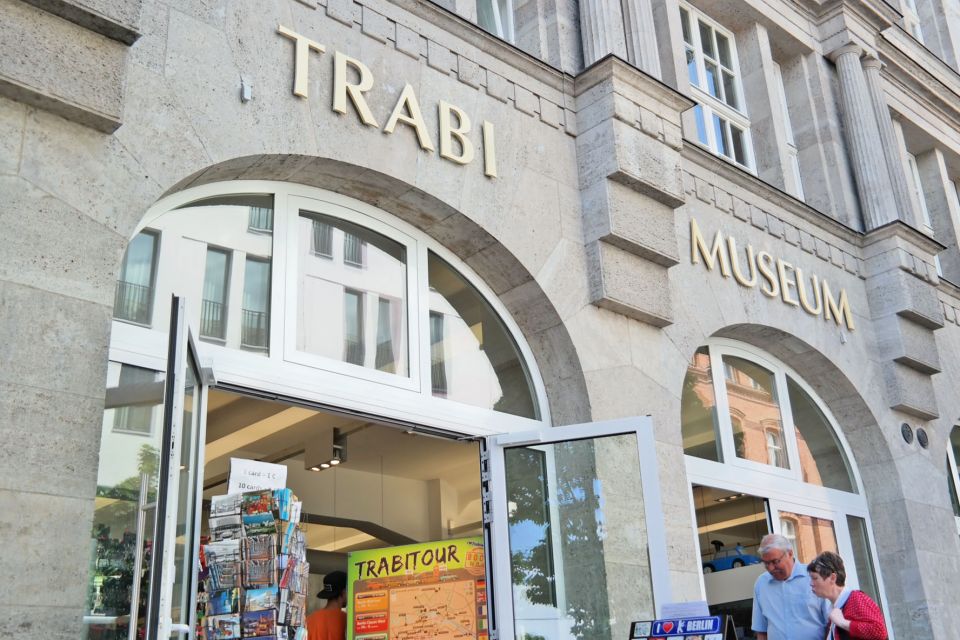
Trabis in Berlin, right by Checkpoint Charlie? That pairing alone makes this stop fun and historically pointed. I like that you get 14 different Trabi vehicles in one visit, and I also like the lightshow theater with short films plus a miniature GDR world that helps the car story click.
You should know one possible catch: the museum can feel compact, so if you’re expecting a huge multi-hour car collection, you might want to pair it with nearby Berlin history stops.
In This Review
- Key highlights worth planning for
- Checkpoint Charlie location: why this museum feels different
- The 14-vehicle collection: what you’ll notice first
- Rennpappe and the 1958 starting point (VEB Zwickau)
- Rarities that reward curiosity: P70 with a wooden undercarriage and more
- More than cars: camping and military Trabants
- Lightshow theater: the quick film break you’ll actually finish
- Miniature GDR world: smaller scale, clearer picture
- Trabi Safari and getting behind the wheel: the fun payoff
- Where to go first: meeting point and a simple arrival plan
- Languages, hosts, and what support looks like
- Price and value: is $10 a fair deal?
- Who this day ticket is best for
- Should you book the Berlin Trabi Museum day ticket?
- FAQ
- Where is the meeting point for the Berlin Trabi Museum day ticket?
- How much does the ticket cost?
- How long is the experience?
- What’s included with the day ticket?
- How many Trabant vehicles can you see?
- What can you do in the lightshow theater?
- Can you get behind the wheel during the visit?
- Is the experience wheelchair accessible?
- Is there a skip-the-line option?
- What languages are offered by the host or greeter?
- What’s the cancellation policy?
Key highlights worth planning for
- Checkpoint Charlie location: You’re learning about a people’s car in one of the city’s best-known Cold War spots.
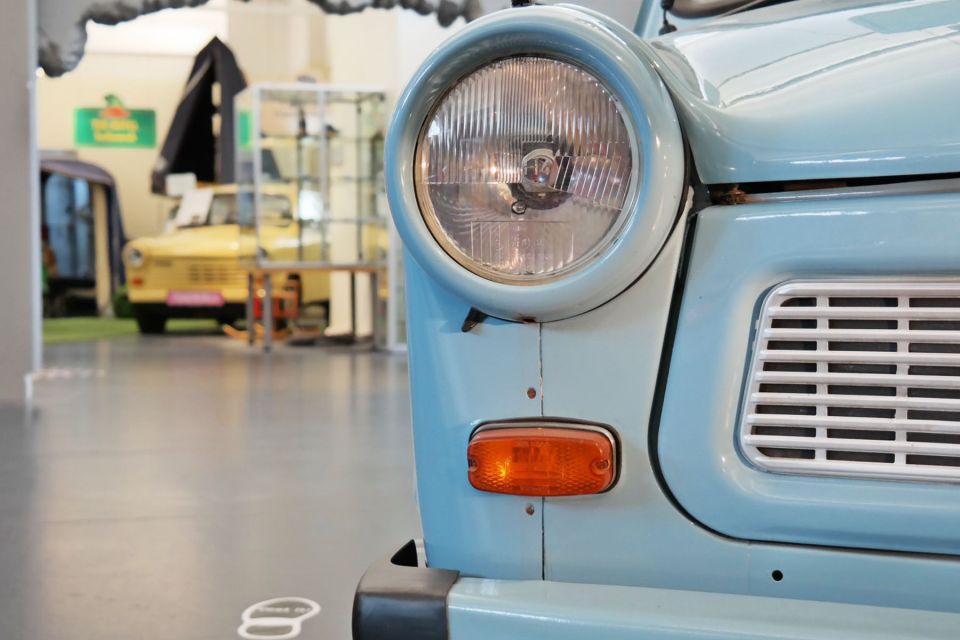
- 14 vehicles in one pass: You’ll spot different versions, uses, and oddball variants without needing a full day of wandering.
- Trabi development timeline: The exhibits walk through stages and real-life roles, not just styling.
- Rennpappe production details: You’ll see how the lightweight concept connected to real factories, including Zwickau.
- Lightshow theater + short films: A quick, focused media break to reset your attention.
- Trabi Safari option: You may get behind the wheel for a route experience through East or West and along the former wall.
Checkpoint Charlie location: why this museum feels different
Berlin already has plenty of places to learn Cold War history. This one adds a playful twist: you’re studying a vehicle, the Trabant (often nicknamed Trabi), through the lens of the GDR era. Being at Checkpoint Charlie matters because it keeps the story grounded in geography—East and West didn’t just shape politics. They shaped how people moved.
The day ticket is priced at $10 per person, and that’s a big part of the appeal. For the money, you’re buying entry into a focused, themed museum that mixes hands-on moments, lots of vehicle variety, and a small media stop. If you’re trying to build a value-packed itinerary in Berlin, this is a contender.
You can also read our reviews of more tours and experiences in Berlin


The 14-vehicle collection: what you’ll notice first
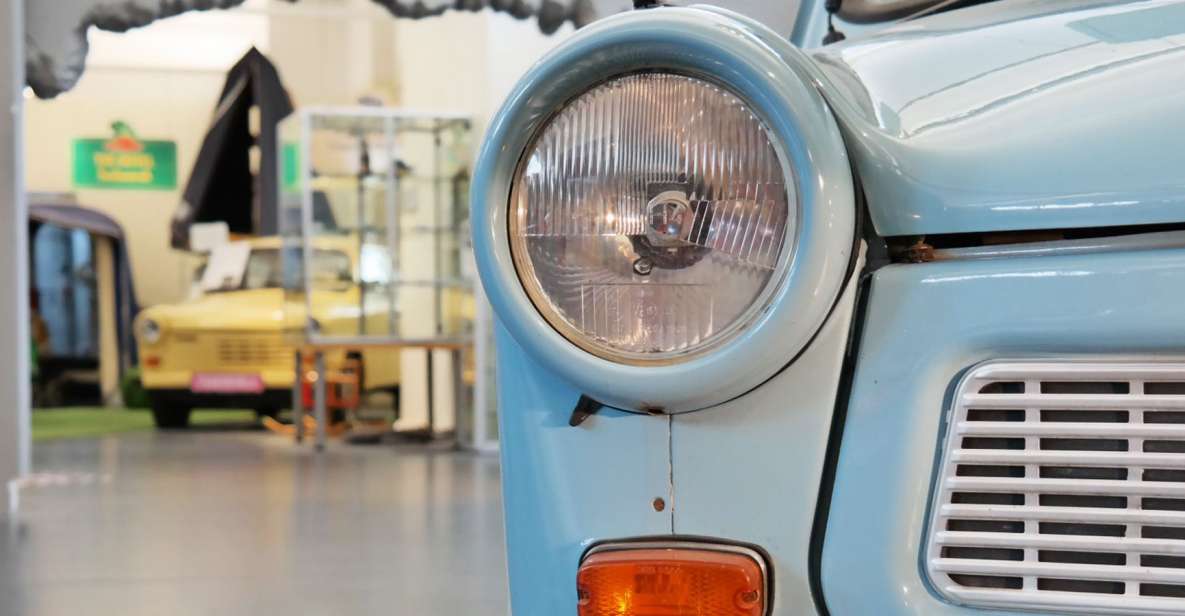
When you walk in, the museum’s main draw is straightforward: 14 different Trabant vehicles. That number sounds simple, but it helps you learn quickly. Instead of reading about one model for hours, you can compare versions side-by-side and see how the car evolved over time and under different constraints.
Here’s what the collection is set up to help you understand:
- The development stages of the peoples’ car of the former GDR.
- How the Trabant was used in real life, including less “standard” roles.
- The way shortages and engineering choices show up in physical details.
You’ll also see the museum isn’t only about everyday cars. It includes uses like camping Trabis and military vehicles, plus rarities that tempt you to slow down for a closer look. Even if you’re not a car person, these categories give you a mental map. You learn what people expected from the Trabi, not just what it looked like.
Rennpappe and the 1958 starting point (VEB Zwickau)
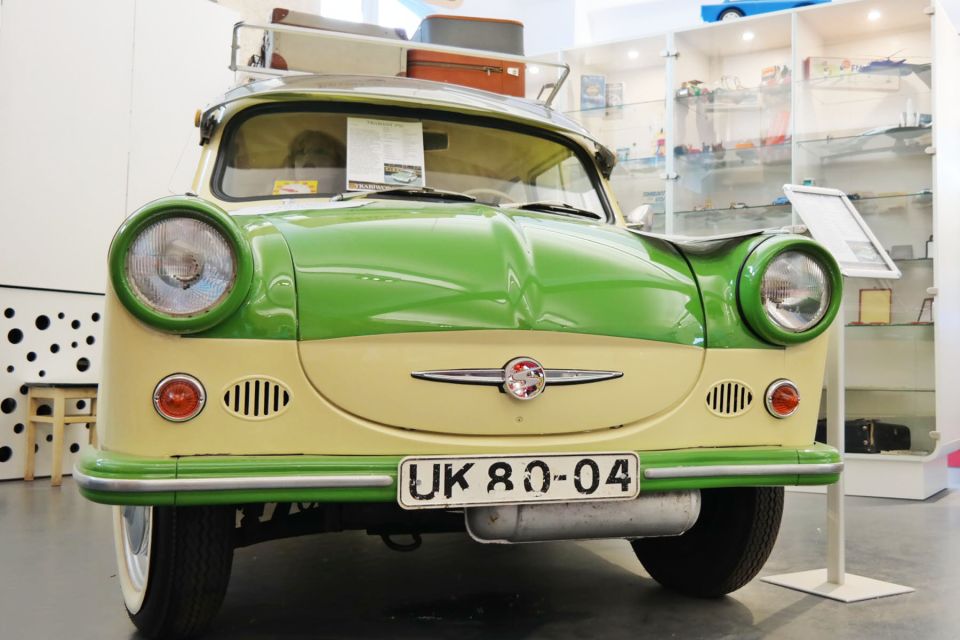
One of the most useful things you’ll pick up is the production timeline behind the Trabant’s famous lightweight material concept. The Rennpappe went into production in 1958 at VEB Automobilwerk Zwickau. That factory detail is more than trivia. It explains why the car had a specific engineering identity, and why it became such a symbol of GDR industry.
If you’re visiting Berlin for history, this is where the museum earns its keep. You’re not just seeing “a quirky old car.” You’re seeing a product shaped by a particular system—materials, production limits, and the reality of what factories could make consistently.
Rarities that reward curiosity: P70 with a wooden undercarriage and more
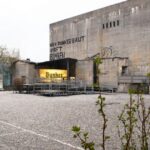
The standout moments for many people are the oddballs and the extreme versions. The museum includes rarities like the Trabant P70 with a wooden undercarriage, and it also features the fastest Trabi on display. Those two details are very different, which is exactly what makes them memorable.
- A wooden undercarriage is the kind of feature that makes you stop and ask why. It forces you to connect design decisions to practical constraints.
- The fastest Trabi gives you the fun side: the same car line that represents everyday practicality also has speed and ambition in its story.
These exhibits work best when you treat them like clues. Look at what changes, what stays, and what that says about the era. Even if you only spend a short time in the museum, these rarities help you leave with three or four clear takeaways.
More than cars: camping and military Trabants
It’s easy to remember the Trabant as an icon, but the museum helps you understand it as a tool people adapted. The collection includes examples used for camping and military purposes. That broadens your view in a practical way.
Instead of imagining the Trabi as only a commuting machine, you start thinking about:
- How households planned travel and leisure under GDR conditions.
- How governments and institutions relied on common vehicles.
- Why certain variants made sense when you had limited options.
If you’re the kind of visitor who likes context—how daily life actually worked—these sections are a smart use of your time.
You can also read our reviews of more museum experiences in Berlin




Lightshow theater: the quick film break you’ll actually finish
After the vehicle galleries, you can take a seat in the lightshow theater. This is where the museum shifts from static exhibits to short films about the Trabant. It’s not a long lecture. It’s a visual reset that helps you connect the cars you saw with the wider story.
The theater experience also supports a key theme: the Trabant became a symbol because it was everywhere. Seeing that idea framed through film makes it easier to understand why the car is still talked about today, even by people who weren’t around for the GDR years.
Miniature GDR world: smaller scale, clearer picture
The museum also offers a miniature GDR world inside that same theater experience. Miniatures can sound like a kid thing, but here the value is practical. It helps you map the setting—how East Germany felt in place and routine—so the vehicles don’t float in isolation.
This part is also useful if you’re traveling with mixed interests. People who don’t care about cars can still enjoy the setting, while car fans can return to the exhibits with better context.
Trabi Safari and getting behind the wheel: the fun payoff
One of the most entertaining parts of the experience is that you can even get behind the wheel for a Trabi Safari. The museum frames it as a route-based option where you can choose to go through the East or West, along the former wall, or on any route you choose.
I like experiences like this because they turn history into motion. Even if you’re not learning a detailed technical manual, you’re building a memory that connects the era to geography. When you leave Berlin later, the former wall and the idea of East/West divisions feel less abstract.
Practical note: the info I have doesn’t specify how long the Safari segment takes or what format it uses, so treat it as a highlight to ask about on arrival or during your visit. You’ll get the best experience if you don’t rush past it.
Where to go first: meeting point and a simple arrival plan
Your meeting point is at Zimmerstraße 14-15, 10969 Berlin. If the door is closed, cross the street and look for TrabiWorld on the left at Zimmerstr. 97-100.
That matters because this is the kind of small, focused attraction where arriving right on time helps. You don’t want to waste your visit hunting for the entrance. If you’re walking in from Checkpoint Charlie area streets, double-check the exact address on your phone before you head in.
Languages, hosts, and what support looks like
You’ll be met by an English- and German-speaking host or greeter. The experience is also listed as wheelchair accessible, which is a big plus if you want a straightforward sightseeing day without complicated logistics.
You can also skip the ticket line, which is helpful in Berlin when you’re balancing multiple stops. Even a short wait can throw off your flow, especially if you’re doing other Cold War sights nearby.
Price and value: is $10 a fair deal?
At $10 per person for a one-day entry ticket, the value comes from variety. You’re not paying for one room and a quick walk-through. You’re paying for:
- Entry into the museum
- A collection of 14 vehicles
- A short-film theater experience
- A miniature GDR world
- The chance to take part in the Trabi Safari / behind-the-wheel element
If you’re trying to keep Berlin costs controlled, this is the kind of ticket that feels “small price, clear content.” If you’re a serious car collector, you might want more technical depth than a museum like this is designed to offer. But if you want a fun, coherent introduction to the Trabant story, the math makes sense.
Who this day ticket is best for
This museum fits best if you:
- Like history that uses everyday objects, not just documents
- Want something lighter than a standard museum day but still grounded in real context
- Enjoy unusual transport stories and design choices
- Want a stop that works even if your group is split between history and fun
If you’re the type who needs a full day of exhibits, you may find the museum’s size limits how long you can spend inside. Still, the ticket is valid for one day, so you can flex it into your schedule and pair it with other nearby Berlin sights.
Should you book the Berlin Trabi Museum day ticket?
Yes, if you want a practical, affordable Berlin experience that mixes Cold War context with a car you’ll recognize instantly. The Checkpoint Charlie setting, the 14-vehicle display, and the lightshow theater + miniature world give you enough structure to feel like you learned something without a long, heavy museum day.
I’d hesitate only if you’re expecting a huge, multi-building museum or deep technical auto-history. In that case, you might feel it’s too compact for your taste. But for most visitors looking for value, this is a smart booking.
FAQ
Where is the meeting point for the Berlin Trabi Museum day ticket?
The meeting point is at Zimmerstraße 14-15, 10969 Berlin. If the door is closed, cross the street and find TrabiWorld on the left at Zimmerstr. 97-100.
How much does the ticket cost?
The price is listed as $10 per person.
How long is the experience?
It’s listed as valid for 1 day.
What’s included with the day ticket?
The included item is entry to the Trabi Museum.
How many Trabant vehicles can you see?
The museum highlights say you can admire 14 different vehicles.
What can you do in the lightshow theater?
You can take a seat in the lightshow theater, watch short films about the Trabant, and visit the miniature GDR world.
Can you get behind the wheel during the visit?
The experience information says you can get behind the wheel of a Trabi and go on a Trabi Safari.
Is the experience wheelchair accessible?
Yes, it’s listed as wheelchair accessible.
Is there a skip-the-line option?
Yes, the experience includes a skip the ticket line option.
What languages are offered by the host or greeter?
English and German.
What’s the cancellation policy?
Free cancellation is available up to 24 hours in advance for a full refund.