REVIEW · BERLIN
Berlin: Sachsenhausen Concentration Camp Museum Tour
Book on GetYourGuide →Operated by Virtual Travel · Bookable on GetYourGuide
Sachsenhausen doesn’t let you look away. This 5-hour outing takes you by train from Berlin’s Alexanderplatz area to the Sachsenhausen Memorial, then into a guided walk where the camp’s layout is explained with care. I especially like the combination of a certified English guide plus included entry, and I’ve heard strong notes on guides such as Miguel and Sharon for clear, respectful explanations of how the camp operated. One consideration: it’s heavy material and the day can run longer than expected, so plan for cold weather and emotional stamina.
You’ll also appreciate the structure: a short ride and on-the-ground orientation before the longer guided portion, which helps you track what you’re seeing. Guides highlighted for integrity—especially Miguel—make a point of treating victims’ experiences with respect, not as just dark sightseeing. If you’re not comfortable with WWII concentration-camp history, this may be too much for one day without breaks.
Either way, if you can handle a serious visit with good context, this tour is a strong way to see Sachsenhausen correctly—without getting lost in explanations you didn’t ask for.
In This Review
- Key highlights at a glance
- How the Sachsenhausen memorial tour feels in real life
- Getting there smoothly: Alexanderplatz and the white umbrella
- The 25-minute train ride: where Berlin context gets set
- The 30-minute approach: walking the grounds with context
- The 3-hour guided tour: punishment spaces, guard towers, and daily life
- What you’ll be paying attention to
- The museum side: learning through respectful presentation
- Berlin contrast at the end: leaving with a clearer perspective
- Price and value: is $18 worth it?
- What to bring and how to dress for the day
- Who should book this tour (and who might want a different format)
- Should you book the Sachsenhausen Memorial tour?
- FAQ
- Where does the tour meet?
- How long is the tour?
- Is entry to the memorial included?
- What does the €3 cash contribution cover?
- What language is the guide?
- Do I need public transit tickets?
- What should I bring with me?
- Is the tour wheelchair accessible?
- Can I cancel for a refund?
- Can I pay later?
Key highlights at a glance
- Premier Inn Alexanderplatz meeting point with a clear white umbrella cue
- Certified English guide who explains both camp function and Berlin’s wider WWII context
- Time inside the memorial includes a long guided segment after an initial walk
- Factual, respectful storytelling praised by multiple guide names, including Miguel and Sharon
- Good value for the length of time because entry is included in the price
How the Sachsenhausen memorial tour feels in real life
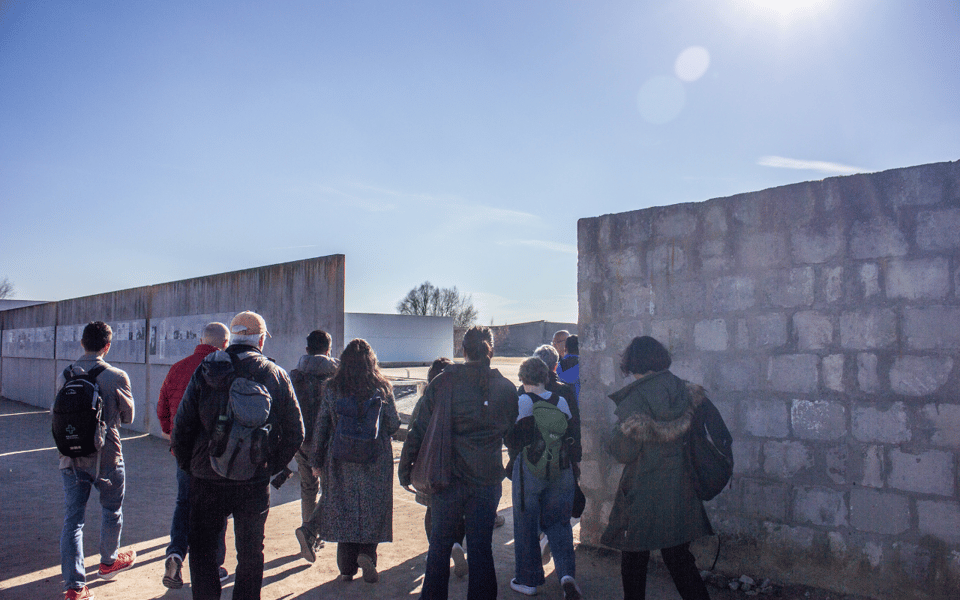
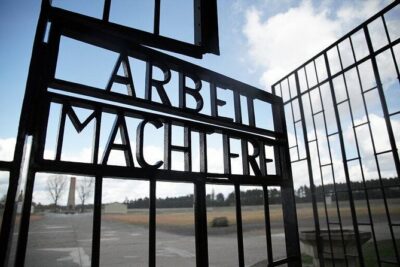
Sachsenhausen is not the kind of site you wander through casually. The value of a guided format shows up fast: you get a path through the grounds, and you get language for what you’re looking at—guard towers, punishment spaces, and the camp’s overall system—without having to piece it together from scratch.
I also like that this tour doesn’t treat history as a single grim moment. The walk and museum time are framed around the camp’s daily reality—hardship, but also optimism and resistance—which helps you understand the people who were forced into that system, rather than only the machinery of it.
It’s also a tour that connects past to present. On the way out of Berlin, guides often provide context that makes the story feel bigger than the fences. You finish the day back in the city and the contrast can hit hard—in a useful way.
You can also read our reviews of more museum experiences in Berlin

Getting there smoothly: Alexanderplatz and the white umbrella
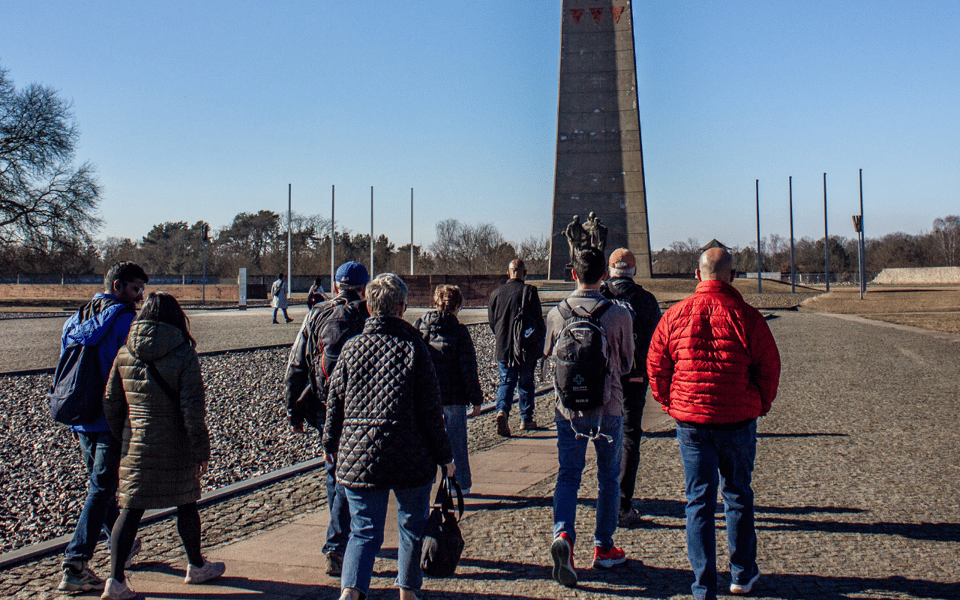
The day starts at the Premier Inn Berlin Alexanderplatz Hotel. Your job is simple: look for the white umbrella out front and be on time because you need to catch the train.
This matters more than it sounds. Missing the start can throw off the whole schedule for the group, and the tour timing is built around getting to the memorial at the right moment. If you’re staying near Alexanderplatz, this start point is convenient. If you’re farther out, you’ll want to leave buffer time so you’re not rushing in.
Also note the transport reality: you’ll need an ABC transit pass for public transportation. The tour doesn’t include public transit tickets, so plan to have that pass ready before you head to the meeting point.
The 25-minute train ride: where Berlin context gets set
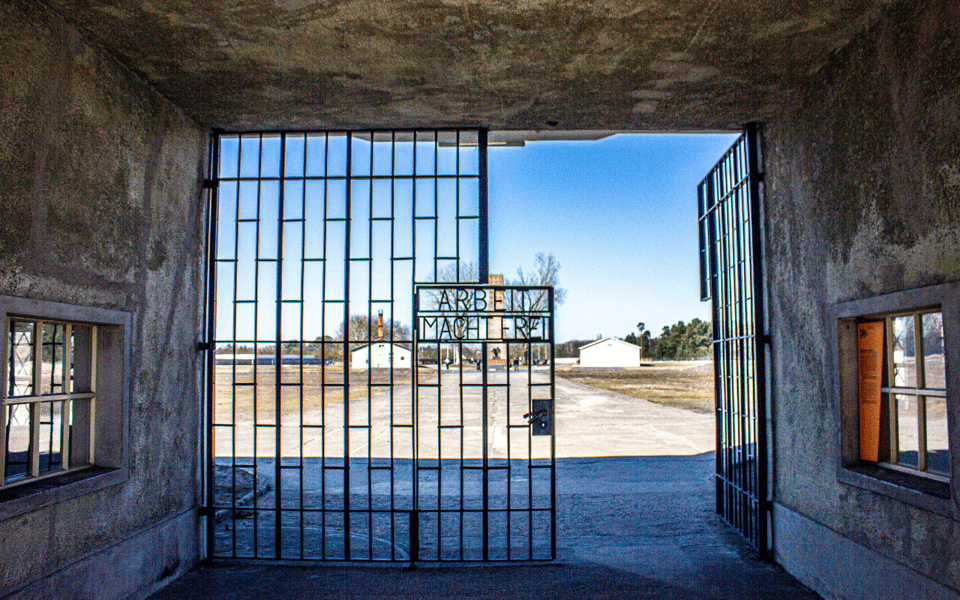
Before you reach Sachsenhausen, you take the train for about 25 minutes. This short segment is more than just travel time. It’s where the guide can set the stage and help you follow the story when you arrive.
Multiple guide notes highlight that the ride often includes background on the build-up to war and how concentration camps fit into that larger picture. That kind of framing is a big deal because it changes the visit from isolated sights into a connected narrative.
Practical tip: use the ride to confirm you know what to do next. Keep an eye on your guide, and if you’re the type who needs to ask questions, this is a good moment to do it before you enter the memorial grounds.
The 30-minute approach: walking the grounds with context
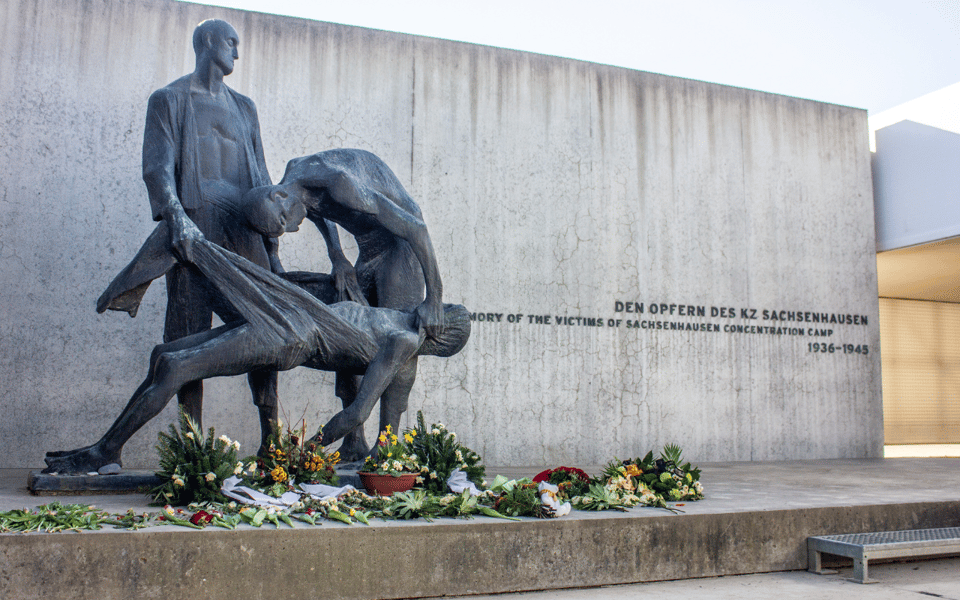
Once you arrive, you’ll have about 30 minutes of walking on the memorial grounds. Think of this as the “orientation phase.” You’re not just moving from point A to point B; you’re also learning how to read the space.
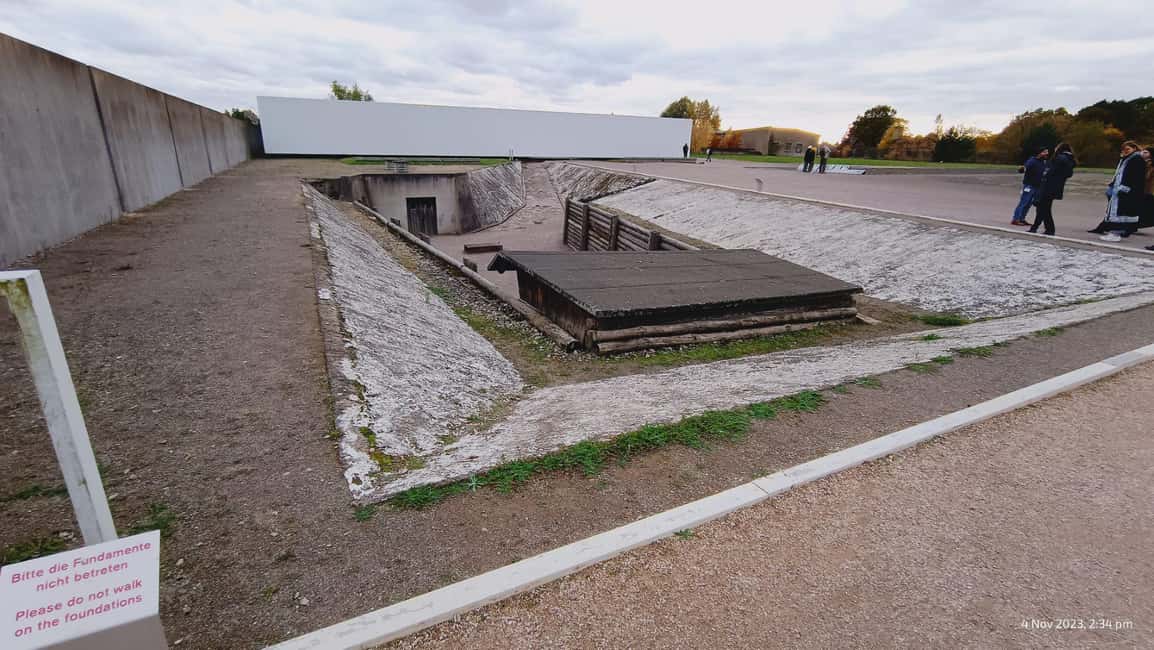
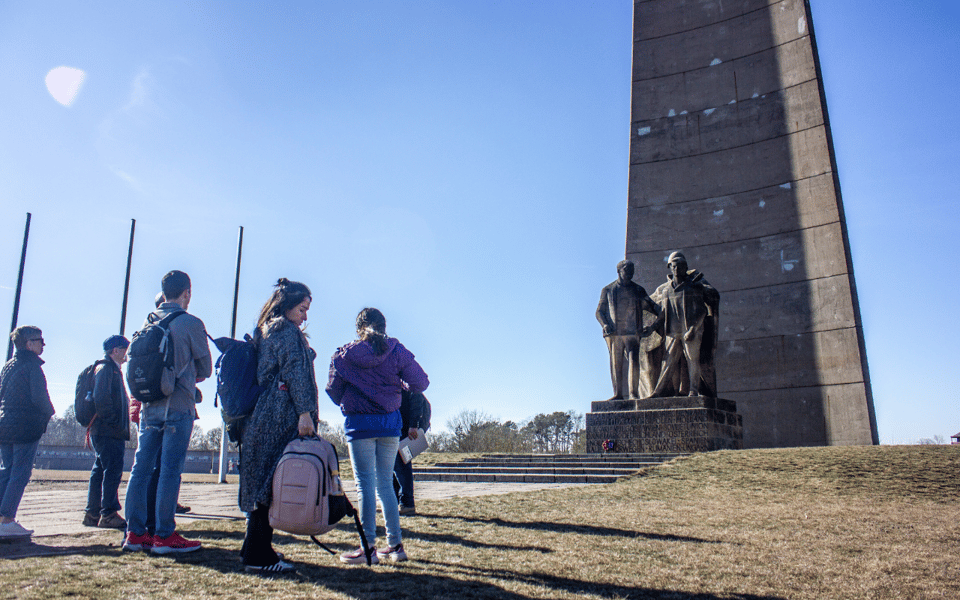
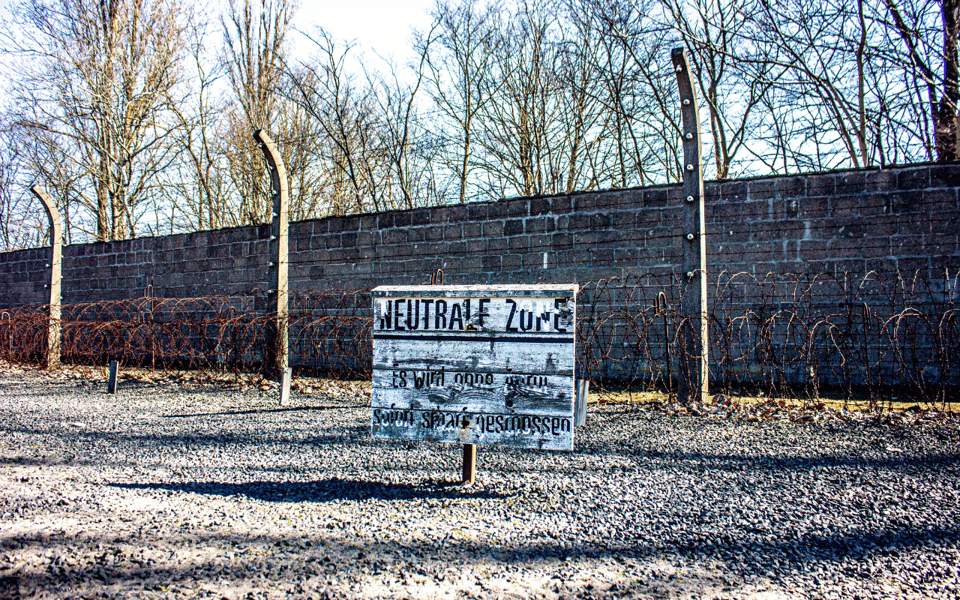
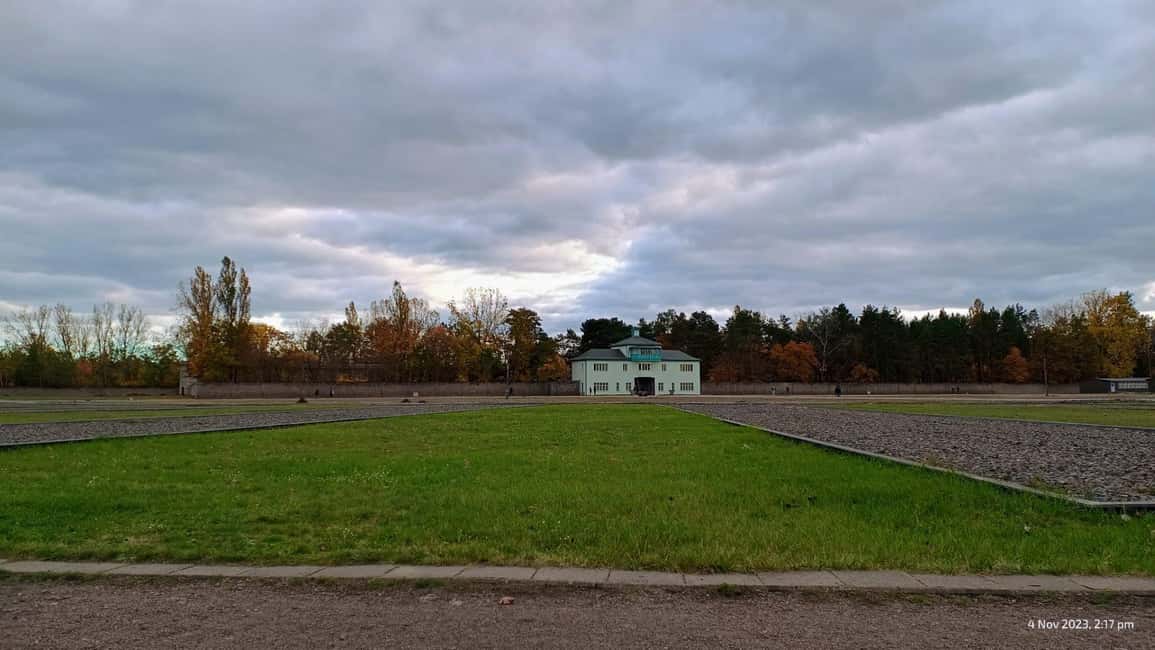
This initial walk helps you understand why the camp layout matters. You’ll see the somber layout and the elements that keep coming up during the longer guided part—spaces tied to punishment, the feel of enclosure, and the visual reminder of surveillance and control.
The advantage here is pacing. Without an orientation walk, many people end up focusing on the most obvious features and miss what the guide is trying to teach. With the orientation, you’re better prepared for the deeper explanations later.
The 3-hour guided tour: punishment spaces, guard towers, and daily life
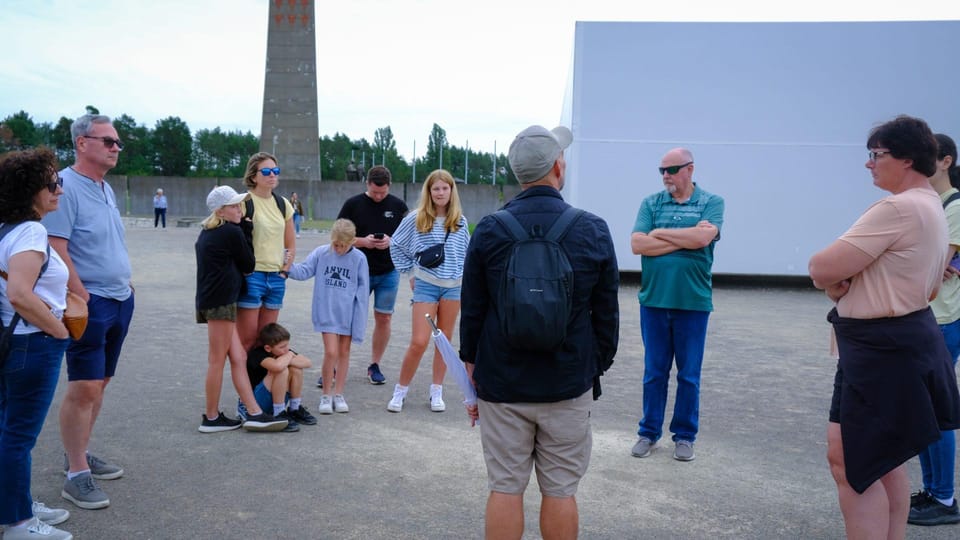
The longest and most important part is the 3-hour guided tour inside the Sachsenhausen Memorial. This is where you’ll get the “how it worked” portion—what the camp’s inner workings were, how daily struggle shaped life, and how people found small ways to resist or preserve hope.
This is also where the quality of the guide shows up. Names such as Miguel and Sharon come up repeatedly for clarity and for covering areas of the camp thoroughly. The praise isn’t just about facts; it’s about the way stories are handled with respect.
In my view, that tone is essential at this type of site. Sachsenhausen asks for attention and restraint. Guides praised for integrity and respect tend to create the right atmosphere: you learn, but you’re also reminded that this history is about human suffering and survival—not entertainment.





What you’ll be paying attention to
Expect the guide to point out and explain:
- Punishment cells and why these spaces were designed the way they were
- Guard towers and what their presence meant in practice
- The camp’s daily struggle and how the system controlled movement and life
- Small acts of defiance and stories tied to optimism and resistance
One more practical note: the tour is structured with a timetable, and some participants mentioned it stays fairly tight. If you like long, spontaneous wandering time, you may find yourself thinking ahead to where you want extra questions later.
The museum side: learning through respectful presentation
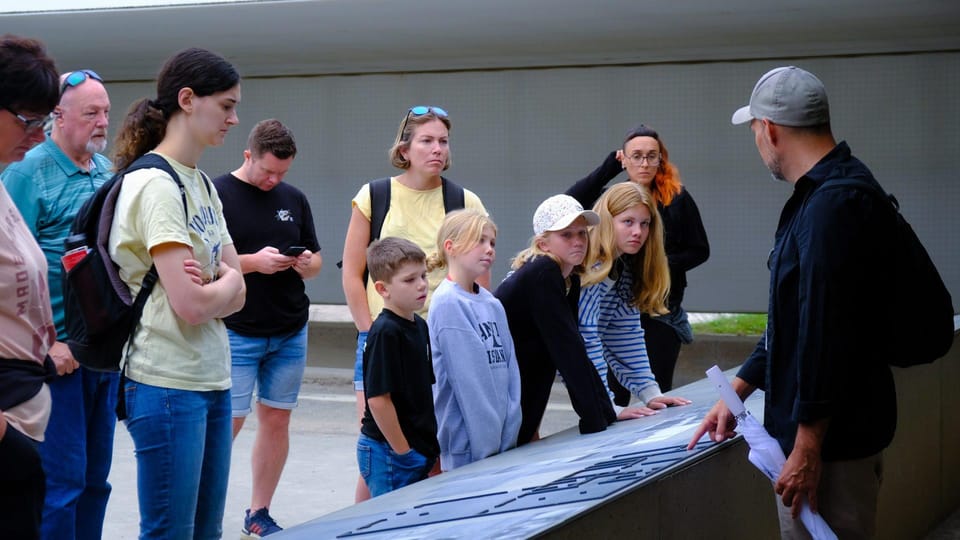
This tour includes entry to the Sachsenhausen Concentration Camp Memorial and Museum. A museum visit is where the experience shifts from “what the buildings and spaces suggest” to “what the historical record documents.”
One strong theme from participant feedback: the museum and exhibits feel organized and respectful, with an emphasis on making sure victims’ stories are honored. That’s a big part of what you’re paying for—translation of place into meaning, using a format that keeps you from making your own guesses.
Guides like Miguel and Richard are noted for explaining issues of the first and second WWII period, plus the political context around concentration camps. Even if you already know some background, this kind of guided linking can help you place what you see inside the bigger story.
And if you’re the type who likes to ask questions, you may appreciate guides who allow time for them. Richard, for example, is praised for giving plenty of time for questions. That’s not universal in every group, but it’s a helpful sign of what the best tours aim for.
Berlin contrast at the end: leaving with a clearer perspective
When the tour wraps, you head back by train to Berlin and end at the same meeting point near Alexanderplatz. This return matters because the contrast is real.
You’re back in a modern city after spending hours with a site built around coercion and cruelty. That shift can feel disorienting, but it also makes the point of remembrance sharper. Berlin’s evolution—from chaotic periods through a present that’s actively focused on remembrance—lands harder when you’ve just walked the grounds.
If you want to do something right afterward, keep it low-key. A long history day can drain your mental energy even if you’re not physically exhausted.
Price and value: is $18 worth it?
At $18 per person for about 5 hours, the price looks reasonable—especially because entry to Sachsenhausen is included and the tour includes a certified English guide.
The main cost you should anticipate is the memorial contribution: a €3 cash donation is not included. So if you want the smoothest experience, bring small cash for that donation. Public transit tickets are also not included, so your ABC pass needs to cover the ride.
So the value equation looks like this:
- You pay for guidance and entry.
- You pay some local extras out of pocket (transit tickets aren’t covered, and the €3 cash contribution is separate).
For a site that’s emotionally heavy and historically complex, the included guide support is where the money goes. Without it, you could still visit, but you’d spend extra time working out what you’re looking at—and you might miss the stories that make Sachsenhausen meaningful.
What to bring and how to dress for the day
This is one of those days where “comfort” is not about luxury—it’s about staying functional.
You’ll be outdoors at least part of the time, and at least one participant warned to wrap up warm because the weather can get cold. Bring layers. Even if the sun is out, you’ll likely feel cooler in open areas.
Also bring snacks, since the tour lasts about 5 hours and you’ll want energy. Hydrate too, even if you don’t think you’ll need it. And if you prefer to process privately, plan for a quick moment of quiet at a viewpoint or walkway area rather than trying to “stay busy” the entire time.
Who should book this tour (and who might want a different format)
This tour is a good fit if:
- You want a guided, respectful walkthrough of Sachsenhausen’s grounds and museum
- You like historical context instead of just “seeing the places”
- You appreciate guides who explain how the camp functioned and how resistance and optimism appeared in constrained circumstances
- You want practical help during the day (multiple participants mention guides offering recommendations for Berlin and transport help)
It may be less ideal if:
- You’re sensitive to concentration-camp history and need a less intense pace
- You don’t want a timetable with limited slack (some people found the pace tight)
- You’re uncomfortable using public transport and don’t already have the needed ABC pass
If you’ve never handled dark history with a guide before, still consider it—just mentally prep for an emotional visit. The structure and careful storytelling are part of what makes the tour manageable.
Should you book the Sachsenhausen Memorial tour?
I’d book it if you care about understanding what you’re seeing and you want your visit handled with integrity. The standout strength is the pairing of certified English guidance with a full memorial experience: walking the grounds, then spending a longer stretch in a guided tour format that explains both hardship and resistance.
Before you go, do three things that make the day smoother:
- Confirm you have your ABC transit pass
- Bring cash for the €3 memorial contribution
- Dress for cold and bring snacks
If those boxes are checked, this tour is a strong value and a serious, well-structured way to experience Sachsenhausen without turning it into a confusing self-guided scramble.
FAQ
Where does the tour meet?
Meet at the Premier Inn Berlin Alexanderplatz Hotel. Look for the white umbrella in front of the hotel.
How long is the tour?
The duration is about 5 hours.
Is entry to the memorial included?
Yes. Entry to Sachsenhausen Concentration Camp is included in the tour.
What does the €3 cash contribution cover?
The tour notes that you’ll need a €3 cash contribution to the memorial. It’s not included in the tour price.
What language is the guide?
The tour has a live English guide.
Do I need public transit tickets?
Public transit tickets are not included. You need a valid ABC transit pass for public transportation.
What should I bring with me?
Bring snacks. Also plan to dress for cold weather, since it can get chilly outdoors.
Is the tour wheelchair accessible?
Yes, the activity is listed as wheelchair accessible.
Can I cancel for a refund?
You can cancel up to 24 hours in advance for a full refund.
Can I pay later?
Yes, there’s a reserve now & pay later option.