REVIEW · BERLIN
Berlin: Urbex Abandoned Places & History Tour
Book on GetYourGuide →Operated by Urbex Tour · Bookable on GetYourGuide
Berlin hides its secrets underground. This 3-hour Urbex-style tour takes you through abandoned Stasi hospitals in Berlin, with the mood of a post-apocalypse movie and the real history underneath. I especially like the chance to see abandoned medical spaces tied to the Stasi story, and I also enjoy the urbex photography moments where you can capture dramatic angles in low light.
I also like how the tour is built around a small group of up to 6, so you’re not stuck watching from the back. The guide, Yoorii, comes across as energetic and funny, and he keeps the group moving without letting you get lost in the maze of empty halls.
One thing to consider: the buildings are in rough shape. In at least some stretches, you may run into hazards like broken glass, and some areas (like a bunker) may not be accessible depending on current conditions.
In This Review
- Key highlights worth your attention
- Meeting at S-Bahn Buch: where to go and what to wear
- Entering the Stasi hospital world: the story behind the silence
- How the guide shapes the experience (Yoorii matters)
- Abandoned rooms, artifacts, and the kind of history you can see up close
- Tunnels and dungeon sections: torches, headlamps, and real-world surfaces
- Rooftops and views: the payoff after the underground
- Price and value: what you’re really paying for at $116
- Who this tour suits best (and who should think twice)
- Practical packing checklist for Berlin Urbex style days
- Should you book the Berlin Urbex Abandoned Places and History Tour?
- FAQ
- How long is the Berlin Urbex Abandoned Places & History Tour?
- How much does the tour cost?
- What language is the tour guide?
- How big is the group?
- What’s included in the tour?
- Where do I meet the tour?
- Is the tour refundable if plans change?
- Can I reserve and pay later?
- What should I bring if I want to take photos?
- Who might not be suitable for this tour?
Key highlights worth your attention
- Stasi hospital setting: an abandoned, closed-off world tied to East Germany’s secret police
- Torches rental included: useful when you’re headed into darker tunnels and underground spaces
- Small group (max 6): easier pacing, more attention, fewer bottlenecks
- Rooftops plus underground: you get both skyline views and underground structure in one outing
- Photography-friendly guidance: a focus on angles, timing, and making your shots look good
Meeting at S-Bahn Buch: where to go and what to wear
The tour meets at the exit from S-Bahn Buch, on the side near a Netto supermarket. After you come out, turn left after you go downstairs. It’s a simple start, but give yourself a little buffer. Berlin stations are busy, and you’ll want to arrive calm, not sprinting.
Dress like you’re going into real, messy places. Bring a cap or something for your head, wear comfortable clothes you don’t mind getting dirty, and skip anything fancy. Think low-key sneakers over high heels, and light layers over formal outfits. The tour also asks you not to bring massive backpacks, which helps you move through tight corridors and stairways without wrestling gear.
Safety is part of the experience here, and you’ll feel that in what you’re allowed to bring. No bikes, no alcohol or drugs, and no baby strollers or baby carriages. Also, this isn’t designed for everyone physically: it’s not suitable for wheelchair users, pregnant women, children under 10, people with high blood pressure, people over 287 lbs (130 kg), or people over 70.
You can also read our reviews of more historical tours in Berlin



Entering the Stasi hospital world: the story behind the silence
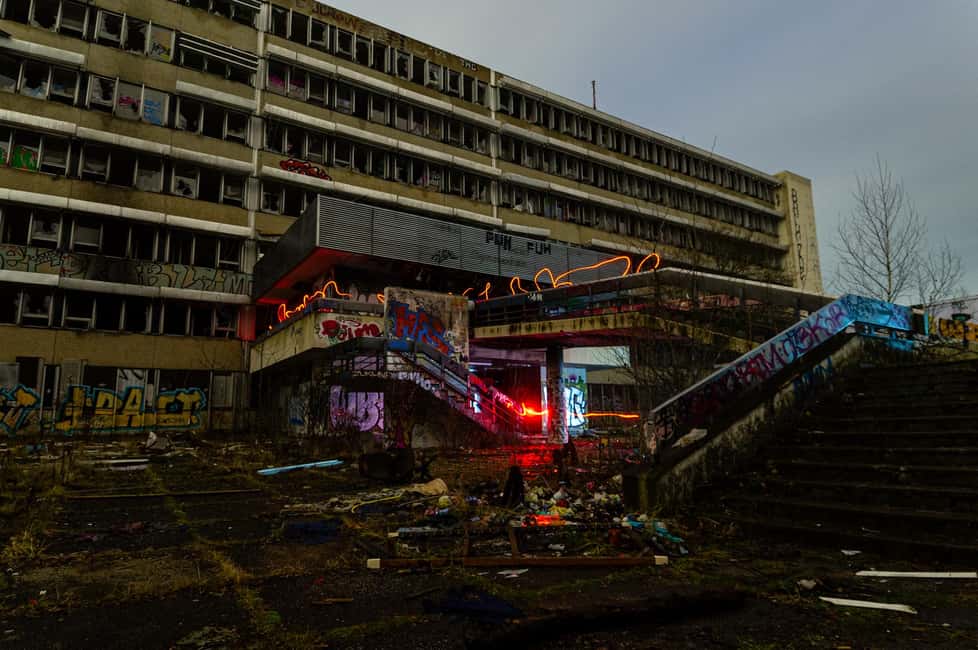
The big draw is what you’re walking through. The abandoned buildings you visit were tied to the Stasi’s secret network—hospitals that mainly served Stasi agents and high-ranking officials. These places were designed as closed systems: state-of-the-art facilities, medical professionals under strict secrecy, and plenty of separation from the public.
In plain terms, you’re not touring a random ruin. You’re touring a regime’s machinery—where medicine, secrecy, and control were connected. The tour also highlights that these hospitals treated operatives injured in clandestine operations, and they were used for medical work away from outside eyes.
Then the timeline changes. After the Berlin Wall fell in 1989 and East Germany collapsed, these institutions lost their purpose. What’s left today is that eerie emptiness: halls and rooms that still feel like they were paused mid-purpose, mid-decision. That tension—between the medical function and the abandonment—is what makes the places hit harder than generic decay.
How the guide shapes the experience (Yoorii matters)
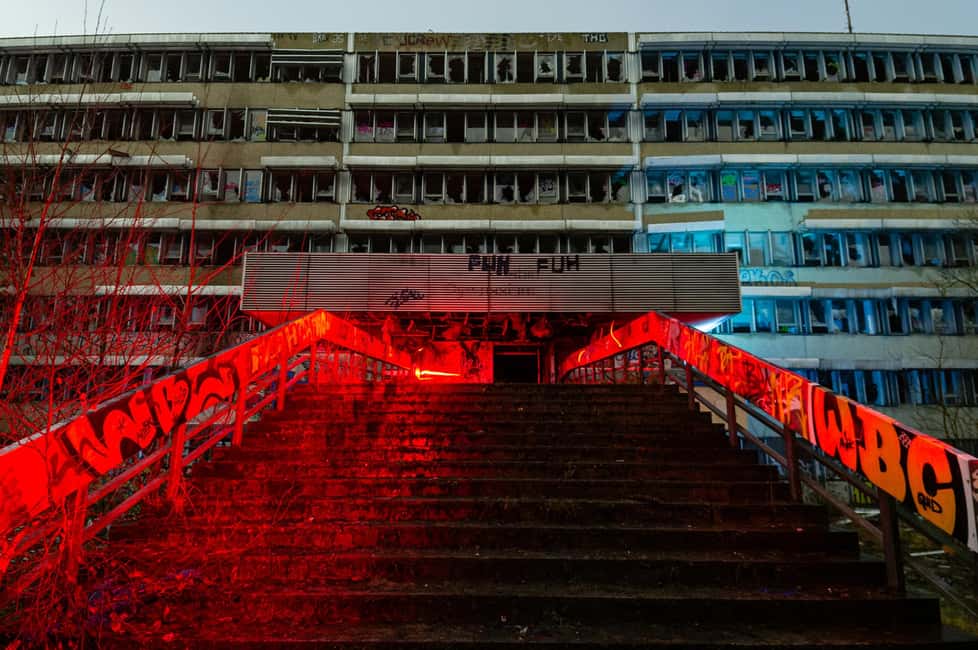
A lot of tours like this can turn into aimless wandering. This one stays focused, mainly because the guide sets the pace and keeps you oriented.
Yoorii, the guide named in multiple bookings, brings a mix of seriousness and humor. That matters. When you’re in spaces that look similar—long corridors, repetitive rooms, lots of dark corners—you need someone who can point out what’s actually worth stopping for. It also helps that the guide keeps an eye on the group, so you’re not constantly waiting on people or getting separated.
The tour also leans into learning skills, not just sightseeing. You’re encouraged to get comfortable with moving through urbex spaces in a safe and legal way. That’s part of why the tour pushes you out of your comfort zone—so you return with practical know-how, not only photos.
Abandoned rooms, artifacts, and the kind of history you can see up close
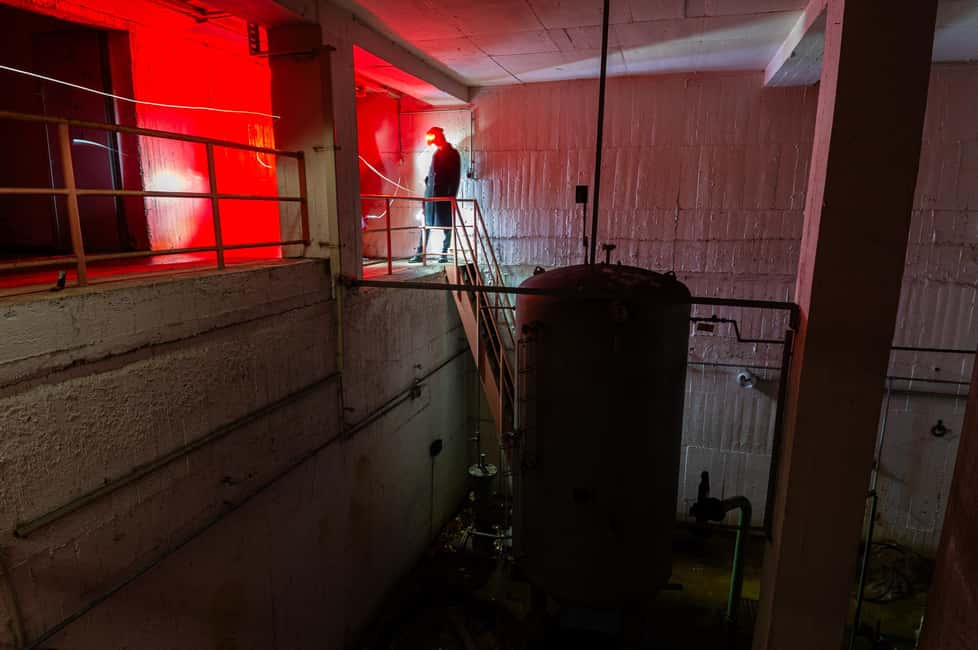
You’ll spend time exploring abandoned areas tied to the hospital complex. This is where the tour’s best value shows up: you’re not only seeing walls. You’re noticing traces of the past.
In the larger site areas, you may come across objects like old documents and original flooring. These kinds of details give you something concrete to anchor the Stasi story to. Instead of imagining everything from a textbook, you’re standing where the “system” operated—where the secrecy would have felt normal to the people involved.
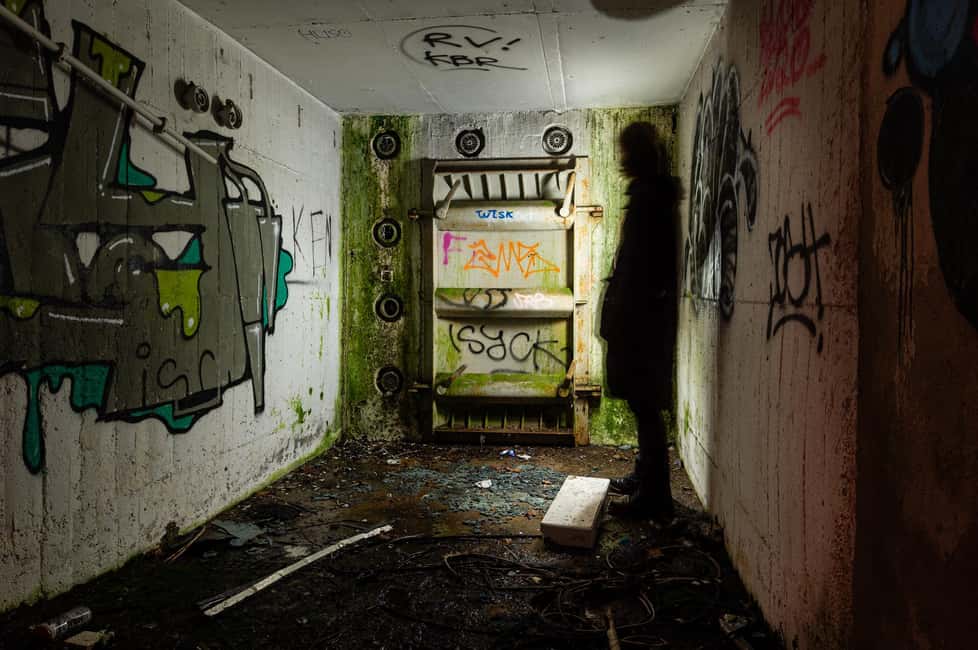
Graffiti is also part of the visual reality in some sections. It’s not the same as a curated museum wall, and it doesn’t try to be. But it adds a layered feeling: the regime’s secrecy, the post-1989 silence, and the later street-art mark of people who found the place after it was already abandoned.
For photos, you’ll want to think about light. Low light is half the magic. If you’re serious about shots, bring a tripod (the tour specifically suggests it). You’ll get better results when you can stabilize frames while you’re dealing with darkness and uneven surfaces.
Tunnels and dungeon sections: torches, headlamps, and real-world surfaces
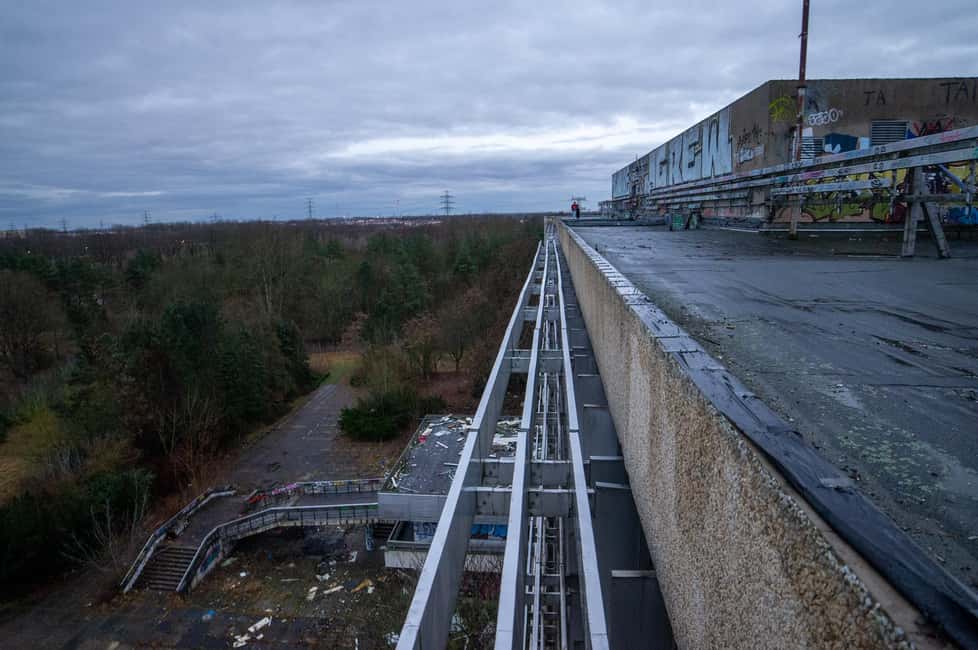
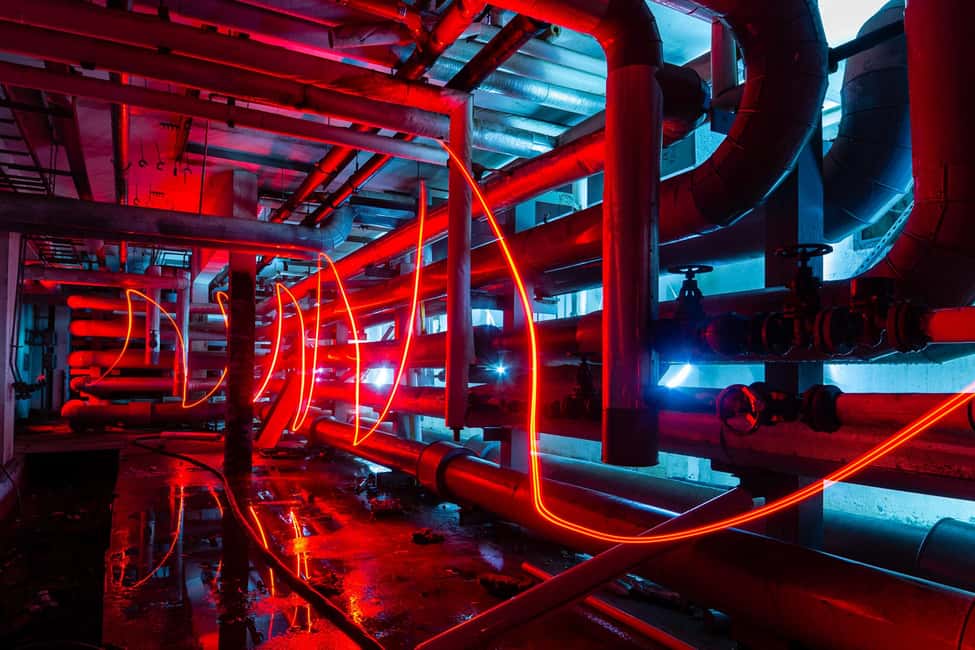
One of the tour’s headline moments is going underground—dungeons, tunnels, and darker passages where you truly notice how isolated the original complex was. This is where the included torch rental becomes essential. You can’t fake this part with phone lighting alone if you want clear photos and safe footing.
Some parts can feel intense because you’re surrounded by darkness and narrow routes. In a few experiences, guests mentioned headlamps along with the lighting setup, especially when moving through tunnel-like areas. Whatever the exact gear mix, the practical point is the same: the light you use changes your view, and it makes a huge difference for both photos and orientation.
You should also be honest about the surface conditions. At least one account described constant walking over broken glass and pointed out that parts of the site have been damaged. That’s the kind of thing you should take seriously. Wear sturdy footwear, go slowly, and follow your guide’s instructions. If you have balance issues or you don’t handle uneven ground well, this part can be a dealbreaker.






Rooftops and views: the payoff after the underground
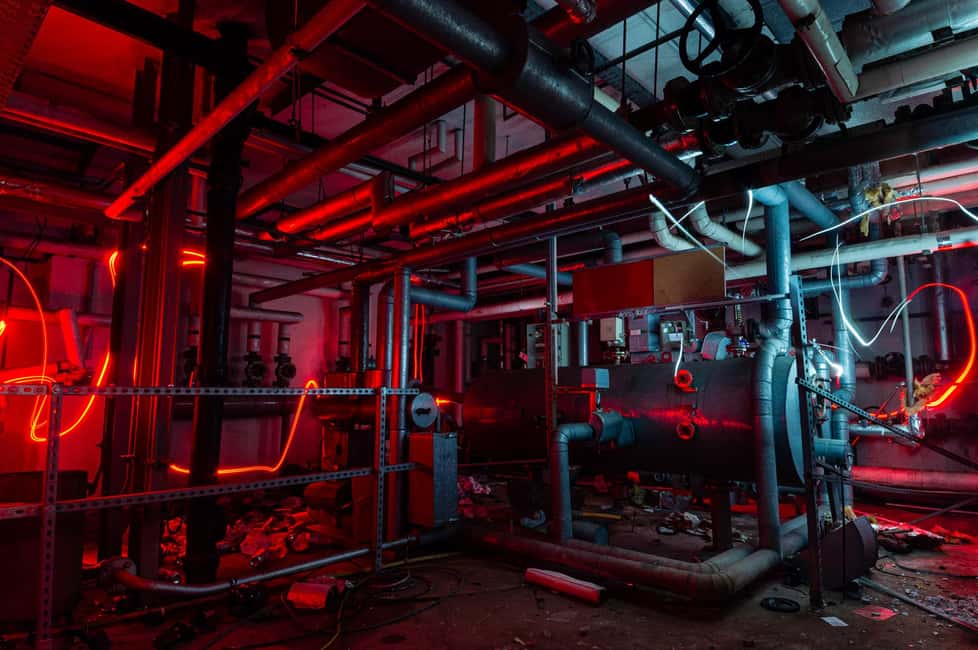
After the underground sections, you climb. Ascending to rooftops is one of the most memorable contrasts of the tour: same site, totally different mood. Underground is tight and echoing; rooftops are open, and you get wider sightlines across Berlin.
This change of altitude helps your brain reset, too. It’s easier to understand the scale once you’re higher. On a large complex, that matters. Some people said the location is big enough that it would be easy to lose your way without guidance, especially in areas that look alike.
Rooftop moments also deliver the best “Urbex” feeling. If you’ve got a camera, you’ll likely want to shoot the city view, the angles of rooflines, and the way structures frame the skyline. Just don’t overpack: you’ll want mobility more than extra gear.
Price and value: what you’re really paying for at $116
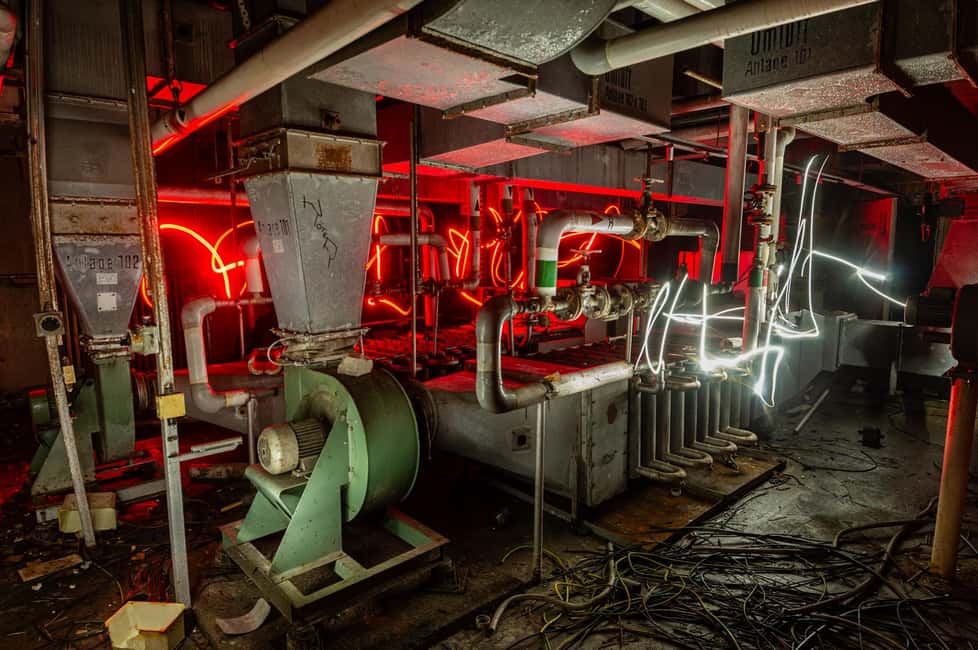
At $116 per person for 3 hours, you’re paying for more than access. You’re paying for the guide’s navigation, the safety mindset, and the interpretation of what you’re seeing.
What justifies the cost is this mix:
- A small group capped at 6, which helps you stay together and keeps the pace reasonable
- A live English guide who can connect physical spaces to Stasi purpose
- The lighting gear included (torches), which matters for darker sections
- A structure that takes you through multiple types of spaces: abandoned rooms, tunnels, then rooftops
If you tried to do this on your own, you’d spend time figuring out where to go, what’s worth seeing, and how to move safely. Here, the guide does the heavy lifting, so your 3 hours feel like a complete loop instead of scattered exploration.
That said, you should also treat the site conditions as a variable. Some experiences suggested parts of the location have been heavily affected or partially demolished. If you’re paying for a very pristine, museum-like ruin experience, you may feel disappointed. But if you want real urbex atmosphere plus historical framing, the value tends to land well.
Who this tour suits best (and who should think twice)
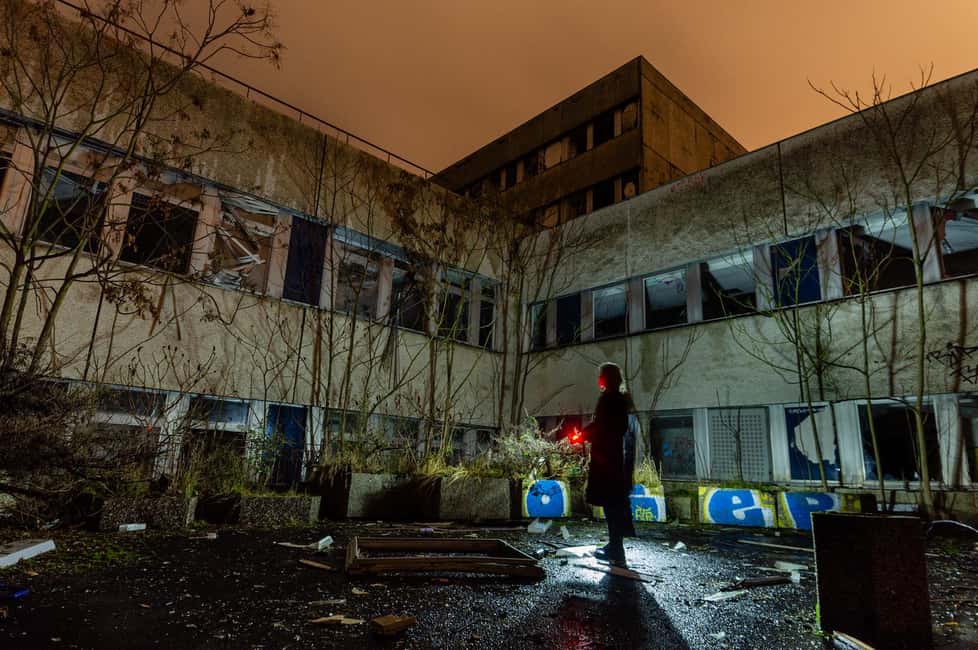
This is best for adults who like history, gritty photography, and exploring with a guide. If you enjoy the story behind places and you’re comfortable in physical, slightly uncomfortable environments, you’ll probably have a strong time.
It also fits couples and friends who want photos without a big crowd. The small group size makes it easier to take pauses for shots and to move at a pace that doesn’t leave people behind.
Skip it if you’re in the categories listed as not suitable: under 10, pregnant, wheelchair users, high blood pressure, over 70, or over 287 lbs (130 kg). Also think hard if broken glass and uneven surfaces would stress you out.
If you’re the type who needs “perfect viewing conditions” and clean floors, this tour won’t match that expectation. The point here is atmosphere and lived-in decay, with a guide steering you through.
Practical packing checklist for Berlin Urbex style days
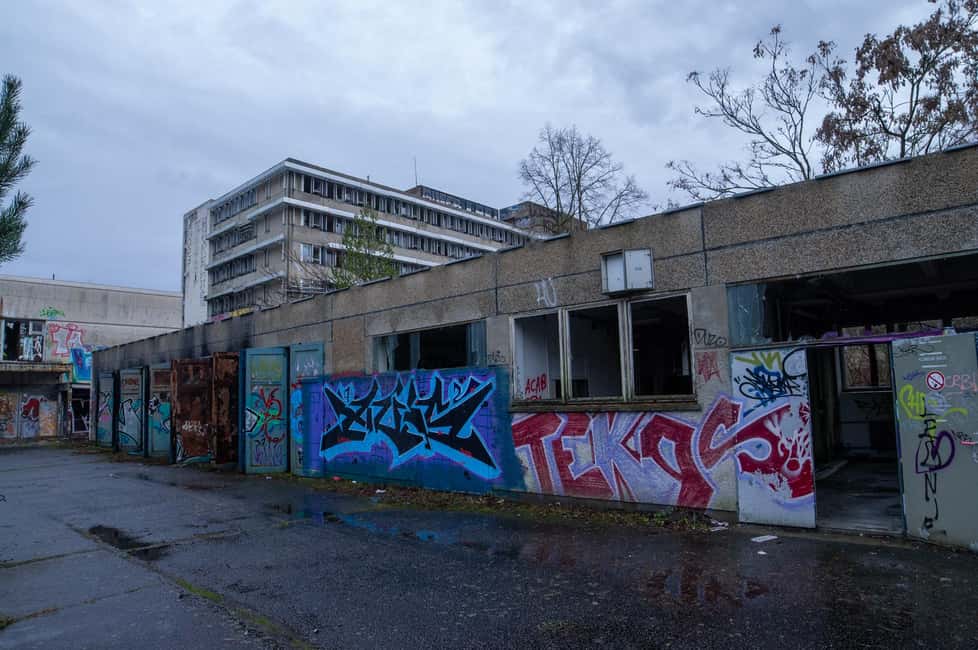
Here’s what you can control to make your experience smoother:
- Wear comfortable clothes you don’t mind getting dirty
- Use sturdy shoes for uneven ground and possible debris
- Bring a cap
- Leave bulky items at home, especially massive backpacks
- If you care about photos, bring a tripod
- Plan for a darker underground portion with your light source (torches are included)
A minor note: the tour pushes you out of your comfort zone. That’s not only about fear of darkness. It’s also about moving carefully, thinking about footing, and staying aware of your surroundings.
Should you book the Berlin Urbex Abandoned Places and History Tour?
Book it if you want a Berlin experience that mixes real place-based history with the practical reality of exploring abandoned spaces—guided, safety-minded, and geared toward photography. The standout strength is how the Stasi hospital story comes through in physical details, plus the energy and support of a guide like Yoorii.
Think twice if you’re sensitive to hazards or you’re expecting an intact, polished site. This is a working urbex environment, and conditions can be rough in places, with some areas possibly not accessible.
If you’re curious about East German secrecy and you like the feel of underground tunnels and rooftop views, this tour is one of the more memorable ways to spend a focused half-day in Berlin.
FAQ
How long is the Berlin Urbex Abandoned Places & History Tour?
It lasts 3 hours.
How much does the tour cost?
The price is $116 per person.
What language is the tour guide?
The tour guide speaks English.
How big is the group?
The group is small, limited to 6 participants.
What’s included in the tour?
Torch rental is included.
Where do I meet the tour?
Meet at the exit from S-Bahn Buch on the side near Netto supermarket. Turn left after going downstairs.
Is the tour refundable if plans change?
Yes, free cancellation is available up to 24 hours in advance for a full refund.
Can I reserve and pay later?
Yes, you can reserve now and pay later.
What should I bring if I want to take photos?
If you’re interested in taking pictures, bring a tripod.
Who might not be suitable for this tour?
It’s not suitable for children under 10, pregnant women, wheelchair users, people over 287 lbs (130 kg), people with high blood pressure, or people over 70.