REVIEW · BERLIN
Berlin Historical Highlights Walking Tour
Book on GetYourGuide →Operated by Vive Berlin e.G · Bookable on GetYourGuide
Berlin can feel like a history lesson with real streets. This walking tour strings together the city’s biggest symbols in one clear route. You’ll move from Cold War tension to postwar rebuilding, with stops at the Brandenburg Gate, Checkpoint Charlie, and the Humboldt Forum.
I especially like the way the guide turns monuments into meaning. You get a guided history arc that covers how Berlin went from kings and emperors to fascism and war, then through division and the long process of piecing it back together. I also like the small-group setup, which helps the guide keep the pace human and the explanations personal.
One thing to consider: this is a 3 to 6 hour walking route, and you’ll cover a lot of ground. Even with the option to use the metro if weather gets difficult, you’ll still want comfortable shoes and a plan for getting back to your day after the tour ends at drop-off points.
Key highlights you should know before you go
- A tight Berlin timeline: the route links major eras without feeling random
- Cold War landmarks with context: Berlin Wall area plus Checkpoint Charlie stop
- Thoughtful memorial visit: time set aside for the Holocaust Memorial
- Big “Berlin postcard” sites, but explained: Brandenburg Gate, Unter den Linden, and more
- Old collections meet new framing: Museum Island and the Humboldt Forum
- Language options: English, French, Italian, Spanish with a live guide
In This Review
- Why This Berlin Walk Starts at Potsdamer Platz
- From the Berlin Wall to the Topography of Terror
- Checkpoint Charlie and Hitler’s Bunker: Two Different Kinds of Shock
- The Holocaust Memorial Stop That Actually Gets Time
- Reichstag, Brandenburg Gate, and Unter den Linden: Power Shows, Then Reframes
- Museum Island and the Humboldt Forum: Berlin’s Past, Rehung
- How the Guide Keeps the Walk Feeling Easy
- Price and Logistics: Is It Worth $389 Per Group?
- Who This Tour Suits Best
- Should You Book This Tour?
- FAQ
- How long is the Berlin Historical Highlights Walking Tour?
- Where does the tour start, and is pickup available?
- What languages are the live guides available in?
- Is public transportation included?
- Can I join if I use a wheelchair?
- What should I bring and wear?
Why This Berlin Walk Starts at Potsdamer Platz
Potsdamer Platz is a smart beginning because it sits right where Berlin’s modern story rubs shoulders with its divided past. Starting here helps you orient quickly, then the route pulls you outward toward places that represent power, ideology, and rebuilding.
You’ll begin with a short guided intro near the start point, then get moving. The tour is designed to be doable on foot, but the pace is guided rather than rushed. That matters in Berlin, where distances can surprise you and where weather can change fast.
If you’re the type who likes to understand what you’re seeing before you take photos, this format works well. The guide doesn’t just point out landmarks. They connect each site to the “why” behind it, so your walk starts to feel like a guided timeline through real neighborhoods.
From the Berlin Wall to the Topography of Terror
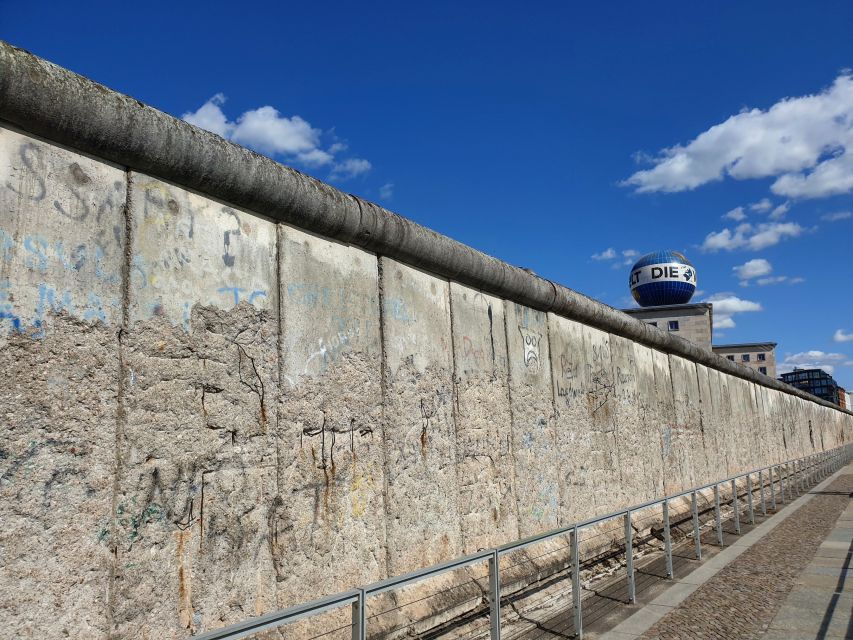
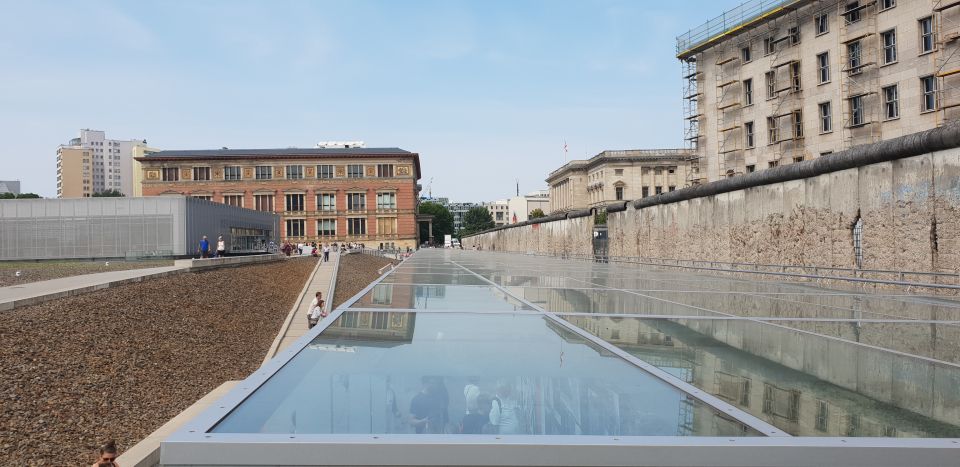
Your route swings into the story of division quickly, with a Berlin Wall visit that sets the tone. Even if you’ve seen photos before, there’s a difference between looking at a wall from afar and hearing how that kind of boundary shaped daily life.
Then comes Topography of Terror. You’ll have a short guided stop that helps put the broader political machinery of the Nazi era into focus. This is one of those areas where it’s easy to feel overwhelmed if you’re trying to read everything yourself while walking. Having a guide help you pick out the most important threads makes the area easier to process and remember.
One practical note: this portion can feel emotionally heavy. That’s not a drawback of the tour itself, just a reality of the territory. The upside is that the guide’s structure helps you move through the sites in a way that feels intentional rather than chaotic.
You can also read our reviews of more walking tours in Berlin



Checkpoint Charlie and Hitler’s Bunker: Two Different Kinds of Shock
After the Wall era, the tour goes to Checkpoint Charlie, where you get to experience the symbolism of the Cold War in a very concentrated way. The guide’s explanation helps you understand why this location became such a powerful icon of East-West tension.
Next is the area of Hitler’s bunker. You’re not going for comfort here. You’re walking through a physical reminder of how dictatorship ends, how it operated, and how Berlin was forced to live with the consequences. You’ll have a brief guided stop, so the goal isn’t to memorize details. It’s to make the place intelligible.
What I like about pairing these two stops is the contrast. Checkpoint Charlie is about the theater of competing systems. The bunker area is about the ugly human results of fascist power. You feel the shift, and that makes the overall route more meaningful.
If you prefer less intensity, you might want to mentally pace yourself here. Take in the guide’s main points, then give yourself a minute to absorb the atmosphere before moving on.
The Holocaust Memorial Stop That Actually Gets Time
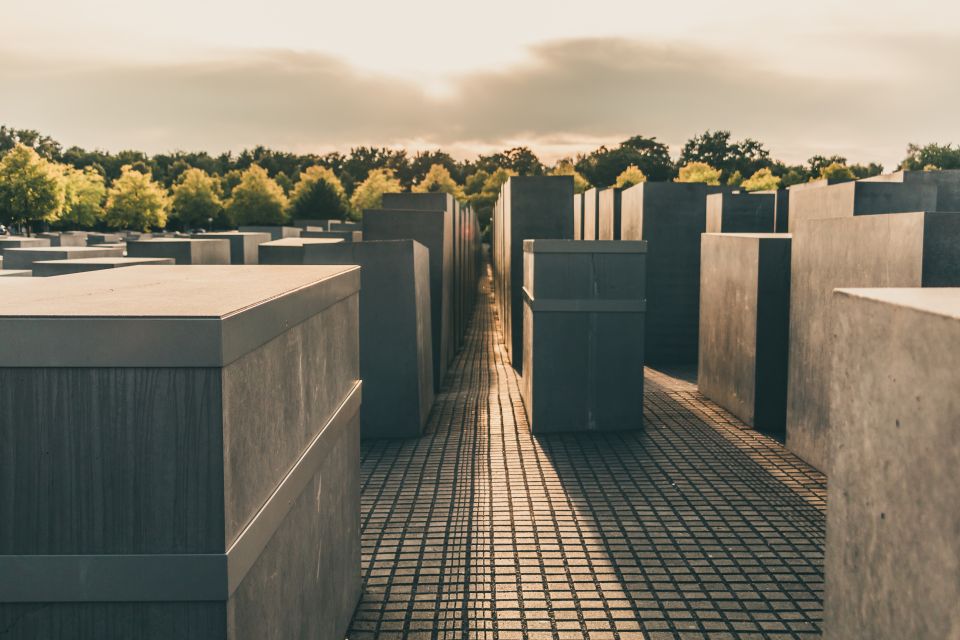
One of the most important parts of the day is the stop at the Memorial to Murdered Jews of Europe. This is not treated like a quick photo stop. You’ll have around 20 minutes with guided context, which is a good length for reading the space and letting the experience land.
This kind of memorial is designed to affect how you move and how you think, and that’s exactly why having time matters. When you rush, you miss the effect. When you have a short guided explanation first, you’re better prepared to understand what you’re seeing without feeling like you’re guessing.
If you’re sensitive to emotional content, plan your energy accordingly. You don’t have to force intensity into the trip, but you also shouldn’t treat the memorial like background scenery. This tour gives it the respect of a real pause.
Reichstag, Brandenburg Gate, and Unter den Linden: Power Shows, Then Reframes
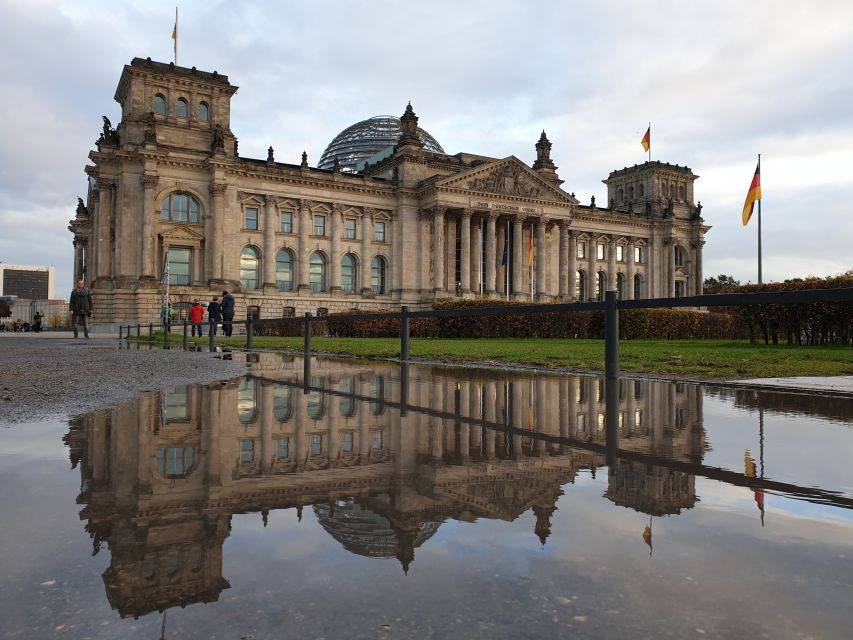
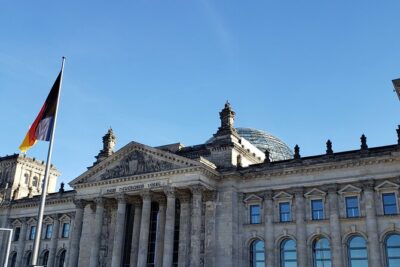
After the memorial, the tour steps into areas strongly associated with political identity and public power. You’ll pass the Reichstag area with a guided stop, then continue toward the Brandenburg Gate.
The Reichstag stop is brief, but it works as a bridge. You go from sites about occupation, persecution, and war to a place tied to Germany’s parliamentary story. The guide helps you read the architecture and location as part of a broader narrative, not just a standout building.
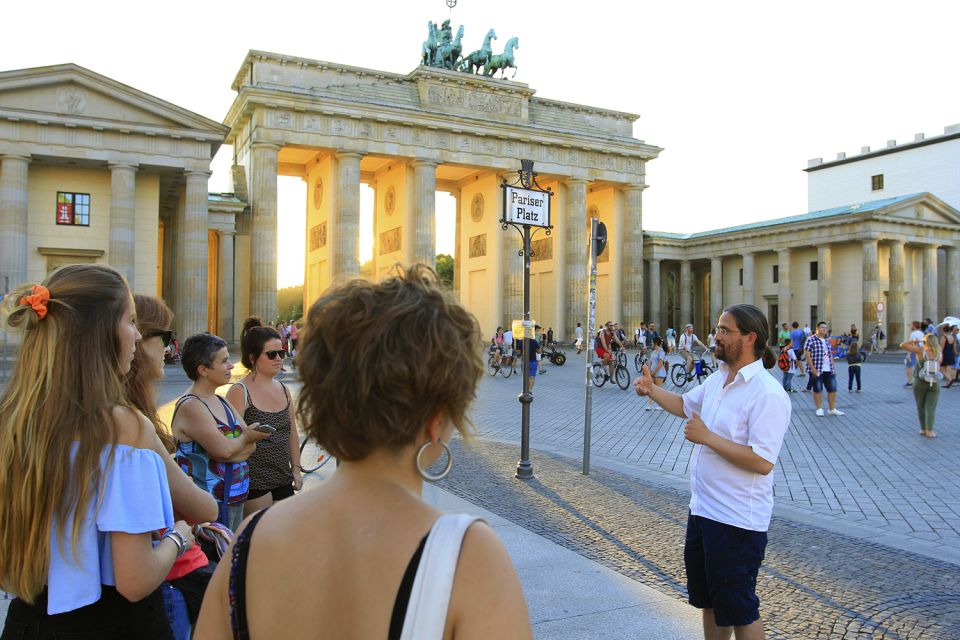
Then you reach the Brandenburg Gate. This is where Berlin often feels like it’s wearing a costume from multiple centuries at once. You’ll have a guided visit and then a dedicated break time. The break is helpful, because you’ll likely want a breather, a snack, and a few minutes to process what you just walked through.
From there, you’ll head into Unter den Linden. This is a classic Berlin avenue, and the guide’s storytelling helps you connect why it became such an important axis through the city.
Finally in this stretch, you’ll stop at Bebelplatz. Again, the guided timing is short, but the purpose is to point you toward what to notice so you don’t leave with only a few vague memories.
Museum Island and the Humboldt Forum: Berlin’s Past, Rehung
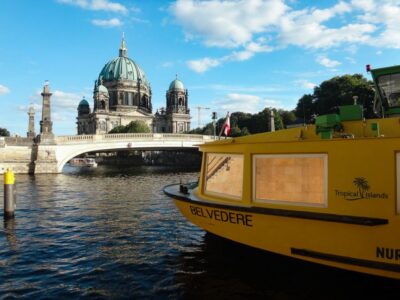
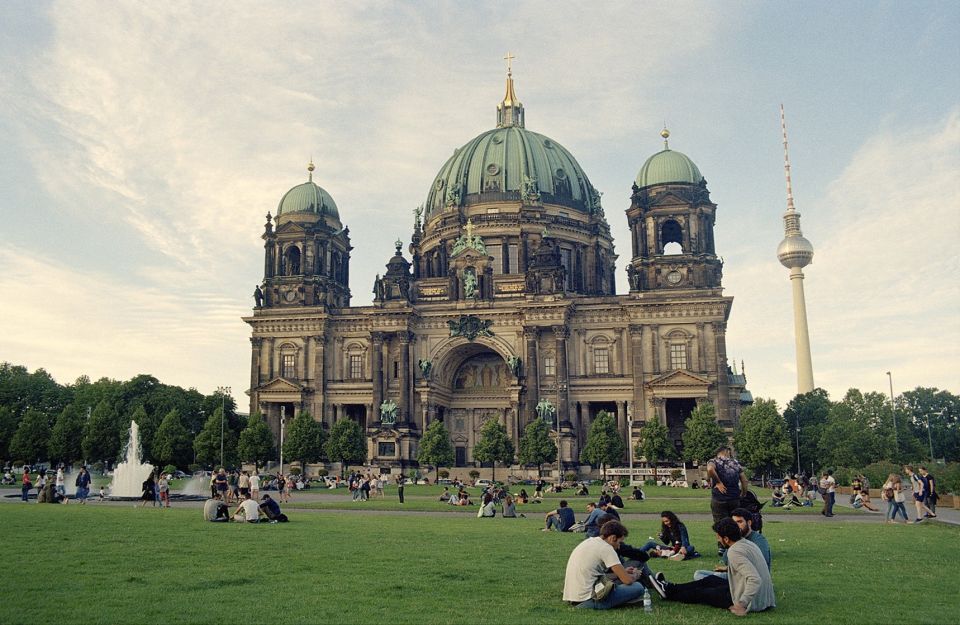
The later part of the tour shifts toward Berlin’s cultural identity, and it’s a nice change of pace. You’ll visit Museum Island with a guided stop, then move to the Humboldt Forum.
Museum Island is one of those places where the setting alone makes you slow down. The guide helps you understand the significance of the area so it feels less like a random cluster of institutions and more like a coherent symbol of Berlin’s relationship with knowledge, collecting, and public life.
Then the Humboldt Forum adds another layer. The guide’s explanation helps you see it not just as a modern landmark, but as part of the ongoing conversation about how institutions represent history. You don’t have to be a museum expert to get something out of this stop. The goal is to give you a lens, so you can choose what to return to later on your own.
The combination works well if you’re building a Berlin itinerary. After the heavy sites, the cultural stops give you something constructive. You leave with places you’ll want to revisit, not just photographs.
You can also read our reviews of more historical tours in Berlin






How the Guide Keeps the Walk Feeling Easy
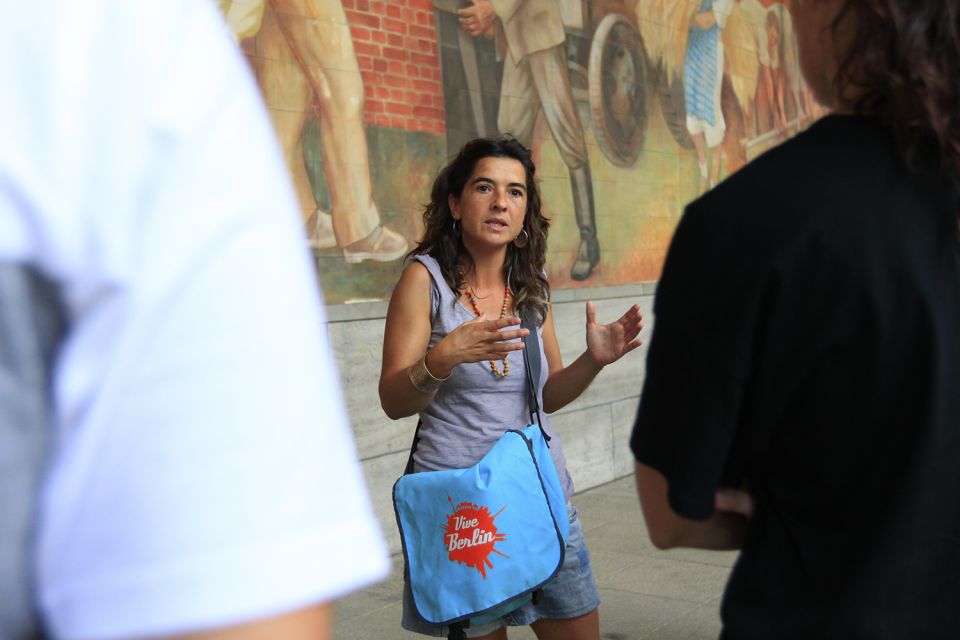
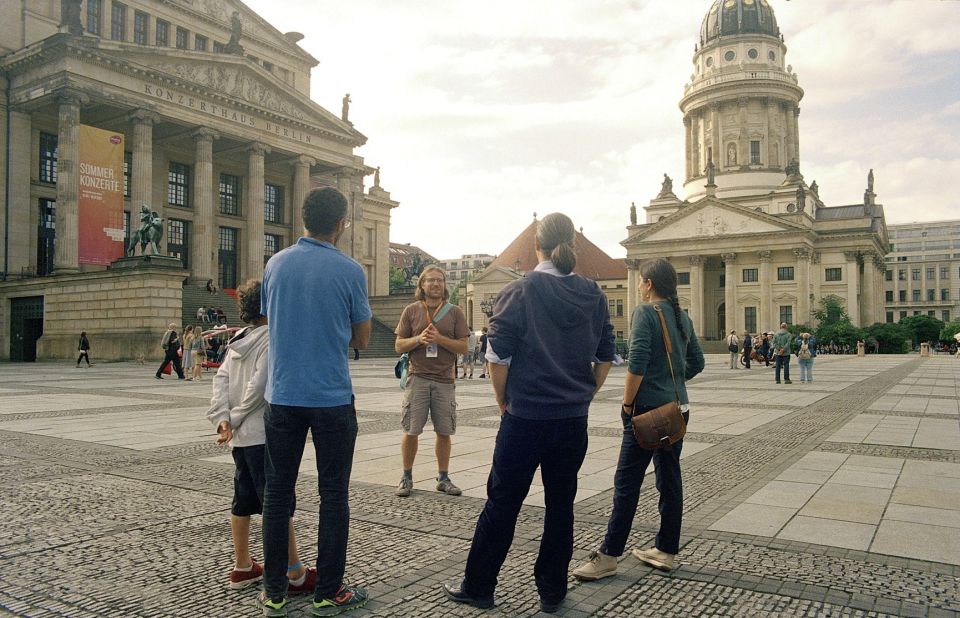
This tour lives or dies by the guide, and the format is set up to support that. You’re in a small group with a live guide, and the explanations are built around how the landmarks connect. That makes a huge difference on walking tours, because you can’t easily “read” everything while moving.
The tour operates in English, French, Italian, and Spanish, and the guide will weave stories throughout the walk rather than dumping everything at the start. That’s exactly what makes the route feel like one coherent experience instead of a list of stops.
Also, the guide handles the practical reality of Berlin weather. If conditions are difficult, you might use the metro during the tour. That flexibility keeps the schedule from turning into a slippery marathon, especially in colder months.
In recent bookings tied to this experience, guides such as Paul, Céline, Jean-Charles, and Paolo have been credited with making the history clear and the walking feel easier than it sounds. If you’re hoping for a guide who doesn’t talk over your head and who can keep energy up even in rough weather, this is a good match.
Price and Logistics: Is It Worth $389 Per Group?
At $389 per group up to 6, the price is best understood as a small-group private-feel tour rather than a cheap “free-for-all” walking experience. You’re paying for a dedicated guide and a route that handles the city’s complicated timeline for you.
For a group of up to six, the value can be strong, especially if you’d otherwise pay separately for multiple museum tickets, or if you’d hire a guide for just a couple of locations. Here, you’re getting a guided sweep across the city’s major historical markers in a single outing.
A few logistics points that affect value:
- The tour does not include a public transport ticket. You’ll likely want an AB zones day pass to reach the meeting point and keep your day flowing afterward.
- The tour uses pick-up options (optional), with a requirement to wait in the hotel lobby about 10 minutes before pickup. If you choose pickup, you should plan ahead by contacting the operator with your details.
- The tour ends at two drop-off locations, not back at where you started. Berlin is huge, so that matters for your schedule.
If you like planning your own rest of the day, the “ends elsewhere” setup can be great. If you prefer everything to funnel back to one convenient point, it might feel a little less tidy.
Who This Tour Suits Best
This walking tour is ideal if you want:
- A guided history overview that connects many eras in one route
- A focused look at major sites tied to division, war, and remembrance
- A small-group experience where you can ask questions and keep moving without feeling lost
It’s also a strong choice for couples, small families, or friends traveling together who want structure. The route includes plenty of the city’s signature landmarks, but it’s not just sightseeing. The guide’s explanations are the main event.
If you’re someone who prefers to slow down at museums for long self-guided stays, you may want to treat this as the “set your bearings” day. You’ll likely want to come back to specific sites later once you know what you care about.
Should You Book This Tour?
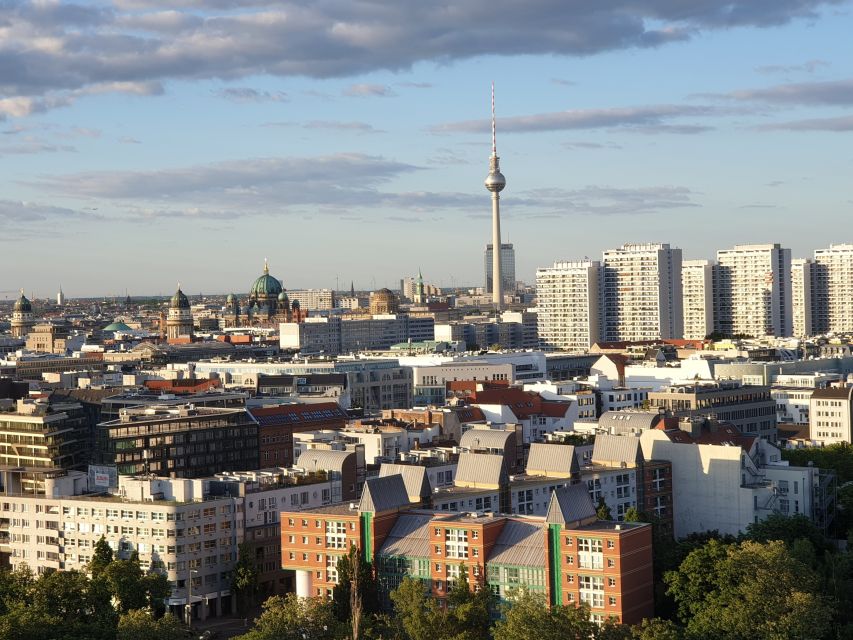
Book it if you want Berlin’s history explained in a way that actually connects. The stop sequence makes sense: Potsdamer Platz gives you orientation, the Wall and Cold War markers give you tension, the Holocaust Memorial gives you a respectful pause, and the Reichstag/Unter den Linden/Humboldt Forum stretch your understanding into how Berlin frames itself now.
Skip it (or adjust your expectations) if you dislike emotionally heavy topics or if you don’t do well with long walking days. Even though the tour can use the metro if weather is tough, it’s still a lot of ground in one go.
Given the consistently high overall rating and the way the guide approach has been praised for clarity and pacing, I think it’s a smart way to see a concentrated Berlin history story without getting overwhelmed by the city on your own.
FAQ
How long is the Berlin Historical Highlights Walking Tour?
The duration is listed as 3 to 6 hours, depending on the starting time and how the day runs.
Where does the tour start, and is pickup available?
The meeting point can vary by the option you choose. Pickup is optional, and if you request it, you should wait in the hotel lobby about 10 minutes before your scheduled pickup time.
What languages are the live guides available in?
Live guides are available in English, French, Italian, and Spanish.
Is public transportation included?
No. A public transport ticket is not included.
Can I join if I use a wheelchair?
The tour is listed as wheelchair accessible.
What should I bring and wear?
Wear comfortable shoes. Berlin’s route is designed for walking, and weather can affect whether you use the metro during the tour.