REVIEW · BERLIN
Berlin: Cold War Era History Guided Bike Tour
Book on GetYourGuide →Operated by Berlin on Bike BoB Fahrradtouren GmbH · Bookable on GetYourGuide
Berlin’s Cold War scars are still visible. This guided bike tour strings them together with real stops, clear stories, and easy pedaling. You’ll roll past Wall remnants and major landmarks like Brandenburg Gate and Checkpoint Charlie, with your guide pointing out what matters and why.
What I like most is the way the route mixes famous sights with the more specific border details that are easy to miss on your own. Guides such as Oleg and Paul T (among others) consistently focus on practical context—what East and West Berliners lived with—while keeping the pace relaxed.
One thing to consider: you cover about 15 kilometers in 3 to 3.5 hours. If you’re not comfortable riding in city traffic for that distance, you may want to plan for a slower bike and mentally budget time for stops and questions.
In This Review
- Key highlights at a glance
- Getting started at Kulturbrauerei (and why that matters)
- Pedaling Berlin’s Cold War line: Wall remnants and border crossings
- Checkpoint Charlie and the watchtower stories that stick
- From Mauerpark to Bernauerstraße: seeing everyday Berlin on the way to the Gate
- Brandenburg Gate: the iconic finish with real context
- Pace, distance, and group feel (what you’re actually signing up for)
- What’s included (and how it boosts value)
- Languages and who this tour suits best
- Weather and clothing: how to stay comfortable on the ride
- Should you book this Cold War bike tour?
- FAQ
- How long is the Berlin Cold War bike tour?
- About how far do you ride?
- Where does the tour start and what’s the nearest metro stop?
- What’s included in the tour price?
- What languages are offered?
- Do I need to bring my own helmet or gloves?
- Is this tour okay for kids?
- Is alcohol or drugs allowed during the tour?
- Where does the tour end?
Key highlights at a glance
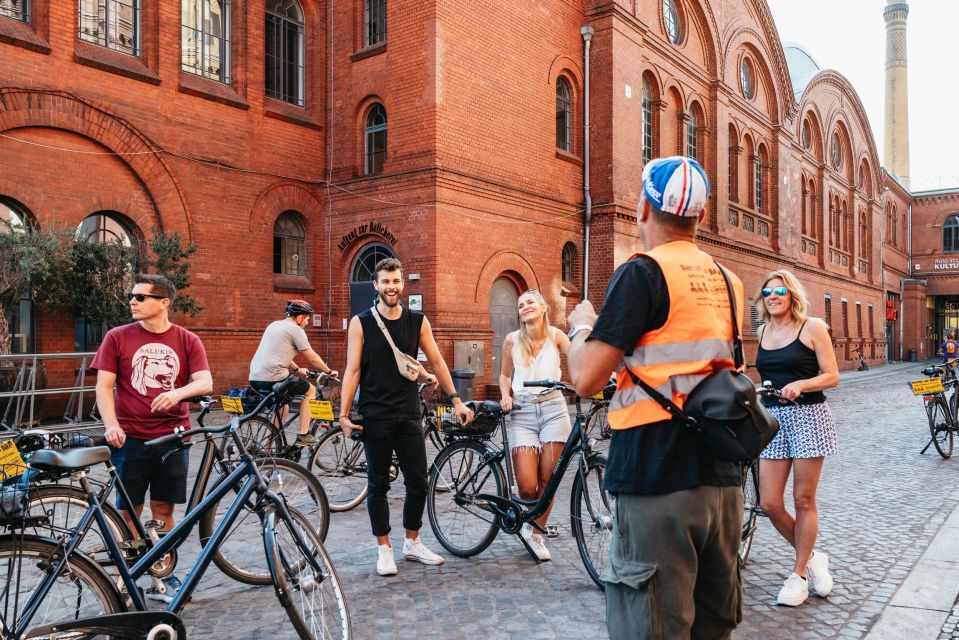
- Kulturbrauerei start in Prenzlauer Berg: begin at a 19th-century brewery complex instead of a random street corner
- Berlin Wall remnants plus real border crossings: you see fragments and locations tied to escape attempts
- Checkpoint Charlie and symbols of the Cold War: the tour treats these spots as part of a bigger system, not just photos
- A last watchtower stop with escape stories: you get human scale detail, including both success and tragedy
- Mauerpark and Bernauerstraße to Brandenburg Gate: the ride links everyday Berlin with the city’s most iconic scene
- Support extras: helmets and gloves on request, sunscreen, trouser clips, and rain ponchos when needed
Getting started at Kulturbrauerei (and why that matters)

The tour kicks off at the Berlin on Bike depot inside the Kulturbrauerei complex in Prenzlauer Berg. This is a smart choice for a few reasons. First, it feels like a real neighborhood start point, not a tourist bus stop. Second, you’re already in an area where Berlin’s present-day vibe is layered onto the past, so the history doesn’t feel like a museum wall you’re visiting from the outside.
Bike setup is straightforward. You get a bike from a large fleet, and you’ll also have practical extras ready if you want them, including sunscreen and trouser clips. If weather turns, there are rain ponchos available. For comfort, you can request a helmet and gloves. That matters because you’re out long enough to feel the difference between a good fit and a mediocre one.
One small tip from real-world experience: if you’re choosing among brake types, I’d avoid a coaster brake bike unless you already know how it feels. A few riders flagged that detail, and honestly, it’s the kind of thing that can distract you when the goal is to enjoy the ride and listen.
You can also read our reviews of more cycling tours in Berlin

Pedaling Berlin’s Cold War line: Wall remnants and border crossings
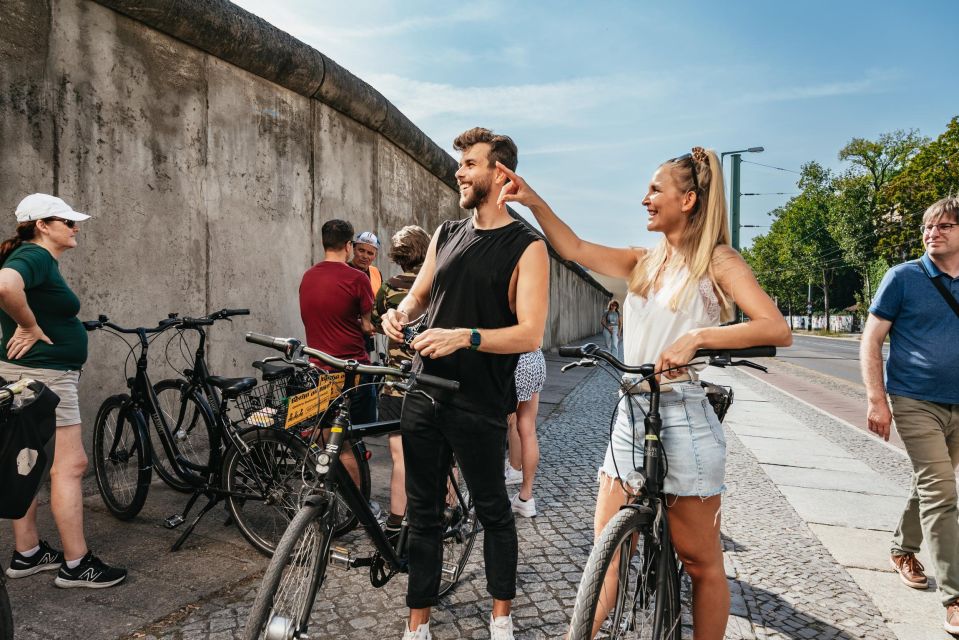
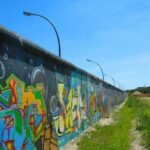
Once you’re rolling, the tour follows the former border corridor—where East and West Berlin were kept apart. This is where biking earns its keep. You’re moving far enough to cover serious ground, but you’re still close enough to see the visual clues: where the wall stood, what remains now, and how the landscape shaped movement.
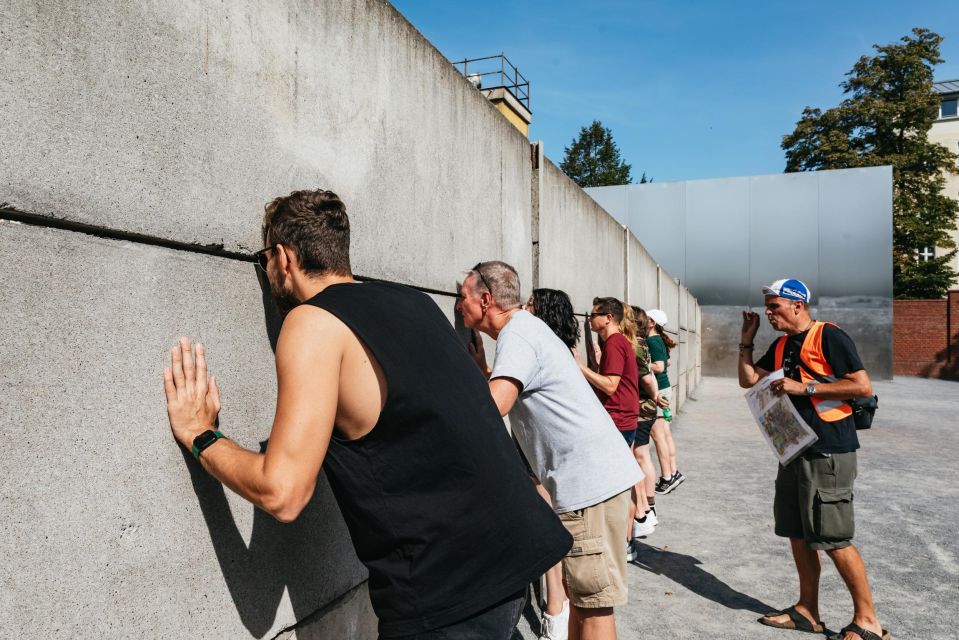
A key part of the experience is seeing the Berlin Wall remnants and border-related locations tied to how people attempted to cross. Your guide points out former border crossings such as Bornholmerstraße, and you’ll stop at Checkpoint Charlie, one of the Cold War symbols people recognize instantly.
The value here is not just that you can take a clean photo. It’s that the guide helps you read what you’re seeing. You’ll connect the Cold War system to real locations, and you’ll understand why the wall wasn’t only a physical barrier—it was a set of rules, risks, and routines that changed lives on both sides.
There’s also something surprisingly emotional about riding this route at bike speed. Walking can feel like you’re passing through a single point in time. Cycling makes it feel like you’re traveling along a line—one that Berliners lived along for decades.
Checkpoint Charlie and the watchtower stories that stick
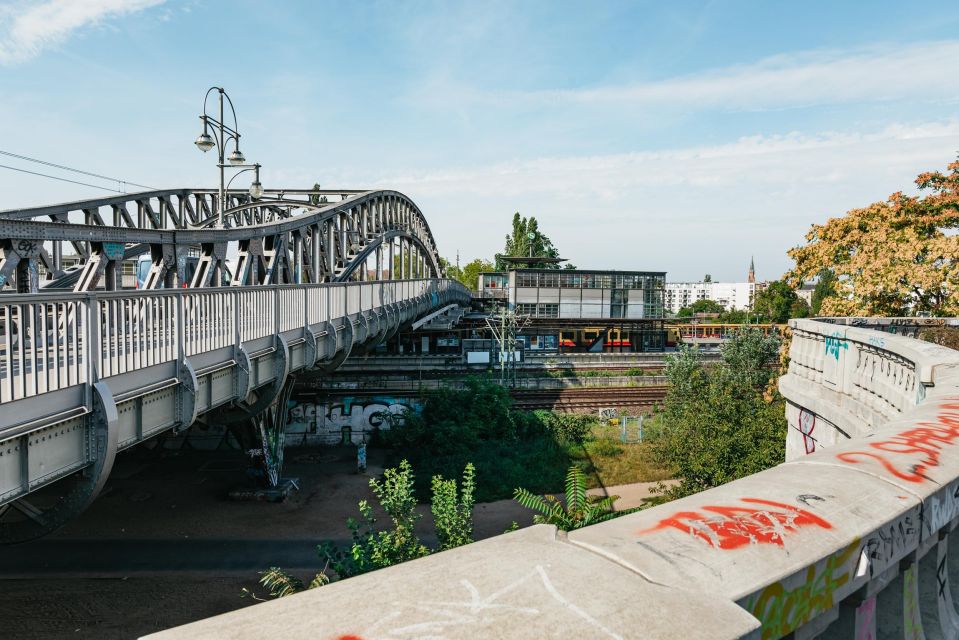
Checkpoint Charlie comes with instant recognition, but this tour treats it as part of a larger story. Your guide explains the symbols of the Cold War and situates them in the broader legacy of division.
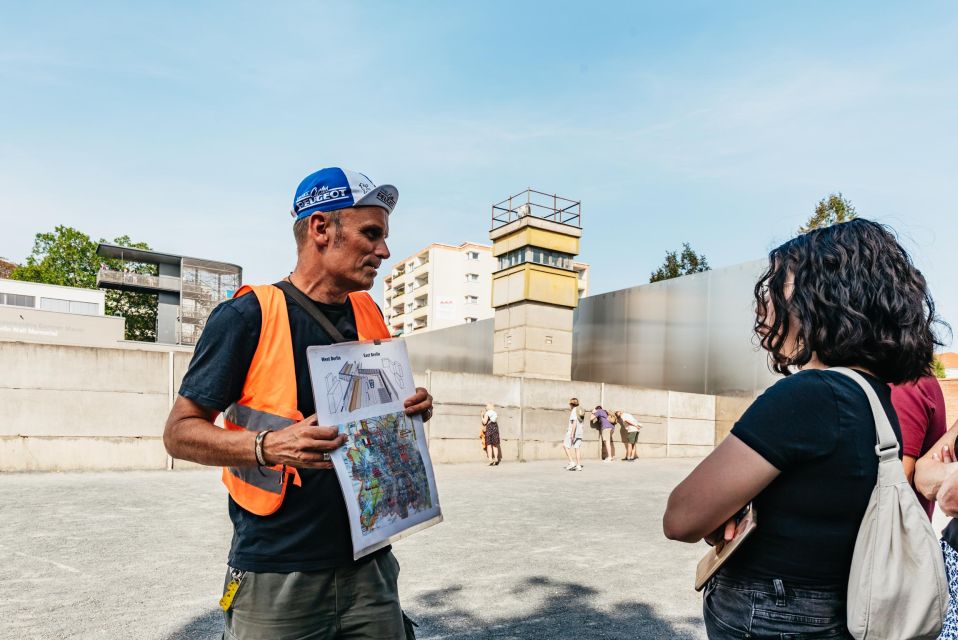
The tour also includes a visit to one of the last watch towers. This stop is where the history becomes intensely human. You’ll hear about escape attempts, including both successful cases and tragic ones. The goal isn’t shock value; it’s context—how the wall’s enforcement worked and why it mattered to ordinary people.
What I like about this approach is that it avoids turning the wall into only a political headline. Instead, you get the sense of how barriers were monitored and how escapes depended on timing, luck, and risk.
From Mauerpark to Bernauerstraße: seeing everyday Berlin on the way to the Gate
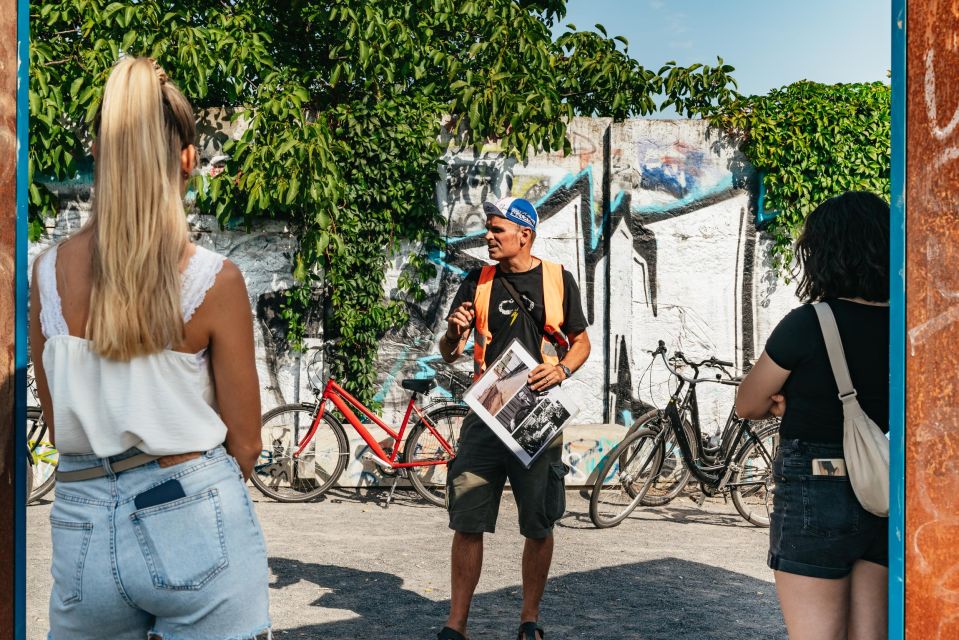
As the ride continues, you move toward central landmarks. A highlight along the way is Mauerpark, which you pass through as part of the larger history route. It’s a useful contrast: the area is known for today’s public energy, yet you’re traveling through a corridor shaped by yesterday’s separation.
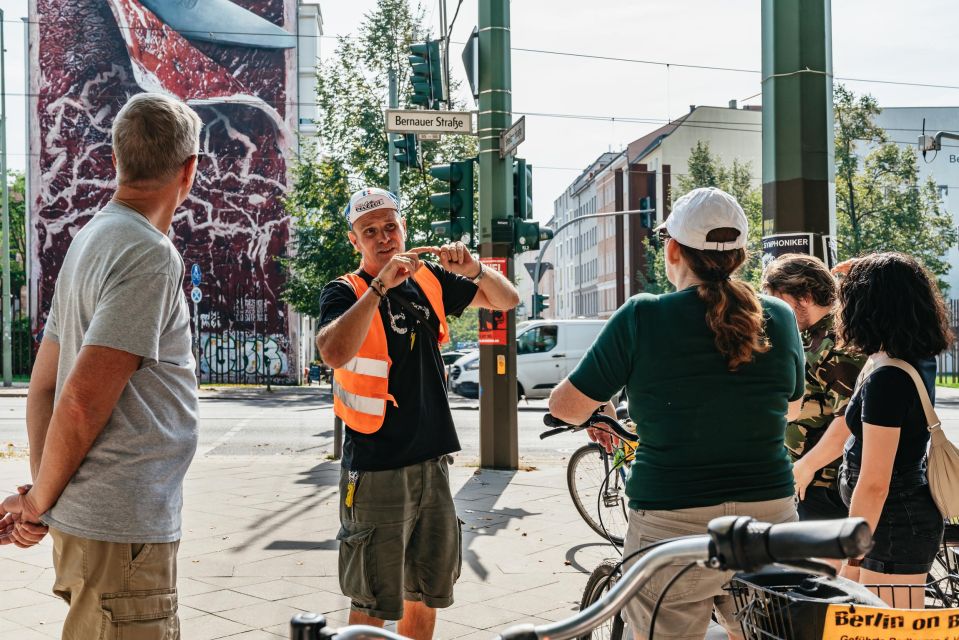
Then you follow Bernauerstraße, a name that carries major weight in Berlin’s wall story. This section tends to be where the tour’s pacing feels especially right. You’re not sprinting between stops. You’re getting time to absorb explanations, ask questions, and take in what’s still visible.
You’ll also learn about how the Berlin Wall came down overnight after nearly 30 years, and what that sudden shift meant for Berliners. Even if you already know the headline, hearing it tied to the places you’re riding past makes it land differently.
Brandenburg Gate: the iconic finish with real context
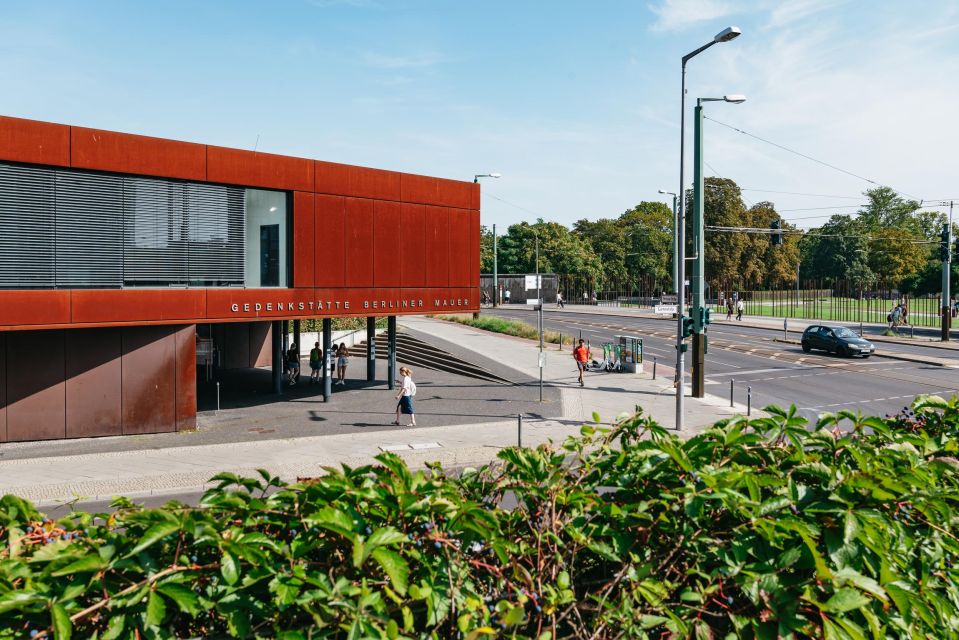
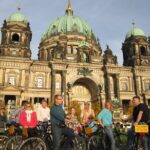
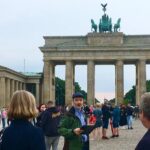
The ride culminates at Brandenburg Gate, one of the world’s most recognized landmarks. The tour doesn’t treat it like a postcard stop. Your guide explains the Gate’s 18th-century origins, then layers Cold War meaning on top of it.
That combination is the key. Brandenburg Gate is famous on its own, but in this tour it becomes a frame for a city’s transformation. You’re arriving after hours of biking along the line that once divided Berlin. The Gate isn’t just “the place to stand and take a picture.” It becomes a final marker in a story about power, fear, policy, and eventual change.
After that, you head back to the depot to drop off the bike, finishing where you started.
You can also read our reviews of more guided tours in Berlin
Pace, distance, and group feel (what you’re actually signing up for)
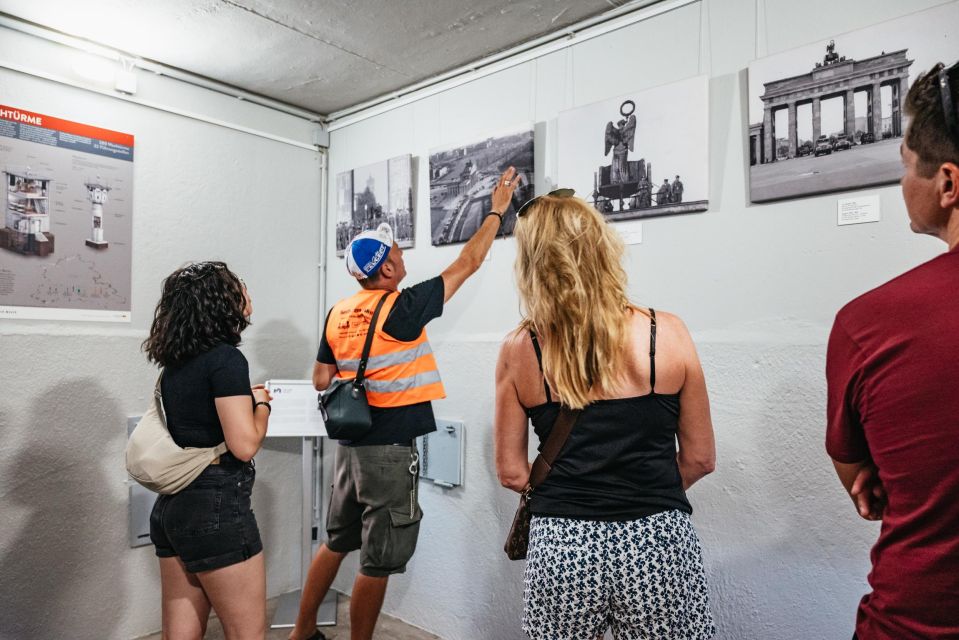
This isn’t a sprint tour. The ride covers up to about 15 kilometers at a relaxed pace. The total time is 3 to 3.5 hours, depending on the starting time and the flow of the group.
In practical terms, it’s a good length. You get enough distance to feel like you’ve traveled across a meaningful chunk of Berlin, but it doesn’t drag on into an all-day commitment. If you’re the type who gets impatient in slow museums, the bike format keeps the day moving.
Group management is another strong point. Guides in the feedback you provided are repeatedly praised for keeping groups together and handling questions well. For example, Paul was noted for safely navigating streets while staying organized, and another guide (Oleg) was praised for answering questions and keeping the pace comfortable.
If Berlin throws an event into the mix, the route can shift. One report mentioned the Berlin Half Marathon affecting the ride, and the guide working to adapt. That’s a good sign: you’re not locked into a rigid checklist if conditions change.
What’s included (and how it boosts value)
At $35 per person, this is one of those deals that makes sense once you list what’s covered. You get:
- A bicycle
- A live guide
- Helmet and gloves on request
- Sunscreen
- Trouser clips
- Rain ponchos in bad weather
That package matters because bike rental alone can eat up your budget in many European cities. Here, you get the bike and the expertise together. The result is a practical “pay once, solve two problems” situation: transportation for the day plus a guide who can connect locations into a story.
If you like learning history but hate slow group pacing, this format fits. You listen while you move, and your questions usually have room to land.
Languages and who this tour suits best
You can join with a guide in French, German, English, or Dutch, and the tour also offers private group options. That flexibility helps if you’re traveling with friends who prefer a certain language.
In terms of who it suits:
- Great for first-time visitors who want major Wall-era sites in one morning or afternoon block
- Good for history-minded travelers who want context without turning the day into a lecture
- Ideal if you like biking and want Berlin’s layout to make sense fast
One clear restriction: it’s not suitable for children under 8.
Weather and clothing: how to stay comfortable on the ride
The tour provides rain ponchos if needed, but you still want to bring your own baseline comfort. The instructions are simple: wear comfortable clothes and bring comfortable shoes.
My best advice is to dress for moving outdoors. You’ll be exposed to Berlin’s weather changes, and you don’t want clothing that restricts pedaling or makes you sweat uncomfortably.
Also, think about hands and wrists. Even if you don’t request gloves, you’ll be glad to have a good grip and stable braking control.
Should you book this Cold War bike tour?
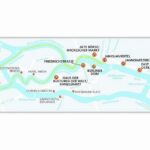
I’d book this if you want a smart, guided Berlin Wall experience that hits the major landmarks without wasting time. The price is reasonable for what’s included, and the route structure makes history feel connected rather than chopped into isolated stops. The stop selection—Kulturbrauerei, Bornholmerstraße, Checkpoint Charlie, a watchtower, Mauerpark/Bernauerstraße, then Brandenburg Gate—creates a full arc from division to iconic unity.
Skip it if you’re very sensitive to riding distance or city traffic and can’t handle about 15 kilometers. You can still get Wall-era history by foot, but you’ll lose the efficiency and the “moving along the border line” feeling that makes this tour special.
If you want one history outing in Berlin that combines movement, context, and real-world locations, this is a strong choice.
FAQ
How long is the Berlin Cold War bike tour?
It runs for about 3 to 3.5 hours, and starting times vary by availability.
About how far do you ride?
You cover approximately 15 kilometers at a relaxed pace.
Where does the tour start and what’s the nearest metro stop?
Meet at the Berlin on Bike depot inside the Kulturbrauerei area. The nearest metro station is Eberswalder Straße, about three stops from Alexanderplatz on the U2 line.
What’s included in the tour price?
The tour includes a bicycle and a live guide, plus sunscreen, trouser clips, and rain ponchos if weather is bad. Helmet and gloves are available on request.
What languages are offered?
The live guide is available in French, German, English, and Dutch.
Do I need to bring my own helmet or gloves?
No. A helmet and gloves are available upon request, and sunscreen and other extras are provided.
Is this tour okay for kids?
It is not suitable for children under 8 years.
Is alcohol or drugs allowed during the tour?
No. Alcohol and drugs are not allowed.
Where does the tour end?
It ends back at the same meeting point where you started, at the Berlin on Bike depot.